Uncategorized
test
How to Make Money Online Using ChatGPT: 6 Business Ideas You Can Copy


Discover 6 proven AI business ideas that will help you make money online using ChatGPT. Learn how to create content, develop tools, start an agency, and more all with actionable tips to scale your income. Perfect for beginners and pros!
In the ever-evolving world of AI, ChatGPT has become a game changer for making money online. Imagine leveraging AI to create content, automate tasks, or even build entire businesses. In this article, I’ll show you six actionable AI business ideas that you can start today using ChatGPT. These aren’t just theoretical concepts. They’re proven strategies that I’ve personally used to earn over $2 million. Ready to dive into these opportunities? Let’s get started!
1. Create High-Ranking Blog Content
One of the most obvious ways to make money with ChatGPT is through content creation for blogs. With millions of searches happening on Google every minute, ranking for the right keywords can be extremely profitable. For example, terms like “how to know if there are termites in my house” or “best tips to fix a refrigerator” have untapped potential.
Here’s how ChatGPT can help:
- Generate SEO-optimized outlines in seconds.
- Create detailed blog posts, checklists, or how to guides.
- Use affiliate marketing, ads, or sponsorships to monetize the traffic.
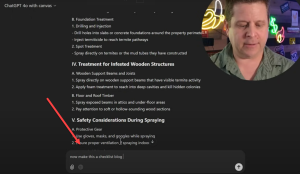
By pairing your blog content with affiliate programs like ClickBank or OfferVault, you can earn through clicks, leads, and even phone calls. With ChatGPT, you can produce high quality content faster than ever.
2. Start a Content Creation Agency
Businesses need content, and with ChatGPT, you can start your own content creation agency. Many businesses struggle to keep their websites, blogs, and social media updated. That’s where you come in, offering AI-driven content creation services.
Steps to get started:
- Build a portfolio showcasing AI-generated blog posts, social media captions, and email templates.
- Approach businesses in niches like real estate, home improvement, or fitness.
- Outsource content creation using ChatGPT while managing client relationships.
With this model, you’re not just creating content you’re running a scalable business. Clients will pay you for consistent, high-quality output, and with ChatGPT, your operating costs remain low.
3. Develop Custom Tools and Plugins
ChatGPT can assist you in creating custom tools, plugins, or even software. For instance, using ChatGPT 4.0 with Canvas, you can generate code for WordPress plugins, calculators, or interactive widgets.
Examples of profitable tools:
- Mortgage calculators for real estate websites.
- RSS feed organizers for bloggers.
- Sobriety countdown widgets for wellness sites.
These tools can be sold directly to businesses or listed on platforms like CodeCanyon. The demand for such utilities is enormous, and creating them has never been easier thanks to AI.


4. Sell Pre-Made Tools to Businesses
Another profitable approach is to resell pre made tools and calculators to businesses. Many companies are unaware of how AI can simplify their operations. You can bridge this gap by offering solutions tailored to their needs.
How to approach businesses:
- Identify industries that benefit from calculators or tools (e.g., auto repair shops, dental offices, or grocery stores).
- Create solutions that solve specific problems, such as budget calculators or appointment schedulers.
- Offer these tools as a one-time purchase or subscription service.
This strategy focuses on creativity and problem-solving rather than the time-intensive process of manual coding.
5. Research Content Ideas Using AI
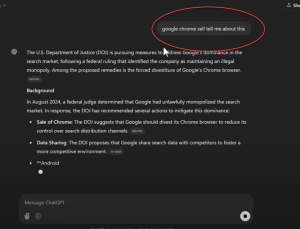
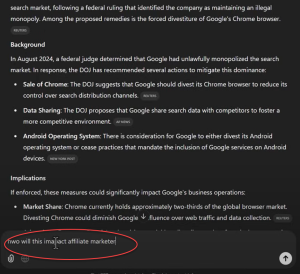
One underrated use of ChatGPT is for content research. By setting up tools like RSS feeds or using ChatGPT directly, you can stay ahead of trends in any niche. For instance, if a new Google Chrome update is creating buzz, you can quickly create content around it and attract traffic.
Steps to stay ahead:
- Use ChatGPT to analyze trending topics.
- Adapt these topics to your niche by asking, “How does this impact [niche]?”
- Create tailored content that answers burning questions.
This strategy is invaluable for both your own websites and clients looking to capitalize on trending topics.
6. Streamline Mundane Tasks
Finally, ChatGPT can help you handle time-consuming tasks efficiently. From proofreading and editing to creating checklists or social media posts, you can use ChatGPT to automate repetitive work. This is particularly useful if you’re offering services on platforms like Fiverr or Upwork.
Popular tasks to automate:
- Writing blog titles or email subject lines.
- Editing and formatting articles.
- Translating content into multiple languages.
By using ChatGPT, you can complete these tasks faster, allowing you to scale your services and take on more clients.
These six AI business ideas are just the tip of the iceberg. With tools like ChatGPT, you can automate tasks, create unique solutions, and scale your business faster than ever. Whether you want to start a blog, launch a content agency, or sell custom tools, the opportunities are endless.
Don’t wait. Start using these six AI businesses to make money online using ChatGPT today. The possibilities are vast, and with the right strategy, you can achieve incredible results. Ready to take the leap? Let’s make it happen!
How To Use AI For Research and Earn $500 a Day as an AI Researcher
Discover how to make up to $500 daily by becoming an AI-assisted researcher! Learn step-by-step methods, tools like ChatGPT and Perplexity, and actionable tips to monetize your research skills without a website or prior experience.
What if you could get paid up to $500 a day or more just for researching topics using AI? Yes, that’s possible, and it’s easier than you might think. In today’s tech-driven world, AI tools have revolutionized market research, enabling faster, more accurate insights that can be monetized. Whether you’re a beginner or a seasoned researcher, this guide will show you step by step how to make money online as an AI-assisted researcher. Best of all, you can do this without a website, a big budget, or prior experience.
Why Use AI for Research?
AI simplifies and amplifies the research process by:
- Processing large volumes of data: AI tools can analyze datasets in minutes, a task that would take humans hours.
- Providing predictive insights: Tools like ChatGPT, Perplexity, and NotebookLM can help forecast trends and opportunities.
- Optimizing decision-making: By delivering precise information, AI enables informed decisions that maximize profitability.
The Piggyback Method

At the core of this strategy is the “piggyback method,” which involves leveraging existing trends, topics, and news to create engaging, monetizable content. For instance, news about inflation or housing prices can inspire content tailored to specific groups, such as homeowners or investors.
Get A High Ticket Niche For A Faceless Youtube Business Click Here
Step 1: Identify Topics That Pay
Not all research is created equal. Some topics are highly lucrative, depending on their relevance and demand. Examples include:
- Finance: Mortgage rates, housing prices, investment trends.
- Health: Wellness products, insurance plans.
- Tech: AI advancements, software comparisons.
- Lifestyle: Travel, budgeting, and saving tips.
Use tools like Google Trends, Feedly, and RSS feeds to stay updated on hot topics. For example, search terms like “Florida housing prices” or “top AI tools for 2024” can reveal trending topics with high monetization potential.
Step 2: Use AI Tools to Streamline Research
Here are the top tools you’ll need:
- ChatGPT: Generate ideas, summarize articles, or create click-worthy titles.
- Perplexity: Find updated and verified information on trending topics.
- NotebookLM by Google: Organize and analyze large datasets.
- Particle AI: Summarize and distill key points from long documents.
- Feedly and RSS Feeds: Aggregate news and niche updates.
- Napkin AI: Create data visualizations and infographics.
Example Prompt:
Imagine you’re researching housing trends in Florida. You can input the following into ChatGPT:
“How will rising mortgage rates in Florida affect first-time homebuyers?”
Refine the output by adding, “Create a compelling headline for this topic targeting investors.”
Step 3: Develop Unique Angles for Your Content
AI research becomes powerful when paired with creativity. Ask yourself:
- How does this topic impact specific groups, like homeowners or tech enthusiasts?
- Can I connect this trend to a broader theme, like economic recessions or technological innovation?
For example, if the topic is “Google forced to sell Chrome,” create specific angles:
- For general users: “How Google Selling Chrome Could Affect Your Online Safety.”
- For gamers: “Will Chrome’s Sale Impact Gaming Performance?”
Step 4: Monetize Your Research
Once you’ve gathered insights and created content, it’s time to monetize. Here are several methods:
- Affiliate Marketing
- Create blog posts like “Top Florida Real Estate Tools for 2024” with links to affiliate programs.
- Use platforms like ClickBank, JVZoo, and OfferVault to find affiliate offers.
- Sponsored Content – Partner with brands to feature their products or services in your articles, videos, or newsletters.
- Ad Revenue – Use platforms like Google AdSense to display ads on your blog or YouTube videos. Target lucrative niches, such as finance or health, where ad rates are higher.
- Membership Sites – Build a community by offering exclusive content for a subscription fee. For example, a “Florida Housing Market Insider” membership could include weekly reports, live Q&A sessions, and more.
- Digital Products – Sell white papers, infographics, or guides. For example: “The Ultimate Guide to Florida Real Estate Investing” could be a downloadable PDF with affiliate links embedded.
Step 5: Create and Distribute Content
The type of content you produce depends on your strengths and goals. Options include:
- Blog Posts: Write SEO optimized articles using AI-generated research.
- Infographics: Use tools like Napkin AI to create visuals that summarize key data points.
- Short Videos: Turn your research into quick, engaging TikToks or YouTube Shorts.
- Long Videos: Deep dives into topics like “Top Real Estate Trends in 2024” perform well on YouTube.
- Newsletters: Compile trending topics into weekly or monthly email digests.
- Social Media Content: Share bite-sized research findings on platforms like Instagram or Twitter.
Let’s say you want to target “Florida homeowners insurance.” Follow these steps:
- Research with AI:
- Prompt: “What are the five biggest myths about Florida homeowners insurance?”
- Add specific parameters: “Include recent data on hurricane insurance costs.”
- Create Content:
- Write a blog post titled “5 Myths About Florida Homeowners Insurance You Need to Know.”
- Use Napkin AI to create an infographic comparing average insurance rates over the years.
- Monetize:
- Add affiliate links to insurance comparison tools.
- Embed AdSense ads in your blog.
- Promote the article on social media with a CTA to subscribe to your newsletter.
Tools for Scaling
- Automating research with tools like RSS feeds.
- Using ChatGPT to generate first drafts quickly.
- Scheduling content distribution through platforms like Buffer or Hootsuite.
Becoming an AI-assisted researcher is one of the easiest ways to make money online. With the right tools, topics, and strategies, you can create valuable content that not only informs but also earns. Start small, focus on niches that pay, and watch as your income grows with each piece of content you create. Ready to start?
How To Use Perplexity Ai Shopping Tool To Make Money and Smarter Online Purchases
Discover how to use the Perplexity AI Shopping Tool to save money, find the best deals, and boost your affiliate marketing efforts. Learn step by step tips, features, and real-life examples to maximize your onliI Shopping Tool works and how you can leverage it to save money and even earn money online.
ne shopping and earning potential. Perfect for savvy shoppers and marketers!
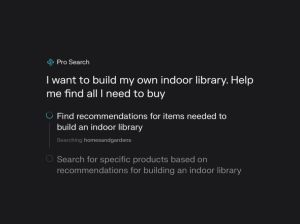
Ever heard of the Perplexity AI Shopping Tool? If not, you’re in for a treat. This innovative AI-driven shopping assistant is transforming the way we shop online by helping users find the best deals, make informed decisions, and save time. Whether you’re looking to score a great deal on a new gadget or streamline your affiliate marketing efforts, this tool is a game-changer. In this post, I’ll walk you through how the Perplexity A
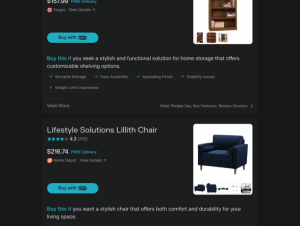
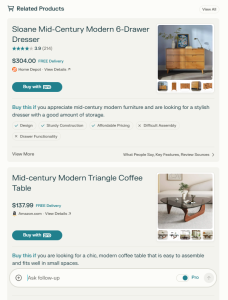
The Perplexity AI Shopping Tool is an AI-powered solution designed to simplify your online shopping experience. Think of it as a personal shopping assistant that compares prices, analyzes reviews, and suggests the best options tailored to your needs.
Using advanced natural language processing (NLP), this tool understands your shopping queries in detail, providing personalized recommendations and insights. For affiliate marketers, it’s an excellent way to curate product lists and find trending items that resonate with your audience.
NEW AI PROFIT SCOOP VIDEO CLICK HERE.
How to Get Started with the Perplexity AI Shopping Tool
Getting started with the Perplexity AI Shopping Tool is easy, even if you’re not tech-savvy.
Sign Up
Head over to the Perplexity AI website and create a free account. This gives you access to the shopping tool and its robust features.
- Input Your Query
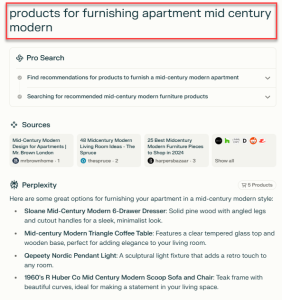
Simply type what you’re looking for, such as “best budget laptops under $500” or “top-rated kitchen appliances for 2024.” The tool will analyze your query and return the most relevant results. - Review Recommendations
The Perplexity AI Shopping Tool provides a detailed list of options, complete with price comparisons, customer reviews, and seller ratings. - Refine Your Search
Use filters to narrow down your options by price, brand, or specific features. - Make a Purchase or Share as an Affiliate
If you’re shopping for yourself, proceed to the seller’s website and complete your purchase. For affiliate marketers, you can share these curated product links with your audience, earning commissions on every sale.
Key Features of the Perplexity AI Shopping Tool
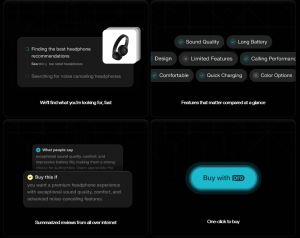
- Price Comparisons
No more hopping between websites to compare prices. The tool does it for you, ensuring you get the best deal. - Detailed Product Insights
It aggregates reviews, ratings, and key product features, so you know exactly what you’re buying. - Time Savings
Perplexity AI Shopping Tool eliminates the need for hours of research by presenting all the information you need in one place. - Affiliate-Friendly
For affiliate marketers, this tool is a goldmine. It helps identify trending products and high-converting items to promote.
Why Affiliate Marketers Should Use the Perplexity AI Shopping Tool
If you’re in affiliate marketing, the Perplexity AI Shopping Tool is your secret weapon. Here’s why:
- Discover Trending Products: Stay ahead of the competition by finding in-demand items before they saturate the market.
- Create Curated Lists: Use the tool to compile product recommendations tailored to your niche. For instance, if your audience loves fitness, you can easily create a list of the best fitness trackers.
- Boost Conversions: By providing your audience with detailed product insights and deals, you increase their trust in your recommendations, leading to higher conversions.
- Maximize Earnings: Combine the tool’s data with affiliate platforms like Amazon Associates to earn commissions on every sale.
Here is an Example: How I Used the Perplexity AI Shopping Tool
Let me share a quick example of how I used the Perplexity AI Shopping Tool to find products for my audience.
A few weeks ago, I wanted to create a blog post about “essential home office gadgets.” Instead of spending hours researching, I used the Perplexity AI Shopping Tool. I entered my query, refined the results using filters, and got a curated list of the best gadgets, complete with reviews and price comparisons.
Not only did this save me time, but I also shared these recommendations with my audience using affiliate links. Within days, I started earning commissions on the products they purchased.
Tips for Maximizing the Perplexity AI Shopping Tool
- Be Specific with Your Queries
The more specific you are, the better results you’ll get. Instead of searching for “laptops,” try “best laptops for graphic design under $1,000.” - Use Filters Wisely
Narrow down your options by setting filters for price range, brand, or features. - Leverage Affiliate Opportunities
Don’t just use the tool for personal shopping—turn it into a revenue stream by promoting products to your audience. - Keep Up with Trends
Regularly use the tool to identify trending products in your niche and capitalize on them early. - Optimize for SEO
If you’re creating blog posts or videos, use the product insights from the Perplexity AI Shopping Tool to craft SEO-friendly content that ranks well on Google.
The Perplexity AI Shopping Tool isn’t just a shopping assistant it’s a powerful resource for saving money, making informed decisions, and boosting your affiliate marketing game. Whether you’re a savvy shopper or an online entrepreneur, this tool can help you achieve your goals with ease.
Ready to give it a try? Start using the Perplexity AI Shopping Tool today and experience the difference it can make in your online shopping and marketing journey!.
FAQs About the Perplexity AI Shopping Tool
Q: Is the Perplexity AI Shopping Tool free?
A: Yes, it offers a free plan with basic features. Premium plans are available for advanced functionalities.
Q: Can I use it for affiliate marketing?
A: Absolutely! The tool is perfect for finding high-converting products and crafting affiliate campaigns.
Q: Is the tool accurate?
A: Yes, it uses advanced AI algorithms to provide precise recommendations based on your queries.
Q: Does it work on mobile devices?
A: Yes, the Perplexity AI Shopping Tool is mobile-friendly, so you can shop or research on the go.
>>> Want Personal Help Every Tuesday – Check Out The New Blog Profit Network
Alex Jones InfoWars Domain Auction, This News Will Make You Money!
Have you heard about the buzz surrounding the Alex Jones InfoWars domain auction? With a valuation sparking debates and opportunities, this is a golden moment to dive into the world of domain flipping. Domains like Infowars.com are not just about catchy names they hold immense potential for traffic, backlinks, and business growth. In this post, you’ll learn how to leverage domain auctions to make money online, just like the pros. Let’s break it down!
Get A High Ticket Niche For A Faceless Youtube Business Click Here
What Is the Alex Jones InfoWars Domain Auction?
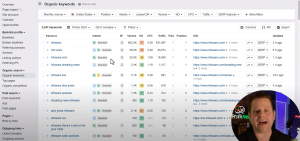
The recent Alex Jones InfoWars domain auction has drawn attention for its controversial history and impressive traffic value. While some estimate its worth at $199,000, experts believe it’s significantly undervalued. Why? The domain boasts over 6.6 million monthly visitors, 12 million backlinks, and brand recognition that’s hard to ignore.
If you’re wondering how this translates to making money, the answer lies in understanding the true value of domain names not just their names but their potential for business.


The Hidden Value of Domains
Domains like Infowars.com are valuable for several reasons:
- Traffic Potential:
Infowars.com garners over 6 million monthly visits. If you were to buy similar traffic via paid ads, it could cost you upwards of $200,000 per month. - Backlinks:
The domain has over 12 million backlinks, signaling authority in its niche. These backlinks boost search engine rankings, making it easier to attract organic traffic. - Niche Authority:
Domains tied to popular niches like news, health, or self-improvement are in high demand. Alex Jones used his domain to generate millions by selling products and services tied to his brand.
How to Get Started With Domain Flipping
Even if you’re new to domain auctions, you can replicate this success.
1: Find Valuable Domains
Start by browsing platforms like:
- GoDaddy Auctions
- SpamZilla
- Flippa
Look for domains with strong metrics:
- High monthly traffic
- Quality backlinks
- Niche relevance
For example, a domain with traffic in the gluten-free market or self-motivation niche could be a goldmine.
2: Analyze the Domain’s Potential
Ask yourself:
- Does the domain have existing traffic?
- Are the backlinks relevant to the niche?
- Can the domain support a profitable business model?
Take Alex Jones’ InfoWars domain auction as an example. Its traffic and backlinks alone make it a steal for any media or e-commerce business.
3: Buy Low, Sell High
The key to domain flipping is acquiring undervalued domains and reselling them for a profit. For instance, domains in the survival, health, or finance niches often fetch high prices.
- Example: A survival niche domain bought for $1,300 could sell for $5,000+ with the right buyer.
Get A High Ticket Niche For A Faceless Youtube Business Click Here
4: Build and Monetize
If flipping isn’t your style, build a business on the domain:
- E-commerce: Sell products related to the domain’s niche.
- Affiliate Marketing: Monetize through affiliate links tied to niche-relevant products.
- Content Marketing: Use the domain’s authority to rank content and drive traffic.
Alex Jones monetized Infowars.com by selling branded products like water filters and health supplements a model you can adapt to your niche.
Why Domain Auctions Are Underrated
Opportunities like the Alex Jones InfoWars domain auction show just how much potential lies in this business. Every day, domains with high traffic and authority go up for sale. With platforms like GoDaddy and tools like Ahrefs or SEMrush, you can spot these hidden gems and turn them into profit machines.
The Alex Jones InfoWars domain auction sheds light on the hidden world of domain flipping a business model brimming with potential. Whether you’re looking to buy and sell domains or build a profitable website, the key is recognizing value beyond the name. Start small, learn the ropes, and watch as your investments pay off.
Ready to dive in? Start exploring domain auctions today and unlock the next big opportunity in online business!
FAQs About Domain Flipping
Q: How much money do I need to start domain flipping?
A: You can start with as little as $10 to $100 for smaller domains. Premium domains may require a higher investment, but they also offer greater returns.
Q: What tools do I need to analyze domain value?
A: Use tools like:
- Ahrefs: For backlink and traffic analysis.
- SpamZilla: To find expired domains with rankings.
- SEMRush: For keyword and SEO analysis.
Q: How do I sell a domain?
A: List it on platforms like:
- Flippa
- GoDaddy Auctions
- Sed
Q: Can I make money without selling the domain?
A: Yes! Build a website, monetize with ads or affiliate links, and let the domain generate passive income.
How To Use ChatGpt To Sell Print On Demand Products And Make $407 Per Day
Discover how to use ChatGPT to boost your print-on-demand business! Learn the strategy to create unique custom products like mugs and candles that customers love. See how to drive traffic and stand out from competitors with tools that attract repeat visitors. Start making money online with this AI-driven method for success
Have you ever felt frustrated trying to make sales in print-on-demand? Maybe you’ve created amazing designs with AI, but they just aren’t getting the traction you’d hoped for. After years of testing, I found a breakthrough approach using ChatGPT that will change the way you look at print-on-demand. In this guide, I’ll show you how to harness AI to create custom, in-demand products that don’t rely on algorithms or traffic luck.
NEW AI PROFIT SCOOP VIDEO CLICK HERE
How I Discovered the Key to Print on Demand with ChatGPT
Many sellers turn to AI for flashy designs, expecting the unique appeal to draw customers. But after years in e-commerce and learning from top print-on-demand sellers, I can tell you that simple customization beats complex designs. Personalized products hold more appeal and attract consistent buyers.
The Key Issue: Traffic
You might have a product on an Etsy or Shopify store, but without traffic, even the most creative items won’t sell. When I started using this AI hack, I also solved the traffic problem without depending on any platform’s algorithms. Here’s how ChatGPT changed the game.
Using AI to Create Custom Products for High Traffic Niches
The first custom product I launched with AI was a simple mug for people in sobriety. Using ChatGPT, I created a Sobriety Calculator that automatically counts someone’s sobriety days, months, and years. People loved having this personal reminder, and by turning the results into a custom mug, it gave them something to celebrate every day.
Here is the Guide:
1. Set Up the Custom Tool
Using ChatGPT, you can create various custom tools, like a countdown timer, sobriety calculator, or milestone tracker. For example, in sobriety, people want to track how long they’ve been sober. This tool allows users to calculate their sobriety down to the day, and with each update, it reminds them of their progress.
- Choose a Niche and Tool -Whether it’s sobriety, fitness goals, or anniversaries, find a niche that means something to your audience.
- Use ChatGPT to Code a Calculator With a few prompts, ChatGPT can generate simple code to create the tool for your website.
- Embed the Tool on Your Site -This gives people a reason to keep coming back and interacting with your custom print on demand items.
2: Design the Custom Print Product
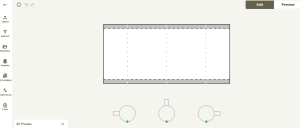
With a site like Printify you can create mugs, T-shirts, candles, and more that display the results of the calculator tool, like someone’s exact days or months sober. This makes each product meaningful and unique to the customer.
- Add Personalization – Using tools on Printify, I add a sobriety tracker that updates with their personal milestones.
- Preview & Perfect – Customize text, colors, and logos, and test designs to see what works best.
Step 3: Integrate the Custom Tool for Repeat Traffic
One of the best features? Cookies. When users revisit your tool, it remembers their data (like sobriety start date), so they don’t have to re-enter it each time. The traffic problem starts solving itself as people return daily, weekly, or monthly to check their progress, leading to more repeat visitors and sales.
Other Profitable Ideas Using ChatGPT and Print-on-Demand
The beauty of this setup is that you can apply it to any niche with high interest. Here are more ideas:
- Pregnancy Countdowns: Create a pregnancy calculator with ChatGPT, where each month has a unique mug or T-shirt design showing a baby’s progress.
- Anniversary Trackers: With anniversary dates, create mugs or wall art commemorating each year together.
- Bible Verse Generator: Many people turn to Bible verses for encouragement. Using ChatGPT, build a tool that delivers personalized Bible verses based on keywords like “strength” or “patience,” which users can print on mugs or candles.
Get A High Ticket Niche For A Faceless Youtube Business Click Here
How ChatGPT Automates and Simplifies the Process
This print on demand model doesn’t require major coding skills. With ChatGPT, I create PHP-based calculators, timers, and more, even if my coding knowledge is limited. Once the tool is ready, I embed it on my site using a platform like GoHub, and it’s good to go.

Driving Traffic: How to Stand Out From Competitors
Many print-on-demand stores rely on crowded platforms like Etsy, making it tough to get noticed. By focusing on custom tools like sobriety calculators or anniversary reminders, you attract a specific audience without facing direct competition.
- Social Sharing Encourage users to share their results on social media, linking back to your site.
- Press Releases and Content Marketing – Use blog posts, YouTube videos, and social media to drive traffic and demonstrate the unique features of your tool.
Instead of trying to compete with generic designs, ChatGPT lets you take a different approach by creating custom, value driven products that people actually want to use and buy. Start by finding a niche with loyal interest, like sobriety or pregnancy, then create a tool that fits your niche. With just a little setup, you can create a product that sells on its own and keep users coming back.
Ready to get started? Check out the tools and tips I recommend over at AIProfitScoop.com to begin using AI and ChatGPT in your own print-on-demand store. And if you have questions or ideas, leave a comment below!.
Frequently Asked Questions:
Q: Can I really make money using ChatGPT to sell print-on-demand products?
A: Absolutely! The key is creating custom products that people find meaningful and engaging. By using ChatGPT to generate tools like calculators or trackers, you can attract specific audiences looking for these personalized items, which helps boost your sales.
Q: What types of products work best for this method?
A: Products with a personal touch, like mugs, T-shirts, and candles, work really well. Items that can feature custom messages, dates, or milestones add a unique value that customers are willing to buy and cherish. Printify and other platforms have a wide range of options for customization.
Q: Do I need coding skills to create custom tools with ChatGPT?
A: Not at all! ChatGPT simplifies the process, guiding you step-by-step to generate simple code for custom tools. You can then easily embed these on your website. Plus, there are hosting services like GoHub that make it easy to get started.
Q: How does this approach help with traffic?
A: Unlike traditional print-on-demand, this method uses custom tools to attract visitors who will return to your site regularly. For example, someone checking a sobriety calculator or pregnancy countdown will come back to your page, increasing your visibility and sales opportunities.
Q: Can I use this method with any niche?
A: Yes! Think about any niche where people track milestones or need reminders—fitness goals, anniversaries, pregnancy countdowns, Bible verses, and more. ChatGPT can help create unique, valuable tools for nearly any interest, and you can customize the products around that niche.
Q: Do I have to sell on Etsy or Shopify?
A: No, you can host your custom tools on your own website and sell directly from there. This means you’re not reliant on Etsy or Shopify’s algorithms and can control your traffic and audience engagement independently.
Q: How do I market my print-on-demand products with ChatGPT?
A: Content marketing works really well for this model. You can create blog posts, YouTube videos, or social media content showcasing your custom tools and products. People love to see how tools like sobriety trackers or countdowns work, and this naturally drives traffic to your site.
Q: How much does it cost to get started?
A: You can start for free or with minimal costs. Printify offers a free account, and if you want to upgrade for better pricing, it’s just $30 per month. For hosting, services like GoHub offer affordable plans to get your website up and running.
AI Black Friday Website = $15K Daily?
NEW AI PROFIT SCOOP VIDEO CLICK HERE
How to Make Money on Black Friday Using AI and Affiliate Marketing
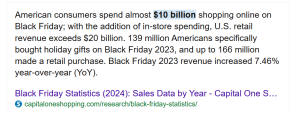
Black Friday is a goldmine for online retailers, with billions of dollars in sales projected every year. If you’re ready to jump in and claim a piece of the pie, this post will show you exactly how to use AI and affiliate marketing to make money on Black Friday. In this guide, you’ll learn fast, actionable methods that require minimal setup but can yield significant rewards.
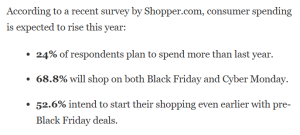
Black Friday’s Power to Boost Affiliate Earnings
Imagine the potential of just capturing a small percentage of Black Friday’s billions in sales! Major players like Amazon, Best Buy, Visa, and even financial companies like American Express pay affiliates just for sending customers their way. With strategic affiliate links and AI tools, you can make a quick profit while helping customers get the best deals.
Here’s what I’ll cover:
- How AI can streamline your process for affiliate marketing on Black Friday
- Simple tactics for maximizing your earnings through affiliate links
- Tips to get more traffic to your affiliate links fast
Why Black Friday is a Prime Opportunity
Affiliate marketers often make hundreds or even thousands of dollars in a single day, especially on high-traffic days like Black Friday. People are ready to spend, and if you can position yourself right, you’ll capture some of that momentum. Even if you’re starting out, the right AI tools can help you set everything up in a matter of hours instead of days. Plus, with these methods, some affiliates have reported earnings of $115,000 in one day during the Black Friday craze.
Guide: Making Money with AI and Google on Black Friday
Let’s get into the exact steps you need to start making money online this Black Friday.
1. Getting Started with Affiliate Links
To make money online with affiliate marketing, you need to have your links ready. Join affiliate programs from popular stores with high Black Friday sales, like Amazon or Best Buy, if you haven’t already. These programs are free to join, and they’ll provide you with unique links that allow you to earn a commission on sales.
Tip: Use AI to automate the tracking of your links so you can focus on strategy rather than managing endless URLs.
2. Setting Up Your Black Friday Affiliate Site with AI Tools
Creating a basic website or landing page for your Black Friday deals is easier than you think, especially with AI tools. Use platforms like ChatGPT and Google’s Notebook LM to help you brainstorm, draft content, and even code simple elements for your website.
Key Elements for Your Site:
- Countdown timers for popular Black Friday stores (like Amazon, Best Buy, etc.)
- Lists of the top 25 products at each retailer
- Affiliate links directly to each product
By setting up these tools, you ensure that anyone visiting your page has easy access to the best deals. Use Google’s built-in tools or free website builders to get your page up and running. Include product images, descriptions, and prices, and use a countdown timer that builds anticipation.
3. Promote on Social Media Using Systematic Content
This is where you get creative! During Black Friday, social media is flooded with people hunting for deals, so be where they are. Post highlights of popular items, countdowns, and flash deals on platforms like Instagram, TikTok, and Pinterest.
Social Media Content Tips:
- Pinterest pins linking to your blog or deal page
- Short videos on TikTok showcasing top items with affiliate links in your bio
- Press releases to reach a broader audience fast
By focusing on social media, you’re making sure your affiliate links get exposure. AI can help you generate content ideas or even create images and video scripts.
4. Use AI to Curate High-Traffic Product Lists
AI is perfect for systematically identifying and curating lists of top Black Friday products across categories. Ask ChatGPT or similar tools to help you research the most popular items. This not only saves you time but ensures you’re showing relevant, in-demand products.
Example categories to focus on include:
- Laptops and gaming consoles
- Smart TVs and tech accessories
- Kitchen gadgets, like air fryers and coffee makers
Each of these lists should have affiliate links for easy access. People love convenience, so giving them a one-stop shop for deals will lead to more clicks.
Bonus Tip: Affiliate “Cookies” Work to Your Advantage
Once someone clicks your affiliate link, a tracking cookie is placed in their browser. This cookie ensures that any purchases they make within a specific time frame (usually 24 hours to 30 days) still earn you a commission. Getting clicks early in the shopping season can increase your chances of earning commissions, even on future purchases.
Key Black Friday eCommerce Trends
Early Access Sales
Sustainability and Anti-Black Friday Campaigns
Mobile and Social Commerce
AI and Chatbots
Strategies for Bloggers to Maximize Earnings
- Early Preparation
- Targeted Content
- SEO Optimization
- Email Marketing
- Social Media Promotion
List of 20 affiliate programs you can join to earn extra money during Black Friday
| Store/Platform | Commission Rates | Advantages | Ideal For |
|---|---|---|---|
| Amazon Associates | 1% to 20% (depending on product category) | Huge product range, commissions on all purchases made within 24 hours. | General blogs, tech, gadgets, fashion. |
| Best Buy | Varies by product | Trusted brand for electronics with exclusive Black Friday promotions. | Tech and gadget-focused blogs. |
| Shopify | $58 per standard plan sale, up to $2,000 for Shopify Plus sales | Popular e-commerce platform, ideal for entrepreneurs launching stores. | Entrepreneurship, e-commerce, and digital marketing blogs. |
| HostGator | Fixed commissions that increase with more sales | Popular web hosting service with high demand during Black Friday. | Tech, digital marketing, and web development blogs. |
| ClickFunnels | 20% to 40% recurring monthly commissions | Offers free affiliate training and is ideal for promoting digital marketing tools. | Digital marketing, sales, and business automation blogs. |
| Adobe | Up to 85% of the first month for monthly plans; 8.33% for annual plans | Popular among designers and creators; offers significant discounts during Black Friday. | Design, photography, and content creation blogs. |
| eBay Partner Network | Up to 70%, depending on the product sold | Millions of products available with exclusive deals during Black Friday. | General shopping or product review websites. |
| Teachable | Up to 50% per sale and 30% recurring commissions | Popular platform for selling online courses with high demand during Black Friday. | Online education or personal development blogs. |
| Coursera | 10% to 45%, depending on the course promoted | Thousands of online courses with significant discounts during Black Friday. | Education, professional development, or learning-focused blogs. |
| Awin (ShareASale) | Varies by retailer | Access to exclusive promotions from brands like Nike, Etsy, and Under Armour during Black Friday. | Blogs in various niches like fashion, tech, home goods, etc. |
| Walmart Affiliate Program | Up to 4.28% per sale | Huge range of products with staggered Black Friday events and exclusive deals. | General consumer goods or deal-focused blogs. |
| Macy’s Affiliate Program | Up to 2.70% per sale | Offers discounts up to 80% on select items during Black Friday sales. | Fashion, home goods, and lifestyle blogs. |
| Victoria’s Secret Affiliate Program | Up to 7.20% per sale | Popular fashion brand with sitewide discounts during Black Friday/Cyber Monday. | Fashion and lifestyle blogs targeting female audiences. |
| Sephora Affiliate Program | Varies by region (typically around 5%) | Beauty products with significant discounts during Black Friday/Cyber Monday sales. | Beauty and skincare-focused blogs or influencers. |
| Dyson Affiliate Program | Up to 2.52% in India; up to 1.44% in the US | High-ticket home appliances like vacuums and air purifiers with big discounts. | Home improvement or tech review blogs focused on appliances. |
| FastComet Hosting Affiliate Program | Varies by plan | Web hosting services with exclusive offers during BFCM (Black Friday/Cyber Monday). | Web development or tech-focused blogs promoting hosting deals. |
| Bluehost Affiliate Program | $65+ per sale | Popular web hosting provider offering substantial discounts during Black Friday. | Tech or web development blogs targeting small businesses/startups. |
| Rakuten Affiliate Network | Varies by retailer | Access to multiple brands offering exclusive deals across various categories. | General shopping or deal-focused blogs covering multiple niches. |
| Nike Affiliate Program (via Awin) | Varies based on product | Popular athletic brand offering exclusive discounts during Black Friday events. | Sportswear or fitness-focused blogs and influencers. |
| Under Armour Affiliate Program (via Awin) | Varies based on product | Athletic wear brand offering significant discounts on sports apparel/equipment. | Fitness and sports-related blogs or influencers promoting gear. |
| Etsy Affiliate Program (via Awin) | Varies based on product | Unique handmade goods marketplace offering special deals during Black Friday. | Crafting, DIY, or lifestyle bloggers focusing on unique products. |
Top Product Categories for Black Friday
| Product Category | Description |
|---|---|
| Electronics | Includes TVs, laptops, smartphones, tablets, smartwatches, and gaming consoles. Electronics are consistently the most popular category on Black Friday due to significant discounts on high-ticket items. |
| Clothing & Fashion | Apparel, shoes, and accessories like scarves, hats, and gloves. Fashion items are highly sought after during Black Friday, especially for winter clothing and holiday gifts |
| Toys & Games | Popular toys (e.g., LEGO, Hot Wheels) and board games are top sellers for children and families during the holiday season |
| Home Products | Furniture, bedding, home decor, and appliances like vacuums and kitchen gadgets. Many people use Black Friday to upgrade their homes with discounted items |
| Beauty & Personal Care | Skincare products, cosmetics, hair care tools, and beauty gift sets. Beauty products are particularly popular among female shoppers during Black Friday |
| Health & Fitness | Fitness trackers, smartwatches (e.g., Apple Watch), workout gear, and health supplements. These products see a surge in demand as people prepare for New Year’s resolutions |
| Kitchen Appliances | Cookware, small kitchen appliances (e.g., air fryers, coffee makers), and utensils. Kitchen products are popular as people prepare for holiday gatherings |
| Gaming | Video games, consoles (e.g., PlayStation 5, Xbox Series X), and gaming accessories are highly sought after by gamers during Black Friday |
| Smart Home Devices | Smart speakers (e.g., Amazon Echo), security cameras, thermostats, and lighting systems. These products often see deep discounts during Black Friday sales |
| Jewelry & Accessories | Watches, necklaces, rings, and other accessories often see discounts during Black Friday as people shop for gifts |
| Books & Media | Books, e-books, movies, and music are popular purchases during Black Friday as gifts or personal entertainment items |
| Sporting Goods | Equipment for fitness activities like bicycles, treadmills, or sports gear sees increased demand during Black Friday |
| Luggage & Travel Gear | Suitcases and travel accessories often go on sale as people prepare for holiday travel or future vacations |
| Personal Safety Devices | Items like personal alarms or home security systems have become more popular in recent years as practical gift options |
| Customizable Products | Personalized gifts such as custom mugs or t-shirts allow shoppers to create unique presents for loved ones during the holiday season |
| Health Supplements | Vitamins and wellness products see increased interest from consumers looking to improve their health going into the new year |
| Outdoor Living & Furniture | Outdoor furniture and garden tools are also discounted during Black Friday as people prepare their homes for the upcoming seasons |
| Cosmetics & Haircare Tools | Hair dryers, straighteners, skincare tools. These products are popular among women shopping for themselves or gifts |
| Books & Educational Materials | Books and online courses (e.g., Coursera) are often purchased as gifts or self-improvement tools during Black Friday sales |
| Pet Supplies | Pet owners often take advantage of Black Friday deals to buy pet food, toys, or accessories at discounted prices. |
>>> LEARN HOW TO MAKE MONEY WITH AI
Clickbank Affiliate Marketing AI Hack
BIG CLICKBANK OFFER KEYWORD REPORT
>>> Want Personal Help Every Tuesday – Check Out The New Blog Profit Network
| Keyword | Difficulty | Volume |
| mediterranean diet | 89 | 449000 |
| keto diet | 90 | 229000 |
| dash diet | 77 | 88000 |
| paleo diet | 84 | 53000 |
| low fodmap diet | 64 | 53000 |
| sync | 71 | 32000 |
| juice cleanse | 38 | 29000 |
| atkins diet | 75 | 28000 |
| military diet | 56 | 26000 |
| dukan diet | 62 | 25000 |
| puravive | 2 | 24000 |
| alkaline diet | 59 | 24000 |
| java burn | 1 | 20000 |
| cabbage soup diet | 60 | 19000 |
| prodentim | 1 | 19000 |
| proven | 41 | 18000 |
| omad diet | 43 | 18000 |
| blood type diet | 56 | 17000 |
| candida diet | 56 | 15000 |
| water fast | 9 | 14000 |
| anti-inflammatory diet | 81 | 13000 |
| south beach diet | 56 | 9100 |
| hcg diet | 53 | 8700 |
| organifi | 7 | 8200 |
| prostadine | 1 | 7200 |
| back to life | 28 | 6300 |
| kerassentials | 0 | 6100 |
| master cleanse | 47 | 5800 |
| intermittent fasting diet | 83 | 5000 |
| resurge | 16 | 5000 |
| zone diet | 49 | 4600 |
| grapefruit diet | 51 | 4500 |
| liv pure | 14 | 4200 |
| nitric boost | 12 | 4100 |
| 5:2 diet | 49 | 3800 |
| eat stop eat | 20 | 3200 |
| smoothie diet | 18 | 2800 |
| lemonade diet | 45 | 2100 |
| sirtfood diet | 16 | 2100 |
| flowforce max | 0 | 2100 |
| phone detective | 0 | 1800 |
| gm diet | 33 | 1800 |
| fast mimicking diet | 36 | 1600 |
| pineal xt | 0 | 1600 |
| beyond diet | 3 | 1600 |
| warrior diet | 21 | 1600 |
| biofit | 21 | 1400 |
| nagano tonic | 4 | 1400 |
| fast tracks | 12 | 1300 |
| joint genesis | 0 | 1100 |
| vertical jump training | 4 | 1000 |
| cacao bliss | 0 | 900 |
| okinawa flat belly tonic | 2 | 800 |
| 16:8 diet | 71 | 800 |
| genius wave | 1 | 800 |
| red tea detox | 0 | 700 |
| 3 week diet | 15 | 700 |
| fast 800 diet | 24 | 600 |
| billionaire brain wave | 0 | 600 |
| teach sunday school | 30 | 600 |
| sqribble | 4 | 450 |
| home doctor | 1 | 450 |
| prostavive | 450 | |
| money wave | 26 | 400 |
| dentavim | 2 | 350 |
| 2 week diet | 52 | 300 |
| custom keto diet | 17 | 300 |
| neurorise | 0 | 300 |
| numerologist.com | 1 | 300 |
| lean belly breakthrough | 0 | 300 |
| vert shock | 12 | 250 |
| flat belly fix | 17 | 150 |
| venus factor | 0 | 150 |
| 4 week diet | 55 | 100 |
| diabetes freedom | 0 | 100 |
| dentitox | 9 | 100 |
| cinderella solution | 0 | 90 |
| ted’s woodworking | 2 | 70 |
| trim down club | 12 | 70 |
| perpetual income | 0 | 60 |
| eat stop eat diet | 17 | 50 |
| leptitox | 0 | 50 |
| fat decimator system | 40 | |
| truth about abs | 0 | 30 |
| seroburn | 30 | |
| 8 week custom keto diet plan | 0 | 20 |
| underground fat loss manual | 20 | |
| 28-day keto challenge | 3 | 20 |
| revitaa pro | 0 | 20 |
| fat burning furnace | 0 | 10 |
| fat loss 4 idiots | 0 | 10 |
| alternate day fasting diet | 25 | 10 |
| lost generator | 10 | |
| 12 minute affiliate system | 0 | 10 |
| ultimate keto meal plan | 12 | 10 |
| lost superfoods | 0 | 10 |
| fast 5 diet | 4 | 10 |
| 21-day flat belly fix | ||
>>> Want Personal Help Every Tuesday – Check Out The New Blog Profit Network
2025 AI Wealth Transfer
>>> Want Personal Help Every Tuesday – Check Out The New Blog Profit Network
How to Get Your Share of the AI Wealth Transfer In 2025
In today’s digital world, there’s a powerful shift happening that could change your financial future. It’s called the “AI Wealth Transfer,” and it’s a phenomenon that’s creating massive new opportunities for ordinary people to build wealth by leveraging artificial intelligence. Unlike traditional generational wealth transfers, this AI driven shift is open to anyone who’s willing to learn a few new skills. In this post, I’ll break down what the AI Wealth Transfer is, how it’s unfolding, and how you can position yourself to benefit from it. Ready to dive in? Let’s get started!
Understanding the AI Wealth Transfer
The term AI Wealth Transfer refers to the huge financial opportunities arising from advancements in artificial intelligence. We’re living in an era where AI tools can handle a variety of tasks, from coding software to generating content and optimizing business processes. Companies are investing billions in AI, and with that investment comes a transfer of wealth to those who know how to leverage these tools. And here’s the kicker: you don’t need to be a tech genius or a programmer to get started.
AI has leveled the playing field, making it possible for everyday people to tap into the same resources that major corporations are using to increase profits. In this article, we’ll discuss practical steps you can take to ride this AI wealth wave and build your own income streams.
The Power of AI for Wealth Creation



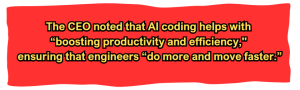
We can see how industry millionaires are getting richer thanks to AI:




But How You Can Capitalize on the AI Wealth Transfer:
Here’s a roadmap for tapping into this AI Wealth Transfer. Whether you’re interested in affiliate marketing, content creation, or software development, these steps will help you make the most of AI tools available today.
1. Learn Key AI Skills
To start, identify which AI skills will benefit your business or side hustle the most. For example, you might want to learn how to use AI powered content generation tools if you’re in digital marketing. Or, if you’re into tech, get familiar with AI coding platforms like ChatGPT or GitHub CoPilot. By investing some time in learning these skills, you’re setting yourself up for future success in an AI driven marketplace.
2. Choose a Niche
One of the best ways to succeed in any online business is to specialize. In the world of AI Wealth Transfer, that means finding a niche where you can apply AI tools in a unique way. Maybe you want to focus on AI powered content creation for real estate professionals, or perhaps you’d like to help small businesses with AI powered customer service solutions. By picking a niche, you become a big fish in a smaller pond.
3. Use AI for Digital Marketing and Content Creation
AI can be a game changer when it comes to digital marketing. You can use AI tools to generate blog posts, create video content ideas, or even automate social media posts. Imagine having a tool that does 80% of the work for you, allowing you to reach a larger audience with less effort. Platforms like ChatGPT and tools like Canva or Jasper can help you create and distribute content quickly and effectively, helping you capture a slice of the AI Wealth Transfer.
4. Develop Simple AI Powered Tools
Creating simple, useful tools is one of the most overlooked ways to make money online. If you’re not a programmer, don’t worry AI can help you build these tools with minimal coding. For example, you could create an RSS feed reader, a PDF converter, or even a basic email validation tool. These kinds of tools solve everyday problems and can attract a dedicated user base. Plus, you can use platforms like Gumroad or your website to monetize these tools directly.
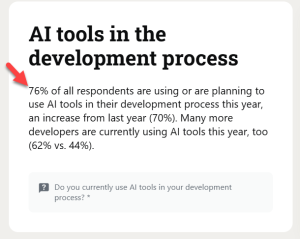
5. Create AI Based Services or Consulting
Another way to ride the AI Wealth Transfer wave is by offering AI based services. You don’t need to be an AI expert; simply mastering a few tools can position you as a valuable resource for businesses. You could offer services like AI powered website development, social media management using AI tools, or personalized content creation. With AI, you can perform tasks that would normally require a large team, giving you a competitive edge in the marketplace.
Real World Examples of AI Wealth Transfer
Here are some examples of how people are already making money with AI:
- Content Creators and Influencers: Many content creators are using AI to generate new ideas, streamline video production, and even automate responses to followers. If you’re a content creator, AI can help you scale up without increasing your workload.
- AI-Powered Software Tools: Simple tools like URL shorteners, spam-checkers, and background removers are making serious money. One background remover tool was acquired for hundreds of millions of dollars because it solved a specific problem well. You could build similar tools using AI.
- Affiliate Marketing with AI Content: Affiliate marketers are using AI to generate targeted content that attracts readers and converts them into buyers. Tools like Jasper and ChatGPT can help you create blog posts, social media updates, and even ad copy, all tailored to your audience’s needs.
The Future of the AI Wealth Transfer: What’s Next?
As AI continues to evolve, more opportunities will open up. Large corporations are already using AI for advanced tasks like programming, data analysis, and customer service. But the true potential lies in how AI empowers individual creators, entrepreneurs, and small business owners to compete on a larger scale.
In the coming years, we may see AI doing everything from automating complex financial analyses to creating fully functional websites in a matter of minutes. If you stay on top of these trends and continue to develop your AI skills, you’ll be well positioned to benefit from future shifts in the AI Wealth Transfer.

Average salary for senior software engineers:

The AI Wealth Transfer is real, and it’s already impacting people who are willing to embrace new technology and learn a few basic skills. Don’t let this opportunity pass you by! Whether you’re interested in developing software, creating content, or offering AI based services, there’s a path for you in this new economy.
If you’re serious about making money with AI, check out our resources at AI Profit Scoop. You’ll find everything you need to get started, from free tools to in depth tutorials on creating your own AI powered products.
The choice is yours: Will you watch from the sidelines, or will you jump in and claim your piece of the AI wealth?.
How to Make Money with RSS Feeds and AI Content Creation and Get Profit
How to Make Money with RSS Feeds and AI Content Creation
In this post, we’re diving deep into how you can leverage RSS feeds and AI content creation to make money online. Discover how to build a steady income stream with minimal effort by finding trending content and automating your workflow with the power of AI. This guide will show you the methods, tools, and tips to get started with “How to Make Money with RSS Feeds and AI Content Creation” effectively.
What if you could generate income simply by finding popular links online and transforming them into fresh content? With tools like RSS feeds and AI, this is entirely possible, and today, I’ll show you exactly how it’s done. From passive income generation to quick cash strategies, we’re breaking down “How to Make Money with RSS Feeds and AI Content Creation” in ways that can benefit anyone, whether you’re new to online business or a seasoned marketer.
Step 1: Understanding RSS Feeds
The first key to “How to Make Money with RSS Feeds and AI Content Creation” is understanding what RSS feeds are and how they work. RSS stands for Real Simple Syndication, and it allows websites to broadcast new content updates in real time. Think of it as a continuous newsfeed from various sources. Major news platforms like CNN, Fox News, and even independent bloggers use RSS feeds to keep their audiences updated without creating entirely new content from scratch.
The big news companies don’t create news; let’s see how much money these companies make per year…

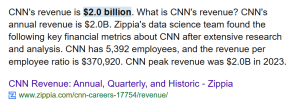

By tapping into these feeds, you’re accessing constantly refreshed information on virtually any topic from finance and real estate to trending pop culture and tech advancements. Using these links, you’ll be able to curate content that’s relevant, timely, and in high demand.
FIND LINKS ONLINE AND USE AI TO GET PAID
For More Information: www.AiProfitScoop.com
Get The Free RSS Plugin Here (right click and hit save as)
Get The Full Pro Version With Blog Profit Network
Step 2: Setting Up Your Content Empire with RSS Feeds
To create passive income using RSS feeds, start by narrowing down a specific niche. A niche allows you to build a focused audience and establish yourself as an authority on the subject. For instance, you could choose areas like:
- Side hustles and online income
- AI tools and technologies
- Real estate trends
- Personal finance updates
Once you have a niche, find the RSS feeds that cover this topic extensively. Websites like Feedspot, RSS.app, and Inoreader make it easy to find and subscribe to relevant RSS feeds. These platforms will aggregate content from multiple sources, and once you have access to these feeds, you’ll start to see endless possibilities for creating unique, engaging content that can attract readers and earn revenue.
Step 3: Using AI to Curate and Repurpose Content
Now comes the powerful AI component in “How to Make Money with RSS Feeds and AI Content Creation.” With AI tools like ChatGPT, you can take the RSS feed content and transform it into something uniquely yours. AI can:
- Summarize Articles: Generate concise summaries of lengthy articles.
- Generate Blog Posts: AI can take the information from RSS feeds and create detailed blog posts, helping you keep your content fresh and engaging.
- Create Social Media Content: Use the summaries to make quick posts on platforms like Twitter, Instagram, or even YouTube.
For example, if your feed is about financial news, you could summarize each article into a quick TikTok video or Twitter thread. This repurposing approach allows you to reach a wider audience with minimal effort.
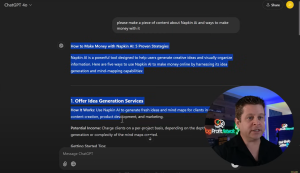
This is an example of an article created by ChatGPT

You can create images with ChatGPT for your posts or social media content.
Step 4: Posting and Monetizing Your Content
Once your content is ready, it’s time to monetize. Here are a few strategies for turning your AI-curated content into a profit:
- Affiliate Marketing: Include affiliate links in your posts or videos. For example, if your RSS feed is about AI tools, you can link to relevant software with affiliate codes.
- Ad Revenue: Platforms like Medium, YouTube, and Facebook have monetization programs where you get paid based on the engagement your content receives. The more people view, like, or share your posts, the more revenue you generate.
- Sponsored Content: As your platform grows, companies may approach you to feature their products or services in your content, allowing you to earn additional income.
This method works particularly well because RSS feeds give you a steady stream of content ideas that you can personalize with AI and publish frequently, keeping your audience engaged.
For More Details: www.AiProfitScoop.com
Step 5: Offering Content Creation Services
Another way to make money with RSS feeds and AI is to offer a content creation service to others. Many content creators, YouTubers, and small businesses are looking for ways to keep their channels and social media accounts active without doing all the work themselves. Here’s where you can step in.
By using RSS feeds to stay updated on trends in a specific industry and AI to produce high quality content quickly, you can offer to:
- Curate content on behalf of clients.
- Generate blog posts and social media posts based on trending news.
- Manage client websites by automatically populating them with new articles based on their chosen RSS feeds.
You can charge a monthly fee for this service, providing clients with regular content updates while maintaining their online presence. For example, you might charge $500 $1000 monthly for weekly blog posts or social media updates in a given niche.
Step 6: Scaling Up with Automation
As you grow, you can begin automating many of these processes. Use an RSS aggregator to collect all relevant feed updates in one place, and connect it to your AI tool for quick analysis and content generation. Consider setting up an automated posting schedule so that your blog or social media channels are always updated with fresh content.
Here’s a tip: Use WordPress plugins or tools like Feedly to manage your RSS feeds and push content directly to your site. This will save time, allowing you to focus on monetizing and growing your audience.
With the right setup, using RSS feeds and AI content creation is a straightforward, scalable way to make money online. Whether you’re aiming for passive income or offering content services to clients, this method has a lot of potential for those willing to put in the initial work.
So why wait? Start exploring “How to Make Money with RSS Feeds and AI Content Creation” by following these steps, and watch as your income grows. With AI on your side, the possibilities for generating content and revenue are endless!