test
dssdfdsf
fghfgh
sdfs
how can i make money FAST today
Join Marcus’ Fast Profits Class Monday – Click Here
Marcus $500 Today Fast Money Method
Before We Start:
- Results not typical, implied or guaranteed
- Creator has 25+ years experience
- Most people watching make-money videos make nothing
- Some might lose money or time
Core Concept: Two Requirements for Fast Money
- Fast traffic – Ways to get eyeballs quickly
- Fast conversions – Methods to turn traffic into sales
Step-by-Step Process
Join Marcus’ Fast Profits Class Monday – Click Here
1. Find High-Paying Affiliate Offers
- Look for offers with instant approval (JVZoo, ClickBank)
- Examples mentioned:
- Digital tools: Jasper AI, Surfer, Systeme ($200/sale, 60%)
- VPNs
- ClickFunnels ($118/sale)
- HubSpot ($250/sale)
- Fiverr ($100/sale for freelancing courses)
- Udemy courses
- Skillshare
2. Find Newsworthy Topics That Connect to Offers
- Find recent news that ties to affiliate offers
- Example: Freelancing/AI topics to promote Fiverr
- Use Google Trends to verify interest is steady or growing
- Find 25 headlines on topic (AI + freelancing)
- Find articles and links on the topic
3. Develop Content Around the Topic
- Create titles people don’t know that would be interesting
- Use NotebookLM to discover more sources
- Generate hooks for videos/reels
- Remove specific money amounts, focus on skills
- Create content that gets engagement
Join Marcus’ Fast Profits Class Monday – Click Here
4. Fast Traffic Methods
- Start YouTube channel with focused content
- Create Instagram with reels about the topic
- Run press releases ($0-500, typically $150)
- Use AHF’s free keyword tool to find search demand
5. Engagement and Lead Collection
- Drive people to engagement opportunities
- Create free assessments with opt-ins
- Tools mentioned:
- bolt.new (for skill assessments)
- Aweber (free under 500 subs, $17/month after)
- Web hosting ($9/month)
- Zoom (free for up to 40-minute meetings)
6. Fast Sales Methods
- Live Chat Funnel: Use live chat on website to engage visitors
- Webinars: Live or automated (5-30% conversion rate mentioned)
- One-on-One Consults: Higher conversion rate than webinars
- DM Funnels: Through Instagram or social media
Tips for Implementation
- Focus on helping people, not pushing products
- Research and become expert in your chosen niche
- Keep offers limited (max 3) to match people with best solution
Join Marcus’ Fast Profits Class Monday – Click Here
Vibe Coding For Affiliate Marketers with Google Gemini 2.5

I’m Marcus, and I’ll show you step by step how to build, host, and monetize no-code “money magnet” tools with Google Gemini 2.5 Flash. Traffic + profits await!.


Why You Need a Money Magnet Tool
If you’ve followed my channel for more than five minutes, you know I hate fluffy “top-10” lists that never put dollars in your pocket. A money magnet tool a calculator, checker, generator, or mini app does:
-
Instant value: Visitors punch in a number, click a button, and solve a pain point in 15 seconds.
-
Evergreen traffic: Tools rank in Google, live forever on Pinterest pins, and stick to browser bookmarks.
-
Built in monetization: Every decision point inside the tool can carry an affiliate link, lead form, or ad.
I created a Car Deal Finder from blank screen to live website using Google Gemini 2.5 Flash. Copy my process, swap in your niche, and you’ll have a profit asset online before you finish your coffee.
What Makes Google Gemini 2.5 Flash Perfect for No Coders?
Google’s newest “thinking model” is now available inside AI Studio and Vertex AI. Here’s why I switched from other LLMs:
-
Hybrid reasoning slider: Dial how hard the model thinks. Crank it up for code quality; turn it down when you just want speed. Android Authority
-
Clean code blocks: Canvas mode spits out HTML/CSS/JS that you can paste directly into WordPress or a
.phpfile no rogue Markdown characters. -
Free preview tier: 2.5 Flash is in public preview, so prototyping costs zero until you smash those rate limits. Home- Google Developers Blog
-
Bigger context window & multimodal IO: Feed it screenshots, transcripts, spreadsheets 2.5 chews through a million tokens. Google Cloud.
STEP 1: Pick a Lucrative, Problem Heavy Niche
I chose car buying because:
-
The “auto loan calculator” receives approximately 517,000 monthly searches.
-
CPCs for car loans hover around $6–$9, meaning advertisers are begging for traffic.
-
Affiliate payouts for VIN checks and refi offers range from $8 to $200 per lead, juicy margins for a free tool.
Action for you: Fire up a keyword tool, aim for buying intent phrases with $2+ CPC, and confirm offers exist in your affiliate network (OfferVault, Impact, CJ, etc.).
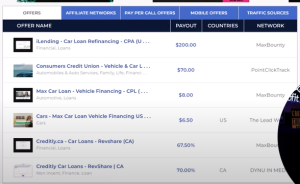
STEP 2: Prompt Gemini to Build the Core Widget
Here’s the exact Canvas prompt I used (tweak the copy pasta for your project):
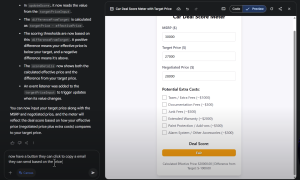
Gemini delivered:
-
A responsive form with fee toggle
-
JS that recalculates the score live
-
A tex tarea pre-filled with a negotiation email
-
Copyright + affiliate disclaimers
I literally copied the block, hit Ctrl + C, opened my cPanel file editor, and pasted it into deal-score.php.

 .
.
STEP 3: Host Your Files
-
Grab hosting: I use the $5/mo plan at CPanel (full tutorial in yesterday’s stream).
-
Create a folder
/tools/to keep things tidy. -
Upload your assets:
-
deal-score.php(the widget) -
logo.png& any custom icons
-
-
Set permissions to 644 so browsers can read ’em.
-
Visit
https://yourdomain.com/tools/deal-score.php—Boom, live!.
STEP 4: Wrap It in a Beautiful Home Page
Your tool shouldn’t float in space. I asked Gemini for a full width landing page:
-
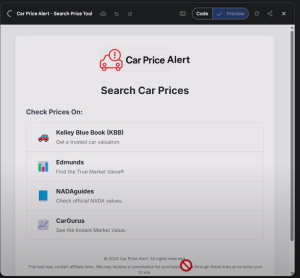
Header bar with my logo and “Car Buying Tools”
-
Seven colorful icon buttons (“Search Price,” “Loan Calculator,” “VIN Check,” etc.)
-
Tiny iframe that pops each sub tool in a 400 × 1000 px window. Keeps users on site while they use third party resources
-
Footer with full affiliate disclosure
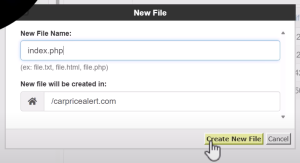
I saved the output index.php at the root, and every button now opens its sibling file inside that iframe. Zero CSS tweaking required.
 .
.
STEP 5: Bolt On Profit Streams
Below is exactly how I integrated offers without trashing UX:
| Tool Step | Value to User | My Affiliate Play | Placement |
|---|---|---|---|
| “Check Your Credit” link | Know FICO before negotiating | Experian 7 day trial pays $45 per signup | Inline text under the credit section |
| “Compare Loan Rates” | Shop APRs in one view | SuperMoney auto-refi form. pays $70 CPL | Recommended Partners box |
| “VIN History” | Validate mileage & accidents | VINCheckPro – $12 CPS | Button inside the Search Price tool |
| “Extended Warranty Quote” | Calculate ownership cost | Endurance quote form – $50 CPL | Toggle upsell under Junk Fees |
Pro tip: Every link opens in a new tab, so folks return to the score meter when they’re done.
STEP 6: Drive Traffic Like a Maniac
A. YouTube & Shorts
Record a three part series:
-
“Stop Overpaying for Cars: Here’s My Free Deal Score Meter”
-
“5 Hidden Car Fees You Can Delete Instantly” (demo the toggles)
-
“Watch Me Save $ 5,600 with One Email” (copy-paste the auto draft email)
Add the tool URL in the first line of the description and on the screen captions.
B. TikTok, Reels, & Pinterest
-
Screen record the meter dancing from F to A as you toggle the fees.
-
Overlay “LINK IN BIO” text; direct viewers to your LinkTree, where the first button hits the tool.
C. SEO Content Clusters
Write support articles:
-
“Auto Loan Calculator vs. Dealer Quote: Which Saves More?”
-
“VIN Check: 7 Red Flags Before You Buy”
-
“No Code Money Magnet Tools: How I Build & Monetize Them” (meta!)
Interlink each post to the tool page using anchor text, such as ‘auto loan calculator online’.
D. Backlink Honey Traps
-
Submit to Product Hunt under Free Apps → Tools.
-
Email automotive finance bloggers offering a free embeddable iframe. They get content, you get links.
-
Drop a press release on EIN with the headline: “Free Web Tool Calculates Hidden Auto Fees in Seconds.”
FAQ (Because You’ll Ask)
Do I need the paid Gemini tier?
Not for your first tool. The public preview quota covers casual usage; upgrade only when your traffic reaches the maximum. Home- Google Developers Blog
Can I do this in another niche?
Absolutely. Think tax savings estimator, calorie-deficit calculator, blog title generator. The framework never changes.
How long until I see money?
Depends on traffic. I’ve seen first commissions within 48 hours when I blast YouTube Shorts + TikTok simultaneously, but treat this like a business, not a lottery ticket.
I’ve banked six figures over the years by giving away useful tools. Not blog posts, not e-books, but tiny web apps that solve immediate pains. With Gemini 2.5 Flash, you don’t need to write a single line of code to join the party. Pick your keyword, generate the widget, sprinkle in smart affiliate hooks, and hit publish.
Get building, then come back and brag about your first commission. I’ll see you in the comments!.
Whop Clipping Method Review: Can You Really Make $100K Per Month?

Explore the truth behind the Whop Clipping Method. Learn how to use it, earn with UGC and affiliate courses, and if it’s truly worth the hype.
The Truth About the $100K Clipping Method
If you’ve stumbled upon a viral video claiming you can make $100,000 a month just by clipping videos, you’re not alone. The Whop Clipping Method has quickly gained traction among content creators, digital marketers, and online income seekers. But does it really work, or is it just another overhyped platform promising easy money?
In this post, we’ll break down the Whop Clipping Method, explore its pros and cons, and show you how you can realistically use it to earn money online, without falling for false promises. Whether you’re brand new to user-generated content (UGC) or you’ve been selling courses and doing affiliate marketing for years, this is for you.
What Is the Whop Platform?

A ClickBank + Patreon Hybrid
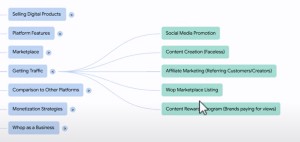
Whop is an e-commerce platform built to help users sell digital products, offer membership access, and create user-generated content (UGC) to earn money. Think of it as a cross between ClickBank, Gumroad, and Patreon, but with unique monetization strategies.
-
Sell courses, software, files, and memberships
-
Invite affiliates to promote your products
-
Get paid for clipped and original video content.
The Whop Clipping Method Explained
How It Works
Users can clip videos provided by Whop or submit their own UGC around products listed on the platform. In return, creators may get paid for views, up to $3 per 1,000 views. However, there’s a maximum payout cap of $1,000 per clip, which limits how much you can earn, no matter how viral your content gets.
Example:
A user earned $175 from a single clip, and others reported $2,700–$3,500 in their first month. But most of these creators had large followings or advanced content strategies.
Is Whop Just Another Hype Platform?
Analyzing the Hype vs. Reality
You’ve probably seen headlines like:
“Make $30,000 in 24 Hours Using This New App!”
While technically possible, this kind of success is limited to creators who already have:
-
Large, engaged audiences
-
High-converting products or offers
-
Strategic marketing knowledge
For beginners, the road is longer and more complex.

Can Beginners Make Money With Whop?
Short Answer: Yes, but with realistic expectations.
Most new users won’t earn $100K/month right away. But you can make $500–$2,000/month through:
-
UGC content with consistent clipping and smart hooks
-
Promoting Whop affiliate offers
-
Uploading your own low-cost courses or digital products and using the built in affiliate network
Two Core Ways to Make Money on Whop
1. User-Generated Content (UGC)
-
Paid per 1,000 views (up to $3 max)
-
Must meet strict guidelines: 60% tier-one traffic, 75% product-based content
-
Works best with viral video skills + niche targeting
Pros:
-
Low barrier to entry
-
Can repurpose clips from existing media
Cons:
-
Approval process after publishing
-
Max payout limits your total income
2. Selling Your Own Courses (and Using Affiliates)
-
Create a mini course in a high demand niche
-
Offer 90–100% commission to get affiliates promoting it
-
Build your list and upsell to bigger offers
Example Niche Ideas:
-
AI tools and prompts
-
Medical billing courses
-
Digital marketing or social media strategies
-
Defensive driving or certification prep
Pro Tip: Use tools like Ahrefs to find keywords Whop is already ranking for to gain SEO leverage.
Is It Legit or a Scam?
Whop is a legitimate platform with active users, real payouts, and transparent terms. But it is not a get rich quick solution.
-
Risk level: Low to moderate
-
Payment: Bank transfer or PayPal after reaching a threshold
-
No upfront cost for UGC or affiliate use.
Who Should Use the Whop Clipping Method?
-
Aspiring UGC creators looking for monetized platforms
-
Course sellers who want fast exposure and affiliate help
-
Digital marketers testing new traffic sources
-
Affiliate marketers exploring niche offers.
Who Should Skip It?
-
Anyone expecting instant passive income.
-
High-ticket course creators (due to refund and fee structure)
-
Users without a basic understanding of affiliate marketing or traffic generation
Smart Strategy: The Lead Gen Course Hack
Here’s a winning formula if you’re strategic:
-
Create a simple $7–$37 lead generation course
-
Offer high affiliate commissions
-
Run limited paid UGC campaigns
-
Upsell users to a premium product outside of Whop
This minimizes fees, uses Whop’s traffic, and builds your email list for long term profits.
Is the Whop Clipping Method Worth It?
The Whop Clipping Method can help you make money, but not $100,000/month unless you’re already a pro. For average users, expect slow growth, steep learning curves, and the need for creative strategies.
If you’re new to digital marketing or want to experiment with a low-cost lead generation funnel, Whop might be a solid starting point.
Forget SaaS: How WAAS and This AI Method Made Me $2 Million

Discover the revolutionary WAAS (Website as a Service) AI method that generated $2 million, offering a practical, low cost alternative to traditional SaaS.
If you’ve struggled with the high costs and complexity of launching a traditional Software as a Service (SaaS) business, you’re not alone. Most people find themselves overwhelmed before they even start. But what if there was an easier, more profitable alternative? Enter WAAS Website as a Service paired with powerful AI tools. This simple yet effective strategy enabled me to generate over $2 million without programming skills or massive startup capital.
In this comprehensive guide, I’ll reveal exactly how I achieved these results and how you can implement this groundbreaking AI method yourself, even if you’re just starting out or have limited technical knowledge.
What is WAAS and Why is it Better Than SaaS?
Understanding SaaS Limitations
Traditional SaaS models, like Click funnels or Shopify, typically require:
- Significant upfront investments in software development
- Large existing audiences or costly advertising budgets
- Lengthy development and testing cycles
- Ongoing technical support and infrastructure management
Most entrepreneurs can’t compete with established industry leaders, making SaaS difficult to launch successfully, especially for beginners or small businesses.
Introducing WAAS
WAAS (Website as a Service) simplifies the model by creating practical, user friendly online tools or calculators that directly solve user problems, generating organic traffic effortlessly. WAAS relies on these core principles:
- User friendly and highly valuable tools
- Minimal upfront investment and quick setup
- Rapid deployment using easy-to-use AI tools
- Scalability through affiliate marketing and partnerships
WAAS enables entrepreneurs to rapidly test and validate ideas, significantly reducing risk compared to traditional SaaS.
How WAAS Generated $2 Million for Me
Real Life WAAS Success Story
My journey into WAAS began accidentally when Herbal Life representatives needed an affordable and streamlined way to sell their products online. I created a simple desktop tool linking PayPal directly to their product catalog, eliminating the costly requirement for merchant accounts. That modest one night effort unexpectedly generated $7,000 in immediate sales, demonstrating the enormous potential of this simplified approach.
Realizing I had discovered a highly profitable model, I began scaling this method across various niches, repeatedly seeing remarkable results.
Scaling Rapidly with AI
Today, leveraging AI tools like ChatGPT, Claude, and Gemini, the WAAS concept has become incredibly accessible and scalable. These advanced yet user friendly AI platforms make it easy to create compelling WAAS solutions, such as:
- Home value estimation tools
- Domain evaluation and appraisal checklists
- Sales letter generation frameworks
- Interactive AI prompt tools
- Personal productivity trackers and checklists
Each tool is straightforward yet provides significant value by directly addressing real-world user issues, thus driving engagement and generating consistent conversions.

Creating a Profitable WAAS with AI
Guide to Launching Your WAAS
Step 1: Identify Your Niche
Choose profitable niches that exhibit consistent and growing search traffic, such as real estate, financial tools, digital marketing, or personal productivity. Use tools like Google Trends or keyword research platforms to validate your chosen niche’s potential.
Step 2: Develop Your WAAS Tool
Leverage powerful AI platforms (ChatGPT, Gemini, Claude) to effortlessly generate code for various tools, including:
- Interactive calculators (mortgages, profits, health metrics)
- Detailed checklists (moving, buying domains, digital marketing campaigns)
- Prompt-based tools to guide AI usage
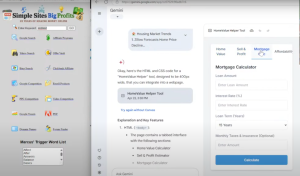
Example: A “Home Value Helper” tool assisting users in accurately estimating their potential selling prices, remaining mortgage balances, and net profits from home sales.
Step 3: Monetization Strategies
WAAS models offer diverse monetization options:
- Affiliate marketing (promoting hosting services, real estate platforms, domain registrars)
- Membership or subscription-based premium content
- Direct sales or personalized consultations and support services
- Advertising revenue from integrated, relevant ads
Step 4: Launch and Drive Traffic
Effectively promote your WAAS by utilizing:
- Social media marketing campaigns
- YouTube tutorials and instructional videos
- SEO-focused blog posts and comprehensive guides
- Targeted PPC advertising
- Strategic affiliate partnerships and collaborations
Consistent marketing efforts will help attract and retain users, ensuring long-term growth and profitability.
Optimizing Your WAAS for SEO
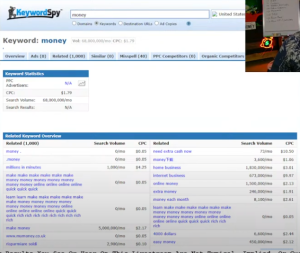
Enhance visibility by naturally integrating relevant, targeted keywords within your WAAS content. Effective keywords may include “home value calculator,” “domain valuation tool,” “AI-generated sales letters,” and “interactive AI tools.”
WAAS, powered by modern AI tools, provides an efficient, cost effective, and highly scalable alternative to traditional SaaS. This approach allows for quick deployment, reduced risk, and immediate market impact. By focusing on solving specific user problems through simple yet effective tools, you can replicate my success, significantly enhance your income potential, and create sustainable long term growth.
Are you ready to launch your own profitable WAAS business? Share your ideas and questions below, or reach out for personalized guidance and expert advice!.
Ai Virtual Assistants VS Wishup
Why Fortune 500s Are Embracing Virtual Help – And What You Can Learn from It…
🚀 Introduction: The Quiet Revolution in Business
While headlines often spotlight AI breakthroughs, a quieter but equally powerful trend is reshaping how Fortune 500 companies operate: virtual assistants. Giants like Microsoft, Bank of America, and Papa John’s are proving that strategic delegation—whether through AI or human VAs—can unlock major growth.
And while these corporations may have deep pockets, the tools they use are now available to businesses of every size—especially with platforms like Wishup, which connect you with trained, vetted VAs ready to work in just 24 hours.
💼 Case Study 1: Bank of America – Internal AI Assistant, “Erica”
-
What They Did: Rolled out “Erica,” an AI assistant used by 90% of staff.
-
Results:
-
50%+ fewer IT help desk calls
-
Quick payroll and password tasks offloaded
-
Employees focus on strategy, not support
-
What You Can Learn:
You don’t need a full-time team—or even advanced AI. A dedicated VA from a platform like Wishup can manage repetitive admin tasks affordably, giving you more hours to grow your business.
🍕 Case Study 2: Papa John’s – Customer Experience via Virtual Assistants
-
What They Did: Introduced AI-powered order chat and loyalty support.
-
Why It Matters:
-
Increased repeat orders
-
24/7 service without expanding staff
-
Brand consistency across channels
-
What You Can Learn:
If a pizza chain can use virtual help to increase customer retention, imagine what a trained VA handling your customer follow-ups or DMs could do for your brand.
Platforms like Wishup offer assistants familiar with tools like Intercom, Zendesk, and WhatsApp so you’re never out of touch.
💻 Case Study 3: Microsoft – Everyday AI Integration
-
What They Did: Deployed AI copilots in Teams, Word, Excel.
-
Impact:
-
Reduced time spent on repetitive documentation
-
Easier collaboration and workflow speed
-
Adoption across departments
-
What You Can Learn:
It’s not just about automation—it’s about getting the right person to manage your tools. A Wishup VA can run your Notion dashboards, organize your CRM, or even prep your weekly marketing reports.
🧠 Why This Matters for You
Here’s what the top players already know:
-
Delegation is leverage
-
Time saved = business scaled
-
The right VA is no longer optional—it’s part of your growth strategy
And with Wishup, you get access to pre-vetted VAs trained in 70+ business tools, often for less than the cost of one employee lunch a day.
✅ Get Started the Smart Way
You don’t need to overhaul your business. Just start with one area:
-
Email or calendar cleanup
-
Lead follow-up
-
Document creation
-
Customer support
-
Social post scheduling
Wishup makes it easy to test what works. With a risk-free 7-day trial, you’ll know fast if delegation is your next growth unlock.
| VA Task | Avg Monthly Cost (Part-Time) | Can AI Do It? | Notes |
|---|---|---|---|
| Inbox Management | $500–$800 | ✅ Partially | AI can sort/filter emails; human VA needed for context, judgment replies |
| Calendar Scheduling | $400–$700 | ✅ Partially | AI can auto-schedule; VA handles reschedules, time zones, client prefs |
| Customer Support (Live Chat/Email) | $600–$1,000 | ✅ Partially | AI can handle FAQs; VA needed for edge cases & tone |
| CRM Updates & Lead Entry | $400–$600 | ✅ Yes | AI/automation works well; VA ensures clean data input |
| Social Media Posting | $500–$900 | ✅ Yes | Scheduling tools + AI content; VA for branding/timing decisions |
| Social Media Engagement | $700–$1,200 | ❌ No | VA needed to respond thoughtfully, spot leads, personalize messages |
| Blog Formatting & Publishing | $400–$700 | ✅ Partially | AI can format/post; VA ensures tone, SEO meta, layout |
| Basic Graphic Design (Canva etc.) | $600–$1,000 | ✅ Partially | AI tools help; VA ensures branding and human touch |
| Transcription & Summarizing Notes | $300–$600 | ✅ Yes | AI tools like Otter/Whisper handle this well |
| Research & Data Gathering | $600–$1,000 | ✅ Partially | AI can search; VA vets sources, summarizes with clarity |
| Prospecting & Lead Generation | $800–$1,500 | ✅ Partially | AI scrapes data; VA filters quality leads, personalizes outreach |
| Bookkeeping Entry (Non-Advisory) | $500–$900 | ✅ Yes | Automated tools + trained VA ensure accuracy |
| Personal Assistant (Errands, Gifting) | $600–$1,200 | ❌ No | Requires emotional intelligence and human nuance |
| Project Management Support | $700–$1,200 | ✅ Partially | AI helps with tracking; VA manages comms, updates, accountability |
📌 Final Thought
Fortune 500 companies aren’t afraid to invest in help. The secret? They know doing everything yourself doesn’t scale.
Whether you need 5 hours a week or full-time assistance, Wishup gives you a reliable VA—already trained, already ready.
👉 Start smart delegation here: [Wishup Affiliate Link or Homepage]
Make $575 a Day With AI Bible Videos: The Real Truth & Proven Method

Discover the truth about making $575 a day with AI Bible videos. Learn the realistic methods, tools, and tips to succeed with AI video content.
Making $575 a day by creating AI Bible videos sounds promising, but is it realistic? Many online gurus suggest quick wealth through AI-generated Bible content, yet the reality often differs. In this post, we’ll uncover the real truth behind AI Bible video monetization, share proven strategies, and help you understand exactly how to create a profitable online business.
Can You Really Make Money with AI Bible Videos?
The Reality Check
While many claim massive profits from AI-generated Bible videos, the truth is more nuanced. Typical earnings from purely monetized YouTube channels are much lower, averaging around $700 to $2,000 monthly, far from the promised $575 daily. Achieving substantial earnings requires strategic content creation, targeted niches, and optimized monetization methods.
Common Pitfalls
- Low Earnings per View: Bible niches typically generate lower ad revenues.
- High Competition: Many channels create similar content, making visibility difficult.
- Generic Content: Broad, unfocused videos rarely attract dedicated audiences.
The Right Way to Create Profitable AI Bible Videos
Step 1: Choose a Profitable Niche
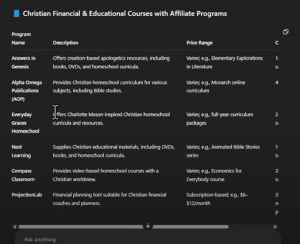
Focusing your videos around specific, lucrative topics such as finance, relationships, or health can significantly boost earnings potential. For instance:
- Bible finance tips
- Biblical relationship advice
- Bible-based health and wellness guides.
Step 2: Use Effective AI Tools
Creating engaging, quality content efficiently is key. Here are recommended AI tools:
- ChatGPT: Ideal for scripting and outlining compelling Bible story videos.
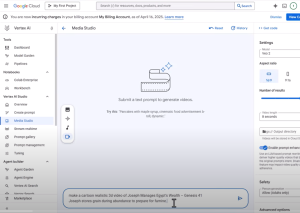
- Leonardo & Google Vertex AI: Perfect for realistic 3D animations.
- Sora: Excellent for creative, animated visuals without credit restrictions.
- 11 Labs: Provides professional-sounding AI-generated voiceovers.
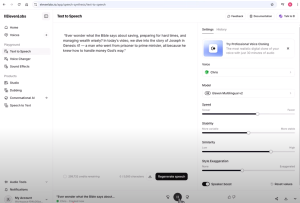
Step 3: Monetize Strategically
Instead of relying solely on YouTube ads, diversify your income streams:
- Affiliate Marketing: Promote relevant books, financial tools, or relationship coaching.
- Lead Generation: Create downloadable guides (e.g., “Bible Finance Cheat Sheet”) to build a profitable email list.
- Sponsored Content: Partner with relevant brands or services targeting your niche audience.
Proven Monetization Examples
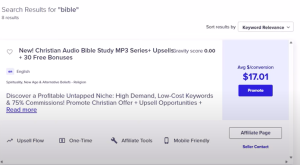
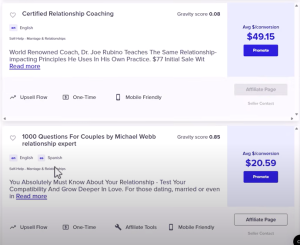
Affiliate Offers
- ClickBank: Relationship and finance coaching programs offering $50+ per sale.
- OfferVault: High paying finance, insurance, and savings affiliate programs.
- Audible: Promote Bible-related audiobooks, earning commission per sign-up.
High-Traffic Keywords to Target
- “Bible finance tips”
- “Christian relationship advice”
- “Bible verses about money management”.
Recommended AI Video Creation Workflow
- Generate Script: Use ChatGPT for accurate, engaging scripts.
- Create Animations: Employ Leonardo, Google Vertex AI, or Sora.
- Add Voiceovers: Integrate voice narration using 11 Labs.
- Optimize for SEO: Use targeted keywords in titles, descriptions, and tags.
Example of AI-Generated Bible Content
An ideal video might cover topics like “Joseph’s Principles for Financial Management” or “Bible Verses on Debt Management.” These specific topics attract niche audiences seeking practical solutions and enhance monetization opportunities through targeted offers.
Creating AI Bible videos can indeed become profitable, but success requires strategic content planning, targeted monetization methods, and realistic expectations. By focusing on lucrative niches, employing powerful AI tools, and diversifying your revenue streams, you can effectively turn AI-generated Bible content into a sustainable and profitable online business. Ready to get started? Share your thoughts or subscribe to learn more practical monetization strategies!.
Get A Personal Niche Idea From Marcus
🎯 How to Get Your Niche Picked by Marcus
Follow the simple steps below to get personalized help finding your niche:
✅ Step One
Open your email and start a new message to:
📧 marcus@gotniches.com
✅ Step Two
Set your subject line to:
“Marcus – Find My Niche”
✅ Step Three
In the body of the email, include a short summary of any of the following:
-
Your personal story
-
Skills you’ve learned or used
-
Jobs you’ve done (past or present)
-
Hobbies or passions
-
Anything that might help Marcus understand the best niche for you
✅ Step Four
Click Send and you’re done – sit back and relax as marcus finds a good niche for you… we are expecting a ton of these so it may take a while as these are personally done and we pair you with some domain ideas and more. YES we may offer you premium domains and site builds based on your niche to help you out… but the original consult and idea is free 🙂
✅ Step Five
Scroll down and leave a comment below letting us know:
💬 How has Marcus’ training helped you so far?
✅ Step Six
Evergreen Niche Making $25,400 a Month: Low Competition Keywords Revealed!
Ready To Have Marcus Pick Your Profit Niche – Click Here
Discover an evergreen niche earning $25,400 monthly using low competition keywords. Learn how to tap into this profitable market step by step!.
An Evergreen Niche You Can’t Ignore
Have you ever wondered what it takes to build a website that consistently brings in thousands of dollars a month? Today, I’m going to share an evergreen niche that’s quietly generating $25,400 per month or even more with low-competition keywords and surprisingly straightforward strategies. The best part? This niche isn’t as crowded as it appears, and it’s loaded with high-paying affiliate opportunities. Let’s dive in!.
What’s the Evergreen Niche with Massive Profit Potential?
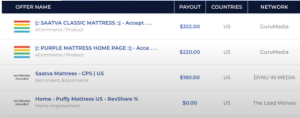
It might surprise you, but the niche we’re exploring today is the mattress market. Yes, mattresses! While it might seem competitive at first glance, there’s plenty of room to carve out your own profitable space, especially when targeting specific, low-competition keywords.
Why the Mattress Niche Is So Lucrative
Here’s why the mattress niche stands out:
-
High Affiliate Commissions:
Offers range from $180 to over $300 per sale, regardless of the mattress price. -
Constant Demand:
Everyone needs a mattress, making this niche stable and evergreen. -
Massive Market Size:
The U.S. mattress market is worth an estimated $13 billion annually.
Proven Success Stories: Real World Examples
To give you an idea of what’s achievable, here are some inspiring examples:
-
Site Example #1: Launched two years ago, now earning around $128,000 in free monthly traffic.
-
Site Example #2: Brings in around $160,000 in free traffic monthly, proving consistent earning potential.
Not every site hits these levels, but the possibility is real if you’re committed and strategic.
How to Use Low-Competition Keywords to Win Big
The secret to succeeding in this niche lies in targeting keywords that competitors overlook. Here are some examples:
-
“How often to replace a mattress”
-
“Can’t get comfortable in bed”
-
“Mattress causing shoulder pain”
-
“Signs you need a new mattress”
These terms have low competition, meaning you can rank faster and attract traffic more easily.
Monetization Strategies That Really Work
Beyond just affiliate sales, here’s how to monetize effectively:
-
Affiliate Programs:
High-paying offers from brands like Casper, Purple, and Nectar Sleep. -
Ad Revenue:
Strategic ad placements that enhance user experience, unlike intrusive sites. -
List Building:
Capture leads through helpful guides (e.g., “Top 10 Signs You Need a New Mattress”).
Why These Keywords Work:
-
Buyer Intent: Users searching these terms are actively seeking solutions.
-
Low Ad Competition: Few advertisers compete for these terms, giving you affordable and profitable traffic.
Creative Traffic Strategies: Beyond Traditional SEO
SEO is powerful, but this niche thrives on multiple traffic sources:
-
Social Media Marketing: Use Pinterest, Facebook, and YouTube to drive targeted traffic.
-
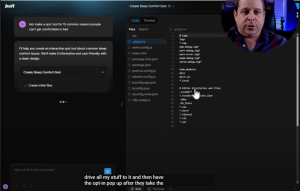
Quizzes and Interactive Content:
Create quizzes (“What’s Causing Your Poor Sleep?”) to boost engagement and leads. -
Visual Content:
Infographics and visual guides work exceptionally well in this niche.
Your Action Plan to Launch in This Evergreen Niche
Here’s a quick roadmap to get started today:
-
Choose a Great Domain:
Consider domains from auction or expired domain platforms like Spamzilla to accelerate your SEO efforts. -
Identify Low-Competition Keywords:
Use keyword tools to discover profitable keywords that your competitors ignore. -
Create High-Quality Content:
Answer user questions thoroughly and clearly. -
Promote Strategically:
Leverage social media platforms and interactive content to engage and convert visitors.
Build a Real, Profitable Business
Entering the mattress niche might seem intimidating at first, but with targeted keywords, high-quality content, and smart monetization strategies, it’s an accessible path to significant monthly earnings. Remember, success here is about consistency, quality, and understanding your audience’s needs.
Ready to jump into this evergreen niche and start earning?
If you found this guide valuable, share it with someone who could benefit from a lucrative, evergreen opportunity! Got questions? Drop a comment below or subscribe to our newsletter for more profitable niche insights.
AI Keyword Research: Find Profitable Niches with Ease
Unlock the secrets of AI keyword research to find profitable niches quickly and affordably. Learn to leverage AI tools without breaking the bank!
Finding profitable niches is the cornerstone of a successful online business. With traditional keyword research tools often costing hundreds or even thousands of dollars, new entrepreneurs face steep barriers. But what if you could harness the power of artificial intelligence (AI) to discover lucrative niches without emptying your wallet? In this comprehensive guide, you’ll learn precisely how to perform AI keyword research effectively, saving money and boosting your profits.
Why AI Keyword Research is a Game Changer
In the early days of internet marketing, expensive keyword research tools dominated the scene. However, today’s AI tools level the playing field. These powerful platforms let you:
- Uncover hidden, profitable niches.
- Find accurate keyword volumes and competition data.
- Generate creative content ideas effortlessly.
By mastering AI keyword research, you gain a competitive edge previously reserved for industry experts.
What you need the most
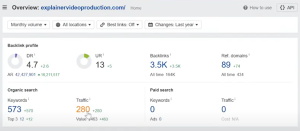
- DOMAIN RESEARCH
- COMPETITION
- OTHER SITE WORDS
- FIND HIDDEN NICHES
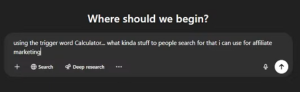
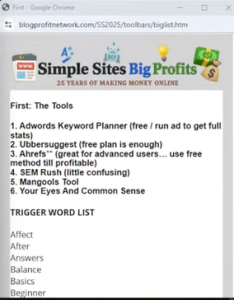
- TRIGGER METHOD.
Premium Keyword Tools
| Tool Name | Starting Price (Monthly) | Key Features |
|---|---|---|
| Ahrefs | $99/mo | Keyword Explorer, SERP overview, backlinks |
| SEMrush | $129.95/mo | Keyword Magic Tool, competitive analysis |
| Moz Pro | $99/mo | Keyword suggestions, SERP analysis |
| KWFinder | $29.90/mo | Easy-to-use, keyword difficulty, SERP analysis |
| Ubersuggest | $29/mo | Keyword ideas, SEO audit, content ideas |
| SpyFu | $39/mo | Competitor keyword spying, PPC insights |
| Serpstat | $59/mo | Keyword research, SEO audit, backlink analysis |
| Long Tail Pro | $59.99/mo | Long-tail keyword finder, KC score |
| KeywordTool.io | $69/mo | Google, YouTube, Bing keyword research |
| Keysearch | $17/mo | Affordable, keyword difficulty, YouTube keywords |
| Tool Name | Provider | Type | Notes |
|---|---|---|---|
| ChatGPT | OpenAI | Text, Code, Image, Voice | GPT-4o: multimodal with voice, memory, vision |
| Claude | Anthropic | Text, Reasoning | Long memory, excels in summarizing and analysis |
| Gemini | Google DeepMind | Text, Image, Code | Integrated with Gmail, Docs, Sheets |
| Copilot (Pro) | Microsoft | Integrated AI | Embedded in Office 365 (Word, Excel, etc.) |
| Perplexity AI | Independent | AI Search Engine | Cited sources, real-time web browsing |
| NotebookLM | Google Labs | Research Assistant | Upload docs, PDFs, and let AI summarize & connect ideas |
| Manus AI | Independent | Deep Thinking AI | Designed for long-form reasoning, step-by-step thought breakdown |
| Groq Chat | Groq + LLaMA | Ultra-fast LLM interface | Known for real-time speeds using custom chips |
Free or Freemium Tools
| Tool Name | Free? | Limitations |
|---|---|---|
| Google Keyword Planner | ✅ | Needs Google Ads account, limited data |
| AnswerThePublic | ✅ | Limited searches/day unless paid |
| Keyword Surfer (Chrome) | ✅ | Shows keyword volume directly in Google |
| Keyword Sheeter | ✅ | Unlimited ideas, but raw and unfiltered |
| AlsoAsked | ✅ | Free tier has limits |
| Soovle | ✅ | No data, just suggestions |
| Google Trends | ✅ | Trend-based, not volume data |
| KeywordTool.io (free) | ✅ | No volume or competition without upgrade |
What Keyword Tools Do Better than AI:
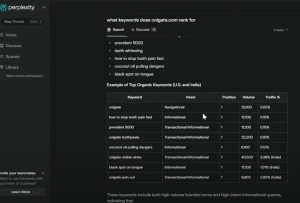
Domain History And Current Rankings
| Function | Keyword Tools | AI (like ChatGPT) |
|---|---|---|
| Accurate Search Volume Data | ✅ Uses real-time or proprietary databases (Google, Clickstream, etc.) | ❌ Can only estimate or use past patterns — no live search volume |
| Keyword Difficulty Scoring | ✅ Quantifies SEO competition with metrics | ❌ Can’t reliably calculate without external data |
| Real-Time SERP Analysis | ✅ Shows live top-ranking pages, their domain authority, backlinks, etc. | ❌ Can’t fetch or analyze live SERP positions |
| Competitor Keyword Spy | ✅ Lets you see what keywords competitors rank for or bid on | ❌ Needs external data to make that analysis |
| Trending Keywords | ✅ Taps into current keyword trend data | ❌ No access to current trend velocity |
| PPC/Cost-per-click (CPC) Data | ✅ Shows estimated ad bid prices | ❌ Doesn’t pull in live advertiser data |
| Geo-specific Data | ✅ Shows search volumes and trends per country, state, or city | ❌ AI can’t break it down precisely without data input |
| Bulk Keyword Analysis | ✅ Analyze hundreds/thousands of keywords at once | ❌ Slower, manual, and lacks full-scale analysis tools |
| Keyword Gap Analysis | ✅ Identifies missed keyword opportunities from competitors | ❌ Cannot scan multiple live websites to detect gaps |
What AI Can Do Better or Complement:
-
✅ Generate creative longtail keyword ideas
-
✅ Create content clusters & pillar plans
-
✅ Build keyword-based outlines instantly
-
✅ Interpret data from keyword tools into action steps
-
✅ Rewrite content to naturally include keywords.
-
Enhancing Your Keyword Research with AI Hacks
The Glossary Method
Using glossary terms related to your niche in AI tools can quickly expand your keyword lists. For example, inputting “mortgage glossary” into ChatGPT yields keywords such as “income-driven repayment plan,” a highly profitable niche discovered during research.
The Timeout Method
Occasionally, let the AI tool pause mid-search. This method can uncover keywords overlooked during a continuous search, revealing less competitive yet highly profitable terms.
CORE USES OF KEYWORD TOOLS
-
Domain Research
Find keyword-rich, brandable, or exact match domains with search demand. -
Competition Analysis
Evaluate keyword difficulty, top-ranking competitors, and backlink strength. -
Other Site Words (Spy on Competitor Keywords)
See what keywords are driving traffic to other sites. -
Find Hidden Niches
Discover sub-niches or long-tail keywords with high intent and low competition. -
Trigger Method
Use emotional or urgent search phrases (“how to stop X”, “best Y for Z”) to find converting keywords.
STRATEGIC USES
Content Planning
Group keywords into topic clusters or silo pages for SEO structure.
Affiliate Keyword Targeting
Identify keywords with buying intent (“best”, “reviews”, “vs”, “cheapest”).
AdWords/PPC Targeting
Find high-converting, low-cost keywords for Google Ads or Bing.
Trend Spotting
Catch rising trends early with tools like Google Trends or Exploding Topics.
Question-Based Content
Use “People Also Ask” and question keywords to create FAQ pages or blog posts.
Lead Gen Phrases
Find keywords tied to signups, quotes, or calculators (e.g. “dscr loan calculator”).
Local SEO Targeting
Discover localized search phrases like “roof repair Orlando” or “best dentist NYC”.
YouTube/Video SEO
Optimize video titles and tags using keyword search volume and autocomplete terms.
Pinterest/Visual SEO
Create visual content (pins, infographics) around low-competition keywords.
Product Naming & SEO
Create product titles, bundles, or services using top-searched combinations.
ADVANCED / TECHNICAL USES
-
SERP Feature Tracking
Identify if a keyword triggers featured snippets, images, videos, or maps. -
Intent Categorization
Separate keywords by intent (informational, commercial, transactional, navigational). -
Seasonal Content Strategy
Spot seasonal trends for timed campaigns (holidays, Black Friday, etc.). -
Backlink Opportunity via Keywords
Find content gaps or under-optimized articles you can outrank or reach out for backlinks. -
Voice Search Optimization
Discover natural language queries that mimic how people speak vs. type.