Uncategorized
Custom GPT Store Challenge

Post A Description And Link To Your GPT Below
Tips To Making Money With The ChatGPT Store
- Refine Your Audience And Profit Method (think services, direct, ect)
- Create A Tool That Helps Them
- Link To Your Website (have live chat and direct sales options)
BONUS TIPS
- Share On Forums
- Post In Directories
- Keyword Load The Tool
- Press Releases
- Join Contestes And Challenges
www.DownloadMyNotes.com
Ai Content Stealth To Humanize And Bypass Detector
Try My Free Custom GPT In The GPT Store Here
Types Of Human Rewriting With AI
- The Text Transformer Extraordinaire: Paraphrasing Tools Picture paraphrasing tools as the fashion stylists of the writing runway. They take your plain Jane text and zhuzh it up, swapping words here and there. It’s like serving the same pizza but with exotic new toppings each time. Same delicious base, new flavor explosion!
- The Word Wizard: Thesaurus Programs Ah, thesaurus programs, the unsung heroes of our high school essays. They take ‘happy’ and turn it into ‘ecstatic’, like word alchemists. They’re like that friend who always dresses to impress, turning your everyday vocabulary into a vocabulary that’s been to the Met Gala.
- The Sentence Acrobat: Sentence Structure Alteration Tools These tools are the acrobats of the sentence circus. They take your words on a wild gymnastics adventure, flipping and somersaulting them. And ta-da! They stick the landing with your sentence still making perfect sense, but now it’s wearing a sparkly new leotard.
- The Word Magician: Content Spinning Software Abracadabra! This software is the David Copperfield of the text world. It takes your content, waves a magic wand, and voilà! Out comes a piece that’s sneakily different but still recognizable. It’s the master of the text illusion show.
- The Literary Chameleon: AI Style-Mimicking Programs These sneaky programs are like undercover spies in the world of writing. They study your style, then replicate it so well, even your best friend might need a double-take. It’s like having a text doppelgänger!
- The Casual Conversationalist: Casual Tone Injectors In a world where sounding human is key, these tools are your laid-back buddies. They take stiff, formal text and relax it. Imagine swapping a suit and tie for a Hawaiian shirt and flip-flops. Aloha to approachable text!
- The Disguise Artist: Format Variation Tools Think of these tools as the masters of disguise. They take your text and play dress-up, adding a monocle here or a top hat there. It’s like giving your words a costume party makeover.
Top AI Content Rewriters for Human-like Content
In the era of digital marketing and online content creation, the need for engaging, human-like content is paramount. Artificial Intelligence (AI) has stepped in to fill this gap, offering tools that can rewrite and enhance written material to make it more relatable, engaging, and human. Here are some of the top AI content rewriters known for their effectiveness:
- GPT-4 by OpenAI: The latest in the Generative Pre-trained Transformer series, GPT-4, is renowned for its ability to understand and generate human-like text. It can rewrite content to make it more engaging, persuasive, and readable while maintaining the original tone and intent.
- QuillBot: QuillBot is a widely-used AI writing tool that specializes in paraphrasing and rephrasing content. It’s known for its fluency and ability to maintain the original meaning while transforming the text to sound more natural and human.
- Wordtune: This AI tool uses advanced machine learning techniques to rewrite sentences and paragraphs. Wordtune excels in adjusting the tone and style to make the content sound more like it was written by a native speaker.
- Spinbot: A popular tool for content creators who need to quickly rewrite articles, Spinbot uses AI to rephrase existing text while maintaining the original message. It’s particularly useful for creating variations of the same content for different audiences.
- Writesonic: Designed for marketers and business owners, Writesonic not only rewrites content but also generates new pieces based on brief inputs. It’s appreciated for its ability to produce human-like, creative, and compelling text.
- CopyAI: This AI tool is designed to assist with various writing tasks, including rewriting content. CopyAI is known for its versatility and effectiveness in creating content that resonates with human readers.
Conclusion
The evolution of AI content rewriters has made it significantly easier for writers, marketers, and businesses to produce content that is not only high in quality but also relatable and human-like. These tools, each with their unique capabilities, are leading the way in transforming how we create and consume written content.
Making Money With Custom Ai Tools
Try My Free Custom GPT In The GPT Store Here
Try My Free ChatGPT Affiliate Program Finder
Stats on App Store Companies
Appsumo
Sure, I can help you with that. Here are some notes based on the web page you are viewing:
- The web page is about SaaS email marketing and how AppSumo, a company that offers deals on software products, has achieved success with it.
- The web page contains four main sections:
- How AppSumo Grew Its Email List to 730,000+ Subscribers: This section explains how AppSumo started with a simple opt-in form and used various tactics such as lead magnets, pop-ups, giveaways, and influencer marketing to grow its email list over the years.
- How AppSumo Makes $37+ Million a Year with Email Marketing: This section reveals how AppSumo increased its revenue by sending more emails, using short and clear copy, creating FOMO, writing catchy subject lines, and using effective CTAs.
- How AppSumo Segments Its Email List to Increase Conversions: This section describes how AppSumo uses different email sequences for different stages of the customer journey, such as welcome, promotional, cart abandonment, and post-purchase emails.
- The AppSumo Email Marketing Stack: This section introduces the tools that AppSumo uses or created for email marketing, such as KingSumo, Sumo, and SendFox.
- The web page also contains many references, images, and examples of AppSumo’s email campaigns to illustrate their points and strategies.
- The web page ends with a summary of the main takeaways and a call to action to sign up for AppSumo’s newsletter.
Article: AppSumo’s Killer $37m+ Per Year Email Marketing Strategy – Nerdy Joe
Apple Store
- The web page is about Apple App Store Statistics for the year 2024, published by Business of Apps.
- The web page provides various data and statistics on the consumer spending, downloads, revenue, and categories of apps and games on the Apple App Store.
- The web page also includes some charts and tables to visualize the data and trends, as well as some references and links to other sources and related topics.
- The web page highlights some key facts and figures, such as:
- Apple App Store consumer spending reached $86.8 billion in 2022, a 1.9% increase on the previous year1.
- Downloads of apps and games on the Apple App Store increased by 0.9% in 20222.
- The most popular app category on the Apple App Store was Games, followed by Business and Education.
- Apple Music made approximately $8.3 billion revenue in 2022, and had 88 million subscribers as of June 20223.
Article: https://www.businessofapps.com/data/apple-app-store-statistics/
WordPress Plugin Marketplaces
- WordPress Market Overview: The web page provides key user stats and data on the WordPress Market, such as valuation, revenue, number of employees, and more.
- WordPress Usage and Popularity: The web page shows how WordPress dominates the web development and CMS industry, with 45% of the websites on the web using WordPress1. It also highlights the popularity of WordPress among users, developers, and big brands2.
- WordPress Features and Benefits: The web page explains the features and benefits of WordPress, such as its user-friendly interface, customizable themes and plugins, and multilingual support3. It also showcases some of the popular plugins and the latest version of WordPress.
- WordPress Founder and Company: The web page introduces Matt Mullenweg, the co-founder of WordPress and the founder and CEO of Automattic, the parent company of WordPress4. It also mentions his other ventures and achievements.
According to a study conducted by WP Engine, the estimated global economy for WordPress was $596.7 billion in 2020, and is expected to grow to $635.5 billion by the end of 20211. Another source estimates that WordPress’ 2021 revenue is around $1.3 billion2.
It’s important to note that the revenue of the WordPress marketplace is not the same as the revenue of WordPress itself. The WordPress marketplace is a collection of third-party plugins, themes, and other products that are built on top of WordPress. The revenue generated by these products is not directly related to the revenue of WordPress.
I hope this information helps!
Article: WordPress Market Revenue and Growth Statistics (2024) | SignHouse (usesignhouse.com)
Code Canyon
Here are some notes on the page you are on:
- The page is about CodeCanyon, an online retailer that specializes in the sale of website plugins, website code and mobile application templates.
- CodeCanyon was founded in 2010 and is headquartered in Melbourne, Australia.
- CodeCanyon’s CEO is Collis Ta’eed, who has an approval rating of 68%.
- CodeCanyon’s primary competitors are Binpress, CodeClerks, Mojo Themes and 3 more.
- The page does not mention the annual revenue for CodeCanyon. However, according to Owler, CodeCanyon’s estimated annual revenue is $2.5M as of January 2024.
Google Play Store
Here are some notes on the page you are viewing:
- The page provides a comprehensive overview of the Google Play Store, its history, statistics, and trends.
- The page covers various aspects of the Google Play Store, such as app downloads, ratings, categories, revenue, publishers, and policies.
- The page also includes several charts and tables to illustrate the data and comparisons.
- The page contains many references to external sources and reports to support the information.
The annual revenue for Google Play (excluding games) from 2016 to 2023 is as follows:
- 2016: $15 billion
- 2017: $21.21 billion
- 2018: $24.82 billion
- 2019: $31.4 billion
- 2020: $47.94 billion
- 2021: $42.32 billion
- 2022: $11.53 billion (as of September)
- 2023: $45.63 billion (estimated)
Article: Google Play Store Revenue, Ratings & Subscription Stats 2024 | Priori Data
- Apple Store
- Business strategy: Apple focuses on creating a seamless integration between hardware, software, and services. This means that their products work well together and provide a good user experience. For example, the iPod was successful because it was easy to use and worked seamlessly with iTunes.
- High-quality products: Apple products are known for their high quality and design. This allows them to charge a premium price for their products.
- Ecosystem: Apple has created a successful ecosystem of products and services. This means that once you buy one Apple product, you’re more likely to buy other Apple products. For example, if you buy an iPhone, you’re more likely to buy an iPad or a MacBook.
- Services: Apple has been growing its services business in recent years. This includes things like Apple Music, Apple TV+, and Apple Arcade. These services provide recurring revenue for Apple, which helps to boost their bottom line.
- Privacy: Apple has a strong focus on privacy. This means that they don’t sell user data to advertisers, which is something that many other tech companies do. This has helped to build trust with users and make Apple products more appealing.
Overall, Apple’s success is due to a combination of factors, including their business strategy, high-quality products, ecosystem, services, and focus on privacy.
I hope this is helpful!
- Apple Store
Here are some notes of the page you are on:
- App Store ecosystem growth: The page reports that the App Store ecosystem facilitated $1.1 trillion in developer billings and sales in 2022, growing 29 percent year over year1.
- Key drivers of growth: The page identifies rebounding demand for travel and ride-hailing apps, strong growth in advertising spend in social media and retail apps, and the emergence of the creator economy as some of the key drivers of growth in the App Store ecosystem23.
- Opportunities for developers: The page highlights the various opportunities for developers on the App Store, such as more ways to monetize their apps, more developer tools and educational resources, and a global distribution platform that supports local payment methods and currencies.
- App Store safety and trust: The page emphasizes the App Store’s role as a safe and trusted marketplace for users, thanks to Apple’s rigorous App Review process and robust privacy and security protections. The page also mentions some of the recent innovations, such as App Tracking Transparency and Privacy Nutrition Labels.
Article: Developers generated $1.1 trillion in the App Store ecosystem in 2022 – Apple
- Google Play Store
Here are some notes about the revenue generated by Google Play Store according to the web page you are viewing:
- In 2022, this platform generated an overall 110 billion app downloads which is more than the iOS app store1.
- In 2023, Google Play Store experienced more user spending on apps resulting in $96 billion as compared to App Store $60 billion2.
- The platform has more than 2 million apps and games that generate an overall $120 billion in earnings for developers3.
- The game segment was the dominating category in iOS and Android platforms resulting in $267 billion of revenue, followed by social media networks ($43 billion), and entertainment ($29 billion)4.
Article: Google Play Store Statistics 2024 By Revenue and Demographics (enterpriseappstoday.com)
- Word Press
Sure, I can help you with that. Here are some notes based on the current web page:
- WordPress Statistics 2023: The web page provides an overview of the usage, popularity, and growth of WordPress, the world’s most popular blogging platform and CMS.
- WordPress Market Share: The web page shows how WordPress dominates the website design and CMS market, with 42.9% and 65.1% of the market share respectively, as of 20231.
- WordPress Growth Rate: The web page compares the growth rate of WordPress with other CMS and website tools, such as Shopify, Joomla, Drupal, Squarespace, and Wix, over the last decade.
- WordPress Facts and Figures: The web page lists some interesting facts and figures about WordPress, such as the number of plugins, themes, posts, websites, languages, and revenue generated by WordPress and its related enterprises.
- References: The web page contains many references to sources of data, statistics, and information about WordPress and its competitors.
Additional info:
- The web page is about WordPress statistics, facts, and trends in 2023.
- It covers topics such as WordPress market share, growth, usage, plugins, themes, and more.
- According to the web page, the company behind WordPress, Automattic, generated $1.3 billion in revenue thanks to other WordPress enterprises such as Envato and WP Engine1.
- Envato and WP Engine brought in revenue of $95 and $74 million, respectively.
- The most popular and frequently sold WordPress theme, Avada, generated over $1.3 million in sales and counting.
Article: Ultimate List of WordPress Stats and Market Share for 2023 (firstsiteguide.com)
NOTES AND USES:
- use free tools and lists of tools to get engagement and sales
- drive traffic to affiliate offers (affiliate search tool / calulators / ect)
- build a mailing list with lists of tools
- create your own simple tools to build a business
- be creative and leverage
Chatgpt Store And Making Money With Custom GPTs

In This Video:
- Blow The Lid Off The Whole “Make Money Chatgpt Store” Hype
- Show You EXACTLY How To Profit With The Chat Gpt Store
- STEP BY STEP how to make CUSTOM Chat GPTS To Make Money With
- PLUS Give You A Report That Cost Me Over $3,000 To Make You
- Then… How To Promote Your Custom Chat Gpt
- AND How To Monetize It
- SECRET LINK TO FIND IDEAS 🙂
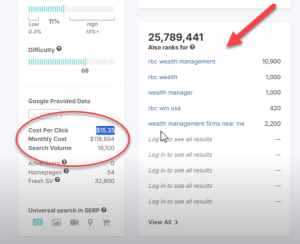
Below is the keyword report… NOTE this is from the keyword tool… it may have data you dont want to see or in other languages… please use caution and you are downloading at your own discretion.
A Guide to Generating Revenue with The ChatGPT Store


In the rapidly changing field of artificial intelligence, one breakthrough stands out as a guide for entrepreneurs and developers looking to utilise advanced technology for financial gain. Enter ChatGPT, a platform offering numerous opportunities for revenue generation. This overview examines how ChatGPT’s customization and monetization options can transform the prospects for both individuals and businesses.
As we explore the ways to unlock profit with ChatGPT, we’ll uncover its user-friendly interface, the process of creating personalized ChatGPT, and various paths for making money. These elements empower innovators not only to harness the capabilities of artificial intelligence but also to capitalize on them in today’s dynamic digital economy. Come with us on a journey into the heart of the ChatGPT ecosystem, where the blend of creativity and technology opens new doors to financial success. Ready to discover how ChatGPT can be your key to unlocking profit?
Overview of ChatGPT Store

https://chat.openai.com/g
The ChatGPT Store is like a cool place where people who like technology and business can do exciting things. It’s made to help regular people, smart developers, and companies by giving them a special market to make, change, and make money with ChatGPT models.
Think of the ChatGPT Store as a big centre where people can find lots of ChatGPT models that fit what they need. It’s not just a store; it’s a lively community that encourages developers to create special talking programs that suit different needs.
The store is easy to use, even if you’re not a tech expert. It helps you smoothly move around, so you can check out, buy, and use ChatGPTs easily.
For developers, it’s a fantastic place to show off their skills and ideas. The ChatGPT Store lets them change models to make unique solutions for different things, like helping customers or creating content.
And here’s the exciting part: developers can make money using the ChatGPT Store! They can choose how to sell their models, either one-time purchases or subscriptions. There are also chances to create special ChatGPTs for specific groups, opening up new ways to earn money.
In simple terms, the ChatGPT Store is like a spark that makes cool ideas happen. It brings people together to be creative, work together, and grow in the world of talking AI. As the store keeps getting better, it will shape how we use AI to talk and change how people and businesses use language technology for their special needs.
Purpose and Functionality
The ChatGPT Store has a simple mission: to be a central place where ChatGPT models meet the needs of users, developers, and businesses. It aims to provide a marketplace that is easy to use for creating, customizing, and making money with ChatGPT models.
For users, the ChatGPT Store is designed to empower them by offering a variety of ChatGPT models customized for specific needs. Whether it’s for customer support, content creation, or other tasks, users can easily find models that suit what they’re looking for.
Developers benefit from the store as well. It’s a platform for them to show off their creativity and skills. The customization options in the ChatGPT Store let developers fine-tune models for various uses, creating unique solutions. This not only showcases their abilities but also opens up chances for collaboration and new ideas.
The ChatGPT Store is user-friendly, making it easy for people with different technical levels to explore, buy, and use ChatGPT models. It’s designed to be accessible, ensuring a smooth experience for everyone.
Moreover, the store helps developers make money. They can sell their ChatGPT models using different pricing models like one-time purchases or subscriptions. The store also encourages developers to create special ChatGPTs for specific markets, providing different ways to earn income.
The ChatGPT Store is a hub for collaboration, creativity, and economic growth in the conversational AI world. Its easy-to-use features ensure that both users and developers can get the most out of ChatGPT models, shaping the way we interact with AI.
OTHER PLAYERS IN THE PROMPT / CUSTOM GPT MARKET
OpenAI.com 1.6 BILLION Visitors Per Month
huggingface.co 18M Visitors Per Month
promptbase.com 550K Visitors Per Month
aiprm.com 1.4M Visitors Per Month
www.DownloadMyNotes.com
Creating ChatGPT’s Monetization Opportunities
Making money with ChatGPT is about giving developers and users different ways to earn within the platform. The ChatGPT Store is the place where these opportunities happen, offering ways to make money.
Developers can make money by selling their ChatGPT models using different pricing plans, like one-time purchases or subscriptions. This flexibility lets developers pick a method that suits their goals and who they want to reach. The store also encourages developers to create special ChatGPTs for specific groups, opening up more chances to earn money.
With customization options in the ChatGPT Store, developers can adjust their models for specific industries or user needs. This makes their creations more appealing to users and increases their chances of making money.
In short, creating money opportunities with ChatGPT means giving developers a place to show their skills, and users a way to get valuable, personalized models by picking from different pricing options. This teamwork leads to a lively community where creativity and financial success come together in the world of conversational AI.
Selling ChatGPT
Selling ChatGPT models involves using different ways to set prices, and there are three main ways: one-time purchase, subscription, and sharing earnings with OpenAI.
In the one-time purchase way, users pay once to get the ChatGPT model. They own it forever without having to pay again. This is good for people who want a simple, one-time payment and complete ownership of the ChatGPT model.
On the other hand, the subscription way is where users pay regularly, like every month or year, to keep using the ChatGPT model. This way, they get updates and new features from developers. For developers, it creates a steady income over time.
- Know Customer Needs: Identify what potential customers require and understand where ChatGPT can be most useful.
- Customize for Niche Markets: Adapt ChatGPT for specific industries or markets, creating solutions that meet unique customer demands.
- Showcase with Trials: Offer demonstrations or trial periods to let customers experience ChatGPT’s capabilities firsthand, building trust in its effectiveness.
- Educate with Marketing: Use educational marketing, like webinars or tutorials, to inform customers about ChatGPT’s benefits in their specific contexts.
- Flexible Pricing: Provide pricing options that suit different budgets and usage needs, such as one-time purchases, subscriptions, or customized plans.
- Support and Training: Offer strong customer support and training to help users integrate ChatGPT smoothly into their workflows, ensuring ongoing satisfaction.
- Listen to Feedback: Encourage and use feedback from customers to continuously improve ChatGPT based on real-world usage.
- Highlight Security: Emphasize the security features of ChatGPT, especially in regulated industries, assuring customers about the confidentiality of their data.
- Effective Marketing Materials: Develop clear and concise marketing materials, including brochures and websites, to communicate ChatGPT’s value proposition.
- Explore Partnerships: Look for partnerships with businesses and platforms that can integrate ChatGPT, expanding its usefulness and reach.
Pricing Models
ChatGPT’s pricing is crucial for balancing accessibility and sustainability. OpenAI introduced a freemium model, allowing free access to ChatGPT and offering a subscription plan, ChatGPT Plus, for added features. This aligns to provide widespread access while generating revenue for ongoing development.
ChatGPT Plus, the subscription plan, provides benefits like faster response times and priority access to new features for users seeking a more premium experience. This dual approach aims to maintain free access for many users while offering extra value to subscribers.
The pricing strategy reflects the challenges of managing and improving large-scale language models, emphasizing sustainability for innovation. OpenAI’s commitment to refining pricing models highlights the evolving tech landscape, adapting business strategies to meet user needs and organizational goals. As ChatGPT evolves, its pricing models will likely adjust to meet changing demands and maintain a balance between accessibility and sustainability.
- Freemium Model: Begin with a freemium model, allowing users to access a basic version of ChatGPT for free. This provides widespread access and attracts a larger user base.
- Subscription Plans: Introduce subscription plans, such as ChatGPT Plus, offering enhanced features for a recurring fee. This caters to users who desire premium services and provides a sustainable revenue stream.
- Tiered Pricing: Implement tiered pricing with different levels of features and usage limits, allowing users to choose a plan that aligns with their needs and budget.
- Customization Options: Offer customization options for businesses or industries with specific requirements, allowing tailored packages that address unique needs.
- Volume-based Pricing: Consider volume-based pricing for businesses with high usage demands, providing cost-effective solutions for heavy users.
- Educational and Non-profit Discounts: Provide discounts for educational institutions and non-profit organizations to support broader access to ChatGPT in these sectors.
- Free Trials: Introduce free trial periods for premium features to encourage users to experience the added value before committing to a subscription.
- Feedback-driven Adjustments: Regularly gather feedback from users to assess the effectiveness of pricing models and make adjustments based on user needs and market trends.
- Transparent Pricing Communication: Communicate pricing structures on the website and promotional materials, ensuring users have a clear understanding of the costs involved.
- Adaptability: Stay adaptable to market changes and user feedback, adjusting pricing models as needed to maintain a balance between accessibility and sustainability.
One-time Purchase Subscription-based
One-time purchases require a single upfront payment for ownership and indefinite access, ideal for those wanting a one-and-done transaction, common in software licenses. On the flip side, subscription models involve regular payments, providing ongoing access with added benefits like updates and customer support.
Widely used in industries like streaming and software services, subscriptions create steady revenue and long-term customer connections. The choice between these models depends on consumer preferences, the product or service nature, and the desired business-consumer relationship.
Revenue Sharing with OpenAI)
Another way is sharing earnings with OpenAI. Developers give a part of their money to OpenAI, the platform supporting ChatGPT. This helps developers use the platform while also contributing to its growth and maintenance. It’s a teamwork approach, where both developers and the platform benefit from the success of ChatGPT models.
These pricing models give choices to developers and users. They make the ChatGPT marketplace diverse and inclusive, with options that match different preferences. This mix of ways to set prices makes the ChatGPT marketplace a lively and innovative space for both creators and users.
Offering Specialized ChatGPT
Customizing ChatGPT for specific industries or purposes is a smart move. It helps businesses meet sector-specific needs, making processes more efficient and accurate. For instance, in healthcare, a tailored ChatGPT can provide accurate information for medical queries. In customer service, it can understand and respond to industry-specific questions, streamlining interactions.
This customization demonstrates ChatGPT’s adaptability across diverse professional contexts. Tailoring the model allows for smoother integration into specific workflows, optimizing its usefulness and expanding its application in various fields. This approach shows a commitment to flexibility, empowering businesses to use ChatGPT in a way that precisely suits their unique needs.
- Choose Target Industries:
Pick the industries where a special version of ChatGPT could be really useful. This might be in healthcare, finance, customer service, legal, and more.
- Learn Industry Needs:
Understand what each industry needs and the challenges they face. This understanding will help customize ChatGPT for each industry.
- Adjust Capabilities:
Customize ChatGPT to fit the specific needs of each industry. This might involve changing how it understands language, and terms used, or adding industry-specific knowledge.
- Add Relevant Features:
Include features that are important to each industry. For example, if it’s for healthcare, make sure ChatGPT can understand and answer medical questions accurately.
- Change User Interface:
Make the user interface match how users in each industry work. This includes the design, how users interact with it, and any features specific to that industry.
- Test Thoroughly:
Test the specialized version a lot to make sure it meets industry standards and works as expected. Get feedback from professionals in each industry to make it even better.
- Create Guides:
Make detailed guides and training materials to help users understand how to use the specialized ChatGPT in their industry effectively.
- Educate Users:
Use educational methods to tell professionals in each industry about the benefits and uses of the specialized ChatGPT. This can include things like webinars, case studies, and tutorials.
- Feedback is Key:
Keep a system for getting feedback from users in each industry. Encourage them to share their thoughts and ideas to keep improving the specialized ChatGPT.
- Roll Out and Support:
Launch the specialized ChatGPT for each industry, and offer ongoing support to help with questions, fix issues, and make sure it works well with their existing systems.
Niche Markets
Customizing ChatGPT for niche markets means tailoring it to specific industries or user groups. This adaptation helps businesses tap into new possibilities by addressing the unique needs of these markets. By doing so, ChatGPT can better understand and respond to the intricacies of various domains, providing more precise information. Whether it’s in legal, medical, technical, or other specialized fields, ChatGPT’s versatility allows for a focused approach.
This customization enhances ChatGPT’s usefulness by offering solutions tailored to specific industries, creating a stronger connection between the technology and its users. The model’s adaptability demonstrates its potential as a valuable tool in a range of specialized contexts, proving its versatility and usefulness beyond general applications.
Industry-specific Customization
In the world of ChatGPT, creating special models for specific markets is a smart strategy for developers and businesses. This means customizing the ChatGPT models to fit the unique needs of particular industries, like healthcare or finance. By doing this, developers make the models more useful and valuable for professionals in those industries.
To tailor ChatGPT models to niche markets, developers need a good understanding of what those industries need. They can adjust the models to handle specific challenges and use the language that professionals in healthcare, finance, or technology would use. This customization makes ChatGPT models important tools for people working in these specialized fields.
Customization also means adding industry-specific information and terms to the ChatGPT models. This helps the models not only understand the context accurately but also speak the language that professionals in that industry would expect. This makes ChatGPT useful in various professional settings.
Apart from customization, offering help and maintenance services is important for specialized ChatGPT. Niche markets often change, so these models need regular adjustments to stay up-to-date. Developers can offer support to guide users in using and optimizing their specialized models. This support ensures a smooth integration of ChatGPT into specific industries, building long-term relationships and customer satisfaction.
Maintenance services, like regular updates and improvements, are crucial to keep specialized ChatGPT models useful. Adapting to changes in the industry and taking feedback from users helps the models stay advanced and meet the evolving needs of niche markets.
In summary, creating special ChatGPT models for niche markets involves customizing them for specific industries and providing strong support and maintenance services. This not only meets the unique needs of different industries but also sets the stage for long-term success, encouraging innovation and collaboration within these specialized sectors.
Providing Support and Maintenance Services
Offering support and maintenance services is crucial for the smooth operation and durability of any product or system. In the tech industry, businesses providing these services play a key role in helping customers after they make a purchase. Support services include addressing user questions, solving problems, and offering guidance to improve the user experience. This responsive assistance not only solves immediate issues but also builds customer satisfaction and loyalty.
Maintenance services focus on preventive measures to keep products working well. Regular updates, patches, and system checks are part of this proactive approach, preventing potential problems and ensuring security. In industries like software, IT, and manufacturing, effective support and maintenance services contribute to the reliability and efficiency of products, reducing downtime and improving overall performance.
Prioritizing ongoing support and maintenance shows a customer-focused approach, proving a commitment to the product’s success beyond the initial sale. Businesses that emphasize these services create a positive customer experience, fostering trust and establishing lasting relationships with their customers.
- Marketing and Promotion
In ChatGPT, it’s important to tell people about it and make it appeal so they use it. Developers and businesses use smart plans to show off ChatGPT, bring in users, and become well-known.
Making ChatGPT easy to use and attractive is crucial. By explaining its special features in simple terms, users can understand why it’s valuable.
Using different online places like social media and websites helps many people know about ChatGPT. Showing how it works through tutorials and stories about success can help people see its benefits. Building a group of users who talk about ChatGPT helps spread the word.
Putting ads in the right places can also be helpful, especially for specific groups of people who can benefit from ChatGPT. It’s like telling those who need it most about how ChatGPT can help them. Working together with other tech communities and famous people in the field can also make ChatGPT more popular.
Keeping up with what people like and making ChatGPT better helps it stay important. Always finding new and creative ways to tell people about it, especially online, makes ChatGPT a strong and lively part of its community.
Building a Profile on ChatGPT Store
Creating a profile on the ChatGPT Store is an important step for both developers and users. A profile is like a virtual ID that shows who they are in the ChatGPT world.
For developers, making a profile means talking about their skills and the special things about their ChatGPT models. This helps users see how good the models are and what makes them unique. Sharing details like customization options, where the models can be used, and how much they cost makes the profile even better.
Users benefit from a good profile too. They can learn about the developer’s background, how others rate them, and what users say about their models. This helps users choose the right ChatGPT models that fit what they need.
In simple terms, a well-made profile is like a digital shop window. It gives a good first impression and builds trust between developers and users. This profile is like a door to successful teamwork, making the ChatGPT community a lively and helpful place.
Showcasing Sample Interactions in ChatGPT
Showing how ChatGPT talks in different situations gives users a peek into its conversation skills. These examples reveal how ChatGPT responds, highlighting its ability to understand language. For developers, sharing these examples is like a useful tool to show how the model sounds, how accurate it is, and how flexible it can be. Users can decide if ChatGPT fits their communication needs.
These examples act as a display, letting users see ChatGPT’s conversation abilities and make smart choices. The samples show how ChatGPT understands and creates language, helping both developers and users see what it can do and if it’s right for specific communication needs. Overall, sharing these examples gives a clear and helpful look at what ChatGPT can do, building understanding and interest in the user community’s Social Media and Online Platforms
ChatGPT’s Collaborations and Partnerships
Collaborations and partnerships in ChatGPT represent a powerful strategy for fostering growth and innovation within the conversational AI landscape. By joining forces with other developers, businesses, or tech communities, individuals can amplify their capabilities and create more robust and versatile ChatGPT models.
These collaborations often lead to shared knowledge, enabling developers to learn from one another and enhance their models collectively. Joint ventures can result in the creation of specialized ChatGPT tailored to unique industry needs, expanding the range of applications.
Partnerships within the AI and tech communities contribute to a broader reach. Endorsements from reputable figures in the field can elevate the credibility and visibility of ChatGPT models, attracting a larger user base. Additionally, collaborations can facilitate the development of innovative features and improvements, driving the evolution of ChatGPT as a whole.
In essence, collaborations and partnerships serve as catalysts for creativity and advancement in the ChatGPT ecosystem. By uniting efforts and sharing expertise, developers can unlock new possibilities, address diverse challenges, and contribute to the continual evolution of conversational AI technologies.
Future Developments for ChatGPT
The future of ChatGPT looks exciting as developers and researchers work on making it better. They want to improve how they understand conversations, so they can respond better in different situations. They also plan to make it even more customizable, letting developers create special models for specific jobs or needs.
They’re working on making ChatGPT better at understanding different languages and cultures. They also care a lot about what users think and want to make it easier for users to give feedback and help ChatGPT learn and get better.
In the future, they want to make sure ChatGPT is fair and responsible. They are committed to making it even more advanced and releasing newer models, showing that the world of AI conversations is always changing. In simple terms, the future of ChatGPT looks promising, with better, more flexible, and ethically conscious versions on the horizon.
Potential Enhancements to the ChatGPT Store
Making the ChatGPT Store better has the potential to help both developers and users. One way to do this is by making the store’s website easier to use so people can find, buy, and use ChatGPT models more easily. This is important so everyone, no matter how much they know about technology, can use it easily.
Improvements could also include giving developers more options to customize their models. This means they can make special ChatGPTs for specific jobs or needs. This helps developers and gives users more choices for what they need.
To make things even better, the ChatGPT Store might create better ways for developers and users to talk to each other. This could be through better feedback systems or places where everyone can share ideas and help the platform grow.
Additionally, the ChatGPT Store might offer more help and services to users, so they can use and fix their ChatGPT models easily. This makes sure that people can smoothly use ChatGPT and feel satisfied with it.
In short, making the ChatGPT Store better means improving how easy it is to use, giving developers more options, creating better ways for everyone to communicate, and offering more help and services. These changes aim to make the ChatGPT Store a friendlier and more helpful place for unique and personalized conversational AI solutions.
Integration with Emerging Technologies
Making ChatGPT work with new technologies helps it do more things and stay up-to-date with the latest advancements. One way is by combining ChatGPT with augmented reality (AR) or virtual reality (VR). This mix could create exciting conversations where users talk with AI models in virtual worlds, making communication more interesting.
Another way is connecting ChatGPT with Internet of Things (IoT) devices. This means ChatGPT could talk to smart devices, letting users have natural conversations to control and get information from their connected devices. This makes interacting with IoT systems easier and friendlier.
Also, by combining ChatGPT with the latest machine learning techniques, it can become even better at having conversations. Using advanced methods like reinforcement learning or improved neural networks helps ChatGPT learn and get better over time, adapting to what users like.
In simple terms, connecting ChatGPT with new technologies makes it more versatile and useful in the world of artificial intelligence. These connections could lead to more exciting, easy-to-use, and personalized conversational experiences, making ChatGPT valuable in many different areas.
Community Engagement and Feedback Mechanisms
Talking with users and getting their thoughts is important for making ChatGPT better. When users share their experiences, suggestions, and concerns, it helps developers understand how well ChatGPT is working in the real world. Learning what users like or where they think improvements are needed helps make ChatGPT more effective.
Creating spaces, like forums or special places for feedback, makes users feel included and part of the process. This teamwork not only lets users have a say in how ChatGPT develops but also builds a community where everyone’s ideas help shape ChatGPT.
Regularly updating and improving ChatGPT based on what users say ensures it stays useful and meets their expectations. This ongoing back-and-forth between users and developers builds trust and keeps ChatGPT focused on what users need, making it a successful part of conversations in the world of AI.
10 Other Ways to Make Revenue in ChatGpt
Develop Applications or Services:
Create software applications or online services that harness the capabilities of ChatGPT to address specific user needs. For instance, design chatbots for customer service, develop content creation tools or offer language translation services. These applications can streamline various processes and enhance user experiences.
Offer Customization Services:
Provide tailored services to adapt ChatGPT for specific industries or applications. This involves customizing the language model to align with the unique requirements of clients, ensuring that it effectively addresses their industry-specific challenges or use cases.
Build and Sell Chatbots:
Develop and market pre-trained chatbots that businesses can purchase and integrate into their operations. Customize these chatbots to meet industry-specific demands, enhancing customer support, engagement, or other communication needs.
Content Creation and Copywriting:
Leverage ChatGPT for content creation, copywriting, or generating marketing materials. Offer businesses automated solutions to assist in crafting compelling content, saving time and resources while maintaining quality.
Educational Services:
Develop educational resources, such as courses, tutorials, or webinars, to teach individuals and businesses how to effectively utilize ChatGPT for various applications. Provide consulting services to guide users in maximizing the benefits of the language model.
Consulting for Integration:
Offer consulting services to businesses seeking to integrate ChatGPT into their existing systems. Assist in navigating the integration process, ensuring a smooth transition, and providing optimization strategies to maximize the model’s effectiveness.
Subscription Models:
Implement a subscription-based business model where users pay for exclusive access to advanced features or specialized versions of ChatGPT. This could include premium offerings with faster response times, additional functionalities, or tailored solutions for specific industries.
Develop Niche Solutions:
Identify niche markets with unique needs and create specialized solutions using ChatGPT. Develop tools or applications tailored to industries like healthcare, legal, finance, or any sector where customization can add significant value.
Collaborate on Projects:
Collaborate with other developers, businesses, or researchers on joint projects that leverage ChatGPT. Participate in partnerships to create innovative solutions, combining expertise to address diverse challenges or explore new applications.
Create Chat-Based Products:
Design and sell consumer-facing products that incorporate ChatGPT, such as smart assistants, interactive toys, or applications that enhance user experiences through natural language interaction. Explore creative ways to integrate language capabilities into tangible products for broader market appeal.
Conclusion
ChatGPT shows the exciting possibilities in the ChatGPT world. This guide talks about making money by customizing and monetizing ChatGPT models. It highlights how easy it is to do this, focusing on the friendly interface, creating unique ChatGPT, and the various ways to make money.
The ChatGPT Store is a groundbreaking platform where people can be creative and make money. The guide emphasizes different ways to earn money, like one-time purchases or subscriptions, giving developers a path to turn their creations into profitable projects. It also talks about making specialized ChatGPTs for specific markets, showing there are many ways to make income.
As we go through the changing world of conversational AI, this guide is like a guidepost, showing how technology and innovation can lead to financial success. It encourages people to keep exploring, working together, and adapting, helping individuals and businesses thrive in the exciting world of artificial intelligence.
This Hidden Google SEO Penalty Could KILL Your Traffic

Previous Rankings Declining
Whole Sites Being DE-INDEXED
MONEY LOSS AND TRAFFIC LOSS
PLUS MASSIVE PREDICTION FOR 2024

Get Your Act Together
Determining a niche site’s authority involves analyzing various Google signals. While the exact algorithm remains a secret, several key indicators reveal a site’s position in Google’s eyes:
On-page factors:
- Content quality and depth: Google favors sites with well-written, informative, and up-to-date content that comprehensively addresses the niche’s topics. The presence of original research, expert insights, and data-driven analysis further boosts authority.
- Keyword targeting: Relevant and strategically used keywords throughout the content, including titles, meta descriptions, and headings, signal expertise and understanding of the niche.
- Technical SEO: A clean and secure website with fast loading times, mobile-friendliness, and structured data markup demonstrates technical proficiency and user-friendliness, factors Google values.
Off-page factors:
- Backlinks: Quality backlinks from reputable and relevant websites within the niche are a potent signal of authority. Google considers the quantity and quality of backlinks, with links from high-authority sites carrying more weight.
- Brand mentions and social signals: Positive mentions in industry publications, social media engagement, and online discussions about the site and its content reinforce its credibility and reach.
- Search traffic and user engagement: Consistent organic traffic, long dwell times, and low bounce rates on the site indicate that users find the content valuable and relevant, which Google interprets positively.
Additional factors:
- Site age and history: Older websites with a consistent track record of quality content creation tend to enjoy more trust from Google.
- User experience: A positive user experience with intuitive navigation, clear calls to action, and minimal distractions further enhances the site’s perception.
- E-A-T (Expertise, Authoritativeness, Trustworthiness): Google emphasizes E-A-T for YMYL (Your Money Your Life) topics. Demonstrating expertise through qualified authors, affiliations, and credible sources builds trust and authority.
Remember, Google’s algorithm continuously evolves, making it a dynamic landscape. Regularly monitoring these signals and staying updated on SEO trends helps maintain and improve your niche site’s authority in the eyes of Google.
By focusing on high-quality content, building relevant backlinks, and providing a positive user experience, you can establish your niche site as a trusted authority in its field.
404 errors are not inherently bad for your website. However, you should still take some time to figure out how to handle them, especially if you’re seeing a lot of them or if they’re affecting your website’s ranking in search results.
- Check if the URLs are getting any traffic or have any links pointing to them. If they’re not, then you don’t need to worry about them too much. But if they are, then you’ll need to take some action.
- If there is traffic or links, see where they’re coming from. If they’re coming from internal links on your website, then you can just update those links to point to the correct URLs. If they’re coming from external links, you’ll need to reach out to the website owners and ask them to update their links.
- If you have a lot of 404 errors, you can use Google Search Console to prioritize which ones to fix first. This can be helpful if you don’t have the time or resources to fix all of them at once.
- Make sure that no 404 errors are indexed. Indexed 404 errors can hurt your website’s ranking in search results. You can use Search Console to check for indexed 404 errors and then remove them from your sitemap.
Use Free Tools
Free tool called deadlinkchecker.com to find 404 errors on a website. He shows how to copy and paste the website URL into the tool and click on “Check.” The tool will then search every page of the website and show any 404 errors or broken links.
Chris also shows how to click on the page in the right-hand column to see the source of the error. This can help you to fix the error or redirect the page to a working page.
The Hoth / Ahrefs Free Tool.
Ahrefs Free Tool
Google Search ConsoleContent Refresh And Fixing Old Dead Links… redirection plugin.
In summary, while 404 errors themselves may not be direct ranking factors, their presence, especially in large numbers, can indirectly affect your website’s performance in search engine results due to their impact on user experience and perceived site quality. Regular monitoring and maintenance of these errors are key to maintaining a healthy and SEO-friendly website.
Linkedin Seo Loophole
Ever had the sense of sitting atop a treasure trove, yet unsure how to extract it? That’s LinkedIn for many of us—untapped potential waiting right beneath our profiles. Think about it: with over 31.8 million visitors a month, aren’t you curious what your share could be?
You might have dabbled in the usual networking hustle or job hunt on this platform. But what if I told you that folks are pulling in five figures monthly from traffic they don’t pay a dime for? Sounds like finding an oasis in the digital desert, doesn’t it?
Imagine turning every post into a beacon—drawing eyes and wallets alike—and doing it all without fancy websites or Silicon Valley wizardry.
I’ll let you in on something big: By sticking around here, you’re gearing up to harness SEO secrets that can turn your LinkedIn feed into Google’s favorite snack…
Table of Contents:
- The LinkedIn Loophole: Monetizing Free Traffic
- Leveraging Linkedin Pulse For Visibility
- Profiting from LinkedIn’s SEO Power
- Success Stories of LinkedIn Entrepreneurs
- Building a Following on LinkedIn
- Integrating AI Tools for Content Creation
- Analyzing the Data Behind Successful LinkedIn Strategies
- Identifying Low Competition Niches on LinkedIn
- Advanced Techniques for Monetizing Your LinkedIn Presence
- Creating a Sustainable Income Stream via LinkedIn
- FAQs in Relation to Make Money on Linkedin
- Conclusion
The LinkedIn Loophole: Monetizing Free Traffic
Picture this: you’ve got a gold mine of over 31.8 million visitors each month, and the best part? It’s LinkedIn we’re talking about—no longer just for job seekers but a treasure trove for savvy marketers. Now, imagine tapping into that traffic without spending a dime on ads or needing fancy tech skills.
You heard it right. Folks are making bank with clever use of free content. We’re seeing someone pocketing $8,200 monthly, another crushing it with $27K, and even someone hauling in almost $80K—all from leveraging what I like to call ‘The LinkedIn Effect.’
Understanding the Google Helpful Content Update
Let’s talk game-changer—the Google Helpful Content update rolled out and guess who benefited big time? Yep, our very own professional network. Suddenly SEO gurus started noticing their well-crafted LinkedIn articles popping up on Google searches like daisies in springtime.
This shift means if you know your way around keywords and helpful info, you could see your content ranking high not just within LinkedIn’s ecosystem but also on the wider web where those millions of eyeballs are searching daily.
Profiting from LinkedIn’s SEO Power
The Importance of Keyword Research:
Digging deep into keyword research is akin to finding secret passageways hidden behind library bookshelves—it leads to untapped opportunities. The goal here is simple yet powerful: find low competition keywords ripe for domination through good ol’ fashioned quality content posted directly onto your profile or shared via an article on Pulse.
Crafting Content That Ranks:
If writing isn’t quite your jam—or maybe it is but you want that extra edge—consider AI tools as your trusty sidekick. They can help streamline crafting posts that not only engage readers but also tick all the boxes search engines love. And remember folks; consistency here is key.
Leveraging Linkedin Pulse For Visibility
Amp up visibility by publishing straight onto LinkedIn Pulse. Think about Pulse as throwing open windows in a stuffy room – fresh air (or eyes) comes pouring in. By sharing thought leadership pieces or insightful industry analysis there,
Pulse works its magic helping these articles gain traction across both platforms—you get double exposure because let me tell ya’, what flies well on Pulse often gets noticed by search engines too.
Key Takeaway: LinkedIn’s not just for job hunting—it’s a gold mine of free traffic, with some raking in serious cash from clever content strategies.
Dive into keyword research and craft quality posts to dominate LinkedIn SEO—no ad spend or fancy tech needed.
Boost your visibility: Use AI writing tools and post on LinkedIn Pulse. It’s like opening windows for fresh air—and more eyes on your work.
Profiting from LinkedIn’s SEO Power
Imagine you’ve got a goldmine, but instead of needing heavy machinery to extract the goods, all you need is your wits and some clever positioning. That’s what tapping into LinkedIn for SEO feels like.
We’re talking about a platform that’s bustling with over 31.8 million visitors every month – that’s more foot traffic than many malls see in a year. Now picture just a sliver of that crowd stopping by your profile; it could be game-changing, right? But before we start counting our digital dollars, let’s dig into how this works.
The Importance of Keyword Research
Finding those golden nuggets – or low competition keywords – is where the magic starts. It’s like being at an Easter egg hunt and knowing exactly where the biggest chocolate bunny is hidden. You want keywords that are specific enough to attract interest but not so broad they get lost in Google’s ocean.
Start by thinking about what people might type when they’re looking for someone with your skills or offerings on Google. Use tools like Google Keyword Planner, which can give insights into search volume and competition levels. Then sprinkle these keywords throughout your LinkedIn content—profiles, posts, articles—you name it.
Crafting Content That Ranks
If keyword research is finding the X on the treasure map, crafting content is digging up the chest without triggering any booby traps—it needs precision and care. The trick lies in balancing value-packed information with strategic keyword placement so neither humans nor search algorithms raise an eyebrow.
Your goal? Create posts so helpful even Google would want to bookmark them for later reading. To do this effectively:
- Tailor Your Headlines: Craft headlines brimming with curiosity yet clear enough to reflect what follows.
- Naturally Integrate Keywords: Weave those researched phrases seamlessly within your text as if they were part of casual conversation over coffee—not forced or out-of-place.
- Demonstrate Expertise: Show off real-world experience because stories sell better than specs ever will.
All set? Great. Now imagine having created such magnetic content using smart SEO tactics only to find it getting buried under piles of other posts faster than you can say ‘engagement’. Enter: LinkedIn’s Publishing Platform Best Practices. This is your go-to guide for standing out. Make sure to take advantage of the expert insights provided in LinkedIn’s Publishing Platform Best Practices guide, so that you can maximize your presence on this platform. Make sure to dive in; let these expert insights help elevate your LinkedIn presence.
Key Takeaway: Turn LinkedIn into your SEO goldmine by finding low-competition keywords and crafting valuable content. Think like a Google searcher when picking phrases, sprinkle them naturally in your posts, and show off real-world expertise to stand out.
Success Stories of LinkedIn Entrepreneurs
Tapping into LinkedIn’s goldmine doesn’t always require the Midas touch; sometimes, it’s all about smart strategies and seizing opportunities. Take, for instance, a savvy entrepreneur who discovered an ingenious way to make over $8,200 monthly by leveraging what I like to call the ‘LinkedIn loophole’. This individual didn’t just stumble upon a treasure chest but worked out how to direct LinkedIn’s hefty traffic straight into their bank account.
The $27K Monthly Bonanza with Free Traffic
Then there’s this remarkable story of someone whose persistence turned free traffic into a whopping $27,000 each month. They mastered the art of visibility on LinkedIn without spending a dime on ads or fancy tools. Their secret? Understanding that SEO isn’t just for websites—it’s also perfect for your LinkedIn content. By creating posts peppered with low competition keywords and sharing value-packed articles via LinkedIn Pulse, they made Google sit up and take notice.
This strategy was so effective because when you play by Google’s rules—creating helpful content—the search engine giant rewards you with high rankings. And as we know in the digital world: higher rankings mean more eyes on your stuff.
Nearly Hitting Six Figures from Sheer Networking Genius
Last but certainly not least is our third maverick—a networking ninja—who used pure charm and smarts to rake in almost $80,000 every single month. Yes, you read that right—almost 80 grand rolling in regularly thanks to connections made through engaging conversations and shared insights.
How did they do it? Well, imagine transforming your profile into an irresistible hub where every visit turns potential leads wide-eyed with interest—and ultimately opens wallets too. That means constantly dishing out fresh takes on industry trends while interacting genuinely with followers—not merely selling them something but actually solving their problems.
All these success tales have one thing common: none required deep pockets or technical wizardry; instead they thrived off consistent effort paired with clever use of available resources (hello free platform features.). So if you’re sitting there wondering whether you can duplicate such feats—you betcha.
Surely now those dollar signs are dancing before your eyes as well—they should be because if others can do it using good old-fashioned elbow grease plus some help from AI-powered friends (shoutout to algorithm-friendly post crafting.), then why not give yourself a shot at joining these elite ranks?
Key Takeaway: Real people are killing it on LinkedIn, making serious cash without breaking the bank. Think $8.2K a month by funneling traffic cleverly, or even $27K from nailing SEO in posts—no ads needed. Then there’s the near six-figure earner who just networked like a boss. Bottom line: You don’t need deep pockets, just smart moves and consistent effort.
in a day, and neither is a successful LinkedIn presence. Consistency is key, so keep publishing valuable content, engage with your audience, and watch your visibility soar.
Building a Following on LinkedIn
Growing your tribe on LinkedIn isn’t just about collecting connections like baseball cards. It’s about sparking conversations and sharing slices of value that resonate with your audience.
Engaging with Your Network
The key to a robust network lies in the quality of engagement. Imagine organizing a social gathering, like a dinner party. You wouldn’t ignore your guests, would you? Kick things off by reaching out personally to new connections. A simple ‘Thanks for connecting.’ message can work wonders.
Dive into discussions too—comment on posts, share your insights, and ask questions that make people think. This shows you’re not just there to take; you’re also giving back valuable thoughts and ideas.
And don’t forget the magic of tagging folks in posts they’d be interested in—it’s like giving someone a shoutout at an event but without having to raise your voice over the crowd.
Sharing Valuable Content Consistently
You’ve heard it before: consistency is king… or queen. Sharing top-notch content regularly does more than keep you visible—it builds trust with followers who start seeing you as their go-to source for industry wisdom.
Crafting articles or quick tips keeps them hooked because let’s face it, we all love free nuggets of knowledge that help us grow professionally. And when those same pieces get shared by others? That’s when the real party starts—you become not just another face online but an influencer within circles beyond yours.
- Mondays: Share market trends related to last week’s performance—a great way for followers starting their week looking for insights.
- Wednesdays: Post mid-week motivation—an interview highlight or success story from someone in the industry could give others that push through hump day blues.
- Fridays: Round up interesting reads from around web – nothing says TGIF like curling up with some thought-provoking articles heading into weekend downtime.
I’ve been playing this game myself—and believe me, once I got serious about posting consistently (think weekly pulse checks), my inbox turned into Christmas morning every day—full of opportunities knocking. My secret sauce was staying true to what my audience craved while sprinkling in bits about why I loved what I did—that human touch turns readers into fans faster than you can say ‘engagement’.
Key Takeaway: Grow your LinkedIn following by sparking conversations and sharing value, not just adding connections. Engage like a gracious host at a dinner party—thank people for connecting, join discussions, and tag others in relevant posts.
Post consistently to become an industry go-to source; think of it as feeding followers regular bites of wisdom that turn them into fans. Spice up the content with personal insights—they add that human touch which transforms readers into loyal supporters.
Mix up your weekly posting schedule: market trends on Mondays for fresh insights, mid-week motivation on Wednesdays to power through hump day blues, and curated reads on Fridays for weekend wind-downs.
Integrating AI Tools for Content Creation
Imagine a world where your content creation is as effortless as breathing. That’s the magic of artificial intelligence in today’s digital landscape, especially on platforms like LinkedIn. With over 31.8 million visitors flocking to LinkedIn every month, savvy marketers are turning this into a goldmine using AI-powered tools.
The LinkedIn Loophole: Monetizing Free Traffic
Sure, you’ve heard about SEO and how it can attract traffic like bees to honey. But have you thought about pairing that with the muscle of AI? It’s like having a supercharged engine under your hood—suddenly, ranking on Google isn’t just possible; it becomes probable.
Aided by these smart tools, folks are pulling in impressive figures without needing fancy degrees or hefty ad budgets. Think $8,200 here and another making bank at $27K monthly—all thanks to tapping into LinkedIn’s potential with an intelligent approach.
You see, when someone casually mentions they’re almost hitting $80K each month from free traffic alone… well let’s just say ears perk up faster than during gossip at family reunions.
The Importance of Keyword Research
Buckle up because we’re not talking basic keyword stuffing here—we’re looking for those hidden gems. Low competition keywords are like secret passageways that lead directly to treasure chests full of engaged users who want what you’ve got.
This is where AI swings open doors previously unknown: analyzing data patterns and user behavior to suggest hot keywords tailored specifically for your niche within LinkedIn—a space less cluttered but equally rewarding compared to other social networks.
Crafting Content That Ranks
If content is king then consider SEO its queen—and together they rule the digital kingdom. Now add in some royal advisors (hello there AIs), and you’ve got yourself a strategy poised for success.
Pro tip: When writing posts optimized for search engines make sure they pack value tighter than sardines—not only will readers love it but so will Google’s algorithms.
And don’t forget engaging meta descriptions too—they might seem small fry compared with everything else going on but boy do they punch above their weight class.
Finally wrapping things up neatly yet powerfully ensuring back-end elements such as tags work harmoniously maximizing visibility across cyberspace.
In essence, integrating artificial intelligence doesn’t just streamline operations; it transforms them. AI can automate mundane tasks, allowing teams to focus on more strategic work that adds value to the business. By leveraging ML and data analytics, companies can obtain info that will result in smarter decisions and invention.
Key Takeaway: AI tools are changing the game on LinkedIn, making it easy to find low-competition keywords and create content that ranks. With AI’s help, people are raking in thousands monthly from free traffic alone—no fancy degrees or big ad budgets needed.
Dive into AI for SEO on LinkedIn and watch your content pull in views like a magnet. Use smart analytics for killer titles and meta descriptions that make Google algorithms—and readers—take notice.
Analyzing the Data Behind Successful LinkedIn Strategies
Imagine hitting a goldmine without even needing to swing a pickaxe. That’s what it feels like when you crack the code of making money on LinkedIn, where over 31.8 million visitors roam each month looking for valuable content and connections.
The secret sauce? It’s all in the data – understanding who your audience is, what they want, and how they interact with your content. But here’s where things get spicy: not just any content will do; we’re talking about posts so SEO-friendly that Google can’t help but rank them high up in search results.
Understanding the Google Helpful Content Update
We’ve seen this play out recently with LinkedIn getting even more attention after Google’s Helpful Content Update shook up the digital landscape. Think of it as a wake-up call for quality over quantity – or putting heart into your articles instead of just stuffing them with keywords hoping they’ll fly.
This update has put a spotlight on crafting pieces that truly resonate with readers while also being discoverable by search engines—kinda like hitting two birds with one blog post (though no actual birds were harmed).
Profiting from LinkedIn’s SEO Power
The Importance of Keyword Research
Digging deep into keyword research is like uncovering hidden treasures beneath layers of internet soil. You need those low competition gems that are easy to rank yet relevant enough to draw traffic through both LinkedIn searches and our big friend Google.
Pick words wisely because these little nuggets are pivotal for propelling visibility online—a mix between popular demand and niche specificity can catapult you ahead in this game.
Crafting Content That Ranks
If writing was cooking, then SEO would be your seasoning—it needs to be just right. To whip up some deliciously ranked posts on LinkedIn:
- Create engaging headlines that make users stop scrolling,
- Incorporate those carefully chosen keywords naturally within your text,
- And always aim for readability because let’s face it—no one enjoys chewing through tough texts.
Leveraging LinkedIn Pulse for Visibility
Maximizing Reach with Pulse Articles
- Serve fresh insights hot off the press: Share cutting-edge industry news or opinions that position you as an authority figure,
- Tell stories people crave: Human brains love narratives, so wrap your expertise in anecdotes folks will remember long after reading,
- Stay ahead of the curve by aligning your content with current trends, but approach them thoughtfully and strategically.
Key Takeaway: Strike gold on LinkedIn by mastering SEO and creating content that Google loves to rank. Dive into keyword research for hidden gems, cook up engaging posts with the right SEO seasoning, and share stories on Pulse that stick in people’s minds.
Identifying Low Competition Niches on LinkedIn
Think of LinkedIn like a gold mine that’s not been fully explored. It’s bustling with niches ripe for the taking, but only if you know where to look. Picture this: while everyone else is panning in crowded streams, you could be mining in untouched locations.
The Importance of Keyword Research
Finding low competition keywords is your treasure map on LinkedIn. These are phrases people search for but aren’t widely covered yet. To get started, use tools like Google Keyword Planner. You’ll want to find terms with decent volume but less content saturation—these are your sweet spots.
Digging into keyword research isn’t just about what pops first; it’s about understanding user intent and aligning it with what you can offer. Let’s say ‘vintage teapot restoration’ has low competition—it’s specific enough to attract an audience without going head-to-head against big players.
Crafting Content That Ranks
Your next move? Create posts that hit the SEO jackpot by answering questions no one else does—or at least not as well as you will. Imagine being the person who finally explains quantum physics simply because nobody took time for it—that’s how detailed and clear your posts should be.
To rank on Google through LinkedIn, structure matters just as much as substance. Use those juicy keywords naturally throughout your post—the title, headings, and body text—and watch how they work harder than caffeine-fueled college students during finals week.
Now let me give you some real talk based on my own experience grinding out there in the digital streets of affiliate marketing via LinkedIn—I’ve seen folks crush it by zeroing in on these under-the-radar topics:
- A friend was all over ‘boutique dog spa trends’ before anyone thought posh pooches needed facials too—he made bank when boutique pet care went mainstream;
- An acquaintance wrote pulse articles about ‘minimalist living tips’ which later became a huge trend—talk about foresight making her wallet fatter;
- I even had a buddy tackle something so niche as ‘underwater basket weaving techniques’ (I kid)—but he found his tribe.
All jokes aside though, striking gold means providing value nobody else has offered up yet or delivering existing information more effectively—a bit like telling age-old stories using emojis so Gen Z actually listens.
Key Takeaway: Think of LinkedIn as an untapped gold mine for niche markets. Start by using keyword tools to spot low-competition areas with high search volume. Then, create killer content that ranks by answering questions no one else does and use those keywords smartly in your posts.
Mine these hidden gems before they go mainstream—like the early birds who profited from ’boutique dog spa trends’ or ‘minimalist living tips’. Remember, hitting the jackpot means offering unique value or presenting info in fresh ways that resonate with new audiences.
Advanced Techniques for Monetizing Your LinkedIn Presence
Think your LinkedIn account is just a digital resume? Think again. It’s a goldmine for affiliate marketers who know how to work the room—or in this case, the platform. But you gotta be shrewd about it.
Offering Consulting Services
If you’re like me and have spent years mastering your craft, why not cash in on that expertise? By offering consulting services right through LinkedIn, you open up a world of possibilities. Start by tweaking your profile—make it clear that you’re the go-to person for solving specific problems in your industry.
Say goodbye to cold calls; let clients come knocking instead. Get active on relevant groups or discussions where potential clients hang out. Show off those skills with valuable insights and bam—you’ll get noticed.
I remember when I first offered SEO consultations on LinkedIn. My inbox blew up faster than popcorn kernels at movie night because people saw real value in what I could bring to their businesses.
Promoting Affiliate Products or Services
You can’t throw affiliate links around willy-nilly—that’s like double-dipping chips at a party (not cool). You need finesse if you want folks from your network buying products through your links without feeling spammed.
The trick lies in personalization and trust-building content creation. Share stories about how an affiliate product helped solve an issue similar to one they might face—an old but golden marketing technique called ‘show, don’t tell.’
I once shared how using a certain productivity tool cut my admin time by half—which was true—and my connections were all over it because they too wanted more Netflix time…I mean productive hours.
Now, there’s no denying the buzz around earning big bucks with free traffic—it’s like finding money under the couch cushions but way better. Someone out there is making over $8k each month thanks to these strategies we’re talking about.
And get this—another entrepreneur banked upwards of $27k per month while someone else almost hit $80k monthly—all from tapping into what LinkedIn offers.
So next time someone tells you social media is just cat videos and memes send them these success stories.
The key here isn’t luck; it’s knowing where and how often to post so Google notices—and likes—you enough give high rankings driving organic search traffic straight back toward those juicy profiles packed full insightful posts recommendations which naturally include non-intrusive yet persuasive calls action featuring carefully selected affiliates offers aligned perfectly both personal brand audience needs alike
Bottom line: A successful consultation or product pitch hinges on executing a strategy that’s been carefully tailored to meet specific needs.
Key Takeaway: Transform your LinkedIn into a revenue stream by showcasing your expertise through consulting and sharing personal success stories with affiliate products. Show, don’t tell—let clients discover the value you offer, and watch as free traffic turns into real income.
Creating a Sustainable Income Stream via LinkedIn
Think of LinkedIn as the Swiss Army knife in your professional toolbox. It’s not just for job hunting or networking; it’s also ripe with opportunities to make money, especially when you play the long game.
Diversifying Your Monetization Methods
You wouldn’t put all your eggs in one basket, right? The same goes for earning cash on LinkedIn. To keep that income flowing, mix things up. Here are some solid ways to diversify:
- Offering Services: If you’re savvy at something—say copywriting or marketing strategy—sell those services directly through LinkedIn.
- Promoting Products: Know a product that can truly help others? Use affiliate marketing to promote it and earn commissions from sales made through your referrals.
- Create Courses: Got expertise worth sharing? Create an online course and use LinkedIn to find eager learners willing to pay for knowledge bombs.
The key is not relying solely on any single method but rather combining these tactics so if one stream dries up, you’re still golden.
Finding Opportunities with SEO
Become best friends with SEO because let me tell ya’, it’s a match made in digital heaven. When used correctly, good old search engine optimization helps people discover what you have to offer without spending loads on ads.
- Analyze which keywords folks might type into Google when they need someone like you.
- Create content around these keywords and publish them where they shine—the Pulse platform on LinkedIn is perfect for this.
- But don’t forget: quality trumps quantity every time. Write stuff people want to read, and Google will reward you by ranking your posts higher. It’s like telling the world, “Hey, I’m here, and I’ve got what you’re looking for.” So, you see, content isn’t just king—it’s the ace, the joker, and the queen rolled into one.
Integrating AI Tools
Now, before you start thinking Skynet is upon us, know that AI tools are just helpers waiting to unleash your creative potential. These nifty gadgets can give your content a crystal-clear focus, generate ideas at warp speed, and even fix those pesky grammatical errors. Talk about being a grammar ninja.
And here’s where it gets juicy: using AI-powered tools for keyword research or content optimization sets up your SEO game big time. These smart systems can sift through tons of data to spot trends and suggest keywords that you might not think of on your own. They help you understand what topics are hot, which terms people use when they search, and how to structure your content so it ranks higher. That means better visibility for your site, more traffic flowing in, and potentially a bigger impact on your bottom line.
Affiliate Marketing Hangout
Can You Rank AI Content On Google – SEO
Does Ai Content Rank In Google – Seo Real Talk
I. Introduction
- Briefly introduce the topic of AI content’s impact on Google ranking.
- Pose the central question: Can AI content be a lucrative tool for online businesses?
II. The Rise of AI Content in Digital Marketing
- Discuss the increasing use of AI-generated content in online domains.
- Present an example of a low-cost domain ($20) experiencing a significant traffic surge.
III. Real-World Examples: AI Content and Traffic Growth
- Detail instances of websites (e.g., Medium.com) gaining substantial traffic and organic search keywords.
- Question the source of this growth: AI or human writers?
IV. The Experiment: Testing AI Content for Profitability
- Introduce the methodology: using AI content detectors and keyword tools for analysis.
- Explain the goal: determining the profitability of AI-generated content.
V. Case Study Analysis
- A. A Domain on Sale: Traffic and Profit Analysis
- Examine a specific domain’s history, traffic stats, and search rankings.
- Discuss its niche (bird information) and potential profitability.
- B. Medium.com: A Closer Look
- Analyze Medium’s growth in traffic, focusing on merchant account-related content.
- Investigate whether the content is AI-generated and its monetization potential.
- C. LinkedIn’s Success with AI Content
- Explore LinkedIn’s increased search rankings.
- Delve into the types of content and their AI nature.
VI. Keyword Focus: High-Value Topics and AI Content
- Discuss the importance of selecting high-value keywords (e.g., “merchant account”).
- Show examples of high-traffic keywords and analyze the prevalence of AI content in top search results.
VII. The Intersection of AI Content and Monetization
- Discuss how AI content on platforms like Medium and LinkedIn can be linked to profitable sites.
- Emphasize the importance of content quality and meeting the searcher’s intent.
VIII. Concluding Insights
- Reflect on the findings from various case studies and examples.
- Address the potential risks and the importance of treating online monetization as a serious business.
- Encourage readers to focus on ethical and quality content creation.
IX. Final Thoughts and Resources
- Summarize key takeaways from the analysis.
- Links to additional resources, videos, or tutorials for further exploration in AI content creation and SEO.
Part I: Introduction
Understanding the Impact of AI-Generated Content on Google Rankings
In the ever-evolving landscape of digital marketing, the role of artificial intelligence (AI) in content creation has become a pivotal topic of discussion. With the advent of sophisticated AI tools, a new question arises: Does AI-generated content have the potential to rank on Google, and more importantly, can it be a lucrative asset for online businesses?
This intriguing inquiry opens a gateway to a broader discussion about the effectiveness and profitability of AI-generated content in the realm of search engine optimization (SEO). The answer to this question could revolutionize the way we approach content creation, SEO strategies, and online monetization.
As we delve into this subject, we consider a compelling case – a domain that was listed for sale at a mere $20. Surprisingly, this seemingly inconsequential domain exhibited an extraordinary spike in traffic, raising questions about the nature of its content. Was this sudden surge in popularity a result of AI-generated content, or was it the craftsmanship of human writers? This instance is not just an isolated phenomenon but a part of a larger trend that warrants a closer examination.
In this exploration, we aim to dissect the realities and possibilities of using AI in content creation. We will look at real-world examples, analyze traffic growth patterns, and scrutinize the content itself to determine whether AI had a hand in their success. The journey we embark on will not only reveal the current capabilities of AI in content creation but also provide insights into its potential to transform online marketing strategies.
As we proceed, our focus will be on understanding the nuances of AI-generated content – its effectiveness in ranking on search engines like Google, its ability to attract significant traffic, and ultimately, its potential to be a powerful tool in the arsenal of digital marketers aiming to make a substantial income online.
In the following sections, we will delve into specific examples, conduct experiments, and analyze data to uncover the truth about AI-generated content and its place in the digital marketing landscape. Join us as we unravel the mysteries behind the screens and keyboards, navigating through the realms of AI, SEO, and online monetization.
Part II: The Rise of AI Content in Digital Marketing
Embracing a New Era: AI’s Role in Content Creation
The digital marketing world has witnessed a significant shift with the introduction of AI-generated content. This new frontier in content creation is not just a fleeting trend; it’s rapidly becoming a staple in online domains, changing the way we approach SEO and content strategy.
The intriguing aspect of AI in digital marketing lies in its ability to produce content at an unprecedented scale. This capability raises a crucial question: Can AI content effectively rank on Google, and more importantly, can it serve as a reliable source of income for online ventures?
To illustrate this emerging phenomenon, let’s consider a practical example. Imagine a domain, seemingly insignificant, listed for sale at just $20. What makes this domain stand out is its meteoric rise in web traffic. This case exemplifies the potential impact of AI-generated content in the digital space. The domain, starting from a point of relative obscurity, suddenly saw its traffic skyrocket, a trend that demands attention and analysis.
This surge in traffic brings us to a critical point of inquiry – what was behind this remarkable growth? Was it the result of AI’s involvement in content creation, or was it the work of skilled human writers? This distinction is vital, as it sheds light on the effectiveness and potential of AI in shaping online visibility and success.
The presence of AI in content generation isn’t just a matter of quantity; it’s about the quality and the relevance of the content produced. AI tools, with their evolving algorithms and learning capabilities, have the potential to create content that is not only abundant but also tailored to specific audiences and SEO requirements.
The case of the $20 domain is a mere glimpse into the broader implications of AI in digital marketing. It represents a growing trend where AI-generated content is increasingly becoming a part of online strategies to enhance visibility, improve search engine rankings, and attract significant web traffic.
In the following sections, we will dive deeper into real-world examples where AI content has made a noticeable impact. We’ll analyze traffic growth patterns and investigate the quality of the content to determine the role of AI in these success stories. Our journey will explore the capabilities of AI-generated content in driving traffic and its effectiveness in ranking on search engines like Google.
As we unfold these examples, we will gain a clearer understanding of AI’s place in the modern digital marketing landscape, exploring its potential to be a game-changer in the way we approach SEO and online monetization.
| Aspect | AI-Generated Content | Human-Written Content |
|---|---|---|
| Writing Style | Often more formulaic and repetitive. | Typically more varied and nuanced in style. |
| Creativity and Originality | May lack original insights or unique perspectives. | Often includes personal insights, experiences, or innovative ideas. |
| Emotional Depth | Usually struggles with conveying deep or complex emotions. | Better at expressing a range of emotions and subtleties. |
| Contextual Understanding | Might miss or misinterpret nuanced or context-specific references. | Usually demonstrates a better grasp of context and subtle references. |
| Syntax and Grammar | Generally has very good grammar; errors, if any, are often unusual or nonsensical. | Can vary; includes typical human grammatical errors or stylistic choices. |
| Flow and Coherence | May have issues with narrative flow or coherence, especially in longer texts. | Typically maintains a coherent and logical flow of ideas. |
| Responses to Current Events | May not accurately reflect very recent events or trending topics unless updated. | More likely to include up-to-date references and current events. |
| Idiomatic Language Use | May struggle with idiomatic expressions or slang. | Naturally uses and understands idioms, colloquialisms, and slang. |
| Depth of Knowledge | Limited to the information it was trained on; may lack depth in certain subjects. | Can demonstrate in-depth knowledge, especially in specialized or niche topics. |
| Interaction with Reader | Limited ability to engage in a dynamic or interactive manner with readers. | Capable of engaging, responding, and adapting to reader feedback and interactions. |
Part III: Real-World Examples: AI Content and Traffic Growth
Examining the Influence of AI on Website Traffic and SEO
In our exploration of AI-generated content’s impact on digital marketing, we now turn to tangible examples that illustrate this phenomenon. These real-world cases provide insight into how AI content can influence website traffic and SEO performance.
One notable example is Medium.com, a popular content publishing platform. Recently, Medium.com has seen a significant surge in its organic search keywords and overall visitor count. This spike in traffic, particularly since the last Google ‘helpful content’ update, which aimed to reduce repetitive AI spam, raises an important question: Is Medium’s growth attributable to AI-generated content or the contributions of human authors?
Similarly, another intriguing instance involves a website that, like the earlier mentioned domain, began with modest traffic but eventually experienced an exponential rise in visitors. This website, peaking at nearly 45,000 visitors each month, provides a compelling case study to understand the dynamics of traffic growth and the potential role of AI in achieving such results.
To delve deeper into these examples, it’s crucial to consider the content quality and the strategies employed. Were these sites leveraging AI to create content that resonates with their audience, or was their growth driven by traditional content creation methods?
Moreover, the case of Medium.com is particularly interesting given the vast increase in its search engine visibility. Over 9 million new organic search keywords and a spike of over 13 million visitors each month post-Google update suggest a strategic utilization of content, possibly involving AI tools. This hypothesis warrants further investigation to determine the extent of AI’s involvement and its effectiveness in aligning with Google’s evolving algorithms.
The question of whether these platforms use AI-generated content is more than just academic curiosity. It has significant implications for digital marketers, SEO strategists, and content creators. If AI can indeed produce content that ranks well on Google and drives substantial traffic, it opens up new avenues for online marketing strategies and monetization.
As we continue, we will examine other examples, including a case from LinkedIn, which also shows a major uptick in search engine rankings. By analyzing these platforms and their content strategies, we aim to uncover how AI-generated content is being used, its effectiveness in SEO, and its potential in driving significant traffic and monetization opportunities.
In the next sections, we’ll dissect these examples further, using tools like AI content detectors and keyword analysis, to provide a comprehensive understanding of AI’s role in modern digital marketing and its impact on website traffic and search engine rankings.
| AI Content Detector | Type (Free/Paid) | Benefits | Pricing (As of my last update) |
|---|---|---|---|
| Grammarly | Both | – Advanced grammar and plagiarism checks<br>- AI writing assistant<br>- Tone and style suggestions | Free version available<br>Paid plans start from $12/month |
| Copyscape | Paid | – Plagiarism detection<br>- Comprehensive search for content duplication | Pay-per-use system; prices vary based on usage |
| Turnitin | Paid | – Widely used in academia for plagiarism detection<br>- Detailed similarity reports | Pricing varies (typically through institutional subscriptions) |
| Quetext | Both | – Plagiarism checker with color grading<br>- Contextual analysis and originality score | Free version available<br>Pro version starts at $9.99/month |
| DupliChecker | Both | – Simple interface<br>- Plagiarism and grammar checking | Free with limitations<br>Premium plans available |
| Scribbr | Paid | – Specializes in academic work<br>- Plagiarism checking along with citation tools | Starts at approximately $20 for a standard document check |
| CopyLeaks | Both | – Plagiarism detection with AI technology<br>- Supports multiple languages and file formats | Free trial available<br>Various plans starting from $10.99/month |
| Plagiarism Checker by Small SEO Tools | Free | – Free to use<br>- Supports multiple file formats<br>- Simple and quick | Completely free, but with usage limitations |
| PlagScan | Both | – Detailed plagiarism reports<br>- Suitable for academic and professional use | Pay-per-use or subscription plans available (starting from $5.99) |
| ProWritingAid | Both | – Grammar and style checking<br>- Detailed writing reports<br>- Integrations with various platforms | Free version available<br>Premium plans start at $2 |
Part IV: The Experiment: Testing AI Content for Profitability
Analyzing the Monetization Potential of AI-Generated Content
The intriguing journey into the world of AI-generated content brings us to a critical experiment: assessing the actual profitability of AI content in the realm of digital marketing. This phase of our exploration is geared towards understanding not just the ability of AI content to rank on Google, but more importantly, its potential to become a profitable tool for online businesses.
To conduct this analysis, we employ a set of specialized tools: AI content detectors and keyword tools. These instruments are crucial in deciphering the nature of content and its alignment with SEO best practices. Our goal is to determine whether the use of AI-generated content correlates with increased website traffic and, subsequently, enhanced monetization opportunities.
A. Methodology and Tools
- AI Content Detectors: These tools help identify whether a piece of content is generated by AI. By analyzing the language patterns, structure, and other textual elements, AI detectors can distinguish between human-written and machine-generated content.
- Keyword Tools: These tools are used to analyze the keywords for which a website ranks, their search volume, and potential profitability. This analysis helps understand the market value of the content and its ability to attract targeted traffic.
B. Case Studies and Analysis
- Domain Analysis: We begin with the earlier mentioned domain that was listed for sale at $20. Observing its traffic patterns post-2022, especially after significant updates in Google’s algorithm, provides insights into the effectiveness of AI content in adapting to new SEO challenges.
- Medium.com’s Growth: With over 9 million new organic search keywords and a massive influx of visitors, Medium.com serves as a prime example. The analysis focuses on whether AI-generated content contributed to this growth and how it aligns with Google’s ‘helpful content’ update.
- LinkedIn’s Traffic Surge: Similar to Medium.com, LinkedIn has experienced a significant increase in search engine rankings. Understanding the content strategy behind this growth, particularly the use of AI, can reveal valuable insights into effective digital marketing practices.
C. Evaluating the Results
The experiment aims to answer several key questions:
- Does AI-generated content have the capability to rank effectively on Google?
- What is the quality of traffic derived from AI content, and how does it contribute to overall website performance?
- Can AI content be effectively monetized, and what are the best practices for achieving this?
Through this analytical approach, we aim to provide concrete evidence and insights into the real-world applications and profitability of AI-generated content. The outcomes of this experiment will not only shed light on the current capabilities of AI in content creation but also offer valuable lessons for digital marketers and content creators looking to leverage AI for SEO and monetization.
In the next sections, we will delve into the findings of this experiment, dissecting each case study, and drawing conclusions about the role and profitability of AI-generated content in today’s digital marketing landscape.
Part V: Case Study Analysis
Delving into Real Examples of AI Content in Action
In our exploration of AI-generated content’s potential for profitability, we examine specific case studies that shed light on how AI content is being used in the digital landscape and its impact on traffic and monetization.
A. A Domain on Sale: Traffic and Profit Analysis
- Overview of the Domain: We revisit the domain initially offered for $20, now a subject of increased interest due to its sudden traffic spike. This case provides a clear starting point for understanding AI content’s impact on a website’s performance.
- Traffic and Ranking Analysis: By looking at the domain’s history, especially post-2022, we assess the growth in traffic and search engine rankings. This analysis helps to determine if the rise can be attributed to AI-generated content and its alignment with recent Google updates.
- Profitability Consideration: Despite the impressive traffic, this domain, centered around bird information, presents a unique challenge in monetization. We explore the nature of the content and its potential for generating revenue, balancing traffic volume with market value.
B. Medium.com: A Closer Look
- Growth Post-Google Update: Medium.com’s impressive growth in organic search keywords and visitors post-Google update is analyzed for its correlation with AI content usage.
- Content Analysis: We dissect specific examples of content on Medium, especially in high-value niches like merchant accounts, to determine if they are AI-generated and how they perform in terms of SEO and user engagement.
- Monetization Strategies: The potential for monetizing AI content on Medium is explored, considering the platform’s reach and the nature of the content being produced.
C. LinkedIn’s Success with AI Content
- SEO Performance Post-Update: LinkedIn’s increased search engine rankings post-Google update provide another perspective on AI content’s effectiveness.
- Analysis of Ranked Content: By examining LinkedIn’s content, especially in lucrative niches, we assess the prevalence of AI-generated content and its impact on rankings.
- Implications for Monetization: We explore how AI content on LinkedIn can be utilized for monetization, considering the platform’s professional audience and content distribution capabilities.
D. Evaluating AI Content’s Effectiveness and Profitability
- AI vs. Human Content: Through these case studies, we draw comparisons between AI-generated and human-written content, assessing each type’s effectiveness in terms of SEO and user engagement.
- Traffic Value and Monetization Potential: We evaluate the traffic quality derived from AI content and its potential for monetization. This involves considering both the volume of traffic and the nature of the audience attracted by the content.
- Best Practices and Recommendations: Based on our findings, we provide insights and best practices for using AI-generated content effectively for SEO and monetization, ensuring that it meets Google’s guidelines and the audience’s needs.
In the next sections, we will analyze the results from these case studies, providing a comprehensive understanding of how AI-generated content performs in real-world scenarios and its potential as a tool for digital marketers seeking to enhance their online presence and revenue streams.
Part VI: Keyword Focus: High-Value Topics and AI Content
Exploring the Intersection of AI Content and Profitable Keywords
In the realm of SEO and online monetization, the choice of keywords is crucial. This section of our exploration delves into how AI-generated content performs in the context of high-value keywords and topics.
A. Importance of High-Value Keywords
- Definition and Significance: High-value keywords are those that have a high search volume, strong commercial intent, or both. These keywords are often more competitive but can lead to significant traffic and higher monetization potential when ranked well.
- AI Content and Keyword Strategy: We examine how AI content aligns with high-value keywords. Does AI content maintain its effectiveness when targeting these lucrative terms?
B. Case Studies: AI Content and High-Traffic Keywords
- Merchant Account Keywords: As an example, keywords related to merchant accounts are known for their high commercial value. We analyze how AI-generated content on platforms like Medium.com ranks for such keywords.
- Comparative Analysis with Low-Value Keywords: Contrasting high-value keywords with lower-value ones, like those related to bird information, offers insights into the versatility and effectiveness of AI content across different niches.
C. Analyzing AI Content Performance
- Ranking and Traffic Data: We look at the ranking positions and traffic data for AI-generated content targeting high-value keywords. This analysis helps us understand the true SEO potential of AI content.
- Content Quality and User Engagement: Beyond just rankings, the quality of content and its ability to engage users is critical, especially for high-value keywords where user intent is often more transactional or specific.
D. Monetization Implications
- Earning Potential of High-Value Keywords: We assess the earning potential of ranking for high-value keywords with AI content. Are these rankings translating into tangible monetary gains?
- Best Practices for Targeting High-Value Keywords with AI Content: Based on our findings, we offer recommendations for effectively using AI content to target high-value keywords, balancing SEO optimization with user engagement and content value.
E. Conclusion and Future Outlook
- Summary of Findings: We summarize the key takeaways from our analysis of AI content’s performance with high-value keywords.
- Future Trends and Predictions: Looking ahead, we consider how the evolving capabilities of AI might further impact keyword strategy and content creation in the digital marketing sphere.
In the next section, we will explore how AI content on various platforms is linked to profitable sites and delve into the critical aspect of content quality and meeting the searcher’s intent.
Part VII: The Intersection of AI Content and Monetization
Leveraging AI-Generated Content for Profitable Online Strategies
The journey into the effectiveness of AI-generated content brings us to a crucial aspect – its potential for monetization. In this section, we explore how AI content, when strategically utilized, can open up avenues for significant online revenue generation.
A. Monetization Through AI-Generated Content
- Understanding the Monetization Landscape: Monetization in the context of AI-generated content involves more than just attracting traffic. It’s about engaging the right audience and converting this engagement into revenue.
- Platforms for Monetization: We examine various platforms like Medium and LinkedIn, where AI-generated content is prevalent, to understand how these platforms facilitate monetization.
B. Linking AI Content to Profitable Sites
- Strategy of Link Integration: How AI content can be used to direct traffic to profitable websites or affiliate offers. This includes the tactics of embedding links within content in a way that adds value to the reader while guiding them to monetization opportunities.
- Case Studies of Successful Linking: Analysis of real-world examples where AI content has been effectively linked to profitable sites or products, demonstrating the potential for revenue generation.
C. Quality and Searcher’s Intent
- Importance of Content Quality: The necessity of maintaining high content quality, even when it is AI-generated. This includes creating content that is informative, engaging, and relevant to the audience’s needs.
- Meeting the Searcher’s Intent: Understanding and aligning with the searcher’s intent is critical for successful monetization. We discuss how AI content can be optimized to meet these needs and how this impacts conversion rates and revenue.
D. Ethical Considerations and Best Practices
- Navigating Ethical Boundaries: Addressing the ethical considerations of using AI for content creation, especially in terms of transparency and providing value to the reader.
- Best Practices for Monetization Using AI Content: Providing guidelines and strategies for effectively using AI-generated content in a way that is ethical, user-friendly, and profitable. This includes balancing automation with human oversight and ensuring compliance with SEO guidelines.
E. Conclusion: The Future of AI Content in Monetization
- Summarizing the Potential: Reflecting on the findings and discussions, we conclude with insights into the potential and limitations of AI-generated content in online monetization strategies.
- Looking Ahead: Speculating on the future developments in AI and content creation, and how these might influence the landscape of digital marketing and monetization.
In the next part, we will bring together our insights and findings from the various sections, offering a comprehensive overview and concluding thoughts on the role and profitability of AI-generated content in the digital marketing world.
Part VIII: Concluding Insights
Reflecting on the Role and Profitability of AI-Generated Content in Digital Marketing
As we draw this exploration to a close, we synthesize the insights and lessons learned about the use of AI-generated content in the realm of SEO and online monetization. This final section aims to encapsulate the key takeaways and provide a forward-looking perspective on the intersection of AI and digital content strategy.
A. Key Findings from the Analysis
- Effectiveness of AI Content in SEO: Our journey through various case studies has demonstrated that AI-generated content can indeed rank well on Google, attracting significant traffic.
- Monetization Potential: The analysis revealed that AI content, especially when targeting high-value keywords and paired with effective monetization strategies, holds substantial potential for revenue generation.
- Quality and Engagement: Despite being AI-generated, the content’s success hinges on its quality, relevance, and ability to engage the audience, underscoring the importance of aligning with user intent and SEO best practices.
B. The Balance Between AI and Human Input
- The Hybrid Approach: While AI offers efficiency and scalability in content creation, the best results often come from a blend of AI-generated content and human editing or oversight, ensuring quality and contextual relevance.
- Ethical Considerations: The discussion stresses the need for ethical practices in using AI for content creation, including transparency and prioritizing user value.
C. Future Trends and Implications
- Evolving Role of AI in Content Creation: As AI technology continues to advance, its role in content creation is expected to grow, offering even more sophisticated and nuanced content capabilities.
- Implications for Digital Marketers and SEO Strategists: For professionals in digital marketing and SEO, staying abreast of AI developments and learning to effectively integrate AI into their strategies will be key to future success.
D. Final Recommendations and Best Practices
- Strategic Use of AI Content: Encourage a strategic approach to using AI in content creation, focusing on high-value keywords, user engagement, and ethical practices.
- Continual Learning and Adaptation: Emphasize the importance of staying updated with SEO trends and Google updates, adapting strategies to leverage AI technology effectively.
E. Conclusion
As we conclude this exploration, it’s clear that AI-generated content represents a significant and evolving frontier in digital marketing. Its potential for SEO and monetization is substantial, yet it requires a thoughtful, quality-focused approach. Looking ahead, the synergy of AI and human creativity will likely define the next era of content strategy, offering exciting opportunities for those ready to embrace this change.
In the following section, we will provide additional resources and further reading for those interested in deepening their understanding of AI in digital marketing and content creation.
Is Blogging Dead In 2024?
50 Blogs with Blogger Income Reports across Diverse Niches
Lifestyle:
- Making Sense of Cents:(https://www.makingsenseofcents.com/) Michelle Schroeder-Gardner shares her journey to financial independence and monthly income reports (niche: personal finance).
Income: $ 125,000 – 130,000
- I Will Teach You to Be Rich:(https://www.iwillteachyoutoberich.com/) Ramit Sethi details his strategies for building wealth and achieving financial freedom (niche: personal finance).
Income: $ 20 – 25 million
- Pinch of Yum: (https://pinchofyum.com/) Lindsay Pinchuk reveals her income from the popular food blog with over 8 million monthly visitors (niche: food).
Income: $ 100,000 / mo.
- The Budget Mom: (https://www.thebudgetmom.com/) Tanja Hester provides budgeting tips and income reports for families (niche: family finance).
Income: $ 1043.09 / mo. (2016)
- Fit Bottomless:(https://ginahorkey.com/nikita-ross/) Gina Horkey documents her income as a fitness and travel blogger (niche: fitness, travel).
Income: $ 4.5M
Business & Marketing:
- Smart Passive Income: (https://www.smartpassiveincome.com/) Pat Flynn offers actionable strategies for building profitable online businesses and income reports (niche: online business).
Income: $ 300,00
- Melyssa Griffin: (https://www.melyssagriffin.com/blog/) Melyssa shares her expertise on growing online businesses and her impressive income figures (niche: online business).
Income: $ 230,00
- Copyblogger:(https://copyblogger.com/) Brian Clark demystifies content marketing and reveals income reports from his successful blog (niche: content marketing).
Income: $ 100,00
- SEO Journal: (https://brewdigital.com) Andrej Babić provides insights into SEO and shares income reports from his agency (niche: SEO).
Income: $ 100,00
- Social Media Examiner:(https://neilpatel.com/) Neil Patel offers social media marketing strategies and income reports from his blog (niche: social media marketing).
Income: $ 1 000,000
Tech & Gaming:
- The Penny Hoarder:(https://www.thepennyhoarder.com/) Scott Martin empowers readers to save money and reveals income reports from his personal finance blog (niche: personal finance).
Income: $700,000
- Gamertag Radio: (https://www.gamertagradio.com) Adam Kovic and Geoff Keighley delve into video games and share income reports from their podcast (niche: gaming).
Income: $187,000
- Android Authority:(https://www.androidauthority.com/) Nick Sutrich reviews Android devices and apps, sharing income reports from advertising and affiliate marketing (niche: technology).
Income: $7,000,000
- MacRumors: (https://www.macrumors.com/) Arnold Kim and John Gruber report on Apple news and rumors, generating income through advertising and affiliate marketing (niche: technology).
Income: $9,000,000
Travel & Adventure:
- Nomadic Matt:(https://www.nomadicmatt.com/) Matt Kepnes shares budget travel tips and reveals income reports from his blog and courses (niche: travel).
Income: $750,000
- The Blonde Abroad:(https://www.theblondeabroad.com/) Kiersten Rich documents her luxurious globetrotting adventures and income reports from collaborations and sponsorships (niche: travel).
Income: $5,600,000
- Adventurous Kate:(https://www.adventurouskate.com/) Kate McCue offers advice for solo female travel and reveals income reports from her blog and photography (niche: travel).
Income: $5,300,000
- Bald and Bankrupt:(https://www.baldandbankrupt.com/) Benjamin Rich explores off-the-beaten-path destinations and shares income reports from his YouTube channel (niche: travel).
Income: $950,000
- Travel Yourself: (https://www.travelyourself.ca/) Jessica Estes provides tips for affordable travel and reveals income reports from her blog and courses (niche: travel).
Income: $ 22,000
Health & Wellness:
- Minimalist Baker:(https://minimalistbaker.com/) Dana Shultz simplifies healthy cooking and reveals income reports from her cookbooks and blog (niche: food, health).
Income: $ 2,000,000
- Fitnessista: (https://fitnessista.com/) Gina Homolka offers fitness and lifestyle advice, sharing income reports from her blog and courses (niche: fitness).
Income: $100,000
- Yoga Journal:(https://www.yogajournal.com/) Experienced yogis share yoga practices and insights, generating income through subscriptions and online courses (niche: health, wellness).
Income: $90,000
- Mindful: (https://www.mindful.org/) Provides resources for mindful living and meditation, deriving income through subscriptions and advertising (niche: health, wellness).
Income: $79,000
- The Doctor Oz Show:(https://www.doctoroz.com/) Dr. Mehmet Oz’s website offers health tips and advice, earning income through advertising and affiliate marketing (niche: health).
Income: $7,000,000
Parenting & Education:
- Rock My Baby: (https://kristenmeichase.com/) Kristen Chase advises new parents and reveals income reports from her blog and courses (niche: parenting).
Income: $5,500,000
- Nesting With Grace: (https://nestingwithgrace.com) Grace Bonang shares family recipes and lifestyle tips, earning income through sponsorships and advertising (niche: family).
Income: $3,500,000
- Chalkboard Champions: (https://chalkboardchampions.org/) Provides resources and support for teachers, earning income through subscriptions and partnerships (niche: education).
Income: $1,000,000
Creative & Artistic:
- Copyblogger:(https://copyblogger.com/) Brian Clark demystifies content marketing and reveals income reports from his successful blog (niche: content marketing).
Income: $ 35,000,000
- The Design Milk:(https://design-milk.com/) Jaime Dittmar and Jonathan Sugrue curate stylish home design finds, generating income through advertising and affiliate marketing (niche: design).
Income: $ 708,000
- Poketo:(https://www.poketo.com/) Peter Salmon and Angie Chai share their love of stationery and design, earning income through their online shop and collaborations (niche: design).
Income: $ 10,000,000
Food & Cooking:
- Smitten Kitchen:(https://smittenkitchen.com/) Deb Perelman shares her delicious and approachable recipes, generating income through advertising, cookbooks, and online courses (niche: food).
Income $ 83,000
- Joy the Baker: (https://joythebaker.com/) Joy Wilson shares her love of baking and sweet treats, generating income through advertising, cookbooks, and online courses (niche: food).
Income $ 5,300,000
- Minimalist Baker:(https://minimalistbaker.com/) Dana Shultz simplifies healthy cooking and reveals income reports from her cookbooks and blog (niche: food, health).
Income $ 2,000,000
DIY & Crafts:
- Brit + Co: Brit (https://www.brit.co/) Morin shares DIY projects, home decor ideas, and party inspiration, earning income through advertising, sponsorships, and online courses (niche: DIY).
Income $ 3,900,000
- The Spruce Crafts: (https://www.thesprucecrafts.com/) Sarah Epperson provides tutorials and inspiration for crafters of all levels, generating income through advertising and affiliate marketing (niche: crafts).
Income $ 6,600,000
Personal Development & Productivity:
- James Clear: (https://jamesclear.com/) James Clear shares insights into habits, behavior change, and personal development, earning income through his book sales and online courses (niche: personal development).
Income $ 8,000,000
- Mark Manson: (https://markmanson.net/) Mark Manson offers unconventional and practical advice on life and relationships, generating income through book sales and online courses (niche: personal development).
Income $ 2,000,000
- The Minimalists: (https://www.theminimalists.com/) Joshua Fields Millburn and Ryan Nicodemus advocate for minimalism and living with intention, earning income through book sales, speaking engagements, and online courses (niche: personal development).
Income $ 973,000
- Tiny Buddha:(https://tinybuddha.com/) Lori Deschene shares wisdom and insights on happiness and mindfulness, generating income through book sales, online courses, and retreats (niche: personal development).’
Income $ 10,000,000
Finance & Investing:
- Money Mustache: (https://www.mrmoneymustache.com/) Pete Adeney shares his journey to financial independence and early retirement, earning income through advertising, affiliate marketing, and online courses (niche: personal finance).
Income $ 400,000
- The Motley Fool: (https://www.fool.com/) Offers financial advice and investment insights, generating income through subscriptions, advertising, and online courses (niche: investing).
Income $ 26,000,000
Fashion & Beauty:
- Song of Style: (https://shortyawards.com/8th/aimeesong) Aimee Song showcases her style and fashion collaborations, earning income through sponsorships, brand partnerships, and online courses (niche: fashion).
Income $ 5,000,000
- The Chriselle Factor: (https://thechrisellefactor.com/) Chriselle Lim shares fashion tips and outfit inspiration, attracting revenue through advertising, affiliate marketing, and collaborations (niche: fashion).
Income $ 200,000
- Into the Gloss: (https://intothegloss.com/) Emily Weiss offers interviews and stories about beauty and wellness, generating income through collaborations, brand partnerships, and branded content (niche: beauty).
Income $ 5,000,000
- Makeup Geek: (makeupgeek.com/) Marlena Schram provides makeup tutorials and product reviews, earning income through collaborations, affiliate marketing, and her own makeup line (niche: beauty).
Income $ 10,000,000
- Style by Emily Henderson: (https://stylebyemilyhenderson.com) )Emily Henderson shares interior design and home decor inspiration, deriving income through sponsorships, collaborations, and online courses (niche: design).
Income $ 21,869
Tech & Gaming:
- TechCrunch: (https://techcrunch.com) Delivers news and analysis on the technology industry, attracting revenue through subscriptions, advertising, and events (niche: technology).
Income $ 22M
- The Verge: (https://www.theverge.com/) Covers technology and culture, generating income through advertising, affiliate marketing, and branded content (niche: technology).
Income $ 25M
- Technica: (https://www.audio-technica.com/) Provides in-depth coverage of technology and gadgets, earning income through subscriptions, advertising, and affiliate marketing (niche: technology).
Income $ 100M
- Polygon: (https://www.polygon.com/) Focuses on video games and gaming culture, deriving income through advertising, affiliate marketing, and sponsored content (
Income $52,000/ day
Finance
- The Savvy Couple, $43,547 (May 2019)
- Club Thrifty, $1.03 Million (Annual)
- Breaking the One Percent, $167,390 (January/February 2019)
- The Money Ninja, $9,342.46 (December 2019)
- Making Sense of Cents, Over $1.5 Million (Annual)
- Financial Flamingo, Over $1,000 (January 2020)
- Finsavvy Panda, Over $10,000 (July 2023)
- Money Dot Calm, $720 (April 2020)
- Moneyhungry, $3911 (October 2019)
- Money Q&A, $3926.66 (October 2019)
- Smart Pennies, Over $100 (November 2019)
- The Baller on a Budget, $45,620.18 (Annual)
- Swift Salary, $3481 (Annual)
- Single Moms Income, $3013 (March 2019)
- This Mama Blogs, $1937.65 (November 2018)
- Believe in a Budget, Over $500,000 (Annual)
- My Work from Home Money, $144,900 (Annual)
- Redefining Mom, $1,135 (May 2018)
- Reverse the Crush:$109 (September 2021)
- Frugal Mom Guide:$200 (March 2019)
- Wallet Squirrel:$441 (March 2021)
- The Millennial Bull:$599 (March 2019)
- Bee Money Savvy:$825 (July 2020)
- My Money Yard:~$1,333 (Annual)
- The Frugal South:$3,433 (April 2018)
- Money from Side Hustle:~$3,626 (Annual)
- Lylia Rose:$3,735 (October 2019)
- Project Financially Free:$3,786 (January 2021)
- Money Q and A:$3,923 (October 2019)
- Freedom in a Budget:$5,253 (December 2020)
- The Financial Cookbook:$6,836 (January 2022)
- Unconventional Prosperity:$8,255 (February 2018)
- Caroline Vencil:$12,007 (October 2017)
- Dollar Sprout:$61,915 (October 2018)
- Millennial Money Man:$127,213 (September 2018)
- Well Kept Wallet: $17,714 (Monthly)
- Rose At Water: $8,304.39 (December 2016)
Travel
- Two Wandering Soles, $14,179 (March 2019)
- Ashley Abroad, $2,112.61 (September 2019)
- Travel with a Plan, $735.31 (8 Month in 2019)
- Practical Wanderlust, $4,145 (January 2018)
- Local Adventurer, $302,900 (Annual)
- It’s a Lovely Life, $2,233,236.40 (Annual)
- Living the Dream, $5,050 (November 2023)
- Indian Girling, Over $1,000 (July 2018-February 2019)
- Imperfect Idealist, $400 (Annual)
- Expat Kings, $2,338.15 (June 2019)
- Johnny Africa, $12,031 (Annual)
- Trekkn, Over $5,000 (Annual)
- Affordable by Amanda, Over $4,000 (July 2019)
- Desk to Dirtbag, $4,461.70 (July 9019)
- The Sunshine Suitcase, $105.93 (June 2019)
- The Atlas Edit:$10 (March 2018)
- Nomad Numbers:~$212 (Annual)
- Journey with Jess:$241 (January 2018)
- Mathers on the Map:$314 (April 2020)
- Top Travel Sights:$539 (Annual)
- Happily Ever Travels:$591 (November 2020)
- She Dreams of Alpine:$700 (July 2018)
- Once in a Lifetime Journey:$1,048 (September 2017)
- Sunshine Seeker:$1,123 (September 2017)
- World Travel Family:~$1,533 (Annual)
- Desk to Dirtbag:$1,724 (December 2017)
- The Sweetest Way:$1,933 (September 2017)
- The Wandering Gourmand:$2,019 (May 2016)
- Ali’s Adventures:$2,869 (June 2017)
- Wherever Writer:$3,575 (February 2018)
- Amy Fillinger:$4,223 (June 2022)
- The Professional Hobo:~$4,243 (Annual)
- Globetrotter GP:$5,733 (January 2020)
- The Atlas Heart:$6,598 (June 2021)
- Valerie & Valise:$7,839 (December 2020)
- Nomad Life 101:$8,650 (July 2022)
- Living the Dream RTW:$9,129 (November 2023)
- A Dangerous Business:$9,229 (December 2018)
- Fun Life Crisis:$10,455 (April 2022)
- Adventure in You:$19,233 (June 2018)
- Travel Mexico Solo:$23,786 (Annual)
- Kara and Nate:~$41,176 (September 2019)
- Fitnancials: $4,612 (Monthly)
- Travel Blog Breakthrough: $3,269 (Monthly)
- External Expat: $2,501.25 (January 2018)
Food
- 40 Aprons, $31,225 (August 2019)
- Hangry Woman, $2,605.65 (January 2020)
- Went Here 8 This, $2,511.64 (October 2019)
- A Sassy Spoon, $15,843.36 (Annual)
- Thyme & Joy, $1231.17 (April 2019)
- Midwest Foodie, $1324.75 (October 2019)
- Butternut Bakery, $5,041.45 (May 2019)
- Nikki’s Plate, $2332 (October 2019)
- The Honest Spoonful, $787.21 (April 2019)
- Fork in the Road, $1056.25 (March 2019)
- Elizabeth Chloe, $48.17 (January 2019)
- Salted Mint, $406.59 (April 2019)
- The Clean Eating Couple, Over $150,000 (Annual)
- The Fit Delish, $560 (October 2019)
- Lucky Mojito, $686.03 (June 2019)
- Pinch of Yum, Over $60,000 (Annual)
- The BeWitchin Kitchen: $6,313 (February 2018)
- Yup, It’s Vegan: $1,478.54 (February 2017)
- Show Me The Yummy: $46,367 (Monthly)
- Jessica Gavin: $5,097.80 (March 2017)
- Pickled Plum: $4,330.08 (November 2016)
- Recipe This: $2,431 (Monthly)
Blogging, Entrepreneurship & Tech
- Adam Enfroy, $35,174 (September 2019)
- Kate Kordsmeier, $15,167.70 (October 2019)
- Ryan Robinson, $39,448.92 (July 2019)
- Matthew Woodward, $25,718.28 (Annual)
- This Online World, $7,000 (Annual)
- Joanna Rahier, Over $700 (August 2019)
- Blog Ambitious, $6,949.64 (July 2019)
- 99signals, $5,242.48 (July 2019)
- Like to Dabble, $29,887.26 (Annual)
- A Self Guru, $35,000 (October 2019)
- Let’s Reach Success, $6,652 (July 2019)
- Anastasia Blogger, $8,336 (March 2019)
- Cassie Scroggins, $3,713.40 (December 2019)
- Boss Girl Bloggers, $5,051.81 (Annual)
- Living the Blog, $115,370.26 (Annual)
- Easy Blog Emily, $512 (September 2019)
- BforBloggers, $3804.86 (March 2019)
- Perfection Hangover, $1627.5 (March 2019)
- Jasmine Alley, $36,975.21 (Annual)
- Chelsea Joy Eats:$789 (March 2021)
- The Fiery Vegetarian:$888 (March 2020)
- The Twin Cooking Project:$997 (May 2020)
- Jar of Lemons:$1,121 (June 2017)
- Get on My Plate:$2,106 (December 2021)
- Always Use Butter:$3,183 (September 2022)
- Broken Oven Baking:~$3,800 (Annual)
- Oh So Foodie:$4,506.30 (May 2020)
- Stephanie’s Sweets:~$6,791 (Annual)
- Kitchen Sanctuary:$18,341 (October 2018)
- Out of the 925:$1,182 (January 2021)
- Passive Income Wise:$1,693 (October 2017)
- House of Brazen:$5,221 (March 2017)
- Prosmartrepreneur:$8,657 (January 2021)
- Do You Even Blog:$9,663 (July 2018)
- Horkey Handbook: $20,492 (December 2016)
- Treasure Gnome: $9750.93 (Monthly)
- Patchesoft: $3,142.12 (February 2018)
Lifestyle/DIY/Crafts
- Lovely Refinement, $2,000 (October 2019)
- Fit Mommy in Heels, $11,562.19 (September 2019)
- Lifestyle with Leah, $233.82 (December 2019)
- Italian Polish Momma, $1,600 (March 2019)
- Life Fully Caffeinated, $40.63 (June 2019)
- About Social Anxiety, $405.48 (November 2019)
- Desert Blossom Crafts, $1,941.44 (Annual)
- Ironwild Fitness, $133.71 (April 2019)
- KAinspired, Over $10,000 (Annual)
- Crochet 365 Knit Too, $5,286 (April 2019)
- Liana Desu, $2,386.99 (September 2019)
- The Fab 20s, $1,566.40 (February 2019)
- Tickled Think:$111 (May 2018)
- Mind Her Way:$202 (July 2020)
- Blast Aloud:$442 (April 2018)
- Budget and Mom Jeans:$507 (June 2021)
- Boss Babe Chronicles:$821 (May 2020)
- Tory Stender:$1,166 (September 2020)
- The Thought Journal:$1,257 (April 2018)
- A Love 4 Me:$1,790 (January 2021)
- Oh Clary:$1,910 (August 2018)
- The Huntswoman:$3,541 (September 2021)
- Heart’s Content Farmhouse:$4,310 (March 2021)
- Hooked to Books:$5,440 (December 2018)
- By Leah Claire:$6,119 (September 2022)
- Thrifts and Tangles:$6,796 9December 2021)
- By Sophia Lee:$9,439 (January 2019)
- Hot Beauty Health:$9,655 (September 2018)
- One Big Happy Life:$10,900 (November 2018)
- Anna in the House:$13,813 (November 2020)
- Neat House Sweet Home:$653 (April 2017)
- Sew Some Stuff:$2,802 (February 2018)
- Fiddle Leaf Interiors:$2,911 (Annual)
- Cut n Make Crafts:$3,154 (January 2020)
- Swoodson Says:~$4,374 (Annual)
- Xukkhini:$1,732 (March 2018)
- Embracing Simple: $2,400 (Monthly)
- Mostly Morgan: $2,000 (Monthly)
- Just a Girl & Her Blog: $41,700 (Monthly)
- Nerd Fitness: Over $100,000 (Monthly)
- Master Sketchup: $3,120 per (Monthly)
- Art of Manliness: 400,000 a year (Annual)
- Orlando Date Night Guide: $100,000 (Annual)
- Celebrity Baby Scoop: $300,000 (Annual)
- Arts & Classy: $3364.75 (October 2016)
- While She Naps: $3,152.3 (Monthly)
- Sewrella: $9755.76 (February 2018)
- The Flooring Girl: $2,006 (October 2017)
Mom Blog
- Easy Baby Life, $4,310 (April 2017)
- Pulling Curls, $6,631 (May 2017)
- The Keele Deal:$345 (March 2021)
- House of Sonshine:$487 (June 2021)
- Seaside Sundays:$525 (May 2017)
- Journey to SAHM:$630 (December 2018)
- Midwife and Life:~$1,035 (Annual)
- The Mummy Front:$1,555 (August 2018)
- Another Mommy Blogger:$2,546 (February 2020)
- Mommy to Max:$5,251 (April 2017)
- The Intentional Mom:$5,481 (April 2017)
- Swaddles ‘n’ Bottles:$11,180 (Annual)
- Fit Mom Journey:$10,124 (December 2018)
Facebook Stealing AI Images To Make Money?
- Introduction (0:00 – 0:36)
- The presenter introduces the concept of using AI-generated images on Facebook as a method to potentially earn significant income, mentioning instances of people earning up to $10,000 a month.
- Facebook’s AI Image Generator (0:36 – 1:21)
- Discussion on the ethics and legality of Facebook (Meta) using images from its platform to fuel its AI image generator.
- Raises a question about Facebook’s practice of using user-uploaded images without explicit consent.
- Comparison with Other Cases (1:21 – 2:07)
- Reference to a case where AI-generated images were used to create lifelike wood carvings, sparking a debate on intellectual property and ethics.
- Suggestion that some AI images might not be direct replicas but still raise ethical questions.
- Monetization Strategy (2:07 – 3:17)
- Discussion on how AI images can be monetized on Facebook, including selling products related to the images (e.g., pet sculptures).
- Suggestion to create and sell custom AI art sculptures on platforms like Etsy.
- Examples of Profitable AI Art on Facebook (3:17 – 4:16)
- Examples of profitable niches for AI art on Facebook, such as AI furniture and AI art images.
- Mention of Facebook pages with high popularity due to AI-generated content.
- Facebook AI Users (4:16 – 4:39)
- Presentation of AI-generated characters on Facebook with significant follower bases.
- Discussion of the potential profitability of such AI users.
- Payment Methods on Facebook (4:39 – 5:18)
- Explanation of different ways to earn money on Facebook, including running a store, joining the Facebook Partner Program, or using affiliate marketing.
- Emphasis on the importance of disclosing AI-generated content to maintain ethical standards.
- Facebook Arbitrage Strategy (5:18 – 7:41)
- Description of the Facebook Arbitrage method, where users earn money by directing traffic from Facebook posts to websites with ads.
- Highlighting the high earning potential from ad clicks without the need for selling products or collecting user information.
- Building an Audience (7:41 – 8:42)
- Discussion on the importance of consistency in building an audience on Facebook.
- Encouragement to pair the right niche with an engaged audience for successful monetization.
- Reminder that success is not guaranteed and most people may not earn significant income.
- Conclusion (8:42 – End)
- Summary and encouragement to explore more resources on making money with AI images on Facebook.
How to Turn AI Images into Profit on Facebook: A Comprehensive Guide
Introduction The digital landscape is rapidly evolving, and with it comes novel ways to generate income online. One of the most intriguing developments is the use of AI-generated images on Facebook as a tool for monetization. This guide delves into the potential of using AI images on Facebook, offering insights and strategies that some individuals are leveraging to earn as much as $10,000 a month.
Understanding Facebook’s AI Image Generator The heart of this strategy lies in Facebook’s AI image generator. However, this raises important ethical questions. Is it right for Facebook to use images uploaded by users to power their AI without explicit consent? This concern forms the backdrop of our discussion on monetizing AI images.
Ethics and Intellectual Property in AI Images The issue of ethics extends to the nature of the AI images themselves. We examine a case where AI-generated images mimicked lifelike wood carvings, leading to a debate on intellectual property rights and ethical usage. It’s crucial to consider how close AI-generated images come to replicating existing works and the implications thereof.
The mentioned article from 404 Media1 reveals a concerning trend on Facebook where AI-generated images are inundating the platform and being presented as authentic content. These images depict intricate wooden carvings of dogs and are strategically posted on engagement-focused Facebook pages. What’s striking is the dynamic nature of these images, featuring different men and dogs in each iteration.
Although entirely fictional and created by artificial intelligence, the alarming part is that these AI-generated pictures have been widely circulated across various engagement-bait Facebook pages. These posts have accumulated millions of likes and shares, illustrating the substantial impact of AI-generated content on social media.
The artist behind the original wooden carvings, Michael Jones, has fallen victim to this phenomenon, as AI has stolen and manipulated his work to create these deceptive images. The individuals depicted in the photos, both the men and dogs, are entirely computer-generated and do not exist in reality. Despite this, many people remain unaware of the artificial nature of these images, with many finding inspiration in what they believe to be authentic art.
This situation underscores the remarkable capabilities of AI in generating highly realistic images that can easily be mistaken for genuine photographs. It serves as a reminder of the importance of exercising caution and critical thinking when consuming visual content online. As the line between real and fake imagery becomes increasingly blurred, it becomes crucial for users to approach online visuals with a discerning eye, questioning the authenticity of what they encounter.
Monetization Strategies with AI Images Now, let’s talk business. How exactly can one monetize AI images on Facebook? From selling related products (like pet sculptures) to creating custom AI art sculptures for platforms like Etsy, the possibilities are diverse. We explore various avenues for transforming AI-generated images into a source of income.
Case Studies: Successful AI Art on Facebook To provide practical insights, we look at examples where AI art has been profitable on Facebook. This includes niches like AI-generated furniture and art images. Pages dedicated to these themes have gained substantial popularity, indicating the potential for significant earnings.
Making Money with Facebook AI Users An interesting development in this space is the emergence of AI-generated characters on Facebook. These characters, though not real, have amassed large follower bases, pointing to a lucrative opportunity for those who can create compelling AI personalities.
Diverse Income Streams on Facebook The ways to make money on Facebook are varied. They include running a merch store, participating in the Facebook Partner Program, or engaging in affiliate marketing. The key lies in transparency, ensuring your audience knows they are engaging with AI-generated content.
Facebook Arbitrage: A Lucrative Method A particularly effective strategy is Facebook Arbitrage, where traffic is directed from Facebook posts to ad-laden websites. This method capitalizes on ad click revenues without the need for direct sales or data collection, presenting an attractive passive income stream.
Building and Engaging an Audience The cornerstone of success in this venture is building and maintaining an engaged audience. Consistency in content quality and relevance to your chosen niche is vital. Whether it’s pets, cars, or finance, aligning your content with your audience’s interests is crucial.
Conclusion: A World of Opportunity with Caveats In summary, the world of AI-generated images on Facebook offers a landscape ripe with opportunities. However, it’s important to remember that success in this field is not guaranteed, and ethical considerations should always be at the forefront. For those interested in exploring this avenue further, additional resources are available to help you navigate this exciting and emerging field.
Remember, as with any online endeavor, patience, creativity, and ethical practices are key to long-term success. Happy exploring in the world of AI images on Facebook!