
marcus
Tap Into A $71 Billion Market – No Experience!
When: Wed @ 3PM Eastern Time
How: Click This Link Wednesday @3pm est
after 25 years of making money online… I QUIT!!!
this is the easiest,
fastest,
most direct way to make money online i have ever seen…
so maybe i quit looking and use this while its good.
this is litterally FREAKING (yea not the word in my head) INSANEEEEE!
like if you cannot make money with this… serious i don’t know what will help you.
THIS IS TIME SENSITIVE – IF YOU WAIT… THE GAME WILL CHANGE.
COMMENT BELOW IF YOU WANT TO SEE ME BLOW THE LID OF THIS TOMORROW AT 3PM EST
CLIP MY VIDEOS FOR PROFIT
post a comment below if you are interested.
Ai Profit Challenge Day 3
Ai Profit Scoop WordPress Challenge
AI WordPress Profit Challenge DAY Two
This challenge will include webinars, domain giveaways, and steps that will get you past info overload and CREATING profitable content with AI.
If you want to be included, follow these steps:
STEP ONE: SET UP A HUB SITE WITH HOSTING
STEP TWO: JOIN AI PROFIT SCOOP
STEP THREE: BE ON SATURDAYS CALL
Once you complete Step One and Two, post a comment below with your first name and the domain you got for your hub site.
Credit Card Affiliate Program – Secret $107K Niche
How I Made $107,000 in the Gas Prices Niche


Welcome to the behind-the-scenes notes of one of my profitable niches—gas prices—and how it helped me become one of the top credit card affiliate marketers in the game.
The Core Concept: Point A to Point B Marketing
Most people are stuck at “Point A” — low-value searches like “gas prices near me.” These keywords have:
- High search volume (500,000+/mo)
- Low or $0 cost per click (CPC)
But the real money lies at Point B — high-value financial terms like “gas rewards credit card,” which can pay $50–$300 per lead.
The key? Bridge the gap using tools, content, and offers that move the user from Point A to Point B.
What I Built
- 3-page website with:
- Gas price lookup tool (AI-generated)
- MPG calculator
- “Save Money on Gas” blog post
- Banner ads + affiliate links on each tool page
- AI-generated content and calculators via ChatGPT and Gemini
I paid $0.03 to $0.07 per click in ad traffic and monetized with:
- Credit card affiliate offers
- High-paying display ads
- Zip submit offers (submit ZIP code = get paid)
Traffic Sources
- Paid traffic: $5–$10/day to start
- Social media: Posts about saving on gas, cost of fuel, MPG tips
- SEO content: AI-generated posts about “how to get better gas mileage,” “best gas rewards cards,” etc.
Monetization Breakdown
Affiliate Offers Table
| Offer Name | Type | Payout/Lead | Network | Notes |
|---|---|---|---|---|
| Citi Custom Cash Card | Credit Card App | Up to $150 | Commission Junction | Popular for gas rewards |
| Chase Freedom Flex | Credit Card App | $50–$100 | Impact Radius | Rotating category cashback |
| Barclays Arrival+ | Credit Card App | Up to $300 | FlexOffers | High payout, premium travel |
| Rent-to-Own Zip Submit | Lead Gen | $4 | OfferVault | Easy lead gen w/ ZIP only |
| Gas Rewards Finder | Zip Submit | $2–$3 | OfferVault | Do due diligence; avoid shady |
Example Tools You Can Create
- Gas Spending Counter: Shows real-time average U.S. gas spend per second and cash back earned with a 6% rewards card
- Miles Per Gallon Calculator: Estimate your vehicle’s fuel efficiency
- Electric vs Gas Savings Tool: Show cost comparison and trigger EV-related affiliate offers
- Halfway Point Tool: Helps road-trippers find meeting spots (used by sites like TravelMath)
Why This Works
- CPC Arbitrage: Buy cheap traffic for under $0.10 → convert with $100+ offers
- Intent Bridging: Get user thinking about saving → recommend gas rewards cards
- Tool-Based Content: Engaging, evergreen, shareable, and naturally ad-friendly
Key Metrics
- Cost Per Click: <$0.30
- Earnings Per Click (EPC): $2.00–$2.50
- Affiliate Offer Conversion Rate: 1 in 40–50 (approx.)
- Zip Submit Conversions: Higher volume, lower payout
Tips for Success
- Test Traffic Cheaply – Start with $5/day paid ads before going big.
- Use AI for Tools – Tools like ChatGPT or Gemini can build your apps/calculators.
- Build a Money Page – A single blog post focused on gas credit card rewards = high payout.
- Avoid Shady Offers – Stick to reputable credit card and finance brands.
- Think Like a Publisher – Make a site that helps people save, not just clicks to affiliate links.
Expansion Ideas
- Hybrid/electric car calculator
- “Best Hybrid Cars 2025” blog + affiliate links
- Content for TikTok/YouTube shorts showing gas hacks
The gas price niche is an underrated backdoor into high-ticket financial affiliate programs. By focusing on useful tools and informational content, you can flip low-value traffic into high-commission earnings.
Sample Keyword List
| Keyword | Monthly Volume | Intent Type |
| gas prices near me | 500,000+ | Informational |
| gas rewards credit card | 12,000 | Commercial |
| best credit card for gas | 9,400 | Commercial |
| save money on gas | 2,700 | Informational |
| best hybrid cars 2025 | 6,600 | Commercial |
| improve gas mileage | 1,100 | Informational |
| electric vs gas cost calculator | 800 | Commercial |
| halfway point between cities | 5,200 | Informational |
| MPG calculator | 9,000 | Informational |
| average gas spending per year | 3,300 | Informational |
Use these as inspiration for blog posts, tools, or videos that link directly or indirectly to your money pages.
Ai Profit Scoop Niche Calls
Google Zero & AI: The $1 Trillion SEO Shift

Discover how Google Zero and AI are changing SEO forever. Learn how to rank, monetize, and thrive in the new search era with tools, branding, and intent-driven content.
Welcome to the Future of Search
Hey there, it’s Marcus, and let me tell you, we are on the edge of something massive. Like a trillion-dollar mass. If you’ve been hearing whispers about Google Zero, AI taking over SEO, and the so called “death” of search as we know it, you’re not alone. But here’s the kicker: this shift? It’s a goldmine. The people who understand what’s happening and how to respond are going to clean up absolutely.
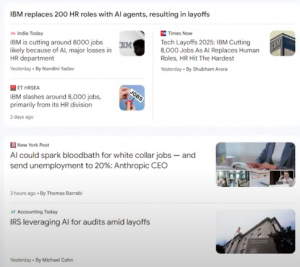
In this article, we’re going to break it all down. You’ll learn:
- What Google Zero actually is
- How AI is changing search behavior
- Why SEO is far from dead (but different)
- How to position yourself to make serious money
- Step by step strategies for adapting and thriving
- Tools and tricks to get ahead of the curve
Let’s dive in bada bing bada boom.
What Is Google Zero?
“Google Zero” refers to a zero click search engine, meaning people get their answer directly from Google (via a snippet or AI-generated content) and never click through to any actual website.
Here’s the catch: you don’t get traffic when users don’t click. But Google still makes money. And that’s the core shift we’re facing.
Examples of Zero-Click Content:
- Featured snippets
- AI overviews
- People Also Ask boxes
- Instant answers (e.g., “How tall is Mount Everest?”)
- Maps and local packs
- Video previews
- Rich cards and knowledge graphs
AI is now able to process user intent, scrape the web (including your site), and spit out an answer, so no click is required. And Google’s fine with that because they make billions from ads, not from you getting traffic.
Fact: Google Search generated $175 billion in 2023 alone. Why? Because they sell your attention. Not your content.
This trend has been growing since the early 2010s, but AI supercharged it. Instead of just seeing a blue link, users now see interactive previews, chatbot answers, shopping carousels, and video players, all designed to keep people on Google’s page.
But Wait, Does That Mean SEO Is Dead?
Nope. It just means SEO is evolving, and if you shift with it, you can still make money. Tons of it. The rise of AI doesn’t erase opportunity; it multiplies it for those who understand how to pivot.
Think about this: most people are trying to rank the old-school way. They chase backlinks, keyword stuff, and ignore intent. But Google is changing the rules. They’re looking at how users behave, what keeps them engaged, and which answers truly help.
So if you create better experiences, more accurate answers, and value-driven tools, you win.

The Trillion Dollar Shift Is Happening Now
Let’s talk about what this means for YOU.
Google is becoming an answer engine, not just a search engine. Its AI reads billions of web pages, extracts information, and delivers results in a split second and it’s getting smarter.
Major players like Amazon, Meta, Microsoft, and OpenAI are all betting on similar models. Attention is currency, and whoever controls how people get answers controls the money.
This shift is why:
- ChatGPT became a household name overnight
- Microsoft invested billions into OpenAI
- Google rushed to release Bard and integrate Gemini into Chrome and Android
You need to think like an owner in this AI land grab.
AI + SEO: Understanding the New Relationship
Search is no longer just about queries. It’s about context.
Google’s AI Understands:
- Where the user is located
- What device they using
- What they’ve searched before
- How do they behave after clicking
And yes, it uses that data to personalize results.
What does this mean for SEO?
- It’s no longer about just ranking for a term
- It’s about being the best result for that user, in that moment
You can win in this environment by:
- Answering real questions
- Solving real problems
- Giving users tools and paths to explore deeper
It’s about intent, context, and experience.
How to Spot Opportunities in the AI Era
Marcus showed us in the video how to use Ahrefs to analyze clicks per search (CPS), a critical metric.
Low-CPS = zero-click High-CPS = opportunity
If you find a keyword with 30+ CPS, that’s a gold mine. This means people click multiple times to get what they want.
Examples:
- “Coupon codes” : High CPS, because they rarely work on the first try
- “Vin check”: High CPS, because users want accuracy
- “AI email writer”: High CPS, tool-driven intent
Look For:
- Tools
- Checklists
- Comparisons
- Reviews
- Calculators
- Visual explainers
You win the click if you give the user something AI can’t easily give in one sentence.
The Winning Formula for Modern SEO
Want to win in the new era? You need a strategy.
1. Pick the Right Niche
Go after:
- Local intent
- Transactional intent
- Emotional pain points (e.g., debt, health, addiction)
- Emerging markets (AI, remote work, sustainability)
2. Build Tools
Examples:
- Mortgage calculators
- SEO checkers
- Budget planners
- Visual AI avatars
- Font pairing tools
3. Get a Solid Domain
Marcus always emphasizes domain power. Get something short, descriptive, and brandable.
4. Structure Like an AI
Think about how AI reads your site:
- Clear titles and headings
- Schema markup
- Internal links
- Bullet points and short paragraphs
5. Brand It
When people remember you, they search for you. This bypasses Google’s control and gives you direct traffic, the most valuable kind.
Monetization in the New Era
Let’s talk about the fun part making money.
Affiliate Marketing
Focus on:
- Tools people need
- High-conversion verticals (finance, health, business, tech)
- Comparison pages and roundups
Info Products
Teach people how to:
- Start side hustles
- Use AI tools
- Automate workflows
- Save money or build habits
Services
Offer:
- Site audits
- SEO AI implementation
- AI content strategy
- Consulting for Google-proof branding
Display Ads
Still profitable when:
- You target low-competition, high-volume terms
- Build informational content clusters
- Have long dwell time on your pages.
Own Your Future
You’re not at the mercy of Google. You’re building something real.
The future of SEO is:
- Branded
- Tool-driven
- Trust based
- Experience-optimized
If you shift now, you’ll ride the trillion dollar wave. Wait too long, and you’ll miss the boat.
Don’t build a website. Build a solution. Build a brand. Build a system.
And remember the ones who adapt are the ones who profit.
Let’s make it rain.

Turn Digital Courses into Income with Google Gemini and AI Tools
Discover how to tap into the $1.7BN/day AI ads gold rush using smart tools, strategy, and simple steps to boost your online income.
Hey there! Marcus here. If you’ve been wondering how the heck people are making real money using AI tools like ChatGPT, Google Gemini, and other crazy systems, this is the post you’ve been waiting for. Today, I’m going to pull back the curtain and show you how I made $14,000 in just three hours using AI, some digital tools, and a little thing I like to call strategy.
We’re not just talking theory here. I’m going to walk you through what I did, what’s working now, and how you can jump on this gold rush without needing a massive budget or tech skills. So grab some coffee and get ready. This is going to be good!.
What’s the AI Ads Gold Rush and Why It Matters
Right now, there’s over $1.7 billion per day being spent on online ads. That’s not a typo. Every. Single. Day.
Advertisers, affiliate marketers, course sellers, and SaaS companies are all battling for attention. But here’s the kicker: most of them are just throwing money at traffic and hoping it sticks.
You? You’re going to do things differently.
With tools like Google Gemini, ChatGPT, and Manis AI, you can create your own interactive tools, dashboards, and courses that make you look like a total rockstar, even if you’re just getting started.
The Secret Sauce: Strategy + Tools
So the big shift isn’t just the tech, it’s how we use it. Let me say it louder for the people in the back: It’s not about using the tool. It’s about using the tool to build something people actually want.
In my case, I:
- Took an old PLR course
- Used AI to turn it into an interactive, tool-driven dashboard
- Packaged it with value
- Sent it to my list
Three hours later? Boom $14,000 in sales.
Why Most People Make Nothing Online (and How to Avoid It)
Look, I’ve been doing this for 25 years. I’ve seen it all. And the hard truth is that most people trying to make money online don’t make a dime.
Why? Here’s a quick list:
- They rely on hype instead of real value
- They give up after a few weeks
- They chase tactics instead of strategy
But if you flip the script and follow a strategy first approach that uses AI to create real tools, you’re already ahead of 99% of the crowd.
Let’s Break Down the Process
Step 1: Pick a Niche That’s Already Making Money
I don’t care if it’s nutrition coaches, real estate agents, or dog trainers. The key is to go where the money is.
Use keyword tools to:
- Check search volume
- Find questions people are asking
- Understand the demand
Step 2: Find or Build a Simple Product
This could be:
- A PLR ebook
- A short video series
- A basic checklist or worksheet
Then use AI to spice it up!.
Step 3: Add Interactive Tools
This is where the magic happens. I built:
- A domain name helper for coaches
- A pricing calculator
- A social media post planner
- A lead gen site builder
All using Gemini + ChatGPT.
These tools aren’t just fancy. They actually help people take action.
Step 4: Bundle It All Together
I call this the AI Dashboard Method. You’re not just selling an ebook—you’re giving people a working toolkit they can USE.
Step 5: Launch and Promote
Here’s the good part:
- You can launch to a list (like I did)
- Or put it on Gumroad/Udemy for exposure
- Or run low-cost ads
With the tools and value built in, people will actually WANT to buy.
How You Can Start From Scratch
Don’t have a list or product? Here’s how to start today:
- Choose a profitable niche using keyword tools (health, money, and biz are always good bets)
- Find PLR products or write a few short guides using ChatGPT
- Use Gemini to turn them into tools (like calculators, generators, planners)
- Host it on your own domain (shared hosting is cheap—around $6/mo)
- Create a lead magnet or $7 front end offer
Then scale from there.
Final Tips and Warnings
- Don’t skip strategy. Tools are awesome, but they need direction.
- Host on your own platform. Don’t build your castle on rented land.
- Keep it simple. Fancy doesn’t mean better, functionality wins every time.
- Be helpful. The more your tools solve real problems, the more people will buy.
The AI Ads Gold Rush is real. $1.7 billion per day real. And if you’re not in the game, you’re leaving a fortune on the table.
By combining AI-powered tools with smart strategy, you can create real value, help real people, and make real money online.
So stop watching from the sidelines. Build something. Launch it. Test it. Refine it. This is how businesses are built.
👇 If you’re serious about learning how to build your own AI-powered business from scratch, check out my full Simple Sites course. It’s loaded with step by step training, weekly calls, and yes, even the tools.
Go to SimpleSitesBigProfits.com to get started now.
| Platform | Plan Name | Monthly Price | Annual Price | Key Features |
|---|---|---|---|---|
| ClickFunnels | Pro | $297/month | $2,970/year | 10 workspaces, unlimited funnels, courses, members, contacts, pages, domains. |
| Skool | Single Plan | $99/month | $999/year | 1 group per plan, unlimited courses and members, all features included. |
| Teachable | Business | $665/month | $5,988/year | Unlimited courses, students, and coaching products; 20 admin users; 0% transaction fees. |
| Kajabi | Pro | $399/month | $3,828/year | 3 websites, 100 products, 100 funnels, 100,000 contacts, 2 million emails/month. |
| Thinkific | Premier | $499/month | $4,788/year | Unlimited courses and students, advanced analytics, single sign-on (SSO), API access. |
1. Assess and Break Down the Original Content
-
Skim the material (course/ebook/PLR) for key frameworks, formulas, checklists, or action steps.
-
Identify actionable elements—calculators, templates, worksheets, checklists, scripts, trackers, etc.
-
Note where personalization or automation could enhance results (AI suggestions, data entry, progress tracking).
2. Map Content to Tools/Features
-
List out features you can build from the material. (e.g., goal setting → goal tracker, chapter on budgeting → budget calculator, scripts → AI prompt generator)
-
Ask: What would help the user take action or save time?
-
Brainstorm any features that could use generative AI (chat, content, summaries, suggestions).
3. Design the Dashboard Layout
-
Sketch a simple layout: tabs/sections for each tool or content module.
-
Consider a “Start Here” onboarding flow.
-
Visual elements: progress bars, checklists, calculators, chatbots, and resource libraries.
4. Turn Static Content into Interactive Elements
-
Checklists → Clickable, savable checklists
-
Templates → Editable, downloadable templates
-
Formulas/Frameworks → Calculators, scorecards, or wizards
-
Guides/Chapters → Step-by-step workflows or quizzes
-
FAQs → Interactive knowledgebase or AI Q&A
-
Scripts → AI script generators
5. Integrate AI Where It Adds Value
-
Use AI for personalization (custom recommendations, plan builder).
-
Add AI chat to answer questions or provide real-time feedback.
-
Let AI summarize, reword, or create new content based on user input.
-
Use AI for scoring, analysis, or automated reports.
6. Choose the Tech Stack
-
No-code tools: gemini / chagpt / manus
-
Embed AI: OpenAI/ChatGPT API, Claude, or other LLMs.
-
Free Freemium Or Paid
7. Build and Test MVP
-
Start with core interactive features first.
-
Get real user feedback.
-
Tweak the dashboard layout and features based on engagement.
8. Monetize and Launch
-
Lead magnet: Free access to basic tools; upsell premium.
-
Membership: Paid access, recurring SaaS.
-
Bundled with PLR/ebook/course as a high-ticket upgrade or bonus.
9. Add Support and Community
-
AI or human chat for support.
-
Discussion area or forum.
-
Regular updates (content drops, new tools).