Make Money With This Workflow Template
BRAND NEW: Marcus Is Now Offering Pinterest Driven Niches For Those Who Like This Idea…
we provide the niche, valuable domain name, 25 pins 25 articles, marketing plan, strategy, coaching, and more.
Get Your Custom Pinterest Data Niche Now And Save BIG
This Offer Ends Midnight 3/16/2024
Part One: Choosing Data Sets
- find something spefcific to promote (offervalut, clickbank, amazon)
- use chatgpt or bing copilot to find data points
- use the magic “data point” workflow template
Proof This Works And Some Progress
- pinterest guy with 1M monthly views
- my pinterest generating leads and sales
- domain seller
- blogprofitnetwork people getting thier first sales and beyond



Part Two: Using The Data Sets To Make A Teplate
- best way to visualize
- examples
- how to make (canva / snagit / image tool)
- duplication replecation – involvement
Part Three: seting up the money magnet
- create helpoful giveaway
- website best result
- affiliate links (meh)
- simple landing page
BONUS STEP
- have AI write the posts for your blog
- double as seo and value added benefit
Leveraging Pinterest for Traffic and Visibility
DATA FINDER GOOGLE SEARCH GUIDE
| Method | Description | Example Query |
|---|---|---|
| File Type Search | Focuses the search on a specific file type, useful for finding spreadsheets or documents. | filetype:xlsx inventory list |
| Intitle Search | Searches for pages with specific words in their titles, useful for finding documents titled as lists or databases. | intitle:"product list" filetype:xlsx |
| Inurl Search | Looks for specific terms within the URL, which can help identify relevant documents or lists. | inurl:database filetype:xls |
| Site-specific Search | Limits the search to a specific website or domain, which is helpful if you’re looking for lists from known sources. | site:place budget filetype:xls |
| Combination Search | Combines various search operators to narrow down results significantly. | filetype:xls intitle:"contact list" site:edu |
| Exact Phrase Search | Searches for an exact phrase, which is useful for finding documents with specific titles or contents. | "global sales data" filetype:xlsx |
| Exclude Terms | Excludes specific terms from your search, refining the results by removing irrelevant data. | filetype:xls inventory -template |
| Wildcard Search | Uses the asterisk (*) as a wildcard to find variations of a word or to search for unknown words in a phrase. | filetype:xlsx "ITEM * list" |
| Numeric Range Search | Searches for numbers within a range, helpful for finding documents from specific years or with a certain number of entries. | filetype:xlsx "budget 2020..2022" |
| Related Search | Finds websites similar to a known source of bulk information. | related:example.com |
| Advanced Search Page | Utilizes Google’s Advanced Search page for more precise search criteria without manually typing search operators. | – |
| Google Datasets Search | Specifically searches for datasets, which can include spreadsheets and large data files. | Go to Google Dataset Search |
| Google Scholar | For academic and research-oriented spreadsheets and data lists. | Go to Google Scholar and search with relevant keywords |
| Custom Range Date Search | Filters results from a specific time period, useful for the most recent data. | After searching, use the tools menu to filter by date |
| Use of Synonyms | Uses the tilde (~) to include synonyms in your search, broadening the scope. | filetype:xls ~inventory |
| Search Within a Website | Uses the site: operator combined with a search within the text of the website. | site:example.com inbody:"data list" |
| Inanchor Search | Finds pages that are linked using specific anchor text, which can help identify relevant lists or databases. | inanchor:"download data" |
| Intext Search | Searches for terms specifically within the body text of webpages. | intext:"product catalog" filetype:xls |
| Use of OR | Combines searches where any of the specified terms may be present, useful for broad searches. | (filetype:xls OR filetype:xlsx) inventory |
| Use of AND | Ensures that all specified terms must be present in the search results. | filetype:xlsx AND "directory" |
| Search for Definitions | Finds definitions or glossaries, which might be in list form. | define:terminology filetype:pdf |
| Public Data Explorer | Google’s tool for exploring large datasets and public records. | Access Google Public Data Explorer |
| Google Finance | For financial data and spreadsheets related to markets and companies. | Access Google Finance |
| Google Trends | For searching trends data which might include downloadable datasets. | Access Google Trends |
| Search by Author | Useful in Google Scholar for finding papers and research datasets by a specific author. | author:"John Doe" filetype:pdf |
T
Let’s talk about a goldmine for marketers that doesn’t get enough hype: Pinterest. Yep, you heard me right. When used right, it’s like flipping on the visibility switch for your content.
Setting Up a Pinterest Traffic Funnel
So how do we turn this platform into a traffic-driving machine? It all starts with setting up your own Pinterest funnel. And trust me, it’s easier than you think.
- Pick Your Niche: Start by zoning in on what you’re passionate about. This will help keep things consistent and genuine.
- Create Stunning Boards: Think of boards as categories or themes that represent your brand or niche. Make them irresistible.
- Craft Click-Worthy Pins: Here’s where the magic happens. Use eye-catching images and compelling titles to draw people in.
- The Description is Key: Don’t skimp here; use keywords wisely to make sure those pins are discoverable.
- A Call-to-Action (CTA): Always include a CTA in your pin descriptions—tell folks exactly what you want them to do next.
We’re not just throwing spaghetti at the wall here; every step is calculated to lead viewers directly down our beautifully designed funnel—to our monetized content they can’t resist but click through.
Crafting these visuals isn’t merely for aesthetics; it’s a tactical maneuver in the grand scheme of engagement. By creating pins that resonate with our target audience, we open up floodgates of traffic flowing straight from Pinterest onto our sites and offers. But remember, consistency is key. Regularly update boards and continue crafting those killer pins if you want to see sustained growth over time. Diving deeper into Pinterest marketing can feel like you’re mastering an art form, ready to watch your engagement soar.
If done correctly, watching those visitor numbers climb can be almost as satisfying as binge-watching your favorite series—with the added bonus of boosting your bottom line.
Key Takeaway: Unlock Pinterest’s potential by setting up a traffic funnel with irresistible boards and click-worthy pins. Consistency and strategic keywords turn this into a visibility powerhouse for your content.
Real-World Success Stories
Let’s face it, we all love a good success story. They fire us up and make the seemingly impossible, well, possible. So buckle up because you’re about to get inspired by some real-world examples of folks who’ve crushed it online using strategies we’ve been talking about.
A Domain Name Goldmine
Imagine this: A student picks up a domain name for a mere $5. Fast forward 60 days, and they flip that same domain for a whopping $1,500. Yes, you read that right. From pocket change to substantial cash in just two months. Now if that doesn’t scream opportunity knocking at your door loud and clear; I don’t know what does.
The Power of Viewership
Moving on to another mind-blowing achievement – gaining over 1.2 million monthly viewers by employing the method described earlier in our discussions. Implementing this tactic goes beyond merely earning online; it significantly enhances one’s presence in the ever-evolving digital landscape.
These stories aren’t fairy tales or out-of-reach dreams—they are tangible results achieved by people not much different from you or me. What sets them apart? It’s their determination to act on tested methods and a steadfast conviction in their capacity for triumph that distinguishes them.
If these individuals can turn small investments into big returns—whether through savvy domain flipping or skyrocketing their audience numbers—so can you.
Essential Tools for Implementing Your AI Workflow Template
So, you’re diving into the world of AI to mine datasets and hit gold in online money-making? Smart move. But hey, don’t go in blind. You need the right tools for this treasure hunt.
Microsoft Copilot and ChatGPT in Focus
We’re talking about heavy hitters like Microsoft Copilot and ChatGPT here. These aren’t just tools; they’re your partners in crime (the good kind) when it comes to unearthing valuable data points across various niches.
Microsoft Copilot? Think of it as that buddy who knows a bit about everything. Craving a deep dive into what’s buzzing in the marketplace or how consumers are acting? It’s got you covered by tapping into extensive databases with ease.
ChatGPT, on the other hand, is like that friend who’s always ready to chat at 2 AM. Only instead of gossiping, it helps generate ideas, write content faster than ever before, and even answer those tricky questions your audience might throw at you.
- The beauty lies not just in their individual strengths but how they complement each other.
- Copilot dives deep into data lakes while ChatGPT keeps the conversation going with your target audience.
This powerhouse pair isn’t merely altering the rules of play; they’re crafting a new playbook—accelerating processes while preserving excellence and innovation. And let’s be honest: In today’s fast-paced digital landscape where time is money (literally), these are exactly the kind of friends we all need.
You might wonder if there’s a catch because something this good usually comes with one, right? Not really. Both these tools are surprisingly accessible for content creators aiming to strike gold through insightful blog posts or engaging social media campaigns using mined data sets from platforms like ClickBank or Amazon.
In essence, “to get ahead”, leveraging AI doesn’t mean breaking away from humanity—it means embracing its support more cleverly than ever before.
Key Takeaway: Dive into AI with the right tools like Microsoft Copilot and ChatGPT to mine data and create engaging content, making tasks quicker without losing quality.
Standing Out in a Crowded Market
Let’s face it, the digital landscape is like a bustling bazaar. Every stall (read: website) vies for attention, each merchant (that’s you and me) hawks their wares with gusto. But how do you make sure your voice isn’t drowned out by the cacophony? Simple. Leveraging distinct and uncommon data collections is key to standing out amidst the overwhelming chatter.
The Role of AI Tools in Data Mining
First off, we’ve got these amazing sidekicks called AI tools that can sift through mountains of data faster than you can say “Show me the money”. Think Microsoft Copilot or ChatGPT; they’re not just buzzwords but powerful allies in our quest for standout content.
From Data to Dollars
Digging into those data goldmines is more than an academic exercise. It’s about finding nuggets of insight that nobody else has spotted yet. Then, it’s time to get crafty and turn those insights into engaging content that does more than just sit pretty on your site—it actively draws visitors like bees to honey.
- Data Selection: Picking datasets isn’t about going after what everyone else thinks is cool or trending right now. Look at platforms like ClickBank, OfferVault, Amazon for hidden gems.
- Niche Identification: Your aim should be niches ripe with potential but not overrun by competitors jostling elbow-to-elbow trying to grab a piece of the pie.
This strategy doesn’t just boost traffic; it cranks up earnings too because when you speak directly to specific needs or interests no one else is addressing—you become the go-to source.
Crafting Engaging Images from Data
At our core, we’re drawn to visuals like moths to a flame. So why not take those dry-as-dust numbers and transform them into vibrant images? Infographics aren’t just eye candy; they’re traffic magnets because they convey complex info fast—perfect for today’s eight-second attention spans.
Leveraging Pinterest for Traffic and Visibility
Pinning Strategies That Work.
Key Takeaway: To stand out in the digital bazaar, dig into unique data with AI tools like Microsoft Copilot or ChatGPT. Transform insights into content and images that grab attention. Focus on under-the-radar niches for a traffic and earnings boost. Use Pinterest pins to amplify visibility.
Creating a Sustainable Online Income Stream
Diving into the world of online income through AI-mined data sets? Embarking on this journey, you’re about to experience a thrilling adventure. But let’s be real, it’s not just about making quick cash. It’s about building something that lasts.
The Role of AI Tools in Data Mining
First things first, you’ve got to understand how crucial AI tools are in mining those golden nuggets of data. Think Microsoft Copilot or ChatGPT; these aren’t just fancy tech toys. These are your guides to uncovering secrets within myriad sectors.
From Data to Dollars
Making money from raw data sounds like magic, but it’s all science here—well, with a bit of art sprinkled on top. Transforming complex datasets into engaging content is where the magic happens. And guess what? That content drives revenue straight into your pocket.
Crafting Engaging Images from Data
A picture says a thousand words and gets clicks too. Using visual elements based on mined data isn’t just smart; it’s necessary if you want to stand out and get noticed (and clicked) among millions.
Leveraging Pinterest for Traffic and Visibility
- Pinterest might seem like uncharted territory for some, but oh boy does it drive traffic when used right.
- Treating each pin as a gateway to your monetized content can transform views into valuable visits—and yes, more dollars.
In this journey towards creating sustainable online income streams using AI-mined datasets, remember: adaptability is key. Markets change, technologies evolve and so should your strategies. Embrace change because that’s where growth lies—in both knowledge and bank accounts.
Step-by-Step Guide to Monetizing Data-Driven Content
You’ve got AI-generated content. Now, let’s turn that into cash, shall we? Here’s how you can make those data-driven pieces work harder than ever before.
The Role of AI Tools in Data Mining
First off, your journey starts with mining the right data. Think Microsoft Copilot and ChatGPT digging through digital mountains for gold nuggets relevant to your niche. Laying this initial groundwork is vital as it forms the base upon which all subsequent efforts are built.
From Data to Dollars
- Pick Your Platform: ClickBank, OfferVault, Amazon… The options are endless but choose wisely based on where your target audience hangs out.
- Create Engaging Content: Use the mined data to craft blog posts or social media snippets that answer questions or solve problems. Remember: value first.
- Showcase with Visuals: Transform complex data points into eye-catching images or infographics using tools like Canva or Adobe Spark. People love visuals.
- Leverage Pinterest: Pin those visuals. A well-set-up Pinterest funnel can drive significant traffic back to your monetized content.
This isn’t just theory; it works. There was a student who bought a domain name for $5 and flipped it for $1,500 after leveraging these exact strategies (Forbes talks about effective content strategies here). Another gained over 1.2 million monthly viewers by simply knowing where and how to pin her visual content (Hootsuite’s insights on Pinterest stats highlight this potential growth).
Your takeaway? Don’t underestimate the power of combining great AI-mined content with smart distribution channels. While it’s hardly akin to deciphering the complexities of astrophysics, putting in a bit of hard work and ingenuity certainly goes a long way.
Diverse Applications Across Niches
No matter if you’re talking stocks, health tips, software reviews – this method adapts like a chameleon. We’ve seen success stories across all boards from financial markets making waves in domain names sales (yes people still buy domains) to fitness gurus selling personalized workout plans derived from calorie-counting apps’ datasets. The key lies in finding unique angles within broad topics – that’s what separates okay earnings from mind-blowing profits.
Leveraging Essential Tools For Implementing Your AI Workflow Template
- Copilot & ChatGPT: They’re not just buzzwords; they’re game-changers when used correctly.
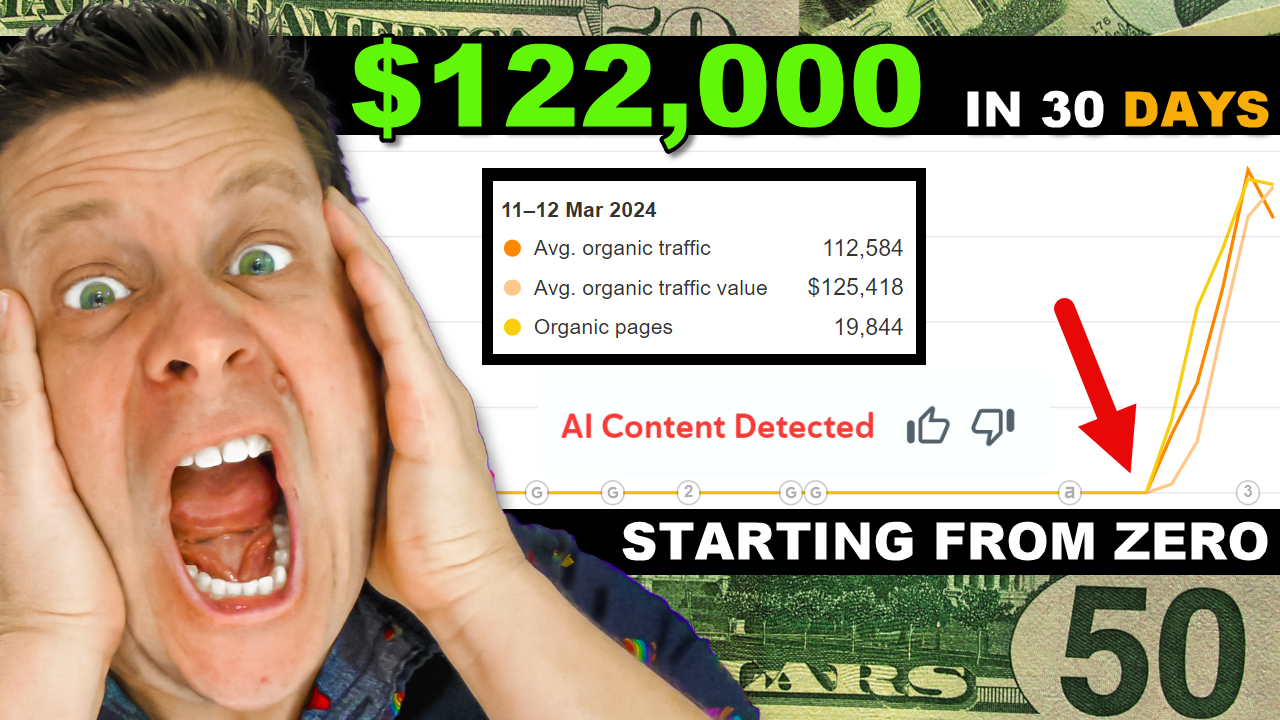
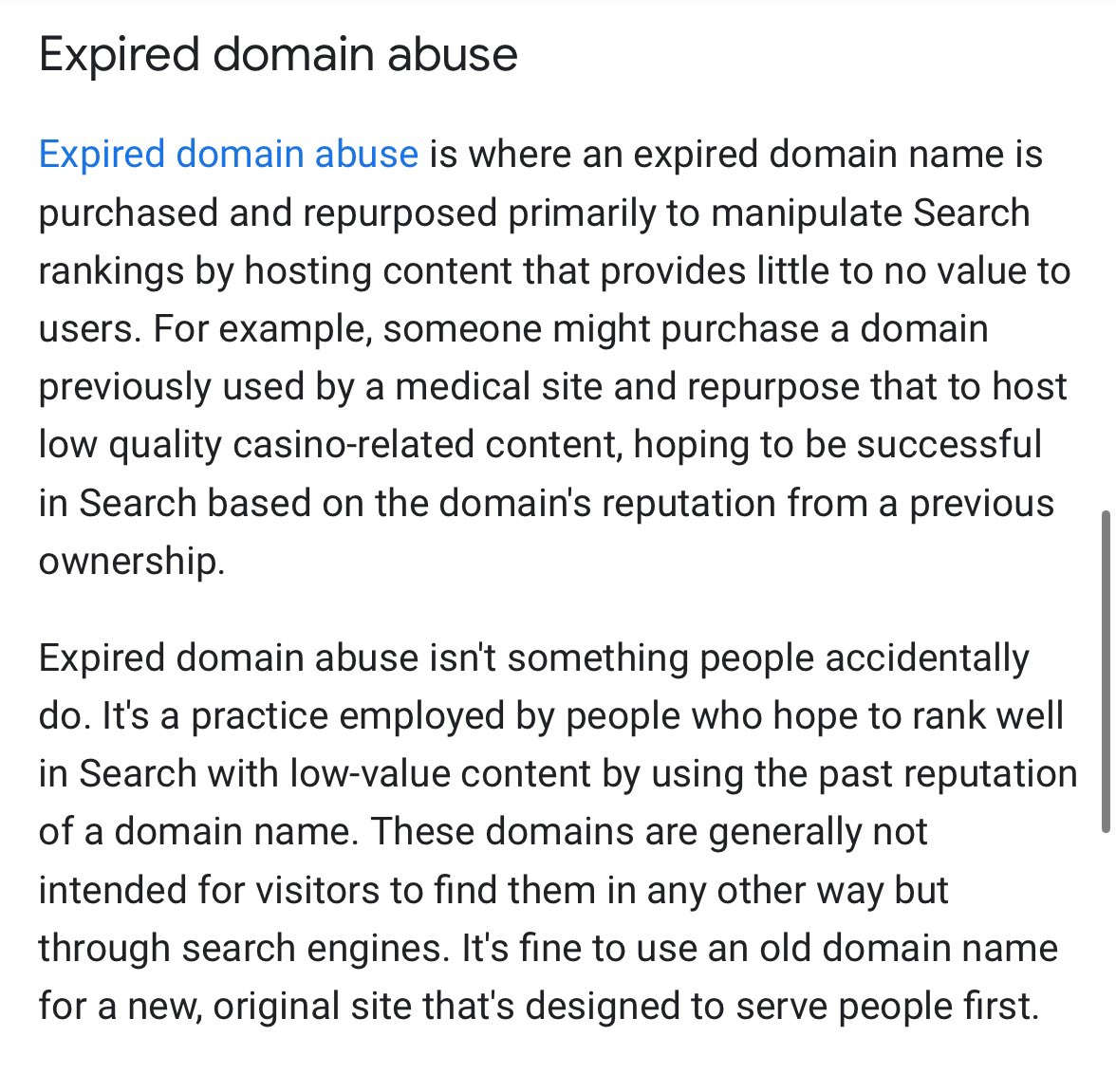
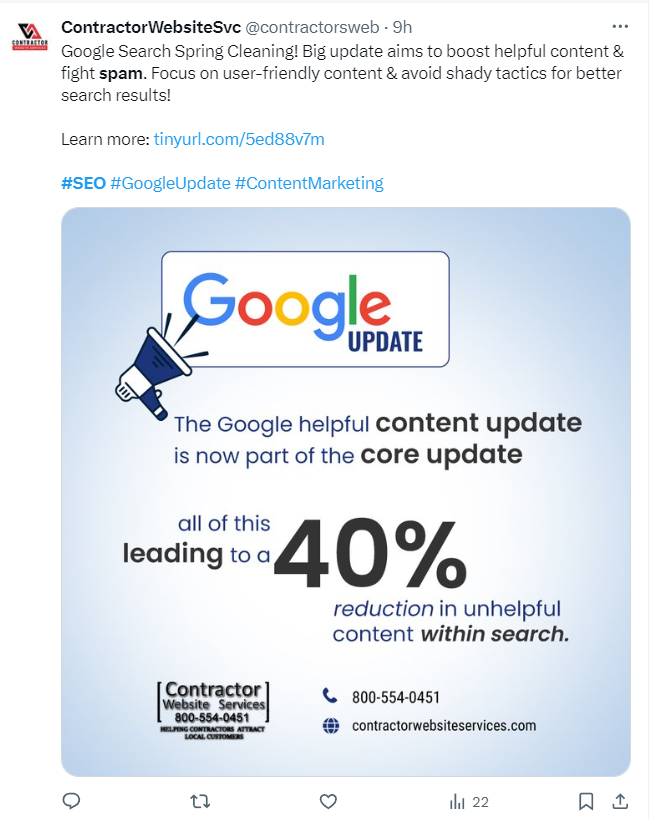
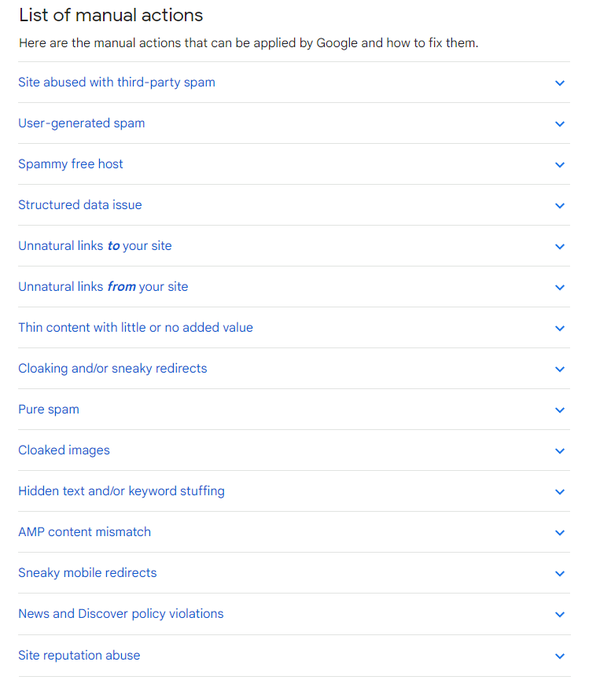
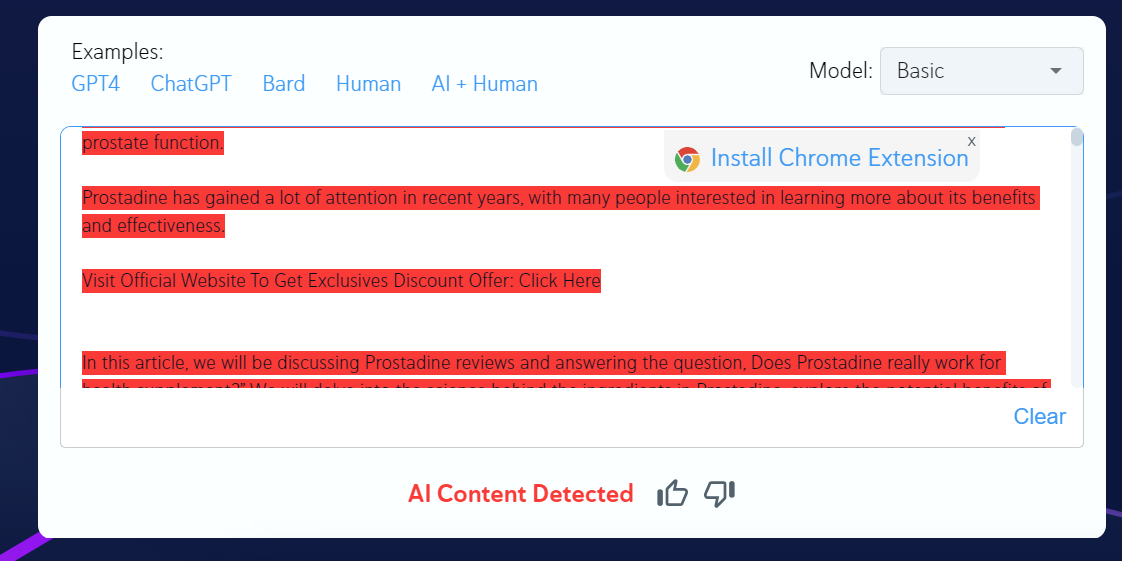
HUGE Ai SEO Update – Google Spam Explained
When: Wed @ 12PM Eastern Time
How: Click This Link Wednesday @12pm est
>> Want Personal Help Every Tuesday – Check Out The New Blog Profit Network
You Are IN The Content Site Business – ADAPT!
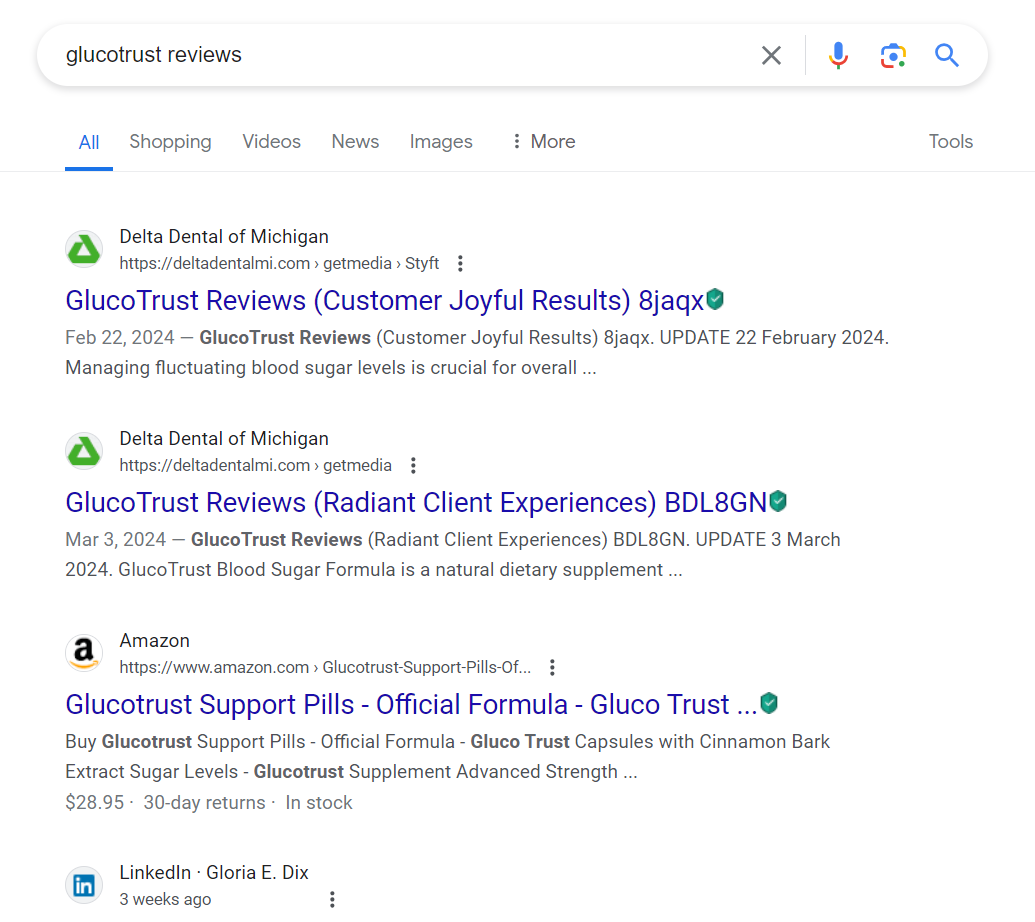
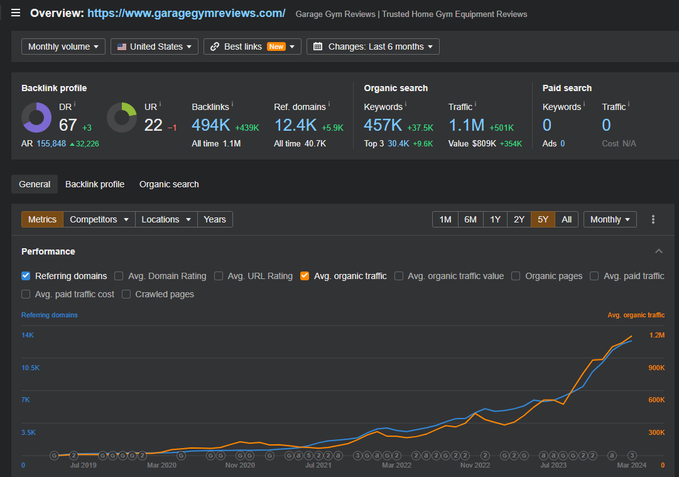
LINKEDIN PULSE – DOMAIN AUTHORITY ABUSE?
Laurel & Wolf is back (businessofhome.com) (RANKINGS)
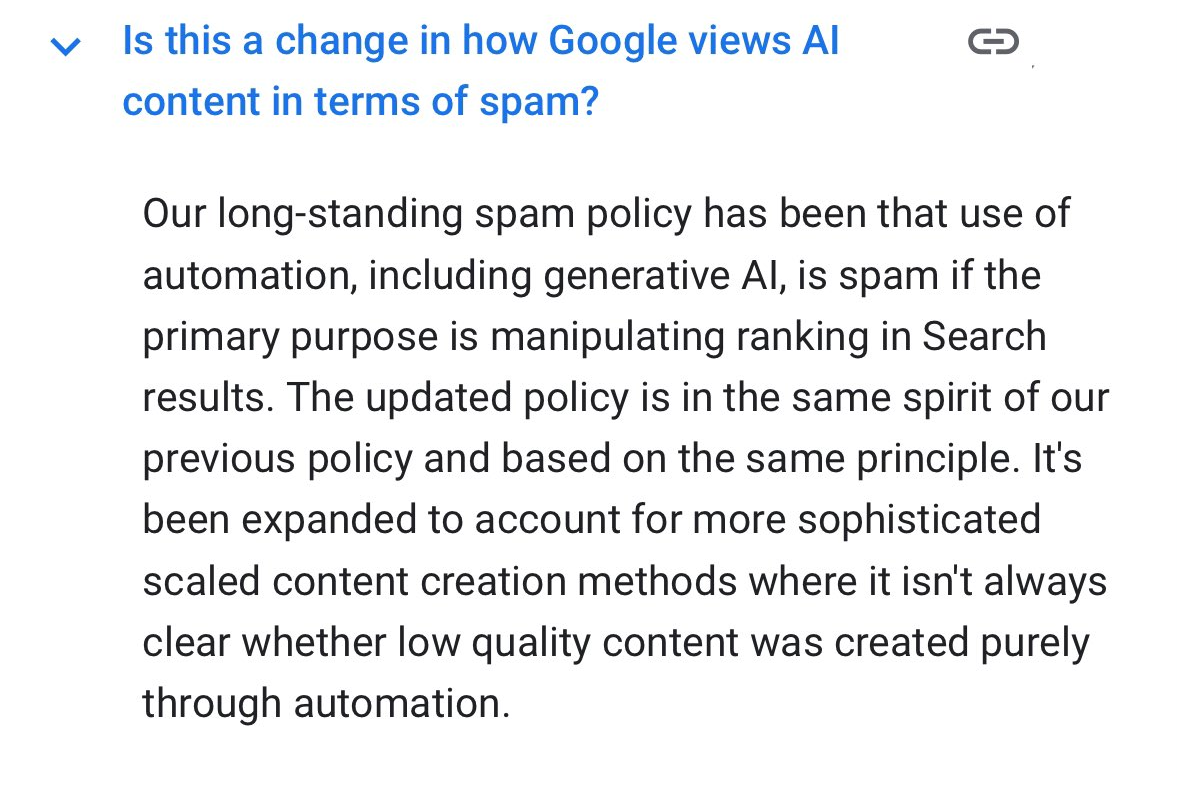
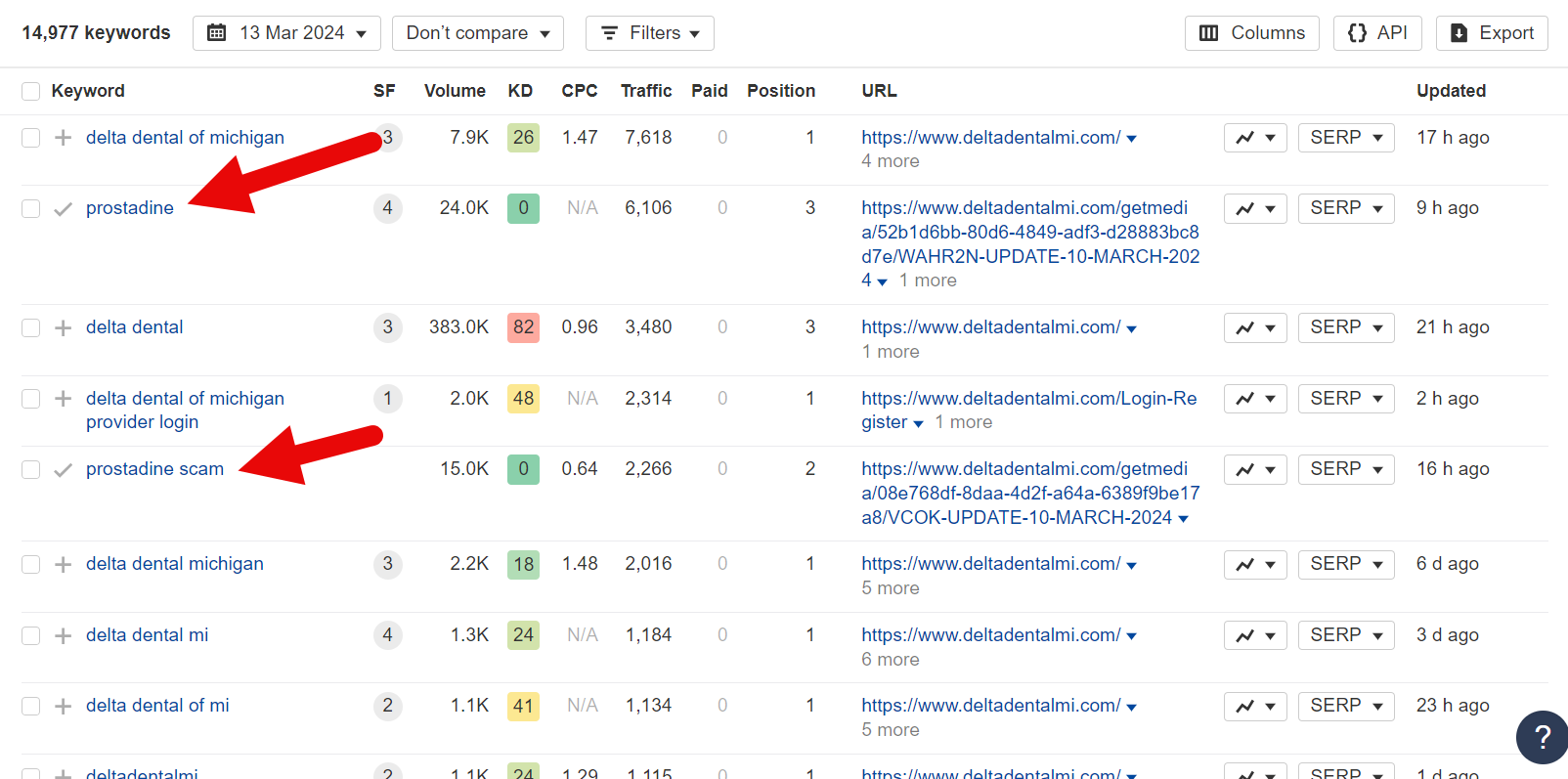
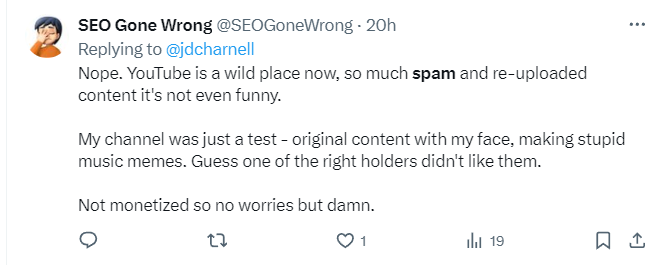
What are your thoughts – what have you seen with the new google spam code updates?
Page Quality Rating Guidelines
- Purpose: Page Quality (PQ) ratings aim to determine how well a website fulfills its intended purpose.
- Understanding Page Purpose
- Why it’s important: Understanding the purpose is crucial for determining the appropriate quality rating criteria.
- Helpful vs Harmful: Pages should aim to help people. If the intent is harmful, the page warrants the lowest rating possible.
- Overall Page Quality Rating
- Steps for Rating
-
-
- Determine the page’s true purpose (assess for harmful intent).
- Gage the potential harm based on the guidelines.
- Assess how well the page achieves its purpose using established criteria.
-
- Page Quality Rating Considerations
- The purpose of the page: Dictates the standards for evaluation.
- Potential for harm: Harmful pages receive the lowest rating.
- The topic of the page: YMYL pages (Your Money or Your Life) are held to higher standards.
- Type of website: Expectations vary for hobbyist vs. corporate sites, or informational vs. transactional websites.
- Website and content creator information: Influences trust and reputation.
- Main content quality: A core aspect of page quality.
- Ads and supplementary content: Should not obstruct the main content.
- Website and creator reputation: Impacts trustworthiness.
- Trustworthiness and E-E-A-T: Pages should demonstrate Experience, Expertise, Authoritativeness, and Trust – especially for YMYL topics.
Understanding Search User Needs
- User: Refers to anyone who searches the internet, regardless of background or demographics.
- Query: The search terms or content (text, image, etc.) someone enters into the search box.
- Query Interpretation: Determining the potential meaning(s) of the search terms, as they could be ambiguous.
- User Intent: What the person hopes to achieve with their search (find information, buy something, get directions, etc.).
Secret Site Reveals Million Dollar Niches
FIRST: what is a niche?
-
how do niches work
-
how to tell if there is profit
-
when to dive in (look at cost / risk / reward)
Second: what is the profit method?
-
how do you plan to make money
-
what is the short long term goal
Third: domain names and value?
-
what is selling
-
what is availible
-
what is valuable
Fourth: using the free tools to find niches
-
zippia
-
zoominfo
-
gripsintelligence
-
rocketreach
-
growjo
-
statistia
The BIG Free Niche Finding Website Revealed
- DateBox
The web page you are viewing provides an overview of **DateBox**, a small private company based in Puyallup, WA, with 50 employees and an annual revenue of $690,000¹[1].
The company uses a combination of algorithms and friend recommendations to match individuals for dates. Additionally, the page lists job postings from various companies, including **Matchwell** and **TaskUs**, offering positions such as Registered Nurse and Content Moderator, respectively. It also mentions **Peraton** in Hawaii, seeking professionals for roles like Network Administrator and Systems Engineer. The page emphasizes the importance of employee well-being and includes details about job responsibilities, qualifications, and benefits offered by these companies.
Article: https://www.zippia.com/datebox-careers-1395016/
- CrateJoy
Certainly! Here’s a summary of the current page:
- About Cratejoy: Cratejoy is a leading marketplace for unique subscription boxes and curated product experiences, headquartered in Austin, Texas, with a revenue of $19.8 million.
- Recent News: The company has been in the news for a survey on consumer spending, workforce restructuring, and launching a Subscription Box Accelerator program.
- Company Metrics: Cratejoy has raised less than $5 million in funding, with the most recent round being Series A in 2014.
- Industry Presence: It operates within the Internet Service Providers, Website Hosting & Internet-related Services industry and has made several acquisitions, including Mermaid Kid Box and Book Club Sisterhood.
This summary provides a snapshot of Cratejoy’s business, recent activities, and industry engagement. If you need more detailed information on any specific section, feel free to ask!
Article: https://www.zoominfo.com/c/cratejoy/359121757
- Adults & Crafts
Certainly! Here’s a summary of the key points from the page:
– **Revenue Growth**: adultsandcrafts.com experienced a **25% growth** in revenue over the past three months¹[1].
– **Performance Metrics**: In January 2024, the site had **$50.4K revenue**, a **2.0-2.5% conversion rate**, an **average order value (AOV) of $75-100**, and **28.1K sessions**.
– **Market Position**: The website ranks within the GIFTS industry, with a median revenue of **$108.7K** and paperlesspost.com leading at **$34.8M**.
– **Competitive Analysis**: adultsandcrafts.com’s closest competitors by revenue are crafterscompanion.com and theworksseattle.com.
This summary provides an overview of adultsandcrafts.com’s financial performance and market standing based on the provided data.
Article: https://gripsintelligence.com/insights/retailers/adultsandcrafts.com
- Crated with Love
Certainly! Here’s a summary of the key information from the page:
- Company Overview: Crated with Love is a company that specializes in creating monthly at-home date nights for couples, aiming to enhance fun and laughter.
- Business Details: Founded in 2014 and based in Fresno, California, the company generates approximately $6 million in revenue and employs 7 people.
- Technology Stack: Their website utilizes technologies including JavaScript and HTML among others.
- Industry Classification: The company falls under Retail and Manufacturing sectors with specific SIC and NAICS codes related to manufacturing.
This snapshot provides a glimpse into Crated with Love’s business operations and market positioning. If you need more detailed information, feel free to ask!
Article: https://rocketreach.co/crated-with-love-profile_b47a0f13fc42685d
- The Adventure Challenge Revenue
Certainly! Here’s a summary of the key points from the article:
- Company Growth: The Adventure Challenge, based in Redding, CA, experienced rapid growth, reaching $80 million in sales in 2021 with a 1,233% increase over three years1.
- Product Offering: They offer adventure books with scratch-off challenges for various groups, aiming to create memorable experiences without digital distractions.
- Fulfillment Partner: ShipBob provided the flexibility and support needed during their expansion, aiding in both direct-to-consumer (DTC) and business-to-business (B2B) channels.
- Global Reach: With 25% of orders shipped internationally, they utilize ShipBob’s global fulfillment centers to efficiently serve customers worldwide.
The article also highlights the company’s resilience during COVID, their integrated tech stack for customer service, and plans for future expansion into new markets.
Article: https://www.shipbob.com/blog/adventure-challenge
- Love Box:
- Lovebox’s Performance: The company’s estimated annual revenue is $5M with an average revenue per employee of $171,5001. Lovebox has 29 employees, although it experienced a -17% decrease in employee count last year.
- Competitive Landscape: Lovebox faces competition from various companies, with competitors like KTI and PHASIUM having revenues of $8M and $13.7M respectively. Other notable competitors include Custom Sensors and Tekmart International.
- Product Impact: Lovebox’s product is a messaging device that helps strengthen family connections by allowing the exchange of digital love notes2. It facilitates around 300,000 messages monthly, creating smiles across families globally.
- Company Growth: Despite the reduction in employee count, Lovebox continues to operate in the electronics industry, contributing to the tech ecosystem in San Francisco alongside other companies like Avanta, The Grove Consultants, and Sapling.
Article: https://growjo.com/company/Lovebox
- Uncommon Goods
Certainly! Here’s a summary of the key points from the article:
- Company Overview: UncommonGoods, founded in 1999, is an online retailer specializing in unique home and garden products, kitchen tools, and handmade goods1.
- Location & Contact: The company is headquartered in Brooklyn, New York, with a contact number available for customer service.
- Financials: UncommonGoods has a reported revenue of $42.2 million and has received less than $5 million in funding.
- Recent Collaborations: The company has recently collaborated with Life Elements and artist Tara Kothari for exclusive product lines.
This article provides a comprehensive look at UncommonGoods, highlighting its market presence and recent business activities.
Article: https://www.zoominfo.com/c/uncommongoods-llc/292389071
- Blue Apron
Certainly! Here’s a summary of the article:
- Blue Apron’s Revenue: The article reports that Blue Apron’s net revenue for 2022 was approximately $458 million, marking a decrease from the previous year and continuing a downward trend since 2016.
- Revenue Trend: It highlights a consistent decline in revenue for Blue Apron over several years.
- Meal Kit Market: The context suggests a broader discussion on the meal kit delivery service industry, including statistics and insights into consumer behavior and market trends.
- Industry Comparison: There’s a mention of Blue Apron’s competitors, such as HelloFresh, indicating a comparative analysis of their marketing expenses and revenue growth.
This concise overview captures the key points about Blue Apron’s financial performance and its position within the meal kit delivery service market. If you need more detailed information or specific data, feel free to ask!
Article: Blue Apron revenue 2014-2022 | Statista
- Trove
Certainly! Here’s a summary of the key points from the page:
- Trove’s Business: Trove is a leader in branded resale, running resale platforms for top brands, contributing to a more sustainable, circular business model1.
- Financial Overview: Trove’s estimated annual revenue is $66.2M, with an estimated revenue per employee of $249,7002.
- Employee Dynamics: The company has 265 employees but experienced a -25% decrease in employee count last year.
- Market Growth: The resale market is growing rapidly, expected to reach $51B in 2023, with significant participation from Millennials and GenZ3.
This page also includes a comparison of Trove’s competitors and news articles related to the company.
Article: https://growjo.com/company/Trove
- Trade Coffee
Certainly! Here’s a summary of the key points from the article:
- Company Overview: Trade Coffee is a subscription service offering specialty coffee products, established in 2018 and headquartered in Boston, Massachusetts.
- Financials: The company has a revenue of $28.4 million and has raised a total funding amount of $9 million.
- Industry Presence: It operates within the Grocery Retail and Retail industry, with a total of 34 employees.
- Recent Developments: Trade Coffee has been actively searching for cloud migration solutions in Europe and data analytics in South America as of March 10, 2024.
This summary provides a snapshot of Trade Coffee’s business operations, financial status, industry sector, and recent activities.
Article: Trade Coffee – Overview, News & Similar companies | ZoomInfo.com
Google Seo Update And Expired Domains
When: Wed @ 12PM Eastern Time
How: Click This Link Wednesday @12pm est
——————————————————————————————————-
Join Marcus’ Domain Class… Starting Late March 2024
learn everything about this crazy opportunity to buy and sell
domains at a crazy profit and build them as business.
——————————————————————————————————-
in this training i am going to show you how to buy domains cheap and sell them high AND why you need to be in the domain business.
We will also be covering googles recent statements on search engine spam and how it affects us as publishers and content creators.
www.RankMend.com
Biggest Google Core Update ever ? Death of Expired Domains ? | BlackHatWorld
https://www.google.com/search?q=grammarly+affiliate+program
https://app.ahrefs.com/keywords-explorer/google/us/overview?include=all:reviews
EXPIRED VS AUCTION DOMAINS
spamzilla
domain appraisal tools
estibot
godaddy
dynadot
common sense
What is Spam – intent
vshred reviews – Google Search
CONTENT AT SCALE????
is it helpful is it usefull
primary purpost to manipulate rankings
PARASITE SEO
1. No Single Valuation Standard:
There are no industry-wide, universally accepted standards for domain valuation. Different registrars and appraisal services use their own algorithms and data points, leading to varying results.
Each registrar might emphasize different factors while calculating the estimated value.
2. Factors Influencing Valuation:
Here are some key factors that likely contribute to the discrepancies:
Length and Memorability: “[invalid URL removed]” is a short, memorable, and easy-to-spell domain, making it desirable.
Keywords: It contains the high-value keyword “photobooth,” which is relevant to a growing market (photo booth rentals, photo booth experiences).
Commercial Potential: The domain name has the potential for various business uses – from photo booth rental companies to photography-related websites and services.
Domain Extension: The “.com” extension is the most popular and trusted TLD (Top-Level Domain), adding to its value.
Market Trends: The popularity of photo booths at events and the rise of selfie culture could increase demand for this domain.
3. The Subjectivity of Value:
Perceived Branding Value: Some companies might be willing to pay a premium for a domain that aligns perfectly with their brand. This subjective desire can inflate the perceived value significantly.
Speculation: Domain investors might purchase and hold valuable domains, hoping to sell them later at a much higher price. This can create volatility in the market.
What to Consider:
Your Purpose: If you’re looking to buy the domain, consider your budget and the intended use. Does the potential value justify the cost for your specific needs?
Other Options: Could similar domains, such as “[invalid URL removed]” or “[invalid URL removed],” serve your purpose without a significantly higher price tag?
Negotiation: Often, listed domain prices are starting points for negotiation, especially on aftermarket platforms.
In Conclusion:
Domain name appraisals are part science, part art, and part market speculation. While automated tools offer some insights, getting a realistic sense of a domain’s true value may involve market research, understanding the domain industry, and potentially engaging the help of a domain broker.
Starting with auction and expired domains can offer some unique benefits if you’re interested in making money online. Here’s a breakdown of these advantages:
Benefits of Auction Domains
www.RankMend.com
Potentially High-Value Domains: Auctions can feature domains with established history, existing backlinks, or desirable keywords. These can give you a head start with some built-in authority.
Find Bargains: Sometimes you can secure a valuable domain at a lower price than its estimated value, especially if the auction isn’t highly competitive.
Investment Opportunities: If you’re skilled at spotting undervalued domains, auctions can be a source for buying low and reselling high.
Benefits of Expired Domains
Established History: Expired domains might have pre-existing backlinks and some previous search engine authority, giving you a boost in SEO efforts.
Niche-Specific: Using specific tools, you can find expired domains that were previously used in your desired niche, potentially giving you relevant content or an existing audience.
Affordability: Many expired domains can be purchased for their standard registration fees, offering a low-cost entry point for new ventures.
Additional Considerations
Research is Key: Success with this strategy relies heavily on careful research. Investigate a domain’s history, traffic potential, backlink profile, and any potential issues you’ll need to address before reaping the benefits.
Competition: Popular auctions and desirable expired domains can attract a lot of bidders, driving prices up.
Patience: Finding the right opportunity at the right price might take time and effort, scouring through multiple auctions and listings.
Risk: There’s always a risk that a previously popular domain could still have negative associations or issues that might affect your online presence.
When It Can Be a Good Strategy
This approach is best suited if you:
Have some experience with domain research and understand SEO factors.
Are comfortable with the risk of investing in domains that may or may not pay off.
Are looking for ways to potentially get pre-established domains with some built-in authority.
Let me know if you’d like more information on finding auction and expired domains, or tips for researching them effectively!
Here’s how auction and expired domains can shortcut processes and help you find untapped niches:
Shortcutting the Process
Established Backlink Profile: A domain with a healthy backlink profile means other websites are already linking to it, This provides a head start in search engine rankings. Building a new website’s backlink profile from scratch takes considerable time and effort.
Pre-existing Traffic: If a domain previously had a website with an audience, you might inherit some of that residual traffic. This immediate customer base can be incredibly valuable for launching a new project.
Brand Recognition: Some domains have names that are already somewhat recognizable or associated with a particular niche. This pre-existing ‘brand’ gives you a leg up in building your own brand.
Finding Untapped Niches
Inspiration from Expired Domains: Looking through expired domains can show you websites that once existed but are no longer active. This can spark ideas for niches that may be underserved, or where the previous domain failed to capitalize on its full potential.
Niche Validation: If a previously successful website existed on a domain you acquired, it validates that there’s a potential market in the niche. You now have a starting point to understand the audience and how to serve them better.
Keyword-Rich Domains: Auctions and expired domain lists often include niche-specific domains with valuable keywords. Such domains can inspire you to expand on an existing niche with a fresh angle, or even define a micro-niche altogether.
The “Built-in” Structure Advantage
Some domains come with additional benefits beyond the name itself:
Pre-existing Content: Rarely, expired domains might have content from the previous website. While you shouldn’t directly copy it, it can provide a framework for your content strategy or even be repurposed if licensing allows.
Email Lists: In extremely rare cases, a domain might be sold along with an email subscriber list from the previous venture. This gives you an instant, engaged audience—but be sure to check privacy regulations if you plan to leverage this.
Important Reminders:
Thorough Due Diligence: Always conduct thorough research on any domain before purchasing, check for spammy history or other issues that might hinder your success.
Tools and Resources: Utilize tools for expired domain research like ExpiredDomains.net and for domain auctions like GoDaddy Auctions and NameJet.
Let me know if you want a deeper dive into specific resources or strategies for leveraging auction and expired domains to your advantage!
www.RankMend.com
Protected: Clickbank Marketplace Keyword List
Google Pays for AI News Articles: How to Get Involved
Google’s leap into funding AI-generated news articles marks a pivotal shift in the digital content sphere. This move isn’t just about innovation; it’s reshaping how we create and consume information online. Let’s delve into the reasons behind Google’s substantial wager on AI in producing news narratives, exploring both their strategic intentions and the revolutionary changes it might herald.
Embarking on an exploration of Google Gemini AI, we’ll dissect the monetary advantages of embracing this trend and delve into a spectrum of services from budget-friendly to high-end offerings in AI-enhanced or created materials. Plus, you’ll get insights on tackling AI spam—a growing concern with real impacts on search traffic and revenue.
This exploration doesn’t stop here; understanding backlinks’ importance in SEO rankings through dropped domains offers another layer of strategy for savvy investors. Ready? Let’s dig into these dynamics together.
Table of Contents:
- Google’s Bold Move: Paying for AI-Generated News Articles
- The Financial Incentives Behind AI Content Creation
- Low-Cost AI-Edited Content Platforms
- Premium 100% AI-Generated Content Services
- The Rise of AI-Generated Spam and Its Consequences
- Google’s Fight Against Spam
- The Lucrative Domain Buying and Selling Industry
- Capitalizing on Dropped Domains Due to AI Spam
- The Importance of Backlinks in Search Engine Rankings
- Conclusion
Google’s Bold Move: Paying for AI-Generated News Articles
Imagine getting a paycheck from Google just for letting an AI whip up some news articles. Feels almost like a tale from the future, doesn’t it? But here we are, watching as Google rolls out the red carpet for creators who can harness the power of its Gemini AI to craft compelling content. The deal is sweet—payouts hitting five figures or more for those who manage to produce just three articles daily using this innovative tool.
The move raises eyebrows and questions alike. Why would a tech giant throw such hefty sums at content that’s not even human-crafted? It boils down to one word: innovation. By incentivizing high-quality, AI-generated articles, Google isn’t just filling up web pages; it’s pushing boundaries and setting new standards in digital journalism.
This approach not only unlocks opportunities for experienced authors but also hands a golden opportunity to those adept at steering AI towards crafting captivating narratives. For many, it’s turning into a lucrative gig that blends creativity with technology—a match made in heaven for forward-thinkers.
Understanding Google Gemini AI
Dive deeper into what makes Gemini tick, and you’ll find an advanced system designed to mimic human writing styles while ensuring accuracy and relevance. This isn’t about spinning old tales; it’s about crafting fresh narratives on the fly—with data-driven insights woven seamlessly throughout each piece.
The magic lies in how well users can direct this sophisticated engine toward topics they’re passionate about or areas where they hold expertise. Think of yourself as the conductor of an orchestra where every instrument is played by intelligent algorithms ready to follow your lead.
Skeptics might wonder if machines could ever truly replicate human warmth and depth in storytelling—the quirks that make our narratives richly textured and deeply personal. Yet early adopters report being pleasantly surprised by how convincingly these articles resonate with readers across various niches from finance tips to lifestyle hacks.
Diving into the world of AI-driven content crafting through Google Gemini is like embarking on a captivating journey, offering both hurdles and treasures—a realm brimming with potential that’s yet to be fully explored in our constantly evolving digital terrain.
Key Takeaway: Google’s Gemini AI is revolutionizing digital journalism by paying creators for AI-generated news articles, offering a blend of creativity and technology. This opens up new opportunities in content creation, challenging traditional norms and setting the stage for innovation in storytelling.
The Financial Incentives Behind AI Content Creation
Imagine this: one day, you’re scrolling through your news feed and stumble upon an article so engaging, it feels like the author’s speaking right to you. Plot twist? It was written by a machine. Welcome to the world of AI-generated content where companies are doling out cash faster than a Vegas slot machine paying out jackpots. Some creators are raking in as little as a few bucks an hour while others hit the jackpot with over $100 hourly rates for their digital masterpieces.
This isn’t just pocket change we’re talking about here. For the savvy ones adept at leveraging artificial intelligence in crafting content, there’s a genuine fortune awaiting. And guess what? Google is leading this high-stakes game, offering five figures or more for individuals crafting just three articles daily using its Gemini AI tool.
Google Gemini AI is at the forefront of this revolution, turning novices into prolific writers overnight—well, sort of. The catch? Mastering these tools requires a knack for leveraging their capabilities to your advantage, rather than letting them become obstacles in your path.
Key Stats:
The landscape is vast and varied when it comes down to compensation rates across different platforms utilizing AI for content generation. On one end of the spectrum, there are gigs that might not cover your coffee habit; think along lines similar but not identical too iWriter or HireWriters where pennies per word can add up but slowly.
On another note, Content at Scale, takes things up several notches by dealing exclusively in premium 100% AI-generated pieces that promise both quality and exclusivity – obviously reflected in their pricing model which caters towards clients looking for top-tier material without lifting a finger (except maybe clicking ‘order’).
Premium 100% AI-Generated Content Services:
If your pockets run deep enough or if your business strategy aligns with sparing no expense on exceptional content created sans human touch — services such as Content at Scale stand ready to serve up hot plates full fresh-out-the-kitchen robot-written articles bound set fire search engine rankings all whilst keeping plagiarism checks bay because let’s face it nobody wants rehashed leftovers showing their website dinner party do they?
Rise Of Low-Cost Platforms:
In contrast, though accessibility and affordability often go hand-in-hand, the increasing demand for low-cost solutions has led to newer players entering the market. Emerging platforms are now offering economical alternatives, enabling those curious about automated journalism and editing to explore without draining their wallets. This process makes the dream of becoming a published writer a bit more reachable for the masses, even if their literary masterpiece happens to come courtesy of silicon.
Key Takeaway: Dive into the AI content creation game and you might just hit the jackpot. Google’s Gemini AI is changing the game, offering big bucks for those ready to ride the wave of machine-made articles. From penny gigs to premium payouts, there’s money to be made at every level.
Low-Cost AI-Edited Content Platforms
If you’ve ever dreamt of having a magic wand to wave over your content and turn it from meh to marvelous without breaking the bank, low-cost AI-edited content platforms might just be what you’re looking for. Imagine this: crisp, clean, and engaging articles at the cost of one penny per word. Sounds too good to be true? Dive into the world where platforms such as iWriter and HireWriters are turning the dream of affordable, high-quality content into reality.
Understanding The Bargain Bin Of Content Creation
The idea behind these platforms is simple yet revolutionary. They leverage artificial intelligence not just to check grammar or spelling but to enhance the overall quality of written material. Think about having an editor who doesn’t sleep or charge by the hour – that’s what using iWriter feels like. On the flip side, HireWriters offers similar perks but adds a bit more human touch into the mix by allowing revisions directed by your feedback.
This democratization of content editing means no longer do you need deep pockets or extensive resources to produce high-quality articles. For as low as one penny per word, bloggers, small business owners, and digital marketers can now publish professional-grade work consistently.
Making Sense Of The Pennies: Cost Vs Quality
You might wonder how anything worth reading could come with such a modest price tag. Here’s where it gets interesting; because these platforms use AI efficiently for bulk tasks (like basic edits), they save significantly on operational costs – savings which then trickle down to users like us in form of lower prices.
BUT, don’t let cheap rates fool you into thinking quality takes a backseat. Both iWriter and HireWriters have built reputations on delivering surprisingly solid results within their budget-friendly frameworks.
Navigating Through Choices: Which Platform Suits You Best?
Picking between iWriter and HireWriters comes down mostly personal preference – think Pepsi vs Coke debate but less fizzy arguments involved. If straight-up efficiency at unbeatable rates sounds appealing – go with iWriter. However if there’s room in your schedule for minor tweaks guided by human insight post-AI edit; perhaps give HireWriters a shot first.
No matter which route you take remember these gems prove that cutting corners on cost doesn’t always mean compromising on quality when it comes modern-day content creation thanks technology’s helping hand.
Key Takeaway: Turn your content from meh to marvelous with AI editing without emptying your wallet. Platforms like iWriter and HireWriters let you publish pro-grade articles on a shoestring budget, proving quality doesn’t always have to cost a fortune.
Premium 100% AI-Generated Content Services
Imagine a world where your blog, website, or social media could be constantly updated without you ever having to write a single word. Sounds like something out of a sci-fi novel, right? Well, it’s not as far-fetched as you might think. With services like Content at Scale, this futuristic dream is already becoming reality.
The idea behind these premium content creation services is simple yet revolutionary: they offer completely AI-generated articles that are ready for publishing straight away. But why would someone pay top dollar for this type of service when there are cheaper alternatives out there?
First off, the quality and sophistication of AI-generated content have skyrocketed in recent years. We’re talking about pieces that can pass as human-written, engaging readers with relevant information and even humor when appropriate. We’re not merely rehashing what’s already out there; we’re crafting fresh, worthwhile material.
Understanding Google Gemini AI
Diving deeper into how all this magic happens brings us to tools like Google Gemini AI. We’re not just tinkering with a basic text reshuffler here; this is an intricate mechanism adept at grasping nuances and crafting fresh perspectives on diverse subjects.
To give you an idea of its capability, Google has been reported to shell out five figures or more for individuals who manage to create just three high-quality articles daily using their platform. Yes, you read that correctly—there’s real money in mastering the art of leveraging sophisticated algorithms for content creation.
The Financial Incentives Behind AI Content Creation
If getting paid handsomely wasn’t incentive enough, let me lay down some numbers that might make your jaw drop further—the range within which people get compensated for producing such digital marvels varies wildly from peanuts to small fortunes.
We’re seeing companies paying anything from mere dollars per hour up to $100+ hourly rates depending on the complexity and requirements of the generated contents’ intended use case scenario—which proves one thing: not all artificially created texts were born equal.
Premium vs Low-Cost Solutions
You must be wondering by now – what sets apart pricier options like Content at Scale’s offerings? It boils down primarily to two things: customization capabilities and ongoing support tailored towards businesses aiming at scaling up their online presence efficiently. Thus, if you’re in the market for an adaptable solution that meets your distinct requirements and offers essential assistance for expansion, this option might just be what you need.
Key Takeaway: Imagine never writing again, yet keeping your online presence fresh. AI-generated content services are turning this dream into reality, offering articles indistinguishable from human-written ones. With tools like Google Gemini AI, mastering sophisticated algorithms can lead to lucrative payouts for high-quality content creation. Not all AI texts are equal—premium services provide customization and support essential for scaling up efficiently.
The Rise of AI-Generated Spam and Its Consequences
Imagine a world where every time you Google something, half the results are just gibberish. Feels like we’re living in a bad dream, doesn’t it? Well, that’s the kind of scenario we’re facing with the rise of AI-generated spam flooding our search engines. This isn’t just annoying; it’s causing some serious headaches for everyone involved.
Key Stats: The Impact on Search Engine Traffic and Advertising
The numbers don’t lie. We’ve seen a significant dip in search engine traffic thanks to this surge in AI-created clutter. It’s not just about wading through more nonsense to find what you need—this shift is hitting advertising hard too. Advertisers pay big bucks for eyes on their ads, but if people start avoiding certain platforms due to low-quality content, those ad dollars could dry up fast.
This problem has gotten so out of hand that even Google, the king of search engines, is scrambling for solutions. They’re rolling out updates left and right trying to keep their platform clean and useful—but it’s like playing whack-a-mole with spammers constantly finding new ways around these defenses.
How Google Is Fighting Back Against Spam
You might be wondering how exactly Google plans to tackle this mountain of digital trash. For starters, they’ve been tweaking their algorithms non-stop in an attempt to better identify and filter out spammy content before it ever reaches your eyeballs. But there’s more—they’re also investing heavily in artificial intelligence designed specifically for spotting these nuisances at scale.
Beyond tech fixes though, Google is getting strict with its policies too; they’ve made it clear that sites caught producing or hosting spam will face harsh penalties including demotion or removal from search listings altogether—a move meant as much as deterrent as punishment.
Capturing Opportunities Amidst Chaos: A Silver Lining?
All this talk about problems might have you feeling down but hang tight because there’s a silver lining here too. Savvy marketers see this tumultuous environment as ripe with opportunity—for those who know how to navigate it wisely.
Finding success amidst chaos means doubling down on quality over quantity—it’s about creating genuinely helpful content that stands head-and-shoulders above the junk clogging up our feeds now more than ever before while leveraging SEO best practices strategically enough not only survive but thrive despite today’s challenges.
In essence, dealing effectively managing the rise of AI-generated spam comes with understanding the underlying issues driving the trend and making smart choices in response—not an easy feat, sure. However, given the stakes have become so high, it’s crucial for businesses to stay informed and proactive. Staying abreast of the latest AI advancements and fortifying their defenses allows businesses to more effectively shield themselves from this escalating danger.
Key Takeaway: Beat AI spam by focusing on quality content and smart SEO strategies. Stay ahead with updates and strong security measures to thrive in today’s digital chaos.
Google’s Fight Against Spam
Google has been on a mission to clean up its search results, and boy, does it have its work cut out. The web is overflowing with spammy content that makes finding genuine information akin to searching for a needle in a haystack.
Embarking on a relentless journey to combat the chaos online, Google has unveiled numerous updates designed to punish those websites adding to the disarray. But here’s the kicker: sometimes legitimate websites get caught in the crossfire. Imagine waking up one day to find your site’s traffic has tanked overnight because an algorithm mistook your hard work for spam.
This situation isn’t just hypothetical; it’s happening more often than you’d think. Websites across various niches are reporting significant drops in traffic and revenue as collateral damage in Google’s war on spam.
Understanding Google Gemini AI
The introduction of Google Gemini AI, though not widely known, plays a pivotal role here. It’s designed as an advanced tool aiming at distinguishing between high-quality content and low-effort spam.
With reports indicating that creators using this technology can earn upwards of five figures by producing merely three articles daily using Gemini AI, it certainly adds an interesting twist to content creation dynamics online.
The Financial Incentives Behind AI Content Creation
Digging deeper into the financial aspect reveals quite the spectrum when it comes to compensating creators of AI-generated content. While some platforms offer peanuts—literally paying dollars per hour—others value quality and innovation much higher, offering over $100 hourly rates for top-notch material.
Premium 100% AI-Generated Content Services
Talking about premium services like Content at Scale, these platforms promise entirely machine-crafted articles without human intervention—and they charge accordingly. Does this raise the issue of whether machines can genuinely mimic the essence of human ingenuity?
The Rise of AI-Generated Spam and Its Consequences
An unfortunate side effect of easier access to powerful tools like Gemini is a surge in what we could call “AI-spam”: generic fluff pieces devoid of real insight or value but optimized perfectly to game search engines temporarily.
A consequence? A dip in overall search engine traffic which then spirals into reduced advertising revenue—a scenario no website owner ever wants.
Capitalizing on dropped domains due to AI spam is where savvy marketers can truly turn lemons into lemonade. In this scenario, individuals eager to widen their online presence can seize a distinctive chance by utilizing these accessible resources to propel fresh endeavors or enhance ongoing tactics.
Key Takeaway: Google’s battle against spam highlights the fine line between quality content and digital clutter, stressing the importance of leveraging tools like Gemini AI for creators aiming high. Yet, this tech wave also brings a rise in “AI-spam,” challenging both search engines and marketers to adapt swiftly.
The Lucrative Domain Buying and Selling Industry
Imagine a market where virtual real estate is king, and the currency is domain names. Welcome to the domain buying and selling industry, which has exploded into a $9.5 billion juggernaut in 2024 alone. But what’s fueling this growth? Let’s dive straight into the meat of it without any fluff.
Key Stats: The domain buying and selling industry is worth $9.5 billion in 2024 alone.
This staggering figure isn’t just pulled from thin air; it’s reflective of an ever-growing interest in digital assets that show no signs of slowing down. With businesses moving online at an unprecedented rate due to global shifts towards e-commerce, the demand for premium domains has skyrocketed. A prime example can be seen with Voice.com which sold for a cool $30 million, underscoring how valuable these digital properties can become.
In addition to business needs, personal branding efforts are also driving up prices as individuals seek out unique domains that align with their public personas or projects they’re passionate about launching online. As we continue hurtling forward into a more digitally integrated world, owning the right web address can make all the difference between being noticed or fading into obscurity among billions of other sites on the internet.
But why are people willing to pay top dollar for these addresses? It boils down to visibility and memorability – two crucial factors in building an online presence whether you’re running a multinational corporation or starting your first blog from your kitchen table. In essence, acquiring a catchy .com or innovative new extension like .tech could set you apart from competitors before anyone even clicks through to your site.
Capitalizing on Dropped Domains Due To AI Spam
A fascinating niche within this booming market revolves around dropped domains – those previously owned but not renewed by their owners for various reasons including penalties from search engines due to AI-generated spam content affecting rankings negatively over time resulting loss traffic revenue consequently making them less appealing renewals until savvy investors see potential value reclaiming such neglected gems backlink profiles profitable niches turn them lucrative ventures once cleaned up rehabilitated properly under new ownership focusing quality original content again instead relying heavily automated generated texts past errors leading downfall originally hence cycle continues opportunity arises anew each day smart enough look beyond surface level issues dig deeper underlying potentials waiting explored capitalised upon correctly strategy execution combined hard work dedication long term success stories written daily basis field ever evolving keeping us our toes always looking next big break might just corner hidden away somewhere waiting discovered uncovered shining light upon dark forgotten corners Internet one man’s trash another treasure rings true especially context where every detail counts towards overall success failure venture embarked upon endeavor pursue relentlessly pursuit happiness financial. In this ever-changing digital landscape, there lies a special kind of adventure and chance for those eager to explore the neglected and abandoned, seeking to infuse these online relics with renewed vigor. With the right approach, what was once considered lost can become the cornerstone of thriving online enterprises.
Key Takeaway: Dive into the $9.5 billion domain market where digital real estate reigns supreme. This booming industry thrives on businesses and individuals chasing premium domains for visibility, driving prices sky-high. Don’t miss out on dropped domains; these overlooked gems can turn into gold with a bit of polish and the right strategy.
Capitalizing on Dropped Domains Due to AI Spam
The digital gold rush is real, folks. Imagine stumbling upon a piece of land with hidden treasures just because someone else failed to see its value. That’s exactly what buying domains dropped due to AI spam feels like in the online world.
Now, why are these domains sitting there collecting virtual dust? Well, they got caught up in the whirlwind of AI-generated content that didn’t quite hit the mark, causing search engines like Google to give them the cold shoulder. But here’s where it gets interesting: many of these neglected domains have backlinks that are as good as buried treasure.
Key Stats:
Exploring this underappreciated sector might just be the golden opportunity you’ve been searching for in the domain marketplace. With businesses built on these reclaimed names fetching impressive sums and backlinks acting as pathways leading customers right to your newly polished doorsteps, ignoring this opportunity could very well be considered an act of online heresy.
This isn’t just about snatching up any old domain though; it’s about finding those with existing backlinks related to profitable niches. Think of each quality backlink as a vote of confidence from one website to another – except you’re getting all these votes for free when you acquire such a domain.
Identifying Valuable Backlinked Domains
Finding these gems requires a bit more than luck; it needs strategy and keen eyesight—or rather, sophisticated tools designed for spying out potential riches among ruins. Utilize services like Moz or Ahrefs, which let you peek behind the curtain at a domain’s link profile before making your move.
Surely enough, not every dropped domain will turn into El Dorado overnight but choosing wisely by focusing on those within lucrative markets? Now that’s playing smart and capitalizing big time on others’ oversight or misfortune in dealing with AI spam fallout.
Note: Remember that diving deep into research pays off exponentially when hunting for valuable dropped domains affected by AI-generated content mishaps—think long-term investment rather than quick flip profit mindset.
Key Takeaway: Dive into the overlooked niche of dropped domains with valuable backlinks for a chance to strike digital gold. Use tools like Moz or Ahrefs to uncover these hidden treasures and turn others’ oversight into your gain.
The Importance of Backlinks in Search Engine Rankings
Imagine backlinks as the internet’s way of giving nods to your website, saying, “Hey, this content is worth checking out.” But it’s not just about getting any old link; it’s about securing quality links that boost your site’s credibility and search engine ranking. Here we’ll explore how these digital thumbs-ups work magic on your website’s visibility.
Identifying Valuable Backlinked Domains
Finding domains with valuable backlinks can feel like striking gold because they indicate a site that search engines trust. Think of each backlink as a vote for your website. The more votes you have from reputable sites, the higher you climb in search rankings. It sounds simple but snagging those votes requires some savvy moves.
To start off strong, use tools like Ahrefs’ Backlink Checker. By utilizing this instrument, you’re afforded a glimpse into the potential linked domains’ essence, evaluating their worth through indicators like domain score and visitor influx. High-quality backlinks come from sites that are relevant to your niche and have authority themselves.
Another trick up the sleeve is analyzing competitors’ backlinks. Tools like SEMRush’s Backlink Analytics give insight into where rivals get their juice from. By understanding who backs them up, you can aim to get similar endorsements or even better ones.
Diving deeper into strategy means looking beyond sheer numbers and focusing on relevance too—because not all votes carry equal weight. If an esteemed health blog links to your wellness product page, Google takes note far more than if some random tech forum throws a link at you for no apparent reason other than coincidence or mistake.
Avoiding spammy practices is crucial here; buying links or participating in shady exchanges might seem tempting but remember: Google has become incredibly adept at sniffing out foul play over years honing its algorithms against manipulation attempts aimed at gaming its system by unscrupulous actors trying every trick under (and above) the sun.
In essence: Quality beats quantity when it comes down building effective strategies around leveraging powerful connections through strategic outreach efforts aiming establish genuine relationships leading meaningful engagements ultimately resulting beneficial arrangements wherein everyone involved wins especially end-users who benefit most receiving top-notch recommendations guiding them towards best resources available online today tomorrow forevermore.
Key Takeaway: Think of backlinks as internet nods boosting your site’s credibility and ranking. Strive for quality, not just quantity, by using tools like Ahrefs and SEMRush to find valuable domains and analyze competitors. Remember, relevance matters more than sheer numbers in improving visibility.
Conclusion
Jumping into the world of AI news creation is a game-changer. Google is paying people to create AI news articles, signaling a big opportunity for writers and tech enthusiasts alike. This initiative not only opens doors for financial gain but also pushes the envelope in digital content creation.
Plunge into the depths of how this could transform your own horizons. Delve into resources such as Google Gemini AI, seize the opportunities offered by both affordable and high-end services, and learn to maneuver around obstacles like spam produced by artificial intelligence.
Tackle it head-on. Make sure your content stands out by leveraging SEO strategies and understanding the value of backlinks. There’s money on the table – not just from creating content but also from smart domain investments affected by these changes.
Jump on the opportunity immediately; allow this wisdom to steer your upcoming moves in making the most out of a digital realm that’s constantly transforming, where innovation intersects with tech advancements.
clickbank marketplace AI sales method
Unlocking the Potential of ClickBank Marketplace
DOWNLOAD THE LIST HERE (THE PASSWORD TO ENTER IS: MARKETPLACE)
Understanding ClickBank’s Ecosystem
ClickBank’s marketplace is akin to a vibrant virtual market, overflowing with an array of digital offerings spanning various categories. In this virtual space, creators and affiliates virtually clasp hands in agreement to market and peddle a variety of digital treasures, from e-books to software applications. But what makes it tick? First off, it operates on a performance-based marketing principle—affiliates only get paid when they make sales.
Exploring further, this platform transcends merely plastering links haphazardly; it’s an intricate ecosystem fostering connections. It’s built on relationships between product creators (vendors) and marketers (affiliates). Vendors list their products in the marketplace while affiliates pick these up for promotion based on commission rates, popularity scores, and more.
To truly harness its power requires understanding its search functions too. This means getting cozy with filters that let you sift through thousands of products easily. Categories range from health & fitness to business & marketing—if there’s an interest or need out there; chances are there’s something related in ClickBank.
The Importance of Choosing the Right Product
Finding your gold mine in ClickBank starts with choosing the right product. Think about it: not every product will resonate with your audience or be worth your promotional efforts. The key here is alignment—between what you’re passionate about and what sells.
To start this journey right explore, focus on high-gravity items first as they indicate both popularity among affiliates and potential ease-of-sale because people actually want them. But don’t stop at gravity alone; consider factors like customer satisfaction (refund rates can give clues) and competition levels too.
A smart move would also involve leveraging tools designed specifically for affiliate marketers looking into keyword data for better targeting within ClickBank offers. These tools help identify which keywords bring traffic so you can align content creation around those terms directly linked to higher conversion potentials.
In essence:
- Pick products aligned with personal passion AND market demand.
- Analyze gravity but weigh other factors such as refund rate.
- Leverage data mining tools for promotions that hit the mark.
With dedication mixed with strategic selection processes, success becomes less elusive allowing one not only unlock but fully exploit all opportunities available within vast expanses known collectively today simply as ‘The Marketplace’.
Leveraging Google Gemini for ClickBank Success
Google Gemini’s Role in Marketing Analysis
Imagine having a marketing guru by your side, whispering secrets of the trade into your ear. That’s pretty much what Google Gemini does for you when it comes to promoting ClickBank products. This tool is like having access to a personal marketing assistant who doesn’t take coffee breaks.
The hallmark of a thriving affiliate marketer lies in their swift mastery of discerning and interpreting the ebbs and flows of market dynamics. With Google Gemini, they get detailed insights and analysis on various marketing methods without sifting through mountains of data manually. It’s not just about throwing darts in the dark; it’s about making informed decisions based on solid data.
Google Gemini’s true power shines in its ability to seamlessly provide insights that are immediately usable, empowering marketers to tweak their game plans dynamically. If there was ever a secret weapon in an affiliate marketer’s arsenal, this would be it because let me tell you, navigating the vast ocean of digital marketing without some help can feel like trying to find land while paddling backwards.
Creating a 90-Day Content Planner with Gemini
Diving into content creation without a plan? Sounds chaotic. But fear not; creating a comprehensive 90-day content strategy has never been easier thanks to our buddy Google Gemini. Think of it as mapping out your road trip across uncharted territories but with more keywords and less getting lost at gas stations.
This ingenious tool goes beyond mere suggestions; it crafts week-by-week plans complete with titles and juicy details tailored specifically for promoting ClickBank products effectively over three months. Learn more about planning with AdWords here. Now imagine waking up every morning knowing exactly what needs writing or which product deserves spotlighting – sounds dreamy right?
- In Week One – Dive deep into why Product X changes lives.
- In Week Four – Unleash success stories from real users.
- By Week Twelve – Have followers salivating over upcoming features.
If anything screams efficiency loud enough that even neighbors complain, crafting such detailed planners surely takes home gold medals.
Key Takeaway: Google Gemini is like your marketing whisperer for ClickBank, offering insights and making content planning a breeze. With it, you’re not just guessing; you’re equipped to make smart moves fast. Plus, setting up a 90-day plan becomes as easy as pie.
Mastering Keyword Research for Affiliate Marketing
Tools of the Trade
Finding the right keywords is like looking for a needle in a haystack, but with the right tools, it’s more like using a metal detector. Utilizing a blend of complimentary and premium instruments can unveil those hidden treasures. For starters, The Hoth offers an array of SEO services including keyword research that won’t cost you a dime. When ready to level up, investing in Ahrefs or SEMrush could be your game-changer.
Digging into ClickBank-specific data? Then sites like CBtrends.com and CBengine are where it’s at. They give insights directly from the heart of ClickBank’s marketplace—think X-ray vision for spotting profitable opportunities before anyone else does.
The cherry on top? Browsing through ClickBank itself. It might seem obvious but don’t overlook this treasure trove filled with gems waiting to be discovered by savvy affiliates who know where to look.
Identifying High-Volume Keywords
If traffic was water, high-volume keywords would be your river source—vital for survival in affiliate marketing’s vast desert. The trick lies not just in finding any keywords; we’re after those teeming with potential customers actively searching what you’re promoting.
This journey starts with understanding search intent because relevance trumps volume every time. A tool like SEMrush doesn’t just spit out numbers; it helps peel back layers revealing why people search these terms—to solve problems they face daily.
To really get ahead though? Pair quantitative data from tools mentioned earlier with qualitative insights gained from platforms such as forums or Reddit threads related to your niche product on ClickBank.
Why bother? Because context matters—a lot—and these conversations are goldmines of untapped keyword ideas ripe for exploitation by keen-eyed marketers.
Remember: More traffic often means more eyes on your affiliate links which ultimately translates into higher earnings potential if played right.
Crafting a Winning Content Strategy
SEO Optimization Techniques
- Quality over quantity always wins when creating content geared towards SEO success. Rather than churning out content relentlessly, hone in on producing meticulously researched and profound articles that genuinely enrich your audience’s experience. By focusing on the richness and pertinence of your content, you stand a better chance at captivating your audience and securing enduring outcomes.
Key Takeaway: Mastering keyword research with the right tools transforms finding profitable keywords from a daunting task to a treasure hunt. Start free with The Hoth, then level up with Ahrefs or SEMrush for deeper insights. Don’t forget ClickBank’s own goldmine and use platforms like forums for untapped ideas, ensuring your content not only draws traffic but engages and converts.
Crafting a Winning Content Strategy
SEO Optimization Techniques
Getting your content to show up in search results is like trying to get noticed at the world’s biggest party. You’ve got to have something special. SEO, dubbed the clandestine concoction, enhances your articles’ allure to search engines, much like a magnet attracting iron filings. It’s not just about throwing keywords around but placing them smartly and making sure your site screams quality.
The first step is understanding what terms people are searching for when they need the ClickBank products you’re promoting. Tools like Ahrefs and SEMrush can help you dig into those juicy keywords with high traffic potential but low competition—think of these as hidden gems waiting for you.
Beyond keywords, make sure your site loads faster than I run from spiders (which is pretty fast). Google adores quick-loading websites as they enhance the user’s journey through the internet. Also, don’t forget mobile optimization; more folks browse on their phones now than ever before.
Utilizing Social Media for Promotion
Social media isn’t just where we go to watch cat videos—it’s also a powerhouse tool for pushing ClickBank products out into the universe (or at least to interested buyers). The trick? Don’t be that person who only talks about themselves at parties; engage with your audience by sharing useful content mixed with promotional stuff.
Different platforms cater to different crowds. Instagram and Pinterest are perfect if what you’re selling has visual appeal (think fitness programs or beauty products), while LinkedIn could be more appropriate if you’re targeting professionals seeking business tools or courses available through ClickBank’s marketplace.
To really dial it up, consider using paid advertising options on these platforms too—they let you zero in on exactly who sees your ads based on interests, demographics, and even behaviors online so every dollar spent works harder.
Now onto leveraging social media correctly: think beyond posting links directly pointing back at product pages all day long because frankly—that gets old quick. Instead try creating intriguing content around how someone used the product successfully (“This one simple trick helped me triple my website traffic.”) then weave in how this solution happens thanks partially due course via affiliate link provided below post…See? Way smoother.
Remember guys n’ gals—content marketing ain’t rocket science. However, it does take a bit of elbow grease coupled with some clever strategies to make sure your message cuts through the noise and reaches the right ears, ready to listen and act upon the advice given in today’s article. As you venture forward in the realm of content marketing, I trust this knowledge will serve as a valuable asset on your journey.
Key Takeaway: Master SEO to make your content pop in search results and use social media wisely—engage, don’t just promote. For the best impact, mix valuable posts with clever ads that target the right audience.
Niche-Specific Promotion Tactics
Finding Your Ideal Niche
Imagine walking into a vast library where every book promises the secret to affiliate marketing success. That’s ClickBank for you, but here’s the catch: not every book is right for you. Finding your ideal niche within ClickBank means aligning what you’re passionate about with what your audience craves. Embarking on this journey begins by delving deep into your own pool of knowledge and what genuinely sparks your curiosity.
Digging into analytics can reveal much about potential niches that match your profile. Tools like Google Trends offer insights into trending topics that could guide your selection process. Moreover, forums and social media groups in areas related to your interest are gold mines for discovering what problems people need solutions for.
The real trick lies in matching these interests with products on ClickBank that address these needs effectively. Remember, being genuinely interested in the niche will make creating content around it feel less like work and more like sharing useful tips with friends.
Promoting Products in Niche Markets
Once you’ve locked down on a niche, promoting products becomes an art form mixed with science—think of it as painting by numbers but with data driving each brush stroke. You know those places online where fans of urban gardening or keto diets gather? Those are the gold spots for promoting relevant ClickBank products.
Social media platforms tailored to specific interests provide fertile ground for promotions Facebook Groups, Instagram pages dedicated to niche hobbies, and Pinterest boards all serve as excellent venues for targeted product promotion strategies because they allow direct engagement with highly interested audiences.
Email marketing takes this one step further by allowing personalized recommendations based on previous interactions or expressed preferences—a surefire way to increase conversion rates when done correctly.
Forums such as Reddit also host myriad communities (subreddits) catering specifically to narrow interests; engaging here thoughtfully can build credibility over time leading up to effective product endorsements without coming off as salesy.
This isn’t just theory; firsthand experience has shown me how blending genuine interest and interaction within these platforms leads not only toward higher click-through rates but establishes long-term relationships benefiting both affiliates and their followers alike.
Analyzing Competitor Products on ClickBank
Generating Lists of Similar Products
Finding your footing in the ClickBank marketplace can feel like searching for a needle in a haystack, especially when you’re trying to stand out from the competition. But here’s a little secret: tools like Google Gemini are akin to having X-ray vision, letting you peer into what products are buzzing and who’s competing with whom.
So, how do we start? First off, dive into Google Gemini. It’s not just about finding what’s hot; it’s about uncovering those hidden gems that could skyrocket your affiliate marketing journey. Think of it as having an ace up your sleeve when everyone else is playing checkers.
The trick is not just to find similar products but to analyze them on levels deeper than surface value. What makes them tick? Why do they convert so well? Understanding these nuances gives you leverage – kind of like knowing exactly where the goalpost is before anyone else even sees the field.
Leveraging Reviews and Comparisons in Affiliate Marketing
Ever read a review that felt more like a sales pitch than an honest take? Yeah, we’ve all been there. Crafting reviews that weave together the threads of being both enlightening and compelling, without tipping into the realm of overbearing, is where true value is found.
This starts with being brutally honest about both pros and cons – because let me tell you, no product is perfect (despite what some may claim). An unbiased approach doesn’t just build trust; it cements your reputation as someone who puts readers first before commissions.
And comparisons? They’re your best friend if done right. Pitting two similar ClickBank products against each other offers incredible value by saving folks time while making their decision process easier – which ultimately guides them through their purchasing journey faster than saying “add to cart.”
Niche-Specific Promotion Tactics
Diving headfirst into niche-specific promotion tactics means wearing many hats – researcher, strategist, creator… You get the gist. The beauty here lies within identifying underserved niches within ClickBank brimming with potential yet overlooked by most affiliates chasing after broader markets.
To nail this down requires becoming somewhat of an investigative journalist – delving deep into forums, Reddit threads, or social media groups where conversations around these topics bubble away unnoticed by many marketers’ radars but are goldmines for insights directly from target audiences themselves. This intel helps tailor content that resonates deeply instead of casting too wide net hoping something sticks.
Finally, taking a step back to evaluate everything is key. From the promotional strategies we pick to the channels and messaging angles we use, adapting and iterating based on real feedback is crucial for staying ahead of the curve. By adopting this strategy, we keep our tactics finely honed and impactful.
Key Takeaway: Dive into tools like Google Gemini to find and analyze buzzing products in the ClickBank marketplace. Craft reviews that balance informative and persuasive content, without being pushy, to build trust. Seek out underserved niches for targeted promotions, using insights from forums and social media groups to create resonating content.
Leveraging Reviews and Comparisons in Affiliate Marketing
Imagine walking into a store, eyes wide with anticipation, only to be met by an endless sea of products. How do you choose? This is where the magic of reviews and comparisons comes into play. In the world of affiliate marketing, especially within platforms like ClickBank Marketplace, these tools are not just helpful; they’re essential for guiding potential buyers toward making informed decisions.
The Art of Unbiased Product Reviews
First things first: crafting unbiased product reviews isn’t just about listing features or regurgitating manufacturer specs. Delving into the essence of a product through authentic encounters illuminates its true value beyond mere specifications. As someone who has dipped their toes in various niches on ClickBank, I’ve learned that honesty wins every time. Share what you love about the product but don’t shy away from its drawbacks either.
A review should answer questions your audience didn’t even know they had. For instance, if you’re reviewing a fitness program available on ClickBank, talk about its usability for beginners versus seasoned gym-goers or how it fits into a busy schedule.
To add more credibility to your review, compare similar products available in the marketplace. This doesn’t mean bashing one product to promote another but highlighting how each meets different needs or preferences.
Crafting Effective Product Comparisons
Moving onto comparisons: think of them as side-by-side battles where only one can emerge victorious – except when both have merits worth mentioning. The key here is clarity and fairness. Create comparison charts that list features against each other so readers can easily digest information at a glance.
For example, comparing two diet programs might involve criteria like ease-of-use, nutritional guidelines provided, and success stories from users. Your role is to dissect these elements without bias while giving nods towards who might benefit most from each option. If Program A offers more variety in meal plans but requires extensive cooking skills, make sure this is clear because it could be a deciding factor for some.
Promoting Products through Honest Narratives
Why limit ourselves to just structured critiques and visual comparisons? Social media platforms offer fertile ground for promoting ClickBank products through storytelling. Here’s where creativity plays an integral part: craft posts that narrate personal journeys using certain products; share before-and-after photos (if applicable); start discussions around common struggles that these products aim to solve.
This approach does not only sell; it builds community around shared goals and interests, which leads to trust – something no amount of flashy advertising can buy.
In essence, leveraging reviews and comparisons effectively means striking a balance. This approach ensures that you’re making informed decisions based on comprehensive insights from various sources. By carefully analyzing feedback and comparing features or services, you can identify the best options that meet your needs. Digging into the right data when you need it helps in making decisions that are good for your future.
Key Takeaway: Win at affiliate marketing by crafting honest reviews and fair product comparisons. Share real experiences, highlight unique features, and use storytelling on social media to build trust and guide buyers.
Conclusion
Diving into the ClickBank marketplace opens doors to lucrative opportunities. You’ve learned how its ecosystem works and the importance of selecting the right products.
Google Gemini emerged as a key tool, providing deep marketing insights. Always keep in mind, delving into keyword exploration is paramount for efficiently steering visitors your way.
Creating material that resonates with your target demographic, while also fine-tuning it for search engine optimization, can greatly enhance how visible you are. And don’t forget, tailoring your approach to specific niches makes promotions more effective.
Ultimately, leveraging testimonials astutely fosters credibility and propels revenue generation. Start with these strategies, stay patient, and watch your efforts pay off in the ClickBank marketplace.
search engine optimization for beginners
Boosters And Instant Strategies – Your Content Strategy
When: Wed @ 12PM Eastern Time
How: Click This Link Wednesday @12pm est
>>> Want Personal Help Every Tuesday – Check Out The New Blog Profit Network

Secret SEO List Coming Soon
www.DownloadMyNotes.com
Is SEO DEAD???
SGE
SNIPPITS
PERSPECTIVES
REDDIT / QUORA
HELPFUL CONTENT UPDATE
USING AI CONTENT FOR SEO
SECRET TREND
WHAT WORKS: SEARCH INTENT
BACKLINKS
BOOSTERS AND BORROWERS
GOAL COMPLETION USER EXPERIENCE
Ron Popeil BILLY MAYS STRATEGY
DIVERSIFY TRAFFIC
DIVERSIFY INCOME STREAMS
ANSWER THE USERS QUESTION NO MATTER HOW LONG
HOW TO RANK FOR BEGINNERS
Secret SEO List Coming Soon
www.DownloadMyNotes.com
SECRET HACK FOR BOOSTERS
- FIND BOOSTER SITES IN YOUR NICHE
- EXTRACT WITH THEPROFITSCOOP.COM
- RUN THRU BULK CHECKER
- CHECK RANKINGS
- GO WHERE TRAFFIC IS
- GOOD CONTENT BUILD FOLLOW
Here Is A BIG List Of SEO Booster Sites
Saturday Affiliate Hangout Replay
This Training Replay Has Been Fixed – So It Loads Past 30 Min Now 🙂
Click Here To Get A High Ticket Niche and Work With Marcus
Click Here To Join Blog Profit Network And Get Help On Todays Tuesday Call
How to Make Money with Canva AI And Copilot
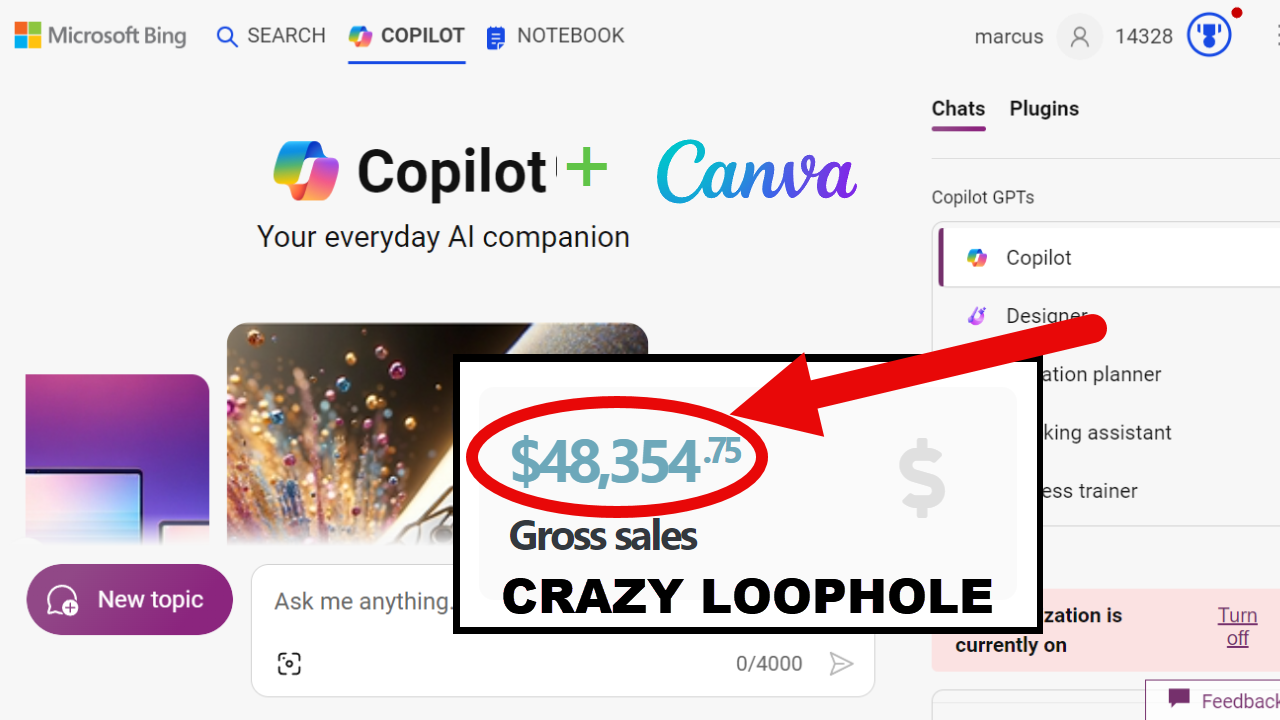
In the ever-evolving landscape of digital entrepreneurship, a groundbreaking opportunity has emerged, combining the prowess of artificial intelligence with the simplicity of graphic design tools. This guide unveils a glitch in the AI matrix, offering a step-by-step approach to leveraging MSN Bing’s new co-pilot GPTs and Canva for generating substantial income.
Discovering the Glitch in the AI Matrix
The Potential Unleashed
Imagine tapping into a strategy that yields $59,000, $28,000, or even $166,000 a month. This isn’t a mere fantasy but a tangible reality made possible by exploiting a unique glitch in the AI matrix.
The Tools at Your Disposal
The fusion of MSN Bing’s co-pilot GPTs with Canva’s intuitive design platform forms the backbone of this innovative method. By harnessing these tools, you’re not just creating content; you’re crafting a revenue stream.
The Step-by-Step Blueprint
Setting the Foundation with Microsoft Co-Pilot Pro
- Initiating the Process: Start by creating a table in Microsoft Co-Pilot Pro. This simple action is your entry point into a world of potential earnings.
Bringing Your Creation to Life with Canva
- Design Magic with Canva: Transition to Canva and select ‘Magic Studio’ followed by the flyer option. This combination unlocks the gateway to visually appealing content.
- Merging AI and Creativity: Download the table from Co-Pilot and integrate it into Canva. Resize and position it, setting the stage for the next transformative step.
Infusing Content with Purpose
- Commanding the AI: Direct Co-Pilot to generate a list of 10 high-fiber foods, including the amount of fiber in each. This content isn’t just informative—it’s the core of your monetization strategy.
- Finalizing the Design: Overlay the generated content onto your Canva design. This fusion creates a compelling infographic, ready to capture attention and drive engagement.
From Digital Design to Tangible Product
- The Transformation: Utilize the Snipping Tool to refine your creation, saving it as a PNG. This format is crucial for the subsequent steps, allowing for a seamless transition to physical products.
The Path to Monetization
- Market Research with the Hoth and Jungle Scout: Validate your idea by researching demand for your content. Tools like the Hoth’s free Keyword Planner and Jungle Scout offer insights into search volumes and potential earnings.
Launching Your Product
- The Etsy and Amazon Opportunity: Discover how platforms like Etsy and Amazon are ripe for selling your AI-generated infographics, transformed into practical items like magnetic cheat sheets.
Realizing the Profit Potential
- The Magic of Magnets: Dive into the logistics of turning your digital creations into physical, magnetic products. Explore options for printing and selling, highlighting the low cost and high reward of this venture.
Maximizing Your Earnings
Scaling Your Business
- Expanding Your Range: Learn how to replicate this process across various niches, from dietary guides to household tips, unlocking endless opportunities for income.
- Optimizing for Sales: Master the art of product presentation and online marketing to maximize visibility and sales on platforms like Amazon and Etsy.
Navigating Challenges
- Overcoming Common Hurdles: Address potential pitfalls in the journey, from production challenges to market saturation, and offer strategies for staying ahead.
Here are some example products you could use
| Product Name | Niche | Price ($) | Popularity |
|---|---|---|---|
| Low-Fat Foods Reference Magnet Chart | Nutrition/Health | 10.99 | Popular |
| High-Fiber Foods Magnet Chart | Nutrition/Dietary Fiber | 9.99 | Popular |
| Antioxidant-Rich Foods Magnet Chart | Nutrition/Antioxidants | 11.49 | Popular |
| Omega-3 Foods Magnet Chart | Nutrition/Heart Health | 10.99 | Popular |
| Vegan Sources of Iron Magnet Chart | Nutrition/Vegan | 9.49 | Niche |
| Gluten-Free Grains Magnet Chart | Health/Gluten-Free | 9.99 | Niche |
| Probiotic Foods Magnet Chart | Nutrition/Gut Health | 12.49 | Popular |
| Anti-Inflammatory Foods Magnet Chart | Nutrition/Health | 11.99 | Popular |
| High-Protein Vegan Foods Magnet Chart | Nutrition/Vegan | 10.49 | Niche |
| Low Glycemic Index Foods Magnet Chart | Nutrition/Diabetes | 9.99 | Niche |
| Calcium-Rich Foods for Dairy-Free Diets Magnet Chart | Nutrition/Dairy-Free | 10.99 | Niche |
| Ketogenic Diet Foods Magnet Chart | Nutrition/Keto | 11.49 | Popular |
| Paleo Diet Superfoods Magnet Chart | Nutrition/Paleo | 12.99 | Niche |
| Whole30 Diet Food List Magnet Chart | Nutrition/Whole30 | 12.49 | Niche |
| Mediterranean Diet Essentials Magnet Chart | Nutrition/Mediterranean | 13.99 | Popular |
| Super Greens Magnet Chart | Nutrition/Health | 8.99 | Popular |
| Plant-Based Omega-3 Sources Magnet Chart | Nutrition/Vegan | 10.49 | Niche |
| Natural Sweeteners Magnet Chart | Nutrition/Health | 9.99 | Popular |
| Low-Carb Vegetables Magnet Chart | Nutrition/Low-Carb | 8.99 | Popular |
| High Magnesium Foods Magnet Chart | Nutrition/Health | 11.99 | Popular |
| Foods High in Vitamin D Magnet Chart | Nutrition/Vitamin D | 10.99 | Popular |
| Fermented Foods for Gut Health Magnet Chart | Nutrition/Gut Health | 12.99 | Popular |
| Alkaline Foods Magnet Chart | Nutrition/Health | 11.49 | Niche |
| Detox Foods Magnet Chart | Nutrition/Detox | 9.49 | Niche |
| Healthy Fats Magnet Chart | Nutrition/Heart Health | 10.99 | Popular |
Here are some non food products
| Product Name | Niche | Price ($) |
|---|---|---|
| Kitchen Conversion Chart Magnet | Cooking/Kitchen | 9.99 |
| Seasonal Fruits and Vegetables Magnet Chart | Nutrition/Health | 8.99 |
| Classic Cocktail Recipes Magnet Chart | Beverages/Cooking | 9.99 |
| Baking Measurement Conversion Magnet Chart | Baking/Kitchen | 7.99 |
| Wine Pairing Guide Magnet Chart | Beverages/Food | 11.99 |
| Cheese Varieties and Pairings Magnet Chart | Gourmet/Food | 10.99 |
| Herb and Spice Usage Guide Magnet Chart | Cooking/Kitchen | 8.49 |
| Meat Cooking Temperatures Magnet Chart | Cooking/Kitchen | 9.49 |
| Vegan Protein Sources Magnet Chart | Nutrition/Vegan | 9.99 |
| Sushi Making Guide Magnet Chart | Cooking/International | 12.49 |
| Gluten-Free Foods Magnet Chart | Health/Diet | 11.49 |
| Keto Diet Food List Magnet Chart | Nutrition/Keto | 10.99 |
| Paleo Diet Food List Magnet Chart | Nutrition/Paleo | 10.99 |
| Mediterranean Diet Pyramid Magnet Chart | Nutrition/Mediterranean | 12.99 |
| International Cheese Guide Magnet Chart | Gourmet/International | 13.99 |
| Coffee Brewing Techniques Magnet Chart | Beverages/Coffee | 9.99 |
| Tea Varieties and Brewing Guide Magnet Chart | Beverages/Tea | 10.49 |
| Smoothie and Juice Ingredient Guide Magnet Chart | Nutrition/Health | 8.99 |
| Fermented Foods and Benefits Magnet Chart | Health/Nutrition | 11.99 |
| Seafood Seasonality and Selection Guide Magnet Chart | Cooking/Seafood | 12.99 |
| Plant-Based Diet Essential Foods Magnet Chart | Nutrition/Vegan | 9.49 |
| Whole Grains Guide Magnet Chart | Nutrition/Health | 8.99 |
| Superfoods and Their Benefits Magnet Chart | Nutrition/Health | 10.49 |
| Salad Dressing Mixology Magnet Chart | Cooking/Nutrition | 7.99 |
| Culinary Herbs and Their Uses Magnet Chart | Cooking/Kitchen | 9.99 |
More examples…
| # | Chart Type | Description |
|---|---|---|
| 1 | Periodic Table of Elements | Quick reference to the chemical elements. |
| 2 | World Map | Geography enthusiasts’ educational tool. |
| 3 | Human Anatomy | Visual aid for understanding human body structure. |
| 4 | Yoga Poses | Visual reference for yoga practitioners. |
| 5 | Musical Chords and Scales | Displays chord diagrams and scale patterns for musicians. |
| 6 | Gardening Zone Map | Helps gardeners with planting times and suitable plants. |
| 7 | Astronomy and Constellations | Guide for identifying stars and constellations. |
| 8 | Language Alphabet and Phrases | Aids language learners with basic alphabets and phrases. |
| 9 | Emergency First Aid Procedures | Basic first aid steps for common emergencies. |
| 10 | Vehicle Maintenance Schedule | Track regular vehicle maintenance tasks. |
| 11 | Household Cleaning Tips and Schedule | Cleaning hacks and schedule for home organization. |
| 12 | Workout Routines and Exercises | Various exercises for different muscle groups. |
| 13 | Knitting and Crochet Pattern Symbols | Common symbols and abbreviations for crafters. |
| 14 | Solar System and Planets | Details planets and celestial bodies in our solar system. |
| 15 | Wine Pairing Guide | Pairing different types of wine with foods. |
| 16 | Bird Species Identification | Identify common birds by appearance and calls. |
| 17 | Dog Breeds | Features various dog breeds and their care requirements. |
| 18 | Herbal Remedies and Uses | Information on common herbs and their uses. |
| 19 | Essential Oils Guide | Benefits and uses of different essential oils. |
| 20 | Recycling and Waste Sorting | Encourages proper recycling practices. |
The printable magnets business model centers on designing, producing, and selling magnetic products that cater to various interests and needs. This model taps into the demand for educational, organizational, decorative, and functional magnets that can be used in homes, schools, offices, and more. Below, we’ll delve into the key aspects of this business, including product focus, sales channels, best practices, printing services, and other considerations.
Product Focus
- Educational Magnets: Include alphabet, numbers, periodic tables, maps, and language learning aids. These are popular in educational settings and among parents for home schooling.
- Organizational Magnets: Feature calendars, to-do lists, chore charts, and meal planners. Great for personal and office use to stay organized.
- Decorative Magnets: Artistic designs, inspirational quotes, or personalized photo magnets. These appeal to those looking to add a personal touch to their space.
- Functional Magnets: Such as emergency contacts, first aid steps, workout routines, gardening guides, and cooking measurements. Serve specific practical needs.
Sales Channels
- Online Marketplaces: Etsy, Amazon, and eBay are prime venues for reaching a wide audience interested in niche products.
- Social Media: Platforms like Instagram and Pinterest are excellent for showcasing designs and driving traffic to your sales pages.
- Personal Website: An e-commerce website allows you to control the customer experience and build a brand. Utilize SEO strategies to attract organic traffic.
- Local Retail: Partnering with local bookstores, gift shops, and educational stores can help reach local markets.
- Direct Sales: Attend craft fairs, local markets, and educational conferences to sell directly to consumers.
Best Practices
- Quality Design and Material: Invest in high-quality magnet material and vibrant, durable printing to ensure customer satisfaction.
- Market Research: Understand your target audience and create designs that meet their specific needs and interests.
- Customer Feedback: Use feedback to improve existing products and inspire new ones.
- Marketing: Utilize both digital marketing (email newsletters, SEO, social media advertising) and traditional marketing techniques.
Printing Services
Several companies specialize in printing custom magnets, offering various sizes, shapes, and magnet strengths. When selecting a printing service, consider:
- Quality: Look for reviews or request samples to assess print quality and magnet durability.
- Pricing: Competitive pricing without compromising quality is key. Bulk ordering often leads to better rates.
- Turnaround Time: Ensure their production and shipping times meet your needs, especially if you’re selling seasonal items.
- Customization Options: The more flexible the service in terms of sizes, shapes, and custom designs, the better.
Popular Printing Services
- Vistaprint: Known for a wide range of customizable promotional products, including magnets.
- StickerMule: Offers custom magnets with free proofs, free worldwide shipping, and fast turnaround.
- PsPrint: Another popular choice for high-quality, custom-printed magnets and other marketing materials.
- Moo: Offers premium, customizable magnetic products with unique design options.
FAQ
Can This Method Be Applied to Other Niches?
Absolutely. The versatility of AI and graphic design tools means you can adapt this method to virtually any niche, from health and wellness to home organization.
Do I Need Advanced Technical Skills?
No. This guide is designed for users of all skill levels, emphasizing simplicity and accessibility. Basic familiarity with platforms like MSN Bing’s co-pilot GPTs and Canva is sufficient to get started.
How Much Initial Investment Is Required?
The initial investment is minimal, primarily involving the cost of printing and materials for your physical products. The digital tools used in this process offer free or low-cost options suitable for beginners.