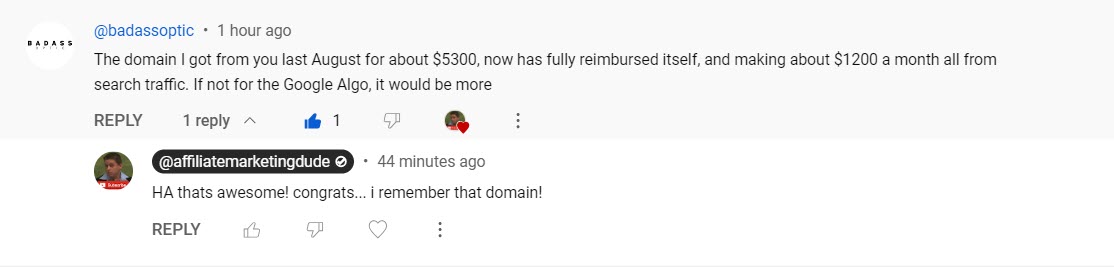
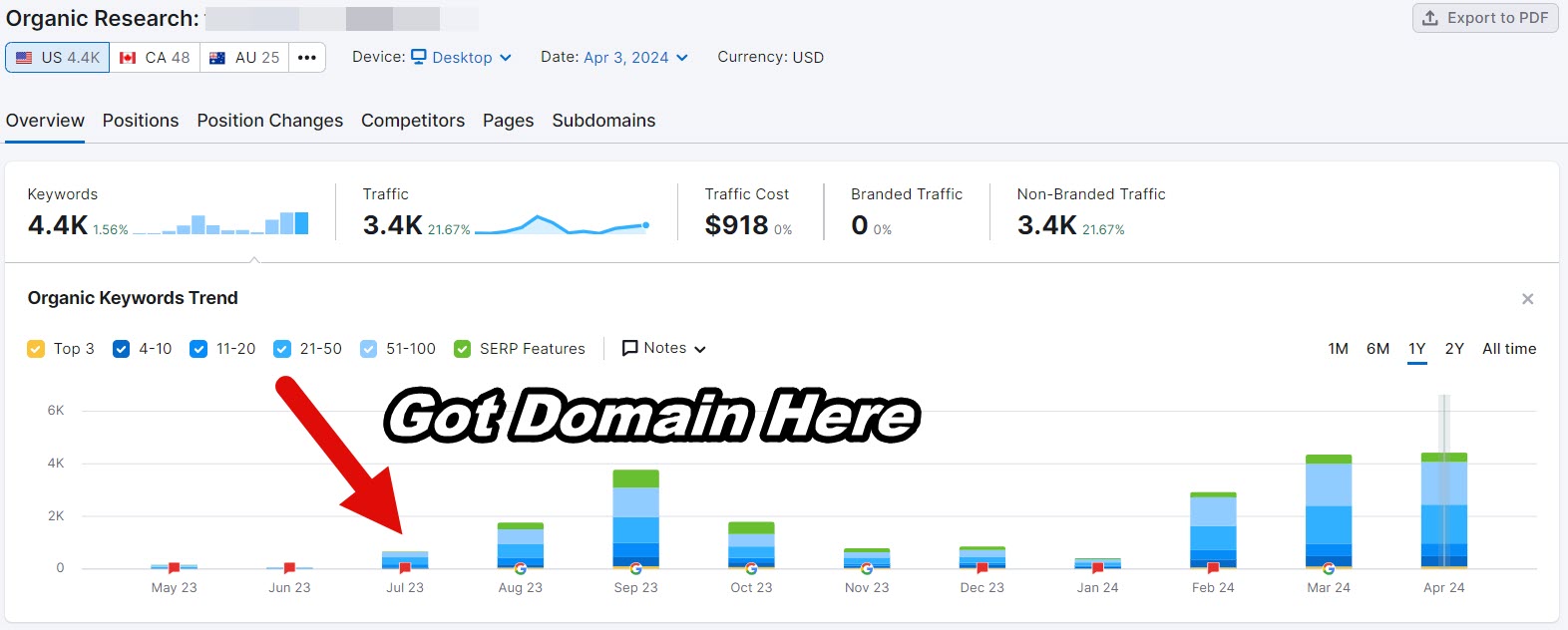
Premium Domain Now Making $1,200 Monthly!



Some Premium Domains
lovablelabradors.com
roofingrepaircost.com
camper101.com
randompickupline.com
birdingplanet.com
secretmenudrinks.com
newridertips.com
Rewrite Ai Content to Human – 4 Minute Hack!
Want Personal Help Every Tuesday – Check Out The New Blog Profit Network
lots of data
why one 100% human site got hit
and a 100% ai site still ranks
KEYWORD INSIGHT
AI UNDERSTANDING
HOW GOOGLE IS GETTING SMARTER
HOW TO ADAPT AND GROW
Making AI Content Indistinguishable from Human-Generated
Let’s be real: a lot of AI-generated content sticks out like a sore thumb. It’s stiff, generic, and about as engaging as a textbook. But here’s a little secret: it doesn’t have to be that way. With the right approach, you can create AI content that’s virtually indistinguishable from the human-written stuff.
Enhancing the Human Touch in AI Content
So how do you humanize your AI writing? For starters, sprinkle in some colloquialisms and figures of speech. Phrases like “here’s the thing” or “at the end of the day” can go a long way in making your content sound more natural. Also, don’t be afraid to inject some humor and personality. A well-placed joke or a relatable anecdote can help your content come alive. And most importantly, write like you’re having a conversation. Use “you” and “I” to create a sense of connection with your reader. Ask questions, share opinions, and let your unique voice shine through. The key is to remember that behind every screen is a real human being. So write like you’re talking to a friend, not lecturing to a crowd. With a little practice, you can create AI content that’s so authentic, even the robots will be fooled.
The Significance of Content Quality Over Origin
Here’s a hot take: it doesn’t matter whether your content was written by a human or an AI. What matters is whether it’s any good. Because at the end of the day, people don’t care about the origin story. They care about getting their questions answered and their problems solved. If your content does that, you’re golden.
Focusing on Value Creation
So how do you create truly valuable content, regardless of who (or what) wrote it? It all comes down to understanding your audience. What are their pain points? What keeps them up at night? Once you know that, you can craft content that speaks directly to their needs. Maybe that means putting together a step-by-step guide on a tricky topic. Or sharing some insider tips and tricks. Or just offering a fresh perspective on an age-old problem. The point is, don’t get too hung up on the whole human vs. AI debate. Instead, pour your energy into creating content that makes a real difference in people’s lives. Because that’s what truly matters.
Key Takeaway: Google’s algorithm loves content that sounds human and offers real value. So, focus on making your AI content feel more natural with varied sentence structures, a touch of personality, and genuine helpfulness. This way, you’ll stay ahead of the game no matter how many changes Google throws at you.
Navigating Through False Positives in AI Detection Tools
False positives in AI detection tools are more common than you might think. And they can be a real headache for content creators. Just because a tool flags your content as AI-generated doesn’t necessarily mean it is. In fact, studies show that these tools can be wrong up to 30% of the time. So what’s a content creator to do? First, don’t panic. Just because your content gets flagged doesn’t mean it’s game over. There are a few things you can do to ensure your content remains unaffected by false positives:
- Use multiple detection tools to cross-reference results
- Manually review flagged content for accuracy
- Make small tweaks to your writing style to avoid triggers
- Focus on creating high-quality, helpful content above all else
At the end of the day, the best way to avoid false positives is to write like a human. Use natural language, vary your sentence structure, and let your unique voice shine through. Don’t get too caught up in trying to game the system. If you focus on creating genuinely valuable content, you’ll be on the right track.
The Importance of Uniqueness and Avoiding Plagiarism
When it comes to ranking well on search engines, uniqueness is key. And that goes for both AI and human-generated content. Google’s algorithms are getting smarter every day. They can sniff out duplicate content from a mile away. And if they catch a whiff of plagiarism? You can kiss your rankings goodbye. But it’s not just about avoiding copy-paste jobs. Even unintentional plagiarism can tank your SEO. That’s why it’s so important to put originality first in your content creation process. Here are a few tips to ensure your content is one-of-a-kind:
- Always cite your sources and give credit where it’s due
- Use plagiarism checkers to catch any accidental duplication
- Put your own unique spin on topics, even if they’ve been covered before
- Conduct original research or surveys to generate new insights
Remember, Google rewards content that adds value and brings something new to the table. So don’t be afraid to think outside the box and approach topics from a fresh angle.
User Experience as Google’s Priority
At the end of the day, Google’s main goal is to provide the best possible experience for its users. And that means serving up content that’s not just unique and original, but also truly helpful and valuable. Google’s algorithms are constantly evolving to better understand what users want and need. They’re looking for content that answers questions, solves problems, and provides real insights. So how can you ensure your content meets Google’s high standards? It all comes down to putting the user first. Before you start writing, ask yourself:
- What questions are my target audience asking?
- What problems are they trying to solve?
- How can I provide the most comprehensive, helpful answer?
- What unique insights or experiences can I bring to the table?
When you prioritize the user experience above all else, you’ll naturally create content that Google loves. Because at the end of the day, what’s good for the user is good for search rankings. So don’t get too bogged down in the technical details of SEO. Focus on creating content that genuinely helps and delights your audience. The rest will follow.
Success Stories of High-Ranking AI Content
In the ever-evolving world of content creation, a question that often arises is whether AI-generated content can truly compete with human-crafted pieces in terms of search engine rankings. The answer might surprise you. Despite the common misconception that AI content is inferior, there are numerous success stories of AI-generated articles ranking high on search engines. These examples prove that the quality and relevance of the content, rather than its origin, are what truly matter.
Case Studies of Effective AI Content
Let’s dive into some specific instances where AI-generated content has exceeded expectations and claimed top spots in search engine rankings. One notable example is the case of AI-written articles outranking human-written ones on Google. These AI-generated pieces, crafted with a focus on SEO best practices and user intent, managed to secure higher positions in search results. Another success story comes from Google’s own admission that AI content can rank well if it provides value to users. This acknowledgment from the search giant itself reinforces the idea that the origin of the content is secondary to its quality and usefulness.
Key Takeaways from Successful Creators
So, what can we learn from content creators who have mastered the art of making AI content rank well? Here are some key insights: 1. Focus on user intent: Successful AI content creators prioritize understanding and addressing the needs and questions of their target audience. 2. Optimize for search engines: Incorporating relevant keywords, using proper formatting, and following SEO best practices are crucial for AI content to rank well. 3. Ensure quality and readability: AI-generated content that ranks high is often indistinguishable from human-written pieces in terms of quality, coherence, and readability. 4. Provide value: Above all, the content must offer genuine value to readers, whether it’s through informative, entertaining, or problem-solving content. As the saying goes, the proof is in the pudding. These success stories and insights from thriving creators demonstrate that AI content can indeed achieve impressive search engine rankings when crafted with skill and purpose. So, the next time someone questions the potential of AI-generated content, remember these examples and the key takeaways from successful creators. Good content, regardless of its origin, will always find its way to the top.
Secret 4 Minute Ranking Hack
1. **Know Your Audience**: Understand who you’re writing for, including their demographics, interests, and language preferences. Tailor your content to resonate with them.
2. **Conversational Tone**: Write as if you’re speaking directly to the reader. Use a conversational tone that feels friendly, approachable, and relatable.
3. **Be Authentic**: Write from a genuine place. Be yourself and let your personality shine through in your writing. Avoid trying to sound overly formal or robotic.
4. **Use Simple Language**: Keep your language clear and straightforward. Avoid using overly technical jargon or complex vocabulary that might alienate some readers.
5. **Tell Stories and Use Examples**: Incorporate anecdotes, personal stories, or real-life examples to illustrate your points. This helps to make your content more engaging and relatable.
6. **Ask Questions**: Encourage reader engagement by asking questions throughout your content. This invites them to think critically and participate in the conversation.
7. **Empathy and Understanding**: Show empathy towards your readers by acknowledging their concerns, challenges, and emotions. Let them know that you understand their perspective.
8. **Active Voice**: Use active voice whenever possible to make your writing more dynamic and engaging. Active voice helps to convey action and clarity.
9. **Break It Up**: Use short paragraphs, bullet points, and subheadings to break up your content and make it easier to read. This also helps to keep readers engaged and interested.
10. **Be Concise**: Get to the point quickly and avoid unnecessary fluff. Respect your readers’ time by delivering value in a concise manner.
11. **Include Calls to Action**: Encourage readers to take action by including clear calls to action throughout your content. Whether it’s asking them to subscribe, share, or take the next step, make it easy for them to engage further.
12. **Proofread and Edit**: Before publishing your content, thoroughly proofread and edit it for grammar, punctuation, and clarity. Reading your content aloud can help you identify any awkward phrasing or errors.
Big List Of High Paying Affiliate Offers
Tax Help Affiliate Programs
- TurboTax Affiliate Program: Offers commissions for promoting its tax preparation software. Commission: Varies. Payment Method: Direct Deposit, Check. Cookie Duration: 45 days.
- H&R Block Affiliate Program: Earn by promoting tax software and services. Commission: $10/software sale, $25/online filing. Payment Method: Direct Deposit, Check. Cookie Duration: 30 days.
- TaxAct Affiliate Program: Promote affordable tax preparation software. Commission: 15% – 30% per sale. Payment Method: Direct Deposit, Check. Cookie Duration: 45 days.
Credit Affiliate Programs
- Credit Karma Affiliate Program: Refer users for credit scores and reports. Commission: $0.50 – $100 per lead. Payment Method: Direct Deposit, Check. Cookie Duration: 30 days.
- Experian Affiliate Program: Earn by promoting credit reports and identity theft protection. Commission: $5 – $100 per lead, $20 – $100 per sale. Payment Method: Direct Deposit, Check. Cookie Duration: 30 days.
Credit Repair Affiliate Programs
- CreditRepair.com Affiliate Program: Promote credit repair services. Commission: $70 per sale. Payment Method: Direct Deposit, Check. Cookie Duration: 30 days.
- Lexington Law Affiliate Program: Earn by referring clients for credit repair. Commission: $65 per sale. Payment Method: Direct Deposit, Check. Cookie Duration: 45 days.
Web Hosting Affiliate Programs
- Bluehost Affiliate Program: Refer customers to hosting plans. Commission: $65 – $130 per sale. Payment Method: PayPal, Check. Cookie Duration: 60 days.
- SiteGround Affiliate Program: Promote exceptional customer service hosting. Commission: $50 – $125 per sale. Payment Method: PayPal, Bank Transfer. Cookie Duration: 60 days.
- HostGator Affiliate Program: Earn from a range of hosting options. Commission: $65 – $125 per sale. Payment Method: PayPal, Check. Cookie Duration: 60 days.
- WP Engine Affiliate Program: Refer customers to managed WordPress hosting. Commission: $200 or 100% of first-month payment, plus 35% recurring. Payment Method: PayPal, Bank Transfer. Cookie Duration: 180 days.
- A2 Hosting Affiliate Program: Promote high-performance hosting solutions. Commission: $55 – $125 per sale. Payment Method: PayPal, Check. Cookie Duration: 90 days.
Software Tools Affiliate Programs
- SEMrush Affiliate Program: Refer users to SEO and marketing toolkit. Commission: Up to 40% recurring. Payment Method: PayPal, Wire Transfer. Cookie Duration: 10 years.
- Moz Affiliate Program: Promote SEO tools for improved online visibility. Commission: 20% – 30% recurring. Payment Method: PayPal. Cookie Duration: 30 days.
- Ahrefs Affiliate Program: Refer to comprehensive SEO toolset. Commission: 20% recurring. Payment Method: PayPal. Cookie Duration: 30 days.
- ClickFunnels Affiliate Program: Earn by promoting sales funnel builder. Commission: 40% recurring. Payment Method: PayPal, Check. Cookie Duration: 30 days.
- Leadpages Affiliate Program: Promote landing page builder and lead generation tool. Commission: 30% recurring. Payment Method: PayPal. Cookie Duration: 30 days.
$1,000 In 48 Hours – how to make money fast
How To Make $1,000 In 48 Hours Using AI And Affiliate Marketing
Here Is The List Of High Paying Affiliate Offers
Here is The $1000 Fast PDF
WARNING:
– POWERFUL USE ETHICALLY
– NOT A WASTE OF TIME – I USE THIS A LOT
– VERY VERY SIMPLE AND STRAIGHT FORWARD (NOT TECHY)
– BASED ON DATA AND STUFF I HAVE DONE
– FREE RESOURCES AND TOOLS IN THIS VIDEO
– how fast can you make money online
DAY ONE
FIRST: What You Will Need
– Chatgpt / Copilot / Or Other Ai
– MS Word / Powerpoint / Or Similar Programs
– The Ability To Research AROUND A Pain Point In The Market
Second: Market Digging The First 4 Hours
– Find A High Paying Affiliate Offer
– Finding A Pain Point In Your Market
– Research The Pain Point And Come Up With Help (checklist, pdf, report, whitepaper, ect)
– Keep In Mind Your High Paying Offer Will Be The Solution
SEPTIFIX – $82.48
ROCKET LANGUAGES – $91.45
SUPERABUNDANCE – $110.53
SLEEP BETTER – $129.53
CREDIT
WEBHOSTING
TAXES
SOFTWARE
OR SELL YOUR OWN SERVICES
BUSINESS TO BUSINESS
BUSINESS TO CONSUMER
Third: Money Resources Hours 4 – 8
– come up with enticing headlines
– create your resources
– checklists, guides, giveaways, tools, whitepapers
– create commercials / images / sales pitches for them
DAY TWO
Fourth: Distribution Time
– find where your market is already
– learn about them… answer questions… help
– point to your money resources
– MONEY RESOURCES WILL DO THE SELLING
– Never Discount Old School Email (put on the giveaways)
BONUS AGGRESSIVE TIPS
BONUS: AGGRESSIVE STRATEGIES THAT WORK
– start website / host the money resources there
– add live chat to website and interact
– create videos showing the money magnets
– funnel to a webinar for deep dive on pain points
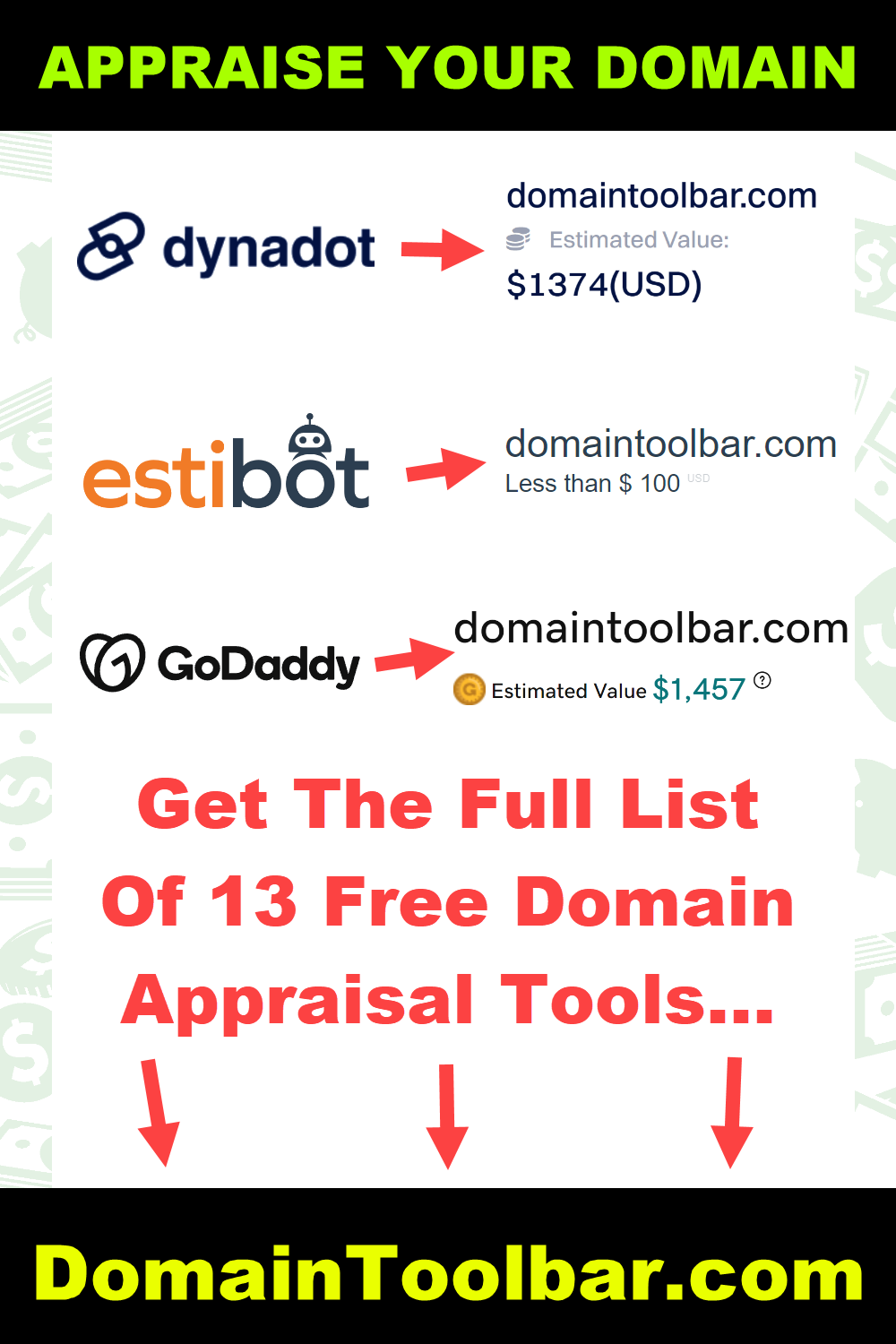
Godaddy Domain Appraisal Tool + 7 Alternatives
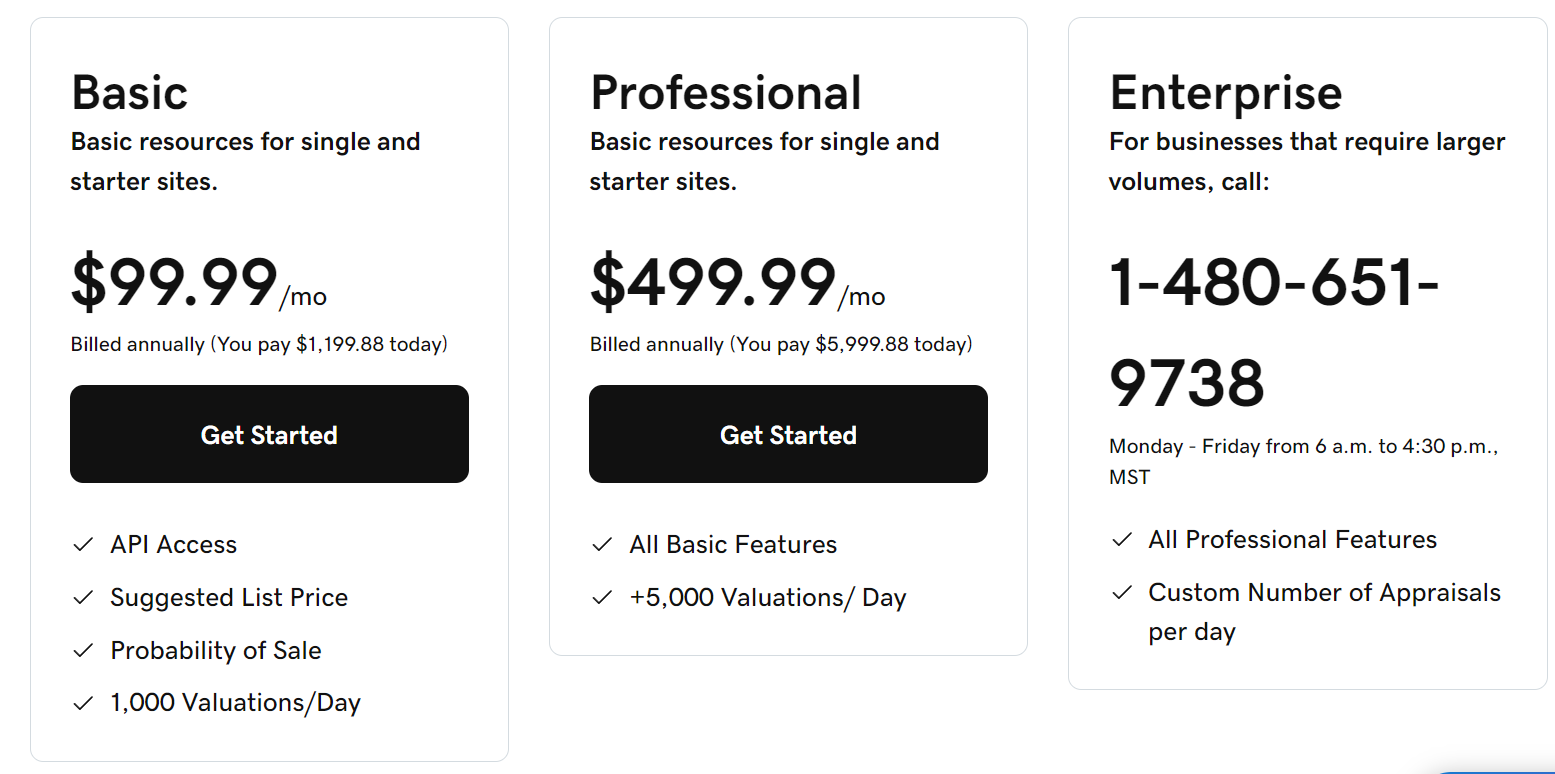
This week godaddy put a limit on thier free domain appraisal tool which was not the most accurate and certainly not worth the $1000 per year they are charging for access to it… but you can still use the tool to appraise 3 domains per day.

So lets dive in and see how the godaddy tool sizes up with other domain appraisal tools that can be found free online… for this example we will use a domain name that i actually sold so we have a decent estimated value:
$860 EstiBot
$2,932 Godaddy
$2,254 DYNADOT
$0 Domain Index
$1,500 Saw
$248 Website Outlook
As you can see the valuations are all over the place… godaddy was the closest on this one but i gotta say the appraisals they give are hardly accurate… to properly use the godaddy tool make sure you look at the REALTED domains.
As you can see the valuations are all over the place… godaddy was the closest on this one but i gotta say the appraisals they give are hardly accurate… to properly use the godaddy tool make sure you look at the REALTED domains.
The Actual Domain In The Example Sold For $5,000!
Lets try this domain inboxed.com
this is a domain that if i owned i would probably want to sell it for well over $25K… why because its one word that a company offering email delivereability services would want to buy which is a HUGE industry.
Godaddy Appraised It At $7,651 – in my opinion way too low
here is the answer they gave for why:
Valuable keyword: boxed is a high value keyword that has an average sale price of $2036.
Memorable: inboxed.com is easy to remember.
Domain history: inboxed.com has been sold before.
NOW i did notice… this week godaddy not only put a limit on the searches but they also removed the recent related sales which i found super helpful… GONE!
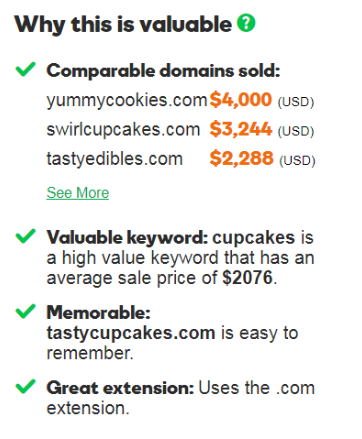
As you can see they used to show similar sales on the domains which is now gone 🙁 but you can still get these using the search tool at NameBio.
Namebio has lots of metrics and will even show previous sales if the domain was ever sold before.
| inboxed.com | 6,275 USD | 2024-03-03 | GoDaddy |
| inboxed.com | 6,997 USD | 2018-04-05 | Flippa |
As you can see here this one sold 2 times in the last 6 years… similar amounts each time.
Dynadot has it listed at $5,301
Saw has it at $4,500
Estibot has it at $3,500
So far on these test godaddy is the closest but having been in this domain industry for 25 years i can say most of the time on domains ACTUALLY worth money godaddy is usually on the low side… however… when it comes to semi worthless domains often times it will have a $1000 value which makes no sense at all.
SHOULD you be using godaddy to appraise and price your domains – yes and no.
you can use it as a guide but only with other information… use these other tools to accurately gauge your domain values:
Estibot: great for seeing if there is “easy” value in the domain… usually this will register a lot of $0s which means nothing as you can see from the tests above.., using this and godaddy will help you see a range though.
Saw: this is a cool little tool that allows you to search… so far it looks like it registers some decent values… but nothing that will compare to the ACTUAL recent sales.
its like this… when using domain appraisal tools… its like house buying. Your realtor would not just make up some number based on a few guesses… they are going to look at COMPS comparable recent sales, this is how you evaluate it… then what you do is say:
recent prices based on size and location
then they add or deduct for features and condition
then they add pools and yard stuff and sheds ect
Domain buying is the same thing, looking at a name in terms of how good the name sounds, what market it is in, and who wants to buy it.
Godaddy is looking at the recent auctions mostly.
Remember, auctions are buyers looking for deals so they can resell the domains. THESE are not the people you want to sell your domain too, we want to find buyers that want to use the names for a purpose. If you have something like sandiegolawyer.com at auction this may get $200 or $500 but to a lawyer in san diego it could be worth thousands.
this is why the godaddy tool is not as accurate as can be.
i find that it causes people to buy too many domains based on inflaited values and then on the flipside sell thier names FAR to cheap when they have really really good domains that could sell for a lot more.
there are some other tools as well like:
Website Outlook: this one to me is completely worthless but it does show some traffic stats.
| Alexa Rank | 9589150 |
| Backlinks | 8 |
| Semrush Rank | 36894301 |
| Domain Authority | 7/100 |
| Pageviews | 114/ Day |
| Worth | 248.2 |
if you do not have a good keyword tool this does show the pageviews and the domain authority although i dont know where they pull that from.
SitePrice: this one again is to me super worthless… it shows the $5,000 domain at $196
it does have some interesting metrics though like semrush, alexa, domain power, traffic, ad revenue ect… but it does seem they are just running it to show ads rather than give helpful domain data.
buying .ai domains for profit
Click Here To Register For Tomorrows Domain Class
1. GODADDY APPRAISAL TOOL
2. TOY FLIPPER EBAY
3. $250k – 700K DAILY SALES
4. .AI DOMAIN GOLD RUSH
5. BE CAREFUL – WISE
6. NO TRADEMARKS
7. YES SHORT GOOD NAMES
Click Here To Register For Tomorrows Domain Class
OTHER TOOLS
NAMEBIO
COPILOT
CHATGPT
SPAMZILLA
ESTIBOT
DYNADOT
DNDOURNAL
Below are some of the top .AI domain names sold.
- sound.ai – $250,000
- girlfriend.ai – $170,000
- golf.ai – $140,000
- cognition.ai – $110,000
- boombox.ai – $59,995
- fem.ai – $59,995
- operator.ai – $75,000
- task.ai – $78,777
- easy.ai – $50,000
- reflection.ai – $50,000
- gm.ai – $42,000
- insure.ai – $41,150
- loft.ai – $50,000
- reflection.ai – $50,000
- thrive.ai – $35,000
- sessionslive.ai – $29,500
- draft.ai – $32,111
- witness.ai – $35,000
- anthology.ai – $35,000
- spare.ai – $30,475
- datacenters.ai – $29,700
- service.ai – $127,500
- study.ai – $90,000
- school.ai – $75,000
- stack.ai – $258,888
- npc.ai – $250,000
- genius.ai – $150,000
- focus.ai – $124,000
- genius.ai – $150,000
- service.ai – $127,500
- school.ai – $75,000
Click Here To Register For Tomorrows Domain Class
In the realm of digital evolution, one acronym has surged to prominence, symbolizing a frontier not just in technology but also in domain investment. .ai domains. These aren’t just a bunch of letters thrown together; they’re the early rays of sunrise signaling AI’s big move across different fields. The Caribbean island nation of Anguilla might seem an unlikely epicenter for this revolution, yet here we are.
Consider the rush towards .ai domain names as akin to staking claims during a gold rush. Yet, it’s not just about having any claim; it’s about finding that nugget-rich plot that promises untold riches. Why? Because amidst tech giants and startups’ scramble for innovative AI solutions, owning an intuitive .ai domain can set you apart faster than you can say “machine learning.” But what makes these three letters such a game-changer?
The answer isn’t merely technical—it’s visionary. With businesses and enthusiasts alike vying for online territories that scream innovation, securing an .ai domain is like planting your flag on digital Mars: challenging but incredibly rewarding in showcasing your commitment to the forefront of technology.
The Impact of Domain Extensions on Value
The extension of a domain can make a world of difference when it comes to its perceived value. While .com domains have long been the gold standard, .ai domains are quickly carving out their own niche.
Let’s compare two hypothetical domains: “innovate.com” and “innovate.ai”. While both contain the same keyword, the .ai version is likely to be more valuable in the current market. Why? Because it specifically targets the AI industry, which is booming with potential.
In fact, some .ai domains have sold for tens of thousands of dollars, showcasing the immense value placed on this extension. As more and more companies and entrepreneurs venture into the world of artificial intelligence, the demand for .ai domains is only expected to grow.
Tools for Discovering and Appraising .ai Domains
With the rise of .ai domains, a new set of tools has emerged to help investors and businesses navigate this exciting landscape. From domain discovery to valuation, these resources are essential for anyone looking to stake their claim in the .ai market.
Leveraging the GoDaddy Appraisal Tool
One popular tool for appraising domain names is the GoDaddy Domain Appraisals. This handy resource allows you to input a domain name and receive an estimated value based on various factors.
But hey, let’s not forget that even the GoDaddy appraisal tool isn’t perfect, especially when you’re dealing with .ai domains. Because these domains are relatively new and niche, the tool may not always have enough data to provide an accurate valuation.
Introducing DomainToolbar.com
For a more comprehensive approach to .ai domain research, DomainToolbar.com is a valuable resource. This website offers a suite of tools specifically designed for domain investors and enthusiasts.
One standout feature of DomainToolbar.com is its free domain value report. By inputting a domain name, you can access a wealth of information, including estimated value, search volume, and more. This data can be incredibly useful when assessing the potential profitability of an .ai domain investment.
In addition to the value report, DomainToolbar.com also offers a range of other tools, such as a domain availability checker and a keyword suggestion tool. These resources can help you uncover hidden gems in the .ai domain market and make informed investment decisions.
Generating Profitable .ai Domain Names
Now that we’ve explored the value of .ai domains and the tools available for discovering and appraising them, let’s dive into the process of generating profitable names in this space.
Utilizing AI Tools for Domain Generation
One approach to generating .ai domain names is to leverage the power of artificial intelligence itself. By combining AI-related keywords with creative phrasing, you can come up with unique and memorable names that are sure to catch the eye of potential buyers.
For example, using an AI-powered domain generator and inputting keywords like “trend,” “learn,” and “predict,” you might come up with names like “trendify.ai,” “learnai.ai,” or “predictai.ai.” These domains not only incorporate relevant keywords but also have a catchy, brandable quality to them.
Assessing Availability and Profitability
Of course, generating a great .ai domain name is only half the battle. You also need to ensure that the domain is available for registration and has the potential to be profitable.
One way to assess profitability is to set a target sale price for your domain. For example, if you aim to make at least $80 on the sale of a domain, you’ll need to factor in the cost of registration and any other expenses associated with acquiring and holding the domain.
Using tools like DomainToolbar.com, you can check the availability of your generated .ai domains and get a sense of their potential value. Keep in mind that domains with high search volume and brandability are more likely to command higher prices in the market.
Examples of Available .ai Domains
To give you a sense of the types of .ai domains that are currently available, here are a few examples generated using the methods described above:
- autonavigator.ai
- smartpredict.ai
- aivision.ai
- trendpulse.ai
- cognitivelearn.ai
These domains all incorporate relevant AI-related keywords and have a brandable, memorable quality to them. Of course, this is just a small sampling of the countless possibilities in the .ai domain space.
By getting creative with your keyword combinations and leveraging the right tools, you can uncover profitable .ai domain names that are ripe for investment. Whether you’re looking to flip domains for a quick profit or build a long-term portfolio, the .ai market is full of exciting opportunities.
Key Takeaway: .ai domains are the hot new trend, perfect for those in AI. They’re more valuable because they scream innovation. Use tools like DomainToolbar.com to find and value them. Get creative with AI keywords to make catchy names that sell.
Conducting Further Research on .ai Domains
So, you’ve got your heart set on investing in a shiny new .ai domain. But before you pull the trigger, it’s crucial to do your due diligence and really dig into the potential value of that domain.
Sure, tools like the GoDaddy appraisal tool can give you a ballpark estimate. But let’s be real – when it comes to making a smart investment, you need to go beyond the basics.
Beyond Basic Appraisals
Listen, I get it. It’s tempting to just plug a domain into an appraisal tool and call it a day. But if you want to make a savvy investment in the exciting world of .ai domains, you’ve got to roll up your sleeves and do some serious research.
So, what does that look like? For starters, you’ll want to take a deep dive into the current market trends for .ai domains. What are the most popular keywords? What industries are gravitating towards this cutting-edge extension?
You’ll also want to scope out the competition. Take a look at similar .ai domains that have recently sold and see how they stack up to the one you’ve got your eye on. Diving into this, you’ll get a clearer, no-nonsense picture of the kind of value you can really expect.
Another key factor to consider? The potential for future growth and development in the AI space. As more and more companies and startups jump on the artificial intelligence bandwagon, the demand for premium .ai domains is only going to skyrocket.
So, don’t just settle for a surface-level appraisal. Put in the time and effort to really understand the market, the competition, and the long-term potential of your investment. Trust me, your future self (and your bank account) will thank you.
Now, I know what you might be thinking – “But Mark, this sounds like a lot of work.” And you’re right, it is. But here’s the thing: if you want to succeed in the fast-paced world of domain investing, you can’t afford to cut corners.
So, roll up your sleeves, grab a cup of coffee (or three), and get ready to do some serious research. Because when it comes to making a smart investment in .ai domains, knowledge is power.
Key Takeaway: Dive deep beyond basic appraisals to unlock the real value of .ai domains. Look at market trends, competition, and future AI growth potential. Your wallet will thank you.
Click Here To Register For Tomorrows Domain Class
Using AI Tools To Create Faceless Youtube Channels
What We Want
-
broad niche
-
lots of content possibilities
-
easy to make images / videos
-
direct path to money
-
proven lots of traffic
-
easy to find ideas
WE WILL USE
-
ETSY
-
PINTEREST
-
YOUTUBE
-
KEYWORD TOOLS
-
VIDEO EDITOR
-
SORA
1. Hair styles
2. Tattoos
3. Nail designs
4. Coloring pages (niche specific)
5. Word games
6. Animal mash
7. Decorating ideas
8. Budget and finance
9. Excel
10. Software and tools
11. Quotes and verses
12. Specific niche products
13. Ways to make money / side hustles
14. WordPress tools
15. Stock ups and downs
16. Painting ideas
17. Wedding dresses
18. Crafts
19. Multiplication chart
20. Horoscope
21. Body weight and food charts
22. Landscaping ideas
23. Types of fonts
24. Coffee bar ideas
25. Bedroom ideas
26. 80’s fashion
27. Feelings chart
28. Gift ideas
29. Fantasy art
30. Pets
31. Measurements
32. Printable
33. Fishing
34. Cricut heat guide
35. Printable for seniors
36. Money saving tips
37. Vacation guide
38. Farming gardening hydroponics
39. House cleaning hacks
40. Grocery list templates / grocery hacks
41. Eat this not that food guides
42. Bill of sale template
43. Gift certificate template
44. Zoom backgrounds
45. Color match painting website emotions etc
46. Bathroom remodel ideas
47. Mini garden fairy garden
48. Must have products
49. Language mispronounce
50. Makeup and beauty
Google Has An SEO Spam Problem

Google, the most trusted name in internet search, dominating over 90% of all searches done online, boasting over $300 billion a year in revenue, driving trillions of dollars in income to businesses all across the world. But are the results actually trustworthy, or has the rise of AI-generated search spam caused Google’s results not only to be unhelpful, but actually dangerous?
So armed with my notebook and my list of websites that are dominating millions of keywords on Google, we’re going to head to the backyard office and show you exactly what’s going on. First, let’s take a look at what people are saying about the Google spam problem.
According to Wired, Google’s finally trying to kill AI clickbait. Another report from Fortune says, “This is the worst quality results on Google I’ve seen in my 14-year career.” And after having made money using Google search for over 25 years, I can say without a doubt that this is the worst I’ve ever seen. Reddit is talking about how the spam is insane on Google, and The Verge says they’re starting to squash more spam and AI in search results. But is that the truth? Well, let’s have a look.
On YouTube, you can see many creators talking about how their sites got de-indexed or lost tons of rank in the latest Google core update. Does this mark the beginning of the end for Google search? I mean, even the Search Engine Journal is saying that the AI spam sites are winning. And in just a minute, I’m going to show you what they look like, what you need to avoid, what not to click on, and how this whole thing’s going to play out, because let’s face it, there’s a ton of money at stake here.
In fact, if you were to take a look at the keyword “Amazon jobs,” which is looked up on Google almost 500,000 times a month, you can see that this keyword is worth a lot of money. In fact, if you were to write a good article about how to get a job at Amazon, ranking in the top three results for this keyword could be worth $100,000 a month or more. But what is a helpful quality article anyway? Let’s take a look at what Google thinks.
Here we have amazon.jobs. That seems pretty legit. Some government stuff over here, hiring Amazon, a couple of local job listings. And then we can see sites like m.de. This one was put up just 3 hours ago and is already in front of over a half a million people a month. And that’s just on one keyword. And if we click the link, we can see that my virus software quickly shows a warning. But don’t worry, I’m going to fire up my Linux machine, we’re going to click on these, and get to the bottom of what’s actually going on, how they’re scamming people, the dangerous things they put on their website, and ultimately how they’re making money.
If we were to take this domain name and put it in a keyword tool like Ahrefs, SEMrush, or any other keyword tool, we can see that they rank for over 25,000 keywords in Google, some of them generating up to 8.5 million searches a month, with a super high competition value. If I was to start out with a website and try really hard to rank for this keyword with good content, it’s going to be pretty impossible. Yet this website with AI spam content ranked in like 3 hours. And we can see sites like this popping up everywhere, ranking alongside gigantic sites like Walmart, USPS, FedEx, Amazon, and more.
And here’s where it gets interesting. I actually took a list of about 50 different websites, and I found that only half of them were actually caught by Google so far, which means most of them are actually ranking, getting traffic, and living at the top of Google search results. We could see here, some of them are ranking for like 3 million keywords, 2 and 1/2 million, 2 million, and on and on we go, literally hundreds of millions, if not billions, of keywords being outranked by spam, garbage, and malicious sites designed to harm your computer, steal your passwords, and ultimately, money.
And before, in order to do this, you needed to have a domain that had a lot of history, a lot of backlinks pointing in, and lots of power in the Google search results. But that doesn’t seem to be the case with the new Google Update. In fact, some of these websites were registered just days ago. This one’s 15 days old, and this one here, ranking at the top of Google, is less than 2 days old. So they literally got a new domain name, and now they’re ranking for over 184,000 keywords. Yeah, this is crazy.
And what we’re learning here is that search engine ranking and search engine optimization is a huge business. In fact, this is one of the ways that I’ve made money over the past 25 years, creating content, getting it listed on Google, getting traffic, and pointing to affiliate programs, my own products, and different things that make me money. It’s actually pretty simple. And if you want to learn about it, don’t worry, I’ll have some links in the description. But again, we don’t want to do what these people are doing, trying to game the system and put junk out there just for financial gain.
No, we want to focus on good, legitimate niche websites, like this one here that ranks for all different kinds of keywords about different types of tools, how they work, what batteries they use, and on and on we go. In fact, if you were to rank for “best gas leaf blower,” that’s a keyword that gets over a thousand searches a month, and these are people that want to buy products, which means you can make a lot of money. And I’ll put some videos in the description about how to do ethical SEO marketing and make a living writing good content with AI.
But first, let’s take a look at what’s actually on these websites, see why they’re ranking, and why they’re harmful to your computer. Okay, so testing this out, we’re going to scroll down and look for the first scammy, spammy site, and we’re going to click it and see what it links to. Luckily, I was able to boot this up on one of my old Windows machines that doesn’t have anything on it except for Microsoft Bing Edge. So let’s see how this works.
Here we can see it’s redirecting. It redirected twice, and now it’s going to this “allow to verify you’re human,” which is going to take us to some kind of phishing website or something that downloads to our computer that’s going to cookie stuff or track or put spyware or malware on the computer. Let’s try a couple more and see exactly what’s going on there. Again, another one, we could see that hitting the back button does not let us out. It’s kind of trapping us here and putting us in all kinds of junk malware, spyware, and everything like that.
Choosing The Best Affiliate Programs For Your Traffic
Understanding Your Audience
Identify Audience Needs and Interests: Analyze your audience’s demographics, interests, and needs to find relevant offers.
Audience Engagement: Look at which content pieces have high engagement rates to understand what your audience values.
Choosing the Right Affiliate Offers
Relevance: Ensure the affiliate offer is directly relevant to your website’s content and audience interests.
Merchant Reputation: Partner with merchants that have a good reputation for quality products/services and affiliate support.
Commission Structure: Evaluate the offer’s commission rates to ensure they meet your revenue goals.
| Type of Affiliate Offer | Description |
|---|---|
| Pay Per Click (PPC) | Affiliates earn money each time a user clicks on a link leading to the advertiser’s site, regardless of any further action taken by the user. |
| Pay Per Lead (PPL) | Payment is made when referred users complete a specific action, such as signing up for a trial, filling out a contact form, or registering. |
| Pay Per Sale (PPS) | Affiliates are paid a commission when their referred user makes a purchase on the advertiser’s site. |
| Cost Per Action (CPA) | Similar to PPL, but broader; payment is made for a specific action from the user, which could include a sale, signup, form submission, etc. |
| Free Trial | Affiliates earn commissions when users sign up for a free trial, often with the potential for higher earnings if the trial leads to a purchase. |
| Credit Card Submit (CC Submit) | Affiliates are compensated when users sign up for offers that require a credit card submission, often used for trial offers or subscriptions. |
| Download | Payment is made when users download something, such as an app, software, or digital content, through the affiliate’s link. |
| Cost Per Install (CPI) | Specifically for mobile and desktop apps, affiliates are paid when users install an app using their referral link. |
| Cost Per View (CPV) | Payment is based on the number of views or interactions with a video or advertisement. |
| Cost Per Engagement (CPE) | Affiliates earn based on users engaging in a specific way with the content or advertisement, such as completing a game level or survey. |
| Revenue Share | Affiliates receive a percentage of the revenue generated from their referrals, common in gaming and trading platforms. |
| Cost Per Thousand Impressions (CPM) | Affiliates are paid based on the number of impressions or views an ad receives, calculated per thousand impressions. |
| Pay Per Call | Affiliates are compensated when users make a phone call to a number provided, typically after clicking through a referral link. This model is common in services niches. |
| Email Submit | Payment is made when a user submits their email address through an affiliate link, often used in lead generation and marketing campaigns. |
| Zip Submit | Affiliates earn a commission when users enter their zip code through an affiliate-provided link, used for market research or localized offers. |
| Short Form | This refers to offers where users fill out a short form, often less detailed than a full application, triggering a payment to the affiliate. |
Conversion Rates: Consider offers with higher conversion rates, indicating that the product or service resonates well with similar audiences.
Cookie Duration: Longer cookie durations give you a better chance of earning commissions from delayed purchases.
Analyzing the Offer’s Compatibility with Your Content
Content Integration: Ensure the offer can be naturally integrated into your existing or planned content.
Promotional Materials: Check if the merchant provides high-quality promotional materials that can enhance your content and engagement.
Legal and Ethical Considerations
Disclosure Requirements: Make sure you can comply with necessary affiliate disclosure requirements to maintain transparency with your audience.
Brand Alignment: The offer should align with your brand values and not detract from your website’s credibility.
Testing and Optimization
A/B Testing: Plan to test different offers and placements to find what works best with your audience.
Tracking and Analytics: Ensure you can track the performance of affiliate links and placements to assess effectiveness.
Placement Strategy
Contextual Placement: Place affiliate links where they make the most sense contextually within your content.
Visual Attention: Utilize placements that are likely to attract visual attention without being intrusive.
Content Format: Consider the format of your content (blog post, video, review) and where an affiliate link or mention would be most natural and effective.
Maintaining Flexibility and Control
Ease of Update: Ensure you can easily update or replace offers and placements based on performance or changes in your content strategy.
NATURAL
Make Money With This Workflow Template
BRAND NEW: Marcus Is Now Offering Pinterest Driven Niches For Those Who Like This Idea…
we provide the niche, valuable domain name, 25 pins 25 articles, marketing plan, strategy, coaching, and more.
Get Your Custom Pinterest Data Niche Now And Save BIG
This Offer Ends Midnight 3/16/2024
Part One: Choosing Data Sets
- find something spefcific to promote (offervalut, clickbank, amazon)
- use chatgpt or bing copilot to find data points
- use the magic “data point” workflow template
Proof This Works And Some Progress
- pinterest guy with 1M monthly views
- my pinterest generating leads and sales
- domain seller
- blogprofitnetwork people getting thier first sales and beyond
Part Two: Using The Data Sets To Make A Teplate
- best way to visualize
- examples
- how to make (canva / snagit / image tool)
- duplication replecation – involvement
Part Three: seting up the money magnet
- create helpoful giveaway
- website best result
- affiliate links (meh)
- simple landing page
BONUS STEP
- have AI write the posts for your blog
- double as seo and value added benefit
Leveraging Pinterest for Traffic and Visibility
DATA FINDER GOOGLE SEARCH GUIDE
| Method | Description | Example Query |
|---|---|---|
| File Type Search | Focuses the search on a specific file type, useful for finding spreadsheets or documents. | filetype:xlsx inventory list |
| Intitle Search | Searches for pages with specific words in their titles, useful for finding documents titled as lists or databases. | intitle:"product list" filetype:xlsx |
| Inurl Search | Looks for specific terms within the URL, which can help identify relevant documents or lists. | inurl:database filetype:xls |
| Site-specific Search | Limits the search to a specific website or domain, which is helpful if you’re looking for lists from known sources. | site:place budget filetype:xls |
| Combination Search | Combines various search operators to narrow down results significantly. | filetype:xls intitle:"contact list" site:edu |
| Exact Phrase Search | Searches for an exact phrase, which is useful for finding documents with specific titles or contents. | "global sales data" filetype:xlsx |
| Exclude Terms | Excludes specific terms from your search, refining the results by removing irrelevant data. | filetype:xls inventory -template |
| Wildcard Search | Uses the asterisk (*) as a wildcard to find variations of a word or to search for unknown words in a phrase. | filetype:xlsx "ITEM * list" |
| Numeric Range Search | Searches for numbers within a range, helpful for finding documents from specific years or with a certain number of entries. | filetype:xlsx "budget 2020..2022" |
| Related Search | Finds websites similar to a known source of bulk information. | related:example.com |
| Advanced Search Page | Utilizes Google’s Advanced Search page for more precise search criteria without manually typing search operators. | – |
| Google Datasets Search | Specifically searches for datasets, which can include spreadsheets and large data files. | Go to Google Dataset Search |
| Google Scholar | For academic and research-oriented spreadsheets and data lists. | Go to Google Scholar and search with relevant keywords |
| Custom Range Date Search | Filters results from a specific time period, useful for the most recent data. | After searching, use the tools menu to filter by date |
| Use of Synonyms | Uses the tilde (~) to include synonyms in your search, broadening the scope. | filetype:xls ~inventory |
| Search Within a Website | Uses the site: operator combined with a search within the text of the website. | site:example.com inbody:"data list" |
| Inanchor Search | Finds pages that are linked using specific anchor text, which can help identify relevant lists or databases. | inanchor:"download data" |
| Intext Search | Searches for terms specifically within the body text of webpages. | intext:"product catalog" filetype:xls |
| Use of OR | Combines searches where any of the specified terms may be present, useful for broad searches. | (filetype:xls OR filetype:xlsx) inventory |
| Use of AND | Ensures that all specified terms must be present in the search results. | filetype:xlsx AND "directory" |
| Search for Definitions | Finds definitions or glossaries, which might be in list form. | define:terminology filetype:pdf |
| Public Data Explorer | Google’s tool for exploring large datasets and public records. | Access Google Public Data Explorer |
| Google Finance | For financial data and spreadsheets related to markets and companies. | Access Google Finance |
| Google Trends | For searching trends data which might include downloadable datasets. | Access Google Trends |
| Search by Author | Useful in Google Scholar for finding papers and research datasets by a specific author. | author:"John Doe" filetype:pdf |
T
Let’s talk about a goldmine for marketers that doesn’t get enough hype: Pinterest. Yep, you heard me right. When used right, it’s like flipping on the visibility switch for your content.
Setting Up a Pinterest Traffic Funnel
So how do we turn this platform into a traffic-driving machine? It all starts with setting up your own Pinterest funnel. And trust me, it’s easier than you think.
- Pick Your Niche: Start by zoning in on what you’re passionate about. This will help keep things consistent and genuine.
- Create Stunning Boards: Think of boards as categories or themes that represent your brand or niche. Make them irresistible.
- Craft Click-Worthy Pins: Here’s where the magic happens. Use eye-catching images and compelling titles to draw people in.
- The Description is Key: Don’t skimp here; use keywords wisely to make sure those pins are discoverable.
- A Call-to-Action (CTA): Always include a CTA in your pin descriptions—tell folks exactly what you want them to do next.
We’re not just throwing spaghetti at the wall here; every step is calculated to lead viewers directly down our beautifully designed funnel—to our monetized content they can’t resist but click through.
Crafting these visuals isn’t merely for aesthetics; it’s a tactical maneuver in the grand scheme of engagement. By creating pins that resonate with our target audience, we open up floodgates of traffic flowing straight from Pinterest onto our sites and offers. But remember, consistency is key. Regularly update boards and continue crafting those killer pins if you want to see sustained growth over time. Diving deeper into Pinterest marketing can feel like you’re mastering an art form, ready to watch your engagement soar.
If done correctly, watching those visitor numbers climb can be almost as satisfying as binge-watching your favorite series—with the added bonus of boosting your bottom line.
Key Takeaway: Unlock Pinterest’s potential by setting up a traffic funnel with irresistible boards and click-worthy pins. Consistency and strategic keywords turn this into a visibility powerhouse for your content.
Real-World Success Stories
Let’s face it, we all love a good success story. They fire us up and make the seemingly impossible, well, possible. So buckle up because you’re about to get inspired by some real-world examples of folks who’ve crushed it online using strategies we’ve been talking about.
A Domain Name Goldmine
Imagine this: A student picks up a domain name for a mere $5. Fast forward 60 days, and they flip that same domain for a whopping $1,500. Yes, you read that right. From pocket change to substantial cash in just two months. Now if that doesn’t scream opportunity knocking at your door loud and clear; I don’t know what does.
The Power of Viewership
Moving on to another mind-blowing achievement – gaining over 1.2 million monthly viewers by employing the method described earlier in our discussions. Implementing this tactic goes beyond merely earning online; it significantly enhances one’s presence in the ever-evolving digital landscape.
These stories aren’t fairy tales or out-of-reach dreams—they are tangible results achieved by people not much different from you or me. What sets them apart? It’s their determination to act on tested methods and a steadfast conviction in their capacity for triumph that distinguishes them.
If these individuals can turn small investments into big returns—whether through savvy domain flipping or skyrocketing their audience numbers—so can you.
Essential Tools for Implementing Your AI Workflow Template
So, you’re diving into the world of AI to mine datasets and hit gold in online money-making? Smart move. But hey, don’t go in blind. You need the right tools for this treasure hunt.
Microsoft Copilot and ChatGPT in Focus
We’re talking about heavy hitters like Microsoft Copilot and ChatGPT here. These aren’t just tools; they’re your partners in crime (the good kind) when it comes to unearthing valuable data points across various niches.
Microsoft Copilot? Think of it as that buddy who knows a bit about everything. Craving a deep dive into what’s buzzing in the marketplace or how consumers are acting? It’s got you covered by tapping into extensive databases with ease.
ChatGPT, on the other hand, is like that friend who’s always ready to chat at 2 AM. Only instead of gossiping, it helps generate ideas, write content faster than ever before, and even answer those tricky questions your audience might throw at you.
- The beauty lies not just in their individual strengths but how they complement each other.
- Copilot dives deep into data lakes while ChatGPT keeps the conversation going with your target audience.
This powerhouse pair isn’t merely altering the rules of play; they’re crafting a new playbook—accelerating processes while preserving excellence and innovation. And let’s be honest: In today’s fast-paced digital landscape where time is money (literally), these are exactly the kind of friends we all need.
You might wonder if there’s a catch because something this good usually comes with one, right? Not really. Both these tools are surprisingly accessible for content creators aiming to strike gold through insightful blog posts or engaging social media campaigns using mined data sets from platforms like ClickBank or Amazon.
In essence, “to get ahead”, leveraging AI doesn’t mean breaking away from humanity—it means embracing its support more cleverly than ever before.
Key Takeaway: Dive into AI with the right tools like Microsoft Copilot and ChatGPT to mine data and create engaging content, making tasks quicker without losing quality.
Standing Out in a Crowded Market
Let’s face it, the digital landscape is like a bustling bazaar. Every stall (read: website) vies for attention, each merchant (that’s you and me) hawks their wares with gusto. But how do you make sure your voice isn’t drowned out by the cacophony? Simple. Leveraging distinct and uncommon data collections is key to standing out amidst the overwhelming chatter.
The Role of AI Tools in Data Mining
First off, we’ve got these amazing sidekicks called AI tools that can sift through mountains of data faster than you can say “Show me the money”. Think Microsoft Copilot or ChatGPT; they’re not just buzzwords but powerful allies in our quest for standout content.
From Data to Dollars
Digging into those data goldmines is more than an academic exercise. It’s about finding nuggets of insight that nobody else has spotted yet. Then, it’s time to get crafty and turn those insights into engaging content that does more than just sit pretty on your site—it actively draws visitors like bees to honey.
- Data Selection: Picking datasets isn’t about going after what everyone else thinks is cool or trending right now. Look at platforms like ClickBank, OfferVault, Amazon for hidden gems.
- Niche Identification: Your aim should be niches ripe with potential but not overrun by competitors jostling elbow-to-elbow trying to grab a piece of the pie.
This strategy doesn’t just boost traffic; it cranks up earnings too because when you speak directly to specific needs or interests no one else is addressing—you become the go-to source.
Crafting Engaging Images from Data
At our core, we’re drawn to visuals like moths to a flame. So why not take those dry-as-dust numbers and transform them into vibrant images? Infographics aren’t just eye candy; they’re traffic magnets because they convey complex info fast—perfect for today’s eight-second attention spans.
Leveraging Pinterest for Traffic and Visibility
Pinning Strategies That Work.
Key Takeaway: To stand out in the digital bazaar, dig into unique data with AI tools like Microsoft Copilot or ChatGPT. Transform insights into content and images that grab attention. Focus on under-the-radar niches for a traffic and earnings boost. Use Pinterest pins to amplify visibility.
Creating a Sustainable Online Income Stream
Diving into the world of online income through AI-mined data sets? Embarking on this journey, you’re about to experience a thrilling adventure. But let’s be real, it’s not just about making quick cash. It’s about building something that lasts.
The Role of AI Tools in Data Mining
First things first, you’ve got to understand how crucial AI tools are in mining those golden nuggets of data. Think Microsoft Copilot or ChatGPT; these aren’t just fancy tech toys. These are your guides to uncovering secrets within myriad sectors.
From Data to Dollars
Making money from raw data sounds like magic, but it’s all science here—well, with a bit of art sprinkled on top. Transforming complex datasets into engaging content is where the magic happens. And guess what? That content drives revenue straight into your pocket.
Crafting Engaging Images from Data
A picture says a thousand words and gets clicks too. Using visual elements based on mined data isn’t just smart; it’s necessary if you want to stand out and get noticed (and clicked) among millions.
Leveraging Pinterest for Traffic and Visibility
- Pinterest might seem like uncharted territory for some, but oh boy does it drive traffic when used right.
- Treating each pin as a gateway to your monetized content can transform views into valuable visits—and yes, more dollars.
In this journey towards creating sustainable online income streams using AI-mined datasets, remember: adaptability is key. Markets change, technologies evolve and so should your strategies. Embrace change because that’s where growth lies—in both knowledge and bank accounts.
Step-by-Step Guide to Monetizing Data-Driven Content
You’ve got AI-generated content. Now, let’s turn that into cash, shall we? Here’s how you can make those data-driven pieces work harder than ever before.
The Role of AI Tools in Data Mining
First off, your journey starts with mining the right data. Think Microsoft Copilot and ChatGPT digging through digital mountains for gold nuggets relevant to your niche. Laying this initial groundwork is vital as it forms the base upon which all subsequent efforts are built.
From Data to Dollars
- Pick Your Platform: ClickBank, OfferVault, Amazon… The options are endless but choose wisely based on where your target audience hangs out.
- Create Engaging Content: Use the mined data to craft blog posts or social media snippets that answer questions or solve problems. Remember: value first.
- Showcase with Visuals: Transform complex data points into eye-catching images or infographics using tools like Canva or Adobe Spark. People love visuals.
- Leverage Pinterest: Pin those visuals. A well-set-up Pinterest funnel can drive significant traffic back to your monetized content.
This isn’t just theory; it works. There was a student who bought a domain name for $5 and flipped it for $1,500 after leveraging these exact strategies (Forbes talks about effective content strategies here). Another gained over 1.2 million monthly viewers by simply knowing where and how to pin her visual content (Hootsuite’s insights on Pinterest stats highlight this potential growth).
Your takeaway? Don’t underestimate the power of combining great AI-mined content with smart distribution channels. While it’s hardly akin to deciphering the complexities of astrophysics, putting in a bit of hard work and ingenuity certainly goes a long way.
Diverse Applications Across Niches
No matter if you’re talking stocks, health tips, software reviews – this method adapts like a chameleon. We’ve seen success stories across all boards from financial markets making waves in domain names sales (yes people still buy domains) to fitness gurus selling personalized workout plans derived from calorie-counting apps’ datasets. The key lies in finding unique angles within broad topics – that’s what separates okay earnings from mind-blowing profits.
Leveraging Essential Tools For Implementing Your AI Workflow Template
- Copilot & ChatGPT: They’re not just buzzwords; they’re game-changers when used correctly.