Easy Chatgpt Ai Sidehustles

AI Side Hustle Prompts are revolutionizing the way people make money online. With artificial intelligence becoming more advanced and accessible, it’s now possible to leverage AI tools like ChatGPT for creating profitable side hustles. In this blog post, we will delve into the world of prompt engineering and explore various ways you can turn your skills in crafting AI prompts into a lucrative business.

You’ll learn how to find suitable prompts for testing, adapt them for niche markets, and use ChatGPT effectively by customizing chat GPT prompts and crafting compelling sales letters. We’ll also discuss 3.5 ways to monetize your skills through lead magnets, affiliate programs, mailing lists, and more.

Finally, we’ll show you how to transform testing into a service business by selling improved chat GPTs on platforms like Fiverr or expanding your offerings beyond just AI Side Hustle Prompts. By building a following around tested chat GPTs and repurposing them across different industries, you can create an entire business based on AI prompt engineering.

Table of Contents:


The AI Side Hustle Phenomenon

Artificial intelligence has revolutionized the way we work, and one of the most exciting developments in recent years is the emergence of AI side hustles. These opportunities allow people to make money by leveraging their skills in testing ChatGPT prompts. With an upward trend in demand for this skill set, early adopters can capitalize on this opportunity and generate substantial income.

A Lucrative Opportunity: Testing ChatGPT Prompts

Today, companies are always exploring methods to refine their material and interact with customers in a more successful way. This is where ChatGPT, a cutting-edge language model developed by OpenAI, comes into play. By testing ChatGPT prompts for different industries or niches, you can help businesses create compelling content that resonates with their audience.

  • High Demand: As more companies realize the potential benefits of using AI-generated content, there’s a growing need for professionals who specialize in refining these tools through prompt engineering.
  • Earning Potential: The ability to test and optimize chatbot prompts opens up numerous monetization avenues – from selling improved versions as products or services to offering your expertise as a consultant.
  • Fulfilling Work: For those passionate about technology and creativity, working with AI-powered language models offers immense satisfaction while also contributing positively towards business growth across various sectors.

Tapping Into A Growing Market: The Importance Of Early Adoption

The world of artificial intelligence moves at breakneck speed; hence it’s crucial not only to stay updated but also be an early adopter of emerging trends. By mastering the art of testing ChatGPT prompts now, you can position yourself as an expert in this niche and reap the benefits when demand for your skills inevitably increases.

Consider AI content creator jobs, which have seen a surge in recent years. As more businesses look to incorporate AI-generated content into their marketing strategies, they’ll need professionals who understand how to fine-tune these tools effectively – that’s where you come in.

Investing In Your Future: Building A Skill Set That Pays Off

To make the most of this AI side hustle opportunity, it’s important to invest in developing your skillset and understanding different prompt sources, approaches for various industries or niches, as well as adapting existing prompts to ensure maximum impact. This includes familiarizing yourself with various prompt sources, understanding how different industries or niches require unique approaches, and learning how to adapt existing prompts for maximum impact.

In doing so, you’ll be well-equipped not only to capitalize on current opportunities but also stay ahead of future developments within the rapidly evolving world of artificial intelligence.

Key Takeaway: 

The emergence of AI side hustles has created a lucrative opportunity for individuals to make money by testing ChatGPT prompts. With an increasing demand for professionals who specialize in refining these tools through prompt engineering, early adopters can position themselves as experts and reap the benefits when demand inevitably increases. It’s essential to invest time and effort into honing your skills to capitalize on current opportunities and stay ahead of future developments within the rapidly evolving world of artificial intelligence.

Finding Prompts for Testing

As an aspiring AI side hustler, you need to know where to find the best prompts for testing. There are numerous platforms that offer free and paid AI prompts, catering to various categories of interest. By adapting these prompts, you can create targeted content perfect for different niches or markets. In this part, we’ll look at a few well-known sources of AI cues and consider how to adjust them for your requirements.

Exploring prompt databases

To start with, there are several websites dedicated to providing a wide range of ChatGPT prompts. Some notable options include Prompt Attack, Prompt C, Prompt Ideas, Creative AI, Hugging Face Spaces, and Prompt Hero a > . These platforms provide diverse sets of chat GPTs suitable for multiple industries and purposes.

Browsing through these databases will give you access to countless ideas that can be adapted into engaging content pieces or marketing materials tailored specifically towards your audience’s preferences.

Adapting prompts for niche markets h 3 > Once y ou ‘ve found some promising chat GPTs from the above-mentioned sources , it’ s time t o customize them f or specific niches . For example , if y our primary focus is dental marketing practices , search f or relevant keywords within the prompts and modify them accordingly . Similarly , if y ou ‘re targeting e-commerce websites, adapt the prompts to create content that resonates with online shoppers.

Here’s a quick step-by-step guide on how to adapt AI prompts for niche markets:

  1. Analyze your target market and identify their pain points or interests.
  2. Select suitable chat GPTs from various prompt databases mentioned earlier. li > Look f or keywords related t o your niche in these selected prompts . li > Modify the existing chat G PT s by incorporating relevant keywords , phrases , and ideas specific t o your industry . l i > Test out different variations of adapted p rompts to see which ones resonate best with your audience. ol >By following this process, you’ll be able to generate targeted content pieces that effectively cater to the needs of different niches or markets. This will ultimately help you build a strong foundation for monetizing your skills as an AI side hustler.

Using ChatGPT Effectively

As the demand for AI-generated content continues to grow, learning how to use ChatGPT effectively can help you capitalize on this trend and generate substantial income. By adapting existing prompts into targeted content perfect for businesses like dental marketing practices or e-commerce websites, you can create compelling sales letters that convert. In this section, we’ll discuss how to customize ChatGPT prompts and craft engaging sales letters.

Customizing ChatGPT Prompts

To make the most out of your AI side hustle, it’s essential to understand how to adapt generic prompts into niche-specific content. For example, if you’re working with a dental practice looking for new ways to promote their services online, consider taking a general prompt about oral health care tips and tailoring it specifically towards their target audience.

  • Identify keywords: Start by identifying relevant keywords related to the client’s industry or product offerings. This will help ensure that your customized prompt is both informative and SEO-friendly.
  • Add specific details: Incorporate information unique to the business such as location, service offerings, or special promotions to make your adapted prompt more personalized and effective.
  • Edit tone: Adjusting the tone of voice used in your adapted prompt is crucial when targeting different audiences. Make sure it aligns with both the brand identity of your client and their customer base.

Crafting Compelling Sales Letters

Sales letter bullet points are an integral part of any successful marketing campaign because they highlight key benefits that persuade potential customers towards making a purchase decision. With just a few tweaks using ChatGPT-generated content from tested prompts, crafting these bullet points becomes easier than ever.

  1. Focus on benefits: When crafting your sales letter bullet points, emphasize the advantages of using a product or service rather than simply listing its features. This will help potential customers understand how it can improve their lives and make them more likely to convert.
  2. Create urgency: Incorporate time-sensitive offers or limited availability promotions to encourage immediate action from readers. Encourage quick action with time-sensitive offers or limited availability promotions to motivate customers to buy.
  3. Use persuasive language: Utilize power words and phrases that evoke emotion and create a strong desire for the product or service being offered. Some examples include “exclusive,” “guaranteed,” “risk-free,” and “more.”

Incorporating these techniques into your ChatGPT-generated content will not only help you provide high-quality services but also set you apart as an expert in AI side hustles. By customizing prompts effectively and crafting compelling sales letters, you’ll be well on your way towards building a successful business around testing AI prompts.

Key Takeaway: 

Learn how to use ChatGPT effectively for your AI side hustle by customizing prompts and crafting compelling sales letters. Identify keywords, add specific details, and adjust the tone of voice in your adapted prompt to make it more personalized. Focus on benefits, create urgency, and use persuasive language when crafting sales letter bullet points to persuade potential customers towards making a purchase decision.

3.5 Ways to Monetize Your AI Side Hustles

If you’re ready to start making money with your AI side hustles, here are 3.5 ways to monetize them and generate a side income:

Giving Away Tested Chat GPTs as Lead Magnets

One way to monetize your expertise is by offering free ChatGPT prompts that have been improved through your testing process as lead magnets. This can help attract potential clients who may be interested in purchasing additional services or products from you later on. For example, create an eBook filled with optimized prompts and offer it for free in exchange for people’s email addresses, building a mailing list of potential customers.

Selling Products via Affiliate Programs

Affiliate marketing is another excellent way to make money using the power of AI-generated content. By joining relevant affiliate programs related to the niche markets where you’ve adapted prompts, you can earn commissions on sales generated through your recommendations. Promote these products within the content created using ChatGPT or share them directly with your audience via social media platforms or email newsletters.

Building Mailing Lists through Giveaways

An effective method for growing a loyal following is by hosting regular giveaways featuring tested AI prompts catered towards specific industries or interests. These giveaways not only encourage engagement but also allow you to collect valuable contact information from participants who might be interested in future offers or services provided by your business.

Hosting Webinars Showcasing Your Expertise

Showcase how well-versed you are in utilizing ChatGPT effectively by hosting educational webinars that teach others how they too can benefit from this powerful tool while simultaneously promoting your products or services. By exhibiting your proficiency in using ChatGPT, you can set yourself up as an expert and draw in potential customers who are eager to take advantage of your knowledge.

Reviewing Paid-for-Prompts on Platforms like ProfitScoop.com

Another way to monetize your AI side hustles is by offering reviews of paid-for-prompts on platforms such as ProfitScoop.com. By providing honest feedback and improvement suggestions, you can earn money while helping others improve their content using artificial intelligence tools.

By exploring these 3.5 ways to monetize your AI side hustles, you’ll be well on your way to generating a side income that leverages the power of AI-generated content for maximum profit potential.

Key Takeaway: 

Learn how to monetize your AI side hustles with these 3.5 ways: offer tested ChatGPT prompts as lead magnets, sell products through affiliate programs, build mailing lists through giveaways, host webinars showcasing your expertise and review paid-for-prompts on platforms like ProfitScoop.com. These methods can help you generate a side income by leveraging the power of AI-generated content for maximum profit potential.

Turning Testing Into A Service Business

If you’ve honed your skills in testing AI prompts, it’s time to turn that expertise into a profitable service-based business. By offering your services on popular freelance marketplaces like Fiverr, you can connect with clients who are actively seeking professionals specializing in improving their content using artificial intelligence tools.

Selling Improved AI Prompts on Fiverr

To get started, create a profile on Fiverr and set up a gig offering your AI prompt testing and improvement services. Be sure to highlight the value of using tested and improved AI prompts for businesses looking to enhance their marketing efforts or streamline customer support processes. Include examples of successful projects you have completed, showcasing how effective these AI-generated prompts can be when properly optimized.

In addition to selling individual gigs, consider creating packages that bundle multiple services together at discounted rates. For example, offer basic optimization for one price tier while including more advanced customization options at higher tiers. This will help attract clients with varying budgets and needs.

Expanding Your Service Offerings

Beyond simply optimizing existing prompts for clients, there are several ways you can expand your service offerings as an AI prompt expert:

  • Custom Prompt Creation: Develop unique AI prompts tailored specifically to each client’s industry or niche market.
  • Prompt Integration: Assist clients in integrating optimized AI prompts into their websites or apps by providing technical guidance or collaborating with developers.
  • A/B Testing Services: Help businesses determine which version of a prompt performs best by conducting controlled experiments comparing different variations.
  • Training and Consultation: Offer training sessions or consultations to educate clients on best practices for using AI-generated prompts effectively in their business operations.

To further establish your credibility as an expert in the field, consider creating a portfolio website showcasing your work. Include case studies, testimonials from satisfied clients, and any relevant certifications you may have earned. Additionally, leverage social media platforms like LinkedIn to network with potential clients and stay informed about industry trends.

In conclusion, offering AI prompt engineering services can be a lucrative side hustle for affiliate marketing professionals. By leveraging your expertise in artificial intelligence and display ads, you can help businesses improve their marketing efforts and streamline their operations while earning a steady income.

Key Takeaway: 

As an AI prompt expert, you can turn your skills into a profitable service-based business by offering your services on freelance marketplaces like Fiverr. You can expand your offerings beyond optimizing existing prompts for clients to include custom prompt creation, A/B testing services, and training and consultation. Additionally, creating a portfolio website showcasing your work and leveraging social media platforms like LinkedIn can help establish credibility in the field.

Building a Following and Business Around AI Prompts

As an entrepreneur, you can capitalize on the growing demand for artificial intelligence (AI) prompts by creating a business around testing and improving them. Building a devoted customer base that recognizes the worth of your knowledge is not only beneficial for generating revenue, but also advantageous in forming an enduring bond. In this section, we’ll discuss how to create a database of tested chat GPTs, combine and repurpose them for different industries, and sell them on various platforms.

Creating a Database of Tested Chat GPTs

The first step in building your AI prompt-based business is to maintain an organized database of free and improved prompts. As you test out different prompt sources, make sure to keep track of those that have been successfully modified or optimized using tools like ChatGPT. By organizing and tracking the best prompts, you can ensure that your AI prompt-based business is well-stocked with quality content for any industry.

Combining and Repurposing Prompts for Different Industries

To cater to various niche markets or industries effectively, it’s essential that you learn how to adapt existing prompts accordingly. By combining multiple prompts into one cohesive piece or modifying their focus slightly based on specific needs, such as dental marketing practices or e-commerce websites, your services become more valuable in the eyes of potential clients who seek targeted content solutions tailored specifically for their businesses.

  • Dental Marketing: Combine several related dental health tips from tested chat GPTs into one comprehensive guide aimed at helping dentists improve their online presence.
  • E-Commerce Websites: Modify product description templates from existing chat GPTs so they better suit particular niches within e-commerce (e.g., fashion, electronics).

Selling Your AI Prompt Services on Various Platforms

Once you’ve built a solid database of tested and improved chat GPTs, it’s time to start monetizing your skills. Here are some platforms where you can sell your services:

  1. Fiverr: Offer customized AI prompt solutions for clients in need of content improvement or optimization by creating a gig on Fiverr.
  2. Etsy: Sell pre-made templates or custom packages featuring your best-tested prompts as digital downloads through an Etsy shop.
  3. Your Own Website: Create a professional website showcasing your expertise in testing and improving AI prompts, offering various service packages tailored to different industries or niches.

In addition to selling directly through these platforms, consider leveraging social media channels like LinkedIn and Facebook groups dedicated to artificial intelligence enthusiasts or business owners seeking innovative marketing strategies. By sharing valuable insights and engaging with potential clients within these communities, you’ll be able to build credibility while simultaneously promoting your services.

Exploring the current surge of enthusiasm for AI-created content is a great chance to make money online for entrepreneurs. By building a following around testing ChatGPT prompts and catering specifically to niche markets’ needs, you can create a successful business that thrives on providing high-quality solutions using cutting-edge technology.

Key Takeaway: 

Entrepreneurs can build a business around AI prompts by creating a database of tested chat GPTs, repurposing them for different industries and selling their services on platforms like Fiverr or Etsy. By catering to niche markets’ needs and leveraging social media channels, they can generate income while building a loyal following that appreciates the value of their expertise in providing high-quality solutions using cutting-edge technology.

How to Sell ChatGPT Prompts?

Selling ChatGPT prompts is a great way to make money online. People need prompts for their applications, and offering them a selection is often more appealing than creating them from scratch.
Here is a step to step guide on how to sell AI prompts:

1. Identify the Market – Identify your target market. Ensure you know who will most likely be interested in buying AI. Typically, prompts are used by companies and organizations that need content for their applications. You should also research the types of prompts that usually sell well in your target market, as this will help you decide which type of prompt to offer.

2. Create Quality Content – Creating quality content is vital when it comes to AI prompts. Make sure the prompts are relevant to your target topic and use clear, concise language. It should be easy for users to understand what to do when confronted by your prompt.

3. Price Your AI Prompts – Decide how much you want to charge for your AI prompts. Try different pricing strategies and see which one works best for your market. You can also consider offering packages of multiple prompts at a discounted rate if you have a large selection.

4. Promote Your AI Prompts – Once you have created and priced your prompts, it’s time to promote them. You should use social media platforms such as Twitter and Facebook to get the word out about your product. You can also consider running ads on Google or other search engines.

5. Utilize AI Prompt Marketplaces – To reach a wider audience, you should utilize AI prompt marketplaces such as PromptBase, PromptAttack and PromptSea. These marketplaces offer a platform to promote and sell your AI prompts to a large audience.

6. Monitor Your Sales – Regularly monitor your sales to see which prompts are selling well and which need to be tweaked or removed from the marketplace. That will help you optimize your selection and generate more revenue in the long run.

PromptBase
PromptBase is a platform that offers AI prompts for sale. It allows users to create, customize and sell their own ChatGPT prompts. They offer a wide selection of general and niche-specific prompts and the ability to create a custom store. You can also set your price for each prompt you create. You can expect to spend $2 to $3 per prompt as a buyer.

PromptAttack
PromptAttack is another platform for selling Ai prompts. It allows users to create and sell their prompts and browse through existing ones. What makes this website unique is that it also offers a range of analytics data to help you track the performance of your prompts. Their prompts sell at a range of prices, starting from as low as $2.99 for DODO.

PromptSea
PromptSea is an AI prompt marketplace where users can buy and sell Ai prompts. It offers a wide selection of general and niche-specific questions and the ability to customize them further. You can expect to spend $3 to $4 per prompt as a buyer on this platform. However, the prices of Ai prompts is 5 MATIC~$4.415, but vary depending on the complexity and uniqueness of each prompt.

Promptsideas.com
Promptsideas.com is a platform specifically designed for selling Ai prompts. You can buy or sell prompts on the platform for DALL·E, Midjourney, GPT, Stable Diffusion, and ChatGPT. You can customize the prompts to suit your needs and set different prices for each one of them. It has the best AI prompts in various niches, including healthcare, law, finance, marketing, images, etc. Prices vary greatly depending on the prompt. Moreover, the platform also offers a searchable database of prompt ideas to help you find the perfect prompts for your project. You don’t have to worry about copyright issues either, as legal counsel verifies all the prompts before being made available.

OpenAI’s GPT-3 Playground
If you’re an avid AI enthusiast, you might be familiar with OpenAI’s GPT-3 Playground. It allows users to create, share and sell AI prompts to other AI enthusiasts. It provides a platform for both buyers and sellers to interact with other. The marketplace is user-friendly and offers different types of prompts, such as single-question,-choice, text-answers, etc. The price range varies based on the complexity of each prompt; 8K context, $0.03 and 32K context, $0.06. Many users make great money by selling their prompts on the GPT-3 Playground.

AI Dungeon Marketplace
If you’re looking for a one-stop shop for AI-generated content, look no further than AI Dungeon Marketplace. It offers a wide selection of sales prompts, ranging from general to niche-specific topics. You can customize the prompts to make them appealing to your clients. Prices start from $29.99 / mo.

CreativeAI
Specializing in AI-generated art, CreativeAI offers a platform to create, customize and sell AI-generated art. The platform has a community of artists who share ideas and advice on developing and selling AI-generated art. They offer a wide selection of sales prompts in various fields, such as health, finance, education and more. You can sell your prompts to buyers between $29. $21. Per month and $59. $44. Per month for premium services.

Hugging Face
This site specializes in NLP (Natural Language Processing) models. They offer many AI-generated prompts, including single-question, multiple-choice and text answers. The platform offers a plethora of NLP models, such as GPT-2 and GPT-3. The price range for their prompts starts from $0.60 per prompt. Prepare to be amazed by the quality of AI-generated prompts on this platform. Their AI-generated texts are of high quality and accuracy.

The AI Economist
As AI technology evolves, so does the marketplace for AI-generated prompts. The AI Economist offers a platform for buying and selling AI-generated economic models. It’s home for marketing and advertising solutions for marketers and business owners. This is the place to go whenever you need an AI-generated model for your business or e-commerce. Their prompts prices depend on the complexity of the model.

ChatX
This AI prompt marketplace offers a wide selection of prompts for various fields, such as writing product descriptions, developing logos, creating interior designs, and coming up with photo options. They have a 14-day free trial and a good prompt marketplace, where you can get a wide range of basic prompts to help you kick-start your journey of using generative AI. The founders believe in providing customers with the highest quality AI-generated prompts for ChatGPT, DALL-E-2, and Stable Diffusion. ChatX pays prompt engineers 39 CAD for every accepted prompt. However, they have a strict review process to weed out fake and malicious prompts and to ensure that only quality prompts make it to the marketplace.

PromptHero
PromptHero is an AI-powered prompt marketplace for creating compelling content. It offers a wide selection of text, images, audio and video prompts. They also provide various tools for creating, customizing and selling AI-generated content. The marketplace supports standard systems like GPT-3, Midjourney and Stable Diffusion. Categories, such as marketing and finance, also organize prompts. The platform makes it easy for anyone to create and sell AI prompts thanks to their additional features, such as a Course Academy that helps you become a prompt engineer and a Jobs Portal that makes it easy to find Artificial Intelligence or Prompt Engineering jobs.

Lexica Art
Lexica Art is an AI-powered marketplace for creating and selling digital artwork. The platform offers a wide variety of AI-generated prompts, such as creating unique logos, designing websites, and developing 3D models. Lexica provides the tools to create stunning visuals with AI-generated art, allowing you to turn your AI-generated art into successful businesses.

Arthub.ai
It’s a free tool that helps designers create, customize and sell AI-generated artwork. The platform features thousands of AI art whose prompts you can copy for free. Anyone can create an account and start selling their AI-generated artwork. It is a safe community where designers can collaborate and share their work. What sets them apart is that they offer a wide range of tools and resources to help you create the best work possible.

Neutron Field
Neutron Field promises to make it easier for AI-driven creatives to sell their work. It offers a platform to generate and sell AI-generated art, music and writing. Neutron Field offers a wide selection of prompts and tasks for designers, developers, writers and musicians to create AI-generated content. Prompts are sold at $2 to $5. The platform works like an eCommerce platform, where you can create an account and start selling your prompts. It’s free to join and easy to find buyers for your prompts.

Etsy
Etsy is a great platform to buy and sell AI-generated art. The marketplace offers thousands of digitally generated prompts. It may not be the first site that comes to mind when thinking of selling AI-generated content, but it is an effective platform to reach a larger audience. Etsy doesn’t vet the quality of AI-generated artwork, so it’s vital to ensure you’re buying from a reputable seller. Always read the reviews to ensure you get the best quality prompts. Most reviews often include a sample of the prompts to get an idea of what to expect.

Visualise.ai
Visualise.ai is an AI-powered marketplace for creating and selling visual content for DALLE, GPT-3, and Midjourney. It offers a wide range of prompts that can be used to develop informative material. Visualise.ai also provides various tools that allow anyone to create, customize and sell AI-generated prompts. Prompts can be priced from $2 to $30, depending on the complexity and quality. They also offer an affiliate program that pays users for each prompt they share.

Chatsonic Prompt Library
Chatsonic Prompt Library is an AI-powered marketplace for creating and selling compelling content. You do not need an extension to use their platform; you can access it directly on their website. The platform offers a wide selection of AI-generated prompts that you can use to create content. Whatever you want to create, you can customize the prompts and use them for different applications.

AIPRM
If you are a marketer, sales ninja, SEO pro, customer support hero, or copywriting aficionado, AIPRM is the platform that can help you create and sell AI-generated content. AIPRM is developed by a team of AI experts who have worked in the industry for some time, so they understand what customers need and how to make it easier for them. You can generate prompts using AIPRM for various applications, such as lead generation, marketing campaigns, creative writing, and more.

FlowGPT
FlowGPT is a free platform that helps you create AI-generated prompts. It offers an easy way to generate compelling automated content, with the added benefit of being able to customize the prompts for different applications. FlowGPT provides a wide selection of AI-generated prompts at affordable prices.

Prompt Flat
Promptflat – the one-of-a-kind AI prompt marketplace is available to anyone. It offers thousands of AI-generated prompts that you can use for various applications, such as creative writing, content creation, website design and more. Promptflat also offers a wide range of tools to make creating and selling AI-generated prompts easier. With over 4000 high-quality prompts, you can easily create and sell AI-generated content.

Gumroad
When it comes to selling AI-generated prompts, Gumroad is the platform you need. You can create and sell your prompts in just a few clicks. Gumroad offers a wide selection of AI-generated prompts, and you can customize them for different applications.

PromptOutlet
PromptOutlet is a fast-growing AI-powered marketplace for creating and selling AI-generated prompts. They have an extensive selection of AI-generated prompts; you can customize them for different applications. PromptOutlet supports many languages, so you can create content in any language you choose. They strive to provide a seamless user experience and ensure that users find exactly what they want.

Promptvault.io
Promptvault.io is an AI-powered marketplace for automated content creation. It offers a wide selection of AI-generated prompts that you can use for a variety of applications. Promptvault.io also provides tools that make it easier to create and sell AI-generated prompts. Users can customize the prompts for different applications and monetize their content. Promptvault.io was born out of the need to simplify content creation, and it has quickly become one of the most popular AI-powered platforms on the market.

PromptUnity
Many content creators use PromptUnity to create, customize and sell AI-generated prompts. They are one of the leading providers of AI-generated content, and their platform is easy to use. You can create prompts for various applications, from creative writing to marketing, in a few clicks. They offer free AI-generated prompts, but you can also purchase premium packages with higher-quality content.

The Prompt Market
The Prompt Market is an AI-powered marketplace for creating and selling AI-generated prompts. A team of AI experts developed it, so you can expect the best quality content from them. They offer a wide selection of AI-generated prompts that you can use for different applications, from web design to content marketing.

How I Ranked 33 AI Posts In One Hour

https://www.youtube.com/watch?v=0CaRGc9JMZ

AI-Generated Blog Posts

Are you tired of spending countless hours writing blog posts? With the help of artificial intelligence, specifically ChatGPT, you can now create a large number of high-quality blog posts in just an hour. This method is perfect for those looking to generate content at scale and achieve top search engine rankings quickly.

The Role of AI in Content Creation

Advanced AI algorithms are now being utilized to quickly analyze large amounts of data and generate high-quality content on various topics. By using advanced algorithms, it can analyze vast amounts of data and produce well-written articles on various topics within minutes. For affiliate marketers who need to churn out multiple blog posts regularly, this technology offers significant time-saving benefits while maintaining quality standards.

Benefits of Using ChatGPT for Generating Blog Posts

  • Speed: One major advantage is the ability to generate numerous articles within a short period. This helps affiliate marketers keep their websites updated with fresh content consistently.
  • Ease-of-use: Even if you’re not tech-savvy or have limited experience with SEO, ChatGPT’s user-friendly interface makes it easy to create optimized content that ranks well on search engines.
  • Versatility: Whether your niche is related to health, finance or travel – AI-generated tools like ChatGPT can cater to any topic by providing relevant information based on keyword inputs.
  • Cutting costs: Outsourcing content creation can be expensive; however, utilizing AI allows you to save money without compromising quality since there are no recurring fees associated with most platforms after purchasing access rights. OpenAI’s pricing is an example of a one-time payment for access to ChatGPT.

Now that you understand the benefits of using AI-generated content, let’s dive into how you can select the right keywords and create high-quality blog posts with ChatGPT.

Selecting the Right Keywords

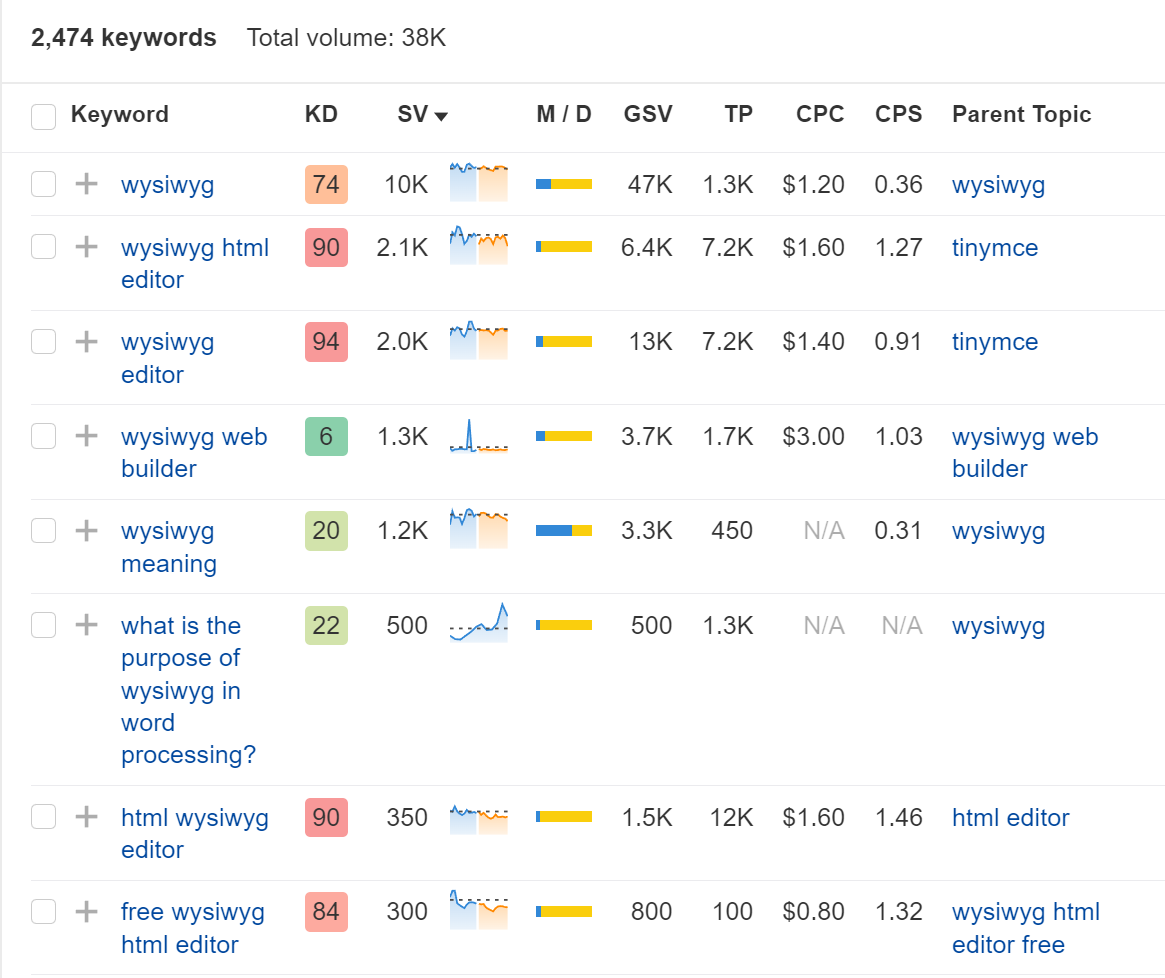
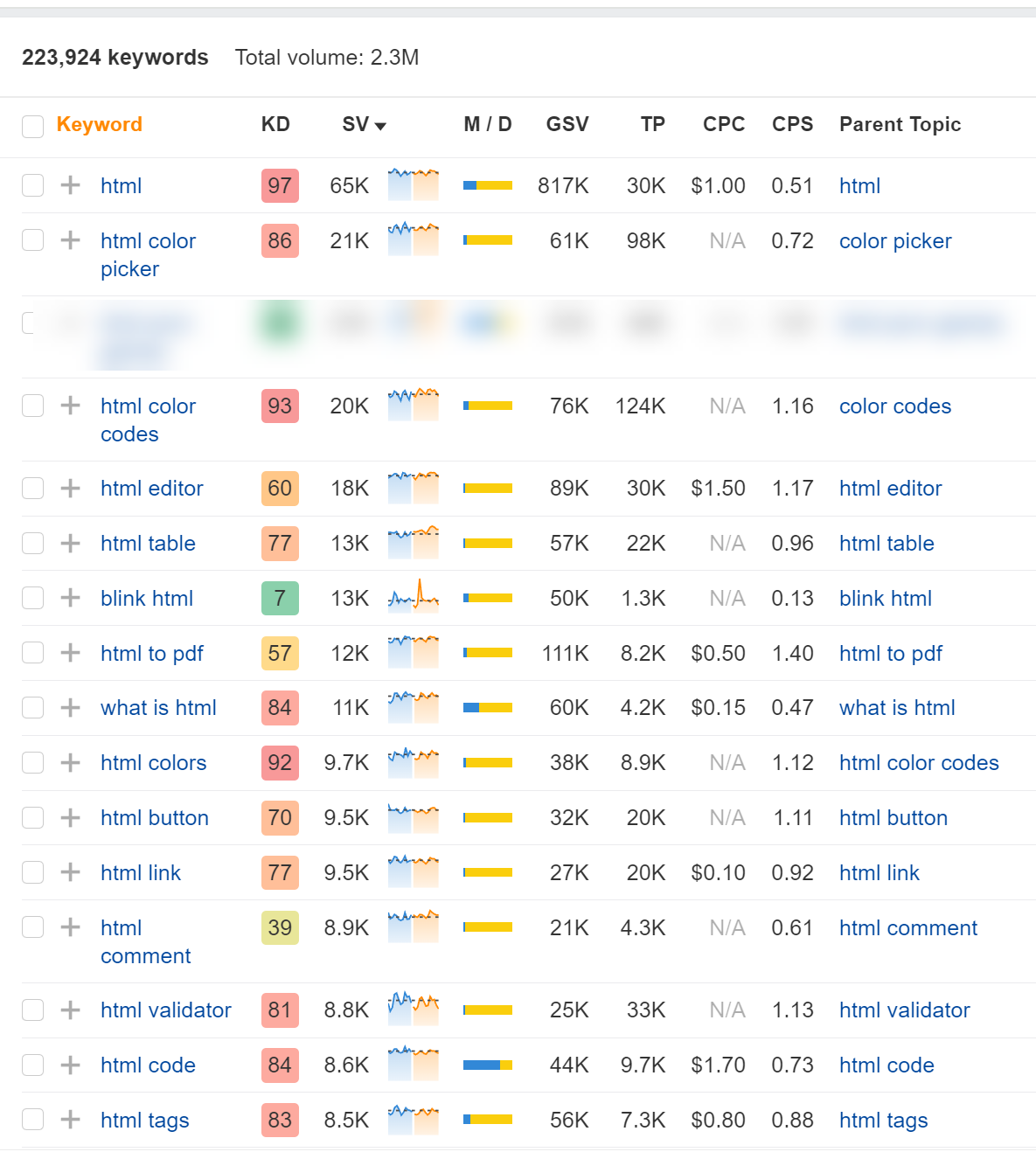
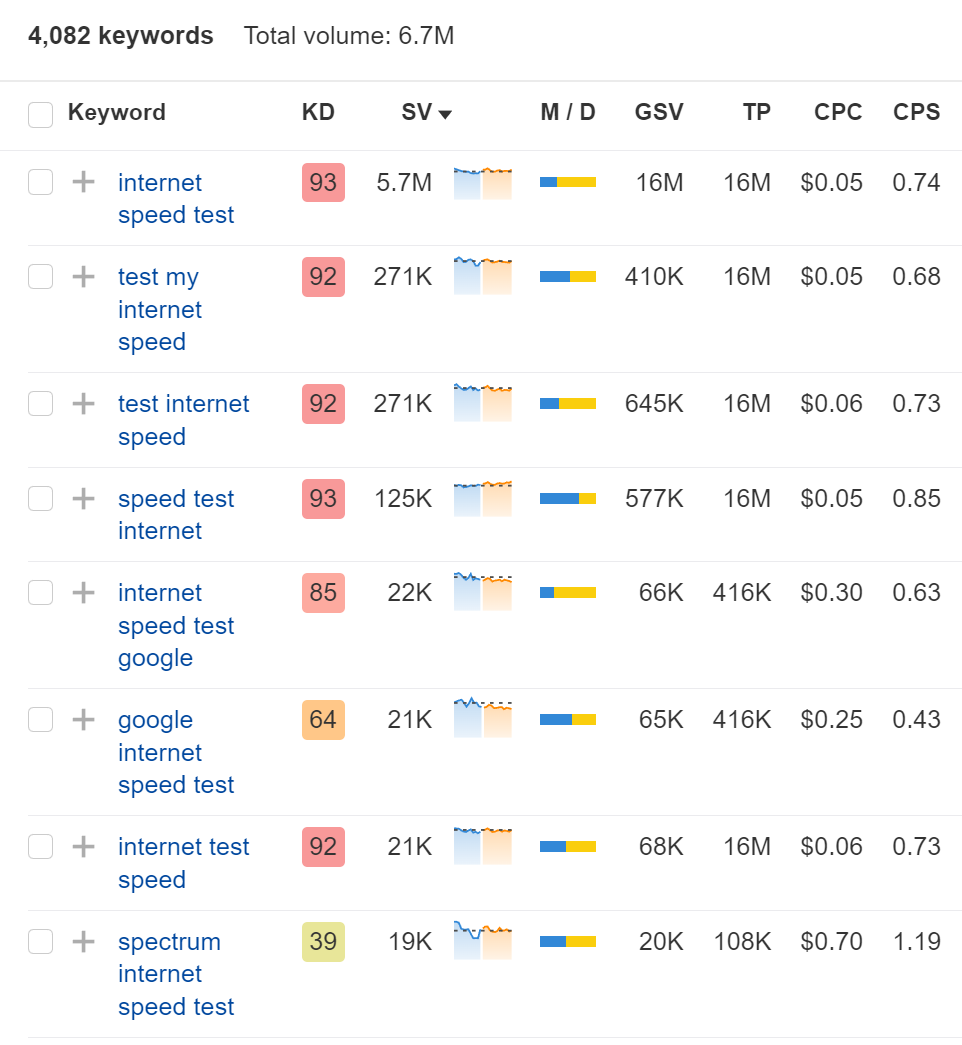
To rank your blog posts on Google, it’s crucial to choose relevant and profitable keywords. Proper keyword research helps ensure that your content targets specific terms people are searching for within your niche or affiliate offers. This way, you’ll be able to drive organic traffic to your website and increase revenue from ad clicks or product sales.

Importance of Keyword Research

A listing of carefully chosen keywords can help to concentrate on topics that are likely to rank highly in search engine results pages (SERPs). By crafting your content around certain terms, you can maximize the likelihood of drawing in potential customers who are looking for what you offer as an affiliate marketer.

Free Keyword Tools Available Online

  • Google Ads Keyword Planner: A popular tool provided by Google which gives insights into search volume trends and competition levels for various keywords related to your niche.
  • Ubersuggest: Developed by Neil Patel, this free tool provides comprehensive data about keyword difficulty scores, monthly search volumes, and other essential metrics needed for effective SEO strategies.
  • AnswerThePublic: A unique tool that generates a list of questions and phrases people search for based on your input keyword, helping you create content that addresses users’ needs directly.

By utilizing these free tools, you can identify the most relevant and profitable keywords to target in your AI-generated blog posts. In the next section, we’ll discuss how to create high-quality content with ChatGPT while ensuring it passes Grammarly checks and includes a human touch.

AI-crafted blog posts are becoming more commonplace, offering advantages such as cost savings and high quality output. By selecting the right keywords for your post, you can ensure that it is optimized to reach its target audience more effectively.

Key Takeaway: 

Artificial intelligence (AI) can help affiliate marketers create high-quality blog posts quickly and efficiently. ChatGPT is a user-friendly AI tool that generates versatile content, cuts costs, and saves time. By selecting the right keywords through proper research using free online tools like Google Ads Keyword Planner, Ubersuggest, and AnswerThePublic, affiliate marketers can optimize their articles around specific terms to attract potential customers interested in their niche or offers.

Selecting the Right Keywords

Choosing the right keywords is crucial when aiming to rank your blog posts on Google. Utilizing free keyword tools can help you find relevant and profitable terms that match your niche or affiliate offers. In this section, we’ll discuss the importance of keyword research and explore some popular free keyword tools available online.

Importance of Keyword Research

In order to succeed in affiliate marketing, it’s essential to target specific keywords that are both relevant to your content and have a high search volume with low competition. This will increase the likelihood of ranking higher on search engine results pages (SERPs) and driving organic traffic to your website.

By focusing on long-tail keywords, which are longer phrases with lower search volumes but less competition, you can improve your chances of reaching potential customers who are searching for exactly what you’re offering. These types of keywords typically convert better because they cater more specifically to user intent.

Free Keyword Tools Available Online

  1. Google Keyword Planner: A popular tool offered by Google Ads, it provides insights into monthly search volumes for various keywords as well as their competitiveness levels. You need an active Google Ads account to access this tool.
  2. Ubersuggest: Developed by Neil Patel, Ubersuggest is a comprehensive SEO tool that includes a powerful keyword research feature. It displays data such as search volume trends over time, cost-per-click (CPC), paid difficulty, and SEO difficulty.
  3. Wordtracker: This tool allows you to find keyword suggestions based on your seed keywords. It provides information like search volume, competition level, and related terms that can help you expand your list of target keywords.
  4. Answer the Public: A unique keyword research tool that generates a visual representation of questions people are asking around specific topics. This helps in identifying long-tail keywords and content ideas for blog posts.

Selecting the right keywords is an essential step towards achieving top search engine rankings quickly. By using these free tools, you’ll be able to identify profitable terms that match your niche or affiliate offers while also ensuring they have high relevance and low competition levels. Armed with this insight, you can begin crafting content that resonates strongly with your desired demographic.

Selecting the right keywords is essential for successful affiliate marketing, and with a bit of research you can find the best ones to target. AI can be utilized to generate content of a superior quality, which will help improve SEO and attract more visitors.

Creating High-Quality Content with AI

In the world of affiliate marketing, content is king. To stand out from the competition and rank high on search engines, you need to create valuable and engaging content that appeals to your target audience. With the help of artificial intelligence tools like ChatGPT, generating top-notch blog posts has never been easier or faster. In this section, we’ll explore how to use ChatGPT effectively by ensuring it passes Grammarly checks, has proper formatting, and includes a human touch.

Passing Grammarly Checks with AI-Generated Content

To ensure that your articles are error-free before publishing, consider using an editing tool such as Grammarly to quickly review the AI-generated content. One way to do this is by using an editing tool like Grammarly. Simply copy-paste your generated text into Grammarly’s editor and make any necessary corrections based on its suggestions.

Besides checking for grammar mistakes, also pay attention to readability scores provided by these tools as they indicate how easy-to-understand your article will be for readers.

Adding a Human Touch to Improve Quality

No matter how advanced AI becomes; there will always be room for improvement when it comes down to adding a personal touch in writing style or understanding context better than machines ever could alone . Therefore , take some time after generating content through ChatGPT (or similar platforms)to review each piece carefully . Make sure everything flows well together , add anecdotes where appropriate , tweak sentence structures if needed – anything which makes the final output feel more “human” while still maintaining high quality .

Include real-life stories or testimonials from people who have had success with SUVs designed for heavier individuals in your blog post. Similarly, when discussing visibility features in cars, consider sharing personal experiences that highlight the importance of these aspects.

Incorporating Relevant Links and Lists

To further enhance your content’s credibility and value , it’s essential to include relevant links within your articles . These can be references to authoritative sources like Consumer Reports, product reviews on popular websites , or even other blog posts related to the topic at hand . Be mindful not only about selecting appropriate anchor text but also ensuring each link opens up in a new tab/window so readers don’t lose their place while browsing through your site.

  • Relevant links: Include external resources that support claims made within your article (e.g., studies, statistics).
  • Listicles: Break down complex information into easily digestible lists – this format is particularly popular among online readers as it helps them quickly grasp key points without getting overwhelmed by large blocks of text.
  • Actionable tips: Offer practical advice based on specific topics covered throughout an article – e.g., “5 Tips for Choosing the Perfect SUV for Heavy People.”

By optimizing for user experience and relevance, search engine rankings can be improved.

Utilizing AI to generate top-notch content is an efficient way to conserve resources while delivering high-caliber results. Now, let’s explore utilizing off-page SEO approaches such as connecting and guest writing to improve the visibility of your content on search engines.

Ranking Your Content on Search Engines

Now that you’ve created 33 killer blog posts using AI within just an hour, it’s time to focus on getting them ranked on search engines like Google. By targeting low competition keywords and providing helpful information alongside calls-to-action, you’ll be able to climb up the search engine ranks quickly. In this section, we’ll discuss off-page SEO techniques such as backlinking and guest posting while also highlighting the importance of monitoring progress through analytics tools.

Off-Page SEO Techniques: Backlinking and Guest Posting

Backlinks, or inbound links from other websites pointing to your content, are crucial for improving your website’s authority in the eyes of search engines. High-quality backlinks are essential for increasing your search engine rankings, so creating content that others want to link to is key. To build a strong backlink profile:

  • Create valuable content that others want to link to naturally.
  • Reach out to industry influencers or bloggers who might find your content relevant and useful.
  • Participate in forums related to your niche by answering questions with insightful answers that include links back to relevant articles on your site.

In addition to building quality backlinks, consider guest posting. This involves writing articles for other websites within your niche while including a link back to yours. Not only does this help with acquiring more inbound links but also exposes new audiences who may become regular visitors or customers.

Monitoring Progress Through Analytics Tools

To ensure success in climbing up the search engine ranks, it’s essential to monitor your progress using analytics tools like Google Analytics or SEMrush. These platforms provide valuable insights into how well your content is performing in terms of organic traffic, bounce rate, and conversion rates.

By monitoring the analytics, you can spot areas for enhancement and make changes to your SEO strategy. For example:

  • If certain blog posts are not generating enough organic traffic despite having quality backlinks, consider optimizing their on-page elements such as title tags or meta descriptions.
  • If the bounce rate is high across multiple articles within a specific topic category, reevaluate the content’s relevance and usefulness to readers.
  • If conversions are low even with decent traffic levels, examine calls-to-action placement or design elements that might be hindering user experience.

Incorporating off-page SEO techniques like backlinking and guest posting while consistently monitoring progress through analytics tools will help you achieve higher rankings in search engines quickly. Remember that climbing up the ranks takes time; stay patient and persistent in refining your strategies based on data-driven insights.

Ranking your content on search engines is a key part of any successful affiliate marketing strategy, and monitoring progress through analytics tools can help you maximize the potential of each post. Monetizing your traffic requires careful consideration when it comes to choosing profitable niches and deciding which ads are most effective for generating revenue.

Monetizing Your Traffic

Now that you have successfully created and ranked your AI-generated blog posts, it’s time to monetize the organic traffic coming from search engines. By targeting high-paying niches and choosing the most effective ads, you can earn as much as $3-$4 per click on ad revenue. In this section, we’ll discuss strategies for selecting profitable niches and deciding which ads will bring in the highest returns.

Strategies for Choosing Profitable Niches

Finding a niche with high earning potential is crucial when aiming to make money through affiliate marketing. A good starting point is researching high-paying affiliate programs. These programs often have products or services that pay out generous commissions on each sale made through your referral link.

  • Analyze competition: Choose a niche with low competition but still has enough demand to generate substantial traffic. Use keyword research tools like Ahrefs Keyword Generator or Ubersuggest.
  • Evaluate profitability: Research average earnings per click (EPC) within your chosen niche using platforms like OfferVault, which provides insights into various offers’ EPC rates.
  • Determine audience interest: Gauge user engagement by checking social media groups, forums, and other online communities related to your chosen niche. This helps ensure there’s an active audience interested in the products or services you’re promoting.

Deciding Which Ads Are Most Effective

Once you have settled on a remunerative area of focus, it is essential to select the ads that will bring about the greatest outcomes for your website. Here are some tips to help you make the right decision:

  • Test different ad formats: Experiment with various ad formats like banners, text links, and native ads to determine which ones resonate best with your audience. You can use platforms like Google AdSense or Mediavine.
  • Analyze performance metrics: Track click-through rates (CTR), conversion rates, and earnings per thousand impressions (eCPM) using analytics tools such as Google Analytics. This data will help you optimize your ad placements and maximize revenue.
  • A/B testing: Test multiple versions of an ad by changing elements like headlines, images, or call-to-action buttons. Analyze the results to identify which version performs better in terms of engagement and conversions.

Incorporating these strategies into your affiliate marketing efforts will ensure that you’re maximizing revenue from organic traffic coming through search engines. By selecting high-paying niches and optimizing your ads effectively, making money online becomes more achievable than ever before.

Monetizing your traffic can be a lucrative move, yet it needs to be approached with forethought and preparation. With the right strategies in place, you can scale up your success by utilizing data-driven insights to maximize performance of published articles.

Key Takeaway: 

To monetize organic traffic from search engines, it’s important to target high-paying niches and choose effective ads that can earn up to $3-$4 per click. To select profitable niches, analyze competition, evaluate profitability and determine audience interest. And when deciding which ads are most effective, test different ad formats, analyze performance metrics and conduct A/B testing for optimal results in affiliate marketing efforts.

Scaling Up Your Success

Now that you have published a significant number of articles using AI-generated content, it is time to analyze their performance and scale up your success. By examining the themes that have brought success to your website, you can construct more particular material and further boost your search engine rankings. In this section, we will discuss how to evaluate the performance of your published articles and develop a data-driven content plan.

Evaluating the Performance of Published Articles

To determine which among your 50 published articles are performing well, start by monitoring key metrics such as organic traffic, click-through rates (CTR), average session duration, and bounce rate. You can use Google Analytics or other analytics tools to gather this information.

  • Organic Traffic: The number of visitors coming from search engines is an essential indicator of how well-optimized your content is for SEO purposes.
  • Click-Through Rates (CTR): A high CTR means users find your headlines engaging enough to click on them when they appear in search results.
  • Average Session Duration: This metric shows how long users stay on each page before leaving – longer durations suggest valuable and engaging content.
  • Bounce Rate: A low bounce rate indicates that users are finding what they are looking for on your site rather than quickly leaving after viewing only one page.

Analyzing these metrics will help you identify patterns in user behavior and preferences so you can optimize future blog posts accordingly. For example, if certain topics consistently generate higher organic traffic or lower bounce rates compared to others, it is a sign that your audience finds those topics more valuable and engaging.

Creating a Content Plan Based on Data-Driven Insights

Once you have identified the top-performing articles, use these insights to create a content plan focused on similar topics. This approach ensures that you are catering to your target audience’s interests while also improving your search engine rankings. Here are some steps to follow when creating a data-driven content plan:

  1. Analyze successful articles: Determine what makes them stand out from others – is it the topic, writing style, or format? Use this information as inspiration for future blog posts.
  2. Create new keyword lists: Research additional low competition keywords related to successful topics using free tools like Google Keyword Planner.
  3. Develop an editorial calendar: Schedule regular publishing of AI-generated blog posts targeting the newly researched keywords and focusing on proven successful themes.
  4. Promote your content strategically: Share new articles through social media channels, email marketing campaigns, and other relevant platforms where potential readers might be interested in learning about these specific subjects.

Taking advantage of data-driven insights will help you scale up your success by producing targeted AI-generated content that appeals directly to your audience. As you continue refining this process over time, watch as both traffic numbers and ad revenue grow exponentially.

Key Takeaway: 

To scale up your success in affiliate marketing with AI-generated content, evaluate the performance of published articles by monitoring key metrics such as organic traffic, CTR, average session duration and bounce rate. Use data-driven insights to create a content plan focused on similar topics that cater to your target audience’s interests while also improving search engine rankings.

FAQs in Relation to Ai Blog Post Seo

Is AI Content Good for SEO?

Yes, AI-generated content can be beneficial for SEO when used correctly. It helps create well-structured and informative articles that cater to search engine algorithms. However, it’s essential to review and edit the content to ensure its quality and relevance before publishing.

Can AI Write SEO Articles?

AI tools like ChatGPT can generate SEO-friendly articles by incorporating relevant keywords and optimizing readability. While these tools are efficient in creating drafts, human intervention is necessary to fine-tune the output for maximum effectiveness.

Should I Use AI to Write Blog Posts?

Using AI for writing blog posts can save time and effort while maintaining consistency in your content production. Just make sure you proofread, edit, and add a personal touch before publishing the final version of your post.

How Can AI Be Used in SEO?

AI plays a significant role in various aspects of SEO such as keyword research, competitor analysis, on-page optimization suggestions, using advanced analytics, generating meta tags or schema markup recommendations. Integrating these insights into your strategy enhances overall website performance.


Google Generative AI And The Future Of Search Marketing

NEW: Now You Can Get A High Ticket Niche with 10 Pieces OF
Killer AI Ranking Content 🙂 These Are Ranking
Like Crazy And The Content Is KILLER!

LIMITED TIME OFFER CLICK HERE FOR DETAILS!

AI SEO Disruption is transforming the way search engines operate and how digital marketers optimize their content. Businesses must modify their approaches to keep up with the progress of Google’s AI-driven technology. In this blog post, we will delve into the inner workings of generative AI within search engines and compare it with Bing’s chat GPT integration.

We will also discuss the impact on traditional search engine traffic by examining case studies that highlight decreased website traffic due to featured snippets. Furthermore, we’ll explore the history of algorithm updates affecting the SEO industry and identify notable changes such as Florida Update from 2004.

As we dive deeper into AI SEO Disruption, you’ll learn about challenges faced by businesses relying heavily on organic search traffic and alternative marketing channels available outside traditional means used primarily today. Lastly, we will provide insights on adapting your business model to stay ahead of trends and changes in technology while exploring innovative marketing channels beyond conventional SEO methods.

Table of Contents:

The Rise of Google’s Generative AI

Google’s generative AI has the potential to revolutionize SEO and cause a massive shift in the trillion-dollar industry. This advanced technology is designed to provide more accurate and relevant search results, which could lead to significant changes in how businesses approach SEO strategies. In this section, we’ll explore how generative AI works within the context of search engines and compare it with Bing’s chat GPT integration.

How Generative AI Works Within The Context Of Search Engines

Generative AI is an AI technology which, using existing data sets, can produce new content. These models learn from large amounts of information and use patterns they’ve identified to create unique outputs such as text or images. When applied to search engines like Google, generative AI can analyze user queries and generate highly relevant responses by understanding the intent behind each query better than traditional algorithms.

This technology has been implemented through BERT (Bidirectional Encoder Representations from Transformers), an open-source machine learning model developed by Google researchers for natural language processing tasks. BERT helps improve the accuracy of search results by considering both words’ meaning before and after them in a sentence rather than analyzing each word independently.

Comparing Google’s Generative AI With Bing’s Chat GPT Integration

Bing, another popular search engine owned by Microsoft, recently integrated OpenAI’s GPT-3 (Generative Pre-trained Transformer 3), one of the most powerful language models available today. Like BERT, GPT-3 excels at understanding human language and generating coherent responses. However, GPT-3’s primary focus is on conversational AI, making it ideal for chatbots and other interactive applications.

While both Google’s BERT and Bing’s GPT-3 integration aim to improve search results’ relevance, they serve different purposes within their respective platforms. BERT focuses on enhancing the overall understanding of user queries in Google Search, while GPT-3 helps provide more human-like interactions with users through Bing’s conversational features.

As generative AI continues to advance rapidly, we can expect even more significant improvements in search engine capabilities that will further impact SEO strategies for businesses worldwide. To remain competitive, stay informed on the latest AI advancements and regularly review your website analytics to adapt your SEO strategies accordingly.

  • Stay informed: Keep up-to-date with the latest developments in generative AI technology by following industry news sources like Search Engine Journal.
  • Analyze performance: Regularly review your website analytics data to identify any shifts or trends that may indicate changes due to advancements in search algorithms.
  • Focused content strategy: Create high-quality content that addresses specific user needs instead of relying solely on keyword optimization tactics. This will help establish your site as a valuable resource regardless of algorithm updates or technological advances.

In an ever-evolving digital landscape where advanced technologies like generative AI are reshaping traditional SEO practices, staying informed about emerging trends is crucial for maintaining a competitive edge online.

The rise of Google’s generative AI has caused a disruption in traditional search engine traffic and SEO, making it necessary to adapt business models accordingly. Moving forward, we will look at the impact this technology has had on website traffic and explore strategies for adapting your business model in response.

Key Takeaway: 

Google’s generative AI technology, powered by BERT, has the potential to revolutionize search engine optimization (SEO) and disrupt a trillion-dollar industry. Bing’s chat GPT integration also aims to improve relevance in search results but serves different purposes within their respective platforms. To stay ahead of these changes and ensure visibility in organic search results, businesses must understand how these technologies work and adapt their approach accordingly with focused content strategies and regular analysis of website analytics data.

The Impact on Traditional Search Engine Traffic

As Google continues to develop its generative AI, there are concerns that it may result in reduced web traffic for websites relying heavily on organic search rankings. With snippets and other features providing answers directly within the search results page, users may not need to click through as often. In this section, we will discuss some case study examples of decreased website traffic due to featured snippets and explore strategies for adapting your business model in response.

Case Study Examples of Decreased Website Traffic Due to Featured Snippets

Studies have revealed a decrease in CTRs when featured snippets appear on SERPs. For instance, Ahrefs conducted an analysis revealing that when no featured snippet was present, the top-ranking organic result received 26% of clicks. However, when a featured snippet appeared above the first organic listing, it captured 8.6% of clicks while reducing CTR for the top-ranked site down to just 19.6%. This demonstrates how businesses reliant on traditional SEO methods can experience significant drops in traffic due to these new SERP features.

Strategies for Adapting Your Business Model in Response

To stay ahead amidst these changes brought about by Google’s generative AI technology and evolving SERPs landscape with increased prominence given towards direct answer boxes like those seen today involving rich snippets or knowledge panels, companies must adapt their approach accordingly. Here are several suggestions worth considering:

  • Create high-quality content: Focus on producing valuable content that provides in-depth information and answers user queries effectively. This can increase the probability of being featured in a snippet as well as enhancing your chances of getting higher rankings.
  • Optimize for voice search: With the rise of voice assistants like Google Assistant, Siri, and Alexa, it’s essential to optimize your content for voice search by incorporating conversational language and long-tail keywords into your SEO strategy. Learn more about voice search optimization strategies.
  • Target featured snippets: Actively target featured snippets by structuring your content with headings, bullet points, tables, or numbered lists that make it easier for Google to extract relevant information. Check out this guide on how to find and target featured snippets.
  • Diversify traffic sources: Don’t rely solely on organic search traffic; explore other channels such as social media marketing, email marketing campaigns, or even paid advertising options like Google Adsense if necessary.

In conclusion, as AI-generated content, artificial intelligence, and machine learning continue to shape the SEO industry, it’s crucial for search marketers, content marketers, and content managers to stay up-to-date with the latest AI tools and techniques. By leveraging natural language processing, AI chatbots, and AI-powered tools, businesses can reach 1 million users with personalized content that Google understands and rewards with higher search rankings. However, it’s important to be mindful of inappropriate content and ensure that your AI strategy aligns with your brand’s values and resonates with potential customers.

The Impact on Traditional Search Engine Traffic has been significant, and companies must be prepared to adapt their business models in response. Examining the evolution of algorithm alterations which have impacted SEO is necessary to grasp the implications of these modifications.

Key Takeaway: 

Google’s generative AI technology and evolving SERPs landscape with increased prominence given towards direct answer boxes like those seen today involving rich snippets or knowledge panels, can result in reduced web traffic for websites relying heavily on organic search rankings. Companies must adapt their approach by creating high-quality content, optimizing for voice search, targeting featured snippets, and diversifying traffic sources to stay ahead amidst these changes brought about by Google’s generative AI technology.

History of Algorithm Updates Affecting SEO Industry

The sphere of SEO has been subject to a multitude of shifts over time, with giants such as Google continually altering their algorithms in order to offer users more accurate and pertinent outcomes. These updates have often had a significant impact on businesses relying heavily on traditional SEO methods such as keyword stuffing or low-quality content creation. In this section, we’ll explore some notable algorithm updates and their effects on companies dependent upon free organic traffic.

Notable Algorithm Updates Including Florida Update from 2004

The Florida Update, released by Google in November 2003, was one of the first major algorithm updates that shook up the SEO industry. This update targeted websites using manipulative tactics like keyword stuffing and hidden text to artificially boost rankings. Many businesses saw their website rankings plummet overnight due to these practices being penalized by Google’s new algorithm.

In April 2011, another significant update called Google Panda was introduced to combat low-quality content sites dominating search results pages. The Panda update focused primarily on evaluating site quality based on factors such as unique content, user experience, and trustworthiness – causing many poorly designed or spammy websites to lose ranking positions.

A few years later in April 2012 came the introduction of Google Penguin. This update aimed at identifying and penalizing sites engaging in unnatural link-building schemes designed solely for boosting search engine rankings rather than providing value for users.

Effects These Changes Had On Companies Dependent Upon Free Organic Traffic

With each algorithm update, businesses relying heavily on organic search traffic faced new challenges in maintaining their rankings and visibility. The Florida Update left many companies scrambling to revise their SEO strategies as they saw significant drops in ranking positions due to outdated tactics being penalized.

  • Florida Update: Many e-commerce websites that relied on keyword stuffing and other manipulative practices were hit hard by this update, resulting in a loss of valuable organic traffic.
  • Panda Update: Content farms and low-quality sites experienced massive declines in rankings, forcing them to either improve the quality of their content or face continued losses in organic search performance.
  • Penguin Update: Websites engaging in unnatural link-building schemes suffered penalties from Google’s Penguin update, leading some businesses to invest more resources into developing high-quality backlinks instead of pursuing shortcuts for quick gains.

The ongoing evolution of search engine algorithms has made it increasingly difficult for businesses dependent upon free organic traffic to maintain consistent growth without adapting their strategies accordingly. To remain competitive, it is essential to comprehend the implications these modifications may have on your business model and how to stay abreast of modern trends for ongoing success in a dynamic digital sphere.

The history of algorithm updates has been a disruptive force for many companies that relied on organic search traffic, forcing them to adjust their strategies and focus more heavily on alternative marketing channels. Despite the challenges faced by businesses relying heavily on organic search traffic, there are still opportunities available outside traditional means used primarily today.

Key Takeaway: 

Google’s algorithm updates have had a significant impact on the SEO industry, with businesses relying heavily on traditional methods being penalized. The Florida Update in 2003 targeted manipulative tactics like keyword stuffing and hidden text, while later updates focused on evaluating site quality based on factors such as unique content and trustworthiness. As search engine algorithms continue to evolve, it is crucial for businesses to adapt their strategies accordingly to maintain consistent growth.

Challenges Faced by Businesses Relying Heavily on Organic Search Traffic

The reliance many companies place upon free organic traffic generated via popular platforms such as Amazon.com leaves them vulnerable when faced with shifts in algorithmic preferences or technological advancements like those seen recently involving artificial intelligence-driven tools being utilized increasingly throughout this sector overall. Let’s take a closer look at some examples of companies affected by declining organic search performance and alternative marketing channels available outside traditional means used primarily today.

Examples of Companies Affected by Declining Organic Search Performance

  • E-commerce websites: With the rise of AI-powered search engines, e-commerce businesses that have relied heavily on SEO for driving sales may find it challenging to maintain their rankings. For example, Amazon sellers who once enjoyed top positions for specific keywords might see a drop in visibility due to changes in Google’s algorithms.
  • Blogging sites: Content creators who depend on organic traffic from search engines may also face challenges if they fail to adapt their strategies accordingly. Popular blogs that were once able to generate significant revenue through ads and affiliate marketing could experience reduced income as a result of decreased website visits.
  • Digital agencies: Agencies specializing in SEO services are not immune either. As artificial intelligence continues to disrupt the industry, these agencies will need to evolve and offer more innovative solutions beyond traditional keyword optimization techniques.

To mitigate these risks, businesses must explore other avenues for growth while staying up-to-date with emerging trends within the digital landscape.

Alternative Marketing Channels Available Outside Traditional Means Used Primarily Today

  1. Social media advertising: Platforms like Facebook, Instagram, and LinkedIn offer businesses the opportunity to reach their target audience through paid ads. By leveraging these channels, companies can diversify their marketing efforts and reduce dependency on organic search traffic.
  2. Email marketing: Building a robust email list allows businesses to engage with customers directly without relying solely on search engine rankings. A well-crafted email campaign can drive sales, increase brand awareness, and foster customer loyalty.
  3. Influencer partnerships: Collaborating with influencers in your industry can help expand your reach beyond traditional SEO methods. Influencers often have dedicated followings that trust their recommendations – making them an ideal channel for promoting products or services.
  4. Content marketing: Creating high-quality content remains essential even as artificial intelligence disrupts the SEO landscape. Focus on producing valuable articles, videos, podcasts, or other forms of content that resonate with your target audience while also optimizing for search engines where possible.

The key takeaway here is not to put all your eggs in one basket when it comes to digital marketing strategies. As Google’s generative AI continues its rise within the trillion-dollar SEO industry – staying ahead of trends by exploring alternative avenues will be crucial for sustained growth amidst ever-evolving technological advancements.

Organic search traffic is a powerful tool for businesses, but its effectiveness can be hindered by changes in technology. To stay ahead of the curve and continue to reap the benefits of organic search performance, it’s important to explore alternative marketing channels that leverage advancements in AI-driven technologies.

Key Takeaway: 

Businesses heavily relying on organic search traffic face challenges due to algorithmic preferences and AI-driven tools. To mitigate these risks, companies must explore alternative marketing channels like social media advertising, email marketing, influencer partnerships, and content marketing while staying up-to-date with emerging trends within the digital landscape. The key takeaway is not to put all your eggs in one basket when it comes to digital marketing strategies.

Adapting Your Business Model To Stay Ahead Of Trends And Changes In Technology

With Google’s generative AI threatening the trillion-dollar SEO industry, it is crucial for businesses to stay ahead of trends and adapt their strategies accordingly. By understanding how these changes may affect your business model, you can prepare for potential shifts in organic search traffic patterns while exploring new avenues that help maintain growth despite an ever-evolving digital landscape.

Identifying areas most likely affected by AI-driven advancements within search engines

To ensure your business remains competitive in this rapidly changing environment, start by identifying the aspects of your current strategy that are most vulnerable to disruption from AI-driven advancements. Some common areas include:

  • Keyword research: As generative AI becomes more sophisticated at understanding user intent and context, relying solely on traditional keyword research tools might not be enough. Consider incorporating semantic analysis or other advanced techniques into your process.
  • Content creation: High-quality content has always been a cornerstone of successful SEO campaigns; however, with advances like GPT-3 capable of generating human-like text automatically (source), it’s essential to create unique and engaging content that stands out from the competition.
  • User experience (UX): As search engines become smarter at evaluating websites based on UX factors such as page load speed and mobile-friendliness (source), optimizing these elements will play an increasingly important role in maintaining high rankings.

Exploring innovative marketing channels and tactics beyond traditional SEO methods

Adapting existing strategies to AI-driven changes is essential, but don’t forget to explore new marketing channels and tactics that can keep you ahead of the curve. Some ideas include:

  • Video marketing: With platforms like YouTube becoming increasingly popular search engines in their own right (source), investing in video content creation can be a valuable way to diversify your traffic sources.
  • Influencer partnerships: Collaborating with influencers relevant to your niche is an excellent way to tap into their established audiences while building brand awareness and credibility. This approach can drive targeted traffic without relying solely on organic search rankings.
  • Email marketing: Despite being one of the oldest digital marketing channels, email remains highly effective at driving engagement and conversions (source). By growing your subscriber list through lead magnets or other opt-in incentives, you can maintain direct communication with potential customers regardless of fluctuations in search engine algorithms.
  • Social media advertising: Platforms such as Facebook, Instagram, LinkedIn, and Twitter offer robust targeting options for paid ads that allow businesses to reach specific demographics based on interests or behaviors. This method enables more precise control over who sees your content compared with organic search results alone.

The key takeaway here is not only adapting but also embracing change as an opportunity for growth. As Google’s generative AI continues its development trajectory within the realm of SEO disruption, staying informed about these advancements and adjusting your strategies accordingly will be crucial for maintaining a competitive edge in the digital landscape.

Key Takeaway: 

To stay ahead of the game in affiliate marketing, businesses need to adapt their strategies and prepare for potential shifts in organic search traffic patterns. Identifying areas vulnerable to disruption from AI-driven advancements within search engines such as keyword research, content creation, and user experience is crucial while exploring new avenues like video marketing, influencer partnerships, email marketing or social media advertising can help diversify traffic sources.

FAQs in Relation to Ai Seo Disruption

How Will AI Affect SEO?

Artificial intelligence (AI) will impact SEO by improving search engines’ understanding of user intent, providing more accurate results, and increasing the importance of high-quality content. This may lead to a shift in focus from traditional keyword optimization towards creating valuable content that satisfies users’ needs. Learn more about AI’s influence on SEO here.

Is AI-Generated Content Bad for SEO?

AI-generated content can be both beneficial and detrimental for SEO. High-quality AI-generated content can improve rankings if it provides value to users and meets their search intent. However, low-quality or irrelevant AI-generated content may harm your site’s performance in search engine results pages (SERPs). Discover how to use AI effectively in your content strategy.

Will AI Replace SEO?

AI won’t entirely replace SEO but will evolve as a result of advancements in AI technology. As search engines become smarter with the help of machine learning algorithms, businesses must adapt their strategies accordingly. The future of SEO will likely involve greater collaboration between human expertise and powerful tools powered by artificial intelligence.

How Will AI Affect Content SEO Strategies in 2023?

In 2023, expect an increased emphasis on producing high-quality, relevant, and engaging long-form articles that address user intent comprehensively while also focusing on semantic analysis rather than just keywords alone. Learn more about the future of content SEO strategies here.

how to make money on facebook reels and memes

Join Tomorrows Meme Profits Training Here

Making money memes has become a popular and lucrative avenue for content creators in today’s internet culture. With the rise of social media platforms, meme accounts have gained significant traction, providing opportunities to earn money through various monetization strategies. In this blog post, we’ll look into the journey from plumbing to monetizing memes on TikTok and Facebook Reels Bonus Program for maximum earnings.

We’ll discuss the journey from plumbing to meme-sharing success on TikTok, highlighting the potential of reactions as a source of income. Additionally, we will delve into Facebook Reels Bonus Program and its impact on maximizing earnings while building engagement using business pages. Choosing the right niche is essential for meme sharing success; hence we’ll cover examples of different niches that are ideal for creating original memes.

Community support plays a vital role in monetizing engagement; therefore, we will examine collaboration among creators and increasing reach through mutual assistance. Furthermore, diversifying content types by mixing memes with silent videos can boost your online presence – our blog post provides successful examples to inspire your own creations. Finally, adapting to monetization challenges and opportunities is crucial for long-term growth; learn how overcoming obstacles and leveraging lessons learned can pave your way towards financial success in making money memes.

Table of Contents:

The Journey to Making Money with Memes

Leonard’s journey started when he was a plumber, taking care of his seven kids and constantly grinding. His oldest son suggested trying TikTok, where he began reacting to creators’ content. Eventually, this led him into Facebook’s monetization program and earning money for sharing memes on the platform.

Transition from Plumbing to Meme-Sharing

When Leonard first started exploring TikTok as a way to make money, he never imagined that it would lead him down the path of creating and sharing popular memes. As his account grew in popularity, Leonard realized that there was potential for making significant income by leveraging internet culture through meme-sharing on social media platforms like Facebook.

Discovering Potential in TikTok Reactions

TikTok reactions are short videos created by users who respond or react to other people’s content on the platform. This format allowed Leonard not only to showcase his personality but also engage with others while building an audience interested in his unique take on various topics. By focusing on original meme content creation and collaborating with other creators within the community, Leonard soon found himself being approached by Facebook for their new monetization program.

  • Create memes: Originality is key when it comes to making money from your meme account; focus on producing high-quality content that resonates with your target audience.
  • Social media engagement: Interact regularly with followers and fellow creators alike – this will help boost your profile visibility across different platforms while fostering valuable connections within the industry.
  • Meme niches: Choose a specific niche or theme for your meme content to ensure that it appeals to a particular audience, increasing the likelihood of engagement and shares.

Once Leonard began implementing these strategies, he saw his online presence grow exponentially. As more people discovered his memes and started following him on social media platforms like Facebook and TikTok, Leonard was able to start making money through various monetization programs offered by these platforms. By consistently producing engaging content that resonated with his audience while also collaborating with other creators within the community, Leonard quickly found himself earning a significant income from sharing memes online – something he never thought possible when first starting out as a plumber.

In today’s digital age where internet culture is constantly evolving, there are countless opportunities for individuals looking to make money by creating original content such as memes or silent videos. To stay ahead of the game, it’s vital to keep up with developments and take advantage of novel trends on networks like Facebook or TikTok – whether you’re just starting out or already have an established presence.

The voyage of monetizing memes has been a lengthy and gratifying experience, demonstrating that ingenuity can be capitalized on in unforeseen ways. Now let’s take it up a notch by exploring the Facebook Reels Bonus Program for even more potential earnings.

Key Takeaway: 

Leonard, a plumber with seven kids, transitioned from reacting to TikTok content to creating and sharing memes on Facebook. By focusing on original meme creation, engaging with followers and fellow creators, choosing a specific niche or theme for his content, Leonard was able to join Facebook’s monetization program and earn significant income through various social media platforms. The key takeaway is that anyone can turn their passion for making memes into a profitable venture by staying ahead of trends and adapting quickly while consistently producing high-quality content that resonates with their target audience.

Facebook Reels Bonus Program

Once Leonard discovered the potential of making money with memes, he dove headfirst into the Facebook Reels bonus program. This program rewards creators for sharing engaging content on their platform. By maximizing his efforts and consistently posting entertaining reels, Leonard was able to reach an impressive income of $35,000 per month just by sharing memes. He made a staggering sum in one month that surpasses the amount many individuals make in an entire year.

Maximizing Earnings Through Facebook Reels

To achieve this level of success, it’s essential to understand how the Facebook Reels bonus program works. The amount you can earn is based on several factors such as engagement rates (likes, comments), shares and overall views your reels receive. For maximum returns, like Leonard’s, generate appealing meme material that your viewers will relate to and interact with.

  • Create original content: Stand out from other creators by developing unique memes or putting a fresh spin on popular trends.
  • Publish frequently: Keep up a consistent posting schedule so followers have something new to look forward to regularly.
  • Analyze performance: Monitor which types of posts generate the most engagement and adjust your strategy accordingly.

Building Engagement Using Business Pages

In addition to focusing on quality content creation for his personal profile page where he shared TikTok reactions initially, Leonard also leveraged business pages within Facebook’s ecosystem. Creating a dedicated business page allows you greater control over branding elements while providing access to tools that can help boost your content’s visibility and reach. Some of these tools include:

  • Insights: Gain valuable data on how your posts are performing, which helps you make informed decisions about future content.
  • Scheduling: Plan out and schedule posts in advance to maintain a consistent posting cadence.
  • Promotions: Utilize Facebook’s advertising platform to increase the exposure of specific reels or memes, potentially leading to higher engagement rates and earnings through the bonus program.

To sum it up, Leonard’s success with making money from memes on Facebook was no accident – he strategically utilized the Reels bonus program by focusing on creating engaging content while also leveraging business pages for increased reach. By following his example and applying these tips to your own meme-sharing efforts, you too could see impressive results.

The Facebook Reels Bonus Program can be an excellent way to increase your earnings, as long as you are mindful of the niche that you choose. Moving on, let’s explore how to select a suitable niche for meme sharing success.

Key Takeaway: 

Leonard made $35,000 per month by sharing memes on Facebook through the Reels bonus program. To maximize earnings, creators should focus on creating high-quality and original content that resonates with their audience while leveraging business pages for increased reach and visibility. Analyzing performance data and utilizing scheduling tools can also help maintain a consistent posting schedule.

Choosing the Right Niche for Meme Sharing Success

To be successful in making money with memes on social media platforms like Facebook or TikTok, you need to focus on what matters most – finding your niche. By sticking within a specific category that genuinely interests you and is relevant for your audience, you can help boost engagement rates leading towards higher profits over time.

Importance of Selecting an Appropriate Niche

Choosing the correct niche is paramount as it permits you to fabricate material that strikes a chord with a particular crowd of individuals who have comparable interests. This targeted approach ensures that your memes are more likely to gain traction among users who will engage with them by liking, commenting, and sharing – all actions that contribute towards monetization through various programs offered by platforms such as Facebook Reels Bonus Program.

Selecting an appropriate niche also helps establish yourself as an authority figure within the community. As people begin recognizing your name and associating it with quality content related to their interest area, they’ll be more inclined to follow and support your work consistently.

Examples of Different Niches for Meme Sharing

  • Gaming: Memes about popular video games or gaming culture can attract passionate gamers looking for humor related to their favorite pastime. Check out this hilarious meme page dedicated solely to gamers doing stuff.
  • Fitness: Fitness enthusiasts often enjoy humorous takes on workout routines, gym fails, or motivational quotes turned into memes. Here’s a great example from the fitness meme page Gym Memes Official.
  • Travel: Travel-related memes can appeal to those who love exploring new places or simply daydreaming about their next adventure. This popular travel meme account, Travel Memes Official, is a perfect example.
  • Movies and TV Shows: Fans of specific movies or television series often enjoy seeing content that references their favorite characters, scenes, or quotes in the form of memes. Take a look at this dedicated Friends TV show meme account.
  • Pets and Animals: Animal lovers are always eager to see funny pet photos and videos turned into shareable memes. Check out this adorable animal-themed meme page called Animals Doing Things.

In conclusion, finding your niche is an essential step towards making money with memes on social media platforms like Facebook and TikTok. By focusing on what genuinely interests you while also being relevant for your target audience, you’ll be able to create engaging content that drives higher engagement rates – ultimately leading to increased monetization opportunities.

By choosing the right niche for meme sharing, creators can increase their reach and monetize engagement through community support. By collaborating with other creators, they can maximize their potential to make money from memes.

Key Takeaway: 

To make money with memes on social media, it’s important to find a niche that interests you and resonates with your audience. This targeted approach can increase engagement rates and establish yourself as an authority figure within the community. Popular niches include gaming, fitness, travel, movies/TV shows, and pets/animals.

Monetizing Engagement Through Community Support

In the world of meme-sharing, one key aspect that can significantly boost your earnings is building a strong and supportive community. When multiple creators share each other’s content (memes), they both get paid for every share as well as likes and comments received on their posts. This creates a supportive community where everyone benefits from increased exposure while also getting rewarded financially via monetization programs offered by platforms such as Facebook.

The Power of Collaboration Among Creators

Collaboration among creators is essential in fostering an environment where all parties involved benefit from sharing each other’s work. By working together, you not only increase your reach but also create opportunities to learn new strategies and techniques from fellow creators who have different perspectives and experiences within the same niche. For example, if you are part of a group focused on creating memes about video games, collaborating with others in this space will help you discover fresh ideas or even inspire new ways to approach your content creation process.

Increasing Reach Through Mutual Support

  • Cross-promotion: Sharing another creator’s meme on your page exposes it to an entirely new audience that may not be familiar with their work yet. This increases the chances of gaining more followers for both parties involved.
  • Mentions & shoutouts: Giving credit or mentioning fellow creators when using their ideas or inspiration can foster goodwill among peers while potentially attracting more fans interested in similar content.
  • User-generated content: Encouraging users to submit their own memes related to your niche can lead to higher engagement rates and greater visibility for everyone involved. Giving users the chance to participate and witness their work being featured can help foster a feeling of community amongst your fans.

By actively supporting one another in sharing content and promoting each other’s pages, creators can significantly increase their reach on social media platforms like Facebook or TikTok. As more people engage with your memes through likes, comments, and shares, you’ll have greater opportunities to monetize this engagement through programs such as Facebook Reels Bonus Program.

Staying abreast of the most recent developments in social media algorithms can help creators maximize their reach and monetization potential. For example, understanding how hashtags work on different platforms can help improve visibility for both you and fellow creators within your network.

To sum up, fostering a strong sense of community support among meme-sharing creators not only benefits everyone involved but also increases overall engagement rates leading towards higher profits over time. By collaborating effectively and leveraging mutual support strategies like cross-promotion or user-generated content submissions from fans interested in similar niches – you’ll be well on your way toward making money online through sharing memes.

By leveraging the power of collaboration among creators, affiliate marketers can increase their reach and monetize engagement through community support. Additionally, diversifying content types with memes and silent videos provides an opportunity to mix different formats for increased success in reaching potential customers.

Key Takeaway: 

To make money through meme-sharing, it’s important to build a supportive community and collaborate with other creators. Cross-promotion, mentions, shoutouts, and user-generated content can all help increase reach on social media platforms like Facebook or TikTok. By leveraging these strategies and staying up-to-date with the latest trends in social media algorithms, creators can monetize engagement over time.

Diversifying Content Types – Memes & Silent Videos

Leonard expanded his repertoire by adding silent videos to the mix, ultimately leading to a remarkable $77,000 in revenue during his peak month. By diversifying his content types and incorporating silent videos into his social media strategy, he managed to increase his earnings even further. In fact, by combining memes and silent videos, Leonard earned an impressive $77,000 in his best month. This goes to show that mixing different content formats can lead to greater reach and monetization opportunities on platforms like Facebook or TikTok.

Benefits of Mixing Different Content Formats

  • Variety: Offering a mix of content types keeps your audience engaged and interested in what you have to share.
  • Better Reach: Some users may prefer one type of content over another (e.g., memes vs. silent videos), so providing both increases the chances that your posts will resonate with more people.
  • Innovative Opportunities: Experimenting with various formats allows you to discover new ways of presenting information or entertaining your followers – which could lead to viral success.
  • Maintaining Relevance: As social media trends evolve, it’s essential for creators like yourself to not only adapt but also stay ahead by continuously exploring fresh ideas within their niche.

Examples of Successful Meme-Silent Video Combinations

To make the most out of this diversified approach towards creating engaging online content while maximizing earning potential through affiliate marketing programs such as Facebook Reels Bonus Program, here are some examples worth considering when planning your next meme-silent video combination:

  1. Reaction Videos: Pair a meme with a silent reaction video, where you express your thoughts or feelings about the meme without using any words. This could be a fun way to draw in viewers and have them leave their own responses.
  2. Before-and-After Transformations: Use memes as “before” images and follow up with silent videos showcasing impressive transformations – whether it’s home renovations, fitness journeys, or makeup tutorials.
  3. Educational Content: Share informative memes on specific topics within your niche (e.g., finance tips), then create accompanying silent videos that provide more in-depth explanations or demonstrations of those concepts.

Incorporating different content formats like memes and silent videos into your social media strategy not only keeps things fresh for your audience but also opens up new avenues for monetization. By staying adaptable and innovative, you’ll increase engagement rates while maximizing earning potential through affiliate marketing programs offered by platforms like Facebook or TikTok.

Diversifying content types, such as memes and silent videos, can be a great way to reach new audiences while still providing valuable information. With the right strategies in place, adapting to monetization challenges and opportunities can help you maximize your affiliate marketing potential.

Key Takeaway: 

Diversifying content types, such as memes and silent videos, can lead to greater reach and monetization opportunities in affiliate marketing. Mixing different formats keeps the audience engaged, provides better reach, innovative opportunities and maintains relevance. By incorporating various content formats into social media strategy creators can increase engagement rates while maximizing earning potential through affiliate marketing programs offered by platforms like Facebook or TikTok.

Adapting to Monetization Challenges & Opportunities

As with any online venture, the world of making money through sharing memes and other engaging content on social media platforms like Facebook or TikTok can be unpredictable. Monetization policies may change, algorithms might shift, and audience preferences can evolve. Staying afloat in this realm requires being able to adjust and learn from one’s experiences.

Overcoming obstacles in the world of online monetization

The first step towards overcoming monetization challenges is staying informed about platform updates and policy changes. Regularly checking official blogs such as Facebook’s Newsroom, TikTok’s Newsroom, or joining creator communities where fellow users share their experiences will help you stay up-to-date with relevant information.

Besides keeping yourself informed, experimenting with different content types within your niche will enable you to discover what works best for both engagement rates and revenue generation. For instance, if a particular meme format becomes less popular over time or fails to generate sufficient income anymore due to algorithm changes, try exploring alternative formats while still catering to your target audience’s interests.

Leveraging lessons learned for future success

To make the most out of every challenge faced along the journey of making money by sharing memes on social media platforms like Facebook or TikTok:

  • Analyze past successes: Identify patterns in your top-performing posts (e.g., specific themes or formats) that resonated well with audiences so you can replicate these strategies in future content.
  • Learn from failures: Reflect on underperforming posts to understand what went wrong and avoid making the same mistakes again. For example, did you choose a meme format that was already overused or fail to engage your audience with an appropriate call-to-action?
  • Monitor industry trends: Stay ahead of the curve by keeping an eye on emerging trends within your niche and adapting your content strategy accordingly. This will help ensure continued relevance among your target audience while also providing fresh opportunities for monetization.

In addition to these tactics, it’s essential not to put all your eggs in one basket when it comes to online monetization. Diversifying income streams is crucial for long-term success as relying solely on one platform or revenue source can be risky if policies change or audiences lose interest. Consider exploring other platforms like YouTube, affiliate marketing programs such as Amazon Associates, or even creating digital products related to your niche (e.g., eBooks).

The key takeaway here is that making money through sharing memes requires adaptability and resilience in the face of challenges and uncertainties inherent in the world of online monetization. By staying informed about platform updates, experimenting with different content types within your niche, learning from past successes and failures, monitoring industry trends, and diversifying income sources – you’ll be well-equipped for ongoing success.

Key Takeaway: 

To make money through sharing memes on social media, it’s important to stay informed about platform updates and policy changes, experiment with different content types within your niche, learn from past successes and failures, monitor industry trends, and diversify income sources. Adapting to challenges is crucial for long-term success in the world of online monetization. Remember not to put all your eggs in one basket.

FAQs in Relation to Making Money Memes

Can You Make Money Making Memes?

Yes, it is possible to make money creating and sharing memes. Various platforms like Facebook Reels, TikTok, and Instagram offer monetization opportunities for creators with engaging content. Additionally, meme creators can earn through sponsored posts or by selling merchandise related to their niche.

How Much Money Can You Make from Memes?

The amount of money one can make from memes varies depending on factors such as platform, audience size, engagement rate, and monetization strategy. Successful meme creators have been known to earn anywhere from a few hundred dollars per month up to six-figure incomes annually.

Does Yepp Actually Pay?

Yepp is an app that claims to pay users for posting funny videos and images; however, there are mixed reviews about its legitimacy. It’s essential to research any platform before investing time into creating content for potential earnings.

What App Pays You for Memes?

There isn’t a specific app dedicated solely to paying users for creating memes; however, various social media platforms like Facebook Reels and TikTok provide monetization options if your content gains significant traction. Building an engaged following on these platforms could lead to earning opportunities through ad revenue or sponsored collaborations.

Create And Sell ChatGPT Prompts Side Hustle

AI prompts are automated content generated by AI chatbots and are typically sold as a service. They come in various forms such as text, audio, and video, and serve as conversation starters or questions for users to respond to.

Here are 25 AI prompt marketplaces where you can sell your ChatGPT prompts:

  1. PromptBase: Offers a wide selection of prompts and customizable options for creating and selling ChatGPT prompts.
  2. PromptAttack: Provides prompts for sale and offers analytics data to track prompt performance.
  3. Prompt Sea: An AI prompt marketplace with a range of general and niche-specific prompts.
  4. Promptsideas.com: A platform specifically designed for selling AI prompts, with a searchable database of prompt ideas.
  5. Open AI’s GPT-3 Playground: A platform for creating, sharing, and selling AI prompts to other enthusiasts.
  6. AI Dungeon Marketplace: Offers a variety of prompts for AI-generated content.
  7. Creative AI: Specializes in AI-generated art and offers prompts for sale.
  8. Hugging Face: Specializes in NLP models and offers prompts including single-question, multiple-choice, and text answers.
  9. The AI Economist: A platform for buying and selling AI-generated economic models.
  10. ChatX: Offers prompts for various fields such as writing, logo development, and interior design.
  11. PromptHero: Provides various tools for creating, customizing, and selling AI-generated content.
  12. Lexica Art: An AI-powered marketplace for creating and selling digital artwork.
  13. Art hub.ai: Offers tools to create, customize, and sell AI-generated artwork.
  14. Neutron Field: Allows creators to sell AI-generated art, music, and writing.
  15. Etsy: A platform for buying and selling AI-generated art.
  16. Visualise.ai: Offers prompts for creating visual content for various AI models.
  17. Chatsonic Prompt Library: Provides AI-generated prompts for creating content.
  18. AIPRM: Helps marketers, sales professionals, and others create AI-generated content.
  19. FlowGPT: A free platform for generating AI-generated prompts.
  20. Prompt Flat: Offers thousands of AI-generated prompts for various applications.
  21. Gumroad: A platform for creating and selling AI-generated prompts.
  22. PromptOutlet: A growing AI-powered marketplace for creating and selling prompts.
  23. Promptvault.io: An AI-powered marketplace for automated content creation.
  24. PromptUnity: A platform used by content creators to create and sell AI-generated prompts.
  25. The Prompt Market: An AI-powered marketplace for creating and selling prompts.

To sell your ChatGPT prompts effectively, follow these steps:

  1. Identify your target market and understand the types of prompts that sell well in that market.
  2. Create high-quality and relevant prompts that are easy for users to understand.
  3. Determine the pricing strategy for your prompts and consider offering package deals.
  4. Promote your prompts through social media platforms and consider running online ads.
  5. Utilize AI prompt marketplaces to reach a wider audience.
  6. Monitor your sales and make adjustments to optimize your prompt selection.


Unlock ChatGpt To Make You Money

Click Here To Join The Ai Class – Its Amazing :o)

AI-Powered Copywriting Strategies have revolutionized the way we create and optimize written content for businesses. By leveraging AI, businesses can now create written content that is tailored to their target audience quickly and efficiently.

In this blog post, you’ll learn how to harness the power of ChatGPT for profit by utilizing ClickBank and crafting compelling ad copy inspired by marketing legends like Dan Kennedy, Gary Halbert, and bencivenga. We will explore techniques such as sales-driven language, fact-based persuasion tactics, structured messaging approaches like bullet points technique to overcome writer’s block and maximize engagement.

Furthermore, we’ll delve into capitalizing on niche markets using examples like Nano Towels to demonstrate short yet powerful ads that incorporate neuro-linguistic programming. Finally, discover the impact AI-powered copywriting strategies are having in ad agencies through data analysis for targeted messaging and uncover future trends in AI-driven content creation.

Table of Contents:

Leveraging ChatGPT for Profit

As an affiliate marketer, you can use ChatGPT’s AI technology to craft compelling content quickly and maximize your profits. One of the most powerful tools available today is ChatGPT, an AI technology that can help you generate persuasive content in no time. In this section, we’ll discuss how to harness the power of ChatGPT effectively, potentially leading you towards financial success in your online endeavors.

Utilizing ClickBank with ChatGPT for Increased Income

ClickBank is a popular platform where affiliates can promote various products and earn commissions on each sale they make. Combining the power of ClickBank with ChatGPT’s advanced capabilities allows you to craft compelling ad copy tailored specifically to your audience’s needs and interests. This targeted approach increases the likelihood of conversions, resulting in higher income from your campaigns.

Crafting Compelling Ad Copy Inspired by Marketing Legends

To truly leverage ChatGPT’s potential, it helps to study marketing legends like Dan Kennedy or Gary Halbert who have mastered the art of persuasion through their wordsmithing skills. By understanding their techniques and incorporating them into your AI-generated content, you can create high-converting ads that resonate with audiences across different niches.

  • Dan Kennedy: Known for his focus on sales-driven language and direct response marketing tactics.
  • Gary Halbert: Renowned for fact-based persuasion strategies that engage readers emotionally while presenting logical arguments supporting product benefits.

In addition to studying these masters’ methods, it’s crucial to continually refine your ad copy based on performance data. ChatGPT can help you analyze and optimize your content, ensuring that each iteration of your ads becomes more effective at driving conversions.

As an example, let’s say you’re promoting a weight loss product from ClickBank. Instead of writing generic sales copy like “Lose Weight Fast,” use ChatGPT to craft a more persuasive message such as “Discover the Proven Method That Has Helped Thousands Shed Unwanted Pounds – Without Starving Themselves or Spending Hours in the Gym.” This approach not only piques readers’ interest but also establishes credibility by citing specific benefits backed by evidence.

To further enhance your ad copy, consider incorporating neuro-linguistic programming (NLP) techniques that have been proven to influence decision-making processes effectively. By using language patterns designed to appeal directly to readers’ subconscious minds, you can increase the likelihood of them taking action and purchasing through your affiliate links.

In conclusion, AI-powered copywriting tools like ChatGPT can help affiliate marketers overcome writer’s block and produce high-quality content that resonates with their target audience. By utilizing AI technology, marketers can generate copy that is optimized for search engines and tailored to their audience’s needs and interests. With the help of ChatGPT and other AI writing tools, affiliate marketers can create great copy that drives conversions and increases their income.

Leveraging ChatGPT for Profit can be a great way to increase your income, but it is important to remember that the quality of the copy you produce must still meet certain standards. By rewriting ads in line with Dan Kennedy’s methods, we can create compelling and highly effective ad copy.

Key Takeaway: 

Affiliate marketers can use ChatGPT, an AI technology that generates persuasive content quickly, to improve their sales copy and create more profitable ads. By combining the power of ClickBank with ChatGPT’s advanced capabilities, marketers can craft compelling ad copy tailored specifically to their audience’s needs and interests. To further enhance ad copy, incorporating neuro-linguistic programming techniques designed to appeal directly to readers’ subconscious minds can increase the likelihood of conversions.

Rewriting Ads like Dan Kennedy

Mastering the art of rewriting ads in the style of renowned marketer Dan Kennedy can significantly impact your conversion rates and potentially increase revenue from various campaigns. By leveraging ChatGPT, you can create persuasive ad copy that effectively captures the essence of Dan’s marketing techniques.

The Importance of Focusing on Sales-Driven Language

Dan Kennedy is known for his sales-driven language, which focuses on creating a sense of urgency and tapping into consumers’ emotions. To rewrite ads like him using ChatGPT, ensure that your content highlights benefits rather than features while emphasizing time-sensitive offers or exclusive deals. This approach helps motivate potential customers to take action immediately.

Examples of Transforming Ordinary Ads into High-Converting Ones

  1. Average Ad: “Our new software will help you organize your files better.”Dan Kennedy Style: “Discover how our revolutionary software instantly declutters your digital life – try it risk-free for 30 days.”
  2. Average Ad: “Get professional tax services at affordable prices.”Dan Kennedy Style: “Slash thousands off your taxes with expert advice – limited slots available, book now.”
  3. Average Ad: “Join our fitness program to lose weight and get in shape.”Dan Kennedy Style: “Transform your body in just weeks with our proven fitness system – claim one week free trial today. “

To achieve similar results when using AI-powered tools like ChatGPT, focus on incorporating strong calls-to-action (CTAs), urgency, and emotional triggers. By doing so, you can create compelling ads that drive higher conversion rates.

For instance, when working with ChatGPT to rewrite an ad for a weight loss program, instead of using generic phrases like “Lose weight fast,” try something more specific and engaging such as “Melt away stubborn belly fat in just 30 days – limited spots available.” This approach captures the reader’s attention while also conveying a sense of urgency.

Utilizing AI Tools to Emulate Dan Kennedy’s Techniques

ChatGPT, powered by OpenAI’s advanced language model GPT-3, is an excellent tool for rewriting ads in the style of marketing legends like Dan Kennedy. With its natural language processing capabilities and ability to generate human-like text based on your input prompts, it can help you craft persuasive copy that resonates with your target audience.

To get started with ChatGPT:

  • Create an account at OpenAI Beta Platform.
  • Access the chat interface where you can provide instructions or examples related to Dan Kennedy-style advertising copywriting.
  • Tweak the generated content until it aligns perfectly with your desired tone and messaging strategy.

By combining AI-powered tools like ChatGPT with proven marketing techniques from industry experts such as Dan Kennedy, you’ll be well-equipped to create high-converting advertisements that yield impressive results for your campaigns.

Rewriting ads like Dan Kennedy requires an understanding of sales-driven language, and by learning from Gary Halbert’s marketing wisdom, we can use proven strategies to create content that is more likely to convert.

Key Takeaway: 

Learn how to rewrite ads in the style of renowned marketer Dan Kennedy using AI-powered tools like ChatGPT. Focus on sales-driven language that creates a sense of urgency and taps into consumers’ emotions, incorporating strong calls-to-action (CTAs), urgency, and emotional triggers for higher conversion rates.

Learning from Gary Halbert’s Marketing Wisdom

Delve into valuable lessons learned from legendary copywriter Gary Halbert, such as incorporating facts in marketing materials. Find out how these insights can be applied when utilizing AI-powered content generators like ChatGPT to write effective sales letters that resonate with audiences.

Fact-based persuasion tactics for higher conversions

Gary Halbert was a firm believer in the power of facts to persuade potential customers. He understood that presenting solid information could build trust and credibility, leading to increased conversion rates. When using AI-generated content tools like ChatGPT, it is essential to incorporate factual data within your copywriting strategy.

  • Research: Gather relevant statistics and industry-specific data points before starting your writing process. This will ensure you have accurate information at hand while crafting persuasive ad copies.
  • Incorporate: Seamlessly integrate these researched facts into your text without disrupting the flow or tone of the message. The key is striking a balance between informative and engaging language.
  • Cite sources: Whenever possible, provide links to credible sources supporting any claims made within your advertisement or sales letter. This adds an extra layer of authenticity and helps establish authority on the subject matter.

Implementing proven strategies within AI-generated content

Beyond fact-based persuasion techniques, there are several other aspects of Gary Halbert’s marketing wisdom worth implementing when working with AI-powered copywriting tools like ChatGPT:

  1. Tell a story: Harnessing storytelling skills can create an emotional connection with your audience. ChatGPT can help you craft compelling narratives that draw readers in and make them more receptive to your message.
  2. Focus on benefits: Highlight the advantages of using your product or service, emphasizing how it will improve the lives of potential customers. AI-generated content should be tailored to showcase these unique selling points effectively.
  3. Create urgency: Incorporate scarcity tactics or time-sensitive offers within your ad copy to encourage immediate action from prospects. This sense of urgency can be a powerful motivator for conversions when executed correctly.

By applying Gary Halbert’s marketing wisdom alongside advanced AI-powered tools like ChatGPT, you can create persuasive sales letters that resonate with audiences and potentially drive higher conversion rates. Remember to research thoroughly, incorporate facts seamlessly into your text, and utilize proven strategies such as storytelling, focusing on benefits, and creating urgency for optimal results.

Learning from Gary Halbert’s Marketing Wisdom has given us the insight to create persuasive and compelling content that resonates with our target audience. Now, let’s take a look at how we can master bencivenga’s Bullet Points Technique for even higher engagement rates.

Key Takeaway: 

Learn from Gary Halbert’s marketing wisdom and incorporate fact-based persuasion tactics into your AI-powered copywriting strategy. Research relevant statistics, seamlessly integrate facts, and cite sources to establish authority on the subject matter. Additionally, focus on storytelling, highlighting benefits, and creating urgency for optimal results in crafting persuasive sales letters with tools like ChatGPT.

Mastering Bencivenga’s Bullet Points Technique

If you’re looking to create powerful and concise promotional messages, look no further than the bullet points method developed by marketing expert bencivenga. This technique can help you overcome writer’s block and maximize engagement with your audience. When combined with an AI tool like ChatGPT, this approach has the potential to produce impressive results for attention-grabbing advertisements or product descriptions.

Overcoming Writer’s Block Through Structured Messaging Approaches

Writer’s block is a common challenge faced by marketers when crafting persuasive copy. The bullet points technique offers a structured approach that simplifies complex ideas into digestible chunks of information, making it easier to convey your message effectively. By breaking down your content into bullet points, you can focus on individual elements without feeling overwhelmed by the entire piece.

To get started with this method, list out all key features and benefits of your product or service in separate bullets. Then, refine each point so it communicates value concisely while still being engaging for readers. Finally, organize these refined bullets in a logical order that flows smoothly from one point to another.

Maximizing Engagement by Breaking Down Complex Ideas Into Simple Bullets

Bullet points are not only useful for overcoming writer’s block but also crucial for maximizing reader engagement as they make content more accessible and easy-to-understand. Here are some tips on how to craft effective bullet points:

  • Focused: Keep each bullet focused on one idea or benefit – avoid combining multiple concepts within a single point.
  • Actionable: Use action verbs at the beginning of each bullet to emphasize the benefit or result your audience can expect.
  • Concise: Keep your bullets short and to-the-point – aim for no more than one or two lines per point.
  • Consistent: Maintain a consistent format, style, and tone throughout all bullet points in a given piece of content.

To further enhance engagement with your audience, consider incorporating elements of storytelling within your bullet points. Creating an emotional bond between readers and what you’re offering can help make a lasting impression.

Leveraging ChatGPT for Bullet Point Creation

The combination of bencivenga’s bullet points technique with AI-powered tools like ChatGPT has the potential to revolutionize how marketers craft promotional messages. By feeding key information about a product or service into ChatGPT, you can generate relevant and engaging bullet points that resonate with audiences. The AI tool will not only save time but also provide fresh perspectives on presenting features and benefits in an appealing manner. You may even discover new angles that hadn’t crossed your mind before.

Incorporating these strategies into your marketing efforts could lead to increased conversion rates, better customer engagement, and ultimately higher revenue generation from various campaigns.

By mastering bencivenga’s bullet points technique, you can overcome writer’s block and maximize engagement. Now let’s explore how to capitalize on niche markets using Nano Towels as an example.

Key Takeaway: 

The bullet points technique developed by bencivenga can help marketers overcome writer’s block and maximize engagement with their audience. By breaking down complex ideas into simple, concise bullets that are focused, actionable, consistent, and potentially incorporating storytelling elements within them to create an emotional connection between readers and the product or service being promoted. AI-powered tools like ChatGPT have the potential to revolutionize how marketers craft promotional messages by generating relevant and engaging bullet points that resonate with audiences while saving time.

Capitalizing on Niche Markets Using Nano Towels Example

Exploiting niche markets with the help of AI-driven tools and affiliate programs can be a lucrative endeavor, as demonstrated by nano towels – an eco-friendly replacement for microfiber cloths or paper towels. One such example is promoting nano towels, which are an eco-friendly alternative to microfiber cloths or paper towels. By using AI-powered tools like ChatGPT alongside affiliate programs such as ClickBank, you can create persuasive ads that cater specifically to your target audience’s needs.

Crafting Short, Powerful Ads for Niche Products

When it comes to niche products like nano towels, crafting short yet powerful ads is crucial for grabbing attention and driving sales. Here are some tips for creating compelling ad copy:

  • Focus on benefits: Emphasize the unique advantages of nano towels over traditional cleaning solutions in your ad copy. For instance, mention their superior absorbency or how they save money by reducing paper towel usage.
  • Create urgency: Encourage potential customers to act quickly by incorporating limited-time offers or exclusive discounts into your advertisements.
  • Avoid jargon: Use simple language that resonates with your audience without overwhelming them with technical terms or industry-specific lingo.

To further enhance your ad copywriting skills, consider studying successful campaigns from other marketers within similar niches. Gleaning knowledge from other marketers’ campaigns in the same area can be useful for understanding how to craft successful ad copy that resonates with your target demographic.

Incorporating Neuro-Linguistic Programming in Ad Copy

An effective way to make your advertising more persuasive is through neuro-linguistic programming (NLP) techniques. These methods help establish rapport with readers while subtly influencing their decision-making process. Some NLP techniques you can incorporate into your ad copy include:

  • Use sensory language: Appeal to your audience’s senses by describing how the product feels, looks, or sounds.
  • Mirror customer values: Align your messaging with the core beliefs and values of your target market to create a sense of connection and trust.
  • Incorporate presuppositions: Make subtle assumptions within your ad copy that encourage readers to accept certain ideas as true. For example, “Discover why thousands have already made the switch to nano towels.”

To get started with incorporating NLP techniques in AI-generated content like ChatGPT, try providing specific instructions for generating persuasive text based on these principles. This will help ensure that the output aligns with both marketing best practices and psychological insights for maximum impact.

Taking advantage of niche markets such as nano towels requires crafting targeted ads using powerful language and persuasive techniques like NLP. By combining these strategies with AI-powered tools like ChatGPT, you’ll be well-equipped to create compelling advertisements that drive sales in any niche market you choose.

By leveraging the power of AI, Nano Towels can capitalize on niche markets to create highly targeted ads that will draw in customers. Ad agencies are utilizing AI to amplify their campaigns and advance them even further.

Key Takeaway: 

To succeed in affiliate marketing, it’s important to capitalize on niche markets like eco-friendly products such as nano towels. Crafting short yet powerful ads that focus on benefits and create urgency can help grab attention and drive sales. Incorporating neuro-linguistic programming techniques into ad copy using AI-powered tools like ChatGPT can also be effective for persuasion.

Sample ChatGPT Sales Letter Prompt:

I’m looking for a sales letter that will help me sell my new product, [product name]. The product is a [product description]. I’m targeting [target audience] with this product.
Here are the key benefits of my product:
[Benefit 1]
[Benefit 2]
[Benefit 3]
I’m looking for a sales letter that is:
Persuasive
Informative
Engaging
Easy to read

The Power of AI in Ad Agencies

AI is revolutionizing the advertising industry, with ChatGPT providing ad agencies with a powerful tool to create more effective campaigns and gain valuable insights into their target audience. With tools like ChatGPT, ad agencies can now harness the power of AI to create more effective marketing campaigns and gain valuable insights into their target audience. In this section, we will explore how ChatGPT can be utilized as a data analyst tool and discuss some future trends in AI-driven content creation.

Analyzing Data with AI for Targeted Messaging

One of the key benefits of using an advanced tool like ChatGPT is its ability to analyze large volumes of data quickly and efficiently. This capability allows ad agencies to identify patterns, preferences, and behaviors among their target audience that may have otherwise gone unnoticed. By understanding these nuances better, businesses can craft highly targeted messaging that resonates with potential customers on a deeper level.

A great example of this approach comes from companies such as AdRoll, which uses machine learning algorithms to optimize ad placements based on user behavior analysis. Similarly, incorporating ChatGPT’s analytical prowess into your advertising strategy could lead to higher conversion rates by tailoring ads specifically for each segment within your market.

Future Trends in AI-Driven Content Creation

The rapid advancements in artificial intelligence technology are paving the way for exciting new developments within content creation processes at ad agencies:

  • Natural Language Generation (NLG): NLG systems like ChatGPT generate human-like text based on input data or prompts provided by users. As these technologies continue improving over time, they will likely become even more adept at producing persuasive and engaging ad copy that rivals the work of professional copywriters.
  • Emotion Recognition: AI-driven emotion recognition tools can analyze text, images, or videos to determine the emotional state of users. Advertisers have the potential to benefit from AI-driven emotion recognition technology, which can help them craft campaigns that emotionally connect with their desired viewers.
  • Automated Design: In addition to generating compelling text content, AI-powered design tools are also on the rise. These applications can automatically generate visual elements such as logos, banners, and social media graphics based on user input and preferences – streamlining the creative process significantly for ad agencies.

The integration of AI technology like ChatGPT into advertising strategies has immense potential in revolutionizing how businesses approach marketing campaigns. By leveraging data analysis capabilities alongside advanced content generation techniques, ad agencies stand poised to deliver highly targeted messaging that connects with audiences in meaningful ways while staying ahead of industry trends.

Key Takeaway: 

Ad agencies can use AI-powered tools like ChatGPT to analyze data and create highly targeted messaging that resonates with potential customers. Future trends in AI-driven content creation include natural language generation, emotion recognition, and automated design, which have immense potential in revolutionizing how businesses approach marketing campaigns. By leveraging these capabilities, ad agencies can stay ahead of industry trends and deliver persuasive and engaging ad copy that rivals the work of professional copywriters.

FAQs in Relation to Ai-Powered Copywriting Strategies

How is AI used in copywriting?

AI is used in copywriting to generate content, analyze data, and optimize messaging. Tools like ChatGPT utilize natural language processing (NLP) algorithms to create human-like text based on given prompts or keywords. This technology helps save time, improve efficiency, and maintain consistency while creating high-quality ad copies.

Is it legal to use AI for copywriting?

Yes, using AI for copywriting is generally legal as long as the generated content does not infringe upon existing copyrights or trademarks. However, users should always be mindful of ethical considerations when utilizing AI-generated content and ensure that they adhere to industry guidelines and best practices.

How will AI affect copywriting?

AI will transform the way we approach copywriting by automating repetitive tasks, providing insights through data analysis, and enhancing creativity with new ideas. It allows writers to focus more on strategy while improving productivity levels. Nonetheless, human expertise remains crucial for crafting persuasive messages tailored specifically towards target audiences.

What is one of the most recommended copywriting strategies?

The AIDA model (Attention-Interest-Desire-Action) stands out as a highly recommended copywriting strategy. It involves capturing attention with a powerful headline; building interest through compelling storytelling; evoking desire by highlighting benefits; and urging action via clear calls-to-action (CTAs).

What is the 5 step power-copy method?

The 5-step power-copy method consists of: 1) researching your audience’s needs; 2) writing an engaging headline that grabs attention; 3) focusing on benefits rather than features; 4) using persuasive language and storytelling techniques; and 5) incorporating a strong call-to-action (CTA). This method helps create high-converting copy that drives results.

Ai Content Side Hustle – Super Simple

Starting Your AI Content Driven Side Hustle Agency

Top Resource For Ai Content – Click Here

In this competitive climate, it’s essential to stand out and offer services that add value. By incorporating thorough keyword research, editing generated content, removing plagiarism risks, and optimizing text for search engines into your service offerings, you can elevate your agency beyond basic article generation. This will lead to increased client satisfaction and higher revenue potential.

Steps towards Establishing a Successful Agency Model

To create a successful agency model using AI-generated content like ChatGPT, follow these steps:

  1. Keyword Research: Start by conducting in-depth keyword research using free tools such as Google Keyword Planner. Identify high-traffic keywords with low competition to maximize your chances of ranking well on search engine results pages (SERPs).
  2. Create Engaging Content: Use ChatGPT or other AI-driven tools to generate targeted articles based on the chosen keywords. Edit the output as needed for coherence and readability.
  3. Avoid Plagiarism Risks: Ensure uniqueness by running generated content through reliable plagiarism checkers like Quetext.
  4. Optimize Text for Search Engines: Implement SEO best practices within the text – including proper use of header tags (<h1>, <h2>, etc.), meta descriptions, internal linking strategies, and more – using affordable tools like Yoast SEO.
  5. Deliver Quality: Always provide clients with high-quality, well-researched content that meets their needs and exceeds their expectations.

Client Acquisition Tactics: Fiverr Gigs or Email Outreach

To attract new clients for your AI-generated content agency, consider the following tactics:

  • Fiverr Gigs: Create a gig on popular freelancing platforms like Fiverr, offering your services as an AI-driven content creator. Ensure you have a compelling description and samples of your work to showcase your expertise.
  • Email Outreach: Identify potential clients in need of quality content – such as small businesses, bloggers, or e-commerce websites – and reach out to them via personalized emails. Highlight the benefits of using AI-generated content and how it can save time while maintaining quality standards.
  • Social Media Marketing: Leverage social media platforms like LinkedIn, Twitter, or Facebook to connect with prospective customers by sharing valuable insights related to AI-driven content creation. Engage in conversations within relevant groups or communities where potential clients might be present.

Incorporating these strategies into your business model will help you build a profitable agency focused on providing value-added services through the use of cutting-edge technology like ChatGPT. By staying ahead of industry trends and continuously refining your offerings based on client feedback, you’ll set yourself up for long-term success in the world of affiliate marketing dude.

By leveraging AI-generated content, agencies can add value to their services and build a profitable business. With the success stories of businesses benefiting from AI generated content, it is evident that this technology offers great potential for entrepreneurs.

Key Takeaway: 

To build a profitable agency in affiliate marketing, it is important to offer value-added services such as thorough keyword research, editing generated content, removing plagiarism risks and optimizing text for search engines. By following steps like conducting keyword research using free tools like Google Keyword Planner and implementing SEO best practices within the text using affordable tools like Yoast SEO, one can establish a successful AI-generated content agency model that attracts new clients through Fiverr Gigs or Email Outreach.

Real-Life Success Stories Using AI Generated Content

The power of leveraging cutting-edge technology is evident when examining real-life success stories where businesses have utilized AI-generated content to rank for competitive keywords and drive traffic. Gain insights into how these strategies can be applied to your own side hustle.

Case study: 100% AI-driven site ranking for niche keywords

A prime example of the effectiveness of AI-generated content comes from a case study conducted by Search Engine Journal. In this experiment, an affiliate marketer created a website entirely using ChatGPT’s generated content. The results were astonishing – within just six months, the website ranked on Google’s first page for multiple niche keywords without any manual intervention or optimization efforts.

  • Keyword research: The marketer used free tools like Google Keyword Planner and Ubersuggest to identify low-competition, high-volume keywords in their chosen niche.
  • Content generation: They then fed these targeted keywords into ChatGPT, which produced relevant articles tailored to those specific terms.
  • Publishing & monitoring: After publishing the articles on their website with minimal editing, they monitored its performance over time using tools like Google Analytics and Search Console.

This case study demonstrates that it is possible to achieve impressive search engine rankings solely through AI-generated content while saving time and resources typically spent on manual writing or optimization tasks.

Local businesses benefiting from AI-generated content

An additional example of AI-driven content’s effect can be seen in the implementation of this technology by local businesses to enhance their digital presence. A Forbes article highlights how small companies are leveraging AI tools like ChatGPT and BARD to create engaging, SEO-friendly articles for their websites.

  1. Faster turnaround times: By using AI-generated content, these businesses can quickly produce new material without relying on external writers or spending hours crafting each piece themselves.
  2. Better targeting: The advanced algorithms used by these tools ensure that the generated content is tailored to specific keywords and topics relevant to the business’s niche, increasing its chances of ranking well on search engines.
  3. Cutting costs: Implementing an AI-driven approach allows companies to reduce expenses associated with hiring professional copywriters or investing in expensive marketing campaigns while still achieving desirable results.

In both cases – affiliate marketers and local businesses alike – adopting AI-generated content has proven effective in driving traffic, improving search engine rankings, and ultimately generating revenue. These success stories serve as inspiration for those looking to incorporate similar strategies into their own side hustles using cost-effective tools like ChatGPT.

Real-life success stories using AI generated content have shown that it can be an effective way to boost online presence and increase sales. Now, let’s look at how you can take your side hustle to the next level by scaling up operations with essential steps for managing client expectations as you grow.

Key Takeaway: 

Real-life success stories show the effectiveness of AI-generated content in driving traffic and improving search engine rankings. A case study conducted by Search Engine Journal demonstrated that a website entirely using ChatGPT’s generated content ranked on Google’s first page for multiple niche keywords within six months, without any manual intervention or optimization efforts. Local businesses are also benefiting from AI-driven tools like ChatGPT and BARD to produce engaging, SEO-friendly articles quickly and cost-effectively while achieving desirable results.

Scaling Your Side Hustle into a Full-Fledged Business

Transforming your side hustle into a thriving business is an exciting prospect. By providing comprehensive services such as keyword research, editing, plagiarism removal, and search engine optimization using cost-effective AI tools like ChatGPT and BARD, you can achieve remarkable growth. In this section, we’ll discuss the essential steps in scaling up your operations and managing client expectations as you grow.

Essential Steps in Scaling Up Your Operations

  1. Create a solid business plan: A well-structured business plan outlines your goals, target market, competition analysis, marketing strategies, financial projections and helps guide your decision-making process.
  2. Incorporate automation: Utilize AI-powered tools to automate repetitive tasks such as content generation or social media posting. This will save time for more critical aspects of running the agency.
  3. Hire skilled professionals: As demand increases for your services, consider hiring freelancers or full-time employees with expertise in writing, editing, or SEO to maintain quality standards while handling larger workloads.
  4. Nurture relationships with clients: Establish long-term partnerships by delivering consistent results that exceed their expectations. Offer customised solutions designed to meet the individual requirements of each customer, rather than generic bundles.
  5. Pursue strategic partnerships: Collaborate with other businesses offering complementary services (e.g., web design) to provide complete digital marketing solutions for clients – thereby increasing revenue potential through cross-selling opportunities.

Managing Client Expectations as You Grow

  • Set clear expectations: From the outset, communicate your capabilities and limitations to clients. Be transparent about project timelines, deliverables, and pricing structures.
  • Maintain open communication channels: Regularly update clients on progress or any potential roadblocks that may arise during a project. Encourage feedback to ensure their satisfaction with your work.
  • Establish a robust quality control process: Implement systems for reviewing content generated by AI tools or team members before delivering it to clients. This will help maintain high-quality standards while minimizing errors or plagiarism risks.
  • Prioritize customer service: Respond promptly to client inquiries and concerns – even as you scale up operations. A satisfied client is more likely to refer others, helping grow your business organically through word-of-mouth marketing.

Incorporating these strategies into your growth plan can help transform your side hustle into a successful full-fledged agency offering valuable services like keyword research, editing, plagiarism removal, and search engine optimization using cost-effective AI tools such as ChatGPT and BARD. By focusing on continuous improvement in both processes and relationships with clients, you’ll be well-positioned for long-term success in the competitive world of digital marketing agencies.

Key Takeaway: 

To scale up your side hustle into a successful business, create a solid business plan, incorporate automation using AI-powered tools like ChatGPT and BARD, hire skilled professionals to maintain quality standards while handling larger workloads, nurture relationships with clients by delivering consistent results that exceed their expectations and prioritize customer service. Managing client expectations is also crucial by setting clear expectations from the outset, maintaining open communication channels and establishing robust quality control processes. Pursuing strategic partnerships can help provide complete digital marketing solutions for clients – thereby increasing revenue potential through cross-selling opportunities.

Benefits of Using AI Tools for Creating Website Content

  • Time-saving: With an efficient tool like ChatGPT at your disposal, you no longer need to spend hours writing or editing articles yourself – just provide some relevant keywords and let the software do all the work.
  • Economical: By automating much of your content creation process through artificial intelligence, you can significantly reduce labor costs associated with hiring writers or editors.
  • Versatility: Whether you’re looking to write blog posts or product descriptions, AI-generated content can be adapted to fit various niches and industries.
  • Consistency: AI tools like ChatGPT ensure that your content maintains a consistent tone, style, and quality across all platforms.

Staying ahead of the game in affiliate marketing requires taking advantage of advanced technologies such as AI-driven content creation. By leveraging these powerful tools in your marketing strategy, you’ll not only save time but also maximize your chances of success as an affiliate marketer.

Embracing the Future with AI-Generated Content

The rise of artificial intelligence has undeniably changed how we approach content creation today. As algorithms continue to improve and become more sophisticated, AI-generated text will likely play an even larger role in digital marketing strategies. For businesses looking to stay relevant and thrive in this ever-evolving landscape, embracing these advancements is crucial – so why not start incorporating them into your own projects?

AI-generated content has progressed significantly in recent times, and its capacity for developing website material is unmistakable. With ChatGPT’s revolutionary technology, we can now generate articles with greater accuracy and relevance than ever before.

Key Takeaway: 

Artificial intelligence (AI) has transformed content creation, making it possible to generate high-quality articles with minimal effort. AI-generated content saves time and money while maintaining consistency in tone, style, and quality across all platforms. Embracing these advancements is crucial for businesses looking to stay relevant and thrive in the ever-evolving landscape of digital marketing strategies.

ChatGPT – A Game Changer in Content Generation

The world of content creation has seen a significant transformation with the introduction of advanced AI tools like ChatGPT. This powerful software is designed to generate targeted and engaging written material based on user-provided keywords, making it an invaluable resource for businesses looking to save time and resources. In this section, we’ll explore how ChatGPT works and compare its efficiency against traditional methods.

How ChatGPT Works with Keywords to Produce Relevant Articles

At the core of ChatGPT’s functionality is its ability to understand and process natural language. ChatGPT leverages advanced machine learning algorithms to take a set of keywords provided by users and create relevant, engaging articles. The more specific your keyword input, the better tailored your output will be.

To get started with ChatGPT, you simply need to provide your desired topic or focus keyword(s) along with any additional context or instructions you may have. The tool then processes this information using its vast knowledge base before producing an article that meets your requirements. With minimal effort from you, ChatGPT delivers well-structured content that appeals to both human readers and search engines alike.

Comparing ChatGPT’s Efficiency Against Traditional Methods

In comparison to traditional content generation methods such as manual writing or outsourcing tasks to freelancers, using AI-driven tools like ChatGPT offers several advantages:

  • Faster turnaround times: Instead of waiting days for writers or freelancers to complete assignments, AI-generated content can be produced within minutes – perfect for meeting tight deadlines without compromising on quality.
  • Cost-effective: AI tools like ChatGPT are often more affordable than hiring writers or outsourcing tasks, making them an attractive option for businesses looking to save on content creation expenses.
  • Consistent quality: By leveraging advanced algorithms and vast knowledge bases, AI-generated content maintains a high level of consistency in terms of style, tone, and structure – something that can be challenging when working with multiple human writers.

In summary, the use of cutting-edge AI tools like ChatGPT has revolutionized the way we approach content generation. Not only does it offer a faster and more cost-effective solution compared to traditional methods but also ensures consistent output quality that appeals to both readers and search engines. As you embark on your journey as an affiliate marketing dude or any other online venture requiring top-notch written material, consider incorporating ChatGPT into your arsenal for maximum efficiency and success.

ChatGPT has revolutionized the content generation process with its powerful AI-driven algorithms and is a must-have for any affiliate marketer. With free tools available, you can now enhance your side hustle to make more money online.

Key Takeaway: 

ChatGPT is an AI tool that generates targeted and engaging written content based on user-provided keywords, making it a valuable resource for businesses looking to save time and resources. It uses natural language processing and machine learning algorithms to produce high-quality articles within minutes, which are cost-effective, consistent in quality, style, tone and structure compared to traditional methods of content generation.

Enhancing Your Side Hustle with Free Tools

As an experienced affiliate marketer, you can leverage various free or low-cost tools to optimize your side hustle without incurring high expenses. Thankfully, there are various free or low-cost tools available online that can help streamline tasks such as keyword research, plagiarism checking, and SEO optimization. By combining these tools, you can achieve the best outcomes while staying within budget.

Top Free Resources for Effective Keyword Research

The foundation of any successful content marketing strategy is effective keyword research. Identifying the right keywords will ensure that your AI-generated content targets the appropriate audience and ranks well on search engines. Some top-notch free resources include:

  • Google Keyword Planner: A popular tool offered by Google Ads that provides insights into search volume and competition levels for specific keywords.
  • Keyword Tool: An alternative to Google’s planner that generates hundreds of long-tail keyword suggestions based on a single seed term.
  • Ubersuggest: Developed by renowned digital marketer Neil Patel, this tool offers valuable data about keyword difficulty scores and related terms.

Plagiarism Checkers to Ensure Unique Output

Maintaining originality in your content is crucial when it comes to avoiding penalties from search engines like Google. Plagiarism checkers can help ensure your AI-generated articles are unique before publishing them online:

  • SmallSEOTools Plagiarism Checker: A free tool that scans your content and compares it to a vast database of web pages, highlighting any potential matches.
  • Quetext: Offering both free and paid plans, Quetext uses advanced algorithms to detect similarities between your text and other sources on the internet.

SEO Optimization Techniques Using Affordable Tools

To ensure your content is visible in search engine results, utilizing effective SEO optimization techniques is key. Here are some affordable tools that can help with SEO optimization:

  • Yoast SEO Plugin: A widely-used WordPress plugin that provides real-time feedback on how well-optimized your content is for specific keywords.
  • Ahrefs Webmaster Tools: This suite of tools offers valuable insights into website performance, backlink profiles, and more – all crucial aspects of effective SEO strategy.
  • Moz Free SEO Tools: Moz offers several useful tools such as keyword explorer, link explorer, and domain analysis – all aimed at helping you improve your site’s overall visibility online.

Incorporating these resources into your side hustle will not only save time but also increase efficiency when creating high-quality AI-generated content. By leveraging these powerful yet cost-effective solutions alongside ChatGPT or BARD software packages, you’ll be able to deliver outstanding value without breaking the bank.

By utilizing the right set of free tools and doing some research, you can rapidly develop a successful affiliate marketing plan. Leveraging these resources to add value to your services is key in building a profitable agency – let’s explore how this can be done.

Key Takeaway: 

Affiliate marketers can enhance their side hustle without spending much by using free or low-cost tools for keyword research, plagiarism checking, and SEO optimization. Google Keyword Planner, Ubersuggest, SmallSEOTools Plagiarism Checker, Yoast SEO Plugin are some of the top-notch resources that can be used to create high-quality AI-generated content. By leveraging these powerful yet cost-effective solutions alongside ChatGPT or BARD software packages will help in delivering outstanding value without breaking the bank.

FAQs in Relation to Ai Content Creation

How is AI used in content creation?

AI-powered tools, like ChatGPT, use natural language processing and machine learning algorithms to analyze input data such as keywords or topics. They then generate human-like text based on the context provided. These tools can create various types of content including blog posts, social media updates, and product descriptions.

Can AI create new content?

Yes, AI can create new content by utilizing its understanding of language patterns and structures. It generates unique pieces by combining information from different sources while maintaining coherence and relevance to the given topic. However, it’s essential to review the output for accuracy before publishing.

Will AI replace content creators?

AI is unlikely to completely replace human writers but will instead complement their work by automating repetitive tasks and speeding up the creative process. Content creators can leverage these tools for ideation or first drafts while focusing on higher-level aspects like storytelling and emotional appeal.

Can I use AI for content writing?

Absolutely. You can utilize ChatGPT, an advanced tool developed by OpenAI that helps with generating high-quality written material efficiently. By providing relevant keywords or prompts, you’ll receive a coherent piece tailored to your needs which you can further refine if necessary.

AI SEO – chatgpt content hack

Watch New Video Here

Join Tomorrows Webinar Here

AI content generation strategies are revolutionizing the way marketers create and distribute high-quality content. By utilizing sophisticated algorithms and natural language processing, AI-powered content can enable businesses to rapidly expand their marketing initiatives more effectively than ever before. In this guide, we’ll explore how AI-driven content creation can give marketers an edge in the digital world by comparing traditional SEO practices with cutting-edge AI tools and discussing profitable keyword research techniques.

We’ll compare traditional SEO practices with cutting-edge AI tools for generating top-notch articles, discuss profitable keyword research techniques using popular platforms like Ahrefs and SEMrush, and demonstrate how ChatGPT can be utilized for niche exploration and article outlining.

Furthermore, we’ll delve into effective strategies for scaling your content production process while maintaining quality standards. We’ll also share real-life examples of successful websites utilizing AI-generated content to dominate their niches, as well as provide insights on overcoming challenges in ranking and monetizing these articles.

Finally, learn how to leverage a combination of powerful AI tools such as ChatGPT alongside other free or paid resources to build a profitable content strategy tailored specifically for your target audience’s needs. Get ready to unlock the full potential of artificial intelligence in your quest for online success!

Table of Contents:

The AI Content Craze

With the rise of digital marketing, AI-generated content has become a popular trend due to its ability to quickly produce high-quality articles. With its ability to produce high-quality articles in a fraction of the time compared to traditional methods, it’s no wonder marketers are jumping on board this exciting new technology. In this section, we’ll explore how AI-generated content compares with traditional SEO practices and introduce you to some top tools available for creating engaging articles using artificial intelligence.

Comparing AI Content Generation To Traditional SEO Practices

In the past, creating quality content meant spending hours researching topics, crafting well-written articles, and optimizing them for search engines. This process could be both time-consuming and expensive – especially if you needed multiple pieces of content every week.

Enter AI-generated content. Using advanced algorithms and machine learning techniques, these tools can create unique articles tailored specifically towards your target audience within minutes. Not only does this save valuable time but also allows businesses to scale their content production efforts without sacrificing quality or relevance.

  • Faster creation: Instead of manually writing each article from scratch or hiring writers who may take days or weeks to deliver results, AI-generated content can be produced almost instantly.
  • Cheaper alternative: While there might be an initial investment in purchasing an AI tool subscription or license fee upfront, over time it will prove more cost-effective than paying freelancers per piece written.
  • Easier optimization: Many AI tools come equipped with built-in features that automatically optimize content for SEO, making it easier to rank higher in search engine results pages (SERPs).

Top AI Tools For Generating High-Quality Articles

A variety of AI tools are available to assist with the production of captivating and educational articles. Here are some of the most popular ones:

  1. ChatGPT by OpenAI: This powerful language model uses advanced machine learning techniques to generate human-like text based on your input prompts.
  2. Conversion.ai (Jarvis): Jarvis is an AI-powered copywriting assistant designed to help businesses produce high-quality content across various formats such as blog posts, social media updates, and more.
  3. Articoolo: Articoolo’s algorithm creates unique articles from scratch using natural language processing technology while maintaining readability and relevance for your target audience.

There may be a period of adjustment when utilizing these technologies, yet once acclimated they can streamline your content production and free up time for other parts of expanding your business or affiliate marketing. However, once mastered, they can significantly streamline your content creation process – allowing you to focus on other aspects of growing your online business or affiliate marketing efforts.

The AI Content Craze is a rapidly growing trend that has the potential to revolutionize content creation. By utilizing popular keyword research tools, marketers can begin finding profitable keywords and leveraging them in their content generation strategies.

Key Takeaway: 

The use of AI for content generation is becoming increasingly popular in the world of digital marketing. It offers faster creation, cheaper alternatives and easier optimization compared to traditional SEO practices. Top AI tools such as ChatGPT by OpenAI, Conversion.ai (Jarvis) and Articoolo can help businesses produce high-quality articles tailored specifically towards their target audience within minutes.

Finding Profitable Keywords

One of the key aspects of making money online through affiliate marketing is identifying profitable keywords. These are specific search terms that have low competition and high potential for profit. By targeting niche-specific search terms, you can increase your website’s ranking on SERPs and draw more visitors to it. In this section, we’ll explore the importance of keyword research and some popular tools that can help you find those golden opportunities.

Importance of Niche-Specific Keyword Research

To be successful in affiliate marketing, it’s essential to hone in on a specific niche rather than attempting to cover an extensive range of topics. This allows you to become an authority within that niche and target relevant keywords more effectively. By conducting thorough keyword research, you can identify gaps in the market where there’s less competition but still enough demand from users searching for information or products related to your chosen topic.

By focusing on long-tail keywords – phrases consisting of three or more words – you’re likely to find less competitive search terms with higher conversion rates since they tend to be more specific and targeted towards user intent. For example, instead of targeting “fishing gear,” which would be highly competitive, consider focusing on something like “best saltwater fishing lures” as it has a clearer intent behind it.

Popular Keyword Research Tools: Ahrefs & SEMrush

  • Ahrefs: Ahrefs is one of the most powerful SEO tools available today when it comes to finding profitable keywords. It offers an extensive database containing billions of web pages crawled daily by its own bots, allowing users access to valuable insights into their competitors’ strategies as well as identifying low-competition keywords within their niche. Ahrefs’ Keyword Explorer tool provides essential data such as search volume, keyword difficulty, and estimated traffic potential for each term.
  • SEMrush: Another popular choice among SEO professionals is SEMrush. This all-in-one marketing toolkit offers a wide range of features to help you optimize your website’s performance in SERPs, including its own Keyword Magic Tool that generates thousands of long-tail keyword suggestions based on your seed terms. You can also analyze the competition level and organic search traffic potential for each suggested keyword.

Both Ahrefs and SEMrush offer free trials or limited access to their tools so you can test them out before committing to a paid subscription. It’s important to note that no single tool will provide all the answers; successful marketers often use multiple resources in combination with one another when conducting comprehensive keyword research.

In addition to these premium options, there are several free alternatives available like Google Ads Keyword Planner or Ubersuggest which may be worth exploring if you’re just starting out or working with a tight budget.

Finding profitable keywords is an essential part of any successful affiliate marketing strategy. By leveraging popular keyword research tools and exploring niche-specific topics, you can easily identify the most lucrative opportunities for your business. Now let’s explore how to create content using ChatGPT, a powerful AI content generation tool that helps you quickly generate article outlines tailored to your specific needs.

Key Takeaway: 

To make money through affiliate marketing, it’s important to identify profitable keywords with low competition and high potential for profit. Focusing on niche-specific long-tail keywords can increase website ranking and draw more visitors. Popular keyword research tools like Ahrefs and SEMrush offer valuable insights into competitors’ strategies and help identify low-competition keywords within a specific niche.

Creating Content Using ChatGPT

If you’re looking to create high-quality content that ranks well in search engines, look no further than ChatGPT. This powerful AI tool can help you generate engaging articles by combining proper niche research and targeted keywords. In this section, we’ll explore how to use ChatGPT effectively for your affiliate marketing efforts.

Niche Exploration Using Site Explorer

Before diving into content creation with ChatGPT, it’s essential to have a clear understanding of your niche. One way to do this is by using a site explorer tool like Ahrefs’ Site Explorer or SEMrush’s Organic Research Tool. These tools allow you to analyze competitors’ websites and identify the topics they cover and the keywords they rank for. By doing so, you can uncover valuable insights into what works well within your chosen niche.

Generating Article Outlines Through ChatGPT

Once you’ve conducted thorough niche research and identified relevant keywords, it’s time to put ChatGPT to work. Start by creating an outline of the article using subheadings that correspond with each keyword or topic idea. For example:

  • Main Keyword: “best fishing reels”
  • Subheading 1: Types of Fishing Reels (spinning reel vs baitcasting reel)
  • Subheading 2: Top Brands in Fishing Reels (Shimano, Penn)
  • <.– more subheadings as needed>

Next, input your outline into ChatGPT and let the AI generate content for each subheading. Be sure to provide clear instructions on what you want the tool to write about, such as “Write a 200-word section discussing the differences between spinning reels and baitcasting reels.”

Once ChatGPT has generated content for each subheading, review it carefully to ensure accuracy and relevance. You may need to make minor edits or request additional revisions from the AI if necessary.

Tips For Optimizing Your AI-Written Content

To maximize your chances of ranking well in search engines with AI-generated content, consider these tips:

  1. Keyword Optimization: Make sure your main keyword appears naturally within headings, subheadings, and throughout the article body without overstuffing.
  2. Add Internal & External Links: Include relevant internal links that point readers towards other valuable resources on your website. Additionally, link out to authoritative external sources when appropriate.
  3. Incorporate Multimedia Elements: Break up large blocks of text by adding images or videos where applicable (note: this step should be done manually after generating content).

Crafting engaging articles using ChatGPT can help you achieve success in affiliate marketing by providing valuable information that resonates with both search engines and readers alike. By combining niche research with targeted keywords through this powerful AI tool, you’ll be well-equipped to create high-quality content that drives traffic and generates income online.

Creating content using ChatGPT is an efficient and cost-effective way to generate articles quickly. By streamlining processes and organizing created articles, scaling content production can be made easier for any level of professional.

Key Takeaway: 

Learn how to use ChatGPT for affiliate marketing content creation by conducting niche research and generating article outlines through subheadings. Use tips such as keyword optimization, adding internal and external links, and incorporating multimedia elements to optimize AI-written content for search engines. With these strategies, you can create engaging articles that resonate with readers while driving traffic and generating income online.

Strategies for Scaling Content Production

Scaling content production is crucial for entrepreneurs looking to grow their online presence and generate more income through affiliate marketing. By leveraging AI technology, you can create high-quality articles without sacrificing relevance or quality. In this section, we’ll explore strategies used by successful entrepreneurs who have managed to scale their content production efficiently.

Streamlining Processes Using Excel Spreadsheets

One way to manage large volumes of generated articles is by streamlining your workflow with the help of Excel spreadsheets. You can use these versatile tools to track article titles, targeted keywords, word counts, and publication dates. In addition, Excel spreadsheets can help arrange your tasks in an orderly fashion that facilitates simple retrieval and adjustment when required.

  • Create separate columns for each essential piece of information such as title, keyword(s), word count, status (drafted/published), etc.
  • Use filters and sorting options within Excel to quickly locate specific articles or analyze data based on certain criteria like publication date or keyword performance.
  • If working with a team of writers or editors, consider using cloud-based spreadsheet software like Google Sheets so everyone can collaborate seamlessly in real-time.

Efficiently Organizing Created Articles Within WordPress Blogs

WordPress, one of the most popular website platforms available today, offers various features that make managing AI-generated content easier than ever before. To keep things organized within your blog’s backend:

  1. Categorize posts according to topic/niche, making it simple to locate and update content as needed.
  2. Utilize tags for better organization, enabling you to filter articles based on specific keywords or themes.
  3. Create a custom post type if your blog covers multiple niches or topics. This will help separate different types of content within the WordPress dashboard, ensuring easy access when required.

Beyond organizing your content effectively, remember that consistency is key in scaling production. Establishing a regular publishing schedule can significantly impact search engine rankings and overall website performance. Aim for at least one new article per week – though more frequent posting may be beneficial depending on your niche and competition level.

Automating Tasks with AI Tools

To further streamline the process of creating and managing large volumes of articles, consider incorporating additional AI tools into your workflow. For instance:

  • GPT-3-based writing assistants can generate drafts quickly while maintaining quality standards set by human writers.
  • Grammarly, an AI-powered grammar checker, helps ensure that each piece is free from errors before publication – saving time spent on manual proofreading efforts.
  • Conversion.ai (Jarvis) offers features like long-form assistant which allows users to create high-quality articles with minimal effort by simply inputting their desired topic/keyword(s)…..

By streamlining processes using Excel spreadsheets and efficiently organizing created articles within WordPress blogs, businesses can easily scale their content production. Moreover, successful websites have utilized AI generated content to great effect; two case studies will be discussed in the next section.

Key Takeaway: 

Entrepreneurs can scale their content production and generate more income through affiliate marketing by leveraging AI technology. Streamlining processes with Excel spreadsheets, organizing created articles within WordPress blogs, and automating tasks with AI tools such as GPT-3-based writing assistants, Grammarly, and Conversion.ai (Jarvis) are effective strategies used by successful entrepreneurs to efficiently manage large volumes of generated articles while maintaining quality standards.

Real-life Examples of Successful Websites Using AI-Generated Content

The growing popularity of AI-generated content has led to numerous success stories in the world of affiliate marketing. In this section, we’ll explore two real-world examples where websites have successfully employed AI-generated content to rank higher in search results, increase traffic, and generate income from affiliate marketing or product sales.

Case Study 1: TerminalTackles.com’s Fishing Site Success Story

TerminalTackles.com is a niche website focused on providing valuable information about fishing gear and accessories. The owner of the site decided to experiment with AI-generated content after struggling with writer’s block and limited time for creating articles manually.

  • By using ChatGPT alongside other tools like Ahrefs for keyword research, they were able to create engaging articles targeting low-competition keywords within their niche.
  • The quality of the generated content was impressive enough that it attracted organic backlinks from reputable sources within the fishing community.
  • This increased visibility led to improved rankings on Google SERPs (Search Engine Results Pages), resulting in more traffic and higher revenue through affiliate commissions from Amazon Associates program as well as direct product sales via an online store integrated into their website.

Case Study 2: Reviving an Old Domain Using Fresh Competitive Analysis & New AI-Written Material

An entrepreneur who had purchased an expired domain related to health supplements wanted to revive its presence online by updating its outdated content with fresh insights based on current trends. They turned towards artificial intelligence-powered writing solutions like ChatGPT as a means of quickly generating high-quality articles without having prior knowledge about specific supplement ingredients or their benefits.

  • They began by conducting a thorough competitive analysis using tools like Ahrefs and SEMrush to identify the most profitable keywords within the health supplements niche.
  • Next, they used ChatGPT to generate article outlines based on these targeted keywords, which helped them create comprehensive articles that provided valuable information for readers interested in various types of supplements.
  • Their strategy paid off as the website started ranking higher in search results for several targeted keywords. This led to increased traffic and revenue through affiliate marketing partnerships with supplement manufacturers and retailers.

In both cases, AI-generated content played a significant role in helping these websites achieve success online. By leveraging powerful tools like ChatGPT alongside other SEO-focused resources such as keyword research platforms, entrepreneurs can streamline their content creation process while still providing value to readers and maintaining high-quality standards expected by search engines. The key takeaway from these examples is that when properly executed, AI-generated content can be an effective means of driving organic traffic growth and generating income through affiliate marketing or product sales.

By studying successful websites that have used AI generated content, we can gain insight into how to effectively monetize and rank our own website. Overcoming the challenges of ranking and monetizing these articles requires careful keyword targeting as well as producing quality content in order to avoid long-term failure from short-term tactics.

Key Takeaway: 

The use of AI-generated content in affiliate marketing has resulted in success stories. Two examples are TerminalTackles.com, which used ChatGPT for keyword research and generated high-quality articles that led to increased traffic and revenue through affiliate commissions; and an entrepreneur who revived an expired domain related to health supplements by using competitive analysis tools like Ahrefs and SEMrush alongside ChatGPT to generate comprehensive articles targeting profitable keywords, resulting in higher search rankings, more traffic, and increased revenue from affiliate marketing partnerships. The key takeaway is that AI-generated content can be effective when properly executed for driving organic traffic growth and generating income through affiliate marketing or product sales.

Overcoming Challenges in Ranking and Monetizing AI-Written Articles

When using AI-generated content for ranking and monetization, you may encounter certain challenges. However, with the right approach and practical solutions, these obstacles can be overcome. This section will discuss how to optimize your articles for search engines while providing value to readers.

Balancing Keyword Targeting with Quality Content

Focusing solely on keyword targeting can lead to content that lacks substance or fails to engage readers. To strike a balance between SEO optimization and quality writing, follow these tips:

  • Use LSI keywords: Instead of overusing your primary keyword throughout the article, incorporate Latent Semantic Indexing (LSI) keywords – related terms that help search engines understand the context of your content better. You can find LSI keywords using tools like LSIGraph.
  • Avoid keyword stuffing: Overloading an article with too many instances of a specific keyword might negatively impact its readability and user experience. Focus on creating valuable information around the topic instead.
  • Create engaging headlines: Use powerful action words in your titles and headings that encourage users to click through from search results pages. Tools like CoSchedule’s Headline Analyzer can help you craft compelling headlines.
  • Add internal links: Link relevant articles within your website together as it helps improve navigation for users while also boosting SEO performance by distributing link equity across multiple pages.

Avoiding Short-Term Tactics That Can Lead to Long-Term Failure

In an effort to achieve speedy outcomes, some advertisers may utilize strategies that could be disadvantageous in the long run. To ensure sustainable success with AI-generated content, avoid these practices:

  • Spinning articles: Using article spinners or rewriters to create multiple versions of a single piece might seem like an easy way to scale content production, but it often leads to low-quality and repetitive writing. Stick with original material generated by AI tools like ChatGPT.
  • Publishing thin content: Articles lacking depth or value are unlikely to rank well on search engines and could even lead to penalties from Google’s algorithm updates. Focus on creating comprehensive pieces that address user queries effectively.
  • Ignoring user experience (UX): A poor UX can hurt your website’s performance in search engine rankings. Ensure your website is optimized for mobile, loads quickly, and has an intuitive layout to ensure users have a positive experience.

Incorporating these strategies will help you overcome challenges when using AI-generated content for ranking and monetization purposes while ensuring long-term success online.

By understanding the potential pitfalls of AI-written content, and learning how to effectively optimize your articles for SEO while maintaining a high quality standard, you can successfully overcome challenges in ranking and monetizing AI-written articles. Leveraging the right combination of tools is essential to achieving success with an AI content strategy; this article will discuss tips on choosing those tools based on niche requirements.

Key Takeaway: 

To rank and monetize AI-generated content, it’s important to balance keyword targeting with quality writing by using LSI keywords, avoiding keyword stuffing, creating engaging headlines, and adding internal links. Additionally, marketers should avoid short-term tactics like spinning articles or publishing thin content that can lead to long-term failure. Focusing on user experience is also crucial for sustainable success online.

Leveraging AI Tools for a Profitable Content Strategy

Creating a profitable content strategy is crucial to driving traffic and generating income from your affiliate marketing efforts. By leveraging the power of artificial intelligence, you can streamline your workflow and achieve success online. In this section, we’ll explore how using ChatGPT alongside other free or paid AI tools can help you develop an effective content plan tailored to your niche requirements.

Using ChatGPT Alongside Other Free or Paid AI Tools

ChatGPT, developed by OpenAI, has gained popularity as a powerful tool for generating high-quality articles that rank well in search engines. It is essential to not put all your eggs in one basket, but instead combine ChatGPT with other AI tools for optimal results.

  • Niche Research: Use tools like Ahrefs Site Explorer or SEMrush Organic Research to discover potential niches with low competition keywords.
  • Keyword Analysis: Utilize platforms such as KWFinder, Ahrefs Keyword Explorer, or SEMrush Keyword Magic Tool for comprehensive keyword research that will inform your content creation process.
  • A/B Testing: Experiment with different headlines and meta descriptions using services like Google Optimize or VWO (Visual Website Optimizer) to find the most engaging combinations that drive click-through rates up.
  • Content Optimization: Enhance your AI-generated content with tools like SurferSEO or Frase, which analyze and provide suggestions for improving the overall quality, readability, and SEO performance of your articles.
  • Social Media Automation: Schedule and manage social media posts using platforms such as Buffer or Hootsuite to promote your content effectively across various channels.

Tips on Choosing the Right Combination of Tools Based on Niche Requirements

Selecting the appropriate combination of AI tools is essential in developing a profitable content strategy. Here are some tips to help you make informed decisions based on your niche requirements:

  1. Analyze Your Competitors: Research successful websites within your niche to identify what types of tools they’re using. Glean insights from your competitors to decide which tools could be beneficial for you.
  2. Budget Constraints: Consider free alternatives if budget limitations prevent investing in paid tools. For example, use Google Keyword Planner instead of Ahrefs or SEMrush for keyword research.
  3. Evaluate Tool Features & Usability: Assess each tool’s features and ease-of-use before committing. Look out for user reviews and tutorials that demonstrate how these tools can be used effectively within your niche.
  4. Determine Scalability Needs: As your affiliate marketing business grows, ensure that the chosen AI-tools have scalable options so they can accommodate increased traffic volume without compromising efficiency or effectiveness.

Key Takeaway: 

Leveraging AI tools can help affiliate marketers develop a profitable content strategy. Combining ChatGPT with other free or paid AI tools such as Ahrefs, SEMrush, SurferSEO and Hootsuite can provide comprehensive niche research, keyword analysis, A/B testing, content optimization and social media automation for effective promotion across various channels.

FAQs in Relation to Ai Content Generation Strategies

What is Content Strategy Using AI?

A content strategy using AI involves leveraging artificial intelligence tools to generate, optimize, and scale high-quality written material for websites. These tools can help with keyword research, article outlining, and even full-scale content creation. By automating parts of the process, it allows marketers to focus on strategic planning and improving user experience.

What is AI Content Generation?

AI content generation refers to the use of machine learning algorithms that automatically produce written text based on input data or prompts. This technology enables faster production of articles while maintaining quality standards by analyzing patterns in human-written texts and replicating them in generated output.

How Can AI Help in Content Creation?

  • Speed up writing processes
  • Maintain consistency across multiple articles
  • Create unique variations for different platforms
  • Suggest relevant keywords or topics
  • Analyze competitor’s strategies for better positioning

Do AI Content Generators Work?

Yes, AI content generators have proven effective at producing high-quality articles when used correctly. They are particularly useful for niche-specific sites where large volumes of targeted material are required. However, it’s essential to balance automation with manual editing and oversight to ensure optimal results.

Make Money Finding Coupon Codes Online

How To Make Money Finding Coupon Codes Online

The coupon code industry has experienced an impressive surge in popularity over the past few years, with firms such as Rakuten, Ebates, Groupon, Honey and Capital One Shopping taking advantage of consumers’ inclination to save money by providing discounts and offers for their browser extensions or user engagement. Companies like Rakuten, Ebates, Groupon, Honey, and Capital One Shopping have capitalized on people’s desire to save money by offering deals and discounts in exchange for user engagement or downloads of their browser extensions.

Major Players in the Coupon Code Industry

  • Rakuten: Formerly known as Ebates, Rakuten offers cashback rewards and coupons from thousands of retailers. Users can earn up to 40% cashback on purchases made through their platform.
  • Groupon: This popular deal site provides users with daily discounts on various products, services, and experiences. Groupon partners with local businesses to offer exclusive deals at discounted prices.
  • Honey: Honey is a free browser extension that automatically applies available coupon codes during online checkout. It also tracks price drops and notifies users when it finds better deals elsewhere.
  • Capital One Shopping: Another browser extension, Capital One Shopping compares prices across multiple retailers while you shop online, ensuring you get the best possible deal. Additionally, it searches for applicable coupon codes at checkout.

How These Companies Make Money

These coupon code companies primarily make money through affiliate marketing. When a user selects an offer or utilizes the code from the firm, they receive payment from the seller for bringing in customers and sales to their website. Some of these businesses also benefit from advertising and forming strategic partnerships with other brands.

In addition to earning commissions, browser extension-based companies like Honey and Capital One Shopping benefit from user data collection. By tracking users’ shopping habits, they can provide personalized recommendations based on individual preferences, further increasing their value as an affiliate partner.

Why This Matters for Affiliate Marketers

The success of these major players in the coupon code industry highlights the potential for significant earnings within this niche market. As an affiliate marketer looking to make money online, understanding how these businesses operate can help you develop your own strategies that leverage similar tactics.

By offering valuable deals and discounts while promoting popular browser extensions or partnering with retailers directly, you too can tap into this lucrative market segment. In subsequent sections of this blog post series titled “Affiliate Marketing Dude,” we will explore various strategies that allow you to effectively capitalize on opportunities within the coupon code space.

Grasping the coupon code realm is a continually transforming milieu that can be quite beneficial for those who comprehend how to exploit it. With this knowledge, we are now ready to explore CPA Affiliate Marketing opportunities and find out how they can help you make money online.

Key Takeaway: 

The coupon code industry is a rapidly growing market, with major players such as Rakuten, Groupon, Honey and Capital One Shopping capitalizing on people’s desire to save money. These companies primarily make money through affiliate marketing by earning commissions from retailers for driving traffic and sales to their websites. Affiliate marketers can tap into this lucrative market segment by offering valuable deals and discounts while promoting popular browser extensions or partnering with retailers directly.

CPA Affiliate Marketing Opportunities

The coupon code industry offers a plethora of opportunities for those looking to make money through CPA (Cost Per Action) affiliate marketing. This type of marketing allows you to earn commissions every time someone completes an action, such as downloading a free toolbar or signing up for a newsletter. In this section, we’ll explore how CPA affiliate marketing works and where you can find lucrative offers.

What is CPA Affiliate Marketing?

In contrast to traditional affiliate marketing, which pays out based on sales generated by your referrals, CPA affiliate marketing rewards you when users complete specific actions. These actions could include installing browser extensions, filling out forms, or even making purchases with certain conditions met. The key advantage of this approach is that it often requires less effort from the user compared to making a purchase – increasing the likelihood of conversions and thus boosting your earnings potential.

Finding Lucrative Offers on Platforms like OfferVault

To get started with CPA affiliate marketing in the coupon space, you’ll need access to high-paying offers from reputable brands. One popular platform that connects affiliates with these types of deals is OfferVault. By browsing their extensive database and filtering results based on categories like “coupons” or “shopping,” you can discover numerous attractive opportunities.

  • Capital One Shopping Chrome Extension: For example, Capital One Shopping’s Chrome extension currently pays $8 per download through its CPA offer available on OfferVault. With millions of people using this tool daily to save money while shopping online – promoting it could lead to substantial earnings over time.
  • RetailMeNot: Another well-known brand in the coupon space, RetailMeNot, offers a CPA deal that pays $4 per download of their browser extension. By promoting this popular tool to your audience, you can generate income while helping users find great deals and discounts.

In addition to OfferVault, other platforms like MaxBounty and PeerFly also provide access to lucrative CPA affiliate marketing opportunities within the coupon industry. Be sure to explore these options thoroughly before deciding on which offers best align with your promotional strategy.

To maximize your earnings potential from CPA affiliate marketing in the coupon code industry, it’s essential not only to choose high-paying offers but also develop effective strategies for driving traffic towards them. In the following sections of this blog post series, we’ll discuss various methods such as leveraging high search volume keywords, creating ad arbitrage sites focused on coupons, building a successful blog centered around saving money through coupon codes, and promoting via social media channels like TikTok or Facebook groups dedicated exclusively to sharing deals online.

CPA Affiliate Marketing Opportunities provide a great way to make money, but it is important to research the right offers and keywords in order to maximize your profits. Leveraging high search volume keywords can help you identify lucrative opportunities within the coupon space.

Key Takeaway: 

CPA affiliate marketing in the coupon code industry offers opportunities to earn commissions when users complete specific actions. OfferVault, MaxBounty and PeerFly are platforms that provide access to lucrative CPA deals from reputable brands such as Capital One Shopping and RetailMeNot. To maximize earnings potential, it’s essential to choose high-paying offers and develop effective strategies for driving traffic towards them.

Leveraging High Search Volume Keywords

The coupon code industry is a goldmine for affiliate marketers, thanks to the high search volume of keywords related to coupons. According to Ahrefs data, these keywords are searched over 36 million times per month. By targeting high search volume keywords relevant to your niche, you can drive significant traffic towards your content while promoting popular browser extensions that pay handsomely.

Importance of Keyword Research Using Tools Like Ahrefs

Keyword research is an essential aspect of any successful online marketing campaign. It helps you identify what people are searching for and how they’re phrasing their queries. This information allows you to create content that addresses those needs and ranks well in search engine results pages (SERPs).

A tool like Ahrefs’ Keyword Generator can help you uncover valuable keyword opportunities within the coupon space by providing insights into monthly search volumes, keyword difficulty scores, and more. With this knowledge at hand, you’ll be better equipped to optimize your content around these terms and attract potential customers looking for deals.

Identifying High Search Volume Keywords Within The Coupon Space

  1. Coupon Codes: People often look for specific codes or discounts when shopping online. Targeting phrases like “coupon codes,” “promo codes,” or “[brand name] discount code” can yield excellent results.
  2. Niche-Specific Deals: Focusing on a particular niche allows you to target long-tail keywords with less competition but still high demand. For example: “tech gadget coupons” or “beauty product promo codes.”
  3. Seasonal Offers: Holidays and special events often drive people to search for deals. “Capitalize on seasonal trends by optimizing for terms such as ‘Black Friday coupon codes’ and ‘Valentine’s Day offers’.”
  4. Geolocation-Based Keywords: Many users search for local deals, so including location-specific terms in your keyword strategy can be beneficial. Examples include “[city name] restaurant coupons” or “[state name] hotel discounts.”

To maximize the effectiveness of your keyword targeting, consider using a combination of broad and long-tail phrases that cater to different stages of the buyer’s journey. For instance, someone searching for “best laptop deals” might still be researching options, while another user typing in “Dell XPS coupon code” is likely ready to make a purchase.

Incorporating high search volume keywords into your content not only increases its visibility but also helps establish trust with potential customers who are actively seeking ways to save money online. By providing valuable information alongside exclusive coupon codes and promoting lucrative browser extensions like Honey, you’ll position yourself as an authoritative source within this highly competitive space.

By leveraging high search volume keywords, businesses can gain a competitive edge and increase their reach. Ad arbitrage sites offer quick profits for those looking to capitalize on the coupon market – let’s explore how to set up an ad arbitrage site effectively.

Key Takeaway: 

The coupon code industry is a goldmine for affiliate marketers due to high search volume keywords. Conducting keyword research using tools like Ahrefs can help identify valuable opportunities within the coupon space, including targeting niche-specific deals and seasonal offers. Incorporating these keywords into content helps establish trust with potential customers seeking ways to save money online while promoting lucrative browser extensions like Honey.

Ad Arbitrage Sites for Quick Profits

Creating ad arbitrage sites focused on coupons can lead to fast profits if executed correctly. This involves buying ads at low costs from other websites or advertising platforms such as Google Ads and then directing visitors towards higher-paying ads displayed on your site. In this section, we’ll discuss how to set up an ad arbitrage site centered around coupons and buy low-cost ads effectively.

Setting Up an Ad Arbitrage Site Centered Around Coupons

To get started with building your own coupon-focused ad arbitrage site, follow these steps:

  1. Pick a niche: Choose a specific market segment that you want to target with your coupon deals. This could be anything from fashion and beauty products to electronics or travel discounts.
  2. Create a website: Set up a simple yet attractive website using platforms like WordPress, which offers various themes specifically designed for coupon-based content.
  3. Add valuable content: Populate your website with informative articles related to saving money, shopping tips, and of course, the latest coupon codes available in your chosen niche.
  4. Incorporate high-paying ads: Sign up for advertising networks like Google AdSense or Media.net that offer lucrative payouts per click (PPC) or per thousand impressions (CPM). Place their ad units strategically throughout your site where they are most likely to be clicked by visitors.
  5. Analyze performance metrics: Regularly monitor the performance of both the content and advertisements on your site using tools like Google Analytics so you can optimize them accordingly for better results.

Buying Low-Cost Ads Effectively

Once your ad arbitrage site is up and running, it’s time to drive traffic towards it by purchasing low-cost ads. Here are some tips on how to buy ads effectively:

  • Research advertising platforms: Explore various online advertising platforms like Google Ads, Facebook Ads, or native ad networks such as Taboola and Outbrain. Compare their pricing models and targeting options to find the best fit for your budget and audience.
  • Create compelling ad creatives: Design eye-catching banners or write persuasive copy that will entice users to click on your ads. A/B test different variations of your creatives to determine which ones perform better in terms of clicks and conversions.
  • Target relevant keywords: Use keyword research tools like Ahrefs Keywords Explorer, which can help you identify high search volume keywords related to coupons within your niche market segment. Bid on these keywords while setting up campaigns in advertising platforms so that your ads appear when users search for those specific terms.
  • Analyze performance data: Regularly track the performance metrics of each campaign (click-through rate, cost per click, conversion rate) using built-in analytics tools provided by the respective advertising platform. This will enable you to optimize campaigns accordingly for improved results over time.

Incorporating these strategies into building an effective coupon-focused ad arbitrage site can lead you down a path towards quick profits with minimal investment required upfront.

Ad Arbitrage Sites for Quick Profits can be a great way to make money quickly, but it requires careful planning and execution. Building Your Own Coupon Blog is another strategy that allows you to create content while monetizing your website with affiliate marketing and CPA offers.

Key Takeaway: 

To make quick profits in affiliate marketing, create an ad arbitrage site centered around coupons. This involves buying low-cost ads from various platforms and directing visitors towards higher-paying ads on your website. Use tools like Google Analytics to monitor performance metrics and optimize campaigns for better results over time.

Building Your Own Coupon Blog

If you’re passionate about economizing and disseminating your know-how with others, making a blog that concentrates on coupons could be an outstanding method to make money online. By providing valuable information on deals and discounts alongside exclusive codes, you’ll attract readers who are eager to save money while shopping.

Creating a Coupon-Focused Blog

To get started, choose a niche within the vast world of coupons that aligns with your interests or expertise. This could be anything from grocery store deals to discounts on travel packages. Next, set up your blog using platforms like WordPress or Wix, which offer user-friendly interfaces for designing and customizing your site.

Create high-quality content by researching the latest deals in your chosen niche and writing informative articles that educate readers on how they can save money using these offers. Make sure to optimize each post for SEO by incorporating relevant keywords related to coupons and savings throughout the text.

  • Tips:
  • – Use eye-catching headlines that pique interest (e.g., “10 Best Deals at Walmart This Week”)
  • – Break up long paragraphs into shorter sections for easier reading
  • – Include images of products or promotional banners when possible (with proper credit)
  • – Update content regularly so readers have fresh reasons to visit your site often.

Monetizing Your Content with CPA Offers and Affiliate Marketing

Your primary goal is not only attracting visitors but also converting them into customers who generate revenue through their actions. One effective way of monetizing traffic is promoting browser extensions such as Capital One Shopping or RetailMeNot, which pay you for each download generated through your unique affiliate link. To find these offers, sign up for CPA networks like OfferVault and search their extensive database of opportunities.

Apart from promoting browser extensions, consider joining popular affiliate programs like Amazon Associates or Commission Junction. These platforms allow you to earn commissions on sales made by visitors who click through your site’s affiliate links before making a purchase. Be sure to disclose any affiliations in accordance with the Federal Trade Commission guidelines and maintain transparency with your audience.

In addition to generating revenue through CPA offers and affiliate marketing, consider other monetization methods such as display advertising (e.g., Google AdSense) or sponsored posts from brands within your niche. By diversifying income streams, you’ll create a more stable foundation for long-term success as an online entrepreneur.

Building your own coupon blog can be a great way to monetize content and create an additional stream of income. Maximizing the visibility of coupons necessitates knowledge on how to successfully advertise them through social media and online discussion boards.

Key Takeaway: 

To earn income online through affiliate marketing, create a coupon-focused blog with high-quality content that educates readers on how to save money using exclusive codes and deals. Monetize your traffic by promoting browser extensions or joining popular affiliate programs like Amazon Associates while diversifying income streams through display advertising or sponsored posts from brands within your niche.

Social Media and Forum Promotion

Sharing coupon codes on social media platforms like TikTok, Facebook, or popular forums is another effective way of generating income without spending money on ads or building a website. By following platform-specific rules and disclosing your affiliations, you can reach millions of users interested in saving money through coupons.

Identifying Suitable Social Media Channels for Promotion

The first step to promoting coupon codes online is finding the right social media channels that cater to your target audience. It’s critical to pick a platform where your desired customers are likely to interact with the material you present. Some popular options include:

  • TikTok: This short-form video app has gained immense popularity among younger audiences who enjoy engaging content about deals and discounts.
  • Facebook Groups: Joining niche-specific groups related to shopping or frugal living allows you to share relevant offers with people actively seeking ways to save money.
  • Pinterest: Creating visually appealing pins showcasing exclusive deals can attract users searching for inspiration on how they can cut costs while shopping online.
  • Forums: Websites like Reddit have dedicated subreddits (e.g., r/coupons) where members frequently post discount codes and discuss various savings strategies.

Following Guidelines While Sharing Codes Online

To ensure success when sharing coupon codes across different platforms, it’s crucial to adhere to each site’s specific rules and guidelines. Here are some general tips for promoting codes effectively:

  1. Disclose your affiliations: Be transparent about your relationship with the brands you’re promoting, as most platforms require users to disclose any affiliate partnerships.
  2. Add value: Don’t just post coupon codes – provide additional information such as expiration dates, terms of use, or even personal experiences using the product or service in question.
  3. Avoid spamming: Share offers sparingly and only when they’re relevant to the platform’s audience. Excessive posting can lead to account suspensions or bans.

In addition to these best practices, it’s essential always to stay updated on each platform’s policies regarding promotional content. For example, Facebook has strict rules against sharing affiliate links directly within posts but allows them within comments if properly disclosed. Similarly, Reddit requires that self-promotion be limited and balanced with other non-promotional contributions.

Taking advantage of social media channels and forums is an excellent way for aspiring affiliates like yourself – the “affiliate marketing dude” – to generate income without investing heavily in advertising campaigns or website development costs. By identifying suitable platforms for promotion and following their guidelines while sharing exclusive deals online, you can tap into a vast pool of potential customers eager for opportunities to save money through coupons.

Social media and forum promotion can be an effective way to reach a wide audience with coupon codes, but combining multiple strategies for maximum earnings is the key to success. To maximize your earning potential, it’s important to identify which methods work best and track performance across different channels.

Key Takeaway: 

Sharing coupon codes on social media platforms and forums can be an effective way of generating income without spending money on ads or building a website. To promote coupon codes effectively, it’s crucial to identify suitable social media channels for promotion, follow guidelines while sharing codes online, and disclose affiliations with brands being promoted. By doing so, aspiring affiliates can tap into a vast pool of potential customers eager for opportunities to save money through coupons.

Combining Strategies for Maximum Earnings

To maximize earnings from finding coupon codes online, it’s best to combine multiple strategies such as creating ad arbitrage sites, running a successful coupon blog, posting deals on social media platforms, and leveraging high search volume keywords. This comprehensive approach will help drive traffic towards valuable offers while increasing the likelihood of conversions.

Implementing Multiple Methods Simultaneously

Rather than relying solely on one method to generate income through affiliate marketing and coupon codes, combining several approaches can lead to greater success. By using different tactics like CPA offers, promoting browser extensions that pay per download (such as Capital One Shopping Chrome Extension), and sharing exclusive deals via your own blog or social media channels, you’ll be able to reach a wider audience interested in saving money.

  • Ad Arbitrage Sites: Set up websites focused on coupons where you buy low-cost ads from other sites or advertising platforms like Google Ads and direct visitors towards higher-paying ads displayed on your site.
  • Coupon Blog: Create a blog centered around providing valuable information about saving money with coupons while monetizing content through CPA offers and affiliate links.
  • Social Media Promotion: Share exclusive coupon codes across popular social media platforms like TikTok or Facebook groups dedicated to frugal living enthusiasts.
  • Leveraging High Search Volume Keywords: Use tools like Ahrefs for keyword research within the coupon space so you can target high search volume keywords and drive significant traffic to your content.

Tracking Performance Across Different Channels

To guarantee that your endeavors are bearing fruit, it is essential to monitor the outcomes of each approach. This will help you identify which strategies are working best for generating income through coupon codes and make necessary adjustments as needed. Some useful tools for tracking include:

  • Google Analytics: A powerful tool that allows you to monitor website traffic, user behavior, and conversions on your blog or ad arbitrage site. You can set up custom goals related to CPA offers or affiliate links in order to measure their effectiveness.
  • Ahrefs: In addition to keyword research, this SEO platform provides insights into organic search rankings and backlinks so you can optimize content accordingly.
  • Social Media Analytics Tools: Platforms like Facebook Insights or TikTok analytics provide valuable data about audience engagement with your shared coupon codes, helping inform future promotional efforts.

Incorporating multiple strategies into your affiliate marketing endeavors increases the likelihood of success while maximizing earnings from finding coupon codes online. By implementing these methods simultaneously and keeping a close eye on performance metrics across different channels, you’ll be well-equipped to build a profitable business within the lucrative world of coupons.

Key Takeaway: 

To maximize earnings from coupon codes, combining multiple strategies such as ad arbitrage sites, coupon blogs, social media promotions and leveraging high search volume keywords is essential. By implementing these methods simultaneously and tracking performance metrics across different channels using tools like Google Analytics and Ahrefs can help build a profitable business within the lucrative world of coupons.