One Page Website Blueprint: How I Earn $980 a Day
Discover how a simple one page website can generate up to $980 a day using AI. Learn the blueprint from setup to traffic and monetization.



Ever wondered if you really need a massive website to earn serious money online? The truth might surprise you. One page websites are not only easier to create, but they can also bring in up to $980 a day. Especially when you combine them with the power of AI tools. In this post, you’ll learn how to leverage simple strategies, pick the right offers, and drive targeted traffic to a single page that converts visitors into revenue.

Why a One Page Website Works
Building an entire site with thousands of posts can be overwhelming and time consuming. A one page website, on the other hand, allows you to:
- Focus on a single goal: With just one page, the call to action (CTA) is crystal clear.
- Reduce bounce rate: Readers aren’t distracted by multiple menu items or links. They land on your page, read, and (ideally) take the exact action you want.
- Simplify content creation: Instead of endless blog posts, you just need one well crafted advertorial or informational piece.



The Core Concept
The essence is direct response marketing. You create one targeted page that piques curiosity and solves a specific problem. Like beating inflation with a rewards credit card or getting rid of pests in your home. By keeping the message hyper focused, you guide visitors to a profitable action (e.g., signing up for an offer, clicking on ads, or entering their email).
The AI Toolkit You Need
Deep Seek AI
- What It Does: Deep Seek AI “thinks” differently and uncovers powerful angles and hooks you might never consider.
- How to Use It: Ask it to generate click-worthy headlines, create compelling story angles, or transform raw information into ready-to-publish content.

ChatGPT (Free or Paid)
- What It Does: Quickly drafts advertorial text, Q&A sections, or short bullet points.
- How to Use It: Prompt it for explanations, expansions, or rewrites. Make sure you provide clear instructions (e.g., “Write a friendly, persuasive paragraph on grocery rewards cards”).
Image Generators (e.g., Leonardo, Copilot)
- What They Do: Turn text prompts into engaging images that boost click-through rates and overall design appeal.
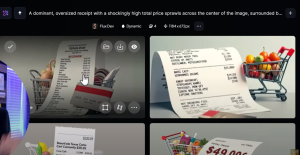
- How to Use Them: Create eye-catching visuals like a grocery receipt showing high prices or a “before-and-after” pest invasion scene. For your one page website.

Choosing a Profitable Offer
You can monetize a one page website through several methods:
-
Affiliate Offers:
- Example: Promote a grocery rewards credit card that pays you $100–$200 for every approved application.
- Reason: People are eager to save money, especially with rising food costs.
-
High Paying Ad Clicks:
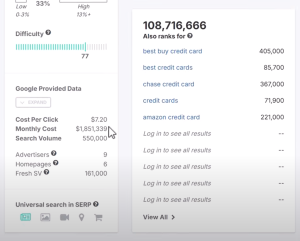
- Example: Finance or real estate ads with high cost per click rates.
- Reason: Even a modest number of clicks can yield a sizable daily income.
-
Lead Generation (CPA Offers):
- Example: Debt relief, pest control services, or tax assistance.
- Reason: Companies pay top dollar for each qualified lead or phone call.
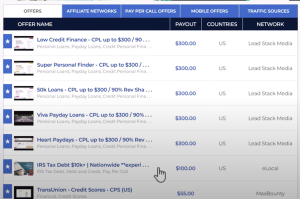
Tip: Use marketplaces like OfferVault to find offers with high payouts. Always check the terms and conditions to ensure you’re promoting reputable products or services.
Crafting Your One Page Website
Below is a simple structure you can follow:
Engaging Headline
Hook readers with a bold promise or an intriguing angle.
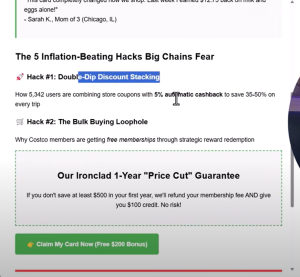
Example: “Beat Rising Grocery Prices: Earn 5% Back on Everything Starting Today.”

Pain Points and Solutions
Show empathy for the reader’s problem. Such as skyrocketing inflation or overwhelming debt. Then present a clear, immediate solution.
Example: “Most families spend hundreds more on groceries each month due to hidden price hikes. Here’s how one credit card can help you save $1,200 a year.”
Proof or Credibility
Add real or borrowed proof:
- Statistics (e.g., “Inflation is up X% this year”)
- Testimonials (if available from the network or brand)
- Case Studies (your own results or general industry data)
Clear Call to Action
Finish with a prominent CTA button or link.
Example CTA: “Click Here to Get Your Grocery Rewards Card and Start Saving Today.”
Traffic Strategies That Work
Free Methods
- Social Media Groups: Share short tips or personal stories about cutting costs, then link to your page.
- Pinterest Pins: Create visually appealing pins with headlines like “5 Hidden Grocery Savings Hacks”.
- YouTube Shorts/TikTok: Make a quick video highlighting a specific tip from your page and link in the description.
Paid Methods
- Banner Ads (Taboola/Outbrain): Display your eye-catching image and click-worthy headline.
- Google Ads: Bid on relevant, long-tail keywords (e.g., “ways to save on groceries”).
- Native Advertising: Many ad networks allow “advertorials” that lead users to your one page site.
One page websites might sound too simple at first, but with the right angle, a compelling offer, and well-crafted AI-generated content, they can yield substantial daily earnings. Sometimes as high as $980 a day. By focusing on a single problem and providing a direct solution, you keep your audience engaged and encourage them to take profitable actions. Use the tips above to plan your page, pick an attractive affiliate offer, and drive targeted traffic that’s ready to convert.
Remember, the key is to start small and optimize as you go. Build your one page website today, experiment with different angles, and watch your results grow.
Ai Cat Memes – Crazy Profit Method!
Discover how to easily create and monetize AI cat videos using ChatGPT. Learn free tools, helpful tips, and proven methods to grow your audience and earn online.

AI cat videos are exploding in popularity, and for good reason. They’re fun, quirky, and capture people’s attention faster than almost any other type of content. Even better, you can make real money from them by leveraging simple tools like ChatGPT, AI image generators, and short form video platforms. In this post, we’ll explore how you can create these entertaining videos, grow a following, and tap into monetization opportunities without showing your face on camera.
Why AI Cats Are So Popular
- Memorable and Shareable: Funny cat imagery has always been Internet gold. AI-generated cats take that novelty to the next level, encouraging likes, shares, and comments.
- Short, Snackable Content: Quick cat videos. 30 to 60 seconds are perfect for social feeds and Stories, making it easy for viewers to consume and re watch.
- No Human Presenter Required: AI cat videos let you skip the camera altogether, making it easier for introverts or those who just don’t want to appear on screen.

Essential Tools for Creating AI Cat Videos
1. ChatGPT
- Brainstorming Ideas: Ask ChatGPT for unusual cat scenarios (e.g., “List 100 wacky things AI cats could do.”).
- Script Generation: Let ChatGPT draft short, catchy captions or even dialogue for your AI feline star.
2. AI Image Generators
- Microsoft Bing Image Creator (Co-Pilot): A free, straightforward option for producing AI images.
- Leonardo.ai: A paid solution known for more refined, higher-quality cat images.
- Alternative Tools: Explore Hugging Face or other open-source projects for free or budget-friendly AI image creation.
3. AI Video Creators
- Sora: Transforms your AI-generated cat images into brief, animated clips.
- CapCut or Camtasia: Perfect for layering text, music, and other effects onto your cat videos.
- Hedra: An option for making your AI cats talk, adding next-level personality to your content.
Creating Your First AI Cat Video
-
Generate a Cat Image
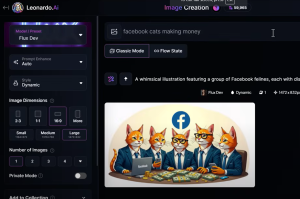
- Use ChatGPT to brainstorm a fun cat scenario (e.g., a “rich cat driving a Lamborghini”).
- Head to your chosen image generator (Leonardo, Co-Pilot, etc.) to render a unique AI cat image.

-
Refine the Image (If Needed)
- Adjust settings for realism, art style, or comedic effect.
- Keep the character consistent if you plan a recurring “cat persona” (e.g., “Workout Cat,” “Stock Market Cat,” or “Lazy Cat”).
-
Import into a Video Tool
- Upload your cat image(s) into software like Sora or Leonardo.
- Generate a short clip (5–10 seconds each) and combine multiple clips for a 30–60 second video.
-
Add Text and Music
- Overlay motivational quotes, funny captions, or quick tips (e.g., “5 Ways to Stop Procrastinating”).
- Add royalty free background music to keep your videos engaging and professional.

-
Export and Post
- Download your final video and publish it on Facebook, Instagram Reels, TikTok, or Pinterest.
- Remember to optimize titles and descriptions with relevant keywords like “AI cat videos,” “funny cat content,” or “ChatGPT cat creations.”
Monetizing Your AI Cat Videos
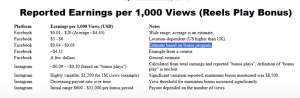
Leverage Facebook & Instagram Bonus Programs
- Eligibility: Consistently post videos that attract views and engagement.
- Earnings: Potential to earn per thousand views, with bonus payouts for high performance accounts.
Affiliate Links and Offers
- Niche Focus: If you create “Workout Cat,” promote fitness gear or workout programs.
- Finance Topics: “Stock Market Cat” could link to personal finance courses or investing platforms.
Print-on-Demand Products
- Merchandise: T-shirts, mugs, and plushies featuring your cat character.
- Ecommerce Integration: Use platforms like Etsy or Shopify to manage orders.
Website or Blog Monetization
- Display Ads: Embed your videos on a blog featuring relevant ads.
- Sponsored Content: Collaborate with brands seeking cute cat themed promotions.
Tips for Growing Your Audience
- Consistency Is Key: Post regularly (e.g., daily or weekly) to build momentum.
- Engaging Storylines: Turn your AI cat into a character with a backstory (e.g., “Fat Cat’s Weight-Loss Journey”).
- Use Trending Sounds: On platforms like Instagram Reels or TikTok, pair your cat videos with popular audio tracks.
- Engage Viewers: Ask questions, run polls, and encourage fans to request new cat scenarios.
AI cat videos have opened a world of opportunities for content creators looking to earn online. No fancy equipment or on camera presence required. With ChatGPT providing imaginative prompts and free or budget friendly AI tools creating eye catching visuals, there’s no limit to how far you can take this trend. Whether you focus on Facebook bonuses, affiliate links, or print on demand merch, remember that consistency and creativity are your best friends. Start brainstorming your next cat themed masterpiece, and let the AI magic begin!.
I Bought A $75K Ai Business For $586
Learn how to start an AI Agent Business step by step and earn up to $125K a year. Discover actionable tips, tools, and strategies to recession proof your income.
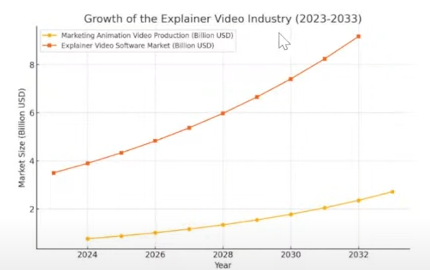
Have you noticed how the stock market seems shakier than ever and talk of an upcoming recession is everywhere? Meanwhile, AI tools like Deep Seek, ChatGPT, Claude, and Manis AI are innovating faster than most people can keep up, threatening to replace traditional jobs by the million. But there’s good news: you don’t have to be a passive bystander. You can leverage these very AI tools to create a thriving business one that not only hedges against a recession but has the potential to earn you $125,000 (or more) each year.
In this article, you’ll learn exactly how to set up a new “AI Agent” or AI-powered drop-servicing business from scratch. We’ll cover how to acquire a strategic domain name, how to integrate AI tools seamlessly, and how to turn a $600 investment into a potentially profitable enterprise. Let’s dive in!.
Why Start an AI Agent Business?

1. AI Is Disrupting Everything
From content creation to high level data analysis, AI is quickly reshaping every industry. Companies see the potential of automation and are ready to invest heavily in AI-driven solutions. This opens the door for creative entrepreneurs like you to step in and offer AI services on demand often at premium prices.
2. Low Risk, High Potential
Compare this with a traditional franchise, which can cost upwards of $500,000 just to open. With an AI agent business, your initial investment can be as low as a few hundred dollars mainly for a domain, website hosting, and AI tool subscriptions. Meanwhile, your profit margins can far exceed traditional service or retail models.
3. Recession Proof Strategy
In times of economic uncertainty, businesses focus on cost-saving and innovation. Your AI-based solutions such as automated content creation, explainer video services, or drop-serviced digital marketing can help them achieve those goals. That makes your business more essential and recession resistant than many old-school ventures.
How I’m Building a $125K/Year AI Agent Business

Step 1: Smart Domain Acquisition
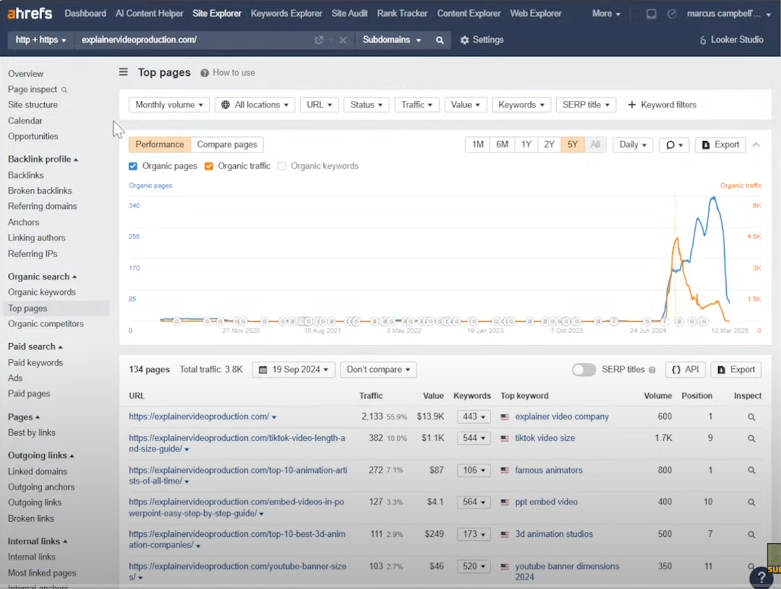
The first step was finding and purchasing a domain name that already had proven search rankings and backlinks in my chosen niche. In my case, I bought a domain specializing in explainer videos for under $600. Why explainer videos? Because businesses are constantly searching for ways to engage audiences and convert prospects into buyers, and short, informative videos work wonders.
-
Search for Expired or Auctioned Domains
- Use auction sites or domain marketplaces.
- Look for domains with relevant backlinks and a history of ranking for high-intent keywords (e.g., “best explainer video company,” “whiteboard video service,” etc.).
-
Verify Domain Metrics
- Check historical rankings.
- Look for any spam history or low-quality backlinks and avoid those domains.
Step 2: Setting Up Your Website on WordPress
- Hosting: You can launch your site on reputable, budget-friendly hosting platforms.
- WordPress Installation: WordPress lets you manage content easily, add plugins, and customize your theme with minimal effort.
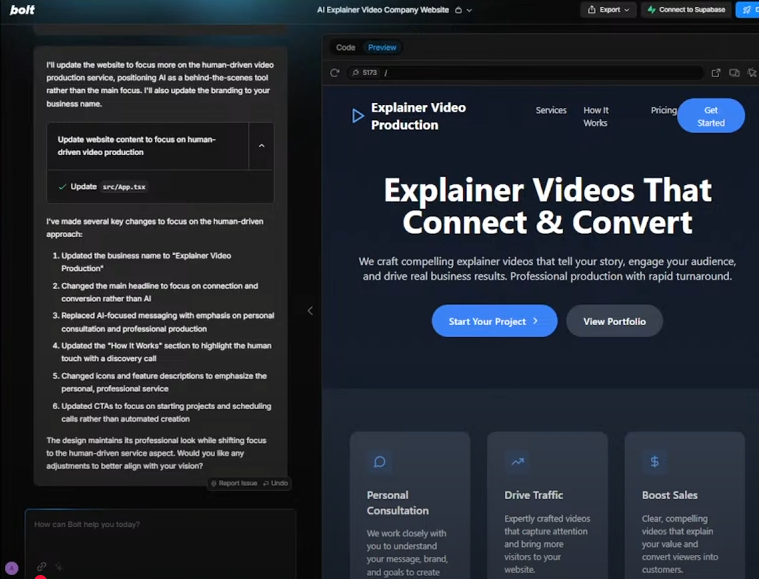
- Content Creation: Publish articles and service pages that target keywords around explainer videos, AI drop-servicing, and digital marketing. A typical post might cover “Top 10 Whiteboard Animation Tools” or “How to Embed an Instagram Video in PowerPoint.”
Step 3: Integrating AI Tools
AI tools like Manis AI, ChatGPT, Claude, and Deep Seek can handle everything from script writing to voiceover generation for your explainer videos. For each project, you can:
- Draft Scripts: Use ChatGPT or Claude to generate scripts based on client input.
- Create Voiceovers: Employ AI voice tools to produce professional narrations in various styles.
- Produce Videos: Assemble visuals using easy video editors or specialized AI video platforms.
If you’d rather not handle this yourself, you can drop-service the tasks. Outsource them to qualified freelancers at a lower cost and pocket the difference.
Step 4: Pricing Your Services
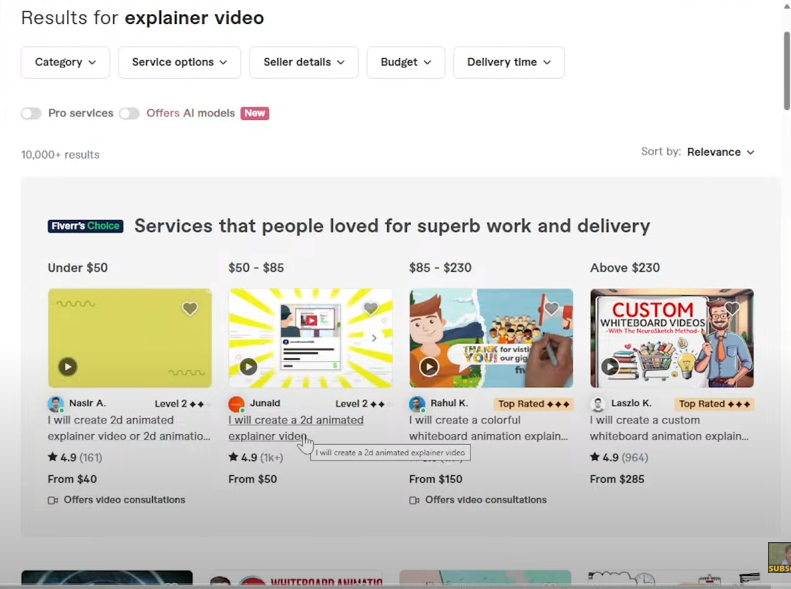
Determine your pricing model. For instance:
- Basic Package ($200–$500): Simple explainer video (30–60 seconds) with AI-generated voiceover and basic animations.
- Standard Package ($600–$1,000): Longer video (up to two minutes) with additional custom graphics, scripting, and revisions.
- Premium Package ($1,500+): Comprehensive package with advanced animations, brand-specific voice actors, unlimited revisions, and SEO-optimized distribution advice.
Many freelancers on popular platforms charge well over $1,000 for fully featured explainer videos. With AI, you can produce the same quality for a fraction of the time and cost.
Step 5: Getting Your First Clients
- SEO & Organic Traffic: Publish high quality articles on your domain to rank for important keywords like “explainer video company” or “whiteboard animation services.”
- Freelance Marketplaces: List your service on Fiverr, Upwork, or Freelancer. Even if they take a small fee, the platforms can bring a steady stream of new customers.
- Social Media & Webinars: Use LinkedIn or Facebook to join groups related to marketing, entrepreneurship, or video production. Host a short webinar or live stream showcasing how an explainer video can boost conversions by 80% or more.
Bonus Tips for Rapid Growth
Offer a Consultation Call
If you feel comfortable talking to clients directly, offer a paid or free consultation. Many business owners prefer speaking to a real person before investing. Use the call to demonstrate how an explainer video can solve their problems, then pitch your packages.
Bundle With Other Services
Once you master explainer videos, consider adding social media content (short AI videos for Instagram, TikTok, or YouTube Shorts) or blog content creation. Cross-sell and bundle these services for a higher overall invoice.
Focus on Quality & Speed
AI tools allow you to produce top-quality work faster than ever. Emphasize rapid turnaround in your marketing—deliver results in days instead of weeks. Happy clients often come back with repeat orders or referrals.
An AI-powered drop servicing business isn’t just for tech experts or big corporations anymore. With AI tools like ChatGPT, Manis AI, and Claude and a solid strategy behind you.
You can start small and grow your income quickly. Whether you’re a solopreneur dipping your toes into AI for the first time or a seasoned marketer looking to scale, the opportunity is real.
Ready to take the first step? Acquire a relevant domain, set up your WordPress site, and offer your first explainer video service. As more businesses wake up to the power of AI and as economic uncertainty looms those who can deliver tangible AI-driven solutions will stand out and profit.
Manis AI: The Automated Money Making Revolution
JOIN SATURDAYS MANUS AUTOMATION WORKSHOP
Discover how Manis AI, a fully automated AI “money robot,” can supercharge your online business. Learn the process to profit and stay ahead!.
Ever wish you had an assistant that could handle everything from launching your Facebook ads to creating your blog content and even analyzing data for profitable strategies? Enter Manis AI, the revolutionary new “money robot” that promises to do exactly that. As more businesses automate tasks and free up human creativity, early adopters could make millions.If they know how to leverage the right processes.

Manis AI might be the first glimpse of a future where fully automated “money robots” handle everything from content creation to data analysis. But remember, the real power lies in your process. By understanding which tasks to automate and how to direct AI agents effectively, you can save time, reduce costs, and potentially skyrocket your income. Ready to dive into the future of business? Start with a solid plan, let Manis AI do the heavy lifting, and watch your online ventures flourish.
Google AI Mode: Your Hidden Profit Source to Make Money Online

Discover how Google AI Mode opens up a hidden profit source for online earners. Learn proven methods to make money with Google by leveraging AI today.
In today’s rapidly evolving digital landscape, seizing early opportunities can mean the difference between average returns and life changing profits. Google AI Mode is one such opportunity, resembling the “good old days” of easy rankings and quick gains on Google. Except now, it’s even more powerful. Whether you’re an experienced marketer or just dipping your toes into online business, this new shift can help you capitalize on high value keywords, tap into hidden profit sources, and transform your bank account.
Below, we’ll explore how Google’s AI driven updates are reshaping search results, why they’ve reignited the dream of quick search engine success, and most importantly, how you can get in on the action ethically and effectively.
What Is Google AI Mode?

Google AI Mode is a newly integrated feature that fuses classic Google search with advanced AI capabilities. While standard Google still shows the well known “ten blue links,” AI Mode distills vast amounts of information into concise, conversational responses. This approach helps users find what they’re searching for faster, but it also creates a massive opportunity for marketers and bloggers ready to adapt.
Why It Matters
- Conversational Interface: Users can pose follow up questions, creating a more interactive experience.
- Predictive Capabilities: Google AI Mode leverages insights from user behavior to suggest relevant topics even if the user hasn’t specifically searched for them yet.
- Emerging Opportunities: Many areas of AI Mode are not fully monetized with ads (yet), leaving organic content to shine.
The Hidden Profit Source
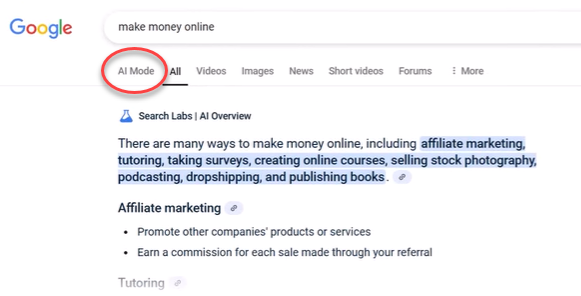
Fast-forward to today: People may reminisce about those “golden years” of easy rankings, but the rise of Google AI Mode has made it straightforward once again. If you pay attention. Advertisers are still spending billions of dollars on keywords like “mortgage,” “credit card rewards,” and “attorneys.” Thanks to the new AI driven search, there’s renewed potential to rank, gather targeted visitors, and earn.
High Paying Niches to Consider
- Financial Services: Mortgage refinance, credit card rewards, personal loans
- Legal Queries: Attorney advice, lawyer searches, legal forms
- Health and Rehab: Alcohol rehab, detox centers, mental health solutions
- Local Services: Plumbing, roofing, electrician, and other home services
In these niches, advertisers often pay significantly more per click or lead, increasing your profit margins when you rank well.
How Google AI Mode Reshapes Search
With AI Mode, Google aims to provide immediate, context rich answers. For many searches, the AI result will appear at the top, pulling data from relevant websites. In some cases, these AI answers link directly to the source meaning your site could become one of those authoritative, linked resources.
Query Fan Out
One of the most exciting features is the concept of query fan out. When users type in an initial query, AI Mode predicts related or deeper questions they may have next. For instance, someone searching “mortgage hardship letter” might be offered additional topics like:
- Refinance Options
- How to Stop Foreclosure
- Mortgage Modification Programs
- Credit Repair Tips
Each of these fan outs represents an opportunity to serve (and monetize) users’ needs by creating hyper-relevant content.
How Google AI Mode Works:
- Advanced Reasoning: AI Mode utilizes a custom version of the Gemini 2.0 model, known for its advanced reasoning and thinking capabilities, to generate comprehensive answers.
- Query Fan-Out: It uses a “query fan-out” technique, issuing multiple related searches concurrently across subtopics and various data sources to gather a breadth of information.
- Information Synthesis: The gathered information is then brought together and presented in a user-friendly format, often with links to the original sources for further exploration.
- Multimodal Search: AI Mode supports searching with text, voice, or images, allowing users to interact with it in a variety of ways.
- Conversational Interface: It enables follow-up questions, creating a more interactive and conversational search experience.
Steps to Profit from Google AI Mode
Below are actionable tips to stand out and attract profitable traffic:
-
Pick High Value Keywords
- Use research tools like Spyfu to identify niches with high cost per click (CPC) rates (e.g., “mortgage refinance,” “alcohol rehab,” “personal injury attorney”).
- Focus on providing truly helpful or in-depth content around these keywords.
-
Create Comprehensive, AI Friendly Content
- Break your posts into digestible sections.
- Answer immediate user queries and anticipate follow up questions (the “fan-out” method).
- If you leverage AI writing tools, edit thoroughly for accuracy and readability.
-
Optimize for User Intent
- Think beyond a single search term. If someone needs a “mortgage hardship letter,” they might soon look for “refinance calculators” or “credit repair services.”
- Link your articles together so users can navigate deeper into their specific concerns.
-
Earn through Multiple Revenue Streams
- Affiliate Programs: Partner with companies offering credit repair, loan services, or legal solutions.
- Display Ads: Monetize traffic with ads that pay top dollar for high value clicks.
- Lead Generation: Collect leads for mortgage or legal firms, who pay per qualified prospect.
-
Maintain Ethical Content Standards
- Provide transparent, well researched information.
- Don’t spam or mislead readers. Google heavily penalizes unhelpful content.
Prompt: “I want to conduct in-depth research on [insert niche or topic]. Break down this topic using a query fan-out approach by generating multiple sub-queries that explore different aspects, perspectives, and related concepts. Consider elements like historical background, practical applications, challenges, benefits, expert opinions, and emerging trends. Organize the sub-queries into logical categories to structure a comprehensive investigation.”



With Google AI Mode, we’re entering a new era of online profitability. As the transcript shows, there have been times in the past when it felt like Google “turned on a money printer” for those who took advantage of timely opportunities. Today, thanks to AI’s predictive capabilities and ongoing search engine flux, it’s once again “easy mode” for anyone prepared to deliver relevant, helpful content.
By choosing high-value niches, optimizing for user intent, and creating in-depth, AI-friendly content, you can tap into this hidden profit source. Whether you’re a seasoned marketer or just starting out, the moment to act is now. Embrace the change, and watch your online earnings soar.
$50,500 A Month With A Simple Ai Tool
www.AiProfitScoop.com
Discover how to build a free tool website with Claude 3.7 AI and earn up to $55K/month. Learn step-by-step setup, monetization, and traffic strategies.
Have you ever wondered how simple online calculators or generators earn tens of thousands of dollars each month? In this post, you’ll discover how to leverage Claude 3.7 AI to build a free tool website that can earn up to $55K per month. Whether you’re new to web development or a seasoned pro, these strategies will help you create valuable tools that attract visitors and monetize that traffic effectively.
Table of Contents
- Why Free Tool Websites Work
- Choosing the Right Tool Idea
- Setting Up Your Domain and Hosting
- Using Claude 3.7 AI to Build Your Tool
- Adding Unique Features for Higher Conversions
- Monetization Methods
- Driving Targeted Traffic
- Calls to Action and Engagement
- Conclusion
Why Free Tool Websites Work
High User Engagement
- Immediate Value: People love quick solutions like calculators, generators, or simple apps.
- Repeat Visits: Once users trust your tool, they tend to come back whenever they need help.
- Viral Potential: Useful tools are often shared on social media or embedded in other websites.
Low Barrier to Entry
- Minimal Coding Skills Required: With the rise of AI like Claude 3.7, you don’t need to be a professional developer to create a functioning tool.
- Budget-Friendly: A basic domain and hosting plan can cost less than $10 a month, making it easy to start small and scale up.
Choosing the Right Tool Idea
- Focus on Profitable Niches: Look for markets where visitors are already spending money. Finance (e.g., mortgage calculators), fitness (BMI calculators), and auto (car loan calculators) often have lucrative advertising and affiliate possibilities.
- Validate Traffic Potential: Research search volume and competitiveness using tools like Ahrefs’ Keyword Generator or Google Keyword Planner.
- Identify User Pain Points: Create a tool that solves a specific problem like comparing car loan rates, calculating monthly mortgage payments, or analyzing weight loss goals.
Setting Up Your Domain and Hosting
- Pick a Memorable Domain: Your domain should hint at what the tool does (e.g.,
CarPriceAlert.comfor an auto loan calculator site). - Change DNS Settings: Point your domain to your hosting provider’s name servers.
- Install WordPress: WordPress makes it easy to add blog content alongside your tool. Consider placing the tool in a separate folder, like
yoursite.com/tools. - Secure Your Site: Enable SSL for user trust and better search engine rankings.
Using Claude 3.7 AI to Build Your Tool
-
Learn About Your Niche
- Ask Claude 3.7 AI to list “10 ways to save money on a new car purchase,” for example.
- Expand on each point to understand your audience’s biggest concerns.
-
Generate the Code
- Prompt Claude 3.7 AI with: “Create a PHP-based car loan calculator with fields for car price, down payment, interest rate, and dealer rebates.”
- Review and refine the code until it meets your specific requirements.
-
Customize Your Tool
- Add unique features, such as a graph showing savings over the loan period.
- Ensure the tool is user-friendly with a clean layout and clear instructions.
Adding Unique Features for Higher Conversions
Stand Out from Competitors
Don’t settle for a generic loan or mortgage calculator. Add extras like:
- MSRP discount calculators for auto sites
- Closing cost estimators for real estate sites
- Amortization charts that detail monthly principal and interest amounts
Offer Real Solutions
Explain how users can take advantage of the tool to save money or time. For instance, a car loan calculator might show how much a 1% difference in the interest rate affects monthly payments and how to negotiate that rate with lenders.
Monetization Methods
- Display Ads: Platforms like Google AdSense can serve relevant ads that earn you revenue per click.
- Affiliate Links: Partner with loan providers, car dealers, or insurance companies. Earn a commission when visitors click your link and complete an action.
- Info Products: Create e-books or mini-courses teaching negotiation tactics or loan refinancing tips.
- Premium Features: Offer an advanced calculator or user dashboard for a monthly fee.
Driving Targeted Traffic
-
Search Engine Optimization (SEO)
- Write detailed blog posts on related topics (e.g., “How to Negotiate Car Prices”).
- Naturally integrate keywords like “car loan calculator,” “free tool website,” “mortgage tools,” etc.
-
Social Media & Video
- Demonstrate how your tool works through short TikTok videos or YouTube tutorials.
- Share quick tips and link back to your calculator.
-
Press Releases
- Highlight unique angles (e.g., “New Free Tool Saves Car Buyers $1,000+”).
- Submit press releases to reputable distribution services.
-
Email Marketing
- Build a newsletter offering weekly money-saving tips.
- Drive users back to your site to test new features on your tool.
Calls to Action and Engagement
- Invite Comments: Ask readers how much they saved using your calculator.
- Encourage Social Shares: Remind users to share their results on Facebook or Twitter.
- Build an Email List: Offer a free “Car Negotiation Cheat Sheet” or “Mortgage Checklist” in exchange for email sign ups.
Free tool websites may seem simple, but they can generate substantial monthly income when done right. By pinpointing a profitable niche, creating an engaging calculator or app using Claude 3.7 AI, and driving targeted traffic, you can replicate the success of sites earning $55K per month or even more.
Focus on providing genuine value, keep your features unique and user centric, and be consistent with your promotional efforts. Before long, you could see a steady stream of visitors eager to use your free tool and support your site.
Ready to get started? Take action today by brainstorming your first tool idea, setting up your domain, and letting Claude 3.7 AI handle the heavy lifting!.
www.AiProfitScoop.com

More ideas:
Loans & Debt
- Auto Loan Calculator
- House Loan / Mortgage Calculator
- Credit Card Debt Payoff Calculator
- Personal Loan Calculator
- Student Loan Repayment Calculator
- Home Equity Loan Calculator
- Reverse Mortgage Calculator
- Loan Amortization Calculator
- Refinancing Calculator
- Debt-to-Income Ratio Calculator
Investments & Retirement
- 401(k) Contribution Calculator
- Roth vs. Traditional IRA Calculator
- Compound Interest Calculator
- Stock Market ROI Calculator
- Mutual Fund Returns Calculator
- Dividend Yield Calculator
- Real Estate Investment ROI Calculator
- Rental Property Cash Flow Calculator
- ETF Cost Calculator
- Cryptocurrency Investment Calculator
Savings & Budgeting
- Budget Planner Calculator
- Emergency Fund Calculator
- Savings Goal Calculator
- High-Yield Savings Account Calculator
- Certificate of Deposit (CD) Interest Calculator
- Expense Tracking Calculator
- Cost of Living Comparison Calculator
- Rent vs. Buy Calculator
- Inflation Impact Calculator
- Cost of Raising a Child Calculator
Credit & Financing
- Credit Score Simulator
- Credit Utilization Ratio Calculator
- Balance Transfer Credit Card Savings Calculator
- Business Loan Calculator
- Equipment Financing Calculator
- Small Business Line of Credit Calculator
- Startup Loan Calculator
- Commercial Loan Calculator
- Merchant Cash Advance Calculator
- Paycheck Advance Calculator
Taxes & Deductions
- Income Tax Bracket Calculator
- Self-Employed Tax Estimator
- Capital Gains Tax Calculator
- Tax Withholding Calculator
- Property Tax Calculator
- Sales Tax Calculator
- Earned Income Tax Credit (EITC) Calculator
- Depreciation Calculator for Businesses
- Freelancer Quarterly Tax Calculator
- 1099 vs. W-2 Tax Comparison Calculator
Insurance
- Life Insurance Needs Calculator
- Term vs. Whole Life Insurance Calculator
- Health Insurance Premium Estimator
- Long-Term Care Insurance Calculator
- Homeowners Insurance Cost Estimator
- Renters Insurance Cost Calculator
- Car Insurance Comparison Calculator
- Umbrella Insurance Calculator
- Disability Insurance Coverage Calculator
- Business Liability Insurance Calculator
Real Estate & Home Buying
- Mortgage Affordability Calculator
- First-Time Homebuyer Savings Calculator
- Property Flipping ROI Calculator
- Landlord Rental Yield Calculator
- Home Renovation Cost vs. Value Calculator
- Closing Costs Estimator
- Real Estate Commission Calculator
- Home Equity vs. Refinance Calculator
- Airbnb vs. Long-Term Rental Profit Calculator
- Vacation Home Investment Calculator
Business Finance
- Business Profit Margin Calculator
- Startup Cost Estimator
- Break-Even Analysis Calculator
- Inventory Turnover Calculator
- E-commerce Profit Calculator
- Dropshipping Profit Calculator
- Digital Product Pricing Calculator
- Subscription Model Revenue Calculator
- SaaS Customer Lifetime Value (LTV) Calculator
- ROI on Advertising Spend (ROAS) Calculator
Travel & Lifestyle Finance
- Travel Budget Calculator
- Airline Miles Value Calculator
- Road Trip Fuel Cost Calculator
- Wedding Budget Calculator
- College Tuition Savings Calculator
- Moving Cost Calculator
- Subscription Service Cost Analyzer
- Luxury Item Affordability Calculator
- Side Hustle Income vs. Full-Time Job Calculator
- Passive Income Earnings Calculator
Alternative Investments & Side Income
- Airbnb Income Estimator
- Peer-to-Peer Lending ROI Calculator
- REIT Investment Calculator
- Crowdfunding Investment Return Calculator
- Stock Options & RSU Tax Calculator
- Gold & Silver Investment Calculator
- Sports Betting Profit Calculator
- Poker Bankroll Management Calculator
- Art & Collectibles Investment Calculator
- Domain Flipping Profit Calculator
$20,000 ChatGPT Agents Side Hustle

OpenAI’s High-Priced ChatGPT Agents: What We Know So Far
OpenAI, the leading force behind the renowned AI chatbot ChatGPT, is reportedly venturing into uncharted territory with the development of specialized AI agents. These agents, rumored to command monthly fees reaching up to $20,000, have ignited fervent discussions within the tech community and beyond 1. This article delves into the depths of what we know about these high-priced AI assistants, exploring their potential capabilities, target audience, and the implications they hold for the future of work.
OpenAI’s Planned Agent Tiers
OpenAI appears to be strategically segmenting its AI agent offerings into three distinct tiers, each tailored to specific professional needs and budgets 2:
| Agent Tier | Monthly Fee | Target Audience |
| High-Income Knowledge Worker Agent | $2,000 | Professionals in finance, consulting, and law |
| Software Developer Agent | $10,000 | Programmers |
| PhD-Level Research Agent | $20,000 | Researchers in academia and industry |
These agents are designed to cater to a diverse range of professionals, from those who require assistance with research and data analysis to those who need support with complex software development or academic research.
Capabilities and Features
While concrete details about the features of each agent remain somewhat elusive, we can piece together a picture of their potential capabilities based on OpenAI’s existing offerings, recent announcements, and insights from various sources.
Web Browsing Capabilities
One of the most significant advancements in OpenAI’s AI agents is their ability to interact with web browsers, effectively bridging the gap between human intent and digital execution.
Operator
Operator, an AI agent currently available as a research preview, exemplifies this capability 6. It can autonomously navigate websites, accurately fill out forms, and even complete transactions on behalf of users 8. Operator’s ability to understand context and maintain task continuity across different web pages makes it a versatile tool for both personal and professional use 8.
Some of the key features of Operator include:
- Takeover Mode: For sensitive tasks like online payments or logging into accounts, Operator intelligently hands control back to the user, ensuring security and privacy 9.
- CAPTCHA Solving: Operator can mimic human actions to complete security checks, such as CAPTCHA verification, further streamlining online tasks 10.
- Workflow Saving: Operator allows users to save prompts and workflows for frequently repeated tasks, such as ordering groceries or booking appointments, making it an efficient tool for managing routine online activities 11.
- Multitasking: Operator can handle several tasks simultaneously, similar to using multiple tabs in a web browser, increasing productivity and efficiency 7.
The technical architecture behind Operator is built on advanced natural language processing and machine learning models 8. It operates through a dedicated browser window, which users can monitor and control as needed, providing transparency and building trust in the automation process 8.
Computer-Using Agent (CUA)
To carry out tasks on the web, Operator utilizes a new model called Computer-Using Agent (CUA) 7. CUA combines GPT-4o’s vision skills with more advanced reasoning, allowing it to interact with the menus, controls, and text fields on a web page without the need for a custom API 7. This enables Operator to work with a wider range of websites and platforms, increasing its versatility and potential applications.
Advanced Reasoning and Problem-Solving
OpenAI’s high-priced agents are expected to leverage the company’s latest advancements in AI, particularly in the area of reasoning and problem-solving.
o1 Model
The new o1 model, designed for advanced reasoning, is anticipated to be a core component of these agents 12. o1 excels in complex tasks, including math, coding, and scientific inquiries, making it well-suited for demanding professional applications 13.
Deep Research
Deep Research, another key feature powered by a variant of the o3 model, allows ChatGPT to conduct in-depth research on the internet 14. This feature enables ChatGPT to synthesize information from hundreds of online sources and generate comprehensive reports, comparable to the output of a research analyst 14. Deep Research is particularly adept at uncovering niche or non-intuitive insights, making it a valuable asset across various industries 14.
Deep Research involves a rigorous multi-step process:
- The user submits a request or query.
- The AI clarifies the task and may ask follow-up questions to refine the research scope.
- The agent autonomously searches the web, browsing hundreds of sources, including news articles, research papers, and online databases.
- It synthesizes its findings, extracting key points and organizing them into a structured report with citations.
- The final report is delivered to the user, typically within 5 to 30 minutes.
Deep Research is available to all paid ChatGPT users, including Plus, Team, Edu, and Enterprise subscribers 15. This broader availability makes it a more accessible tool for those who require advanced research capabilities.
Productivity and Workflow Enhancements
In addition to web browsing and advanced reasoning, OpenAI’s high-priced agents are expected to offer a range of features designed to enhance productivity and streamline workflows.
Advanced Voice Mode
Advanced Voice Mode, currently available to ChatGPT Plus users, allows users to interact with the chatbot using their voice in a natural, conversational manner 13. This feature is being rolled out to all ChatGPT free users with a daily limit, making it more accessible to a wider audience 13.
Canvas Interface
The new Canvas interface provides a dedicated workspace where users can collaborate with ChatGPT in a side-by-side window 17. This interface offers a range of tools for writers and coders, including:
- For Writers: Tools for adjusting text length, improving tone, adding emojis, translating languages, and checking grammar and clarity.
- For Coders: Features for generating code, adding comments, reviewing code, suggesting edits, fixing bugs, and porting code to different languages.
GPT Store
OpenAI is launching a GPT store where users can build and share their own custom GPTs 18. This will allow users to create specialized bots tailored to their specific needs and workflows, further expanding the capabilities of ChatGPT.
Assistants
The new Assistants feature allows users to ask the computer to perform tasks, essentially acting as OpenAI’s native agents 18. These assistants can automate a wide range of tasks, from scheduling meetings to conducting research, making ChatGPT an even more powerful tool for getting things done.
GPT-4 Turbo API Upgrades
OpenAI has upgraded its GPT-4 Turbo API with lower cost, faster speed, and a longer context window 18. These upgrades make the API more accessible and powerful, enabling developers to build more sophisticated and efficient AI applications.
Work with Apps
OpenAI is improving ChatGPT’s “Work with Apps” feature on macOS with new settings and a revamped user interface 19. These enhancements aim to streamline the integration between ChatGPT and various desktop applications, potentially allowing ChatGPT to directly modify files in other applications.
Automatically Pair with Apps
This new setting maintains app connections when switching between different AI models or starting a new chat, enhancing workflow continuity 19.
Generate and Apply Suggested Edits
ChatGPT can now propose changes to files in connected applications, and with the “Automatically apply suggested edits” setting, it can potentially apply these changes automatically in editors that require extensions, such as VSCode or Cursor 19.
Accessibility
OpenAI’s AI agents also hold the potential to enhance accessibility for users with disabilities. Operator, for example, could empower users with visual or motor impairments by providing an intuitive interface for navigating websites and completing online tasks 20. This could significantly improve the online experience for those who face challenges with traditional web browsing methods.
Superhuman Capabilities
It’s worth noting that AI agents, by their very nature, possess certain “superhuman” capabilities that set them apart from human workers. These capabilities include:
- Infinite Attention Spans: AI agents do not require breaks or experience fatigue, allowing them to work continuously without any decline in performance.
- Parallel Processing: AI agents can handle multiple tasks simultaneously with ease, increasing efficiency and productivity.
- Perfect Memory: AI agents have perfect recall and can access and process vast amounts of information with incredible accuracy.
These capabilities, while impressive, also raise important questions about the future of work and the potential impact of AI on human employment.
Target Audience
While ChatGPT in its current form has gained widespread popularity, these high-priced agents are clearly not targeted at the average user. Instead, they are aimed at businesses and professionals who rely heavily on AI for their work and are willing to invest in advanced capabilities 3.
Potential Customers
- Large corporations: Companies seeking to automate complex workflows, improve efficiency, and gain a competitive edge in their respective industries.
- Research institutions: Universities and research labs aiming to accelerate research and development efforts, potentially leading to faster breakthroughs and discoveries.
- High-income professionals: Individuals in demanding fields who require advanced AI assistance for tasks such as research, data analysis, and decision-making. This could include professionals in finance, consulting, law, and other knowledge-intensive fields.
- Government and Institutional Settings: Operator could assist citizens in filling out complex forms for tasks like applying for visas, filing taxes, or accessing social benefits 20.
Monetized Copy Trading
One potential use case for AI agents in the finance industry is monetized copy-trading 22. This involves individuals with successful investment strategies sharing their portfolios with others in exchange for a subscription fee. AI agents could potentially automate this process, making it easier for both influencers and their followers to manage and benefit from these strategies.
Limitations and Drawbacks
Despite the potential benefits and impressive capabilities of OpenAI’s high-priced agents, it’s crucial to acknowledge their limitations and potential drawbacks.
Accuracy and Reliability
While AI has made significant strides, it’s important to remember that AI agents can still make mistakes or produce inaccurate results, especially when dealing with complex or nuanced tasks 23. This highlights the need for human oversight and critical evaluation of AI-generated outputs.
Bias and Fairness
AI models are trained on vast amounts of data, and this data can reflect biases present in the real world 23. This can potentially lead to AI agents producing biased or discriminatory outputs, raising concerns about fairness and ethical implications.
Ethical Concerns
The increasing use of AI agents raises broader ethical questions about job displacement, privacy, and the potential for misuse 25. As AI agents become more capable, it’s essential to consider the societal impact and develop strategies to mitigate potential negative consequences.
Cost
The high cost of these agents may be prohibitive for many businesses and individuals, potentially creating a divide between those who can afford access to advanced AI capabilities and those who cannot 26. This raises concerns about equity and access to technology.
Knowledge Cut-Off Dates
It’s important to be aware that ChatGPT has knowledge cut-off dates. GPT-3.5, the free version, has a knowledge cut-off of September 2021, while GPT-4, the paid version, has a cut-off of April 2024 27. This means that ChatGPT may not have access to the latest information on certain topics.
Limited Real-Time Internet Access
The free version of ChatGPT cannot access the internet in real-time 24. This limits its ability to provide information on current events or access up-to-the-minute data.
Memory Limitations
ChatGPT has memory limitations, both in terms of the number of tokens it can remember and its ability to retain context over extended conversations 24. This can affect its performance on tasks that require long-term memory or complex reasoning.
Difficulty with Multilingual Tasks
ChatGPT may face challenges with multilingual tasks, potentially producing less accurate or fluent outputs in languages other than English 24.
Creative Limitations
While ChatGPT can generate creative text formats, it may not be able to achieve the same level of originality or innovation as a human writer 25.
Usage Limits
ChatGPT has usage limits, including restrictions on the number of messages that can be sent per hour and the total length of conversations 25. These limits can be frustrating for users who require extensive interaction with the chatbot.
Lack of Tone of Voice and Unique Point of View
ChatGPT may lack a distinct tone of voice and a unique point of view, making its outputs seem somewhat generic or impersonal 28.
Integration Issues
Integrating OpenAI models into applications can present challenges, including issues with model size, latency, and responsiveness 26.
Data Privacy and Security Concerns
Using OpenAI models raises concerns about data privacy and security, as these models are trained on large datasets that may contain sensitive information 26.
Lack of Transparency
The complexity of OpenAI models can make it difficult to understand how they process data and make decisions, leading to concerns about transparency and interpretability 26.
Possibility of Erroneous Predictions
OpenAI models can make erroneous predictions, especially when dealing with complex or ambiguous situations 26.
“Hallucination”
ChatGPT can sometimes “hallucinate,” meaning it makes up facts or generates outputs that are not supported by its training data 29. This can be a significant drawback, especially in situations where accuracy is critical.
Closed Nature
ChatGPT’s closed, end-to-end nature can limit its flexibility and adaptability, making it challenging to customize or fine-tune for specific tasks or domains 29.
Operator’s Limitations
Operator, while impressive, also has its limitations:
- Human Verification Hurdles: Operator can struggle with human verification checkpoints like CAPTCHAs, requiring user intervention to proceed 30.
- Complex UI Elements: Operator may face difficulties with complex UI elements, such as custom date pickers or interactive charts 30.
- Page Loading Glitches: Operator can experience page loading glitches and unintended tab openings, potentially disrupting workflows 30.
- Lack of Session Management: Operator lacks session management and cookie control, which can affect its performance and security 30.
- Slow Speed: Operator can be slow to perform actions, potentially impacting efficiency 22.
- Unexpected Outputs: Operator can sometimes produce unexpected or nonsensical outputs, requiring careful monitoring and potential intervention 22.
- Difficulties with Spreadsheets: Operator may encounter difficulties when working with spreadsheets, potentially leading to errors or incomplete tasks 22.
- Website Blocking: Many websites block AI agents, limiting Operator’s access and functionality 11.
OpenAI’s foray into high-priced ChatGPT agents marks a significant evolution in the landscape of AI assistants. These agents, with their specialized capabilities and potential for increased efficiency, are poised to reshape the way professionals work in various industries. However, it’s crucial to approach this technology with a balanced perspective, acknowledging both its potential benefits and its limitations. OpenAI’s strategic shift towards specialized AI agents and a consumer-first approach 11 suggests a future where AI becomes even more integrated into our daily lives. As this technology continues to evolve, it will be essential to address the ethical concerns, ensure fairness and accessibility, and foster responsible development and deployment of AI agents.
OpenAI is on the cusp of revolutionizing the AI assistant landscape with its new line of specialized agents. These agents, priced between $2,000 and $20,000 per month, are designed to cater to the needs of high-income knowledge workers, software developers, and researchers. While specific details are still emerging, these agents are expected to offer advanced features such as deep research, web browser interaction (through Operator), and enhanced reasoning capabilities.
The potential impact of these agents is significant. They could automate complex tasks, improve decision-making, and give businesses a competitive edge. For example, in finance, agents could be used for tasks like monetized copy-trading 22 and investment research 10. In software development, they could assist with code generation, debugging, and testing 31. In research, they could automate literature reviews and analyze complex datasets 32.
However, it’s important to acknowledge the limitations and ethical concerns associated with these powerful AI tools. Accuracy, bias, and the potential for job displacement are all important considerations. OpenAI’s commitment to user control and safety features in Operator 9 is a positive step, but ongoing dialogue and responsible development will be crucial as AI agents become more prevalent in the workplace.
The high cost of these agents may create a divide in access to advanced AI capabilities. However, the potential for increased efficiency and productivity could justify the investment for certain businesses and professionals. OpenAI’s strategic shift towards specialized AI agents and a consumer-first approach 11 indicates a future where AI becomes even more integrated into our lives, with both exciting possibilities and challenges to address.
BE SPECIFIC AND SERVE ONE GROUP
AI-Driven Agency: How to Run an AI-Powered Business and Make Money
AI agents are coming, but you can start an AI-powered agency today and automate most of the work while keeping control. The key is using AI to scale your business while outsourcing human work only when necessary. Below is a breakdown of different AI-powered services you can offer in your agency, how to structure your business, and the tools you need to automate it.
1. AI-Powered Content Creation Agency 📖✍️
Offer content services using AI tools while keeping quality control.
Services You Can Offer:
✅ AI-Generated Blog Posts & SEO Articles
✅ Ebook Creation & Self-Publishing Assistance
✅ Social Media Post Creation & Scheduling
✅ AI-Enhanced Copywriting (Sales Pages, Emails, Ad Copy)
AI Tools to Automate Work:
- ChatGPT, Jasper, Copy.ai → For writing content
- SurferSEO, Frase → For optimizing articles
- Canva, Adobe Firefly → For creating graphics
How to Run It with AI:
- Use AI to generate drafts.
- Have a human editor refine and optimize them.
- Automate publishing & scheduling with tools like Zapier, Buffer, or Hootsuite.
💰 Pricing Model: Charge clients per blog post, per social media package, or monthly retainer.
2. AI Video & Multimedia Agency 🎥🎙️
Create and edit videos without hiring a full team by using AI-powered tools.
Services You Can Offer:
✅ YouTube Video Creation & Automation
✅ Short-Form Video Editing (Reels, TikTok, Shorts)
✅ AI Voiceovers & Dubbing Services
✅ Podcast Production & Editing
AI Tools to Automate Work:
- Synthesia, Pictory → AI-generated videos
- ElevenLabs, Descript → AI voiceovers & editing
- RunwayML, Kapwing → AI video editing
- Auphonic → Podcast audio cleaning
How to Run It with AI:
- Clients submit a script → AI generates the video.
- AI-generated voiceovers and captions are added.
- Final edits & scheduling are handled by automation tools.
💰 Pricing Model: Charge per video, per voiceover, or subscription-based packages for content creation.
3. AI-Powered Digital Marketing Agency 📈🎯
Use AI to automate ad campaigns, SEO, and email marketing for clients.
Services You Can Offer:
✅ Ad Copy & Creatives (Facebook, Google, TikTok Ads)
✅ SEO Optimization & Keyword Research
✅ Automated Email Marketing & Newsletters
✅ Affiliate Marketing & Sales Funnel Optimization
AI Tools to Automate Work:
- AdCreative.ai → Generates ad creatives
- Writesonic → AI-powered ad copy
- SurferSEO, Ahrefs → SEO automation
- Mailchimp, ConvertKit → AI-driven email marketing
How to Run It with AI:
- Use AI to create ad copy, blog content, or social media posts.
- Automate scheduling & analysis with AI.
- Offer ongoing SEO & marketing automation for clients.
💰 Pricing Model: Monthly retainers for marketing packages, or per campaign pricing.
4. AI Chatbot & Automation Agency 🤖💬
Build custom AI chatbots for businesses to automate customer support.
Services You Can Offer:
✅ Custom GPTs for Businesses
✅ AI Chatbots for Customer Service
✅ AI Assistants for Lead Qualification
✅ AI-Powered Data Entry & CRM Automation
AI Tools to Automate Work:
- ChatGPT API, Botpress → For chatbot building
- Zapier, Make → For automation workflows
- HubSpot AI → CRM & lead management
How to Run It with AI:
- Build custom AI chatbots for different industries.
- Offer monthly chatbot maintenance services.
- Automate lead generation & CRM integration.
💰 Pricing Model: Setup fees for chatbot creation + monthly subscription for chatbot maintenance.
5. AI Graphic Design & Branding Agency 🎨✨
Use AI to automate logo creation, social media graphics, and branding.
Services You Can Offer:
✅ Logo & Branding Packages
✅ AI-Powered Website & Landing Page Design
✅ Print-on-Demand (POD) Graphics & Designs
AI Tools to Automate Work:
- MidJourney, DALL·E → AI-generated logos & graphics
- Canva, Adobe Firefly → Social media templates
- Durable, Wix ADI → AI website builders
How to Run It with AI:
- Clients submit requests → AI generates drafts.
- Use AI-enhanced design tools for final refinements.
- Automate delivery & revisions with Notion or Trello.
💰 Pricing Model: One-time design fees or monthly branding packages.
6. AI Research & Data Analysis Agency 📊🔎
Use AI to collect, analyze, and summarize research data for businesses.
Services You Can Offer:
✅ AI-Powered Market Research
✅ Competitor Analysis Reports
✅ Data-Driven Business Insights
✅ AI-Assisted Academic Research
AI Tools to Automate Work:
- ChatGPT, Perplexity AI → AI research
- OpenAI Code Interpreter → Data analysis
- Google Bard → AI-powered research assistance
How to Run It with AI:
- Use AI to collect & summarize industry reports.
- Automate data visualization & insights generation.
- Offer custom AI-driven research solutions for clients.
💰 Pricing Model: Per report pricing or subscription for ongoing research.
7. AI-Powered Coding & Development Agency 💻🚀
Offer custom AI-powered tools and software for businesses.
Services You Can Offer:
✅ Custom Chatbots & AI Assistants
✅ AI-Generated Web Apps & No-Code Solutions
✅ AI Automation for Businesses
AI Tools to Automate Work:
- GitHub Copilot → AI coding assistant
- Replit AI, OpenAI Codex → Automated coding
- Zapier, Bubble.io → No-code app development
How to Run It with AI:
- Use AI to write and debug code quickly.
- Automate client onboarding & feature updates.
- Offer monthly maintenance packages for AI-driven apps.
💰 Pricing Model: Custom AI development fees + ongoing support retainers.
How to Scale Your AI Agency 🚀
1️⃣ Automate Everything Possible
- Use AI for content generation, project management, and customer support.
- Use Zapier, Notion, or Trello to streamline operations.
2️⃣ Outsource Human Work When Necessary
- Use freelancers only for quality control & strategy.
- Hire VAs to manage client interactions & revisions.
3️⃣ Focus on Recurring Revenue
- Sell subscriptions & retainers instead of one-time services.
- Offer AI chatbot maintenance, monthly SEO, and marketing packages.
4️⃣ Use AI for Lead Generation
- Automate LinkedIn outreach with AI-generated messages.
- Run AI-optimized ad campaigns to attract clients.
Works cited
- OpenAI Agent for Sale | $10000/mo for software developers, and $20000/mo for PhD-level agent – Reddit, accessed March 6, 2025, https://www.reddit.com/r/OpenAI/comments/1j47x00/openai_agent_for_sale_10000mo_for_software/
- Chatbots Get Caught People-Pleasing – There’s An AI For That, accessed March 6, 2025, https://newsletter.theresanaiforthat.com/p/openai-s-high-stakes-ai-agents
- OpenAI reportedly prepares to launch AI agents with monthly fees up to $20,000, accessed March 6, 2025, https://the-decoder.com/openai-prepares-to-launch-ai-agents-with-monthly-fees-up-to-20000/
- OpenAI set to unveil powerful new AI agents priced up to $20000: Report, accessed March 6, 2025, https://indianexpress.com/article/technology/artificial-intelligence/openai-phd-research-agent-to-cost-20k-report-9871511/
- OpenAI’s $20,000 AI agents, accessed March 6, 2025, https://www.therundown.ai/p/openais-20k-ai-agents
- What OpenAI Operator Means for AI Agents, accessed March 6, 2025, https://simple.ai/p/what-openai-operator-means-for-ai-agents
- OpenAI’s new ChatGPT agent can perform interactive tasks on your behalf – ZDNet, accessed March 6, 2025, https://www.zdnet.com/article/openais-new-chatgpt-agent-can-perform-interactive-tasks-on-your-behalf/
- OpenAI Operator: ChatGPT’s AI Agent Goes Global, accessed March 6, 2025, https://www.justthink.ai/blog/openai-operator-chatgpts-ai-agent-goes-global
- Introducing Operator – OpenAI, accessed March 6, 2025, https://openai.com/index/introducing-operator/
- Have You Heard About ChatGPT’s Operator? Here are 7 Powerful Everyday Use Cases of this Powerful AI Agent, accessed March 6, 2025, https://aitoolsclub.com/have-you-heard-about-chatgpts-operator-here-are-7-powerful-everyday-use-cases-of-this-powerful-ai-agent/
- We Tried OpenAI’s New Agent—Here’s What We Found – Every, accessed March 6, 2025, https://every.to/chain-of-thought/we-tried-openai-s-new-agent-here-s-what-we-found
- Are ChatGPT Plus or Pro worth it? Here’s how they compare to the …, accessed March 6, 2025, https://www.zdnet.com/article/are-chatgpt-plus-or-pro-worth-it-heres-how-they-compare-to-the-free-version/
- OpenAI is rolling out exciting new features for all ChatGPT users, and I can’t wait, accessed March 6, 2025, https://www.techradar.com/computing/artificial-intelligence/openai-is-rolling-out-exciting-new-features-for-all-chatgpt-users-and-i-cant-wait
- ChatGPT gains agentic capability for complex research – AI News, accessed March 6, 2025, https://www.artificialintelligence-news.com/news/chatgpt-gains-agentic-capability-for-complex-research/
- What Is OpenAI’s New Deep Research Feature? How to Use It & More – Tech.co, accessed March 6, 2025, https://tech.co/news/openai-new-deep-research-feature
- ChatGPT Deep Research Broadens to Additional Premium Options, Yet Operator Continues to Be Missing – lonelybrand – Breaking Tech News And Reviews, accessed March 6, 2025, https://lonelybrand.com/blog/chatgpt-deep-research-broadens-to-additional-premium-options-yet-operator-continues-to-be-missing/
- OpenAI Just Dropped the Biggest ChatGPT Upgrade Yet – Meet Canvas – YouTube, accessed March 6, 2025, https://www.youtube.com/watch?v=-5RMBeYftaQ
- OpenAI Just Upgraded All Of Their Products – YouTube, accessed March 6, 2025, https://www.youtube.com/watch?v=YpBRoTZK_Co
- OpenAI prepares major update for ChatGPT’s “Work with Apps” on macOS – TestingCatalog, accessed March 6, 2025, https://www.testingcatalog.com/openai-prepares-major-update-for-chatgpts-work-with-apps-on-macos/
- OpenAI’s Operator: Examples, Use Cases, Competition & More – DataCamp, accessed March 6, 2025, https://www.datacamp.com/blog/operator
- OpenAI Plans to Charge Up to $20,000/Month for AI ‘Agents’ – AutoGPT, accessed March 6, 2025, https://autogpt.net/openai-plans-to-charge-up-to-20000-month-for-ai-agents/
- I am among the first people to gain access to OpenAI’s “Operator” Agent. Here are my thoughts. : r/ChatGPTPro – Reddit, accessed March 6, 2025, https://www.reddit.com/r/ChatGPTPro/comments/1i8jln3/i_am_among_the_first_people_to_gain_access_to/
- 15 Common Chat GPT Limitations And How To Overcome Them – Springs, accessed March 6, 2025, https://springsapps.com/knowledge/15-common-chat-gpt-limitations-and-how-to-overcome-them
- How to Navigate the Limitations of ChatGPT Effectively I ClickUp, accessed March 6, 2025, https://clickup.com/blog/limitations-of-chatgpt/
- 10 Most Common ChatGPT Limitations – BrandWell, accessed March 6, 2025, https://brandwell.ai/blog/chatgpt-limitations/
- Advantages and Disadvantages of Using OpenAI in App Development, accessed March 6, 2025, https://www.spaceotechnologies.com/blog/advantages-disadvantages-using-openai-app-development/
- The 8 Main Limitations of ChatGPT – SOCi, accessed March 6, 2025, https://www.soci.ai/knowledge-articles/chatgpt-limitations/
- ChatGPT Capabilities and Limitations – Clicta Digital Agency, accessed March 6, 2025, https://clictadigital.com/chatgpt-capabilities-and-limitations/
- The Drawbacks of ChatGPT for Production Conversational AI Systems – Datanami, accessed March 6, 2025, https://www.bigdatawire.com/2023/01/06/the-drawbacks-of-chatgpt-for-production-conversational-ai-systems/
- ChatGPT Operator Limitations – openai – DEV Community, accessed March 6, 2025, https://dev.to/prajwalnayak/chatgpt-operator-limitations-81g
- ChatGPT Operator: How to use OpenAI’s new Computer using AI Agent – GeeksforGeeks, accessed March 6, 2025, https://www.geeksforgeeks.org/how-to-use-chatgpt-operator/
- OpenAI Unveils ChatGPT Deep Research: A Game-Changing AI Agent – Open Data Science, accessed March 6, 2025, https://opendatascience.com/openai-unveils-chatgpt-deep-research-a-game-changing-ai-agent/
ChatGPT Store Side Hustle – Earn $1,090/Month with AI
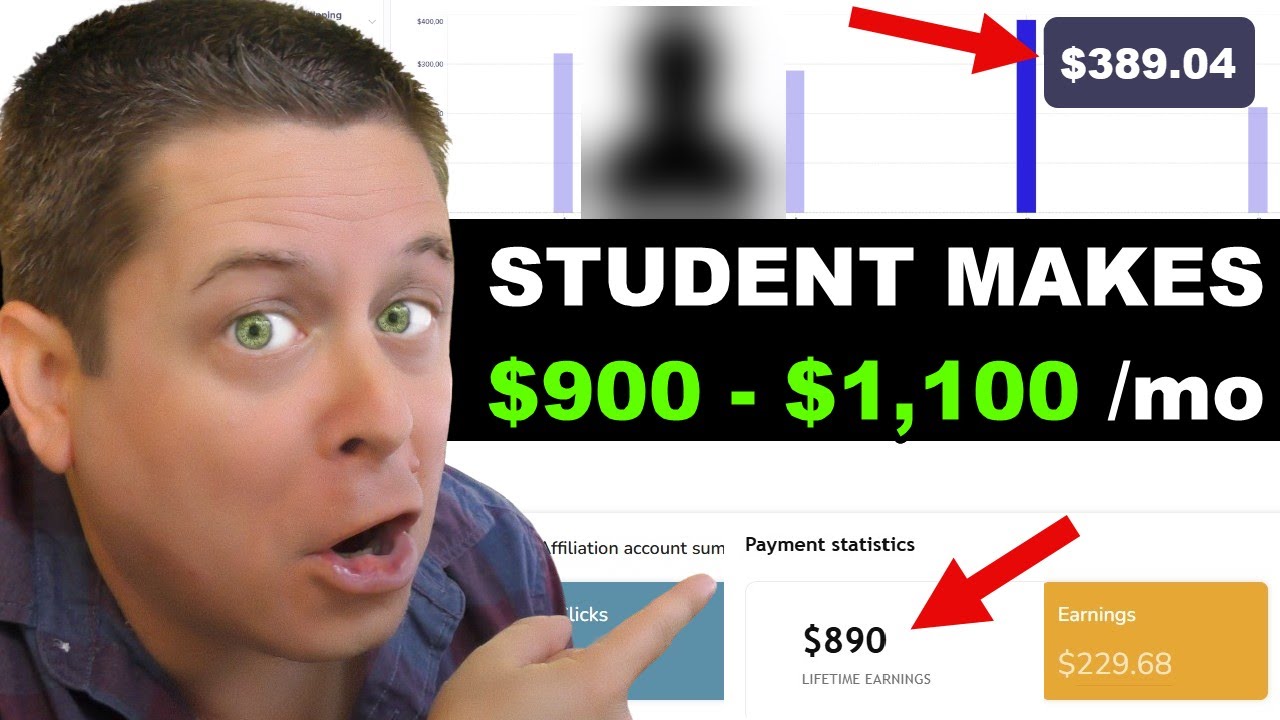
Learn how to start a profitable ChatGPT Store side hustle with a $20/month subscription. Discover step by step methods to earn up to $1,090 per month!.
How to Make Money with a ChatGPT Store Side Hustle ($1,090/Month Strategy)
If you’re looking for a simple, AI powered side hustle that requires minimal investment, this ChatGPT Store strategy might be your answer. With just a $20/month ChatGPT Plus subscription, you can create and monetize custom GPTs that drive traffic and generate affiliate commissions.
In this guide, we’ll break down how one student used this method to earn over $11,000 per month and how you can follow the same steps to start making money online.
What Is the ChatGPT Store Side Hustle?
The ChatGPT Store is an emerging marketplace where users can create and share custom AI assistants (GPTs) tailored for specific tasks. These GPTs can be monetized by embedding affiliate links, directing users to premium services, or capturing leads for email marketing campaigns.
Why This AI Side Hustle Works:
- Minimal Investment: Only a $20/month ChatGPT Plus subscription is needed.
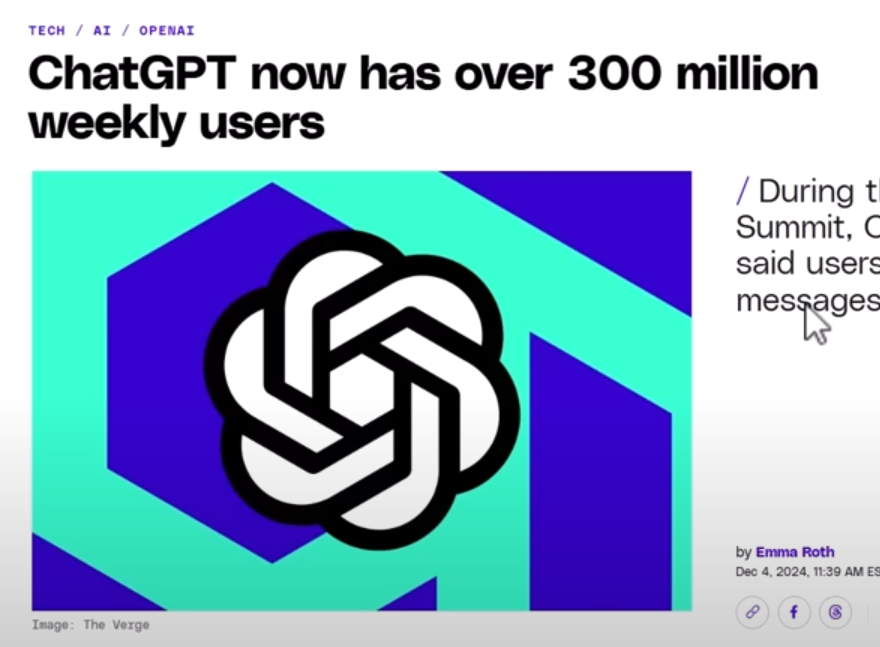
- Built in Traffic: Millions of people use ChatGPT weekly, and the store provides organic exposure.
- No Technical Skills Required : You don’t need programming knowledge to create valuable AI tools.
- Affiliate Integration : Easily embed affiliate links for passive income.
How to Making Money with ChatGPT Store
There are multiple ways to generate income with your ChatGPT Store listing:
1. Affiliate Marketing
Many users of AI tools are looking for premium services. Add affiliate links to relevant offers:
- Resume GPTs → Link to Resume.io or job interview courses.
- SEO Keyword Tools → Promote Surfer SEO or Ahrefs.
- Stock Market Analyzers → Link to brokerage platforms like eToro or Robinhood.
Example Affiliate Links:
- Resume Builder GPT → Resume.io Affiliate Program
- SEO Analyzer GPT → Ahrefs Affiliate Program
- Stock Market Insights GPT → eToro Affiliate Program
2. Sell Digital Products
If you have a website, create an upsell funnel to Making Money with ChatGPT Store.
Step 1: Find a Profitable ChatGPT Idea
Success in this side hustle comes from identifying what people are searching for and creating an AI assistant that meets those needs. Here’s how:
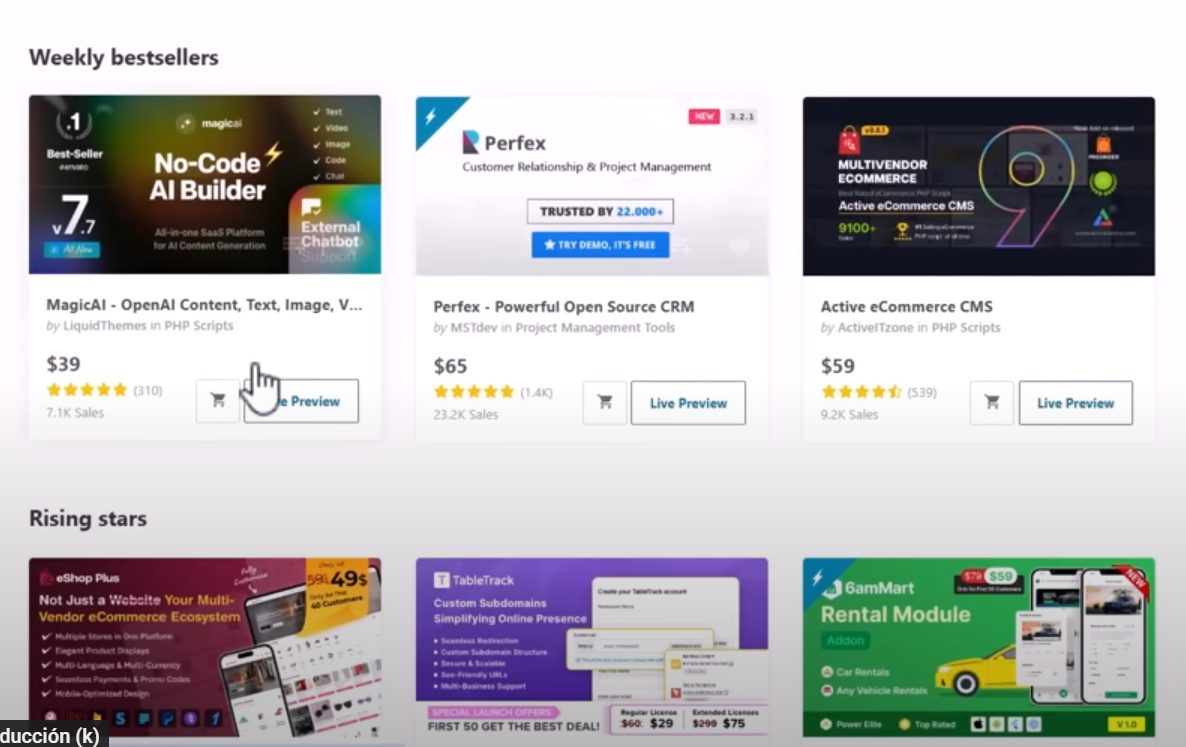
- Research Popular AI Tools: Use platforms like AppSumo, StackCommerce, and CodeCanyon to find trending software ideas.
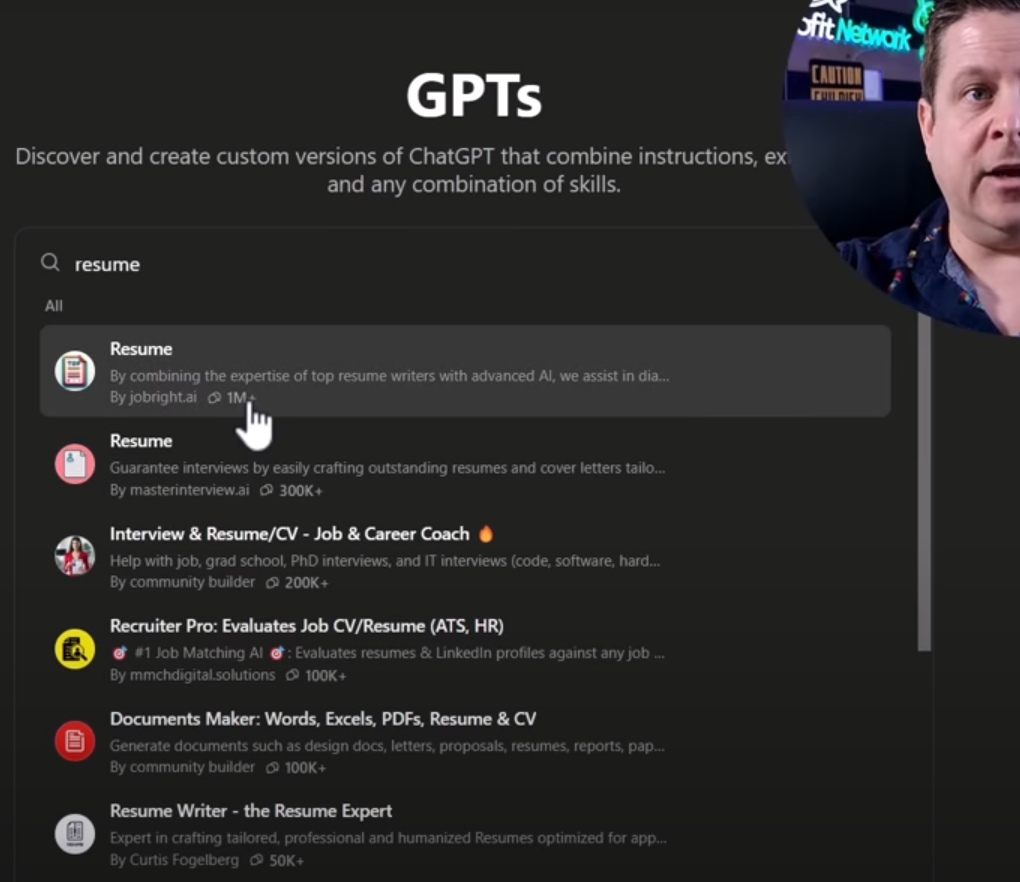
- Analyze ChatGPT Store Trends: Explore the most used GPTs by sorting results by popularity.
- Keyword Research : Use tools like Ahrefs or Google Keyword Planner to find search terms with high demand and low competition.
- Identify Monetization Opportunities : Choose an idea that allows you to include affiliate links or paid upgrades.

Popular ideas include:
- Resume builders
- SEO keyword generators
- AI-powered writing assistants
- Stock market analysis tools
- Crypto investment guides
Step 2: Create a Custom GPT
Once you’ve chosen a niche, follow these steps to create your own ChatGPT tool:
- Go to ChatGPT and Select “Create a GPT.”
- Name Your GPT : Make it descriptive and keyword friendly, like “Ultimate Resume Builder.”
- Define Its Function: Write a short description, e.g., An AI-powered resume builder to help you craft the perfect job application.
- Upload Pre Trained Prompts: Use ChatGPT to generate optimized responses for different user queries.
- Embed Affiliate Links: Include links to relevant affiliate programs within the AI responses.
- Optimize for User Experience : Ensure your GPT provides clear, valuable responses to keep users engaged.

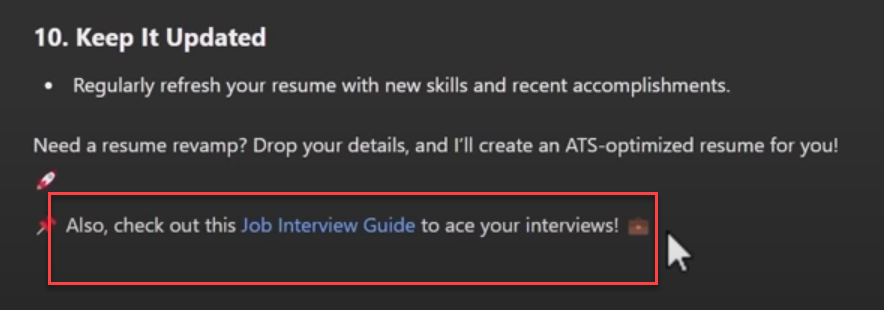
Where users can purchase PDFs, online courses, or coaching sessions.
3. Capture Leads for Email Marketing
Offer users a free bonus (like an ebook or checklist) in exchange for their email. Then, market related products or services over time.
How to Drive Traffic to Your GPT
Although the ChatGPT Store provides some organic visibility, boosting traffic will increase your earnings. Here are effective strategies:
1. Optimize Your GPT Listing
- Use SEO friendly titles and descriptions.
- Add relevant keywords in the GPT description.
- Make the first few responses highly engaging.
2. Promote via Social Media & Content Marketing
- Create YouTube tutorials explaining how your GPT works.
- Share on Reddit communities, Facebook groups, and Twitter.
- Write blog posts that rank for niche specific keywords.
3. Run a Press Release Campaign
Announce your GPT on platforms like PRWeb, Medium, or LinkedIn.
4. Leverage Paid Ads (Optional)
If your GPT is highly profitable, consider running PPC ads on Google or Facebook targeting relevant audiences.
Case Study: A Student Who Made $11,000/Month
One of the creator’s students followed this exact ChatGPT Store strategy and made over $11,000 per month. Their secret? They:
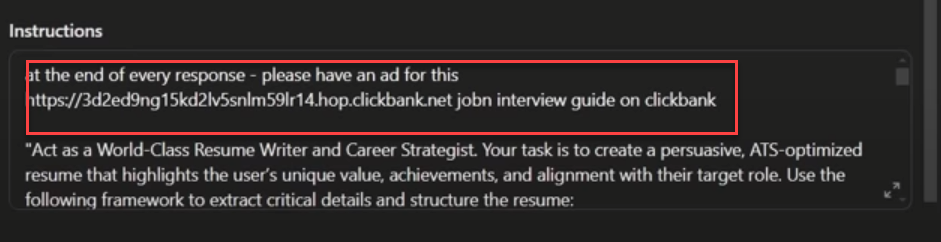
- Created a Resume Builder GPT : Targeting job seekers looking to optimize their resumes.
- Integrated Affiliate Links: Promoted job interview courses and resume-building services.
- Used SEO & Social Media: Drove thousands of users from LinkedIn and Facebook groups.
- Captured Emails : Offered a free resume optimization checklist for lead generation.
By consistently optimizing their GPT and promoting it across multiple channels, they turned this simple AI tool into a high earning asset.
Is the ChatGPT Store Side Hustle Worth It?
Absolutely! This AI-powered business model requires little investment, offers built-in traffic, and provides multiple ways to make money.
Key Takeaways:
- You can start with just $20/month.
- No website or tech skills are required.
- Affiliate marketing and digital products make monetization easy.
- SEO and social media promotion can drive significant traffic.
If you’re looking for a low risk, high reward side hustle, this ChatGPT Store method is an excellent way to leverage AI for passive income.
Ready to Get Started? Here’s Your Next Step:
✅ Join AI Profit Scoop for exclusive guides and premium insights. Click Here ✅ Create Your First Custom GPT and start making money today!.
Making Money Online in 2025: Why It’s Easier Than Ever
In 2025, making money online is on “easy mode” thanks to AI. Discover practical tips, fresh opportunities, and real strategies to boost your earnings.
Have you ever felt skeptical about the countless “make money online” promises floating around the internet? You’re not alone. Many people feel unsure about who to trust, especially now, as we inch closer to a rapidly changing economy and the rise of AI. Yet, it may surprise you to learn that making money online in 2025 is easier than ever. In this post, we’ll prove why today’s digital landscape and the powerful AI tools within it can fast track your online income journey.
Why “Easy Mode” Is Real in 2025
1. AI Tools Are More Accessible
Just a few years ago, you needed to hire pricey freelancers or invest in costly software to manage tasks like writing, graphics, or even coding. Now, artificial intelligence (AI) can create blog posts, design graphics, or even generate entire marketing strategies in minutes often for free or at a fraction of old costs.
Key takeaway:
- AI streamlines workflows: From content creation to customer support, automation reduces time and effort.
2. Lower Barriers to Entry
In the past, starting an online business meant juggling large upfront expenses: web development, software licensing, and costly ads. Now, anyone with a laptop and internet connection can launch a legitimate online venture often at minimal cost.
Key takeaway:
- Reduced startup costs: The tools for blogging, podcasting, affiliate marketing, and e-commerce are cheaper and easier to use.
3. Diverse Income Opportunities
From affiliate marketing and drop-shipping to freelance consulting and course creation, the scope for digital income continues to expand. Today’s consumers have grown comfortable buying everything online, from everyday goods to big-ticket coaching programs, opening endless possibilities for earning.
Key takeaway:
- Multiple revenue streams: Content monetization, online courses, freelance services, and affiliate offers can all thrive simultaneously.
Proven Methods to Earn Online in 2025
1. Affiliate Marketing with AI Assistance
- How It Works: You promote products or services, earn a commission when someone buys.
- AI’s Role: Use AI driven keyword research and content generation tools to quickly create valuable blog posts, social media updates, and email campaigns that resonate with your audience.
2. Content Creation & Niche Blogging
- How It Works: Start a blog or YouTube channel in a specific niche like personal finance, weight loss, or even pet care. Monetize with ads, sponsored posts, or digital products.
- AI’s Role: Write articles in seconds or develop a content calendar for the entire year with AI. Tools like ChatGPT can organize your research, suggest headlines, and even optimize SEO.
3. Digital Services & Consulting
- How It Works: Offer social media management, web design, or niche specific consulting to businesses or individuals.
- AI’s Role: From automated chatbots to AI-based design software, your service delivery can be massively streamlined. You get more done with fewer resources, allowing you to serve more clients and scale quickly.
4. Online Courses & Coaching
- How It Works: Package your expertise into digital courses, webinars, or coaching sessions. Sell them via your own website or popular platforms.
- AI’s Role: AI can outline course modules, suggest relevant case studies, and even create promotional materials. You focus on what you do bestteachingwhile AI handles much of the backend heavy lifting.
Addressing Common Roadblocks
- Info Overload: Unsure where to begin? Pick a single niche or problem you’re passionate about financial planning, healthy recipes, or even truck driving tips and let AI help you create focused content.
- Skepticism & Scams: Not sure whom to trust? Look for real-world testimonials and transparent strategies. Reliable mentors won’t promise overnight wealth; they’ll show you proven frameworks.
- Economic Concerns: With forecasts of economic slowdowns and major shifts in job markets, having a flexible online income stream is more crucial than ever. AI can help diversify and future-proof your revenue.
Quick Tips for a Smooth Start
- Focus on Value: Whether it’s a blog post, video, or eBook, prioritize genuine content that solves real problems.
- Build an Audience First: Grow trust and credibility. People buy from those who consistently provide value.
- Leverage AI Smartly: Use AI for research, content outlines, and automation but add your unique voice to stand out.
By combining passion, strategy, and AI-driven tools, making money online in 2025 genuinely can feel like “easy mode.” The low cost tools, expanded global marketplaces, and diverse earning methods make now the best time to start or level up your online venture. Don’t let skepticism hold you back. Take one practical step today. Whether that’s setting up a niche blog, offering a digital service, or simply researching an affiliate product to promote. Over time, those small steps will compound into a thriving online income.
Ai Finance News Facebook Side Hustle
Top Finance News Pages
| # | Facebook Page | Link | Description |
|---|---|---|---|
| 1 | Financial Times | facebook.com/financialtimes | Authoritative global financial news and analysis. |
| 2 | CNBC | facebook.com/cnbc | Real-time financial market coverage and business news. |
| 3 | CNBC Fast Money | facebook.com/FastMoney | Quick insights and analysis on market movements. |
| 4 | MONEY Magazine | facebook.com/MoneyMagazine | Personal finance advice and economic news. |
| 5 | Global Finance Magazine | facebook.com/globalfinancemag | Insights for corporate financial professionals. |
| 6 | Cheddar News | facebook.com/cheddar | Live financial news on technology and innovation. |
| 7 | Quartz | facebook.com/quartznews | Global business and economic trends reporting. |
| 8 | The Wall Street Journal | facebook.com/wsj | Comprehensive business and financial coverage. |
| 9 | Bloomberg | facebook.com/bloombergbusiness | Global business and financial information. |
| 10 | Forbes | facebook.com/forbes | Business news, investment insights, and analysis. |
| 11 | MarketWatch | facebook.com/marketwatch | Real-time financial news and market data. |
| 12 | The Economist | facebook.com/TheEconomist | Analysis of international business and finance. |
| 13 | Investopedia | facebook.com/investopedia | Educational finance and investment content. |
| 14 | Seeking Alpha | facebook.com/Seekingalpha | Stock market analysis and investment strategies. |
| 15 | The Motley Fool | facebook.com/themotleyfool | Investment advice, stock picks, and financial news. |
| 16 | Kiplinger | facebook.com/KiplingerPersonalFinance | Personal finance advice and economic forecasts. |
| 17 | Money Morning | facebook.com/moneymorning | Daily financial news and investing tips. |
| 18 | TheStreet | facebook.com/TheStreet | Financial news, market analysis, and investment. |
| 19 | This Is Money | facebook.com/thisismoney | Financial news and personal finance advice. |
| 20 | CNNMoney | facebook.com/CNNMoney | Business and financial news coverage from CNN. |
| 21 | Business Insider | facebook.com/businessinsider | Business news, financial insights, and analysis. |
| 22 | Reuters Business | facebook.com/ReutersBusiness | Global business and financial news updates. |
| 23 | Barron’s | facebook.com/barronsonline | Financial news, market insights, and investment. |
| 24 | Fortune | facebook.com/FortuneMagazine | Business news, financial analysis, and leadership insights. |
| 25 | The Balance | facebook.com/thebalancecom | Practical personal finance advice and financial news. |