Uncategorized
Anticipatory Marketing – Vintage Marcus Videos :)
April 2025 we will be adding a “vintange marcus” secton to ai profit scoop where we will be loading TONS of marcus old videos on affiliate marketing and making money which are more relevant now than ever… PLUS you get personal help support, weekly live calls, plugins, and more.
Just Imagine If You Saw This And Took Action Back in 2014 When It Was Made
Click Here To Join Ai Profit Scoop Now
more vintage marcus 🙂
Click Here To Join Ai Profit Scoop Now
more vintage marcus 🙂
Click Here To Join Ai Profit Scoop Now
Make $1,000 a Day with No-Code Websites: Deepseek 3 & Bolt AI
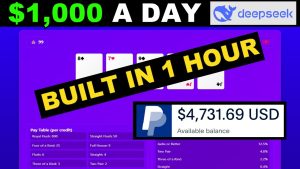


Discover how to make up to $1,000 a day with no-code websites using Deepseek 3 and Bolt AI. Learn niche selection, affiliate strategies, and game-changing AI tools.
Are you ready to learn a practical strategy for making up to $1,000 a day. Without ever writing a line of code? In this post, we’ll explore how Deepseek 3 and Bolt AI can help you build niche focused websites and simple web based tools fast. If you’ve been searching for a user friendly way to profit from AI-generated sites, this guide is for you.
Why No-Code Websites Are Thrivin
The rise of AI and rapid tech innovation have made no code websites a game changer. Here’s why:
-
Speed and Efficiency: Tools like Deepseek 3 and Bolt AI can generate functioning websites or applications in minutes.
-
Lower Costs: Traditional web development can cost thousands of dollars. No-code solutions reduce your investment to a fraction. Often less than $30–$40 a month.
-
Wider Accessibility: Anyone with a computer can leverage these tools; no programming background is required.
AI Impact on Programming Jobs
According to various reports, AI is accelerating the automation of coding tasks. Even prominent tech leaders like Mark Zuckerberg predict that soon, AI may write code as efficiently as human developers. This shift means that tapping into AI-driven, no-code solutions can put you at the forefront of digital business opportunities.
Find Your Profitable Niche
Choosing the right niche is essential for success. In the video transcript, the focus was on creating a card game tool that shows players their odds of winning a brilliant, creative angle in a competitive market.
-
Use AI for Research: You can ask Deepseek or Bolt AI to suggest niches with strong search volume and moderate competition.
-
Check Keyword Demand: Look for high volume keywords like “learn [your niche]” or “best [your niche] tool.”
Example Niche: Card Game Odds Calculator
-
Traffic Potential: Thousands of people look up how to play card games, card game rules, and odds every day.
-
Monetization: Promote affiliate programs offering advanced training or strategy courses related to the game.
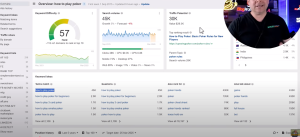
Step 2: Build Your No-Code Website or Tool
After picking your niche, the next step is to build a simple web tool. like a card game odds calculator using Deepseek 3 or Bolt AI.
-
Generate Your Code: In Deepseek 3, just type a prompt like, “Create a card game tutorial website” or “Create an odds calculator in PHP/HTML.”
-
Upload to Hosting: Copy or download the generated files (HTML, CSS, JavaScript) and upload them to your hosting account via cPanel or any file manager.
-
Test and Refine: Make sure the site or tool works smoothly. If something breaks, ask AI to fix or refine the code.
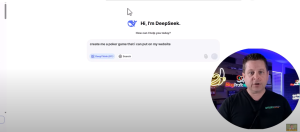
Bolt AI vs. Deepseek 3
-
Bolt AI: Great for more complex projects. It often creates an entire project folder you can upload at once.
-
Deepseek 3: Quickly generates clean, easy to edit code, and can incorporate extra features like affiliate banner placements at the top and bottom of the page.
Step 3: Monetize with Affiliate Offers
Your no-code site needs monetization. Here’s how:
-
Sign Up for Relevant Affiliate Programs: For a card game niche, promote “Learn to Play” or “Advanced Strategy” courses that offer commissions. some pay up to 50%.
-
Place Affiliate Links Strategically: Feature banner ads at the top and bottom of your tool, and include in text links within helpful blog posts or tutorials.
Example Affiliate Programs
-
Card Game Strategy Course: Earn 25–50% per sale.
-
Online Training Platforms: Some courses offer monthly recurring commissions if they’re subscription-based.

Step 4: Drive Targeted Traffic
Once your site and tool are set up, attract visitors who are most likely to convert:
-
SEO-Focused Blogging: Write blog posts about popular card game tips, rules, and strategies.
-
Social Media Promotion: Share your card game tool on social platforms, highlighting its unique “odds calculator” feature.
-
Online Communities and Forums: Offer genuine value by sharing free resources and tutorials.
-
Email Marketing: If you collect emails, send out regular newsletters with tips, inviting readers back to your tool.
Step 5: Optimize and Scale for $1,000 a Day
Track Conversions: Monitor how many clicks and sales your affiliate links generate.
-
-
Add More Tools: Expand to additional related tools (like a hand-ranking simulator, scoring apps for other card games, or even a quiz to test knowledge).
-
Test Paid Ads: Once you have a profitable funnel, scale your reach with Google Ads or Facebook Ads.
-
Monetizing Your No-Code Website
Affiliate Marketing
Affiliate marketing is highly profitable within niche websites.
- Incorporating affiliate links within your niche-specific educational tools
- Earning commissions through training courses and high-quality affiliate products (up to 50% commissions available).
Driving Traffic Effectively
To earn $1,000 daily, strategic traffic generation is essential:
- Optimize for SEO by targeting niche-specific keywords
- Promote actively on social media platforms
- Provide valuable, engaging content like game strategies, tips, and tutorials
AI-driven tools like Deepseek 3 and Bolt AI are unlocking new paths to online income, enabling anyone to build unique web tools and niche websites quickly. Whether you’re creating a simple card game odds calculator or another specialized tool, the no-code approach offers flexibility and financial potential. Focus on a good niche, monetize effectively, and drive targeted traffic. Before long, you could be on your way to earning $1,000 a day. All without traditional programming.
Ready to get started? Fire up your AI tools and turn your ideas into a live website today!
Beyond AI SEO – Getting Massive Traffic With Google AI
MASSIVE TRAFFIC WITH AI
Part 1: The Foundation – Understanding Before Scaling
1.1 Deep Research: Human Insight First
- Why Critical: AI needs direction! Understand Audience (Pain Points, Language), Find Unique Angles/Gaps, Build E-E-A-T (Expertise, Authoritativeness, Trustworthiness).
- Methods: Audience analysis (forums, reviews, surveys), Competitor deep dives, Primary source gathering (studies, data, interviews).
- AI Assist: Summarize texts (competitor content, research), Analyze feedback themes, Brainstorm initial research questions.
1.2 Keyword Research & Topic Clusters: Mapping Demand
- What: Finding & analyzing terms people search for. Foundation for SEO, PPC, Content.
- Keywords: Short-tail (broad), Long-tail (specific, high intent), Question, LSI (related terms).
- Search Intent: WHY they search (Informational, Navigational, Transactional, Commercial Investigation). Match content to intent!
- AI Assist: Brainstorm keywords (seed, long-tail), Find related terms (LSI), Analyze SERP data (titles/angles), Generate cluster ideas.
- Topic Clusters:
- Model: Pillar Page (broad topic) + Cluster Pages (subtopics).
- Linking: Internal links connect Pillar <=> Clusters.
- Benefits: SEO Topical Authority, Better UX/Navigation, Organized Content Strategy.
- AI Assist for Clusters: Help outline Pillar/Cluster content structure based on keyword groups.
1.3 Grounding AI (NotebookLM Concept)
- Concept: Base AI responses on YOUR specific research docs.
- Role: Organize sources, Ensure accuracy (fact-check AI output vs. sources), Generate source-based outlines/summaries, Find unique connections across docs.
Part 2: Generating Traffic – AI Across Channels
Overview: Main Traffic Types
- Organic Search (SEO)
- Paid Search (PPC)
- Social (Organic & Paid)
- Referral (Links from other sites)
- Direct (Typed URL, Bookmarks)
- Email (Links in emails)
2.1 Organic Search (SEO): AI as Optimization Partner
- AI Content Creation:
- Drafting (Posts, Pages): Use AI (Gemini) GUIDED by research, keywords, audience info.
- Refining: Improve clarity, tone, readability.
- Repurposing: Transcripts -> Articles, etc.
- ⚠️ HUMAN OVERSIGHT IS NON-NEGOTIABLE: Edit, Fact-Check, Add Unique Value/E-E-A-T, Ensure Brand Voice, Check Originality. NO RAW AI OUTPUT.
- AI On-Page SEO Assist:
- Metadata: Generate Title Tag & Meta Description options.
- Headings: Optimize H1, suggest H2/H3s.
- Alt Text: Generate image descriptions.
- Internal Linking: Suggest relevant links within content.
- Schema Markup: Generate basic JSON-LD (FAQ, HowTo, Article) – Needs validation.
- AI Tech SEO Assist:
- Help interpret audit reports (e.g., PageSpeed).
- Assist structuring
robots.txt,sitemap.xml– Needs expert review.
- AI Off-Page / Link Building Ideas:
- Brainstorm outreach targets (sites, influencers).
- Draft outreach email templates – Must personalize heavily.
- Advanced Off-Page Tactics:
- Domains (Auctioned/Expired):
- Concept: Acquire domains with history (links, traffic?).
- Potential: SEO boost (maybe), direct traffic capture, good name.
- ⚠️ RISKS HIGH: Penalties?, Toxic/Irrelevant Links?, Trademarks?. Google may discount value.
- ⚠️ DUE DILIGENCE VITAL: Check Backlinks (Ahrefs), History (Archive.org), Traffic, Index Status, Penalties.
- Finding: Auction sites (GoDaddy, Sedo), Marketplaces (ExpiredDomains.net).
- Press Releases (PR):
- Concept: Official announcements to media.
- Potential: Brand Awareness, Credibility, Referral Traffic. Links: Earned Media links valuable; Wire Service links often nofollow (less SEO impact).
- Keys: MUST BE NEWSWORTHY! Target relevant media. Follow standard format.
- Distribution: Wire services (costly) + Direct journalist outreach.
- AI Assist: Draft PR, Brainstorm headlines, Identify media targets (verify!), Summarize for pitches. Requires human editing/strategy.
- Domains (Auctioned/Expired):
2.2 Paid Traffic (PPC & Social Ads): AI Enhancement
- Use Platform AI: Leverage Google/Meta’s built-in bidding, audience, dynamic creative features.
- AI Ad Creative Assist:
- Generate Ad Copy Variations (Headlines, Descriptions) for A/B testing.
- Brainstorm visual concepts (images/video).
- AI Targeting Ideas: Brainstorm interests, demographics based on research.
- AI Landing Page Assist: Generate Headline/CTA variations for testing.
2.3 Social Media Traffic: AI for Content & Engagement
- AI Content Ideation: Brainstorm post ideas (polls, questions), hashtags, themes based on trends/content.
- AI Creation/Repurposing Assist:
- Blog Posts -> Social Snippets (Threads, Summaries).
- Draft social copy.
- Outline basic video scripts (Reels, TikTok).
- AI in Tools: Many tools use AI for scheduling, analysis.
2.4 Email Traffic: AI for Personalization & Efficiency
- AI Lead Magnet Ideas: Brainstorm guides, checklists, etc.
- AI Email Copywriting Assist:
- Draft Subject Lines, Body Copy, CTAs.
- Generate personalized snippets (based on segment data).
- Outline email sequences (welcome, nurture).
- AI in Platforms: Send time optimization, segmentation suggestions.
2.5 Referral & Direct Traffic: Indirect AI Influence
- Referral: Quality content (AI-assisted + Human refined) attracts links naturally.
- Direct: Consistent value & branding (AI helps maintain voice) builds loyalty -> direct visits.
Part 3: Advanced Strategy – Building Traffic-Generating Assets
3.1 Making Digital Tools for Profit
- Concept: Solve specific problems with SaaS, calculators, generators, templates, plugins.
- Traffic Link: Can be a Lead Magnet (free/freemium tool) OR the core business requiring traffic.
- AI Integration:
- Ideation: Analyze market needs, brainstorm tool ideas.
- Dev Assist: AI coding assistants (e.g., Copilot) can speed things up – ⚠️ Needs Developer Skill/Oversight!
- Marketing: Use AI for landing pages, ad copy, content marketing about the tool (see Part 2).
- Monetization: Subscription (Freemium, Tiers), One-Time, Usage-Based, Ads, Services, Affiliate.
- Considerations: Tech skill/budget, Market need, Marketing effort, Legal, Support.
Part 4: Choosing the Right AI Tools for Your Traffic Strategy
(Disclaimer: AI models and platforms evolve rapidly. Capabilities described here are based on general knowledge and features known up to my last update and specific current versions like DeepSeek Coder V2 or GPT-4o/Gemini Pro accessed via their respective platforms may have newer functionalities. Always test and verify for your specific needs.)**
While many AI models share core language capabilities, they often have different strengths, interfaces, and features. Matching the right tool to the task can significantly improve efficiency and results.
Brief Overview of Key Tools & Platforms:
- Gemini Models (Pro, Ultra via Google AI Studio / APIs / Consumer interfaces):
- Strengths: Strong reasoning, handling long context windows (good for large docs), multilingual, potentially good integration with Google ecosystem data (depending on interface/permissions), good for structured output.
- Google AI Studio: Platform to access Gemini models via API, allows prompt tuning (temperature etc.), system instructions, creating repeatable workflows, good for developers or power users needing fine-grained control or integration.
- ChatGPT (e.g., GPT-4, GPT-4o):
- Strengths: Excellent conversational ability, strong creative writing/brainstorming, multimodal (can analyze/discuss images – “text on images” capability), web Browse, Advanced Data Analysis (interpreting/visualizing data, running code), large ecosystem of integrations/plugins (depending on version/subscription).
- DeepSeek Coder V2:
- Strengths: Highly specialized and optimized for coding tasks (generation, completion, bug fixing, translation between programming languages).
Mapping AI Tools to Traffic Generation Tasks:
Here’s a general guide on which tools might excel for specific tasks (often multiple tools can do the job, this highlights potential advantages):
-
Deep Research & Synthesis:
- Gemini (Long Context): Best for summarizing very large research documents or synthesizing information across multiple lengthy sources provided in the prompt.
- ChatGPT (Web Browse & Data Analysis): Good for finding current information online, summarizing web articles, analyzing structured data from surveys (e.g., CSV uploads).
- Both: Can help identify themes in qualitative feedback if text is provided.
-
Keyword Research & Clustering:
- ChatGPT/Gemini: Both strong for brainstorming seed keywords, generating long-tail variations, identifying LSI terms, suggesting topic cluster structures based on seed ideas. ChatGPT’s web Browse might help analyze current SERP features.
-
Content Creation (Drafting):
- ChatGPT: Often preferred for creative, engaging, conversational content (blog intros/outros, social media, email). Good for generating multiple stylistic variations quickly.
- Gemini: Strong for structured, informational content (pillar pages, technical explanations, detailed guides), potentially better at maintaining logical flow over very long outputs.
-
Content Refinement & SEO Optimization:
- All (ChatGPT, Gemini): Excellent for rephrasing, grammar/style checks, adjusting tone, summarizing text.
- Both: Can generate metadata (titles, descriptions), alt text, optimize headings based on keyword input.
- Gemini AI Studio (API): Potentially useful for automating metadata/alt text generation at scale if integrated into a workflow.
-
Schema Markup Generation:
- ChatGPT/Gemini: Can generate basic JSON-LD schema, but requires careful validation by someone familiar with Schema.org.
- DeepSeek Coder V2: Might be helpful if needing to generate schema via code or integrate it programmatically.
-
Ad Copy Generation (PPC/Social):
- ChatGPT: Excels at generating creative variations, different angles, and incorporating emojis or calls-to-action suitable for various platforms. Image analysis can help analyze competitor visual ads.
- Gemini: Also strong, can generate solid, data-informed copy variations.
-
Social Media Content:
- ChatGPT (Multimodal): Ideal for generating posts commenting on images, creating text overlays conceptually for images (using DALL-E integration if available), writing engaging captions, brainstorming interactive content (polls, questions).
- Gemini: Good for repurposing long-form content into informational social snippets, drafting announcements.
-
Email Copywriting:
- ChatGPT/Gemini: Both capable of drafting subject lines, body copy, CTAs, sequence outlines. ChatGPT might lean more creative, Gemini more structured.
-
Press Release Drafting:
- ChatGPT/Gemini: Both can draft professional-sounding PRs based on provided facts, following standard formats. Requires human review for newsworthiness and accuracy.
-
Domain/Competitor Analysis Support:
- ChatGPT (Multimodal): Can analyze screenshots of competitor websites or landing pages to provide feedback on layout, content, potential CTAs.
- ChatGPT (Web Browse): Can sometimes fetch basic public data about domains or summarize readily available online analysis (less reliable than dedicated SEO tools).
-
Tool Development (Coding Assistance):
- DeepSeek Coder V2: Primary choice for complex code generation, debugging, translating codebases, understanding intricate programming logic due to its specialization.
- ChatGPT/Gemini (Coding Capabilities): Good for generating smaller code snippets, explaining code concepts, writing simple scripts, front-end logic (HTML/CSS/JS).
Key Takeaways & Synergy:
- No Single “Best” Tool: The ideal tool often depends on the specific task, desired output style, context length needed, and whether specialized features (coding, image analysis, API access) are required.
- Use Tools Together: Leverage the strengths of different models. Example: Use Gemini for deep research synthesis, ChatGPT for drafting engaging blog intros based on that research, and DeepSeek Coder V2 if building a related calculator tool.
- Prompt Engineering is Crucial: The quality of your input (clear instructions, context, examples) dramatically impacts the output quality, regardless of the tool.
- Experiment: Try similar prompts across different platforms to see which delivers results closer to your needs for specific recurring tasks.
Part 5: Implementation & Best Practices (Formerly Part 4)
- ⚠️ HUMAN OVERSIGHT IS NON-NEGOTIABLE:
- Fact-Check AI outputs rigorously.
- Edit for Brand Voice, Tone, Accuracy.
- Add Unique Value, Expertise, Experience (E-E-A-T).
- Ensure Originality (Use plagiarism checkers).
- Ethical AI Use: Be transparent, avoid harm/misinformation, respect copyright/privacy.
- Focus on USER VALUE: Use AI to enhance quality & relevance, not just quantity.
- Measure & Iterate: Use Analytics! Track performance, refine prompts & strategy based on data.
- Integrated Workflow: AI tools + Keyword tools + Analytics + CMS + Human Strategy = Success.
Conclusion
- AI offers transformative potential for traffic generation.
- Winning Formula: Strategic AI Integration + Human Insight + Deep Research + User-Centric Value.
- Use AI wisely as your co-pilot, guided by solid marketing fundamentals.
Search Engines
-
Google Search
-
Methods: SEO (Organic), PPC (Google Ads – Search)
-
AI Use: ChatGPT or Gemini for keyword ideas, content drafts, metadata, schema markup; Google Ads AI for bidding and targeting.
-
-
Bing
-
Methods: SEO (Organic), PPC (Microsoft Ads)
-
AI Use: ChatGPT or Gemini for SEO strategy and content; Ad copy for Microsoft Ads.
-
-
DuckDuckGo
-
Methods: SEO (Organic)
-
AI Use: ChatGPT or Gemini for content and keyword strategies.
-
-
YouTube (Search)
-
Methods: Video SEO, Content Marketing
-
AI Use: ChatGPT or Gemini for video topics, scripting, metadata, and engagement comments.
-
-
Pinterest (Visual Search)
-
Methods: Visual SEO, Content Marketing
-
AI Use: ChatGPT or Gemini for Pin content, keyword research, board ideas; multimodal AI for analyzing image styles.
-
-
Yandex / Baidu
-
Methods: SEO (Organic, regional focus)
-
AI Use: Gemini for multilingual content; ChatGPT or Gemini for regional SEO strategy.
-
Social Media Platforms
-
Facebook
-
Methods: Organic posting, community engagement, Meta Ads
-
AI Use: ChatGPT for ad copy, post ideas, and targeting strategies; multimodal tools for visuals.
-
-
Instagram
-
Methods: Organic visuals, community building, Meta Ads
-
AI Use: ChatGPT for captions, hashtags, story ideas, and reels; multimodal AI for analyzing trends and image styles.
-
-
LinkedIn
-
Methods: Organic professional content, thought leadership, B2B Ads
-
AI Use: ChatGPT or Gemini for articles, posts, and ad copy.
-
-
Twitter / X
-
Methods: Real-time updates, community posts, X Ads
-
AI Use: ChatGPT for tweets, threads, hashtag discovery, and ad content.
-
-
Pinterest
-
Methods: Organic pinning, content curation, Pinterest Ads
-
AI Use: ChatGPT or Gemini for pin titles, descriptions, board curation; multimodal for visuals and inspiration.
-
-
TikTok
-
Methods: Short-form video, engagement, TikTok Ads
-
AI Use: ChatGPT for video scripts, trends, and captions; Gemini for ad copy and content ideas.
-
-
Reddit
-
Methods: Community discussion, organic engagement, Reddit Ads
-
AI Use: ChatGPT or Gemini for comment threads, discussion ideas, and subreddit research.
-
-
Quora
-
Methods: Q&A authority building, Quora Ads
-
AI Use: ChatGPT or Gemini for generating in-depth answers, finding popular questions, and creating ad content.
-
-
Snapchat
-
Methods: Stories, Spotlight content, Snap Ads
-
AI Use: ChatGPT for creative video/story ideas and AR content; ad scripting.
-
-
Tumblr
-
Methods: Blogging, content curation
-
AI Use: ChatGPT or Gemini for post generation, captions, image/GIF description.
-
Content & Publishing Platforms
-
YouTube (Hosting)
-
Methods: Video content creation, channel building
-
AI Use: ChatGPT or Gemini for branding, content strategy, SEO optimization, video scripting, thumbnail text.
-
-
Medium / Substack
-
Methods: Writing articles, newsletters, SEO
-
AI Use: ChatGPT or Gemini for article drafts, headlines, email sequences, and blog optimization.
-
-
SlideShare
-
Methods: Uploading educational presentations, SEO exposure
-
AI Use: ChatGPT or Gemini for creating slide outlines, writing summaries, and optimizing descriptions.
-
Advertising Networks
-
Google Ads (Display)
-
Methods: Display advertising, retargeting, in-market targeting
-
AI Use: ChatGPT for writing ad copy, suggesting audiences, optimizing creatives; multimodal for visuals and graphics.
-
-
Native Networks (Taboola, Outbrain)
-
Methods: Native-style PPC ads, content amplification
-
AI Use: ChatGPT for writing click-worthy headlines, ad copy, and article ideas to link to.
-
-
Amazon Ads
-
Methods: Product advertising through Amazon PPC
-
AI Use: ChatGPT or Gemini for product descriptions, keyword targeting, and ad headlines.
-
Referral Sources
-
Niche Blogs / News Sites
-
Methods: Guest posting, media outreach, PR campaigns
-
AI Use: ChatGPT or Gemini for pitching email drafts, article creation, and press release writing.
-
-
Forums / Communities
-
Methods: Organic community engagement, providing value
-
AI Use: ChatGPT or Gemini for writing helpful comments, summarizing threads, generating reply ideas.
-
-
Online Directories
-
Methods: SEO citations, business profile listings
-
AI Use: ChatGPT or Gemini for writing consistent business descriptions across directories.
-
-
Partner Websites
-
Methods: Cross-promotion, link exchanges, joint ventures
-
AI Use: ChatGPT or Gemini for outreach emails, proposal creation, and co-marketing content.
-
Direct & Email Traffic
-
Direct Traffic
-
Methods: Branding, offline marketing, UX optimization
-
AI Use: ChatGPT or Gemini for refining brand messaging, headlines, and offline marketing materials.
-
-
Email Marketing
-
Methods: List building, newsletters, autoresponders
-
AI Use: ChatGPT or Gemini for writing subject lines, lead magnets, email sequences, and segment-based campaigns.
-
Code / Tool Development
-
Custom Tools
-
Methods: Building calculators, quizzes, interactive widgets
-
AI Use: DeepSeek Coder V2 for writing code; ChatGPT or Gemini for logic, UI text, documentation, and promotional content.
-
www.AiProfitScoop.com
How to Make Money with NotebookLM: $1,455 in One Week

Learn how to make money with NotebookLM using mind maps, AI tools, and structured content strategies. Discover how I made $1,455 in just one week!
AI + Understanding = Profit
If making money online feels overwhelming, you’re not alone. There are thousands of “experts” and endless methods, which often just add confusion. But what if one tool could simplify everything?
In this post, I’m going to show you how I used NotebookLM, a Google-powered AI tool, to make $1,455 in a single week. It’s not about complicated funnels or selling shady products. It’s about understanding. The one word that separates success from failure online.
Let’s break down exactly how this works, how you can copy it, and why NotebookLM might just be the best money-making AI tool available right now.
What Is NotebookLM?
NotebookLM (powered by Google’s AI, formerly known as Project Tailwind) is an AI-powered learning and research tool that lets you upload content and generate summaries, study guides, FAQs, and now mind maps based on your documents.
Unlike typical AI tools that search the web for generalized info, NotebookLM lets you train the AI using your own resources (links, PDFs, notes, articles, YouTube videos, etc.). This creates a personalized AI research assistant tailored to whatever niche you want to dominate.
Why NotebookLM Is a Game Changer for Making Money Online
The Problem with Most “Make Money Online” Advice
Most money making advice online is overwhelming. Whether it’s affiliate marketing, product sales, YouTube content, dropshipping, or memberships, the strategies seem endless. And every guru adds more steps, more tools, and more confusion.
The Real Secret : Understanding
Here’s the truth: money follows understanding. People pay for clarity.
Whether you’re a lawyer, a mortgage executive, or a content creator, you make money by understanding something your audience doesn’t and explaining it clearly. NotebookLM helps you gain that understanding quickly.
 .
.
How I Made $1,455 with NotebookLM
Step 1: Choose a High Value Topic
Pick a topic where people are actively searching for clarity. Some great starting points:
-
How credit card debt works
-
How to get your first apartment
-
What is compound interest
-
How to build wealth
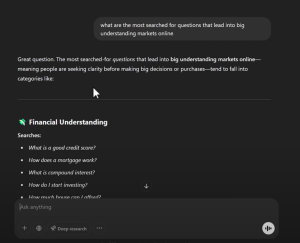
You can use tools like Gemini (Google AI) or ChatGPT to find common questions in your niche.
Step 2: Feed Quality Info into NotebookLM
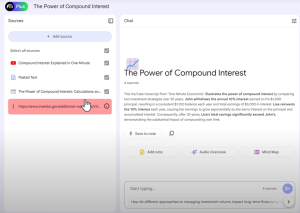
Train your NotebookLM with:
-
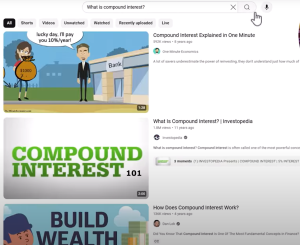
YouTube videos (paste the link)
-
Google Docs
-
Blog articles
-
Text content you write or copy-paste
For example, I trained NotebookLM with a combination of videos and articles about compound interest and personal finance.
Step 3: Use the Mind Map Feature
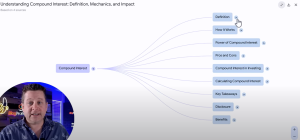
NotebookLM’s Mind Map organizes your content visually. This gives you:
-
A complete understanding of your topic
-
A blueprint to create content or products
-
A way to teach others and get paid
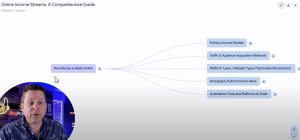
Here’s a visual example of a money-making mind map (internal link suggestion).
Suggested Image Placement:
Image: Screenshot of a Mind Map inside NotebookLM
Alt text: Mind map showing how to make money online with NotebookLM
 .
.
8 Proven Ways to Monetize NotebookLM Mind Maps
1. Create a Blog Post or Online Guide
Turn each branch of your mind map into a blog post. Example:
-
“What Credit Score Do You Need to Rent an Apartment?”
-
“The Truth About Compound Interest”
Add affiliate links for credit cards, renter’s insurance, or financial services.
2. Make Explainer Videos or TikToks
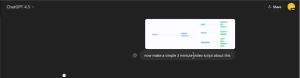
Use AI to turn your mind map into a script. Then record a faceless video or voice-over with visuals. These videos work great for YouTube Shorts or TikTok.
 .
.
3. Offer Research Services on Fiverr
People pay $20–$80 for well-organized research. You can sell mind maps, briefings, or study guides as a service.
4. Create an Online Course or eBook
Use your mind map as a framework for a mini-course or downloadable PDF. Sell it directly or offer it as a free lead magnet.
5. Build Pinterest Carousels
Turn your mind map into visual carousels explaining steps or tips. Pinterest traffic can drive clicks to your affiliate links or blog.
6. Embed Visual Learning Tools on Your Site
Make your blog interactive by embedding mind maps. Help users learn visually while increasing time on page and boosting SEO.
7. Use as Lead Magnets or Presentation Packs
“Free Visual Guide to Understanding AI Tools” or “How to Start a Dropshipping Biz in 2024”. great for email signups.
8. Sell as PLR (Private Label Rights)
Package your maps, PDFs, or guides and sell them as content others can use. Great passive income stream.
At the end of the day, you don’t need to reinvent the wheel to make money online. You just need to help people understand what’s already out there.
NotebookLM makes this incredibly simple. With just a few resources and a few minutes, you can go from confusion to clarity. And clarity is what sells.
Whether you’re building a blog, starting a YouTube channel, or freelancing on Fiverr, the key is structured information. And that’s what NotebookLM delivers.
I Asked Copilot AI to Find Me Money $1,341 in One Day!
Discover how to make money online using Microsoft Copilot AI to find profitable domains. Learn the exact steps that generated $1,341 fast!.

Have you ever dreamed of uncovering “hidden treasure” online and selling it for a profit? Thanks to Microsoft Copilot and simple tools like GoDaddy Auctions and free rank checkers, you can quickly find profitable domains and turn them into lucrative assets. Whether you’re a total beginner or an experienced marketer, this post will walk you through the exact steps to flip domains or build them out to create new income streams.
How Microsoft Copilot Helps You Find Profitable Domains
Microsoft Copilot is an AI powered tool that can sort through tons of domain listings, identify niche specific domains, and even estimate how much a domain might be worth. It does the “heavy lifting” that once took hours of manual research or premium software. By leveraging Copilot’s fast, data driven insights, you’ll gain a major head start in the competitive world of domain flipping.
Key Benefits of Using Copilot for Domain Research
-
Time Savings: Automates the search for potential high-value names.
-
Niche Identification: Recognizes domain topics (finance, health, lifestyle, etc.).
-
Backlink Insights: Integrates with backlink checkers to see domain authority.
-
Profit Potential: Offers estimates so you avoid sinking money into worthless domains.
Using AI and Free Tools to Profit from Domains
-
Install Microsoft Copilot on Edge
-
Go to copilot.microsoft.com (External Link) for instructions.
-
In just a few clicks, you’ll have Copilot ready to help you.
-
-
Open GoDaddy Auctions
-
Browse real-time listings on auctions.godaddy.com to see domain names about to expire or close.
-
Sort by ending soonest or filter by price range to find quick deals.
-
-
Use a Free Rank Checker
-
Tools like “SEO Review Tools” help you see existing keyword rankings.
-
Look for domains with existing traffic or strong backlink profiles.

-
-
Check Backlinks with a Free Backlink Checker
-
A tool like Ahrefs’ free backlink checker (or others) reveals inbound links.
-
Domains with quality backlinks are easier to rank and often more valuable.
-
-
Research Domain Sales on NamePros
-
Visit namepros.com to see recently sold domains.
-
Use Copilot to analyze what made these domains valuable (short, brandable, niche-specific, etc.).

-
-
Decide on Your Strategy
-
Flip It: Buy low, then quickly resell the domain if it has brandable or high-demand keywords.
-
Build It Out: Create content, revive old traffic, or offer services around the domain’s niche.
-
Domain Finder Service: Offer a freelance “domain research” gig to businesses and charge a fee.
-
How These Domains Earn Money
-
Waterbed Niche Domain
-
Found a domain focused on waterbeds that had backlinks and existing rankings.
-
Potential for building a niche site or selling it to a relevant eCommerce business.
-
-
Speeding Ticket & Traffic School Domain
-
Acquired for just $11, yet it ranked for high demand keywords like “traffic schools Florida.”
-
Monetization opportunities through affiliate programs, advertising, or directory listings.
-
-
Political/Activism Domains
-
Domains like “progresschange.com” can appeal to political campaigns or nonprofits.
-
Short, memorable names often fetch higher prices.
-
In a nutshell, Microsoft Copilot takes the guesswork out of domain flipping by quickly filtering through auctions, estimating niche value, and highlighting strong backlinks. Combine its AI capabilities with free rank checkers and backlink tools, and you can uncover domains poised for profit. Whether you choose to flip them right away or develop them into thriving websites, the key is to start small, do your research, and avoid overextending your budget.
Get started today, apply what you’ve learned here, and watch how fast you can make money with Microsoft Copilot . All while having fun spotting hidden online gems!.
Final Tip: Always stay within your investment comfort zone. Although you can grab domains for just a few dollars, it’s best to have a plan for building or reselling each one. With AI on your side, you’ll maximize your chances of success. Good luck!.
How to Make Money Online with Google Gemini 2.0
Discover how to leverage Google Gemini 2.0’s new Canvas and Deep Research features to create landing pages, drive traffic, and make money online.
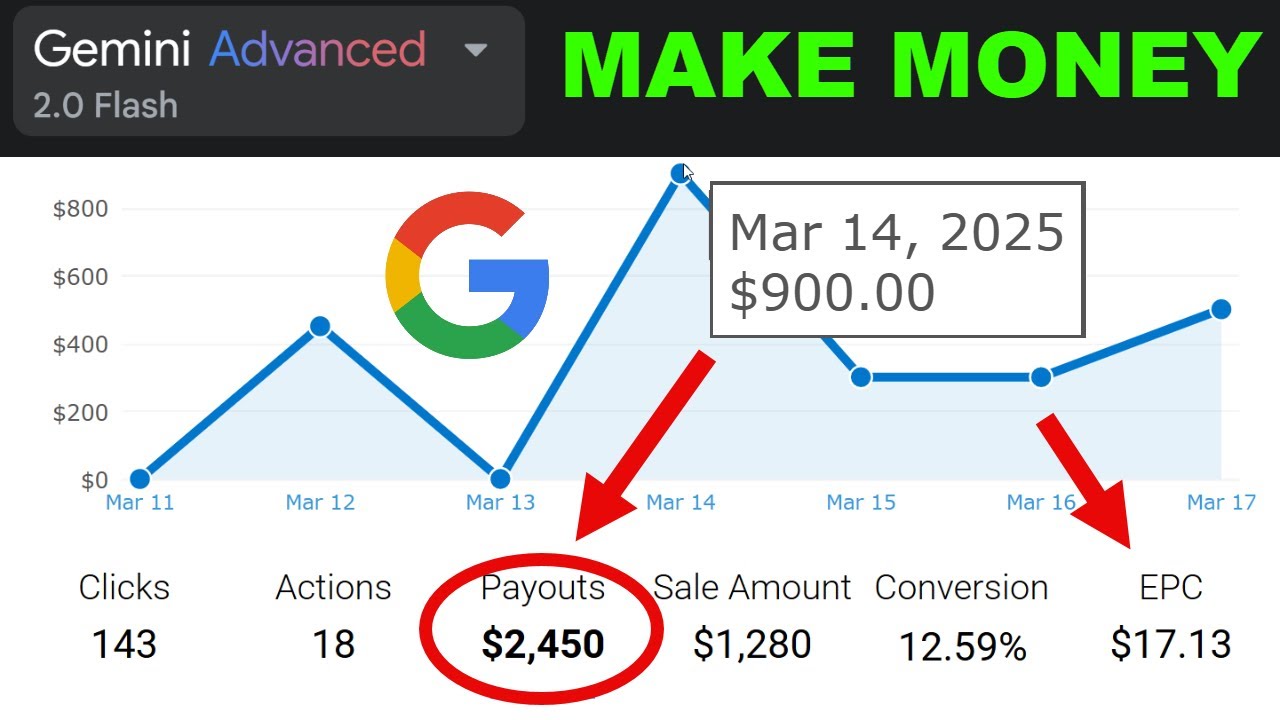
Google Gemini 2.0 has arrived, bringing powerful upgrades that can help you make money online with ease. In this post, we’ll explore how Gemini’s Canvas and Deep Research features let you create high converting landing pages, conduct thorough market analysis, and effectively promote affiliate offers. All without heavy technical knowledge. Read on to learn how to harness AI marketing tools to fill your pockets with extra income.
What Makes Google Gemini 2.0 a Game Changer?
Enhanced Canvas Feature
- Rapid Landing Page Creation: With the click of a button, Gemini 2.0’s Canvas helps you generate full landing pages instantly.
- Customizable Themes: Tailor each page with direct response designs, color themes, or specific branding elements.
- Code and Preview: Quickly download, share, or tweak the HTML code in real time.
Deep Research Capability
- Data Driven Insights: Gemini 2.0’s Deep Research scours the web, analyzing multiple sources and delivering accurate, up to date information.
- Seamless Integration: Research findings can be instantly merged into your Canvas projects to build compelling sales pages.
- Efficiency: With Deep Research and Canvas working together, you eliminate the need for multiple tools, saving time and effort.
Guide to Making Money with Google Gemini 2.0:
-
Pick a Profitable Offer
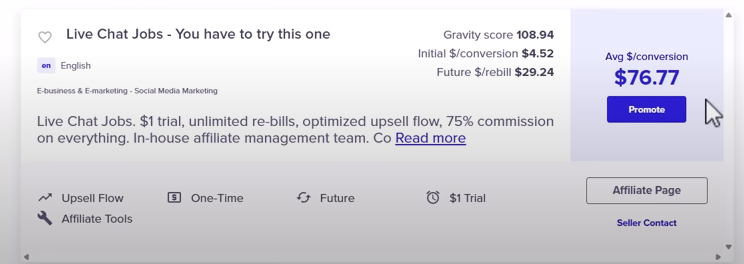
- Choose an affiliate offer or product with a solid conversion rate. For example, live chat job platforms or digital health supplements.
-
Conduct Deep Research
- Input your query (e.g., “news reports of people making money with live chat jobs”).
- Gather the best stats, stories, and key selling points to showcase on your landing page.
-
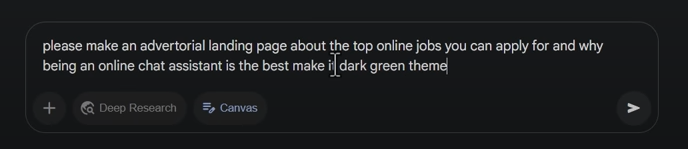
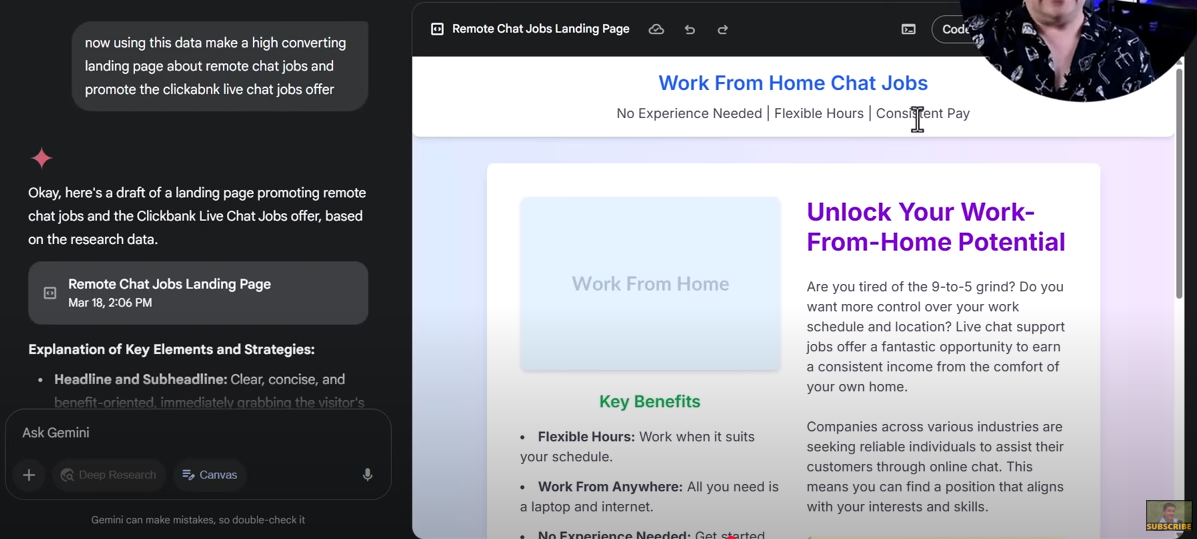
Use Canvas to Create a Landing Page
- Click the Canvas button in Gemini 2.0.
- Generate a high converting page or advertorial using the data from your Deep Research session.
- Insert affiliate links or call to action buttons where relevant.
-
Optimize the Page
- Add Compelling Headlines: Hook visitors immediately.
- Use Bullet Points: Present benefits of the product or offer in a clear, skimmable format.
- Incorporate Images: Enhance trust and brand appeal. (See image suggestion below.)
-
Drive Traffic
- Social Media Posts: Share short, engaging tidbits on Facebook, Pinterest, or TikTok.
- YouTube Videos: Turn Gemini’s content suggestions into quick, informative videos.
- Paid Ads: If you have a budget, amplify reach via targeted advertising campaigns.
-
Track and Test
- Monitor click through rates, conversions, and user engagement.
- Tweak headlines, calls to action, or even design elements to improve results.
Why Google Gemini 2.0 Works for Affiliate Marketing
Advanced Landing Page Customization
By creating direct response style pages, you can quickly convince potential buyers to act. Gemini 2.0 allows for easy edits and updates, so you’re always testing and refining.
Comprehensive Market Research
Deep Research takes the guesswork out of identifying profitable niches. With AI scouring websites and articles, you can confidently present verified data, building trust with your audience.
Versatile Monetization Methods
Whether you’re promoting digital products, offering downloadable guides, or selling services, Gemini 2.0 gives you all the tools you need to showcase value and drive conversions.
Google Gemini 2.0’s Canvas and Deep Research features are revolutionizing how entrepreneurs create and promote affiliate offers. From crafting high converting landing pages to uncovering profitable market insights, Gemini streamlines the process. Remember, the key to success lies in focusing on a profitable niche and delivering genuine value. Combine targeted content with strategic promotion, and watch your earnings grow.
Ready to take action? Jump in, experiment, and let Gemini 2.0 power your money making journey online!
Get Rich From Trump’s Recession – What They Aren’t Telling You!

Worried about the Trump recession? Discover hidden opportunities to profit from the coming downturn using AI, smart marketing, and timeless skills.
In the midst of rapid technological change, another economic storm may be brewing—one that many refer to as the “Trump recession.” With artificial intelligence (AI) automating jobs at lightning speed, inflation driving grocery bills sky-high, and housing prices poised for dramatic swings, it’s more critical than ever to stay informed. This post uncovers how you can not only survive but also thrive financially during turbulent times. Read on to learn about leveraging AI, building in-demand skills, and safeguarding (or even boosting) your income in the face of uncertainty.
“Hard times create strong men,
strong men create good times,
good times create weak men,
and weak men create hard times.”
G. Michael Hopf.
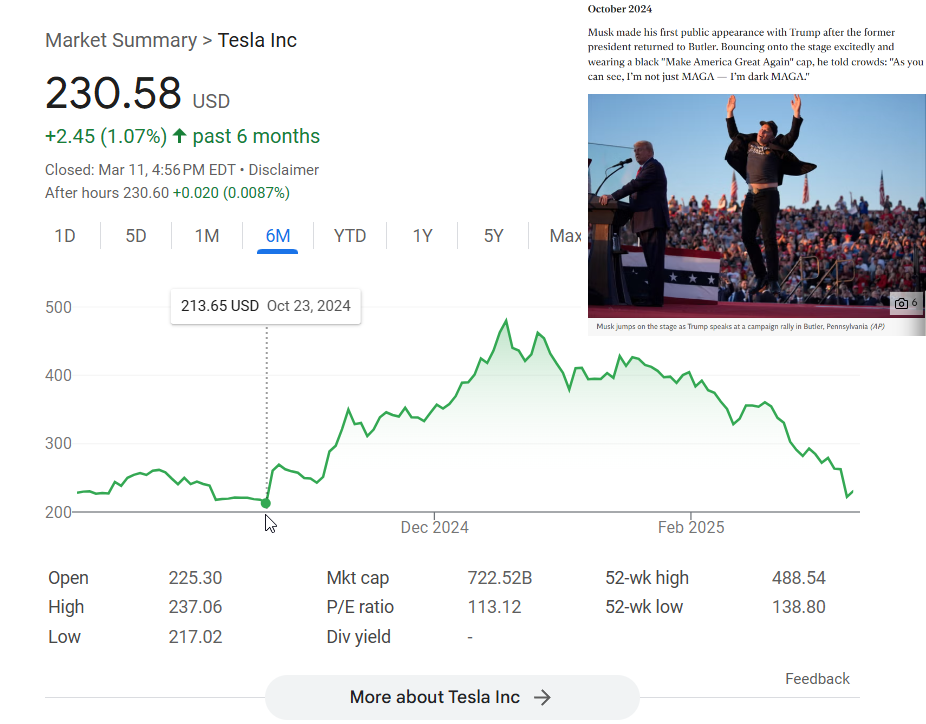
“Skyrocketing wealth. Millions and millions of new jobs and a booming middle class. We are going to boom like we’ve never boomed before.”
“I hate to predict things like that. There is a period of transition because what we’re doing is very big. We’re bringing wealth back to America. That’s a big thing, and there are always periods of, it takes a little time. It takes a little time, but I think it should be great for us.”
“There may be a slight disturbance, but we are comfortable with that. It won’t be significant.
“We’re in a tremendous economic boom. The best we’ve ever had. And I think it’s going to continue.”
“The economy is doing fantastically well. It’s the best it’s ever been. And I think it’s going to get even better.”






Understanding the Looming Trump Recession
Signs of Economic Upheaval
- Inflation on the Rise: Basic necessities are costing more, from groceries to gas.
- Housing Market Shifts: Many regions are seeing quick price reductions in real estate, coupled with declining consumer confidence.
- AI-Driven Job Loss: As AI continues to replace human tasks, many wonder if their role will be next.
Hard Times Create Strong Opportunities
In uncertain markets, those who adapt often see massive rewards. As the saying goes, “Hard times create strong men; strong men create good times.” While we face potential hard times, those who develop robust skills and seize opportunities may come out stronger financially and personally.
Change is Inevitable:
We’re living in an age of unprecedented technological advancement. Artificial intelligence is no longer a science fiction concept; it’s a reality. And like any powerful tool, it will reshape our world.
Economic cycles are also a reality. Recessions, depressions—they’ve happened before, and they will happen again. To pretend otherwise is to bury your head in the sand.
As Jim Rohn would say “Don’t wish it was easier, wish you were better.” We cannot change the outside conditions, but we can change ourselves.
HOW CAN YOU MAKE YOURSELF MORE VALUABLE?
In times of change, skills are your greatest asset. Not just any skills, mind you, but skills that are in demand. And in this age, AI skills are paramount.
Think of it: the ability to understand, utilize, and even create AI solutions puts you in a position of power. You become a creator, not just a consumer.
“Don’t wish for less problems, wish for more skills.” This is especially true now. The more skills that you obtain, the better that you will be able to handle any problem that comes your way.
AI is not a job destroyer; it’s a job transformer. It creates new possibilities, new industries, new ways of doing things.
In any economy, those who create value are rewarded.
How can you use AI to create value for yourself, for your employer, for your community?
Focus on solving problems, on providing solutions, on making a difference.
GET RID OF DISTRACTION – FOCUS!
- IT IS EASIER NOW THAN IT’S EVER BEEN!
- YOU CAN MAKE EXCUSES OR MAKE MONEY – BOTH TAKE THE SAME ENERGY!
- Your mindset is your most powerful tool. Cultivate a mindset of optimism, of resilience, of possibility.
- Believe in your ability to learn, to grow, to succeed.
- Remember that opportunity and difficulty always go together.
HOW MONEY IS MADE ONLINE
High Paid Skills for Online Entrepreneurs:
1. Search Engine Optimization (SEO) & Content Strategy (Expanded):
- Specific Skills:
- In-depth keyword research (understanding search intent).
- Technical SEO (website speed, mobile optimization, site architecture).
- On-page and off-page optimization.
- Developing a comprehensive content strategy (blog posts, videos, infographics).
- Building high-quality backlinks (link building).
- Understanding and adapting to algorithm updates.
- Entrepreneurial Advantage:
- Drives consistent organic (free) traffic.
- Establishes long-term authority and credibility.
- Reduces reliance on expensive paid advertising.
2. Paid Advertising & Performance Marketing (Expanded):
- Specific Skills:
- Proficiency in Google Ads, Facebook Ads, Instagram Ads, YouTube Ads, and other platforms.
- Targeting and retargeting strategies.
- Ad copywriting and creative development.
- Landing page optimization.
- A/B testing and data analysis.
- Calculating and optimizing Customer Acquisition Cost (CAC) and Return on Ad Spend (ROAS).
- Entrepreneurial Advantage:
- Allows for rapid scaling and immediate results.
- Provides precise targeting of ideal customers.
- Enables data-driven optimization of campaigns.
3. Social Media Marketing & Community Building:
- Specific Skills:
- Developing a social media content calendar.
- Creating engaging and shareable content.
- Building and managing online communities.
- Leveraging social media advertising.
- Influencer marketing.
- Social listening.
- Entrepreneurial Advantage:
- Builds brand awareness and customer loyalty.
- Drives traffic to websites and landing pages.
- Creates a platform for direct customer engagement.
4. Email Marketing & List Building:
- Specific Skills:
- Building and segmenting email lists.
- Creating high-converting lead magnets.
- Writing effective email copy.
- Automating email sequences.
- Analyzing email marketing metrics.
- Entrepreneurial Advantage:
- Nurtures leads and builds relationships.
- Drives repeat business and customer loyalty.
- Provides a direct channel for communication.
5. Content Marketing & Distribution:
- Specific Skills:
- Creating valuable and engaging content (blog posts, videos, podcasts).
- Distributing content across multiple channels.
- Guest blogging and content syndication.
- Building relationships with influencers and media outlets.
- Entrepreneurial Advantage:
- Attracts and engages potential customers.
- Establishes thought leadership and brand authority.
- Drives organic traffic and leads.
6. Analytics & Data-Driven Optimization:
- Specific Skills:
- Using Google Analytics and other analytics tools.
- Analyzing website traffic and user behavior.
- Identifying trends and patterns.
- Using data to optimize marketing campaigns and website performance.
- Customer journey mapping.
- Entrepreneurial Advantage:
- Provides insights into customer behavior.
- Enables data-driven decision-making.
- Optimizes marketing efforts for maximum ROI.
EVERYTHING IS EASIER NOW THAN ITS EVER BEEN
YET MORE PEOPLE ARE COMPLAINING AND GIVING UP!
ALSO… MORE PEOPLE ARE ACTUALLY GETTING RESULTS!
ARE YOU WILLING TO DO WHAT IT TAKES?
STORY OF GUYS PROPOSAL ON LIVE CHAT
While the looming Trump recession feels daunting, it also unveils unprecedented ways to grow your wealth and secure your future. AI is the game changer that can level the playing field, making it simpler to learn new skills and adapt quickly. Whether it’s SEO, paid ads, or building an engaged online community, the key is to stay focused, keep learning, and take consistent action. Turn economic challenges into stepping stones and get ready to emerge from this downturn stronger than ever.
Now is the time to act. Start leveraging AI, refining your marketing skills, and setting up profitable online ventures. The path may be bumpy, but the destination can be incredibly rewarding.
One Page Website Blueprint: How I Earn $980 a Day
Discover how a simple one page website can generate up to $980 a day using AI. Learn the blueprint from setup to traffic and monetization.

Ever wondered if you really need a massive website to earn serious money online? The truth might surprise you. One page websites are not only easier to create, but they can also bring in up to $980 a day. Especially when you combine them with the power of AI tools. In this post, you’ll learn how to leverage simple strategies, pick the right offers, and drive targeted traffic to a single page that converts visitors into revenue.

Why a One Page Website Works
Building an entire site with thousands of posts can be overwhelming and time consuming. A one page website, on the other hand, allows you to:
- Focus on a single goal: With just one page, the call to action (CTA) is crystal clear.
- Reduce bounce rate: Readers aren’t distracted by multiple menu items or links. They land on your page, read, and (ideally) take the exact action you want.
- Simplify content creation: Instead of endless blog posts, you just need one well crafted advertorial or informational piece.


The Core Concept
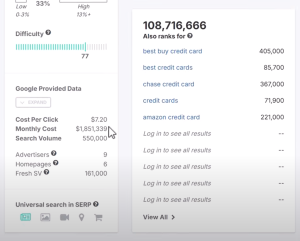
The essence is direct response marketing. You create one targeted page that piques curiosity and solves a specific problem. Like beating inflation with a rewards credit card or getting rid of pests in your home. By keeping the message hyper focused, you guide visitors to a profitable action (e.g., signing up for an offer, clicking on ads, or entering their email).
The AI Toolkit You Need
Deep Seek AI
- What It Does: Deep Seek AI “thinks” differently and uncovers powerful angles and hooks you might never consider.
- How to Use It: Ask it to generate click-worthy headlines, create compelling story angles, or transform raw information into ready-to-publish content.

ChatGPT (Free or Paid)
- What It Does: Quickly drafts advertorial text, Q&A sections, or short bullet points.
- How to Use It: Prompt it for explanations, expansions, or rewrites. Make sure you provide clear instructions (e.g., “Write a friendly, persuasive paragraph on grocery rewards cards”).
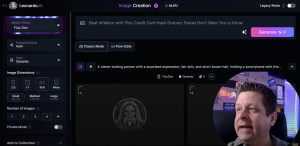
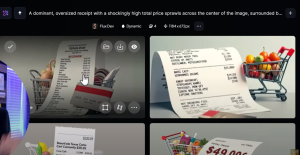
Image Generators (e.g., Leonardo, Copilot)
- What They Do: Turn text prompts into engaging images that boost click-through rates and overall design appeal.
- How to Use Them: Create eye-catching visuals like a grocery receipt showing high prices or a “before-and-after” pest invasion scene. For your one page website.
Choosing a Profitable Offer
You can monetize a one page website through several methods:
-
Affiliate Offers:
- Example: Promote a grocery rewards credit card that pays you $100–$200 for every approved application.
- Reason: People are eager to save money, especially with rising food costs.
-
High Paying Ad Clicks:
- Example: Finance or real estate ads with high cost per click rates.
- Reason: Even a modest number of clicks can yield a sizable daily income.
-
Lead Generation (CPA Offers):
- Example: Debt relief, pest control services, or tax assistance.
- Reason: Companies pay top dollar for each qualified lead or phone call.
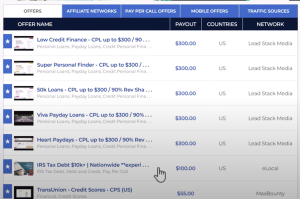
Tip: Use marketplaces like OfferVault to find offers with high payouts. Always check the terms and conditions to ensure you’re promoting reputable products or services.
Crafting Your One Page Website
Below is a simple structure you can follow:
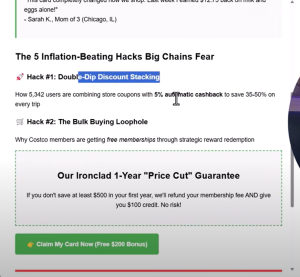
Engaging Headline
Hook readers with a bold promise or an intriguing angle.
Example: “Beat Rising Grocery Prices: Earn 5% Back on Everything Starting Today.”

Pain Points and Solutions
Show empathy for the reader’s problem. Such as skyrocketing inflation or overwhelming debt. Then present a clear, immediate solution.
Example: “Most families spend hundreds more on groceries each month due to hidden price hikes. Here’s how one credit card can help you save $1,200 a year.”
Proof or Credibility
Add real or borrowed proof:
- Statistics (e.g., “Inflation is up X% this year”)
- Testimonials (if available from the network or brand)
- Case Studies (your own results or general industry data)
Clear Call to Action
Finish with a prominent CTA button or link.
Example CTA: “Click Here to Get Your Grocery Rewards Card and Start Saving Today.”
Traffic Strategies That Work
Free Methods
- Social Media Groups: Share short tips or personal stories about cutting costs, then link to your page.
- Pinterest Pins: Create visually appealing pins with headlines like “5 Hidden Grocery Savings Hacks”.
- YouTube Shorts/TikTok: Make a quick video highlighting a specific tip from your page and link in the description.
Paid Methods
- Banner Ads (Taboola/Outbrain): Display your eye-catching image and click-worthy headline.
- Google Ads: Bid on relevant, long-tail keywords (e.g., “ways to save on groceries”).
- Native Advertising: Many ad networks allow “advertorials” that lead users to your one page site.
One page websites might sound too simple at first, but with the right angle, a compelling offer, and well-crafted AI-generated content, they can yield substantial daily earnings. Sometimes as high as $980 a day. By focusing on a single problem and providing a direct solution, you keep your audience engaged and encourage them to take profitable actions. Use the tips above to plan your page, pick an attractive affiliate offer, and drive targeted traffic that’s ready to convert.
Remember, the key is to start small and optimize as you go. Build your one page website today, experiment with different angles, and watch your results grow.
Ai Cat Memes – Crazy Profit Method!
Discover how to easily create and monetize AI cat videos using ChatGPT. Learn free tools, helpful tips, and proven methods to grow your audience and earn online.

AI cat videos are exploding in popularity, and for good reason. They’re fun, quirky, and capture people’s attention faster than almost any other type of content. Even better, you can make real money from them by leveraging simple tools like ChatGPT, AI image generators, and short form video platforms. In this post, we’ll explore how you can create these entertaining videos, grow a following, and tap into monetization opportunities without showing your face on camera.
Why AI Cats Are So Popular
- Memorable and Shareable: Funny cat imagery has always been Internet gold. AI-generated cats take that novelty to the next level, encouraging likes, shares, and comments.
- Short, Snackable Content: Quick cat videos. 30 to 60 seconds are perfect for social feeds and Stories, making it easy for viewers to consume and re watch.
- No Human Presenter Required: AI cat videos let you skip the camera altogether, making it easier for introverts or those who just don’t want to appear on screen.

Essential Tools for Creating AI Cat Videos
1. ChatGPT
- Brainstorming Ideas: Ask ChatGPT for unusual cat scenarios (e.g., “List 100 wacky things AI cats could do.”).
- Script Generation: Let ChatGPT draft short, catchy captions or even dialogue for your AI feline star.
2. AI Image Generators
- Microsoft Bing Image Creator (Co-Pilot): A free, straightforward option for producing AI images.
- Leonardo.ai: A paid solution known for more refined, higher-quality cat images.
- Alternative Tools: Explore Hugging Face or other open-source projects for free or budget-friendly AI image creation.
3. AI Video Creators
- Sora: Transforms your AI-generated cat images into brief, animated clips.
- CapCut or Camtasia: Perfect for layering text, music, and other effects onto your cat videos.
- Hedra: An option for making your AI cats talk, adding next-level personality to your content.
Creating Your First AI Cat Video
-
Generate a Cat Image
- Use ChatGPT to brainstorm a fun cat scenario (e.g., a “rich cat driving a Lamborghini”).
- Head to your chosen image generator (Leonardo, Co-Pilot, etc.) to render a unique AI cat image.

-
Refine the Image (If Needed)
- Adjust settings for realism, art style, or comedic effect.
- Keep the character consistent if you plan a recurring “cat persona” (e.g., “Workout Cat,” “Stock Market Cat,” or “Lazy Cat”).
-
Import into a Video Tool
- Upload your cat image(s) into software like Sora or Leonardo.
- Generate a short clip (5–10 seconds each) and combine multiple clips for a 30–60 second video.
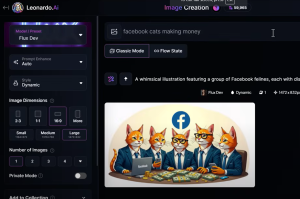
-
Add Text and Music
- Overlay motivational quotes, funny captions, or quick tips (e.g., “5 Ways to Stop Procrastinating”).
- Add royalty free background music to keep your videos engaging and professional.

-
Export and Post
- Download your final video and publish it on Facebook, Instagram Reels, TikTok, or Pinterest.
- Remember to optimize titles and descriptions with relevant keywords like “AI cat videos,” “funny cat content,” or “ChatGPT cat creations.”
Monetizing Your AI Cat Videos
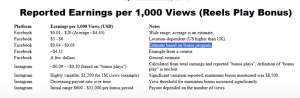
Leverage Facebook & Instagram Bonus Programs
- Eligibility: Consistently post videos that attract views and engagement.
- Earnings: Potential to earn per thousand views, with bonus payouts for high performance accounts.
Affiliate Links and Offers
- Niche Focus: If you create “Workout Cat,” promote fitness gear or workout programs.
- Finance Topics: “Stock Market Cat” could link to personal finance courses or investing platforms.
Print-on-Demand Products
- Merchandise: T-shirts, mugs, and plushies featuring your cat character.
- Ecommerce Integration: Use platforms like Etsy or Shopify to manage orders.
Website or Blog Monetization
- Display Ads: Embed your videos on a blog featuring relevant ads.
- Sponsored Content: Collaborate with brands seeking cute cat themed promotions.
Tips for Growing Your Audience
- Consistency Is Key: Post regularly (e.g., daily or weekly) to build momentum.
- Engaging Storylines: Turn your AI cat into a character with a backstory (e.g., “Fat Cat’s Weight-Loss Journey”).
- Use Trending Sounds: On platforms like Instagram Reels or TikTok, pair your cat videos with popular audio tracks.
- Engage Viewers: Ask questions, run polls, and encourage fans to request new cat scenarios.
AI cat videos have opened a world of opportunities for content creators looking to earn online. No fancy equipment or on camera presence required. With ChatGPT providing imaginative prompts and free or budget friendly AI tools creating eye catching visuals, there’s no limit to how far you can take this trend. Whether you focus on Facebook bonuses, affiliate links, or print on demand merch, remember that consistency and creativity are your best friends. Start brainstorming your next cat themed masterpiece, and let the AI magic begin!.
I Bought A $75K Ai Business For $586
Learn how to start an AI Agent Business step by step and earn up to $125K a year. Discover actionable tips, tools, and strategies to recession proof your income.
Have you noticed how the stock market seems shakier than ever and talk of an upcoming recession is everywhere? Meanwhile, AI tools like Deep Seek, ChatGPT, Claude, and Manis AI are innovating faster than most people can keep up, threatening to replace traditional jobs by the million. But there’s good news: you don’t have to be a passive bystander. You can leverage these very AI tools to create a thriving business one that not only hedges against a recession but has the potential to earn you $125,000 (or more) each year.
In this article, you’ll learn exactly how to set up a new “AI Agent” or AI-powered drop-servicing business from scratch. We’ll cover how to acquire a strategic domain name, how to integrate AI tools seamlessly, and how to turn a $600 investment into a potentially profitable enterprise. Let’s dive in!.
Why Start an AI Agent Business?
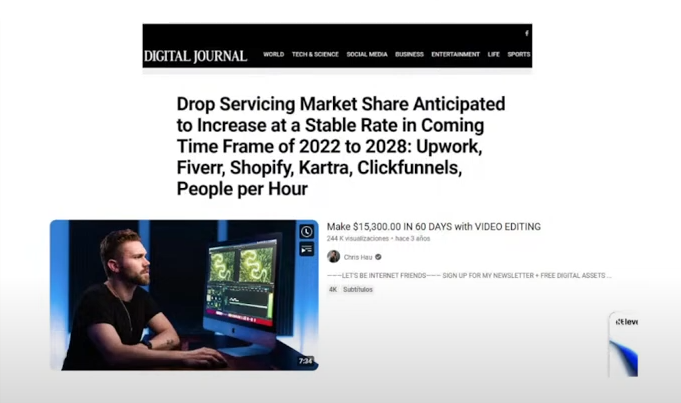
1. AI Is Disrupting Everything
From content creation to high level data analysis, AI is quickly reshaping every industry. Companies see the potential of automation and are ready to invest heavily in AI-driven solutions. This opens the door for creative entrepreneurs like you to step in and offer AI services on demand often at premium prices.
2. Low Risk, High Potential
Compare this with a traditional franchise, which can cost upwards of $500,000 just to open. With an AI agent business, your initial investment can be as low as a few hundred dollars mainly for a domain, website hosting, and AI tool subscriptions. Meanwhile, your profit margins can far exceed traditional service or retail models.
3. Recession Proof Strategy
In times of economic uncertainty, businesses focus on cost-saving and innovation. Your AI-based solutions such as automated content creation, explainer video services, or drop-serviced digital marketing can help them achieve those goals. That makes your business more essential and recession resistant than many old-school ventures.
How I’m Building a $125K/Year AI Agent Business

Step 1: Smart Domain Acquisition
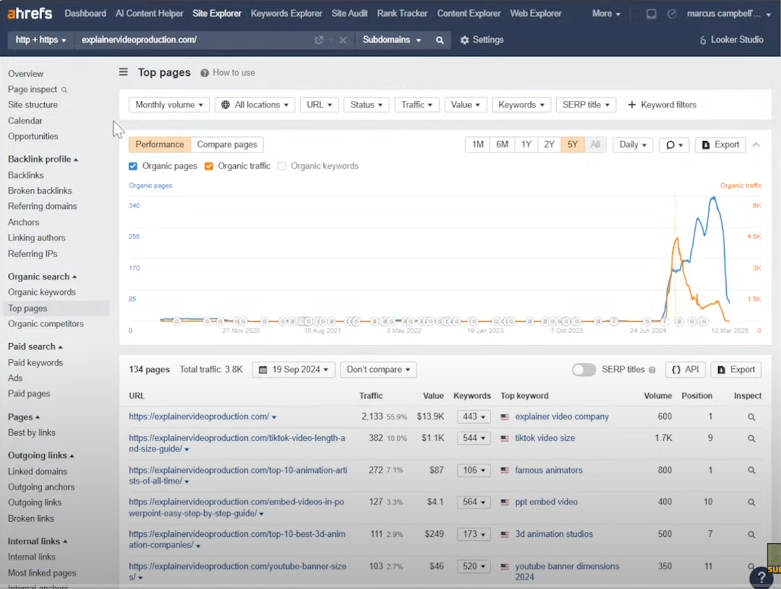
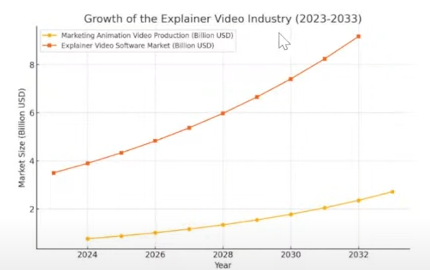
The first step was finding and purchasing a domain name that already had proven search rankings and backlinks in my chosen niche. In my case, I bought a domain specializing in explainer videos for under $600. Why explainer videos? Because businesses are constantly searching for ways to engage audiences and convert prospects into buyers, and short, informative videos work wonders.
-
Search for Expired or Auctioned Domains
- Use auction sites or domain marketplaces.
- Look for domains with relevant backlinks and a history of ranking for high-intent keywords (e.g., “best explainer video company,” “whiteboard video service,” etc.).
-
Verify Domain Metrics
- Check historical rankings.
- Look for any spam history or low-quality backlinks and avoid those domains.
Step 2: Setting Up Your Website on WordPress
- Hosting: You can launch your site on reputable, budget-friendly hosting platforms.
- WordPress Installation: WordPress lets you manage content easily, add plugins, and customize your theme with minimal effort.
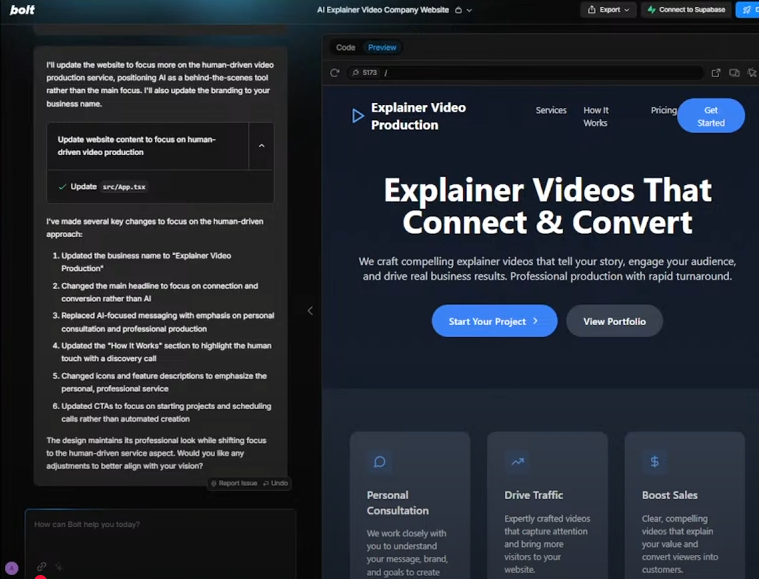
- Content Creation: Publish articles and service pages that target keywords around explainer videos, AI drop-servicing, and digital marketing. A typical post might cover “Top 10 Whiteboard Animation Tools” or “How to Embed an Instagram Video in PowerPoint.”
Step 3: Integrating AI Tools
AI tools like Manis AI, ChatGPT, Claude, and Deep Seek can handle everything from script writing to voiceover generation for your explainer videos. For each project, you can:
- Draft Scripts: Use ChatGPT or Claude to generate scripts based on client input.
- Create Voiceovers: Employ AI voice tools to produce professional narrations in various styles.
- Produce Videos: Assemble visuals using easy video editors or specialized AI video platforms.
If you’d rather not handle this yourself, you can drop-service the tasks. Outsource them to qualified freelancers at a lower cost and pocket the difference.
Step 4: Pricing Your Services
Determine your pricing model. For instance:
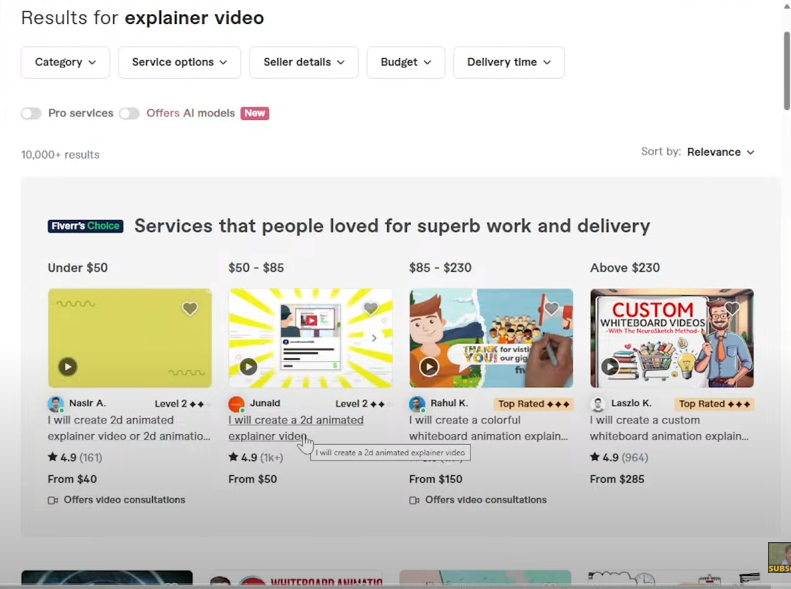
- Basic Package ($200–$500): Simple explainer video (30–60 seconds) with AI-generated voiceover and basic animations.
- Standard Package ($600–$1,000): Longer video (up to two minutes) with additional custom graphics, scripting, and revisions.
- Premium Package ($1,500+): Comprehensive package with advanced animations, brand-specific voice actors, unlimited revisions, and SEO-optimized distribution advice.
Many freelancers on popular platforms charge well over $1,000 for fully featured explainer videos. With AI, you can produce the same quality for a fraction of the time and cost.
Step 5: Getting Your First Clients
- SEO & Organic Traffic: Publish high quality articles on your domain to rank for important keywords like “explainer video company” or “whiteboard animation services.”
- Freelance Marketplaces: List your service on Fiverr, Upwork, or Freelancer. Even if they take a small fee, the platforms can bring a steady stream of new customers.
- Social Media & Webinars: Use LinkedIn or Facebook to join groups related to marketing, entrepreneurship, or video production. Host a short webinar or live stream showcasing how an explainer video can boost conversions by 80% or more.
Bonus Tips for Rapid Growth
Offer a Consultation Call
If you feel comfortable talking to clients directly, offer a paid or free consultation. Many business owners prefer speaking to a real person before investing. Use the call to demonstrate how an explainer video can solve their problems, then pitch your packages.
Bundle With Other Services
Once you master explainer videos, consider adding social media content (short AI videos for Instagram, TikTok, or YouTube Shorts) or blog content creation. Cross-sell and bundle these services for a higher overall invoice.
Focus on Quality & Speed
AI tools allow you to produce top-quality work faster than ever. Emphasize rapid turnaround in your marketing—deliver results in days instead of weeks. Happy clients often come back with repeat orders or referrals.
An AI-powered drop servicing business isn’t just for tech experts or big corporations anymore. With AI tools like ChatGPT, Manis AI, and Claude and a solid strategy behind you.
You can start small and grow your income quickly. Whether you’re a solopreneur dipping your toes into AI for the first time or a seasoned marketer looking to scale, the opportunity is real.
Ready to take the first step? Acquire a relevant domain, set up your WordPress site, and offer your first explainer video service. As more businesses wake up to the power of AI and as economic uncertainty looms those who can deliver tangible AI-driven solutions will stand out and profit.