
marcus
JSON Prompts For Making Money Online With Ai
JSON Prompts Are the Future of Making Money With AI
If you’ve used AI tools like ChatGPT, you know the drill: type in a prompt like “Write me an article about plants” and get a decent but generic output. The problem? Everyone else is doing the same thing.
The result is AI junk content saturation — your feeds are filled with repetitive, low-quality posts no one engages with.
“We have reached AI junk content saturation… unless you’re using JSON prompting.”
What Makes JSON Prompts Different
So, what exactly is JSON prompting? JSON stands for JavaScript Object Notation, a structured way of organizing data. Instead of feeding the AI vague prompts, you give it data-rich instructions that tell it exactly how to respond.
Think of it this way:
- Regular prompts are like asking, “Cook me dinner.” You don’t know what you’ll get.
- JSON prompts are like giving a recipe: ingredients, steps, portions, and timing.
The result? Consistent, reliable, and usable output that you can scale into a business.
JSON Prompting vs. Regular Prompting
| Feature | Regular Prompting | JSON Prompting |
| Output Quality | Generic, inconsistent | Structured, predictable, consistent |
| Ease of Use | Simple but vague | Slightly technical but precise |
| Scalability | Hard to replicate results | Easy to reuse and tweak with variables |
| Business Application | Limited (content often needs heavy editing) | High (can be turned into tools, APIs, workflows) |
| Cost Efficiency | Expensive long prompts over time | Compact data = lower costs long-term |
The key benefit is control. Instead of AI guessing what you mean, you train it to think like a computer and follow your rules.
Why JSON Matters in Business
Everything is data. DNA, maps, even the internet itself are forms of data. Companies like Google and Microsoft spend billions on data centers because data is money when used correctly.
By learning JSON prompting, you tap into this principle. You’re no longer just generating content—you’re systematizing processes, which is the foundation of real online businesses.
“If I ever used AI to get a really good result, I would take that result and turn it into a JSON prompt so I can get that again.”
Real-World Applications of JSON Prompts
Here are just some ways you can use JSON prompts to grow or even start a business:
- Content Creation – Consistent blog posts, social media carousels, and email marketing campaigns.
- Webinars & Scripts – Break down successful webinar structures into reusable templates.
- API Tools – Build tools like logo generators, article writers, or ad copy creators.
- Automation – Customer service chatbots, influencer outreach scripts, or market research workflows.
- Niche Services – Sell ready-made JSON prompts to businesses as shortcuts.
For example is how to turn a webinar that made $14,000 into a JSON structure. With just a few tweaks (product name, price, niche), he could recreate winning webinars on demand.
The Bigger Picture: Thinking Like AI
The most important shift isn’t just technical—it’s mental. JSON prompts force you to think the way AI thinks: in data, rules, and systems.
That shift lets you:
- Save time and costs on AI usage.
- Build repeatable workflows.
- Create real business tools instead of throwaway content.
- Stay competitive in the AI-driven economy.
“In the age of AI, you got to understand this because that’s going to give you the leg up.”
Step-by-Step Guide: How to Create and Use JSON Prompts
If you’re new to JSON, it can look a little intimidating. But once you break it down, it’s just about organizing your instructions into a clear structure the AI can follow. Here’s how you can get started:
- Define Your Goal
Decide what you want the AI to do. For example: “Write a product description for an online store.”
- Break It Into Sections
Think like a computer. Split your request into specific parts such as:
- Title
- Features
- Benefits
- Call to Action
- Write Your JSON Structure
Format your instructions like this:
- Tell AI to Output in JSON
Always instruct the AI to return valid JSON only. Example:
“Output a JSON object with the following keys: title, features, benefits, and call to action.”
- Reuse and Repurpose
Once you’ve created a working JSON prompt:
- Swap out variables (e.g., product name, features, benefits).
- Apply it across different niches.
- Build a library of reusable prompts.
- Turn It Into a Business Asset
Use your JSON prompts to:
- Generate consistent blog posts.
- Build email campaign templates.
- Automate webinar scripts.
- Sell JSON prompt packs as shortcuts for other businesses.
“If I ever used AI to get a really good result, I would take that result and turn it into a JSON prompt so I can get that again.”
Tips From Marcus
Here are some powerful takeaways you can apply right away:
- Think in structure, not sentences
“A computer doesn’t think, ‘write me an article about elephants.’ It breaks it down into rules.”
Break your tasks into parts (intro, body, CTA) so AI follows clear steps.
- Save winning results as templates
“If I ever used AI to get a really good result, I would take that result and turn it into a JSON prompt so I can get that again.”
Don’t let a good output be a one-time thing. Capture it in JSON and reuse it.
- Enforce clean outputs
“Output valid JSON only. Provide a schema.”
Always tell AI to give results in proper JSON format to avoid messy, inconsistent text.
- Use arrays for multiple values
Arrays let you handle lists like features, benefits, or steps in a clean way. This keeps your outputs organized.
- Monetize your shortcuts
“Now I can sell them as shortcuts… me giving you my shortcut to getting this stuff with AI.”
Every working JSON prompt is an asset — reuse it, package it, or sell it.
Conclusion: Why JSON Prompts Are the Future
The age of typing random prompts and hoping for the best is over. AI is moving fast, and those who treat it like a toy will get left behind.
JSON prompting isn’t just a “hack” — it’s a shift in thinking. It forces you to move from messy, one-off outputs to structured, repeatable systems that can actually be turned into business models.
When you learn to think like a computer, you stop wasting time on inconsistent results and start creating:
- Repeatable workflows
- Reliable content pipelines
- Monetizable tools and services
And the best part? Once you build a strong JSON template, it works for you again and again — saving time, money, and giving you an edge over the thousands still stuck in “junk content land.”
“In the age of AI, you got to understand this because that’s going to give you the leg up.”
So if you’re serious about making money with AI, it’s time to stop playing with random prompts and start building structured systems with JSON. That’s where the future is.
Copy My One Product Blog Profit Strategy
Copy My One Product – CPA Affiliate Marketing Strategy


If you’ve ever felt stuck in affiliate marketing, you’ve probably tried juggling multiple offers at once. Maybe you thought, “The more products I promote, the higher my chances of making money.” But that usually backfires. Instead of earning more, you spread yourself too thin, waste energy, and eventually give up.
“Becoming a jack of all trades is not going to make you a master of anything.”
Even Amazon — the largest online retailer today — didn’t start with “everything.” They started with one thing: books. Once that worked, they scaled into new categories.
And that’s exactly what this strategy is about. By creating a one product blog, you cut out the noise, simplify your work, and increase your odds of actually seeing results.
The Core Idea: What Is a One Product Blog?
A one product blog is a focused website built around a single product or a tight product category. Instead of trying to be the “Amazon of affiliate sites,” you double down on one offer and become the go-to source for it.
Every article, video, or piece of content supports the same product, making your message clear and consistent.
The speaker sums it up:
“One product, one focus, one consistent conversion path. That’s how these scale.”
One Product vs. Multi-Product Approach
Here’s a quick comparison to see why less is more in this case:
| Aspect | One Product Blog | Multi-Product Blog |
| Focus | Laser-focused on one product or category | Scattered across many unrelated products |
| Conversion Rate | High – every page pushes the same offer | Low – visitors get distracted by too many choices |
| SEO Strategy | Simple – all content builds topical authority | Difficult – content spread thin across niches |
| Traffic Retargeting | Efficient – all visitors interested in same solution | Wasteful – audience interests vary too much |
| Ease of Scaling | Easy – replicate model for new products | Hard – requires complex management |
| Beginner-Friendly | Yes – fewer moving parts | No – leads to overwhelm and confusion |
Takeaway: One product blogs remove distractions and build authority faster.
How to Choose the Right Product
Not every offer is worth building a blog around. Selling $9 trinkets on Amazon won’t pay the bills. Instead, you want products with high commissions, mass appeal, and problem-solving potential.
Criteria for Picking a Winning Product
- High Payouts: Aim for $40–$150 per sale/lead.
- Mass Appeal: Think safety products, gadgets, fitness tools, or services.
- Problem-Solving Nature: Urgent or widely relatable problems = higher conversions.
- Low Refund Risk: CPA offers are great since they’re pay-per-lead.
Real Examples From the Transcript
- Fire blankets → $54 commission
- Couples therapy leads → $150 per lead
- DoorDash driver signups → $56 per lead
- Fitness planner app → $40 per sale
- Financial advisor leads → $82 per lead
“Anytime that I can get paid more than the consumer pays, that’s a win.”
Building Your One Product Blog
This is where things get fun — and surprisingly simple.
- Homepage Essentials
Your homepage is your digital storefront. Keep it clean and focused:
- Benefit-driven headline (What problem does it solve?)
- Short product introduction (Clear and direct)
- Demo, video, or product images
- Strong call to action (Tell them exactly what to do)
The formula is simple:
“Here’s what I got. Here’s what it’s going to do for you. Here’s where to get it.”
- Supporting Pages
Add credibility and help answer questions:
- How it works
- Comparison vs alternatives
- FAQs
- Testimonials or case studies
- Usage guides or safety tips
- Blog Content Strategy
This is where you win traffic and authority. Create posts around different use cases, problems, and benefits of your product.
Example:
- For a reusable paper towel product → write about painting hacks, eco-friendly cleaning tips, restaurant cost savings.
- For a fitness app → write about HIIT workouts, home workouts, habit-tracking tips.
Each post should naturally lead readers back to the main product.
Driving Traffic to Your One Product Blog
Your site only works if people see it. Luckily, with a focused blog, traffic generation becomes easier.
Best Traffic Channels:
- SEO (Search Engine Optimization): Rank for buyer-intent keywords like “best fire blanket” or “HIIT workout planner.”
- YouTube/TikTok: Create short product demos, how-tos, or reviews.
- Pinterest: Great for lifestyle and home products.
- Facebook Ads: Excellent for retargeting people who visited your blog.
“You will get more action with a face video or audio video because you can tap into monetization.”
But faceless videos, infographics, or AI-generated slideshows can still work.
Scaling the One Product Model
Once you’ve nailed one blog, repeat the process. Build a portfolio of one-product sites that link together.
Scaling Steps:
- Perfect your first one product blog.
- Create a second blog around a related product.
- Connect them with an email list (cross-promote).
- Keep repeating until you have multiple income streams.
Example:
- Blog 1 → Reusable paper towels
- Blog 2 → Eco-friendly cleaning sprays
- Blog 3 → Air purifiers
Together, they form a mini eco-cleaning product empire.
Step-by-Step Implementation Checklist
Here’s a simple path you can follow:
- Pick your product – Look for high payout, problem-solving, mass appeal.
- Set up your blog – Use WordPress or any easy CMS.
- Build the homepage – Benefit headline + intro + demo + CTA.
- Add supporting pages – FAQs, comparisons, how-tos.
- Create blog content – Articles around problems your product solves.
- Drive traffic – SEO, YouTube/TikTok, Pinterest, retargeting ads.
- Collect emails – Build a list for long-term sales.
- Scale – Once it works, repeat with another product.
Tips From Marcus
Here are some of the most practical tips shared throughout the session:
- Focus on one thing:
“Every entrepreneur I’ve seen that has made a lot of money has the crazy ability to focus on one thing.”
- Pick offers that actually pay:
“Anytime that I can get paid more than the consumer pays, that’s a win.”
- Keep your site simple:
“Here’s what I got. Here’s what it’s going to do for you. Here’s where to get it.”
- Don’t overcomplicate the process:
“You don’t need 500 products to make serious money online. One product, one focus, one consistent conversion path.”
- Treat it like a business:
“The average person trying to make money online makes nothing. This is a business. We have to focus.”
Final Thoughts: Keep It Simple and Treat It Like a Business
It’s tempting to chase shiny objects and juggle dozens of offers. But the truth is, focus beats complexity every time.
“The average person trying to make money online makes nothing. This is a business. We have to focus.”
So instead of drowning in “info overload,” pick one product, build your blog, and stay consistent. Once it clicks, you’ll see how powerful — and simple — this strategy really is.
| Offer Description (Brand Name Removed) | CPA Payout | Estimated Consumer Cost (USD) |
|---|---|---|
| Driver acquisition (Delivery service) | $56.25 | N/A |
| Couples therapy online | $150.00 | N/A |
| Find financial advisor | $82.50 | N/A |
| Drone (general consumer product) | $80.00 | N/A |
| High-resolution aerial camera | $60.00 | N/A |
| NO2 supplement (health & wellness) | $60.00 | N/A |
| Phone plans (consumer cellular) | $60.00 | N/A |
| Credit builder (repair) | $52.50 | N/A |
| Home workout planner (Android, health/fitness) | $40.00 | Monthly: $14.99 / Weekly: $9.99 / Quarterly: $29.99 / Annual: $39.99 / Lifetime: $39.99 Apple+15Dogster+15Amazon+15TrustpilotReddit+6Walmart.com+6Google Play+6pixoneye.com+6HouseFresh+6Walmart.com+6pixoneye.com+15Tom’s Guide+15The Verge+15Verv+1Simplehuman+1The Home Depot+1verv.tenereteam.com+1 |
| Portable cooling device | $52.00 | ~$35/month (includes electricity over 3 years) Coolzy |
| Portable heater (home improvement) | $52.00 | N/A |
| Doorbell camera (consumer product) | $48.00 | Doorbell cameras range from ~$99.99 to $500+ SafeHome.org |
| Quick home offers (real estate) | $48.75 | N/A |
| Timeshare cancellation service | $50.00 | N/A |
| Air purifier (consumer product) | $45.00 | ~$159 for PuroAir HEPA model PuroAirAmazon |
| Bathroom renovation quote (home services) | $30.00 | N/A |
| Smartphone sanitizer (worldwide) | $40.00 | PhoneSoap 3: ~$67.95 (20% off from $84.95) PhoneSoap |
| Marketing & advertising services | $37.50 | N/A |
| Logo design services | $37.50 | N/A |
| Wearable stress reducer (consumer product) | $37.50 | N/A |
| Sleep products (e.g., grounding) | $33.75 | N/A |
| Freelance contract service | $32.00 | N/A |
| Snore reduction device (worldwide) | $32.00 | N/A |
| Lamp therapy device (US/CA) | $26.00 | N/A |
| AI job search service | $30.00 | N/A |
| Blue light glasses (consumer product) | $30.00 | N/A |
| AI video editor (worldwide) | $26.25 | N/A |
| Chef knife (consumer product, worldwide) | $27.00 | N/A |
| Vehicle history lookup (automotive quotes) | $28.00 | N/A |
| Free gadget trial (subscriptions) | $25.00 | N/A |
| Dashcam trial (subscription, US) | $25.00 | N/A |
| Bug repellent (US/CA) | $25.00 | N/A |
| Dog bark device (worldwide) | $24.00 | ~$39 based on one product listing pixoneye.com |
Chatgpt 5 Visual Tools To Make Money
ChatGPT 5 Visual Tools = $$$ – This Is Crazy – Real Use Cases!

At first glance, ChatGPT-5 might look like just another upgrade. But when you dive deeper, it becomes clear that this version introduces something game-changing: the ability to create visual, interactive tools directly inside AI—tools you can actually put on your website, monetize, and scale.
“The visuals on ChatGPT-5 are insane. This is something we have not seen in a smart AI tool.”
This isn’t just about coding or generating text anymore. It’s about producing experiences that people want to interact with—and that interaction can turn into revenue.
Why ChatGPT-5’s Visual Skills Matter for Business
In the past, AI was great for writing blog posts, answering questions, or spitting out lines of code. But it struggled to give you something you could use immediately as a ready-to-deploy, visually engaging element on your website.
ChatGPT-5 changes the game with the ability to:
- Create 3D interactive experiences like walkthroughs or product demos.
- Build custom calculators for things like retirement planning, water intake tracking, or mortgage comparisons.
- Generate games, quizzes, and visual planners that keep people coming back.
And this isn’t just about novelty. There’s a business principle behind it:
“The longer people stay, the more apt they are to buy things… keeping people on your content longer is key.”
When visitors engage with a tool, they stick around. That extra time builds trust, improves SEO rankings, and gives you more opportunities to convert them into paying customers or leads.
Practical Use Cases You Can Build Right Now
Visual tools aren’t just “cool gadgets.” They can serve specific audiences, solve problems, and open monetization doors.
Here are some examples pulled directly from real working projects:
| Tool Idea | How It Works | Possible Monetization |
| Budget Planner | Users enter income and expenses, then see a color-coded pie chart of their spending. | Financial coaching services, affiliate banking offers. |
| Language Flashcards | Interactive flashcards with audio and images to help learn vocabulary. | Language learning course or app affiliate programs. |
| Garden Planner | Lets users design a virtual garden, showing optimal plant placement based on sunlight and spacing. | Gardening tools and seeds via affiliate links. |
| Water Intake Tracker | Tracks daily water consumption visually, with progress bars and goals. | Health product links, nutrition coaching. |
| Gift Finder | Suggests gift ideas based on event type, age, and preferences. | Amazon or Etsy affiliate links. |
These are all small enough to build quickly but powerful enough to attract a dedicated audience.
The Power of “Built-In Promotion”
One of the smartest strategies here is creating tools that market themselves through the very content they generate.
For example, an affirmation memory game could post snippets of its own affirmations to social media. The posts themselves would encourage people to come play the game, and the game could then upsell them into a book, course, or app.
“If I make an affirmation tool, the way to promote it would be the affirmations I’m using to build it… the promotion method should be seamless from the product itself.”
This self-contained loop works because:
- You don’t have to create separate marketing content—the product already generates it.
- The marketing is relevant and instantly useful to the audience.
- Every share of the product’s content is a direct invitation to try the product itself.
Step-by-Step: Build & Ship a Visual Tool in One Day
- Pick a tiny, useful niche: Choose one concrete problem (budget planning, water intake, gift ideas, simple retirement math, vocabulary drills). Smaller is faster.
- Validate interest fast (15–20 minutes)
- Search the exact problem and note autocomplete phrases.
- Check a keyword tool for rough volume.
- Peek at competing pages—are they static articles? Great, an interactive tool can win.
- Define the single outcome: Finish this sentence: “In under 60 seconds, the user should be able to ______.” That blank becomes your North Star.
- Choose the format that forces interaction
- Calculator with sliders
- Visual planner or drag-and-drop grid
- Quiz/flashcards or memory game
- Progress bars, charts, or before/after visuals
- Decide your stack and hosting
- Need zero setup? Plain HTML/CSS/JS.
- Comfortable with components? React.
- On shared hosting/cPanel? Prefer single HTML file.
- Give a tight build prompt (copy, tweak, paste)
- “Create a single-file HTML tool called ‘Budget Snapshot.’ Inputs: income, rent, utilities, food, transport, debt, other. Outputs: pie chart + ‘% saved’ bar. Include local save + reset buttons.”
- “Build a retirement visualizer: sliders for age, contribution, expected return, and inflation. Show future value and purchasing-power bars side-by-side.”
- “Make a 12-card affirmation memory game: flip cards, track attempts, let users add new affirmations, and export a shareable image of a favorite card.”
- Generate, run, and tighten
- Open the output in a browser.
- Fix copy, labels, and defaults.
- Ask for separated CSS/JS if the file is huge.
- Request minified assets once stable.
- Add built-in value (micro-features that ‘wow’)
- One-click ‘Copy result’
- ‘Download as image/pdf’ of the chart or score
- ‘Share to…’ buttons that include an auto-generated caption
- Monetize by context, not pop-ups
- Finance tools → course/consult button under the result
- Gift finder → affiliate links beside each suggestion
- Health tracker → curated products below the progress bar
- Capture leads at the moment of insight
- Inline email box: “Send this plan to my inbox.”
- Segment by result (e.g., heavy-debt users get a different sequence than high-savers).
- Publish and make a promo loop
- Host on your domain (or a WordPress page).
- Turn tool outputs into posts: a chart, a tip, a surprising stat, a Q&A snippet.
- Each post links back to the live tool.
- Measure and iterate (same day if possible)
- Track time on page and completion rate.
- Reduce fields, clarify labels, brighten buttons.
- Ship a v1.1 within hours, not weeks.
Engagement Is the Real Currency
These tools work not just because they look good, but because they make people interact. And interaction is one of the most valuable currencies online.
When a visitor drags an item, clicks through steps, or inputs personal details into a calculator, they’re becoming invested in the process. This leads to:
- Longer time on page, which boosts your SEO.
- Higher opt-in and purchase rates, since people are more likely to buy after engaging.
- Better social sharing, because interactive tools are more “share-worthy” than static articles.
The real opportunity is to create tools that make visitors feel like they’re part of something—something that reacts to them.
Tips & Key Takeaways From Marcus
- Lead with visuals: The visual capabilities in ChatGPT-5 are on another level. Lean into formats that make people click, drag, and explore instead of just reading.
- Ship fast—speed is an edge: You can put a working tool on your site the same day you build it. Small, shippable tools often outperform big ideas that never get finished.
- Own the audience, not just a post: If you can capture and hold an audience in a niche, you’ve built something valuable. Tools are far more effective for this than static articles.
- Make promotion come from the product: Create tools whose outputs naturally double as shareable content. That way, every use generates its own marketing material.
- Target under-served micro-niches: Start in spaces where demand is high but competition is thin. These are often overlooked but can be surprisingly profitable.
- Be specific when building in Canvas: Tell ChatGPT exactly which tech stack to use (HTML, React, etc.) and your hosting constraints for cleaner, ready-to-use code.
- Prioritize interaction over explanation: Transform concepts into things people can manipulate—sliders, drag-and-drop, or fill-in-the-blank tools work far better than walls of text.
- Monetize by context: Match what the tool shows to relevant offers—finance scores to finance courses, gift picks to online stores, health trackers to wellness products.
- Go where the audience already is: Build around topics that have strong search demand so you’re not starting from scratch when it comes to traffic.
- Remember why visuals convert: Visualized data keeps people on your site longer, which is exactly what you need for both better SEO and more sales.
Conclusion
Right now, very few people are making niche-specific interactive tools at scale. That means there’s a rare opening to build an audience and establish authority before the market becomes crowded.
“These little niches are wide open for this type of stuff.”
This is a moment to think small but valuable. You don’t need to launch a massive, venture-funded app. Start with a single, targeted tool in a profitable niche, get it in front of people, and watch how they interact. Then improve, expand, and repeat.
Core Model Advancements
Better Reasoning & Reduced Hallucinations – Advanced technology with a reported hallucination rate under 1%.
Unified Model – Automatically selects the best model for the query without manual choice.
Enhanced Speed – Especially fast for code generation and general output.
Improved Memory & Context Retention – Remembers preferences and streamlines multi-chat discussions.
More Human-like Responses – Natural tone, fewer repetitive elements, and improved style.
Deep Reasoning on Free Plan – Previously premium-only models now available to all, with “GPT-5 Thinking” mode for paid users.
High Performance – Outperforms previous models in coding, maths, writing, health, and visual perception.
Coding & Development Capabilities
Advanced Coding Skills – Can create SaaS tools, full front-end apps, 2D games with physics, and 3D web apps.
Debugging Excellence – Coherent code with instant bug fixes.
Interactive Visuals – Build dashboards, graphics, SVG funnels, and 3D cubes in Canvas mode.
Website Widgets – Create site-matching widgets and package them as WordPress plugins.
Strongest Coding Model – Most capable version yet for development tasks.
Agent Mode & Automation
Agent Mode – Browses the internet and executes multi-step tasks autonomously.
Presentation Generation – Full presentations with graphics, charts, and tables in specified styles.
Data Analysis – Interactive Excel dashboards, summaries, and Python-based data processing.
Lead Generation & News Monitoring – Finds prospects and monitors niche updates.
Invoice & Competitor Tracking – Automates invoice logging and pricing checks.
Deep Research – Comprehensive competitive and market analysis.
Personal & Office Automation – Schedules meetings, sends emails, accesses Google Drive & Calendar.
Real-time AI Audits – Analyzes SEO, responsiveness, reviews, and suggests fixes.
Creative & Business Use Cases
Intelligent Co-writing Assistant – Understands tone, emotion, and character for strong creative output.
Predicting Business Outcomes – Advises on KPIs, conversion optimization, and revenue growth.
Workflow Simulation – Step-by-step process breakdowns for tasks like marketing campaigns.
Content Repurposing – Converts one format (e.g., YouTube transcript) into multiple content types.
Virtual Board of Advisors – Simulates expert or mentor feedback for decision-making.
One-step Lead Magnets – Research, write, and design lead magnets from scratch.
Learning & Accessibility
Study & Learn Mode – Acts as a personal tutor with guided learning.
Advanced Voice Mode – More dynamic, supports more languages, adjustable conversation speeds.
Free Plan Access – Full model available to free users with some usage caps.
Other Notable Improvements
Add to Memory Feature – Explicitly store facts for future use.
Projects Feature – Separate system prompts for different projects.
Expanded Context Window – 32K in ChatGPT; up to 400K via API.
Improved Image Generation – Closer adherence to prompts.
Health Knowledge Integration – Updated health reasoning and plain-language medical explanations.
Proactive Engagement – Suggests breaks during long sessions.
Quick Wins
| Tool | Ease | Monetization Potential | Notes / Strategy |
|---|---|---|---|
| Budget Planners | Easy | High | Evergreen lead magnet for finance niches. |
| Retirement Visualizers | Easy | High | Works well for affiliate offers in finance. |
| Loan Payoff Trackers | Easy | High | Tied to debt payoff, credit repair, and finance courses. |
| Coupon Countdown Timers | Easy | High | Boosts conversions for e-commerce sales. |
| Pricing Tier Comparison Charts | Easy | Medium | Great for SaaS, service pages, and upsells. |
| Goal Trackers | Easy | Medium | Gamified for coaching, fitness, productivity niches. |
| Language Flashcard Trainers | Medium | Medium | Sell as downloadable packs or membership. |
| Color Palette Generators | Easy | Medium | Target designers, Etsy sellers, and branding consultants. |
| Polls with Live Results | Easy | Medium | Drives engagement, can sell ad slots or sponsorship. |
| Interactive Quizzes | Easy | High | Generate leads with quiz results + email opt-in. |
Long-Term Builders
| Tool | Ease | Monetization Potential | Notes / Strategy |
|---|---|---|---|
| Business Growth Simulators | Medium | High | High ticket business consulting & SaaS upsell. |
| Travel Itinerary Maps | Medium | High | Affiliate tie-ins to hotels, flights, and tours. |
| Home Energy Savings Estimators | Medium | Medium | Utility affiliate programs & green tech products. |
| Product Customizers | Medium | High | E-commerce product sales & personalization upsells. |
| Bundle Builders | Medium | High | Boost AOV (Average Order Value) in e-commerce. |
| Shipping Cost Estimators | Medium | Medium | For e-commerce & fulfillment service lead gen. |
| Virtual Store Walkthroughs | High | High | For premium e-commerce or real estate tours. |
| Room Layout Planners | High | High | Interior design, furniture sales, architecture. |
| Gardening Layout Planners | Medium | Medium | Seasonal and recurring engagement, seed/fertilizer sales. |
| AI Story Builders | Medium | Medium | Monetize through subscriptions or creative writing courses. |
Engagement Boosters
| Tool | Ease | Monetization Potential | Notes / Strategy |
|---|---|---|---|
| Wardrobe Outfit Mixers | Medium | Medium | Fashion brand collabs, affiliate fashion links. |
| Gift Finder Wizards | Medium | High | Perfect for seasonal affiliate promos. |
| Before/After Visualizers | Medium | High | Beauty, fitness, renovation, and coaching niches. |
| Mood Board Creators | Easy | Medium | Niche-specific (weddings, branding, interior design). |
| Music Beat Visualizers | Medium | Medium | Sell to musicians, YouTubers, and streamers. |
| Puzzle & Crossword Builders | Medium | Medium | Memberships & ad revenue from playtime. |
| Comic Strip Makers | Medium | Medium | Sell as subscription tool or content service. |
| Gamified Leaderboards | Medium | Medium | Perfect for challenges, contests, community building. |
| Skill Progress Maps | Easy | Medium | E-learning platforms and coaching programs. |
| Photo Voting Galleries | Easy | Medium | Event, community, or niche contests. |
1. Memory Match (classic card flip)
2. Word Search Puzzle
3. Crossword Puzzle Maker
4. Sudoku Solver & Player
5. Jigsaw Puzzle Maker
6. Spot the Difference
7. Animal Picture Quiz (guess the animal from a photo)
8. Typing Speed Challenge
9. Spelling Bee Game
10. Animal Sound Guess Game
11. Capital Cities Quiz
12. Math Facts Speed Test
13. Number Sequence Puzzle
14. Shape Matching Game
15. Pattern Recognition Challenge
16. Maze Generator and Solver
17. Color Matching Game
18. Musical Notes Memory Game
19. Geography Map Quiz
20. Periodic Table Quiz
21. Sentence Unscramble Game
22. 15-Puzzle Slider Game
23. Emoji Guess Game
24. Science Vocabulary Quiz
25. Logic Grid Puzzle
26. Find the Hidden Object Game
27. Math Equation Balancer Game
28. States & Capitals Match Game
29. Solar System Trivia Game
30. Planet Size Order Game
31. Healthy Food Sorting Game
32. Recycling Sorting Game
33. Language Flash Cards
34. Nature Sounds Memory Game
35. Farm Animal Matching Game
36. Story Builder Game
37. Art Puzzle Maker (famous paintings)
38. Musical Instrument Sounds Game
39. Famous Landmark Quiz
40. Transportation Match Game
41. Build-a-Story Game (players add sentences to create a fun tale)
42. Seasonal Word Search (Christmas, Summer, etc.)
43. Positive Affirmations Memory Game
44. Sports Equipment Match Game
45. DIY Lego Instruction Game
46. Ocean Animals Quiz
47. Weather Symbol Matching Game
48. Dinosaur Trivia Game
49. Famous Quotes Fill-in-the-Blank
50. Rubik’s Cube Solver / Virtual Cube
51. How Much Water Should I Drink?
52. BMI Calculator
53. Daily Calorie Needs Calculator
54. Ideal Weight Calculator
55. Body Fat Percentage Calculator
56. Macro Nutrient Calculator
57. Step to Miles Converter
58. Running Pace Calculator
59. Walking Calories Burned Calculator
60. Cycling Calories Burned Calculator
61. Swimming Lap Calories Calculator
62. Dog Age to Human Age Converter
63. Cat Age to Human Age Converter
64. Pregnancy Due Date Calculator
65. Baby Name Popularity Finder
66. Kids’ Growth Percentile Calculator
67. School Grade GPA Calculator
68. Loan Payment Calculator (educational)
69. Savings Goal Calculator
70. Currency Converter (educational)
71. Tip Calculator
72. Split the Bill Calculator
73. Recipe Ingredient Adjuster
74. Cooking Measurement Converter
75. Time Zone Converter
76. Age Calculator (in days, months, years)
77. Countdown Timer Maker
78. Event Days Until Calculator
79. Leap Year Finder
80. Planet Weight Calculator (how much you’d weigh on Mars)
81. Speed Distance Time Calculator
82. Unit Converter (length, weight, volume)
83. Percentage Calculator
84. Fraction to Decimal Converter
85. Random Number Generator
86. Random Word Generator
87. Random Name Picker (classroom use)
88. Math Problem Generator (by level)
89. Circle Area Calculator
90. Triangle Area Calculator
91. Rectangle Area Calculator
92. Perimeter Calculator
93. Volume Calculator (basic shapes)
94. Compound Interest Calculator (educational)
95. Fuel Cost Calculator
96. Car Loan Calculator
97. Temperature Converter (Celsius/Fahrenheit/Kelvin)
98. Heart Rate Zone Calculator
99. Sleep Cycle Calculator
100. Chore Time Estimator
Ai Profit Bootcamp
How To Research With Ai And Make Money
AI Research Playbook — Full Notes & Workflow
A consolidated notes page that turns raw exploration into a repeatable, profitable AI research process.
0) Purpose & Outcomes
Goal: Turn AI-powered research into monetizable outputs (content, tools, services, products) while staying accurate and efficient.
Core outcomes you should ship:
- Actionable briefs, outlines, and scripts (YouTube, posts, newsletters)
- Evidence-backed comparison tables (CSV/Sheets) and choosers
- Research-driven lead magnets and mini-products
- Slides, mind maps, and summaries for fast decision-making
1) Principles & Mindset
- Stack, not a single tool. Use best-of-breed tools for different steps; stop asking one model to do everything.
- Specific beats generic. If a one-line prompt can generate it, the output is a commodity. Seek angles and evidence others don’t.
- Categorical reference. Learn by sorting: create “boxes” (categories) first, then place findings inside.
- Spin for your niche. Constantly reframe findings for the audience and monetization path you care about.
- Research → Decisions → Assets. Entrepreneurs get paid to decide and ship—not to read forever.
- Run lean, not cheap. Pay where it compounds into quality or time savings (e.g., multi-agent wide research).
2) The Research Stack (Roles & When to Use)
Conversational / Ideation
- ChatGPT (general) – fast brainstorming, framing, prompt drafting, outline first-pass.
Web-validated research
- Gemini Deep Research – systematic crawl on a focused question; transparent sources.
- Perplexity / Web Q&A – quick source-backed answers and passages.
Agentic, multi-branch exploration
- Manus AI (“Wide Research”) – multi-agent, multi-path exploration; builds large, source-rich reports/tables; slower, pricier, but high leverage.
Second brain / Synthesis
- NotebookLM – ingest notes, produce study guides, timelines, mind maps, audio dialogs; excellent for learning & content reuse.
Visualization / Packaging
- Spreadsheets/CSV, Notion/Docs, slide generators, prompt-to-slides.
Rule of thumb: Start with ChatGPT to frame the question → run Deep or Wide research where needed → synthesize in NotebookLM → package deliverables.
3) Four-Phase Workflow (Idea → Output)
Phase A — Define & Aim
- Audience & intent: Who is this for? What problem are they trying to solve right now?
- Artifact & monetization: What will you ship? (brief, chooser, guide, tool) How does it make money?
- Success criteria: What decision will this research enable?
Phase B — Discover & Collect
- Use ChatGPT to map the space (terms, players, criteria, unknowns).
- Run Gemini Deep Research for systematic, source-backed evidence.
- Use Manus AI (Wide Research) when you need breadth + depth + structured outputs (e.g., CSV of 25–150 items with attributes, quotes, and sources).
- Save sources, quotes, tables. Tag with intent and monetization relevance.
Phase C — Synthesize & Structure
- Build comparison matrices (columns: entity, method, metrics, obstacles, outcomes, links, quotes).
- Use NotebookLM to generate study guides, timelines, mind maps, and FAQs from your corpus.
- Extract insights (patterns, thresholds, “if X then Y” rules) and angles (hooks, spins, counterintuitive takes).
Phase D — Ship & Monetize
- Turn insights into: scripts, posts, carousels, cheatsheets, calculators, choosers, or sales letters.
- Add CTAs, affiliate links, or service offerings aligned to the research.
- Track results → iterate prompts, criteria, and packaging.
4) Tool Deep Dives (Practical Use)
ChatGPT (Conversational & Framing)
Use for: problem framing, question trees, prompt engineering, outline drafts, transforming notes into copy. Deliverables: briefs, outline v1, prompt libraries, draft scripts, sales letters. Pitfalls: flat/uncited facts, generic takes. Fix with better constraints and follow-up with source-backed tools.
Starter prompts:
Frame a research plan: audience, desired decision, monetization path, and success criteria. Ask me for any missing constraints.Turn these raw notes into a 500-word executive brief with 5 key findings, 3 risks, and next actions.Gemini Deep Research (Focused Evidence)
Use for: deep dives on a single question; transparent browsing trail; faster than wide research. Deliverables: curated source set, reasoned summaries, claim verification. Tips: specify evidence requirements; ask for contradictions; require quotes + links.
Starter prompt:
Run deep research on: “Best laptops for students who do light video editing under $900.”
Return a table with model, CPU/GPU, RAM, weight, battery claims, and 3 trusted sources per pick.
Highlight trade-offs and recurring failure points.
Manus AI — “Wide Research” (Multi-Agent)
Use for: broad+deep sweeps that output structured tables, quotes, and linked sources across many entities (25–150+). Deliverables: CSV/Sheets, longform reports, slide decks with citations. Notes: May take longer (minutes → hours). Worth it when you need breadth, structure, and quotable evidence. Good for competitive landscapes, method comparisons, or historical analyses.
Starter prompt:
Use Wide Research to identify 50+ ways marketers lower paid ad costs for podcasts.
For each: tactic, mechanism, example link, expected lift range, constraints, proof sources, and 1-sentence playbook.
Export CSV and a summary slide deck.
NotebookLM (Second Brain)
Use for: ingesting research outputs to generate mind maps, timelines, study guides, audio dialogues, FAQs. Deliverables: “learning pack” for you/team; assets you can repurpose into content. Tips: paste entire reports/CSVs; ask for mind maps by theme; generate a briefing doc before writing.
5) Working Concepts & Heuristics
- Commodity filter: If a first-try prompt yields what everyone else has, keep digging until you have a table, a rule, a framework, or a benchmark others don’t.
- Hook from insight: Lead with patterns, thresholds, and contradictions (e.g., “Among 150 cases, walking ≥1 mile/day appeared in 72% of ≥25 lb losses”).
- Spin for market: Reframe generic findings to your buyer (parents, gym owners, editors, etc.).
- Evidence cadence: claim → source → quote → implication.
- Stop rule: Ship once your matrix stops changing with new sources (diminishing returns).
6) Examples (from the workflow)
A) Celebrity Weight Loss → Pattern Report
- Move from listicles to a matrix: person, timeline, method (diet/exercise), challenges, quotes, sources.
- Derive actionable patterns (e.g., activity minimums, protein targets, adherence tactics).
- Monetize: checklist/guide, mini-course, partner offers (coaching, trackers), content series.
B) Student Laptops for Light Editing → Chooser Tool
- Criteria: price ceiling, CPU/GPU floors, RAM, weight, battery, ports, warranty.
- Build a chooser (inputs → ranked picks) + affiliate links.
- Monetize: evergreen posts, comparison sheets, email capture via buyer’s guide.
C) Philosophers → Modern Angles
- Crossovers: who influenced whom; where ideas clash.
- Apply to AI: Socratic method prompts, logic/rationalism for prompt debugging, “Plato’s Cave vs. the Metaverse.”
- Monetize: thought-leadership content, course, newsletter series.
D) Lowering Ad Costs (Podcast Promo)
- Wide research: 25–50 tactics with constraints, examples, and expected lift.
- Build a playbook + calculator to prioritize by budget and channel.
- Monetize: lead magnet → audit/service; productized consulting.
E) Niche How-To (e.g., Raising Quail)
- Feasibility check: enough sources? If yes, table the setup/care/ROI/law/compliance.
- Package as step-by-step with sourcing and seasonal/locale notes.
7) From Research → Revenue (Packaging Menu)
- Content: briefs, posts, carousels, long videos, shorts.
- Data: CSV databases, choosers, calculators, benchmarks.
- Products: paid guides, courses, templates, swipe files.
- Services: research-as-a-service, audits, strategy sprints, due diligence.
- Funnels: intent-tailored lead magnets → email sequences → offers.
8) Prompt Library (Plug-and-Play)
A. Frame & Scope
Act as a research lead. Define audience, decision to enable, monetization path, and a minimal evidence plan (top sources, data to collect, what *not* to do). Ask 5 scoping questions.B. Wide Research (Manus AI)
Use Wide Research to produce a 100-row table on <topic>.
Columns: Entity/Method, Mechanism, When it Works, Constraints, Metrics, Example Link, 2–3 Quotable Lines with sources. Export CSV + summary slides.
C. Deep Research (Gemini)
Deep research: “<question>”. Require 6+ diverse high-quality sources.
Return an executive brief + a table with comparable attributes and direct quotes with citations.
D. Synthesis → Insight Matrix
From these notes, extract patterns, thresholds, contradictions, and 5 ‘if/then’ rules. Produce a matrix and 10 hooks for content.E. Packaging
Turn the insight matrix into: (1) a 7-slide deck, (2) a 400-word newsletter, and (3) a checklist lead magnet with CTA.F. Sales Letter from Research
Using the pains, constraints, and proof collected, write a direct-response sales letter for <offer>. Include specific problem statements, mechanisms, proof points, FAQs, and a risk-reversal.G. Socratic Method Prompt
Act as a Socratic coach. Ask me 12 clarifying questions about <goal>. Challenge assumptions, request evidence, and help me derive a testable plan.9) Templates
Insight Table (CSV):
| Item | Category | Method/Mechanism | Inputs | Constraints | Outcomes/Thresholds | Failures | Sources | Quotes |
|---|
Claim Verification:
- The claim (1 sentence)
- Source list (diverse, reputable)
- Direct quotes (max 25 words each)
- Counterevidence
- Verdict (+ caveats)
Deliverable Checklist:
10) Accuracy, Ethics & Pitfalls
Best practices
- Cite and quote. Distinguish fact vs. inference.
- Use multiple tools to triangulate.
- Track dates; watch for stale info.
- Keep raw notes separate from polished outputs.
- Attribute ideas; avoid plagiarism.
Common pitfalls
- Flat, generic outputs; no edge or evidence.
- Overfitting to one tool; skipping verification.
- Blindly trusting numbers or affiliate lists.
- Researching forever without shipping.
11) 7‑Day Research Sprint (example)
Day 1: Define audience, decision, success criteria. Draft question tree.
Day 2: Deep research pass; collect 10–15 top sources.
Day 3: Wide research pass; export CSV.
Day 4: Synthesize into insight matrix and hooks.
Day 5: Package: brief + deck + lead magnet.
Day 6: Publish; email + social + video.
Day 7: Measure; refine prompts/criteria; plan next sprint.
12) Quick Reference
- Use ChatGPT to frame problems and create prompts.
- Use Gemini (Deep) for focused, evidence-backed answers.
- Use Manus (Wide) for structured breadth with sources.
- Use NotebookLM to learn, map, and repurpose.
- Always ship a brief + table + one monetized asset.
Master the stack, respect evidence, and ship assets that make decisions—and money.
Using Ai Tools To Make Money Online – The Truth
> Want Personal Help Every Tuesday – Check Out The New Blog Profit Network
🧠 Core Message
-
AI Overload Is Real: Too many tools, not enough direction.
-
Skills First, Tools Second: It’s the skills that pay the bills, not the shiny new AI toy.
-
Human Editing Is Mandatory: Always verify and edit AI outputs.
-
Ethics & Responsibility: You are legally and ethically responsible for everything you post or sell using AI.
🎯 Main Framework
| Section | Skill Area | Top Tools Recommended | Notes |
|---|---|---|---|
| Content Creation | Blog posts, ebooks, articles | Manis, ChatGPT, Notebook LM | Manis for bulk + wide research, Notebook LM for synthesis |
| Copywriting | Sales letters, landing pages | DeepSeek, Human Editing | DeepSeek best for persuasive language |
| Script Writing | YouTube, podcasts | Notebook LM, ChatGPT | DeepSeek flagged for hallucinations |
| Social Media | Posts, captions | ChatGPT, DeepSeek, Gemini | Use human oversight |
| Product Descriptions | Ecom stores | Gemini, Claude, Copilot | Gemini excels at data-based writing |
| Press Releases | PR content | ChatGPT, Gemini, Perplexity | Use Perplexity for trending news research |
| Technical Docs | Manuals, guides | Manis, Napkin, ChatGPT | Manis creates visuals & flowcharts |
| Book Writing | eBooks, guides | Manis, ChatGPT, Notebook LM | Use DeepSeek for emotional tone |
| Newsletters | Email series | ChatGPT | Gemini API also integrated in plugins |
| SEO & Optimization | Blog SEO, on-page | Gemini, Manis, ChatGPT | Gemini = best Google insight |
| Ghostwriting | For clients | Manis, ChatGPT, Notebook LM | Research is key |
| Proofreading | Content QA | Grammarly, Manis, Copilot | Grammarly is top-tier for editing |
| Creative Writing | Poetry, fiction | ChatGPT, DeepSeek, Grok | Always check for originality |
| Business Plans | Reports, decks | Gemini | Professional tone & formatting |
| Video Scripts | Short & longform | Notebook LM, ChatGPT | Manis for bulk generation |
📽️ Video Content Creation
| Use Case | Tools | Notes |
|---|---|---|
| YouTube Videos | Manis, Gemini, Notebook LM | Use Gemini V3 for high-end visuals |
| TikTok/Reels | Manis (wide research), ChatGPT Sora | Slide-based or voiceover videos perform well |
| Explainers | Manis + Notebook LM | Great for tutorials & how-tos |
| Product Demos | Notebook LM + Manis | Wide research for objections/angles |
| Courses | Manis + Gemini + 11Labs | Manis for slides, 11Labs for audio |
| Editing/Post-Production | Camtasia, human editing | AI tools still not reliable yet |
| Subtitles | Camtasia, Podcastle, Gemini | Camtasia is preferred |
| Thumbnails & Titles | ChatGPT, DeepSeek | Good combo for click-worthy content |
| Animation | Gemini V3 | Strong generative capability |
🎨 Graphic Design & Branding
| Category | Tools |
|---|---|
| Logo Design | ChatGPT, Gemini, Leonardo |
| Flyers/Posters | Canva, ChatGPT, Gemini |
| Website Design | Gemini, Bolt |
| Infographics | Manis, Napkin, Gemini |
| Book Covers | Canva, Gemini |
| Social Graphics | Canva, ChatGPT |
| Business Cards | Canva, Leonardo |
🎧 Audio, Voice & Podcasts
| Category | Tools |
|---|---|
| Voiceovers | 11Labs |
| Podcast Creation | Notebook LM, Podcastle |
| Audio Editing | Podcastle |
| Transcription | YouTube, Podcastle |
| Music & SFX | Gemini V3, 11Labs (music beta) |
💻 Programming & Dev
| Category | Tools |
|---|---|
| Website Dev | Gemini, Manis, Bolt |
| WordPress Plugins | Gemini, Manis, Claude |
| Mobile Apps | Gemini, Grok, Claude |
| API Dev | Gemini, Claude, Grok |
| Custom Software | Gemini, Claude |
| Chrome Extensions | Gemini |
| Chatbots | Gemini + API, Manis |
📈 Digital Marketing & Sales
| Category | Tools |
|---|---|
| Email Campaigns | DeepSeek, ChatGPT |
| Affiliate Marketing | Manis, Gemini, Notebook LM |
| Funnels | Gemini, Manis |
| Conversion Optimization | DeepSeek |
| SEO Audits | Gemini |
| Social Media Management | Native/internal tools (Meta, X, etc.) |
| Ads Management | Use internal ad tools (Google/Facebook) |
🎓 Education & Training
| Category | Tools |
|---|---|
| Course Creation | Manis, Gemini, Notebook LM |
| Tutorial Content | ChatGPT, Notebook LM |
| Curriculum Design | ChatGPT, Notebook LM |
| Flashcards/Test Prep | Gemini, Manis |
| Webinar Hosting | Zoom (with Manis + Claude + DeepSeek for prep) |
| Coaching Tools | Notebook LM |
🛒 E-Commerce & Sales
| Category | Tools |
|---|---|
| Product Catalog | Manis |
| Upsell Strategy | Manis, DeepSeek |
| Product Pages | DeepSeek |
| Subscription Box | Notebook LM |
| Shopify Apps | Gemini, Manis |
| Digital Products | Manis, Gemini, Notebook LM |
🔍 Market Research & Strategy
| Category | Tools |
|---|---|
| Market Research | Manis, Notebook LM |
| Competitor Analysis | Notebook LM, DeepSeek |
| Customer Journeys | Manis, Napkin |
| Analytics | Custom tools, Manis, Gemini |
🧪 Final Takeaways
-
Top 5 Tools Overall:
-
Manis – bulk content, research, automation, plugins
-
Gemini – clean, professional output; strong with design and SEO
-
Notebook LM – longform, synthesis, dialogue, research
-
DeepSeek – emotional tone, persuasive writing
-
11Labs – top-tier voiceover & audio tools
-
-
Always Human-Edit – Never trust AI 100%. You are responsible.
-
Ethics Matter – Make content that’s helpful, legal, ethical, and original.
Grok Vibe Coding – Using Grok Ai To Make A Micro SAAS
Micro SAAS Business’ With Grok – Full Startup Plan
“Today, we’re diving into something huge.”
This isn’t just another tech tutorial or AI demo. It’s a hands-on startup plan for building your own micro SaaS business using Grok AI, Elon Musk’s powerful (and supposedly best) coding assistant. If you’ve ever dreamed of launching a tool, making passive income, or just building something useful with AI, this guide walks you through it.
No fluff, no hype—just real strategies, examples, and step-by-step demos.
“It’s actually very straightforward, and I think anyone can do it if they’re willing to put in the work.”
From generating SaaS ideas using AI, to building actual tools like a social media hook generator or book title creator, to monetizing them with affiliate offers or subscriptions—this plan covers everything. Even if you don’t code, you’ll learn how to copy, tweak, and deploy Grok-generated PHP tools using affordable hosting.
How to Build a Micro SaaS Business with Grok AI: A Simple Startup Guide
Are you ready to turn simple AI-powered ideas into real businesses? With tools like Grok AI, starting a Micro SaaS (Software as a Service) business is now easier—and cheaper—than ever.
Let’s break down everything from idea generation to launching and monetizing your tool, based on an actual startup walkthrough using Grok. It’s perfect for creators, developers, and entrepreneurs looking to ride the AI wave without breaking the bank.
What is Micro SaaS—and Why Grok?
Micro SaaS means building small, focused tools that solve very specific problems. Think:
- A book title generator
- A vision board creator
- A social media hook writer
Instead of creating a massive software platform like Salesforce, you’re offering niche tools like an invoice-to-QuickBooks converter. These are lean, fast to build, and easy to scale.
“This is where you build something small with the intention of building an entire business around it.”
Why use Grok AI?
- Low cost: You pre-pay and it shuts off when your credits run out—no surprise bills.
- Reliable: Excellent for small text-based tools.
- Developer-friendly: Works with PHP and cPanel, ideal for budget-conscious founders.
Step 1: Find a Killer Idea
Not sure what to build? Here’s where to start:
Idea Sources:
- Reddit threads about software pain points
- Facebook AI groups: Just listen to what people wish existed.
- Keyword tools: Look up search terms like “headline generator” or “book title tool”
- Your own daily struggles
“We could simply take an idea like an affiliate disclosure generator and create an entire business around it.”
Here’s a small list of micro SaaS ideas:
| Category | Example Tool Ideas |
| Writing & Publishing | Book title generator, grammar checker |
| Finance | Invoice to QuickBooks converter |
| Marketing | Hashtag generator, social media hook creator |
| Personal Dev | Vision board creator |
| Data Tools | Duplicate remover, form converter |
Step 2: Build It (Using Grok)
Once you’ve got an idea, here’s how to turn it into reality using Grok.
Setup Basics:
- Use cPanel hosting (even cheap $4–$10/mo hosting works)
- Use PHP scripts so it works on most servers
- Add Grok’s API key in your script
- Focus on simple UI—think dropdowns, checkboxes, and one-click generators
How Social Media Hook Generator built with Grok works. It:
- Lets users pick tone (powerful, emotional, etc.)
- Generates engaging hook lines for posts
- Adds relevant hashtags automatically
“Instead of thinking about all the social media stuff you want to do, this does the thinking for you.”
Step 3: Monetize the Smart Way
Here are some monetization strategies:
- Freemium Model: Give basic tools for free, charge for premium features
- Affiliate Marketing: Promote products your users might need
- Ads or Micro Memberships: Offer value for a few bucks a month
- Sell the SaaS: Flip your tool as a business asset
“Make a free one, get a bunch of traffic to it, and then offer things that are similar.”
Example: Create a free book title generator, then upsell a course on how to self-publish or link to Amazon KDP affiliate tools.
Targeting the Right Niche (and Growing Fast)
Your tool should:
- Solve a clear problem
- Be easy to use
- Appeal to a defined audience
Don’t try to build the next Google. Build the next Sticky Notes.
“Let me zero target on one thing and do it really, really, really well.”
Some real niches to be explored:
| Tool | Target Audience |
| Book Title Generator | Self-publishers, writers |
| Vision Board Creator | Law of attraction communities |
| Prompt Builder | AI video creators |
| Testimonial Tool | SaaS founders, agencies |
Once live, grow your tool by:
- Posting demos on YouTube
- Sharing results in Facebook groups
- Listening to feedback and improving the product
Common Mistakes to Avoid
- Skipping research: Use keyword data and community feedback to guide your idea.
- Overbuilding: Keep it simple and functional.
- Ignoring monetization early: Plan your profit route from Day 1.
- Forgetting about promotion: Build it AND market it. Tools won’t sell themselves.
“Even if you’re doing a file converter, can you upsell them tax help or tools?”
Pro Tips from Marcus
“Focus on profitability over growth.”
“Build as small and lean as possible.”
“Know what the user wants—and why they want it.”
“Don’t try to be fancy, try to be useful.”
“Grok your way to gold.”
FAQs
Do I need to be a coder?
No. The speaker mostly uses copy-paste PHP code with some tweaks. Grok can generate most of it.
What’s the best hosting setup?
Cheap cPanel hosting is fine. It supports PHP and is easy to manage.
How do I find profitable SaaS ideas?
Use tools like Ahrefs for keyword volume, browse Reddit, or watch what tools creators are building.
Is Grok better than ChatGPT or Gemini?
Grok is cheaper and lets you pre-pay, making it safer for those worried about racking up usage fees. It’s also decent at generating structured code, though Gemini offers better previews.
Final Takeaways: Build Small, Aim Big
The AI gold rush is here—and you don’t need to build a massive product to cash in.
Start with:
- A pain point
- A simple tool
- A target audience
- And clear monetization
“Can you make something that makes it easier for someone to get an output than just going to ChatGPT?”
If the answer is yes, you’re on your way to building a real business.
Amazon STOPS Google Ads – HUGE Opportunity
Amazon Drops ALL Google Shopping Ads — What This Means For Affiliates
Amazon recently pulled over $1 billion in paid advertising from Google, primarily from Google Shopping ads. While many were surprised, this is a strategic shift with far-reaching implications across ad tech, affiliate marketing, and DTC eCommerce.
This guide breaks down what this means for:
-
Affiliates
-
Ad buyers
-
Shopify store owners
-
Dropshippers
-
SEO marketers
-
Anyone studying Amazon’s dominance
🚨 For the Ad Industry at Large
What Changes:
Amazon’s ad exit opens up high-value CPC inventory and disrupts the marketplace.
Lessons:
-
CPCs will drop, increasing ROI for new and existing advertisers.
-
Mid-sized brands can now afford these placements.
-
Google’s product search dominance is under pressure.
How Amazon Does It:
-
No longer depends on Google for discovery.
-
Focused on owning the customer journey with internal traffic channels.
💰 For Amazon Affiliates
Opportunities:
Amazon’s absence from Shopping ads creates keyword arbitrage for affiliates.
Lessons:
-
Target undervalued keywords Amazon left behind.
-
Drive review content traffic and monetize via affiliate links.
-
Easier to rank affiliate SEO content.
Amazon’s Play:
-
Reducing reliance on affiliates.
-
Yet, conversion rates remain strong due to high trust and simplicity.
🛍️ For Shopify Sites & DTC Brands
Opportunities:
With Amazon stepping back, smaller brands can compete in paid search.
Lessons:
-
Lower competition = Lower CAC.
-
Brands must build visibility outside of Amazon.
-
Invest in branding, content, CRO.
Amazon’s Play:
-
Used to dominate with paid ads.
-
Now bets on brand equity and loyalty.
📦 For Dropshippers
Big Shift:
The playing field has been leveled for data-savvy dropshippers.
Lessons:
-
Lower ad costs = better margins.
-
Precision beats scale — use data wisely.
-
Embrace product uniqueness and alternative traffic sources like TikTok.
Amazon’s Play:
-
Operates purely data-driven.
-
Prioritizes margins and satisfaction.
🔍 Search and SEO Lessons
1. Your Site is a Search Engine
-
Structure and content should match search intent.
-
Optimize UX like Amazon does.
2. Leverage UGC
-
UGC = SEO goldmine (reviews, Q&A).
-
Increases relevance and long-tail keywords.
3. Dominate Every Funnel Stage
-
Create top-to-bottom funnel content (blogs, comparisons, buyer guides).
4. Use Structured Data
-
Implement schema markup for rich snippets.
-
Amazon uses this for ratings, price, stock, etc.
📊 Data & Personalization Lessons
Customer Obsession
-
Let behavioral data drive everything — UX, offers, testing.
Personalized Experience Wins
-
Prioritize speed and simplicity (like 1-click checkout).
-
Offer smart recommendations based on past activity.
Build a Growth Flywheel
-
Example:
Low prices → Better experience → More traffic → More sellers → Better selection → Even better experience
🧪 Testing & Innovation Lessons
Test Everything
-
Run A/B tests constantly.
-
Even 0.1% improvements matter at scale.
Embrace Failure
-
Amazon’s Fire Phone failed, but they learned and iterated.
-
Every test is a data point.
🧠 Final Strategic Lesson: This Is a Massive Test
Amazon’s Big Question:
Does spending $1B+ in ads still generate ROI, or can that be achieved more efficiently elsewhere?
They’re testing old assumptions, and marketers should too.
❓ FAQ: What This Means For You
-
Why did Amazon stop Google Shopping Ads?
To test if $1B+ in savings can be redirected to internal traffic channels and organic growth. -
Will CPC drop?
Yes — competition is down, costs are falling. -
Is this good for affiliates?
Yes, more room to rank and run profitable campaigns — though Amazon’s program may shift over time. -
Impact on DTC brands?
Lower CAC, but you must own your brand narrative and SEO. -
Impact on dropshippers?
Cheap traffic — but only the smart, branded, data-driven survive.
🔑 Key Takeaways
-
Lower CPCs = opportunity for all marketers.
-
Affiliate and SEO content can now take space Amazon dominated.
-
Review arbitrage is more profitable.
-
DTC brands need strong off-Amazon strategies.
-
Dropshippers benefit from cheaper traffic, but competition is smarter.
-
Treat every site like a search engine.
-
Personalization, data use, and continuous testing are your edge.
-
Challenge legacy strategies. If Amazon questions billion-dollar spend, so can you.
New AI Blog Profit Challenge –
IMPORTANT: BOOTCAMP STARTS AUG 11 SIGNUP HERE
IMPORTANT: BOOTCAMP STARTS AUG 11 SIGNUP HERE
Step 1: Download Your Plugins And Get Blog Proift Network Here
Step 2: Follow Our Ai Profit Scoop Facebook Page Here
Step 3: Post A Comment About Your BIGGEST Struggle Making Money Online On The Page
Step 4: Download The Flow Chart
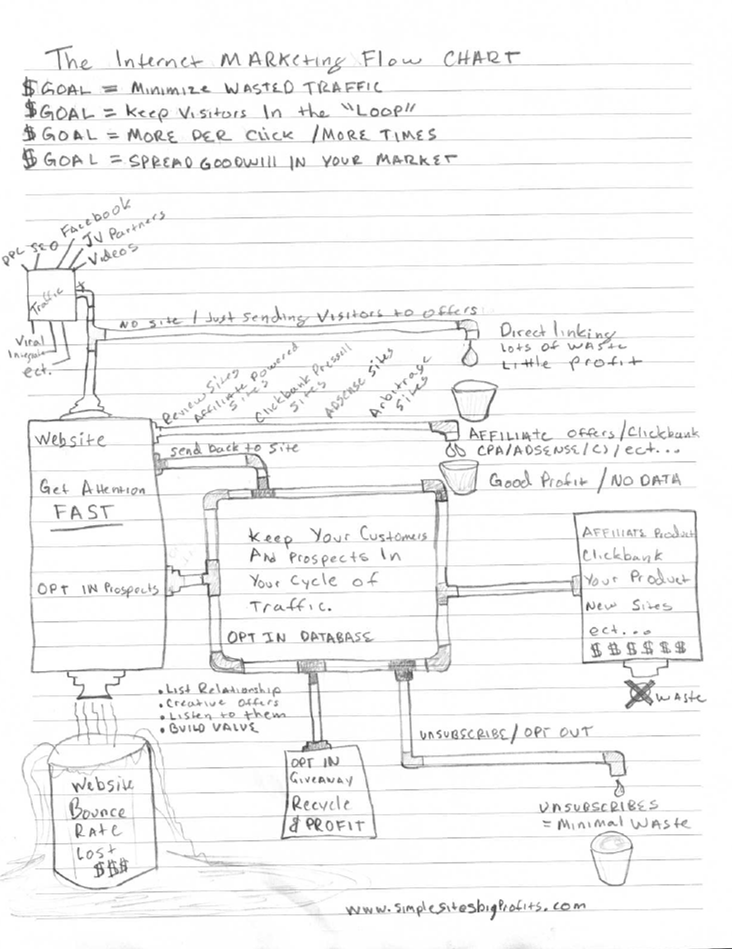
Google VEO3 Ai To Make Faceless Videos For My Business
Google VEO3 AI To Make Faceless Videos For My Business – $100K Method
Creating videos without showing your face used to be hard work. You needed multiple tools—voiceovers, avatars, editors—and a lot of patience. But things have changed.
I recently started using Google VEO3, and it’s turned out to be one of the most game-changing tools in my content arsenal. In this post, I’ll walk you through exactly how I’m using VEO3 to create high-quality faceless videos, build audiences, and support my business goals—all without picking up a camera.
“Every AI tool I invest in should be turning me a profit in some way, shape, or form.”
That’s the mindset I brought into this, and it’s the same one I suggest you use too.
Why Google VEO3
Before VEO3, building faceless content was a patchwork job. I relied on separate tools for:
- Face generation
- Voiceovers
- Video creation
- Editing and stitching it all together
Now, Google VEO3 replaces that entire stack. It’s an all-in-one solution that lets me create animated, faceless videos in minutes—not hours. At $250/month for the ultra tier (which includes Gemini), it might sound steep, but for me, it replaced $300+ worth of other tools.
“I think it’s going to replace a lot of other video tools.”
And in my use case, it already has.
The Goal: Faceless, Monetizable Content at Scale
This wasn’t about testing a shiny new toy. I wanted to apply VEO3 in a real business setting. So I picked a side project: my economics explainer site.
I needed to create fast, educational, and engaging content for a niche audience—without being on camera.
VEO3 lets me do that with:
- AI-generated puppet avatars
- 8-second animated clips with synced voice
- Thumbnail-to-video features for repurposing blog content
- Teasers that spark curiosity and drive clicks
“Now we have AI tools that’ll assist us in every step along the way.”
My Creative Workflow: From Prompt to Profit
Here’s the system I used to produce fast-turnaround videos:
- Start with a niche idea: For example, “Why do billionaires get mortgages?”
- Use Gemini for research: Generate facts that feed the script
- Create a custom puppet or avatar: Tailored to the niche (like a mid-30s cartoon professor)
- Generate 8-second clips: One to ask a question, one to deliver a tip, one to drive action
- Edit in Camtasia: Stitch them together, add text, tweak transitions
“We want to have that element of making good stuff that sets us apart.”
The best part? I don’t have to be in front of the camera. I let the puppet talk—and people still watch.
Real Example: The Billionaire Mortgage Trick
Here’s one of the clips I created that blends curiosity and value in under 30 seconds:
- Intro Puppet Clip: “Hey, so why would a billionaire get a mortgage on a $10 million house?”
- Main Tip: “Here’s a secret about the super rich: they can earn more on their cash than their mortgage costs them.”
- Outro: “Follow me for more tips.”
“That’s how they use the bank’s money to make more money.”
It’s short, clean, and powerful—and most importantly, it leaves viewers wanting more.
Lessons Learned Using VEO3
Through testing and production, I noticed a few patterns that helped guide my use of the platform:
- Keep it short and tight – 8-second clips are perfect for social media engagement
- Voice can be inconsistent – Sometimes it doesn’t match well, but can be fixed manually
- Visual consistency matters – Reuse avatars and backgrounds to build brand identity
- Pacing is key – Stitch together multiple clips to extend your message without losing attention
“You’re just going to need to stay in sequence… does it take a lot of effort? Yes, I think it does.”
But it’s also doable. You don’t need to be a video expert—you just need a plan.
AI Tool Evaluation: How VEO3 Stacks Up
As I explored the tool deeper, I assessed it using a practical checklist. Here’s how it performed:
| Criteria | Evaluation |
| Clear Purpose & Features | Yes – Designed for faceless, AI-driven video content |
| Solves a Genuine Problem | Yes – Enables creators to produce without being on camera |
| Performance & Accuracy | Strong visuals; some voice mismatch but fixable |
| Social Media Ready | 100% – Ideal for short content (Reels, Shorts, etc.) |
| Email & Ad Usage | Yes – Personalized, branded content |
| Website Integration | Great for explainers, onboarding, CTAs |
| Text & Script Generation | Via Gemini, not native in VEO3 |
| Image & Animation Tools | Yes – Strong avatar creation & animation |
| Video Output Quality | High – Especially at Ultra tier |
| Audio Flexibility | AI voices + manual overrides possible |
| Research & Strategy | Gemini covers this well |
| Personalization for Users | Excellent for niche messaging |
| Pricing & Value | High ROI for serious creators |
| Limitations | 8-sec cap, learning curve, manual stitching |
| Free Option | Yes – Trial available |
| Content Control | Fully customizable per niche and intent |
Final Thoughts
I’ve tested a lot of AI video tools. Most feel gimmicky. But Google VEO3 feels like a creative partner.
It won’t do the work for you, but it cuts hours off your production time and allows you to experiment and post consistently without burnout.
“You’re only limited by your imagination.”
If you’re ready to build faceless, consistent, curiosity-driven content, this might be the tool to finally make it happen.