
marcus
ChatGPT Search Engine – Money Opportunity
Unlocking the Power of ChatGPT Search Engine


In today’s world, leveraging new technologies can be the difference between staying ahead or being left behind. One of the most exciting tools shaking up the search landscape is the ChatGPT Search Engine. If you’re ready to discover how this powerful tool can help you make money online, you’re in the right place.
As a seasoned internet marketer with 25 years in the business, I’ve seen it all. I’ve been around since the early days of search engines, witnessing firsthand how Google transformed into a trillion dollar powerhouse. Now, with the emergence of ChatGPT Search Engine, it feels like déjà vu a golden opportunity waiting to be seized.
What is ChatGPT Search Engine and How Does It Work?
Before we dive into how to make money with it, let’s break down what the ChatGPT Search Engine is and how it works. When you use ChatGPT, you’ll notice a new button marked “Search,” represented by a globe icon. This feature lets you toggle between AI-generated responses and real time search results, creating a dynamic search experience.

For example, if you search for “best New York restaurants,” the ChatGPT Search Engine will analyze and compile results while paraphrasing and summarizing the data. Unlike traditional search engines that spit out endless lists of links, ChatGPT provides a concise overview—sometimes even including maps for local searches—that makes information easy to digest.
The secret here? ChatGPT pulls its data directly from sources like MSN Bing. Yes, you heard that right. While this may not seem groundbreaking initially, this integration positions those who rank well on Bing to benefit immensely when users turn to the ChatGPT Search Engine.
Why ChatGPT Search Engine is a Game Changer
Google has been the go-to for search for years, pulling in over $1.9 trillion in revenue since 2002. But here’s the kicker: Google pays out billions annually through programs like AdSense. This is where ChatGPT Search Engine could disrupt the market. With its ability to offer streamlined, informative search results, it’s poised to become a significant competitor.
ChatGPT Search Engine doesn’t just offer convenience it’s positioned to capitalize on search marketing trends that marketers like us can tap into. For instance, Google’s complex algorithm prioritizes established sources and paid advertisements. But with ChatGPT Search Engine pulling data from Bing, there’s a new frontier to explore, offering more opportunities for organic traffic.
How to Make Money with ChatGPT Search Engine
So, how can you leverage this tool for profit? Here are three powerful strategies:
1. Hyperfocused Content Creation
Understanding how the ChatGPT Search Engine works is crucial for generating relevant, targeted content. Since it provides users with summarized and paraphrased information, your content must be optimized for clarity and value. Use tools like keyword.io to research high traffic terms on Bing. For example, “make money online” sees around 26,000 searches monthly with competitive yet affordable CPC rates.

Create blog posts, YouTube videos, or Pinterest content optimized for these keywords. When ChatGPT users search for related topics, your well positioned content will be among the top results, driving traffic and increasing ad revenue.
2. Boosting Your SEO on Bing
ChatGPT Search Engine draws its data from Bing, so focusing on Bing SEO is more important than ever. Use on page SEO best practices and create backlinks from authoritative sources to boost your site’s visibility. Remember, Bing’s algorithm is less complicated than Google’s, making it easier to rank for competitive keywords without an army of backlinks.
For example, if your niche is financial advice, target keywords like “mortgages Orlando” or “best performing cryptocoin.” Research indicates that top Bing keywords have CPC rates significantly lower than those on Google, presenting an opportunity for more cost effective ad campaigns.
3. Prepare for Monetization with Ads
One of the most exciting aspects of ChatGPT Search Engine is its potential future ad integration. Bing already has an ad platform that many marketers use for cheap, effective traffic. As ChatGPT continues to grow, expect a surge in interest from advertisers. Position your site now to be ready when this happens.
If you’re familiar with Google AdSense, think of the possibilities when similar ad programs come to ChatGPT’s platform. This could mean higher monetization rates for niche content that attracts deep, qualified clicks. For instance, tutorials, how to guides, and reviews could become prime ad real estate, driving significant income.
The Future of Search Marketing with ChatGPT
Understanding search intent is essential when creating content for ChatGPT Search Engine. While Google often serves results that match a broad range of intents, ChatGPT’s search capability tailors the experience by summarizing different sources. This provides users with a clearer path to what they’re looking for, leading to higher engagement and conversion rates.
As this tool continues to evolve, it will start to shape user behavior and expectations. Users will prefer quick, accurate answers without having to click through multiple sites. This change means your content must be more informative and engaging right from the start to capture attention.
ChatGPT Search Engine is more than just a new search tool it’s a gateway to a new era of search marketing. By focusing on hyper relevant content, optimizing for Bing, and preparing for future ad opportunities, you can set yourself up to make money online in a big way. Remember, as the search landscape shifts, those who adapt will thrive.
So, start today. Dive into content marketing, learn the ins and outs of Bing’s algorithm, and get ready for what’s next with ChatGPT Search Engine. The future of online earnings is right at your fingertips.
infinite AI money making – Pc agents
>>> Want Personal Help Every Tuesday – Check Out The New Blog Profit Network
How to Use AI to Make Money: Turn Your Computer into an Income Machine!
In this video, we’re exploring how to turn your computer into a money making tool with AI that works automatically and efficiently. Computers have been transforming our lives for decades, and the integration of AI is taking everything to a new level. Since the dawn of history, language has changed how we work and live, and machines have become essential for us to move forward as a society. Today, we’re on the brink of a digital revolution that’s already impacting our lives and advancing faster than any other historical change. The question is, will you use AI to generate income, or will you just witness this transformation?
The Evolution of Machines and the Impact of AI

Throughout history, language and technological tools have played a crucial role in how we live. From the rise of the printing press to the invention of the automobile and the personal computer, each innovation has transformed our lives. AI is the next step, an advancement that is revolutionizing our interactions and work around the world. Companies like Google, Microsoft, and OpenAI are developing systems that can carry out tasks automatically on computers.
The Difference Between AI and AGI
(Artificial General Intelligence)
Current AI, like ChatGPT, works primarily on input and output: you ask a question or give a command, and it provides a response. However, AGI will be able to perform tasks almost like a human, working autonomously across multiple applications and systems simultaneously. AGI goes beyond a single command because it can interact in real-time and handle complex tasks automatically. Imagine having a computer that can manage your website, edit content, optimize SEO, and perform market analysis continuously without constant supervision. That’s what AGI promises, and it’s what we’re building with PC-enabled AI.

How to Set Up Your Computer to Make Money with AI
Preparing for this transformation can make a huge difference between taking advantage of this opportunity or getting left behind. Today, there are multiple AI tools you can use for specific tasks, such as creating content, optimizing blogs, or programming WordPress plugins. Some tools you can use include:
- Bolt AI: Perfect for generating content and programming code automatically.
- Notebook LM: Great for storing specific files that the AI system can analyze for more personalized tasks.
- Zapier with AI Actions: Ideal for integrating multiple apps and automating workflows.
- Stack Blitz: An environment that allows you to create web applications directly on the platform, ideal for advanced AI tasks.
- Make.com: A platform that manages data and creates workflows to automate complex tasks.
| Task Category | Regular AI | Claude-Enabled PC AI |
|---|---|---|
| Text Generation & Editing | Generates responses, writes content, and edits text | Generates, formats, and directly saves content to local files |
| File Access | Limited to uploaded text or structured data files | Accesses and manipulates any file type on the local system |
| Application Interaction | None, confined to the chat interface | Opens and controls installed applications like Excel or Word |
| Multi-Step Task Automation | Limited to single-step actions within session | Executes multi-step workflows autonomously (e.g., create & upload reports) |
| Content Publishing | Can generate content drafts | Creates, formats, and publishes content to platforms like WordPress |
| Data Processing | Provides calculations or analysis within the session | Analyzes, processes, and saves data in files on the local system |
| Email & Messaging Automation | Generates drafts or templates for email | Directly accesses email clients, drafts, and sends messages |
| Cloud Integration | Limited to generating API scripts for cloud actions | Directly uploads and downloads files to/from cloud storage (e.g., Google Drive) |
| Document Conversion | Provides code for conversions | Directly converts and saves documents locally (e.g., Word to PDF) |
| User-Like Actions in Virtual Environment | None | Simulates user actions on virtual desktops, interacts with GUIs |
| Web Navigation & Scraping | Provides information about sites but cannot navigate | Opens browser, navigates to sites, downloads content as directed |
| System Setting Adjustments | None, no access to user settings | Adjusts system settings or preferences within security limits |
| Scheduling & Reminders | Generates reminder templates, schedules in text | Directly sets reminders, updates calendar apps on the local system |
| Security & File Backups | Offers guidance on security practices | Automates file backup processes, can create encrypted archives |
| Advanced Data Analysis | Provides code for local execution | Directly runs data analysis scripts and saves results locally |
Creating Valuable Tools and Content for Your Audience
The key to making money with AI lies in creating valuable tools and content, not just the quantity of content. People who try to generate thousands of low-quality articles often lose favor with search engines. To stand out, it’s important to create tools, calculators, or unique resources that genuinely help your audience. For example, if you’re in the roof repair industry, you could create a tool for hurricane damage assessment or a roof repair estimate generator. You could also develop ROI calculators for home improvement projects or cost evaluation tools for solar panel installations.

| Task Category | Automated Tasks |
|---|---|
| Content Management | – Drafts, formats, and publishes blog posts – Updates website content (e.g., product descriptions, news) |
| File Handling & Management | – Organizes files in folders – Converts document types (e.g., Word to PDF) – Automates file backups to cloud storage |
| Data Processing & Analysis | – Analyzes datasets, creates reports – Processes and organizes data from spreadsheets – Summarizes data for reports |
| Email & Messaging | – Drafts and sends emails – Schedules recurring emails for updates or announcements – Responds to FAQs or queries |
| Customer Support & Interaction | – Replies to customer queries with scripted responses – Compiles resources based on user inquiries |
| Social Media Posting | – Schedules and posts updates – Uploads images, captions, and hashtags – Interacts with comments if pre-scripted |
| Database Management | – Adds new entries based on new data – Updates and cleans records – Exports reports for analysis |
| Project Management | – Tracks deadlines, updates project statuses – Reminds team members of tasks – Sends progress reports |
| System Maintenance | – Clears cache and temporary files – Runs scheduled antivirus scans – Backs up files and system settings |
| Scheduling & Calendar Management | – Sets reminders, schedules meetings – Updates calendar entries – Sends calendar invites to participants |
| Cloud Integration & Syncing | – Uploads/downloads files to/from Google Drive, Dropbox – Syncs files with cloud storage – Automates version control |
| Invoice & Expense Tracking | – Generates invoices based on inputs – Tracks expenses in Excel/Google Sheets – Sends reminders for unpaid invoices |
| Lead Generation & Outreach | – Sends introductory emails – Follows up with leads periodically – Manages outreach logs and updates |
| Website Monitoring & Updating | – Monitors uptime, sends alerts on issues – Updates site plugins and content – Posts content based on a schedule |
| Desktop Application Automation | – Opens applications, edits files – Runs Excel macros, updates sheets – Saves and closes files after modifications |
| Research & Information Gathering | – Collects data from specified websites – Summarizes content into text files – Exports gathered data into reports |
| Task and Workflow Reminders | – Sets recurring task reminders – Updates and maintains checklists – Automates daily or weekly task notifications |
| Customer Reports & Summaries | – Generates customer summaries based on recent data – Sends weekly/monthly reports to clients |
| Routine Admin Tasks | – Updates internal documentation – Logs recurring tasks and completion status – Files important documents |
| Advanced Data Operations | – Runs analyses on local databases – Exports results to cloud storage – Prepares datasets for visualization |
Maximizing Earnings with AI and Affiliate Marketing
There are different ways to monetize the resources created with AI:
- Google AdSense Ads: Earn money per click when visitors interact with ads on your website.
- Affiliate Marketing: Integrate affiliate links in your tools or calculators. For example, if you create a repair estimate generator, you can include affiliate links for repair services or construction materials.
- Pay-per-call offers: Some affiliate companies pay for each qualified call. This strategy is excellent for high-demand niches, like repair services or legal assistance.
Success Stories with AI Tools and Websites
The video mentions some examples of people who have created tools with AI, like PayPal button generators or customized calculators for specific niches, generating consistent income. These tools make people’s lives easier and, at the same time, generate revenue for their creators. One successful site in this field is ProfitScoop.com, which offers income-generating tools and advice on using AI for monetization.
We are on the threshold of a revolutionary change with AI and AGI. In the coming years, those who understand how to use AI and set up their computers correctly will have a significant competitive advantage. In the end, the key to making money with AI is not just automating tasks but doing it strategically, creating useful and valuable resources. As AGI and advanced AI become more accessible, those who know how to use these tools can generate income almost automatically. So, if you’re ready to learn and apply these concepts, you’re in the right place to start building your AI-powered income machine.
Get A High Ticket Niche For A Faceless Youtube Business Click Here
Claude 3.5 PC Ai Computer Use Test
Transforming Your PC into a Claude3.5 AI Computer for Profit: How to Make Money with Automation

Imagine turning your PC into a Claude3.5 AI computer to help automate tasks and generate income all from your home. In this article, we’ll explore how you can leverage the Claude AI platform and set up a basic robot that completes tasks autonomously, allowing you to potentially make money with AI. We’ll walk through the steps, explain what makes this method work, and show you how to use it in ways that bring in passive income.
What is the Claude3.5 AI Computer, and How Does it Work?
The Claude3.5 AI computer allows you to set up your PC as a task driven robot that operates independently. This AI setup essentially turns your computer into an automated assistant, performing tasks based on instructions and controlled within a virtual machine environment. By running this through a system like Docker, it functions separately from your regular desktop, keeping your files and data secure while allowing the AI to operate freely. This means it can handle tasks such as managing files, automating posts, and even completing online tasks while you focus on other things.
Step 1: Setting Up the Claude3.5 PC AI Computer
To start, install Docker, which is necessary for running the Claude AI computer on a virtual machine. Docker acts like a container, creating an isolated environment where the AI can perform tasks without accessing or interfering with the rest of your PC. You’ll also need to set up an API from the Anthropic website, as this enables the Claude AI system to function. The setup is straightforward and primarily involves downloading the necessary files and configuring Docker with your Claude API key.
Once set up, you’ll be able to toggle between AI-controlled and manual mode using a simple interface, which will let you monitor and control tasks. This virtual AI can access various applications, like Excel, browsers, and file managers, so it’s almost like having an assistant who can handle repetitive tasks for you.
Docker Command:
Note: Replace
%your_api_key%with your Claude API key.
Step 2: Putting Your Claude3.5 AI Computer to Work
Now that your Claude3.5 PC AI computer is operational, let’s look at the types of tasks it can perform. The best way to make money with this setup is to automate small, repetitive tasks that would normally take up your time. For example, you could instruct it to:
- Create and Format Content: The Claude AI can write, edit, and format blog posts or social media content based on given prompts. By using it to generate content, you’re saving hours and can use that content to engage audiences on platforms like WordPress, TikTok, or Pinterest.
- Generate Lead Magnets: With some customization, the AI can create lead magnets, like checklists, short eBooks, or guides, that you can offer in exchange for email signups. This is perfect for those in affiliate marketing, as lead magnets help grow your audience, which ultimately means more potential conversions and earnings.
- Automate Data Collection: By searching for websites, articles, or statistics on specific topics, the Claude3.5 AI computer gathers valuable information without you needing to search manually. For instance, it can compile data on popular websites in a given niche and create a list, which you could then turn into a helpful blog post or social media content.
- Manage File Conversions and Storage: One of the Claude AI computer’s most exciting capabilities is file manipulation. You can instruct it to convert files, create PDFs from TXT documents, or organize files into folders. This makes it easy to manage your digital assets and keeps everything organized for quick use.
Step 3: Monetizing Your Claude3.5 AI Computer’s Work
Now comes the exciting part using your Claude3.5 PC AI computer to earn money. Here are a few proven ways to monetize the AI’s output:
- Affiliate Marketing: Create content that draws in readers and redirects them to affiliate offers. For instance, you could make a post on “Top Websites to Earn Money Online” and include affiliate links to relevant services. The AI can help generate this content at scale, giving you a steady flow of posts with minimal effort.
- Sponsored Content: Once you build an audience, brands may pay you to feature their website or product on your blog or social media pages. This is especially valuable if you create high-quality lists or guides that appeal to a particular audience.
- YouTube Ad Revenue: If you make AI-generated content for YouTube, you can earn ad revenue. The Claude AI computer can help with content ideas, script writing, and even automating blog posts to complement your videos, which helps drive traffic from one platform to another.
- Creating Online Courses: If you’re knowledgeable in a specific area, such as using AI to make money, consider creating an online course. You can use the AI to help you write course materials, quizzes, and even marketing emails to promote the course.

Step 4: Testing and Scaling Your Claude3.5 PC AI Computer for Greater Earnings
As you get comfortable with the Claude3.5 AI computer, you’ll find that it can complete more complex tasks. To maximize its value, experiment with different ways of making money using its capabilities. For instance, try setting up multiple virtual workspaces within Docker, each running a unique process. This way, you can create a mini “robot army” performing different tasks simultaneously, which can potentially increase your income.
Furthermore, track which types of content or processes work best for your target audience. If a particular type of blog post or video performs well, let the Claude AI create more variations on that theme. The goal is to find a pattern of success and scale it, which could lead to even greater income over time.
Using Claude AI for Automation and Task Management
Claude AI’s environment in Docker can be used for various automation tasks, including file handling, creating scripts, and even interacting with virtual desktops. Here’s how:
1. File Handling
Claude can assist with file management, offering multiple storage options:
- Cloud Storage: Use platforms like AWS S3, Google Drive, or Dropbox for secure storage.
- Local/Network Storage: Files can also be saved to local or network drives if running locally.
2. Scripted Automation
Claude AI can generate and run scripts to:
- Upload and download files
- Move, rename, and organize files within the Docker environment
- Simulate user interactions on virtual machines, making it feel like a remote assistant
3. Virtual Machine Task Automation
Claude AI can manage tasks on a virtual machine browser or interface, including:
- Posting articles to WordPress or other CMSs
- Automating Google Drive uploads
- Manipulating HTML and creating web-ready files
Automating File Uploads: Examples
- Upload Text Files to Google Drive
Claude can generate scripts to automate file uploads to Google Drive, as shown in this sample Python code: - Creating and Uploading Redirects
For instance, Claude AI can create simple.phpredirect files for URLs and automate uploading them to your desired platform.
Practical Applications of Claude AI
| Task Category | Automated Tasks |
|---|---|
| Content Management | – Drafts, formats, and publishes blog posts – Updates website content (e.g., product descriptions, news) |
| File Handling & Management | – Organizes files in folders – Converts document types (e.g., Word to PDF) – Automates file backups to cloud storage |
| Data Processing & Analysis | – Analyzes datasets, creates reports – Processes and organizes data from spreadsheets – Summarizes data for reports |
| Email & Messaging | – Drafts and sends emails – Schedules recurring emails for updates or announcements – Responds to FAQs or queries |
| Customer Support & Interaction | – Replies to customer queries with scripted responses – Compiles resources based on user inquiries |
| Social Media Posting | – Schedules and posts updates – Uploads images, captions, and hashtags – Interacts with comments if pre-scripted |
| Database Management | – Adds new entries based on new data – Updates and cleans records – Exports reports for analysis |
| Project Management | – Tracks deadlines, updates project statuses – Reminds team members of tasks – Sends progress reports |
| System Maintenance | – Clears cache and temporary files – Runs scheduled antivirus scans – Backs up files and system settings |
| Scheduling & Calendar Management | – Sets reminders, schedules meetings – Updates calendar entries – Sends calendar invites to participants |
| Cloud Integration & Syncing | – Uploads/downloads files to/from Google Drive, Dropbox – Syncs files with cloud storage – Automates version control |
| Invoice & Expense Tracking | – Generates invoices based on inputs – Tracks expenses in Excel/Google Sheets – Sends reminders for unpaid invoices |
| Lead Generation & Outreach | – Sends introductory emails – Follows up with leads periodically – Manages outreach logs and updates |
| Website Monitoring & Updating | – Monitors uptime, sends alerts on issues – Updates site plugins and content – Posts content based on a schedule |
| Desktop Application Automation | – Opens applications, edits files – Runs Excel macros, updates sheets – Saves and closes files after modifications |
| Research & Information Gathering | – Collects data from specified websites – Summarizes content into text files – Exports gathered data into reports |
| Task and Workflow Reminders | – Sets recurring task reminders – Updates and maintains checklists – Automates daily or weekly task notifications |
| Customer Reports & Summaries | – Generates customer summaries based on recent data – Sends weekly/monthly reports to clients |
| Routine Admin Tasks | – Updates internal documentation – Logs recurring tasks and completion status – Files important documents |
| Advanced Data Operations | – Runs analyses on local databases – Exports results to cloud storage – Prepares datasets for visualization |
Claude-Enabled PC vs. Traditional AI: Unlocking Enhanced Capabilities
Using Claude AI on a dedicated PC offers significant advantages over traditional AI applications. While most AI tools operate only in the cloud or within limited web-based environments, a Claude-enabled PC can run within a Docker container directly on your computer, allowing it to manage applications, files, and complex workflows in real time. Here’s how this Claude-enabled PC setup stands out:
1. Local System Control and Real-Time Interaction
- Standard AI: Typically restricted to providing outputs within the application it runs in (like a chat interface) and cannot directly interact with a user’s operating system, files, or applications.
- Claude-Enabled PC: By running Claude AI in Docker on your local machine, Claude has virtual access to your computer’s environment. This enables it to perform real-time tasks like accessing files on your drive, opening applications, and automating actions within these applications. It’s almost like having a digital assistant operating directly on your desktop, capable of opening files, organizing documents, and launching programs as instructed.
2. Enhanced Task Automation Across Applications
- Standard AI: Suited for generating text-based responses, answering questions, or creating code snippets within a single-session environment. However, it cannot manage multiple applications or chain actions together independently.
- Claude-Enabled PC: Can coordinate between applications on your computer. For example, you could instruct it to open Excel, create a spreadsheet based on specific data, and then save and send that file via email—all without manual intervention. It can also move files between cloud storage and local drives, convert formats, or create backups autonomously.
3. Local Data Processing and File Manipulation
- Standard AI: Generally limited to interpreting or generating data within the session. It has no direct access to files stored on your computer or specific local data.
- Claude-Enabled PC: Works directly with your computer’s file system. It can open, edit, and save documents, such as converting Word documents to PDFs or extracting information from spreadsheets. This functionality extends beyond cloud-based AI models, as Claude can interact with file types stored locally, making it suitable for more complex, data-heavy tasks that are stored on or require access to your machine.
4. Versatile Workflow Management and Multi-Step Processes
- Standard AI: Best used for single-step or tightly defined tasks. It typically needs ongoing input for multi-step workflows and cannot maintain workflow continuity.
- Claude-Enabled PC: Capable of handling entire workflows, such as preparing data, creating documents, and even scheduling and publishing posts. For example, you could assign it a project like creating a set of reports, converting them to PDFs, and uploading them to a specific folder or even a content management system (like WordPress) without constant prompts. This continuity makes it ideal for daily, repeatable workflows.
5. Direct System-Level Integration and User-Like Behavior
- Standard AI: Provides responses based on natural language prompts and does not interact with computer settings or system tools.
- Claude-Enabled PC: Functions similarly to a user working directly on your system, allowing it to mimic user behavior within applications. For example, it could open a virtual web browser, log into platforms like Google Drive, and navigate as a user would. It’s also capable of modifying settings, installing updates, or toggling controls if set up for those permissions, bringing a “hands-free” quality to its capabilities.
Special Applications for Claude-Enabled PC AI
- Content Automation: Manage tasks like preparing and formatting blog posts, setting up social media posts, and updating website content.
- Office Assistance: Act as a virtual assistant by handling email management, document creation, report generation, and scheduling. Claude can run scripts to automate these office tasks in bulk.
- Customer Interaction Simulations: Useful for companies that need help processing or responding to customer queries by compiling information, generating responses, or retrieving documents based on inquiries.
- Project Management: Automate repeatable workflows like data analysis, report generation, and archiving to save time and improve productivity.
Is a Claude-Enabled PC Right for You?
A Claude-enabled PC is ideal for those looking to incorporate AI into their local environment for enhanced control, real-time data manipulation, and sophisticated automation workflows. With Claude AI, your PC transforms into an autonomous, assistant-like machine capable of managing multiple software applications, executing instructions, and even assisting in local network or cloud-based tasks. This setup brings AI closer to real-world usability, where it acts as an integral part of your day-to-day digital operations.
| Task Category | Regular AI | Claude-Enabled PC AI |
|---|---|---|
| Text Generation & Editing | Generates responses, writes content, and edits text | Generates, formats, and directly saves content to local files |
| File Access | Limited to uploaded text or structured data files | Accesses and manipulates any file type on the local system |
| Application Interaction | None, confined to the chat interface | Opens and controls installed applications like Excel or Word |
| Multi-Step Task Automation | Limited to single-step actions within session | Executes multi-step workflows autonomously (e.g., create & upload reports) |
| Content Publishing | Can generate content drafts | Creates, formats, and publishes content to platforms like WordPress |
| Data Processing | Provides calculations or analysis within the session | Analyzes, processes, and saves data in files on the local system |
| Email & Messaging Automation | Generates drafts or templates for email | Directly accesses email clients, drafts, and sends messages |
| Cloud Integration | Limited to generating API scripts for cloud actions | Directly uploads and downloads files to/from cloud storage (e.g., Google Drive) |
| Document Conversion | Provides code for conversions | Directly converts and saves documents locally (e.g., Word to PDF) |
| User-Like Actions in Virtual Environment | None | Simulates user actions on virtual desktops, interacts with GUIs |
| Web Navigation & Scraping | Provides information about sites but cannot navigate | Opens browser, navigates to sites, downloads content as directed |
| System Setting Adjustments | None, no access to user settings | Adjusts system settings or preferences within security limits |
| Scheduling & Reminders | Generates reminder templates, schedules in text | Directly sets reminders, updates calendar apps on the local system |
| Security & File Backups | Offers guidance on security practices | Automates file backup processes, can create encrypted archives |
| Advanced Data Analysis | Provides code for local execution | Directly runs data analysis scripts and saves results locally |
Why Claude3.5 AI Computer is a Game Changer

Using a Claude3.5 PC AI computer to make money online is innovative because it bridges the gap between automation and profitability. It doesn’t replace human creativity or strategic planning, but it does give you a powerful tool to complete time-consuming tasks. As AI technology advances, we can expect even more capabilities that will enable us to automate complex workflows and streamline online income streams.
The future of making money with AI is here, and Claude3.5 AI computer offers an exciting glimpse into how you can use technology to grow an income stream with minimal effort. With a bit of setup and some creativity, you’ll be able to make the most of your Claude AI-powered machine. For more detailed instructions and the code you’ll need to set up the Claude AI computer, head over to airofitscoop.com, where we’ve posted complete setup instructions.
Common Questions and Answer
Q: Does Claude AI’s “computer use” feature require Docker?
A: No, while Docker isn’t required, it’s recommended for secure isolation of Claude’s environment.
Q: Does Claude AI retain files/data between sessions?
A: No, Claude’s sessions are stateless. Store data externally for persistence across sessions.
Q: How do I save files externally?
A: Use cloud storage solutions like AWS S3 or Google Drive for easy access across sessions.
Q: Can Claude AI log in directly to my Google account?
A: No, but you can use OAuth 2.0 or Service Account credentials for secure programmatic access.
You can download all necessary notes and codes directly from AI Profit Scoop.
Napkin Ai – awesome new ai tool
Napkin AI Make Proitable Data Driven Content:

- Boosts Engagement Rate:
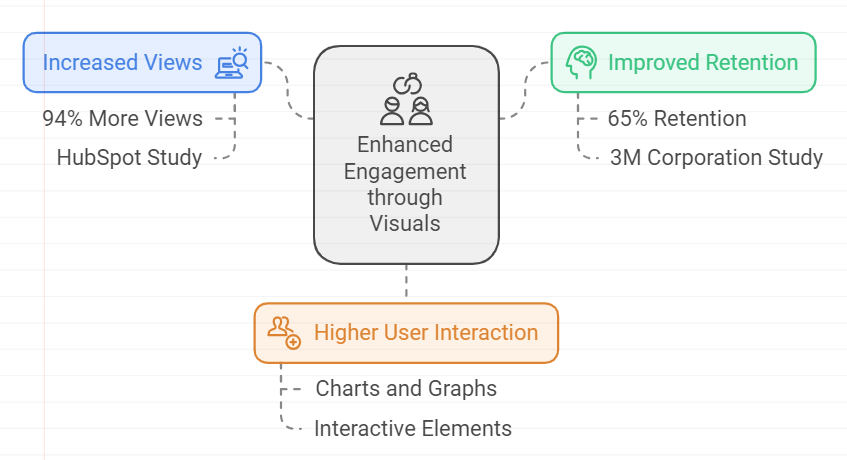
- Higher Visibility: Napkin AI increases the likelihood of content being seen and engaged with, resulting in more interactions (likes, comments, website time) and, ultimately, more revenue.
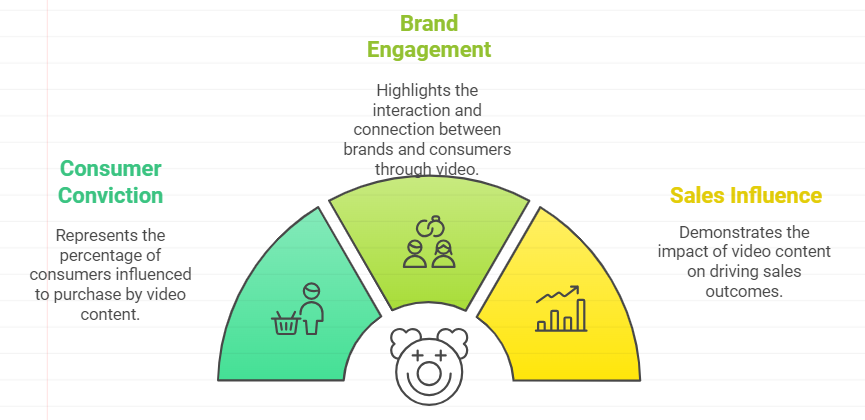
- Statistical Evidence: HubSpot reports a 94% increase in views for content featuring visuals. Social media posts with visuals can increase engagement and click-throughs up to 650% compared to text-only posts.
- Improves Conversion Rates:
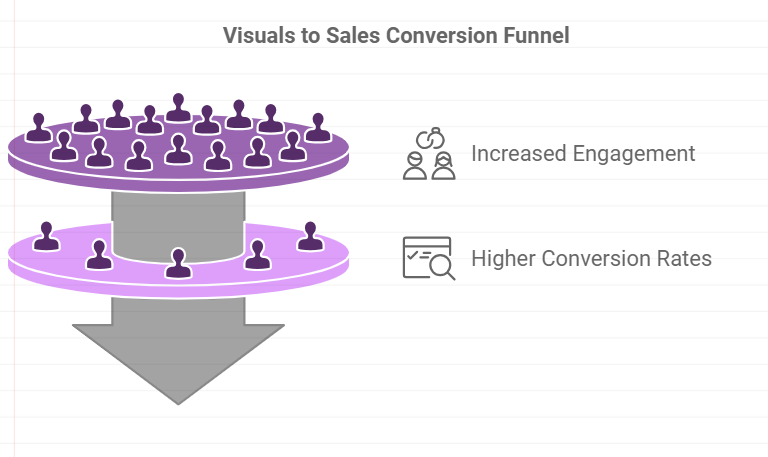
- Automated Sales Enhancement: Napkin AI increases conversions by optimizing the presentation of content, turning viewers into buyers. This is especially beneficial for affiliate marketing, e-commerce, or dropshipping as it effectively automates parts of the conversion process.
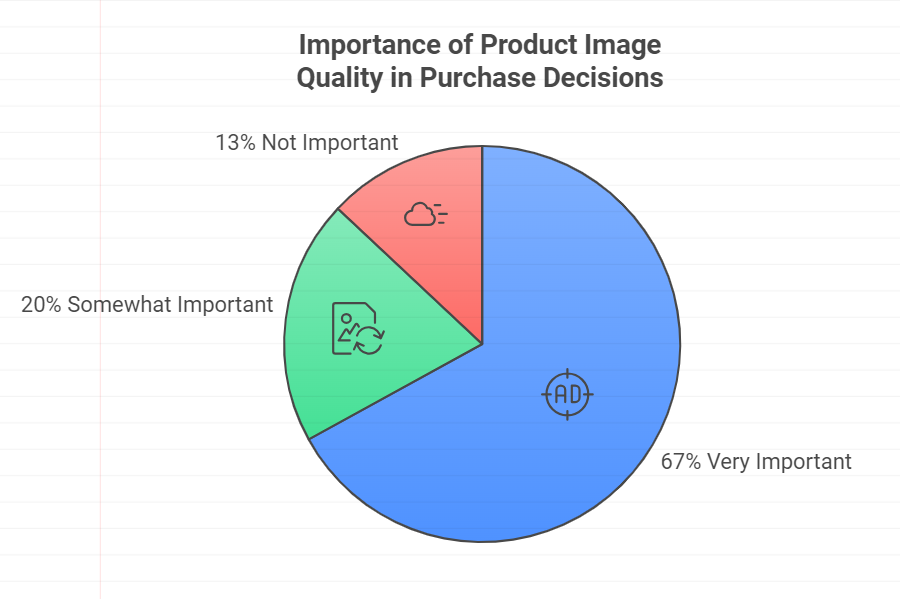
- Visual Influence on Sales: Statistics suggest 67% of consumers deem product visuals “very important” in making purchase decisions.

- Saves Time on Research and Content Creation:
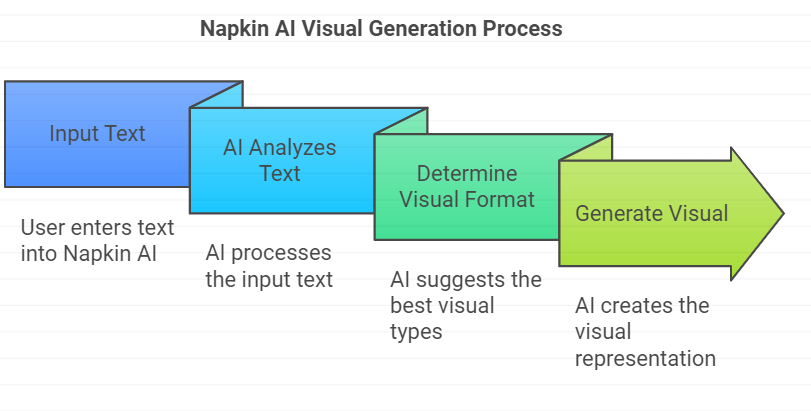
- Automation in Data Collection and Presentation: Napkin AI provides quick data visualization with infographics, graphs, and charts, effectively performing around 60% of the typical marketing job.
- No Need for Additional Tools: Napkin AI replaces complex infographic software, drastically cutting down the time required to create professional visuals.
Key Napkin AI Features and Usage
- Tool Availability: Currently free in beta, but it may become a paid service later.
- Automated Visuals: Generates data visuals (graphs, charts, infographics) without requiring research or design experience.
- Example: Typing a prompt like “home break-ins in the USA in 2024” produces data on home break-ins and creates related visuals instantly.
- Customization Options:
- Users can select various graph styles (e.g., bar, line, pie charts) and tweak them to better communicate their data points.
- Built-in lightning bolt feature for rapid graph creation directly from data inputs.
- Niche Marketing:
- Users can apply Napkin AI across different types of content to support affiliate marketing, product recommendations, or lead generation.
- Example: Creating content about home security statistics can lead to monetization through offers for home security systems, some of which pay up to $600 per qualified lead.
Monetization Strategy Examples
- Content Engagement: Visually appealing and well-structured content (charts, graphs) can drive higher engagement on social media platforms (YouTube, Pinterest, blogs).
- Lead Generation for High-Payout Niches: Offers that require actions, such as filling out forms or calling custom phone numbers (affiliated to specific offers), provide high payouts.
- Educational Content Creation: For topics like “richest people over time” or “domain sales statistics,” Napkin AI can craft visuals that retain user attention and drive affiliate sales by linking to relevant courses or products.
Practical Applications
- Educational Visuals:
- For finance blogs, Napkin AI can generate tax bracket visuals, e.g., 2023 tax bracket breakdown with income ranges, enhancing value in tax-saving articles.
- DIY Market Data Presentation:
- For real estate or financial education content, it can create visuals on “how to save for a down payment” or “top domain sales statistics,” appealing to DIY investors and hobbyists.
- Downloadable Resources:
- Users can create attractive documents or infographics for lead magnets to capture emails, which is more effective than simple text-based resources.
Content Strategy and Tips
- Differentiating Through Visuals:
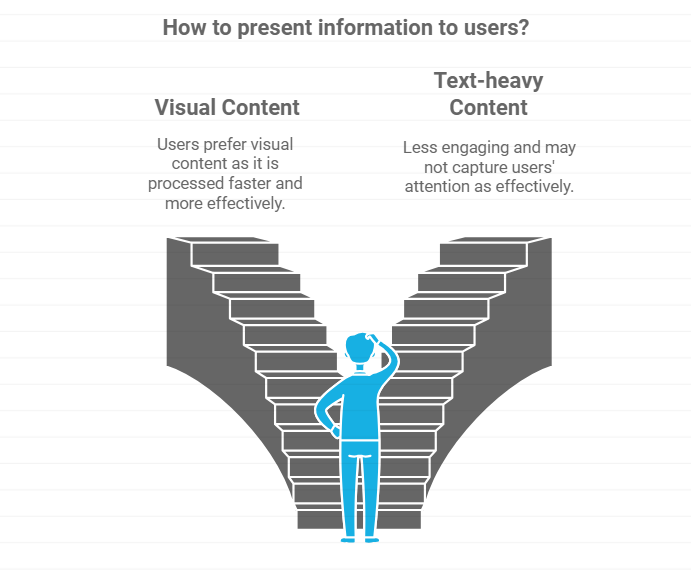
- Unlike standard text-based content, visual-heavy presentations (charts, infographics) can captivate users, making the data easier to digest and more likely to generate clicks and sales.
- Promoting Affiliate Offers:
- Visual data presentation can support higher affiliate conversions, particularly in niches like home security, financial planning, and health.
- Integrating AI-Generated Graphics with Content:
- Screenshots of generated charts can be directly added to blogs or social media to enhance storytelling and improve SEO.
Additional Insights
- AI-Driven Personalization:
- Users are encouraged to experiment with prompts, such as “ways to save money” or “top side hustles,” and refine these prompts to create specific, monetizable outputs.
- Future Applications:
- Napkin AI’s visual generation could be used for creating presentation materials, educational infographics, and even slideshow videos. This aligns with current trends in visual-based content marketing, where visually structured data (as seen in news reports or polls) tends to outperform text-only content in terms of reach and retention.
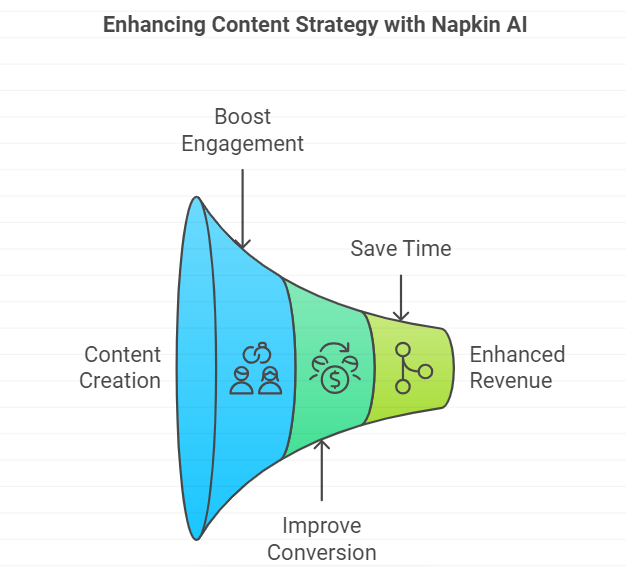
In summary, Napkin AI offers a comprehensive approach to making money online by enhancing content engagement, automating sales processes, and saving time. The potential applications span from affiliate marketing and lead generation to content creation and personalization, all while emphasizing data-driven visuals that maximize engagement and click-through rates.

How To Make Money With AI
>>> Want Personal Help Every Tuesday – Check Out The New Blog Profit Network
If you’re looking for a straightforward way to earn money online, this guide will teach you how to make money with AI by finding websites that pay you for simple tasks. You don’t need any prior experience, technical skills, or even a large budget to start. With the power of AI, this method makes it incredibly easy to earn, even if you’re just beginning your online money making journey. In this post, I’ll show you exactly how this strategy works, step by step, and how you can get started today.
Why This AI Method Works to Make Money Online

Using AI to find profitable websites is one of the simplest ways to make money online. By asking AI tools like ChatGPT to identify websites in different niches, you can uncover hundreds of sites that will pay you to complete various tasks. The beauty of this approach lies in its simplicity: the more websites you find, the more money you can make. Some sites offer earnings as small as $4, while others pay up to $91 or more for each task or lead, making it a versatile and scalable way to make money with AI.

Choose a Niche or Category
The first step to making money with AI is to choose a niche or category. Think about the type of content you want to create or the audience you want to reach. For example, you might want to find “100 websites that pay you to complete small tasks” or “100 websites to visit when you’re bored.” With the right keywords and categories, you can use AI to identify high-demand websites where you can either work or drive traffic for passive income.
Some popular categories include:
- Websites that pay for completing gigs (e.g., Amazon Mechanical Turk)
- Websites to help you save money on travel
- Sites for side hustles and freelance work (e.g., Upwork, Fiverr).

Generate Content and Get Paid
Once you have your list of profitable websites, use AI to generate content about each one. For example, if you’re focusing on websites for side gigs, AI can help you generate short descriptions of each site, including how it works and how much you can expect to earn. You can then share these descriptions as content on platforms like TikTok, YouTube, Instagram, or even in blog posts. This content not only attracts views but also has the potential to earn you money through ad revenue, affiliate programs, and sponsorships.
Creating engaging content is key. You don’t need to show your face or even record your own voice. Instead, you can use AI-generated scripts, voiceovers, and simple graphics to create professional-looking videos or posts. For instance, TikTok videos showcasing “websites that pay you” have millions of views, showing a clear demand for this type of content.

Monetize Through Affiliate Programs and Ad Revenue
To make the most out of this method, take advantage of affiliate programs and ad revenue. Affiliate marketing is a fantastic way to make money with AI because you earn every time someone interacts with your links, and you don’t need to sell anything yourself. For example, OfferVault has affiliate programs that pay you for each lead—just for someone signing up or showing interest in a service.
Consider also using ad networks, such as YouTube AdSense, which can bring in a consistent stream of income as your audience grows. Sponsored content is another avenue; brands will pay you to promote their sites once you start to gain traction and show that you’re reaching their target audience.

The 180-Second Content Hack
To maximize your earnings, turn each of the websites you find into short, impactful 30-second videos. This is a quick, AI-powered way to create content that draws in viewers across multiple platforms. Post these videos on TikTok, Instagram, and YouTube, driving consistent traffic back to your site or affiliate links. This method can significantly boost your reach, allowing you to diversify your income streams with affiliate links, ad revenue, and more.

Drive Traffic with Pinterest and Blogging
If you want to expand even further, consider creating blog posts about the websites you find and sharing these articles on Pinterest. Pinterest pins attract a large audience, especially for lists like “100 websites to make money online” or “Top 10 side hustles.” By linking back to your main website, blog, or affiliate offers, you drive organic traffic that can continue earning money for months or even years.
Start Making Money with AI Today
The strategy of finding websites and using AI to make money online is a game-changer for beginners and experts alike. With minimal investment and zero technical skills needed, you can start making money by simply sharing valuable resources online. This method doesn’t require an elaborate setup, and the content you create can yield returns almost immediately.
Ready to start? Visit the links in the description for recommended tools and get started finding websites with AI to make money today. The best part is, the possibilities are limitless you’re just one search away from a whole new income stream.
| Method | Description | Example | Potential Earnings |
|---|---|---|---|
| Free Money Offers | Earn by referring people to download apps or sign up for services | Coupon apps, budgeting tools | $5 – $50 per download/sign-up |
| Affiliate Marketing | Promote products or services via links, earn commissions on completed actions | OfferVault offers, Honey app | $1 – $50 per action |
| Traffic Generation via AI | Use AI to create content that drives traffic to offers and affiliate links | Facebook posts, TikTok videos | Varies based on traffic volume |
| Faceless Videos | Create short, informational videos using AI scripts and voice tools | TikTok videos about saving money apps | Varies by platform views/ad clicks |
| Automated Content Creation | AI-generated lists, blog posts, and social media posts to promote offers | Pinterest pins, short blog articles | Dependent on affiliate offers |
| Lead Generation for Businesses | Provide local businesses with AI-powered SEO or lead generation services | Local SEO for lawn care business | $50 – $300+ per client/month |
| Niche Websites | Develop AI-powered tools, checklists, or calculators for niche sites | Student loan calculator, savings checklist | Ad revenue, affiliate links |
| Content Creation Services | Use AI to create and sell blog posts, research reports, or social media content | Fiverr content writing, AI-powered blogs | $5 – $200+ per piece |
| AI-Generated Resources & Tools | Create helpful tools or guides using AI | Mortgage calculators, product guides | $5 – $50 per download/ad revenue |
| Automated Video Scripts | Generate video scripts for personal channels or clients using AI | YouTube or TikTok scripts | Dependent on video monetization |
| Social Media Management Services | Offer AI-powered social media management services to businesses | Social post scheduling, comment management | $100 – $500+ per month |
| AI-Powered Product Recommendations | Use AI to analyze and suggest products; earn commissions from affiliate programs | Amazon product lists, shopping apps | Commission from product sales |
| Real Estate Valuation Tools | Develop AI-driven tools for property evaluations | Home value estimators, property tax calculators | Ad revenue, leads for realtors |
10.19.24 Webinar Replay
2025 AI Recession – How To Prepare!

How to Navigate the Upcoming AI-Driven Recession and Thrive Financially
Hey guys, it’s Marcus here, and today I want to talk about something BIG that no one seems to be addressing, and that’s how AI might be the driving force behind one of the biggest recessions or depressions we’ve ever seen. I know it sounds heavy, but bear with me. There’s a lot to unpack here, and more importantly, there are ways you can survive and thrive during these challenging times.
The Signs of a Looming Recession
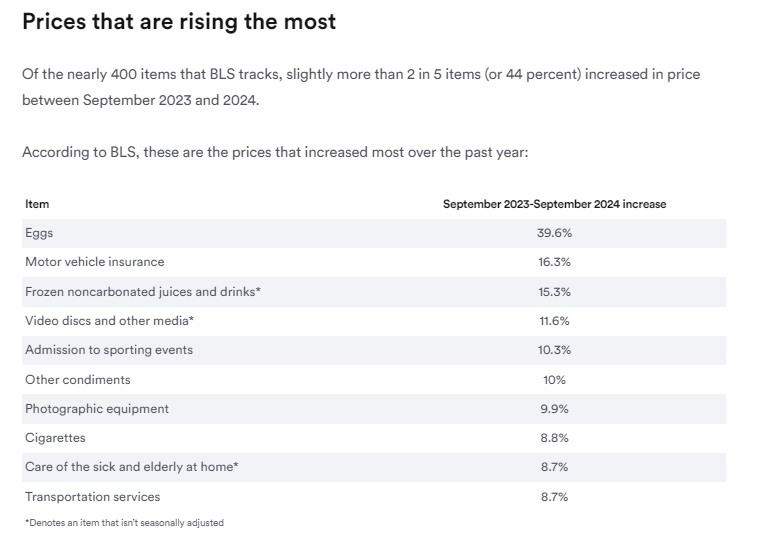
We all know the facts: groceries are more expensive than ever, with some bags costing upwards of $125 or more. Car prices have also skyrocketed imagine paying almost $80,000 for a used 2024 Chevy Suburban! Studies show that the average household needs over $111,000 more annually to maintain the same standard of living as a few years ago. That’s mind blowing!
But there’s an elephant in the room that no one talks about: AI.
AI and Job Displacement: Are You Ready?
AI is poised to disrupt the job market in a way we’ve never seen before. If you’re like most people, there’s a chance your job is at risk, and it’s happening faster than we realize. AI doesn’t need breaks, it doesn’t get sick, and it works 24/7. How are we supposed to compete with that?
The situation could get even tougher as more advanced AI models come into play, like AGI (Artificial General Intelligence). So, what can you do when AI starts coming for your job? That’s exactly what I’m here to discuss.
Forget What You’ve Heard About Saving for a Rainy Day
Here’s the thing—most people are being told to save money, to sock it away for a rainy day, but I think that advice is completely off the mark. As FDR said during the last Great Depression, “The only thing we have to fear is fear itself.” Fear and uncertainty drive poor decision making. You need to focus on surviving this recession and finding ways to thrive. The money doesn’t just disappear—it moves hands. It is key to know where it’s going and how to get in the flow.
Economic Indicators You Should Be Paying Attention To:
One of the major indicators of a recession is the consumer confidence index. When people are scared, they stop spending. And when people stop spending, the economy grinds to a halt. Right now, we’re seeing spikes in searches like “AI jobs,” “recession,” and “inflation” on Google Trends, and those aren’t good signs.
Since the end of 2022, around the same time ChatGPT came out, people have been searching for “AI jobs” at an increasing rate, and guess what? That’s only going to grow. Companies are replacing human jobs with AI because it’s cheaper and more efficient. It’s scary, but it’s also an opportunity.
Where Does the Money Go in a Recession?
So, where does all this money go? Here’s the cold, hard truth: it moves to the wealthy. We’ve seen it time and time again. During recessions, money flows up to the top 1% and stays there. Just look at the net worth of billionaires they’ve doubled or tripled in recent years while most people struggle to make ends meet.
How You Can Get Ahead: Learn to Leverage AI
Here’s where you need to start paying attention: AI isn’t just a threat it’s also a tool. If you’re smart, you can use AI to your advantage and create new income streams. The possibilities are endless, whether you’re learning how to use AI to automate tasks, create content, or even start a new business. AI gives everyday people access to resources and skills that once required entire teams of employees.
The Real Estate Market
We’re seeing house prices drop in certain areas, and this could be another sign that a recession is coming. In Florida, for example, house prices are dropping fast. If people can’t afford to live in expensive areas, they’ll start selling their homes, which drives prices down even further. And if you think about it, this cycle happens again and again, just like it did in 2008.
Rising Defaults and Declining Consumer Confidence
It’s not just about the housing market, though. We’re seeing rising loan defaults, declining manufacturing activity, and slowing money supply, all signs of a slowdown. And here’s the kicker: we haven’t even factored AI into the equation yet. That’s where things get interesting.
How to Make Money in a Recession Using AI
So, how do you make money in this economic environment? The answer lies in skills. You need to develop recession-proof skills that AI can’t easily replace. Here are a few areas to focus on:
- Financial management: People will need advice on managing their money, and if you can offer that, you’re already ahead of the game.
- Adaptability: Those who can quickly pivot and learn new skills will survive and thrive.
- Networking: Building relationships is key in any economy, especially in a downturn.
- AI-powered tools: Learn to use AI for programming, content creation, and automation tasks. These skills will be in high demand as more companies adopt AI technologies.
I know this can all sound overwhelming, but the good news is that you can take steps right now to protect yourself and even get ahead. Whether you learn new skills, leverage AI, or start a side hustle, the opportunities are there; you just have to take them.
If you’re ready to take control of your financial future and use AI to thrive during these uncertain times, hit the like button and stay tuned. I’ve got tons of tips and strategies coming your way that you won’t want to miss.
Do you think there is a recession coming?
Tell us your thoughts below…
How to get leads for your business using AI
How to Generate Leads and Make Money Online Using AI Tools
Let’s face it if you could generate leads online, day in and day out, for free or even super cheap, then you could make money online. It’s that simple. In today’s post, I will show you how you can use AI tools to create leads and grow your online business.
Look at some real numbers: Companies pay $7.20 for a simple lead, $15, $30, and sometimes even $500! All these companies are willing to pay big bucks to get someone to fill out a simple lead form on a website, showing interest in products like internet service, new windows, insurance, or even to win a gift card.
These companies have paid me millions over the years, and I’ve generated leads for everything from giveaways to mortgage applications to people searching for new credit cards. And here’s the key: leads are the lifeblood of any business. Those of us who know how to generate leads on demand can print our paycheck.
I’ll walk you through using AI tools like ChatGPT, Perplexity AI, and Notebook LM to generate leads. I’ll break down the process step by step, and by the end, you’ll know how to start generating leads today without spending a fortune.
The Importance of Lead Generation
The first thing you need to understand is how critical lead generation is. Once you grasp this, your ability to make money online will forever change.
Here’s a breakdown of some of the most lucrative lead categories and the cost per click (CPC) for various industries. For example, when you search for “water damage” on Google, you’ll see ads from companies paying more than $20 per click! That’s just for a single click. They don’t have to fill out a form.
When it comes to lead generation, you’ll find opportunities on sites like OfferVault, where companies pay $100+ for a single phone call or $10 for someone just filling out their name and email.
Think Bigger – The Numbers Are Huge!

If you’re hesitant about how much money there is in lead generation, let me show you some mind blowing numbers.
- New Cars: Over 40,000 new cars are sold in the U.S. daily. Think about all the leads companies need to generate for those sales.
- Car Accidents: Around 16,000 car accidents happen daily in the U.S., and all these people need information, leading to thousands of potential leads daily.
- Rehab Admissions: More than 1,600 people are admitted to rehab each day. These companies pay up to $2,500 for a single phone call from someone interested in joining rehab.
- New Credit Cards: Over 1.5 million new credit cards are issued daily, leading payouts in this niche up to $300.
Do you see the potential? Every industry needs leads, and the opportunity to cash in on this is huge!
How Do Big Companies Generate Leads?


Let’s look at some big players in the lead generation game. Companies like Angie’s List and HomeAdvisor generate hundreds of millions of dollars every year by collecting leads and selling them to businesses. They use SEO, content marketing, and pay-per-click ads to attract people to their sites and gather leads.
For example, Angie ranks for millions of keywords like “plumbers near me” or “locksmith near me,” they use forms to capture lead information sold to local service providers. But don’t worry – you don’t need to be a big company to do this. Most of the lead generation process can be automated.
Creating Your Own Lead Generation System with AI
Now that you understand how valuable leads are let’s discuss the tools you’ll use to generate them.
Using ChatGPT for Lead Magnets
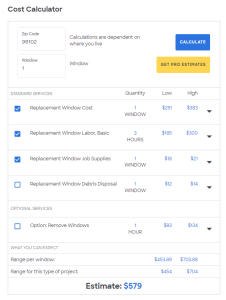
First, let’s start by creating lead magnets. These are free resources like checklists, calculators, or guides for exchanging their email or information. Let’s say we want to create a lead magnet for homeowners interested in storm windows. You could ask ChatGPT for ideas like:
-
- A storm window prep checklist
- A post-storm inspection checklist
- An energy savings calculator for storm windowsChatGPT can generate these ideas, and you can easily create the content to offer your visitors.

Using Perplexity AI for Research
Now, we need to gather data to make these resources valuable. Use Perplexity AI to find statistics and information about storm damage, average repair costs, and other relevant details. Once you have the information, combine it with ChatGPT generated ideas to create a detailed, useful resource.
Building Resources with Notebook LM
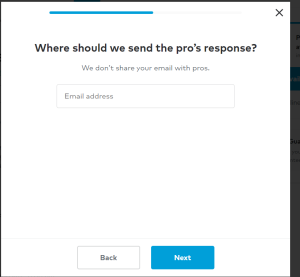
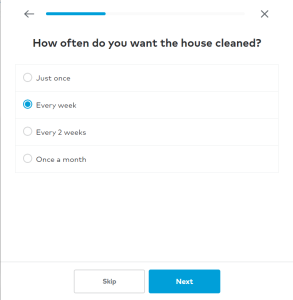
Once you’ve gathered your research, use Notebook LM to organize the information. For example, you can create a storm prep guide for Florida homeowners. Include checklists, cost estimates, and safety tips. You can even create a downloadable PDF that people can access after providing their email.
Driving Traffic and Promoting Your Lead Magnet
Now that you have a valuable resource, the next step is to drive traffic. Here are some effective ways to do that:
- Social Media: Share your lead magnet on platforms like Facebook, Pinterest, and Instagram.
- SEO: Optimize your content to rank for relevant keywords like “storm window preparation” or “hurricane safety tips.”
- YouTube: Create videos explaining the value of your resource, driving traffic to your website.
- Content Syndication: Post content on platforms like Medium, Quora, or Reddit, where people are already looking for information on related topics.
AI Tools for Lead Generation
- Featured Tools:
- ChatGPT: Generate ideas, lead magnets, and checklists.
- Perplexity AI: Research statistics and insights quickly.
- Notebook LM: Organize data and resources.
- Automation Possibilities:
- Generate lead forms automatically.
- AI-powered calculators and checklists (e.g., storm damage savings calculators).
Extra tools mentioned in the video:
Daily estimate (USA)
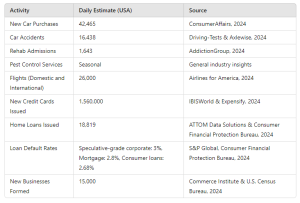
Payout range per lead list:
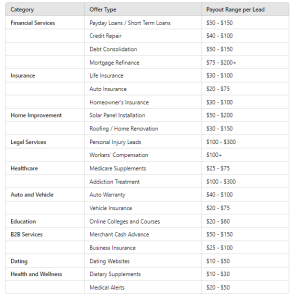
Using AI to generate leads is not just possible – it’s easy and incredibly profitable. Whether you’re creating content for storm window buyers or helping people figure out what to do after a car accident, there are countless opportunities to use lead generation to make money online.
Remember, providing valuable resources and using AI tools to automate the process is key. Start today, and soon, you’ll generate leads like a pro!
NEW WPCITY Trainings – every friday :)

Click Here To Watch The Video Now
Join Blog Profit Network To Be On The Live WordPress Profit Calls Every Friday
Creating a Challenge Funnel with WordPress
Hey everyone, it’s Marcus and Jesse here, and today, we want to show you how to create a challenge funnel using WordPress. Now, I know many people talk about funnel builders and expensive software like ClickFunnels or Systeme.io, and yes, those tools work, but I’m going to show you how to get the same results using WordPress without spending a fortune.
Let’s dive in.
What is a Challenge Funnel?
A challenge funnel is a strategy for engaging people with a specific challenge, like “Build a Website in 5 Days” or “Lose Weight Challenge.” The idea is to get them on your email list, provide daily value, and eventually sell them a product. These funnels are incredibly effective for building a list and turning those leads into sales.

Why Use WordPress?
I’ve been in the affiliate marketing game for years, and I can tell you that WordPress is way more Google-friendly and way easier to use than most of these expensive funnel builders. Plus, it’s cheap. Most people don’t realize that you can create a fully functioning challenge funnel on WordPress for a fraction of the cost of those fancy tools.
Setting Up Your WordPress Challenge Funnel
Here’s how you do it:
- Install WordPress: If your domain is set up, you can easily install WordPress using something like WP Toolkit, which Jesse walks you through in the video. It’s straightforward and takes just a few minutes.
- Choose Your Theme: You can pick any theme you like, but I recommend using something simple, like the Simple Blog theme. It’s clean, easy to work with, and won’t slow your site down.
- Create Pages for Your Challenge: The key to a challenge funnel is creating pages for each challenge day (like “Day 1—Setting Up Your Website”). On these pages, you’ll give them daily tasks and valuable content and even add affiliate links to start monetizing.
Must-Have Plugins
To make this process easier, I use a few plugins:
- Classic Editor: This simplifies editing your pages, especially if you’re not a fan of the newer Gutenberg editor.
- Autoresponders: You’ll need a way to collect emails and follow up with your leads, so I recommend AWeber. It’s free for up to 500 subscribers, which is perfect for beginners.


Why Challenge Funnels Work
There are so many reasons why challenge funnels are awesome for building your list and making money. Here are a few benefits:
- Lead Generation: You’re attracting people who are already interested in what you’re offering, so building your list becomes easy.
- Engagement: Participants stay engaged with daily tasks, progress tracking, and community interaction. This is key for keeping them motivated and invested.
- Content Delivery: You give them valuable tips and resources to help them achieve their goals every day.
- Monetization: Throughout the challenge, you can drop affiliate links or upsell products to make money as they move through each day.
Automating and Scaling with WordPress
One of the best things about using WordPress for your challenge funnel is how easily you can automate everything. WordPress handles everything from sending follow-up emails to upselling your products. Plus, it’s scalable. WordPress can handle it whether you’ve got 100 or 1,000 people in your challenge.
I’ve had students who use challenge funnels to make serious money. One of them is pulling in $150,000 a month just using this method. And the best part? You can start small. You don’t need a fancy tool or big team—just a basic WordPress setup.

So, if you’re considering building a challenge funnel, I advise starting with WordPress. It’s affordable, effective, and way easier than you might think. You can get your funnel up and running in a few hours, start collecting emails, and make money without investing in expensive software.
Ready to build your own? Visit WPCity.com for all the tools and resources you need to get started. Good luck, and I can’t wait to see what you create!
Building A Faceless Ai Video Empire
Are you ready to dive deep into creating a profitable AI-driven, faceless video empire that can generate $10,000 a month? In this guide, I take you through a step-by-step process to achieve exactly that. Unlike other tutorials, I show you a complete strategy that ties everything together, from building a solid content base to leveraging AI tools for growth. So, please grab a cup of coffee, and let’s learn how to make this AI-powered YouTube business work for you.
Get A High Ticket Niche For A Faceless Youtube Business Click Here

1. Understanding the Potential of a Faceless Video Empire
Before diving into the steps, it’s crucial to understand the strategy behind the faceless AI video empire. The key isn’t just creating content but building a content empire. This means establishing a niche authority site, creating valuable content, and ensuring that everything is aligned with a solid business strategy.
Many people mistakenly believe that making faceless videos involves assembling a few AI-generated clips. This approach rarely works. Instead, successful faceless channels focus on providing valuable, trustworthy information and connecting that to a larger business model.

Get A High Ticket Niche For A Faceless Youtube Business Click Here
2. Start with a Resource Site
The first step is not to create videos but to build a resource site that will serve as the foundation of your content empire. This resource site will be a hub for all your content and tools. Consider it a central point that your audience will repeatedly visit for value. I use examples like Mike’s Weather Page, which became a go-to for millions during storm season. Here’s how you can replicate that success:
- Choose a Niche: Choose a niche that people are actively searching for, and that also has evergreen appeal. Examples include health, finance, or DIY projects.
- Create 50 Resources or Tools: Ask ChatGPT to help brainstorm a list of 50 resources related to your niche. For example, if you’re in the carpet cleaning niche, this could include stain removal guides, allergy prevention tips, or even downloadable checklists and calculators.
- Set Up a Website with Easy Navigation: Use WordPress or a similar platform to build a website that is easy to navigate, filled with helpful content, and integrates lead generation options like email opt-ins.
3. Conduct Keyword Research for 50 Videos
Once you have your resource site, use AI tools to find relevant keywords in your niche. Tools like Ahrefs, SEMrush, or Ubersuggest can help identify high-traffic and low-competition keywords. Build a list of at least 50 keywords to guide your content creation. Remember, every video should be connected to your site’s tool or resource. For example:
- Keyword: “The best way to clean carpets at home”
- Video Title: “DIY Carpet Cleaning Hacks for Homeowners”
- Resource: A downloadable DIY Carpet Cleaning Guide available on your site.

Get A High Ticket Niche For A Faceless Youtube Business Click Here
4. Creating AI-Powered Video Content
Now that you have the structure, creating the actual videos takes time. For a professional look, use tools like Camtasia, Perplexity AI, or 11 Labs.
- Script Your Videos Using ChatGPT: Use AI to create a detailed script. Begin by asking it to outline a video based on your chosen keyword and then expand the outline into a full script. Always review and edit to maintain a human touch.
- Generate Visuals and B-Roll Footage: Use platforms like Storyblocks or Envato Elements to find high-quality b-roll footage that matches your video topic. Consider using animations or explainer graphics if you’re covering a technical topic.
- Record Voiceovers (or Use AI Voice Tools): You can use tools like 11 Labs or Murf AI to generate realistic AI voiceovers. If you’re comfortable, record your voice for an added personal touch.
- Create Thumbnails and Titles Beforehand: Use tools like Canva or AI-powered thumbnail generators to create eye-catching thumbnails. Test different designs to see what performs best.
5. Upload and Optimize Videos for YouTube
Uploading your videos is just the beginning. Here’s what you need to do to optimize them for success:
- Title and Description Optimization: Write catchy, SEO-friendly titles. Include your target keyword naturally, and add additional variations in the description.
- Tagging and Metadata: Use tools like TubeBuddy or VidIQ to find the best tags for your videos. Include a mix of high- and low-competition tags for maximum reach.
- Use a Call-to-Action (CTA) in Every Video: Drive viewers to your resource site by including CTAs in the video content and description. For example, “Check out our carpet stain removal guide for free at [YourSite.com].”
Get A High Ticket Niche For A Faceless Youtube Business Click Here
6. Building Your Audience and Monetization Strategy
- Create a Funnel with Your Resource Site: Your videos should funnel viewers to your resource site. Offer something valuable in exchange for their email address (e.g., a guide or checklist).
- Monetize with Affiliate Products: Look for affiliate offers related to your niche. For example, if you’re in the carpet cleaning niche, you can promote carpet cleaning solutions, vacuums, or even carpet repair kits.
- Use Lead Magnets to Grow Your List: Lead magnets like downloadable guides or exclusive video series can help convert your video viewers into email subscribers. Use services like ConvertKit or Mailchimp to manage your list.
7. Scaling to a Full-Blown Video Empire
After your initial 50 videos, start expanding. Use the data from your first set to identify what topics are resonating and double down. Add more tools and resources to your site and create new content around them.
- Use Perplexity and Feedly to Keep Up with Trends: Use tools like Perplexity and Feedly to stay updated on industry news and trending topics.
- Repurpose Content Across Platforms: Don’t limit your content to YouTube. Share TikTok, Instagram, and Facebook snippets to drive your YouTube channel and site traffic.
- Create a Content Calendar: Plan your next set of 50 videos, considering trends and seasonal shifts.

Creating a faceless video empire isn’t about cranking out video after video. It’s about strategy. By starting with a resource site and building content around it, you’re setting yourself up for sustainable success. Remember, the real power of AI lies in its ability to streamline processes, not replace human strategy. Follow these steps, stay consistent, and soon enough, you’ll be well on your way to building a $10,000-a-month video business.
Get A High Ticket Niche For A Faceless Youtube Business Click Here