Uncategorized
Stop Learning And Start Making Money
How to Make Money Online With AI: Stop Collecting Information and Start Creating Evidence
There is no shortage of ways to make money online. You can build content sites, create videos, promote affiliate offers, sell services, publish digital products, launch tools, work with local businesses, or use AI to make almost any part of the process faster. The problem for most people is not that they have no options. The problem is that they have too many.
One video says to start a faceless channel. Another says to build a software tool. Another says to start dropshipping, use Pinterest, sell a course, run ads, learn SEO, or find a trend. Each idea may be possible. Yet an endless stream of possible paths can leave you exactly where you started: watching, saving, comparing, buying more training, and wondering which missing piece of information will finally make everything click.
This is not an argument against learning. Learning matters when it helps you make a better next decision or complete a better next action. The problem begins when learning becomes a comfortable substitute for action. Online business rewards useful work that reaches real people, produces a response, and improves through feedback. That is where AI can help most: not by magically “finding money,” but by shortening the distance between an idea and a real-world test.
What you know gives you options. What you do creates proof. What you repeat can create income.
Information Overload Is Usually Decision Fatigue
Information overload is often described as having too much to learn. In practice, it is usually decision fatigue. Every new strategy creates another path you could take. More paths make commitment feel riskier. If you never commit, you never get feedback. Without feedback, you keep looking for more strategies. The loop becomes self-reinforcing.
More inputs create more options. More options create less clarity. Less clarity delays action. Delayed action creates no meaningful feedback. Then, because you still have no feedback, you look for more inputs.
The way out is not to swear off books, videos, courses, or AI tools. The way out is to learn inside an execution loop. Choose one direction, do something small that puts you in contact with the market, observe what happened, and use only the information needed to improve the next attempt.
Do not collect answers all day. Create one piece of evidence that makes tomorrow’s decision easier.
Choose a Direction Before You Choose Another Tool
AI makes it easier than ever to generate ideas, draft pages, create content, research markets, build prototypes, and automate repetitive work. That convenience can be useful, but it can also multiply distractions. If you ask AI for twenty business ideas every morning, you may end up with twenty more ways to avoid building one business.
Start with a simple direction. Pick a market or a buyer group. Pick a problem they already care about. Pick a simple way you can help or an offer you can promote. Then choose a way to get that useful thing in front of the people it is meant for.
For example, “I want to make money with AI” is not a direction. “I want to help local accountants turn common customer questions into a better website FAQ and follow-up sequence” is a direction. “I want to publish practical content for people learning to build simple websites and connect them to relevant tools or training” is a direction. The more specific the buyer, problem, offer, and route to attention become, the less room there is for random noise.
Make the Work Encounterable
A useful action leaves evidence that another person can see, receive, or respond to. This is a better standard than asking whether you felt busy, productive, inspired, or educated.
Did you publish something that helps the right audience? Did you start a relevant conversation? Did you send a clear follow-up? Did you improve an offer so a buyer can understand it? Did you deliver a useful asset to a client? Did you put a small tool, guide, comparison, video, email, or page in front of people who could act on it?
If the answer is no, the task may still be useful, but it is probably not the first thing you should do when your goal is to build income. The market cannot respond to work that never leaves your notes app, draft folder, or private workspace.
| Area | A small action that creates evidence | What you can learn from the response |
|---|---|---|
| Audience | Publish one useful observation, guide, video, or example for a specific person. | Whether people stop, read, reply, save, share, or visit your next step. |
| Leads | Start a few thoughtful conversations with good-fit people or businesses. | Whether the problem is relevant and whether your opening earns a response. |
| Sales | Clarify an offer, follow up on an open conversation, or make a direct invitation. | The objections, questions, and friction standing between interest and a decision. |
| Trust | Show a useful before-and-after, a real process, a sample, or an honest lesson. | What proof makes people believe you understand the problem. |
| Delivery | Complete or improve a client-facing result, template, system, or next step. | What makes the solution more valuable, repeatable, and easier to recommend. |
Do Not Create Content Without Giving It a Job
Content is not automatically a business asset just because it exists. A blog post, video, short clip, social post, free PDF, or AI-generated tool needs a job. Before you create it, answer four questions.
- Who is this for? Name the actual kind of person or business you want to reach.
- Where will they find it? Choose the channel, search phrase, community, email list, conversation, or referral path.
- What useful result will they get? Give them a practical answer, shortcut, comparison, checklist, example, or next step.
- What should they do next? Invite a response, a visit, an opt-in, a call, a product comparison, a trial, or another logical step.
Those four questions force your work to become congruent. If a video is for people who cannot buy anything, but the only goal is to sell an expensive offer immediately, the pieces do not match. If a post attracts attention but gives no reason to visit your website or take the next step, the call to action may be the missing variable. If a product is good but the wrong people are seeing it, the audience or channel may be the variable that needs work.
The Four-Square Money-Impact Matrix
Not all online-business tasks are equally close to money. Before opening another tool, label the task. Ask two questions: does this move you closer to a buyer, an offer, delivery, or a decision? Can it create a useful response soon? The answers tell you how much time the task deserves.
| Quadrant | What it includes | How to treat it |
|---|---|---|
| 1. Direct + fast feedback | Following up on a live opportunity, sending a clear offer, asking for a decision, solving the issue stopping a client from moving, delivering the promised next piece, or responding to an active inquiry. | Do this first. This is the work that should get the best part of your day. |
| 2. Direct + slower feedback | Thoughtful outreach, relevant content with a call to action, a buyer-focused comparison, a useful sample, a better sales page, or research into a qualified prospect. | Do this daily. It may not pay today, but it creates tomorrow’s conversations and opportunities. |
| 3. Indirect + compounding | Documenting a delivery process, creating a reusable template, building a genuinely useful resource, improving a portfolio, publishing a buyer-focused article, or turning completed work into proof. | Schedule it. It can be valuable, but it should not replace buyer-facing work. |
| 4. Indirect + low feedback | Watching more videos, reorganizing tools, repeatedly polishing a logo, collecting prompts, refreshing statistics, chasing new platforms, or posting without a reason. | Put a boundary on it. These tasks are not always bad; they are simply easy to overdo. |
A practical rule is simple: before noon, complete one direct-and-fast task. Before you consume another lesson, complete one direct-and-slower task. Schedule compounding work later. Cap the low-feedback work so it does not consume the hours that should go toward customers, offers, and market feedback.
Perfection does not get paid. Useful, finished work does.
Use AI to Work Faster, Not to Create More Busywork
AI can compress the preparation phase of online business. It can help you organize a messy set of notes, find patterns in customer questions, turn a rough idea into a useful outline, draft the first version of a post, summarize a conversation before a follow-up, create a simple comparison, repurpose a longer piece of content, or identify recurring objections.
But AI is not the business. A long list of prompts, a polished prototype, a beautiful dashboard, or a folder full of AI-generated assets does not automatically create value. The value comes from matching something useful to a real problem, putting it in front of the right people, and improving it based on their response.
Think of AI as a speed tool. It helps you get from a real problem to a useful first version with fewer wasted steps. You still need to decide what matters, verify facts, make honest claims, understand the audience, personalize the final work, and take responsibility for what you send or publish.
- Spot the signal. Read customer questions, emails, reviews, comments, calls, search queries, support requests, and conversations. Look for the problem behind the words.
- Draft the first pass. Use AI to research public context, organize ideas, produce an outline, summarize themes, or create a first draft.
- Add your judgment. Make the work accurate, specific, useful, and connected to the real person you want to help.
- Ship it today. Send the follow-up, publish the guide, offer the audit, deliver the sample, share the video, or make the next invitation.
- Review the response. Look at replies, clicks, conversations, objections, opt-ins, calls, delivery time, and sales. Then improve one variable.
Daily AI Tasks That Can Affect the Bottom Line
Do not fill the day with AI-generated activity just because it feels fast. The aim is to use AI where it makes a revenue-adjacent action easier to start, better to deliver, or faster to learn from.
| Daily task | How AI can help | The human responsibility |
|---|---|---|
| Start conversations | Research public context, summarize a prospect’s visible needs, and draft a short opening. | Choose good-fit people, personalize the message, and avoid mass spam. |
| Follow up | Summarize previous messages, list open questions, and draft a helpful next step. | Check details, keep promises, and make the follow-up relevant rather than generic. |
| Clarify an offer | Turn rough notes into plain language that explains the buyer, problem, result, process, and next step. | Make sure the offer is honest, realistic, and actually valuable to the buyer. |
| Create proof | Outline a case study, repurpose a completed project, turn notes into a checklist, or make a first draft of a useful guide. | Use only real work and real claims. Add context that shows why the proof matters. |
| Improve delivery | Build a repeatable checklist, create a client-ready first draft, organize feedback, or document a workflow. | Own the quality, accuracy, privacy, and final outcome. |
| Review data | Sort comments, summarize call notes, compare content ideas, and identify recurring questions or objections. | Decide what the data actually means and what one small experiment to run next. |
The Business Is the Feedback Loop
When something does not work, avoid making a giant conclusion. A video that gets views but sends nobody to your site does not prove that video “does not work.” It may mean the topic attracted the wrong audience, the call to action was unclear, the offer was not relevant, or the next step created too much friction. A page that gets visitors but no inquiries does not prove the entire business model is broken. It gives you a place to investigate.
Break the path into variables. Who saw it? What did the message say? What problem did it speak to? What was the offer? Where did the visitor land? What did you ask them to do next? What happened after that? A business becomes more understandable when you stop asking, “Does this strategy work?” and start asking, “Which part of this path needs to improve?”
AI can help you organize that investigation. It can group objections, summarize call notes, compare versions of copy, identify recurring language in reviews, or turn a week of notes into a short test plan. It cannot replace the feedback itself. You still need people to see the work, respond to it, and tell you what the market is actually doing.
A Simple 30-Minute Action-First Session
You do not need endless free time to begin. You need a small recurring block that produces something real. The following 30-minute rhythm is designed to prevent another day from disappearing into research and tool-switching.
- Minutes 0–5: Choose one result. Write, “By the end of this session, I will ______.” The blank should be a visible output, conversation, offer, follow-up, or delivery action.
- Minutes 5–10: Remove setup friction. Ask AI for a short outline, prioritized next steps, public-context research, a first-draft message, or a focused checklist.
- Minutes 10–25: Do the human work. Add your experience, context, judgment, and quality control. Then send, publish, offer, follow up, or deliver.
- Minutes 25–30: Log the evidence. Record what you did, what happened, what you learned, and the next smallest action.
The goal is not to finish your entire business in half an hour. The goal is to finish a piece of work that points the business in the right direction. One relevant message, one useful guide, one offer improvement, one follow-up, or one proof asset can reveal more than another evening of passive research.
Four AI Prompts for Action Instead of Overload
Ask AI for short, usable outputs. Do not ask it to overwhelm you with a master plan. Start with your outcome and request the smallest actions that create feedback.
Priority prompt:
“My weekly result is [result]. I have [time] today. Give me the three smallest actions most likely to move it, ranked by impact. Each action must produce a visible output or a real conversation.”
Content prompt:
“Turn this rough note into a short, specific post for [audience]. Preserve my voice, make one clear point, avoid generic claims, and end with a natural invitation to respond: [note].”
Follow-up prompt:
“Based on this conversation history, draft a warm follow-up that adds a useful observation without pressure. Flag anything I need to verify before sending: [history].”
Review prompt:
“Review this week’s action log. Separate outputs from outcomes, identify the one activity worth repeating, and recommend one small experiment for next week: [log].”
Ruthless Persistence Needs Direction
You do not need to be the smartest person in the room. You do not need a large pile of money. You do not need unlimited time. You need a direction that makes sense and the persistence to take useful action again tomorrow.
Ruthless persistence does not mean repeating a failing tactic blindly. It means staying in the game long enough to collect feedback, improving the next attempt, and continuing before the result is obvious. It means seeing a poor response as information rather than as a verdict on your ability. It means doing more of what produces useful signals and less of what only feels productive.
The advantage is rarely genius. It is the person who keeps putting useful work in front of the right people.
That is why direction matters. Persistence without direction can become frantic motion. Direction without persistence remains an idea. Together, they create a practical operating system: choose a market, choose a problem, create a small useful offer or asset, put it in front of the right people, measure the response, fix one variable, and repeat.
Start With a First Signal, Not a Perfect Plan
If you have not yet made a sale, generated a lead, received an opt-in, or even had a relevant person respond to your work, make your first goal smaller and more honest. Get the first signal. Publish the first purposeful piece of content. Get the first relevant visitor. Start the first real conversation. Send the first clear follow-up. Ask the first buyer question. Create the first useful sample.
Do not wait until the site, tool, offer, or brand feels complete. Put a simple, responsible version in front of people and learn from what they do. Some kinds of businesses have legal, regulatory, privacy, safety, advertising, or platform requirements, and those rules should be understood before you act. But in most cases, the work becomes clearer once it is exposed to reality.
Every day, choose one outcome-connected action. Use AI to remove friction. Put something real into the world. Learn from the response. Then do it again.
Progress beats perfection because progress creates data. And data gives you a better next move.
A Fast Filter for Every Task on Your List
When your task list is full, it is easy to treat everything as equally important. It is not. Before you spend time on a task, run it through this filter. You do not need to overthink the answers. The point is to quickly decide whether the task deserves your best hours, a small scheduled block, or a firm boundary.
- Who will see this? Name the buyer, prospect, client, audience member, partner, or person who could encounter the work.
- What action could it lead to? Be specific: reply, click, opt in, book, request, buy, renew, refer, or complete a next step.
- When will I know something? Decide what feedback you expect and when you will review it.
- What is the smallest version worth shipping? Do not build the entire machine when a message, checklist, sample, short video, or simple page can test the idea.
- What does AI remove from this task? Use AI to reduce research, drafting, organizing, or editing time. Do not use it to add more complexity.
If you cannot name a person, a next action, or a feedback signal, the task may be too vague. Turn it into something concrete. Instead of “work on social media,” write “publish a 250-word post for local service owners that ends with an invitation to request a website FAQ audit.” Instead of “research an offer,” write “compare three offers against the exact problem my audience keeps mentioning and select one to test.”
Three Practical Ways to Use AI in an Online Business
You do not need to build a complex AI company to use AI productively. The most useful applications tend to fall into a few simple categories: helping people discover a useful solution, helping a business deliver a better result, or helping you package repeatable knowledge into something people can use. The examples below are models, not promises. Their purpose is to show how the pieces fit together.
| Business model | Simple starting point | How AI helps | What to measure first |
|---|---|---|---|
| Helpful affiliate content | Create a specific guide, comparison, checklist, or tutorial that solves a problem related to a product or service you may recommend. | Research public questions, organize the guide, draft a first version, create alternate headlines, and summarize reader responses. | Relevant visitors, clicks to the next step, email opt-ins, questions, and whether the content attracts people who can use the recommendation. |
| Productized AI-assisted service | Offer one finite result, such as a customer FAQ rewrite, a content repurposing package, a lead-research brief, a website message audit, or a follow-up sequence. | Prepare research, turn raw notes into a structure, draft assets, organize feedback, and create repeatable delivery checklists. | Replies, discovery conversations, proposal acceptance, delivery time, repeat requests, and referrals. |
| Small useful tool or resource | Create a narrowly focused calculator, template, checklist, prompt pack, intake form, mini-report, or simple utility for one problem. | Help define the workflow, draft the resource, create copy, test edge cases, and document the next steps for the user. | Uses, completions, email sign-ups, support questions, requests for help, and interest in a paid next step. |
Worked Example: From a Problem to a Simple Offer
Imagine you choose local home-service businesses as your buyer group. You notice that many businesses have short, unclear websites and do not answer the same questions customers ask before requesting a quote. That is a visible, practical problem. You do not need to build an agency with ten services. You can start with one small offer: a customer-question audit and FAQ rewrite.
- Find the problem. Read public reviews, visible website copy, community posts, and the business’s existing FAQs. Write down repeated questions or moments of buyer confusion.
- Create a useful sample. Use AI to organize the questions into a short FAQ structure. Rewrite one weak page or provide three example answers. Check every claim for accuracy.
- Make the offer finite. State what the business receives: for example, a review of the current site plus a draft FAQ and a short follow-up email sequence. Keep the result clear and bounded.
- Start a relevant conversation. Contact a small number of good-fit businesses with an honest observation. Do not send automated mass outreach. Mention one specific thing you noticed and one useful improvement you prepared.
- Use the reply as data. If nobody responds, check the list, the message, the problem, the offer, and the channel. If people respond but do not buy, listen for the objection. Improve one variable before scaling the effort.
The same logic works in other models. If you promote a relevant tool or training program, start by helping a specific audience solve the immediate problem that makes the tool useful. If you build a small AI-powered resource, start by finding one repeated problem and giving people a reason to use the resource today. The tool, article, video, or offer is only one part of the path. The buyer, the problem, the distribution, the next step, and the feedback loop matter just as much.
How to Choose a Simple Offer When You Are Starting
A strong starter offer is not necessarily large. It is clear, useful, and connected to a problem that people already understand. You are looking for an offer that can create a conversation and give you feedback quickly, not an elaborate business plan that takes months to finish.
- Choose one buyer type. Examples include local accountants, new Etsy sellers, independent coaches, real estate teams, podcast hosts, small e-commerce stores, online course creators, or hobby bloggers.
- Choose one visible problem. Look for weak messaging, missing content, unanswered customer questions, an unclear offer, slow follow-up, poor organization, or a repetitive task that takes too much time.
- Choose one concrete deliverable. A clear deliverable could be a five-page audit, a 10-post content outline, a 20-lead research brief, an FAQ rewrite, a welcome sequence, a short comparison guide, or a basic workflow template.
- Choose one path to attention. This could be personal outreach, a helpful blog post, a focused video, a small email list, relevant communities, a partnership, or a paid test you can afford to evaluate responsibly.
- Choose one next step. Invite the person to reply, request the resource, review a sample, book a conversation, or visit a relevant page. Do not make them guess what happens next.
Simple does not mean careless. Your offer should be truthful, within your ability to deliver, and appropriate for the regulations and platform rules that apply to your market. If you are handling sensitive information, making claims about health, finance, legal outcomes, or performance, or working in a regulated category, get the necessary guidance before you offer the service.
Examples of Content That Has a Job
One of the easiest ways to get stuck is to publish content because you feel like you are supposed to publish content. Instead, create pieces that help a specific person move toward a specific next step. Here are examples of content with a defined job.
- A buyer-question article: “What should a new food blogger set up before choosing web hosting?” Its job is to help a beginner understand the setup process and lead naturally to a checklist or resource.
- A comparison video: “Three ways a local business can turn customer questions into a better website.” Its job is to attract businesses that have an obvious messaging problem and invite them to review a sample.
- A useful template: “Customer inquiry follow-up checklist for service businesses.” Its job is to provide immediate value and create an opportunity for the reader to request help implementing it.
- A short case-style post: “How I would simplify this confusing service page.” Its job is to demonstrate your thinking and show potential buyers the kind of problem you solve.
- A trend-response guide: “What this new AI feature changes for small content teams.” Its job is to translate a fast-moving topic into a useful decision for a defined audience.
Every piece should answer the same questions: who is this for, where will they see it, what useful result do they get, and what should they do next? If you cannot answer those questions, revise the piece before spending hours making it prettier.
A Daily Revenue-Adjacent Checklist
You may not control whether someone buys today. You can control whether you did the work that gives an appropriate buyer a chance to see, understand, and respond to a useful offer. Use this checklist to keep your day connected to the business.
- Did I respond to active inquiries, customers, or prospects?
- Did I follow up on at least one open conversation that deserves a next step?
- Did I put one useful thing in front of the audience or buyers I actually want?
- Did I make my offer clearer for someone who sees it today?
- Did I finish, improve, or document something that makes delivery more useful or repeatable?
- Did I look at one meaningful signal, such as replies, calls, clicks, opt-ins, qualified visits, customer questions, or completed work?
- Did I identify one variable to improve instead of replacing the entire strategy?
Do not turn this into a performance ritual. The checklist is useful because it keeps you close to people, offers, and feedback. If you complete several items but none are relevant to your actual market, it is time to revisit the direction—not create more tasks.
A 7-Day Action-First Plan
If you are overwhelmed, do not try to build everything at once. Use one week to create a simple feedback loop. The goal is not guaranteed revenue. The goal is to make the market visible, gather useful signals, and build momentum through completed actions.
- Day 1: Pick the lane. Write down one buyer type, one problem they have, one offer or outcome, and one way you can get in front of them. Keep it to one page.
- Day 2: Collect the language. Read public reviews, questions, comments, support posts, competitor pages, and relevant conversations. Use AI to group the recurring needs, concerns, and phrases. Verify the original sources yourself.
- Day 3: Build the smallest useful asset. Create a short guide, sample, audit, checklist, comparison, script, or video outline that addresses the clearest problem from Day 2.
- Day 4: Clarify the next step. Write one sentence explaining who the asset is for, the result it helps with, and what the reader should do next. Add the appropriate link, reply invitation, form, or offer.
- Day 5: Put it in front of people. Publish it where the audience can find it, send it to relevant contacts, share it in an appropriate community, or use it to begin a small number of thoughtful conversations.
- Day 6: Follow up and listen. Respond to reactions, questions, and messages. Use AI to organize the feedback, but keep the replies personal. Notice where people are confused, interested, or resistant.
- Day 7: Review and choose one improvement. Record what received attention, what created a real response, what did not work, and the one variable you will change next week. Then repeat the process with more clarity.
Useful AI Prompts for the Work That Matters
The best prompts do not ask AI to make all the decisions for you. They give it a clear job inside your execution loop. Use these as starting points and add your own market knowledge, customer context, and constraints.
Offer clarity prompt:
“I help [buyer] with [problem] by providing [deliverable]. Rewrite this into three clear, honest offer statements. Each should explain the outcome, what is included, and the logical next step. Do not use hype, vague promises, or unverified claims: [rough notes].”
Buyer-language prompt:
“Here are public comments, reviews, and questions from [buyer group]. Group the recurring problems, desired outcomes, objections, and exact phrases. Separate direct evidence from assumptions, and suggest five content angles based only on the evidence: [notes].”
Outreach preparation prompt:
“Based on this public information about [business or person], draft a short, respectful outreach message that names one specific observation and offers one useful idea. Do not exaggerate, imply results, or use a generic compliment. Flag any facts I should verify before sending: [context].”
Content-with-a-job prompt:
“Create a simple outline for a [post, video, guide, or email] for [buyer]. The piece must address [problem], provide a useful result, and lead naturally to [next step]. Include a headline, key points, one practical example, and a soft call to action. Avoid generic filler: [notes].”
Feedback review prompt:
“Review this week’s messages, calls, content data, and notes. Separate activity from outcomes. Identify the strongest buyer signal, the largest point of friction, and one small test to run next week. Do not claim certainty from small samples: [log].”
Common Traps That Look Like Progress
Some tasks feel productive because they are easy to start, easy to finish, and easy to show off. That does not mean they are the right use of your best work time. Watch for these patterns.
- Tool hopping: Moving to a new AI tool before you have used the current one to complete and test a real task.
- Prompt collecting: Saving hundreds of prompts without using one of them to send, publish, improve, or deliver something.
- Content without distribution: Making a useful asset but never deciding who will see it or how they will find it.
- Traffic without relevance: Chasing views, followers, or rankings that do not connect to a buyer, problem, offer, or next step.
- Polishing before proof: Spending weeks on a logo, site, feature, or brand system before anyone has responded to the core offer.
- Copying surface-level success: Recreating an app, page, product, or video without identifying the audience, distribution, trust, and timing that made the original work.
- Blind persistence: Repeating the exact same action after clear negative feedback instead of changing one variable and testing again.
The One-Page Weekly Review
At the end of each week, make a short record of what happened. This does not need to be a complicated dashboard. A plain note with honest answers is enough. The point is to turn activity into learning.
- What did I ship? List the messages, offers, posts, pages, assets, samples, and client work that became visible to someone else.
- What real responses did I get? Record replies, clicks, opt-ins, calls, buyer questions, sales, requests, delivery feedback, or referrals.
- Which action was closest to the money? Identify the work that most directly led to a useful conversation, a clearer offer, delivered value, or a decision.
- Where did I hide in low-feedback work? Notice the time spent watching, organizing, polishing, researching, or switching tools without bringing the work closer to people.
- What one variable will I improve next? Choose one: audience, problem, message, offer, channel, call to action, follow-up, price, delivery, or measurement.
- What will I repeat? Repeat the specific action that produced the strongest useful signal. Repetition is how you turn one piece of proof into a process.
You do not need a perfect plan. You need a direction, a real next action, and enough persistence to learn from the response.
Results vary. Online business involves risk, and no particular outcome is guaranteed. Use sound judgment, verify claims, respect platform rules, and comply with applicable laws and regulations.
How To Work Fast So You Can Make Money With Ai
Let me say something that is going to sting a little.
You are not stuck because you picked the wrong niche.
You are not stuck because you do not have the right AI tool.
Or the right funnel software.
Or the right theme.
Or the right course.
Or because the algorithm changed.
Or because you started too late.
You are stuck for one reason, and it is the reason nobody selling you stuff wants to bring up, because there is no product to sell you at the end of it.
YOU ARE STUCK BECAUSE YOU HAVE BEEN TRAINED TO WORK AND THINK SLOW!
That is it.
That is the whole thing.
And if that landed a little too hard, good.
Keep reading, because I am going to show you exactly how I fix it, and you can start fixing it today.
Not next month. Today.
Twelve Tabs, Three Subscriptions, Zero Deliverables
Let me describe your last two weeks and you tell me how close I get.
You have somewhere between eight and twenty tabs open right now.
At least three of them are AI tools you pay for every month.
You watched a video about a niche that looked good.
You wrote it down.
Then you watched another video about a different niche that looked better.
You wrote that one down too.
You started a site.
Maybe two.
Neither one has a single page on it that a real buyer would ever land on.
You spent an entire evening on a logo.
You spent another one comparing page builders.
You joined a group and read it for an hour instead of building.
And somewhere in there you had a moment where you thought, I am working really hard at this, so why is nothing happening?
Here is why. None of that was work. All of it was preparation for work. There is a difference between the two, and that difference is worth about a million dollars over a career.
The Shiny Thing Treadmill Is Built To Keep You On It
Every single week there is a new AI tool. Every week somebody swears this is the one that changes everything.
So you sign up.
You poke at it for an hour.
You feel productive because you learned something new.
And NOTHIGN GETS SHIPPED – no traffic – no sales!
Then next Tuesday it happens again.
Understand what is actually happening to you here.
Learning about a tool gives you the same little hit of progress that finishing a project does, except it costs you nothing and risks nothing.
Building something real and putting it live means finding out whether you were right.
That part is uncomfortable.
So your brain quietly picks the tool video instead, every single time, and files it under work.
Meanwhile, here is what the person actually making money is doing. He is using the same boring stuff he used last year. One page. One offer. One traffic source. Over and over and over again.
He is not smarter than you. He is not in a better niche than you. He finishes things. That is the entire gap.
This Was My Ah Ha Moment
I have been doing this since 1999. I have built over a thousand websites, sent north of a billion visitors to offers, and done over 17 million dollars online.
If you want to know the one thing that separated the years where I made real money from the years where I spun my wheels, it was not a niche.
It was not a tool. It was not some secret traffic source nobody else had.
It was that I stopped building big things and started building small things fast.
When I was slow, I would spend a month on a project, launch it, and find out it did not work.
One month, one answer.
When I got fast, I started putting something out almost every day.
Twenty projects in the time the old me finished one.
Nineteen of them did very little. One of them paid for all of it.
That is the actual business.
It is not picking the winner up front.
It is taking deliberate action to get things done based on output!
The Math That Should Bother You
Let me lay this out plain, because once you see the two numbers next to each other it is hard to unsee.
Say a project takes you three months.
That is four projects a year, and only if you never stall, never get sick, and never lose a weekend to life.
Four looks at the answer. Four chances for the market to tell you anything at all.
Now say a project takes you one day. Even if you only work three days a week and take half the year off, that is over seventy launches.
Seventy answers versus four. That is not a small edge. That is a completely different business.
And it compounds, because each of those seventy teaches you something the four never could.
You start to feel which offers pay. You start to see which angles pull and which ones die.
You develop what people call instinct, which is really just a pile of fast feedback stacked up over time.
You are not behind because you picked the wrong niche.
You are behind because nothing you built ever made it out the door where a real person could see it.
What A Same Day Deliverable Actually Is
Let me kill the excuse before you reach for it. Same day does not mean you build a two hundred page authority site by dinner.
It means you build the smallest thing that can possibly make money and you get it live today.
Here is what that looks like in the real world:
- One buyer intent page. A single page answering the exact question somebody asks right before they pull out a card, pointed at one offer that pays. Not a site. A page.
- One lead magnet with a follow up. A short free guide that solves one narrow problem, a two field opt in, and a handful of emails behind it that lead to your offer. This one keeps paying you long after the traffic is gone.
- One comparison or review page. Somebody searching to compare two products is the closest thing to a wallet already open that exists on the internet.
- One simple tool or calculator. Solve one tiny problem right in the browser, then send them to the offer that solves the big version of it. These get shared and linked in ways that articles never do.
- One short video pointed at any of the above. Free traffic, fast, and you can shoot it on your phone in ten minutes.
Now notice what is not on that list. No brand. No logo. No forty page content calendar. No custom theme. No nineteen step email sequence. No accounts on six social platforms.
One page. One offer. One traffic source. Live today. That is the deliverable.
My Same Day Order Of Operations
The order matters far more than the tools do. Most people run this exactly backwards. They build first and go looking for the money last, then wonder why the thing they made has nothing to sell.
Here is the order I run.
Step 1: Find the money before you build anything at all
Before I touch a single tool I answer two questions. Who is already spending money on this, and what exactly are they buying?
If I cannot name the offer that pays and describe the person who buys it, I do not build. Not a page, not a domain, nothing. This step takes about twenty minutes and it saves you months of building beautiful things with nothing to sell at the end of them.
Money first. Always. Everything else is decoration on top of that decision.
Step 2: Pick the smallest asset that can carry that offer
Once you know the offer, ask yourself what is the least amount of stuff a buyer needs to see before they click the link.
Almost always it is one page. Sometimes one page and one email. Buyer intent beats traffic volume every day of the week. I would take forty people who are one click from buying over four thousand people who are merely curious, and it is not close.
Step 3: Use AI to produce, not to think for you
This is where most people go sideways, so read this part twice.
They open a chat window and ask it what niche should I get into, what should I build, write me a business plan. Then they get generic mush back and decide AI is either overhyped or magic depending on their mood that day.
AI is not your strategist. AI is your production line.
You decide what gets built and why it makes money. Then you point AI at the labor. The research. The outline. The first draft. The images. The code. The five variations of the headline. All the stuff that used to eat your entire weekend.
Do that right and a page that took you two days takes about ninety minutes. That is the whole unlock. It is not some magic prompt. It is refusing to hand over the one job that was always yours.
Step 4: Publish before it is good
Your page will not be perfect. It does not need to be. Nobody has seen it yet, so there is nothing to protect and nobody to be embarrassed in front of.
Get it live, then improve it using real data instead of sitting in an editor guessing for another week. I have watched ugly pages outearn pretty ones so many times that I stopped being surprised by it years ago.
Step 5: Get eyes on it the same day
A page nobody sees is a diary entry.
Before you close the laptop, send something at it. Your list if you have one. A short video. A post where your buyers already hang out. A small paid test with a budget that would not ruin your week if it went to zero.
It does not have to be big traffic. It has to be real traffic, because real visitors are the only thing that will tell you the truth about what you just built.
Step 6: Read what happened, then decide
Clicks but no sales means the offer or the audience is wrong. No clicks means the page or the angle is wrong. Complete silence means the traffic source was wrong.
Every one of those is a useful answer, and you can have it inside of a day. You cannot get any of it out of a half finished project sitting on your desktop, no matter how good it is going to be when it is done.
This Is Exactly What We Do Live For Two Weeks
My Rapid Fire 2 Week AI Intensive Bootcamp is this process, run live, every day, with your project on the screen.
See how it works here
What My Actual Day Looks Like
People assume I sit down for ten hour marathons. I do not. Most of what I do is a short list of small tasks that I run over and over, and almost none of them take long by themselves. The power is that they happen every day instead of in bursts every few weeks.
Here is the list. Steal it.
- Check yesterday’s numbers first. About 10 minutes. Clicks, opt ins, sales, on whatever I put out yesterday. Not to feel good, to decide what to do today. Data before decisions, every morning.
- Find one offer that pays. About 20 minutes. I am always looking at what is paying right now and who is buying it. This is the habit that quietly makes everything else work.
- Write down the one thing I am shipping today. One line on paper before I open anything. If I skip this I lose the whole morning to tabs like everybody else.
- Pull research fast with AI. About 15 minutes. Questions buyers ask, terms they search, what the competition is missing. This used to be an afternoon. Now it is a coffee.
- Build the asset. 60 to 90 minutes. One page, one guide, one tool. AI does the labor, I do the angle and the offer placement. This is the actual work of the day and it fits in a morning.
- Publish it before lunch. Ugly and live beats pretty and pending. Whatever is wrong with it, real visitors will point at it faster than I ever could.
- Push traffic at it same day. About 30 minutes. An email, a short video, a post where the buyers already are, or a small paid test. Something. It does not exist until somebody sees it.
- Make one short video. 10 to 15 minutes. One question, one answer, one link. These stack up and keep sending visitors for years after you shot them.
- Improve one thing that already works. About 20 minutes. A better headline, a better button, an extra offer on a page that is already getting traffic. This is the cheapest money in the business and almost nobody does it.
- Add one line to the idea list. Every good angle I bump into goes on the list so tomorrow morning I never sit there wondering what to build.
- Close the loop and stop. When today’s thing is live and has traffic pointed at it, I am done. I do not go looking for a new tool to try. That is how the next day stays fast.
Add that up. It is a few hours, and most of it is small stuff. Anybody with a job and a family can run a shortened version of that list or even do one thing everyday. What people cannot do is run it once, get nothing, and quit on day three, which is exactly what almost everybody does.
Do this list for fourteen days or fourteen times and you will have fourteen live assets creating real data. Compare that to not taking action or being stuck with decision paralysis.
The Four Excuses I Hear Every Single Time
Whenever I lay this out, the same four objections come back at me. Let me handle them now so they do not sit in the back of your head talking you out of it later tonight.
“But what about quality?”
Quality and time spent are not the same thing. A page built in ninety minutes by somebody who understands the buyer beats a page built over three weeks by somebody guessing. Every time.
And here is the part people miss. Speed actually improves your quality, because the market corrects you constantly instead of once a quarter. The fast person’s twentieth page is far better than the slow person’s second one.
“But I do not have traffic yet”
Nobody starts with traffic. You start with a page and then go get some. Small and real beats big and imaginary. Forty visitors today from a video you shot on your phone will teach you more than a traffic plan you never execute.
“But I am not technical”
This is the excuse that expired. It was true in 2010. It is not true now. The technical part is the first thing AI eats. Pages, copy, images, simple code, all of it. What is left over is deciding what to build and who to sell it to, and that was never technical work in the first place.
“But my situation is different”
Your niche might be different. The order of operations is not. Money first, smallest asset, produce fast, publish, drive traffic, read the result. I have run that same sequence across more markets than I can count and it does not care what the topic is.
The One Rule That Fixes Most People
If I could hand you exactly one thing out of this entire post, it would be this.
Nothing you start gets to live longer than 24 hours before it goes live.
If it cannot be finished and published in a day, it is too big. Cut it down until it fits. Then do it again tomorrow with the next one.
That single rule quietly kills the shiny object problem all by itself. When you have something due live tonight, you do not have time to go test the AI tool that dropped this morning. You do not have time to research fourteen niches or redo your logo for the third time. You have to build the thing.
Deadlines do not make you work harder. They make you cut everything that was never going to make you money anyway.
Stop Doing These, Starting Today
- Stop researching niches. Pick one where people already spend money and go.
- Stop signing up for tools. You already own more than enough to build everything I described above.
- Stop building big. Big projects are where motivation goes to die quietly.
- Stop polishing. Live and ugly beats perfect and unpublished, every single time.
- Stop consuming. One more video is not the thing. You already know more than you have used.
- Stop waiting to feel ready. Ready is something you get on the other side of shipping, never before it.
Here Is What To Do Before You Go To Bed Tonight
Do not bookmark this to read again later. Later is the graveyard where the rest of your good intentions are buried.
Do this instead, tonight:
- Pick one offer you already know pays somebody money.
- Write down who buys it and what they search right before they buy.
- Build one page aimed at that exact moment. Use AI for the labor.
- Put it live, ugly and all.
- Send it some traffic, even a little.
- Go to bed.
Tomorrow, do it again.
Do that for fourteen days straight and you will learn more about what actually makes money online than you learned in the last two years of watching other people talk about it. That is not a motivational line. It is just what happens when you start getting your answers from the market instead of from inside your own head.
Even This Decision Is Slowing You Down
Watch what you are doing right now.
You got to the bottom of a post about moving fast, and you are sitting there deciding whether to think about it for a few days.
I am not busting your chops. I am pointing at the exact thing that has been costing you money for years. The deciding is the slow part. It was never the building.
Money favors speed. Not because the universe is magic, but because everything good online goes to whoever gets there first and stays in motion. The offer that pays well gets picked over. The angle that works gets copied. The traffic that is cheap today is expensive next quarter. Slow does not just cost you time, it costs you the opportunity that was sitting there while you thought about it.
And here is the part that stings. The way you decide is the way you build. If it takes you three weeks to decide on a two hundred dollar tool, it is going to take you three months to launch a page. Same muscle. The people who make real money online are not smarter than you. They are just decisive, and decisive is a skill you build by making small calls fast and living with them.
Let Me Take The Money Objection Off The Table
Let me do the math out loud, at full price, no discount, worst case.
The bootcamp at full price is $1,997. Spread across a year, that is $5.47 a day. At the current $797 it is $2.18 a day, which is less than a gas station coffee.
Now really sit with this one. What if that $5.47 a day is the thing standing between you and the business you have been trying to build since whenever you started? What if the reason you are still where you were two years ago is that you kept deciding it was too much, over and over, while the days went by anyway?
Do not get me wrong here, because I want to be straight with you.
If you plan on doing nothing, this is a huge investment. It is a waste of your money and my time. Do not do it. Go spend that on something you will actually use.
But if you are willing to sit down and do a few small tasks every single day for two weeks, it could change your life. I am not saying that as a line in a sales pitch. I am saying it because that is exactly what it did for me. I was not the smartest guy in this business and I never have been. I just started finishing things quickly, every day, and I did not stop. That one change is the whole reason my life looks the way it does now.
You are going to spend the next two weeks doing something either way. That part is already decided for you. The only question is whether you end them with something live and a process that repeats, or with the same tabs still open.
Or Do It With Me, Live, For Two Weeks Straight
Most people read a post like this, nod along, and go straight back to the tabs. So I built the version where that cannot happen.
The Rapid Fire 2 Week AI Intensive Bootcamp is fourteen days of live sessions with me. You bring the project. I share my screen and build in front of you, then you build yours on the same call while I am right there to fix whatever breaks. My prompts, my workflows, my order of operations, and hot seats on your actual build.
You walk out of it with something live and a process you can run again without me. Not another folder of notes.
JOIN MARCUS’ FAST WORK TRIBE TODAY
Regular $1,997 . With coupon today, only $797
That works out to roughly $2 per day over a year. Are you going to let two dollars a day stop you from taking action and finally getting results?
P.S. If you take nothing else from this whole post, take the 24 hour rule. Pick something small enough to finish today and then actually finish it today. You do not need my bootcamp to do that, and I would honestly rather you build something tonight than read another one of my posts tomorrow.
P.P.S. If you have read three of my posts this month and still have not built anything, that is your answer about whether more information is really what you are missing. And if you are still sitting here weighing this one, notice that the weighing itself is the exact habit we are here to break. Seats are limited because every session is live and I look at real projects on the call. Details are here.
Results are not typical, implied, or guaranteed. The average person who buys make money online training makes nothing. What you get out of any of this depends entirely on the work you put in.
Social Media Arbitrage Side Hustle
The Easiest Side Hustle? Turn social posts into traffic.
Turn traffic into revenue.
Own the page.
Most AI-side-hustle lists contain the same core choices: sell an AI-enabled service, build a digital asset, or own a high-intent audience. Social arbitrage is the audience-first option: make useful content for one expensive decision, send the interested reader to a page that helps them, then monetize the relevant next step with ads, partnerships, or clearly disclosed offers.
The clean map
Five real models. The rest are variations.
This combines the earlier AI side-hustle notes with the transcript. Repeated labels have been merged so each path has a distinct buyer, asset, and way to get paid.
- 01 AI-enabled client services. Get paid to create a measurable result for a business: leads, sales assets, content, retention, or operational time savings.
- 02 Content distribution operations. Turn a creator or company’s existing ideas into a reliable publishing system and audience growth loop.
- 03 Research, SEO, and GEO. Improve a company’s market intelligence and the clarity or reach of its decision content.
- 04 Social arbitrage. Use social posts to acquire qualified readers for a niche website that has utility and commercially relevant intent.
- 05 Products and commerce. Sell digital products or physical goods only after proving demand and securing a distribution advantage.
The opportunity
Social arbitrage is not “go viral.”
It is a lean content business. The post introduces a problem. The web page helps solve it. The relevant advertiser or partner is valuable because the reader has signalled an actual interest.
Choose an expensive decision
Quotes, repair work, financing, insurance, software, education, or another category where customers actively compare options and businesses already spend to reach them.
Make one useful social post
A fact, cost gap, decision checklist, myth, or “before you buy” idea earns attention without needing your face, voice, or a massive following.
Finish the exact thought on the site
Use a simple article, calculator, comparison, or worksheet. A generic homepage is not a useful handoff.
Monetize only the logical next step
Ads, sponsored placements, referrals, or your own resource can work—provided the page still helps the reader if they never click an offer.
What advertisers value
They pay for decisions, not random attention.
Search advertising prices can be a useful demand signal, but they are not a promise of what a content site will earn. The signal to look for is a market where a customer action can be worth far more than a casual pageview.
Insurance and consumer finance
Potential customers compare quotes, cards, rates, refinancing, or coverage. A simple utility can be a payment calculator, a comparison worksheet, or a plain-language guide.
Home services
Roofing, HVAC, water treatment, restoration, and solar often start with questions about cost, urgency, scope, or how to compare providers.
B2B software
Buyers research CRM, accounting, support, security, payroll, and workflow tools. Requirements checklists and short comparisons can be more helpful than generic product reviews.
Education and career
Programs, certifications, skills training, and career moves involve significant research. A timeline, cost checklist, or question guide is a natural first asset.
Specialist purchases
Cars, appliances, dental coverage, senior-care services, and other large household decisions create information gaps worth closing carefully and accurately.
The content machine
Make facts into hooks. Make hooks into utility.
Do not publish a number because it sounds dramatic. Find a credible, dated source; keep the original context; then turn the finding into a helpful social post and a deeper web page.
Cost-gap hook
“The lower monthly payment can be the more expensive deal.” Destination: a total-cost calculator that shows term, APR, payment, total interest, and fees.
Comparison hook
“Before you compare two quotes, get these four numbers.” Destination: a printable or mobile-friendly quote comparison worksheet.
Myth hook
“There is no universal best option. Here is what changes the answer.” Destination: a source-linked explainer that shows the assumptions behind the answer.
Overpayment hook
“People compare the sticker price. This is the number they forget.” Destination: a transparent comparison table that makes the overlooked cost visible.
Buyer-protection hook
“Five questions that keep you from overpaying in this category.” Destination: a checklist that helps the reader ask better questions before buying.
Example only
Car buying + credit readiness
The post
“The car price stayed the same. The financing cost did not.”
The useful page
A mobile-first calculator and buying checklist. It compares APR, term, payment, total interest, taxes/fees, trade-in balance, and any prepayment terms.
The fact standard
Use only figures that can be verified from a dated primary or reputable source. For example, Experian’s published Q1 2026 auto-finance table reported wide variation in average APR by its credit-score categories; that does not predict any individual’s approval or rate.[1]
The optional offer
After the core utility, a clearly disclosed lender-comparison, credit-monitoring, or auto-insurance offer may be relevant. The page must be genuinely helpful whether or not the reader uses it.
Measure the right thing
Traffic is not the business. Qualified sessions are.
- Qualified session
- A visitor who meaningfully reads, uses a calculator, downloads a worksheet, or reaches a decision page.
- Utility completion
- A measurable action showing that the page helped: a calculation, checklist download, comparison use, or other useful interaction.
- Offer click rate
- Disclosed commercial clicks divided by eligible utility completions. This is more useful than dividing by empty pageviews.
- Revenue per 1,000 qualified sessions
- Attributed net revenue divided by qualified sessions × 1,000. Compare this by topic and traffic source.
- Net contribution
- Attributed ad, partner, and owned-audience value minus research, creation, tools, paid distribution, and management cost.
The other AI side-hustle paths
Use these when you want to sell a service first.
Social arbitrage is the lowest-inventory audience path. The following paths are better when you prefer a defined client, a direct deliverable, and earlier revenue feedback.
Lead generation + outbound systems
Direct value
Build targeted prospect lists, research companies, create outreach angles, set up follow-up sequences, and improve qualification for a named business niche.
Content systems: ghostwriting + retention email
Recurring
Turn calls, transcripts, past posts, and expertise into a newsletter, social posts, nurture sequences, and reactivation email. The client pays for consistent useful communication.
Creator clipping + distribution operations
Retainer potential
Turn long-form videos into platform-native clips, captions, and a repeatable posting plan. This merges clipping, second-channel management, video editing, and YouTube operations into one service lane.
Automation + conversion assets
Higher-ticket
Use AI to improve lead intake, missed-call follow-up, booking, routing, support, landing pages, and internal tools. Sell the business outcome, not “AI automation.”
Research, SEO, and GEO
Quality first
Provide competitor research, customer-language analysis, keyword maps, and accurate decision content that helps people and systems understand a company better. Do not create low-quality content just to manipulate search or answer engines.
Digital products and commerce
After proof
Templates, guides, prompt workflows, courses, one-product stores, print-on-demand catalogs, and puzzle books are assets—not automatically businesses. Build them after you identify a real demand signal or a repeatable service.
First-week rule
Pick one buyer, one problem, one useful asset.
Name the market
Do not be “the AI person.” Be the person who creates [specific result] for [specific buyer]—or the page people use before a specific purchase.
Build one proof piece
Create a useful checklist, calculator, comparison, audit, content sample, or automated flow that demonstrates the finished outcome.
Distribute responsibly
Post valuable content, show the proof piece, or contact a small number of relevant buyers. Do not use spam, fake engagement, or unverified claims.
Track what changes
Measure replies, clicks, use of the utility, booked conversations, offer performance, cost, and retention. Improve one stage at a time.
Non-negotiables
Hype destroys the only asset that compounds: trust.
Keep it lawful, accurate, and useful.
The supplied transcript quoted large earning claims and sample keyword prices. Treat all such figures as illustrations until they are independently verified for the relevant market and date. Do not promise income, rankings, financial approvals, savings, or outcomes. Do not use fake testimonials, synthetic identities, deceptive messages, or thin pages made only to redirect a reader. Sponsored and affiliate relationships must be disclosed clearly; regulated credit and lending content requires heightened care.[2] [3]
Bottom line
Content becomes a business when it reduces a real decision.
The cleanest version of this idea is simple: choose a tight market, help a real person understand an expensive decision, make the social post useful, make the page better than the post, and measure qualified actions rather than vanity views. AI makes the research, creation, and iteration faster. It does not replace judgment, fact-checking, or the work of earning trust.
$3M With One Affiliate Offer
How to Pick the Right Affiliate Offer
Start With the Audience, Not the Link
Simple Notes for Affiliate Marketing Beginners
Main idea: Do not choose an affiliate offer first and then hope to find people who will buy it. Start with people you can reach, learn what they need, and then choose an offer that helps them solve that exact problem.
The simple order: Traffic method → audience → problem → helpful content or free resource → offer → measurement.
This is the main lesson from the source material. An affiliate link is only a link. It becomes a business tool only when it is placed in front of the right people, at the right time, with a useful reason to click.
Important Note Before You Start
Affiliate marketing is a business activity, not a guaranteed income method. A commission amount, a successful case study, a large audience, or a polished sales page does not guarantee results. The source material includes personal examples and performance claims from its presenter. Treat them as examples of a framework, not as typical results or promises.
Avoid misleading income claims. Promote legitimate products, be honest about affiliate relationships, and only recommend offers you could comfortably explain and defend to your audience.
The Big Mistake: Starting With the Offer
Many beginners follow this pattern:
- They find an offer with a large commission.
- They grab the affiliate link.
- They post it on social media, in groups, or in a video.
- They wait for sales.
- Nothing happens.
The problem is usually not that the affiliate link is broken. The problem is that there is no clear traffic plan and no specific audience asking for the offer.
| The backwards approach | The better approach |
|---|---|
| Pick an offer first. | Pick a traffic method first. |
| Grab an affiliate link. | Find a group of people you can reach. |
| Post it anywhere. | Learn the exact problem those people have. |
| Hope someone buys. | Create helpful content or a free resource. |
| Get random clicks. | Match a relevant offer to the problem. |
| Depend on one offer. | Build an audience you can serve again. |
Key point: The offer is not the starting point. It is the answer to a problem your audience already has.
What Is an Affiliate Offer?
An affiliate offer is a product, service, subscription, trial, lead form, or other action that pays you a commission when someone takes the required action through your tracking link.
The action can be different depending on the program.
| Offer type | What the visitor does | Example of the commission event |
|---|---|---|
| Product sale | Buys a physical or digital product | You earn after a completed purchase. |
| Software subscription | Starts a paid subscription | You earn once or receive recurring commissions. |
| Free trial | Starts a trial and later converts | You earn after the user becomes a customer. |
| Lead-generation offer | Completes a form, calls, or requests a quote | You earn for a qualified lead if program rules are met. |
| Recurring service | Continues paying for a subscription | You may earn monthly or recurring revenue. |
The commission alone does not tell you whether the offer is good. A smaller commission can outperform a larger one if it is easier to explain, fits the audience better, and converts more consistently.
Important Terms in Simple Language
| Term | Simple meaning | Why it matters |
|---|---|---|
| Audience | A specific group of people with related interests or problems. | This is who you are trying to help. |
| Traffic method | The way people find your content, site, tool, or email list. | It determines who sees the offer and how ready they are. |
| Intent | How strongly someone is trying to solve a problem or make a decision. | Higher intent generally means a more relevant offer can work better. |
| Conversion | When a visitor completes the action that earns a commission. | It shows whether the audience–offer match is working. |
| EPC | Earnings per click: affiliate revenue divided by outbound affiliate clicks. | It helps compare offers and traffic quality. |
| Cookie length | The period during which the affiliate program can credit you after someone clicks. | It affects whether delayed purchases are tracked. |
| Recurring commission | A commission paid again while a customer remains subscribed. | It can create ongoing revenue, subject to program terms. |
| Owned audience | People you can contact directly, such as consented email subscribers. | It is more durable than depending only on social-media reach. |
| Warm traffic | People who already know you, requested information, or showed strong interest. | They may be more ready for a detailed or higher-cost offer. |
| Cold traffic | People who do not know you yet. | They usually need helpful context and a low-friction first step. |
Do Not Get Distracted by Buzzwords
The source material warns against treating new marketing labels as brand-new business models. Terms such as “ghost commerce,” “high ticket,” “faceless,” “digital marketing,” or “resell rights” can describe different tactics, but the important questions remain the same:
- Who is the real customer?
- What real problem does the product solve?
- Where will qualified visitors come from?
- Why would they trust this recommendation?
- Can the business work without exaggerated income claims?
Be especially careful with offers that mainly teach buyers to resell the exact same training to new buyers. Do not assume an offer is useful, ethical, sustainable, or compliant simply because it is popular online. Review the product, its sales claims, the refund policy, the customer support, and the actual value delivered outside of recruiting more promoters.
Simple test: If you would not recommend the product without a commission, do not make it the center of your business.
The Three Wrong Ways to Pick an Affiliate Offer
1. “The Highest Payout Wins”
A large payout looks exciting because the math seems simple: fewer sales could produce the same revenue. However, higher-priced offers often require more trust, more education, stronger proof, more follow-up, and more qualified traffic.
A $500 commission is not automatically better than a $20 commission. If the $20 offer solves an urgent problem for a highly specific audience, it may produce more total revenue than the high-ticket offer that few people are ready to buy.
Better question: What is the expected value of a qualified click, after considering relevance, conversion likelihood, commission, refunds, and follow-up potential?
2. “A Guru or Affiliate Manager Said It Converts”
An offer may convert well for someone who already has a trusted email list, a strong brand, a large channel, paid-ad experience, or an audience that specifically asked for that product. That does not mean the same offer will work for a beginner with different traffic.
Advice from creators, networks, or affiliate managers can still be useful. Just remember that their recommendation may be based on their own audience, their own incentives, or a promotional campaign. Test the offer against your own audience and numbers.
Better question: Does this offer fit the people I can realistically reach?
3. “The Sales Page Looks Great”
A beautiful landing page, slick video, famous brand, and impressive testimonials can help. They are not substitutes for fit. Your visitor’s problem matters more than your personal opinion of the page.
A simple page that directly matches what a visitor just searched for can outperform a polished page that solves the wrong problem. The source material emphasizes that relevance often matters more than visual polish.
Better question: Does this page make sense to the exact person I am sending there?
The Core Framework: Start With Traffic and Audience
Use this sequence every time you evaluate a niche or affiliate opportunity.
Step 1: Choose One Traffic Method You Can Use Consistently
Do not start by asking, “What is the best affiliate offer?” Start by asking, “How will a real person find my content every week?”
Possible traffic methods include search content, niche websites, YouTube videos, social-media communities, paid advertising, free tools, partnerships, forums where you are allowed to contribute, and a permission-based email list.
Choose a method you can realistically keep working on. A plan is more useful than vague posting.
| Traffic method | Visitor mindset | Good starting use | Important caution |
|---|---|---|---|
| Search content / niche site | Often has a specific question or problem. | How-to guides, comparisons, tutorials, checklists. | Can take time to build visibility. |
| YouTube / helpful video | Learns through demonstration or explanation. | Software walkthroughs, product demos, problem-solving videos. | Make the video useful before asking for a click. |
| Social media / groups | Often browsing or casually interested. | Building awareness, starting conversations, sharing useful short content. | Cold social visitors may not be ready for expensive offers. |
| Free tool or calculator | Has identified a task they want to complete. | Capturing interest around a narrow, useful problem. | The tool must genuinely help; do not use bait-and-switch tactics. |
| Email list | Has given permission to hear from you. | Follow-up, education, recommendations, launches. | Respect consent, privacy, and unsubscribe requests. |
| Paid traffic | Can produce fast feedback. | Testing a proven funnel with enough margin. | Costs money and requires careful tracking. |
Step 2: Pick a Specific Group of People
A broad audience is hard to understand. A narrow audience is easier to serve.
Instead of choosing “pets,” choose people who are asking beginner questions about caring for betta fish. Instead of choosing “business,” choose people learning how to build a first simple website. Instead of choosing “AI,” choose people looking for beginner-friendly tools to create a basic app or automate one task.
The goal is not to pick the trendiest niche. The goal is to find a reachable group with a clear, recurring need.
Step 3: Find the Problem They Are Already Trying to Solve
Do not guess what people should want. Look for what they are already doing, searching, asking, comparing, clicking, or spending money on.
Useful research questions include:
- What exact question is this person asking?
- What are they trying to achieve today?
- What is frustrating, expensive, slow, risky, or confusing for them?
- What beginner step do they need before they are ready to buy something bigger?
- What words do they use to describe their problem?
- What do they ask repeatedly in comments, forums, reviews, or emails?
- What do they need immediately after solving the first problem?
Step 4: Help Before You Sell
Create a useful piece of content or a simple free resource that solves a small part of the problem. Examples include a checklist, template, calculator, guide, comparison table, beginner video, email mini-course, worksheet, or troubleshooting article.
This gives people a reason to trust your content. It also helps you see which topics and solutions actually interest them.
Step 5: Match the Offer to the Exact Problem
Only after you understand the audience should you look for the best-fitting offer. The offer should be a natural next step, not a random link added because it pays well.
Practical rule: The closer the offer is to the visitor’s current problem, the easier it is to explain why it belongs there.
Think About “Traffic Temperature”
Not all visitors are equally ready to buy. The same offer can work well with one source of traffic and poorly with another.
| Traffic temperature | What it usually means | What generally fits better |
|---|---|---|
| Cold | The visitor does not know you and may only be exploring. | Helpful content, a free resource, an easy next step, simple lower-friction offers. |
| Warm | The visitor has read your content, watched your video, or shown repeated interest. | Tutorials, comparisons, trials, detailed recommendations, email follow-up. |
| Hot | The visitor has a clear need and is actively choosing a solution. | Direct comparison pages, product demonstrations, focused recommendations, timely offers. |
For example, a person casually scrolling a social platform may not be ready to purchase a costly program. A person who searched a detailed “best tool for [specific task]” question or joined your email list for a related guide may be much closer to a decision.
The important point is not that one traffic source is always better. The point is that your offer must match the visitor’s level of awareness and trust.
Build an Audience You Can Reach Again
The source material strongly favors building an audience rather than only posting raw affiliate links. A helpful website, a useful resource, and a permission-based email list can give you more than one chance to serve a visitor.
A social platform can reduce your reach, change its rules, or stop sending traffic. An affiliate network can change its commission terms or end a program. You cannot control those decisions. You can, however, build useful content, a recognizable brand, a website, and an email relationship based on consent.
| Renting attention | Building an owned asset |
|---|---|
| Depending only on a platform feed. | Creating helpful pages, tools, and email resources. |
| Posting a raw link once. | Building a reason for people to return. |
| Losing the visitor after one click. | Learning what subscribers read, ask, and need. |
| Having one offer disappear. | Being able to replace an offer while still serving the same audience. |
Better long-term goal: Build a small, specific audience that trusts your help. Then choose products that genuinely fit its needs.
The Offer Filter: Seven Questions to Ask Before You Promote Anything
Run every affiliate offer through this checklist.
1. Does it solve the exact problem my audience already has?
Do not accept a vague connection. The offer should solve the problem directly or be the logical next step after your content. “Related” is not always enough.
2. Does it match the traffic source and level of trust?
Cold visitors often need education and a low-friction next step. Warm subscribers may be ready for a more detailed offer, trial, subscription, consultation, or higher-priced solution.
3. Can I demonstrate or explain it clearly?
An offer is easier to recommend when you can show how it works, explain who it is for, identify what problem it solves, and state its limitations. Demonstrations, tutorials, screenshots, walkthroughs, and honest comparisons are often more useful than generic hype.
4. Does the landing page do its job?
You work to earn every click. Before sending visitors to an affiliate page, review it on desktop and mobile. Check whether it is clear, trustworthy, current, easy to navigate, and consistent with the promise made in your content.
Do not send people to a page you would consider confusing, misleading, broken, outdated, or difficult to use.
5. What are the economics?
Look at the commission, payout rules, refund or reversal rules, payment schedule, cookie length, subscription retention, conversion requirements, and any restrictions on promotion. Do this after checking audience fit, not before.
6. Would I recommend it if I were not paid?
This is one of the strongest ethical tests. You do not have to personally use every product in every niche, but you should research it carefully enough to know what it does, who it helps, where it falls short, and whether you are comfortable putting your name next to it.
7. Is there a useful next offer after the first one?
One offer can be a transaction. A sequence of helpful solutions can become a real business model. Think about what someone needs before, during, and after the first purchase.
For example, a beginner learning to create a website may later need hosting, a domain, a design tool, an email service, a course, a template, or support. Do not force unrelated products. Build a logical path of useful options.
Only After All Seven Questions: Compare Commission Terms
Commission is a tiebreaker between offers that already fit the audience, are ethical, have acceptable terms, and make economic sense. It should not be the first reason you pick an offer.
Simple Affiliate Math: Track What Actually Happens
The source material emphasizes using numbers instead of guessing. You do not need complicated spreadsheets when you start. You do need consistent tracking.
Basic Metrics to Track
| Metric | Simple formula or meaning | What it can tell you |
|---|---|---|
| Content visits | Number of people who view your page or video. | Whether people are finding the topic. |
| Affiliate-link clicks | Number of people who click through to the offer. | Whether your recommendation is relevant and clear. |
| Conversion rate | Conversions divided by affiliate-link clicks. | Whether the offer and landing page fit the click. |
| Revenue | Approved commissions earned. | Your actual earnings before expenses. |
| EPC | Approved commission revenue divided by affiliate-link clicks. | Revenue quality per click. |
| Refunds / reversals | Commissions removed after refund, cancellation, or invalid lead. | Whether earnings are stable and program conditions are being met. |
| Email opt-ins | New consented subscribers. | Whether your free resource and topic are useful. |
Why EPC Matters
EPC (earnings per click) helps you compare outcomes without being distracted by the commission size alone. A high payout with almost no conversions can produce a weak EPC. A smaller payout that solves a very clear problem can produce a better EPC.
Formula: EPC = approved affiliate commission revenue ÷ outbound affiliate clicks.
Use EPC as a comparison tool, not as a promise. Results vary by traffic source, topic, season, audience trust, landing page, offer terms, price, and many other factors.
Early Diagnostic Guidelines From the Source
The presenter in the source material offered the following rough diagnostic starting points: a free download should show activity within about 10 clicks; a sale with no result after roughly 100 targeted clicks deserves investigation; and a lead form with no completion after roughly 20–50 clicks also deserves review.
These are not universal conversion standards. They are simple prompts to investigate. Check the quality of traffic, the intent behind the content, your call to action, the page experience, the offer terms, and whether tracking works before deciding an offer has failed.
Use the “Who Else Wants It?” Method
A useful idea from the source material is to look one step before the obvious buying keyword. Instead of competing for the broadest, most expensive, most crowded term, ask what a future buyer is doing before they know they need the product.
| Obvious offer | People who may need it later | Helpful starting content |
|---|---|---|
| Website hosting | People learning how to start a blog or build a first website. | Beginner setup guide, website-planning checklist, simple tutorial. |
| Fish-care product or guide | New betta-fish owners searching about feeding, tanks, water, or behavior. | Fish-care checklist, beginner tank guide, problem-solving article. |
| AI app-building tool | People learning how to create a basic app or automate a task. | Beginner walkthrough, project ideas, simple tool comparison. |
| Party entertainer or event service | Parents planning a birthday party. | Party planning timeline, birthday checklist, local activity guide. |
The key is not to trick people into buying something. The key is to understand the natural journey from a current question to a useful solution.
Examples of Audience-First Thinking
Example 1: Betta-Fish Care
Do not start with the question, “What pet affiliate link pays the most?”
Start with a specific audience: new betta-fish owners.
Then identify their real questions: what tank size to use, why the fish is not eating, what water conditioner they need, whether fish can live together, what filter to use, and how to keep the tank clean.
Create helpful content around those questions. Then choose relevant offers such as a fish-care guide, appropriate equipment, supplies, or a trusted retailer—only if the offer is useful and the program terms work for your site.
Example 2: People Building Their First Website
Do not start with the broad, competitive topic of “web hosting affiliate program.”
Start with people who are trying to launch a first blog, build a portfolio, choose a website builder, or understand domains. Give them practical help. A hosting offer can become a logical next step once visitors are ready to publish.
Example 3: Beginner AI Tool Users
Do not start with “which AI tool gives the largest commission?”
Start with one useful goal, such as helping beginners make a simple landing page, automate a repetitive task, draft a content outline, or create a basic app prototype. Then recommend tools that make that specific task easier, with honest instructions and alternatives where appropriate.
Why Small, Specific Audiences Can Be Better Than Huge Random Reach
A large number of views can look impressive, but views alone do not tell you whether people need your offer. A smaller group with the same specific problem can be more valuable than a huge audience with scattered interests.
The source’s principle is simple: focus on relevance, trust, and intent, not vanity metrics. A person who searched for an exact problem, used your free tool, downloaded your checklist, or replied to your email has given a stronger signal than someone who briefly scrolled past a general post.
This does not mean broad content is useless. It means that raw reach should not be confused with qualified demand.
What to Do If an Offer Changes or Disappears
Affiliate programs can reduce commissions, change cookie rules, pause promotions, close applications, update terms, or shut down completely. This is another reason not to build your entire strategy around one link.
If you have a real audience and useful content, you can often replace an offer with another solution that serves the same need.
| What changed? | What to do next |
|---|---|
| Commission was reduced. | Recalculate your economics and compare alternatives. |
| Program ended. | Find a replacement that solves the same audience problem. |
| Landing page became weak or misleading. | Stop sending traffic until you can verify the experience. |
| Product quality declined. | Remove or revise the recommendation. Trust is more valuable than one commission. |
| Offer does not convert. | Check audience fit, intent, content promise, call to action, page experience, and tracking before replacing it. |
Long-term asset: The audience relationship, helpful content, and understanding of the problem are more durable than any individual affiliate program.
Frequently Asked Questions
Should I start with high-ticket or low-ticket offers if I have no audience?
Start by building a useful audience and learning what people need. Lower- or mid-priced offers, free trials, tools, and simple products can be easier to explain to colder visitors. Higher-priced offers often require deeper trust, stronger proof, better qualification, and more follow-up.
The correct choice is not based only on price. It depends on the audience, their level of awareness, and the problem being solved.
How much traffic do I need before I make a sale?
There is no universal number because not all traffic is equal. A small number of highly relevant visitors can be more valuable than a large number of casual viewers. Focus first on whether the people arriving have the exact problem your content and offer address.
Track enough targeted clicks to identify a pattern, then improve one variable at a time.
Do I need a website, or can I only post affiliate links?
You can technically post affiliate links directly, but a simple website, landing page, or helpful resource gives you more control. It lets you explain the product, provide value first, collect consented email subscribers where appropriate, and recommend more than one relevant solution over time.
What commission rate and cookie length should I look for?
There is no magic percentage or cookie duration. A long cookie on an offer your audience does not want is still worth nothing. First check audience fit, trustworthiness, landing-page quality, payout rules, and overall economics. Then use commission rate and cookie length to compare the remaining good options.
Should I only promote products I personally use?
Not necessarily. You may work in a niche where you are not personally the ideal customer. However, you should research the product carefully, understand its use, identify its limitations, and avoid promoting something you would not be comfortable defending.
How many offers should I promote at once?
Start small. The source material recommends roughly one to three offers per site, with one main offer and limited alternatives. Too many offers can confuse the visitor. Your first goal is a clear recommendation that solves one clear problem.
What if my niche has no obvious affiliate programs?
Look beyond major affiliate marketplaces. Search for companies that serve the audience directly, review their websites for program information, and identify adjacent products or services that naturally fit the customer journey. Do not force an irrelevant offer just because a commission is available.
How long does affiliate marketing take?
It depends on the traffic method, the audience, the content quality, the offer, the competition, and the consistency of your work. Search and content strategies may take time to build. Email can improve follow-up once you have subscribers. Paid traffic can provide fast feedback but requires budget and careful measurement. Avoid believing promises of effortless or guaranteed earnings.
A Simple 7-Day Starter Plan
Day 1: Pick One Audience
Choose a narrow group you can understand and reach. Write one sentence describing them.
Example: “I help new betta-fish owners solve beginner tank and care problems.”
Day 2: List Their Questions
Write at least 20 questions they may search, ask, or worry about. Use real language, not marketing language.
Day 3: Choose One Traffic Method
Pick one method you will use consistently for the next 30 days. Do not try to master every platform at once.
Day 4: Create One Helpful Resource
Make one useful article, video, checklist, template, or mini-guide that solves a small problem.
Day 5: Find 2–3 Relevant Offers
Use the seven-question offer filter. Remove any offer that is unclear, irrelevant, unethical, or poorly presented.
Day 6: Add a Clear Recommendation
Explain who the offer is for, what it does, why it may help, what its limitations are, and what action the reader can take next. Include a clear affiliate disclosure.
Day 7: Start Tracking
Record visits, affiliate clicks, email opt-ins, approved commissions, refunds, and questions from visitors. Do not make major decisions from one day of data. Look for patterns and keep improving the match.
Copy-and-Fill Affiliate Offer Worksheet
Copy this section into your notes before choosing an offer.
1. My Audience
The specific group I want to help:
[Write the group here]
Where I can reach them consistently:
[Search / YouTube / social community / newsletter / tool / other]
2. Their Exact Problem
What they are trying to do right now:
[Write the goal here]
The exact question they ask:
[Write the question here]
What happens if they do not solve this problem:
[Write the frustration, cost, delay, or risk here]
3. My Helpful Content or Free Resource
What I can give them first:
[Guide / checklist / comparison / video / template / calculator / other]
How it helps with one small part of the problem:
[Write the benefit here]
4. The Offer
Offer name:
[Write offer name here]
What it helps the audience do:
[Write the direct benefit here]
Why it fits this exact audience:
[Write the connection here]
Who it is not for:
[Write limitations here]
Can I show or explain it clearly?
[Yes / No — explain]
Would I recommend it if there were no commission?
[Yes / No — explain]
Main commission and terms to check:
[Commission type / cookie / refund rules / restrictions / payment timing]
5. The Numbers
Expected traffic source:
[Write source here]
Content visits:
[Record number]
Affiliate-link clicks:
[Record number]
Approved conversions:
[Record number]
Approved commission revenue:
[Record amount]
What I learned from the data:
[Write what people clicked, asked, or ignored]
Simple Affiliate Disclosure Template
Edit this to match your real relationship and your legal/compliance requirements:
Disclosure: This post may contain affiliate links. If you make a purchase through one of these links, I may earn a commission at no extra cost to you. I only share products or services I believe may be relevant to this topic. Please review the product details and terms before buying.
Place a clear disclosure near affiliate content and follow the rules that apply to your location, platform, and affiliate program.
Final Summary
The best affiliate offer is not automatically the one with the biggest commission, the nicest landing page, the most popular creator, or the loudest social-media buzz.
The best offer is the one that fits a real problem for people you can actually reach. Build useful content. Learn what your audience wants. Help them first. Track the numbers. Promote ethically. Then use affiliate offers as one way to monetize the value you create.
Remember the order: Traffic method first. Then audience. Then the problem. Then the offer.
How To Choose A Business To Start
Start With The Market: Why Every Online Business Model Dies At The Same Step
If you have spent any time online trying to start a business, you have seen the videos. $1,000 a day. It only takes five minutes. $116,000 in just 30 days. Clone a $200,000 a month business in five minutes. They promise the world, and honestly, they look pretty good.
But most of them are leaving out one obvious thing. They are selling you a vehicle you can use to get somewhere, but not the road to drive it on.
These are the full notes from the video. Everything is here: the six models and the one bottleneck they share, what the real failure data actually says, the market-first sequence, the exact way I find domains that already have traffic, the sales interceptor idea, an honest look at the high ticket pitch, and the 16 point scorecard you can run on any market before you spend a dollar.
Bookmark this page. There is a lot in it.
Before anything else: the results disclaimer
I have been doing this for 27 years and I have done well with it. That is not typical and I am not going to pretend it is. Most people who watch videos like this make nothing. Not a little. Nothing.
Nothing on this page is a promise of income, traffic, rankings, or results. The statistics below come from public government sources so you can go check them yourself, which is exactly what you should do with any number anybody puts in front of you, including mine. Any offer or tool I mention that pays me a commission is disclosed as such right where I mention it.
Video chapters
- 0:00 The videos that promise the world
- 1:05 The vehicle and the road
- 2:02 Six business models, one failure point
- 4:18 Lining the models up side by side
- 6:10 They are all the same sentence
- 6:51 Why the confusion is not an accident
- 8:40 What the real failure numbers say
- 10:08 Stop picking a business, pick a market
- 11:49 Why the order matters more than the choice
- 12:29 Finding domains that already have traffic
- 13:23 The vegan shoes example
- 14:08 WP City and Fragrance Nerd
- 15:11 Running a domain through the analysis tool
- 16:24 The faucet domain
- 17:03 What the asset actually gives you
- 18:22 The sales interceptor
- 20:21 High ticket is not a business
- 22:18 Score the market before you buy
- 24:24 Same 24 hours, opposite direction
- 25:37 The aha, said plainly
- 26:40 What is waiting for you in the notes
1. Six business models. One actual bottleneck.
Drop shipping, print on demand, AI automation agency, software as a service, faceless YouTube, Amazon FBA, plus all the offline stuff like laundromats and buying existing businesses. Every one of them is pitched as a different business.
Line them up next to each other and the marketing differences disappear.
| The model | What they tell you the job is | Where it actually dies |
|---|---|---|
| Drop shipping | You hold no inventory. A third party ships. Pick a product and go. | Dies without buyer traffic |
| Print on demand | You hold no inventory. Somebody else prints. Make a design and go. | Dies without buyer traffic |
| AI agency | Automate something for a small business. | Dies without qualified leads |
| Micro SaaS | AI made building a simple tool almost free. | Dies without distribution |
| Faceless YouTube | Outsource the voice, the edit, the whole thing. | Dies without an audience |
| Amazon FBA | Private label a product and list it. | Dies without search position |
| Affiliate marketing | You never touch the product at all. | Is only traffic |
Read that right-hand column again. Traffic. Leads. Distribution. Audience. Search position. Those are five words for one thing: a group of people who already want something, and a reason for them to end up in front of you instead of somebody else.
Every model on that list is a way to make money after you have that. Not one of them is a way to get it.
This is why the gurus can clone a business and make money fast. They already have the audience, or they have money to burn testing ads. They just do not show you that part.
2. Why it feels so confusing (and why that is not an accident)
The confusion is a side effect of how the advice gets paid for. I am making a video and getting paid too. That is not a secret. The difference is what happens on the back end, and that is the thing worth understanding.
Reason 1: the advice pays twice
Business and money content carries some of the highest estimated ad rates of any category, several times what most entertainment content earns. Then the same video sells a course, a community, a piece of software, or a data subscription on the back end. A creator can be completely wrong about the advice and still get paid for the video.
Reason 2: easy to teach beats likely to work
Models get promoted because they package well into a course, not because they survive well. You can demo drop shipping in twenty minutes. You cannot demo eighteen months of building a market position. Guess which one gets the thumbnail.
Reason 3: the vehicle has to keep changing
Once a model is saturated, the same people need a new one to sell you. That is why one channel teaches something completely different every week. The rotation is the product. It is also why you feel like you are permanently one model behind.
The tell that saves you the most time
When somebody’s own business model is teaching the business model, their revenue does not depend on the model working. It depends on the model being believable.
That is not an accusation. It is just a different incentive, and you should read the advice knowing which one you are looking at.
Ask one question of every video you watch, including this one:
What happens to this person’s income if I fail? Usually the answer is nothing.
3. What the real numbers say
Both sides of this argument are misquoting the data. The “99 out of 100 fail” line is wrong. So is the reassuring version where everybody is supposedly crushing it.
Here is what the actual government data says.
| The number | What it measures | Source |
|---|---|---|
| 22.1% | of new US businesses close inside year one | BLS Business Employment Dynamics |
| 48.6% | have closed by year five | BLS Business Employment Dynamics |
| 65.3% | are gone by year ten | BLS Business Employment Dynamics |
| $84 a month or less | is what most participants earned across 70 income disclosure statements, before expenses | FTC staff report, September 2024 |
What that actually means
Year one is survivable. About four in five make it. But most of those people are funding it out of their personal money rather than out of the business, which means they are not profitable. They are floating it and limping it along, hoping it works.
The killing field is years three through eight, and that is exactly the stretch nobody makes a video about. Nobody films “here is my boring year four.” There is no feedback loop in this entire genre. Nobody goes back and reports on the hundred people who took the advice in a 2023 video.
And that $84 figure deserves a minute. When regulators pulled seventy income disclosure statements from the opportunity industry, most participants were earning less than $84 a month before subtracting what they spent to be there. That does not even cover the cost of the product. The report’s criticism of how those disclosures get written should sound very familiar: highlight the unusual earners, leave out the people making nothing, ignore what participants spent.
The part nobody weights for
Your industry roughly doubles or halves your odds, and it is free public data that takes ten seconds to look up.
| Category | Which pitch lives here | Year 1 failure |
|---|---|---|
| Information | SaaS, apps, digital products, media | 28.4% |
| Professional and technical services | Agencies, consulting, AI automation | 25.5% |
| Administrative and waste services | Done-for-you services, staffing | 24.3% |
| Transportation and warehousing | Trucking, delivery, logistics | 23.0% |
| Retail trade | Ecommerce, drop shipping, print on demand | 15.6% |
| Accommodation and food services | The category everyone calls a bad idea | 14.7% |
| Agriculture, forestry, fishing | Nobody is selling a course on this | 14.3% |
Look at the top two rows. Information and professional services are the highest failure categories in the country, and that is precisely where SaaS, apps, agencies and consulting sit. The categories this whole genre treats as a joke fail at roughly half that rate.
Not one “best business to start” video ranks its picks against that table. It is free. It is public. It points the opposite direction from most of the advice.
One honest caveat: I have been in business 27 years and nobody has ever surveyed me about whether I am still operating. Treat these as directional, not gospel. They are still the best public numbers we have, and they are a lot better than a number somebody made up for a thumbnail.
4. The fix: stop picking a business
Here is the whole video in one line.
Pick a market and a domain, then let the business show up.
Every model on that first list is a monetization method. Monetization is a decision you make later, and you can change it as many times as you want.
It is like people who say “I want to make money on Facebook.” Facebook is a traffic method. It is not a business. Understanding that difference is the first piece of the puzzle.
The market you serve and the asset you own are decisions you make first, and changing those means starting over. Almost everybody does it backwards. They pick the reversible thing first, then spend years fighting for traffic in a market they never actually chose on purpose.
The correct sequence
- Pick the market. Start with a group of people who already have a problem they want solved and are willing to pay to solve. Demand first. This is non-negotiable.
- Own the domain. Get a name that describes that market, or better, one that already has traffic attached to it. More on exactly how below.
- Build the traffic. Not just one platform. Not just whatever the guru says is hot this month. SEO, social, video, email, whatever your market actually uses. You want to reach these people regardless of any single platform.
- Choose the offer. This is where print on demand, drop shipping, affiliate marketing, software, and everything else finally shows up. Last. On purpose.
Why the order matters more than the choice
If you pick the offer first, you spend the rest of the project hunting for people to show it to, and every one of them costs you money and time.
If you pick the market first, the people are already there, and the offer becomes a question you get to answer with data instead of a guess you have to defend.
Same work. Opposite direction. Completely different outcome.
This is also why selling feels like forcing when you do it backwards. Pick the market first and you are not forcing anything. You are just helping people with something they were already looking for.
If you wanted to make money in restaurants, it is a lot easier to buy a McDonald’s that already works than to invent your own recipes and your own marketing from scratch. Most people fail because they are reinventing the wheel. Find what is already working and fit yourself into it.
5. How I actually find markets: start with the domain
This is the part that makes the whole thing practical instead of philosophical. My favorite place to start is not a niche list or a trend report. It is domain names that already have traffic and rankings attached to them.
Expired and auction domains are everywhere. Many of them ranked for real things, earned real backlinks, and still get real visitors, and then the owner walked away. The data is public. You can look at exactly what a domain used to rank for, how old it is, how many sites link to it, and whether anybody is still landing on it.
That turns “what business should I start” into a completely different question: what do I do with this audience that already exists?
Real examples from the video
- A gym buddy domain. Real traffic, real rankings in the gym market. It also had a trademark attached to it, which is exactly why you check before you buy. I would have to look into that one a lot further.
- A vegan domain. Rankings in Google, backlinks, and roughly 2,400 visitors a month still arriving. Digging into the data showed the traffic was mostly about vegan shoes. I did not know vegan shoes were a thing. The market did. That is a drop shipping or affiliate store about vegan boots, loafers and sandals for people who are already searching for them.
- WP City. Cost me about $3,000. Estimated value around $9,400. It had traffic right out of the gate. It is a WordPress site, so it plugs straight into content, video, and small paid plugins, which is exactly how it makes money now.
- Fragrance Nerd. Cost me under $50. Estimated value around $5,600. It ranks for all kinds of cologne and perfume terms. That is an affiliate store, a drop shipping store, or a content site about fragrance.
- A faucet domain. Under $100. About 7 years old with roughly 80 backlinks. Works for affiliate, lead generation, and possibly display ads, and it is a natural fit for social video.
Two honest warnings about domain data
Estimated value is not sale value. When a valuation tool says a domain is worth $9,400, that is an estimate produced by an algorithm. Could I sell it today for that? Not even close. What the number is genuinely useful for is a signal that there is something real here worth looking at.
Lost rankings are normal on an expired domain. If the site has been sitting empty, of course the traffic has slid. That is what happens when there is nothing on the website. You are buying the foundation, not a finished business.
What to check on any domain before you buy
- Trademark. First check, every time. If the name belongs to somebody else, walk away, no matter how good the traffic looks.
- Age. Older domains generally carry more weight. Seven to eleven years is a nice place to be.
- Referring domains (backlinks). How many real sites point at it. This is the part you genuinely cannot manufacture quickly.
- What it ranks for. The actual phrases, not the category. This is where you discover things like “vegan shoes” that you would never have guessed.
- Existing traffic. Is anybody still landing on it right now? Some of these arrive with visitors on day one.
- History. What was on the site before. You want to know if it was spam, a real business, or something that will cause you problems later.
- Offers that fit. Is there something you could actually promote to this traffic tomorrow? If not, you have a nice domain and no business.
- The three year test. Would you still want to publish here in three years? I like WordPress, AI and business. Fragrance is not really my thing, and I should be honest about that up front.
The tool I built for this
I built a tool inside AI Profit Scoop Elite that runs this whole process for you. You put in a domain and it pulls the rankings, the age, the referring domains, the history, and what used to be on the site, then it tells you whether the play is to build it up, sell it, or use it for something else.
For Fragrance Nerd it came back with the domain at about 11 years old, 135 referring domains, and affiliate marketing as the top priority, with a mailing list as the follow-on. For the faucet domain it came back with affiliate, lead gen, and display ads, plus the top paying offers in that space.
That is the whole shift right there. The question stops being how do I do drop shipping or how do I make money on Facebook, and becomes:
What do I do with this audience that already exists? How do I get in front of them? What do I sell them? How do I get paid?
6. What the asset actually gives you
A market plus a domain plus traffic is not one business. It is the thing that lets you run any of them, switch between them, and keep what you built when one stops working.
Leverage 1: offers become swappable
If an affiliate program cuts commissions or a product dies, and both have happened to me, you change the offer. You do not change the business. The traffic does not care who it converts for.
Leverage 2: you stop renting attention
Paid traffic stops the second the card declines. Some of these domains already have traffic arriving. I am not going out to get traffic, I am building on traffic that already exists.
Leverage 3: the asset is sellable
Nobody buys your drop shipping hustle. People absolutely do buy a domain and a business built around one tight-knit market with real traffic history. That is a payday at the end.
Leverage 4: new models plug straight in
Say you owned that faucet site before TikTok existed. When TikTok launched, you do not have to work out “how do I make money on TikTok.” You already know. You make videos about faucets and send them to your site. Same with WP City: videos about WordPress, straight to the site. And because it is a WordPress audience, small plugins as software make sense too.
Every new platform, new AI tool, and new press release site is just new traffic. When you serve an audience instead of a platform, new toys are opportunities instead of emergencies.
7. The sales interceptor: stop creating demand, stand in front of it
There is a big craze right now around high ticket remote sales. It is fine in theory, but a lot of people are paying a lot of money to learn something very simple: intercepting sales.
Almost every business out there wants sales, and very few will turn you down if you bring one. If I walk into a local car dealership and say “I have somebody who wants to buy this, can I get a commission,” nine times out of ten they will work something out, depending on their rules.
Online, this already exists and it is automated. It is called affiliate marketing, and some of it pays extremely well. You share a product, help somebody use it, and add value to a sales process that was already going to happen.
The three stages of a buyer
| Stage | Where they are | What to do |
|---|---|---|
| 1. Cold | Does not know they have a problem yet | Expensive to educate. This is where most content quietly dies. Find them through domains and existing traffic instead of paying to teach them. |
| 2. Searching | Knows the problem, hunting for a fix | They typed something into a box. First credible, useful answer wins. This is the interception zone. |
| 3. Comparing | Knows the fix, choosing a vendor | Minutes from a purchase, looking for a reason to pick one option. Fewer people, far more valuable. |
On WP City, people already know plugins exist. They are in stage two and three, looking for which one. On the faucet site, they know they need a faucet but not which one. You help them either way.
Where the interceptions live
| Interception point | What the search sounds like | Why it converts |
|---|---|---|
| The comparison | “X vs Y”, “best X for [specific person]” | They have a shortlist. They want permission to stop looking. |
| The price check | “how much does X cost”, “X pricing”, “X quote” | Nobody prices something they are not buying. |
| The breakdown | “X not working”, “X replacement” | Something broke. The urgency is already there. |
| The deadline | “X requirements 2026”, “X renewal” | A date is forcing the purchase, not you. |
| The escape hatch | “X alternative”, “cheaper than X” | They bought once and are unhappy. Warmest buyer there is. |
| The local job | “X near me”, “X in [city]” | Local plus service usually means a real quote request. |
Why this is the same idea as domain first
The domain is the interception point. If your site is named for a market and built around the exact questions that market asks right before it spends money, you are not marketing at anybody. You are simply present at the moment of decision.
By the time somebody reaches that page, they were already going to buy something from somebody. The only open question is who gets paid.
What an interceptor is not
It is not interrupting people, spamming, bidding on somebody else’s trademark, faking reviews, or pretending to be a brand you are not. Those things get accounts closed and, increasingly, get letters from regulators. An interceptor works because the page is genuinely the most useful thing that person could have landed on. Disclose any affiliate relationship right where the recommendation appears. The usefulness is the mechanism.
8. High ticket is not a business. It is a price tag.
Right now the loudest pitch in the space is high ticket. Sell $5,000 to $50,000 offers. Remote closing. Two clients a month and you are done.
It sells hard because the arithmetic on a slide is genuinely seductive. The arithmetic is also missing about four lines.
| The math on the slide | The math that is missing |
|---|---|
| 2 sales x $10,000 = $20,000 a month | 200 booked calls at a 1% close rate = those same 2 sales |
| Looks like far less work than selling two thousand $10 things. | Higher prices convert at lower rates and take more touches, so the traffic requirement goes up, not down. |
High ticket does not remove the traffic problem. It makes the traffic problem more expensive to get wrong.
Five things the pitch leaves out
- It front-loads trust you have not built yet. Nobody wires five figures to a stranger. High ticket runs on authority, case studies and referrals, which are exactly the slow assets it is being sold as a way to skip. It is not a shortcut past audience building. It is the thing that only works after audience building.
- The sales infrastructure is a real job. Setters, closers, call shows, no-shows, follow-up, objection handling, refund pressure. That is a sales organization. Fine business. Not a side business, and not passive no matter how the video is edited.
- It is the most expensive possible way to learn. A $10,000 offer teaches you roughly one lesson a quarter, because that is how long it takes to get enough data to know anything. A $40 offer teaches you one a day. Early on you are not buying revenue, you are buying feedback, and cheap feedback arrives faster.
- Everything bad scales with the price. Refunds, chargebacks, disputes and complaints all get bigger as the ticket gets bigger. So does regulatory attention. In January 2025 the FTC proposed a rule specifically targeting deceptive earnings claims by sellers of money-making opportunities, which is exactly the neighborhood a lot of high ticket coaching lives in.
- The circularity nobody says out loud. A $15,000 mastermind that teaches you to sell $15,000 offers is not evidence the model works. It is evidence the model works on you. You are the case study. That does not automatically make it a scam, plenty of expensive programs are good, but the demonstration you are watching is being performed on your own wallet.
You do not need a $15,000 seminar to touch high ticket
The expensive parts of high ticket are creating the offer, staffing the calls, and carrying the fulfillment. You can skip all three and keep the part you were building anyway.
- Promote somebody else’s. High ticket affiliate offers exist across software, finance, legal, education, home services and B2B. The vendor built the offer and runs the calls. You bring the traffic and get paid on the close. Read the terms, disclose the relationship plainly.
- Get paid for the lead. Plenty of programs pay per qualified lead, per booked call, or per application. You get paid for producing the exact thing you already have, and you never take a sales call in your life.
- Local high ticket is real high ticket. A roof. A legal case. A solar install. An HVAC replacement. A commercial cleaning contract. All five figures, all bought by somebody who searched first, and nobody is selling a $15,000 course on any of them. That is exactly why those spaces are quiet.
- Let the traffic pick the price. Same asset, two tests. Put a low ticket offer and a high ticket offer in front of the same audience and read the result. You stop guessing at a price point and start being told one, which is only possible if the audience exists first.
Low ticket and high ticket are not two different businesses. They are two settings on the same machine, and the machine is a market you chose, a domain you own, and traffic that arrives already wanting something.
9. The scorecard: score the market before you buy the domain
Sixteen checks in four blocks. Tick what is honestly true right now, not what you hope will be true after you work on it. Anything you cannot tick is a real gap, and a gap you name in advance costs almost nothing, while a gap you discover in month seven costs the whole project.
Run one market at a time, write the score down, then run the next one. Compare scores, not feelings.
Block A: demand already exists
- People search for this problem in their own words. Not your words for it, theirs. If you cannot find real search phrasing, you are planning to create demand rather than meet it, and creating demand is a budget line.
- The problem costs them money, time, or risk right now. Expensive beats interesting every single time. Boring and expensive beats exciting and cheap.
- Money is already moving in this market. Somebody is already selling here and running ads for it. An empty market is much more often a warning than an opening. Competition is proof of a wallet.
- There is a second purchase after the first one. Somebody buys a car, then buys insurance, a loan, accessories, service. One-and-done markets cap you at the first sale and force you to keep finding brand new people forever.
Block B: the buyer is reachable
- You can name the exact person, not a category. “Beauty” is not a buyer. “People who want to smell good” is a buyer. Specificity makes every later decision obvious.
- They have a budget for this, not a wish. Is this spending they already do, or spending you have to talk them into starting?
- Something triggers the search on a schedule. A breakdown, a deadline, a renewal, a monthly bill, an inspection, a season. A trigger means demand refreshes on its own.
- You can reach them without one platform’s permission. SEO, Pinterest, video, email, social. If the whole plan depends on one algorithm staying friendly, you are a tenant.
Block C: the domain is an asset
- A stranger knows what it is in under three seconds. Read it out loud to somebody who knows nothing about the project.
- It uses the market’s own vocabulary. The words buyers already type and say, not a clever coinage you would spend years teaching people.
- Clean to say, spell, and type. No hyphens, no numbers, no words that sound like other words.
- It survives a total change of direction. In eighteen months you may sell something completely different to these same people. A domain named for the market survives that. A domain named for one product does not.
Block D: the interception is real
- There is at least one offer you could promote tomorrow. A real one you could point at today with terms you have actually read.
- One sale is worth enough to justify the work. Either a real commission like $100, or something so easy to give away that small payouts add up. A free AI tool that pays you a few dollars per download can absolutely work. Do this arithmetic before you build, not after.
- You can picture the exact page that sits between search and sale. The comparison, the pricing breakdown, the alternative, the calculator. If you cannot describe it in one sentence, you have a topic rather than an interception point.
- You would still want to publish here in three years. The data says the danger zone is years three through eight. If you cannot picture yourself still in this market then, you picked an exit rather than an entrance.
How to read your score
| Score | Verdict |
|---|---|
| 14 to 16 | Strong. Buy the domain and start publishing. |
| 11 to 13 | Workable. Name the missing pieces and plan for them. |
| 8 to 10 | Thin. Fix the gaps before you spend a dollar. |
| 7 or below | Weak. This market will teach you an expensive lesson. |
Notice what is not on the scorecard: which business model you like, what is trending this month, what somebody is selling a course about, how fast it pays, and whether it sounds impressive at a party. Every one of those can be changed later at no cost. Nothing in the sixteen above can.
10. Same 24 hours, opposite direction
Everybody gets the same 24 hours. The people making a lot of money and the people who are broke are working with identical clocks. What separates them is what happens inside those hours: what market they chose, who they serve, how they get traffic, and how they make sales.
There is not much outside of that box. When something new shows up, a new press release site, a new AI tool, a new social platform, all of it is just new traffic. If you are focused on a market, you do not care which platform it is, as long as your people are hanging out there.
| Before (offer first) | After (market first) |
|---|---|
| You are always looking for customers. Every day starts with “where do I find people.” | The customers are already arriving. Every day starts with “what do these people need next.” |
| Ad costs rise, platforms change rules, you are back at zero each morning. The work does not accumulate. | You read the answer off your own traffic instead of guessing. The work stacks. |
| A dead model kills the business. One platform shifts and you are out. | A dead model costs you an afternoon. You change a link, not a life. |
11. The aha, said plainly
Everybody is arguing about which vehicle is fastest. Drop shipping versus AI versus SaaS versus print on demand. It is the wrong argument, and it is the wrong argument in a way that is very profitable for the people running it.
The vehicle was never the problem. There was never a road.
Pick the market. Own the domain. Build the traffic. Then drive whichever vehicle you feel like, and change it whenever you want, because by that point it does not matter much which one you choose.
The simple rule
Market first. Domain second. Traffic third. Offer last.
You cannot make a bad market work with a good offer, no matter how good the offer is. You can make almost any offer work in a good market.
That is the entire lesson, and it is the reason nobody sells a course on it. It is one sentence, it is slow, and there is nothing to buy.
One more thing worth saying: the decision itself is most of the value. Deciding to go all in on one market has helped me more than thousands of dollars of guru courses ever did. The moment I say “I am going all in on the fragrance site,” I suddenly have a direction. I know how I am getting traffic. I know how I am getting paid. That is most of what a business actually needs.
12. Everything I promised you in the video
All of this is over at
- These notes. The full written version of the video, which is the page you are reading.
- The 16 point market and domain scorecard. In a format you can actually run on a market before you spend money.
- A list of 100 businesses to look at right now, based on data. Not brainstormed, not trending, pulled from actual market data.
- The reports and links I use to find markets and domains. The exact places I look and what I look at when I get there.
- The full list of domains I buy, why I buy them, and how it all works. Including the ones in this video and what I paid.
- The ability to work with me directly, and to buy domains I already own that come with traffic, rankings and history, so you are not starting from a blank page.
I do not really sell coaching. What I sell is the ability to work with me and to pick up domains that already have something going on, so you start on the right foot instead of guessing.
Frequently asked questions
What is the actual best business to start?
Wrong question, and asking it is what keeps people stuck. The business model is a monetization method you choose last. The right first question is which market has people who are already searching, already spending, and already reachable. Pick that, own a domain in it, build traffic, then choose the model.
Is drop shipping or print on demand dead?
Neither is dead and neither was ever the problem. Both are perfectly good ways to fulfill an order. Both fail for the identical reason: no buyer traffic. If you solve traffic first, either one can work. If you do not, neither will.
Do I need money to start this way?
Less than most people assume. Some of the domains in this video cost under $100, and one cost under $50. What it does require is patience, because you are building an asset instead of chasing a payout, and honesty about the market you pick.
Why buy an expired or auction domain instead of a fresh one?
Because a fresh domain has no age, no backlinks, no rankings and no traffic, and you have to build all four from zero. A well-chosen aged domain can arrive with all of them. You are buying a head start, not a finished business.
What is the first thing I should check on a domain?
Trademark. Always. If the name belongs to somebody else, nothing else about it matters.
Is high ticket affiliate marketing worth it?
It can be, and it is a lot more sensible than paying five figures to learn to close. But it needs the same input as everything else: traffic in a market you chose. The price of the offer never replaces the audience.
How long does this take?
Longer than a five minute video suggests and shorter than never. The public data says the real danger zone is years three through eight, which should tell you the timeframe you are actually planning for. Anybody promising a fixed number of days is selling the number, not the result.
100 Markets Worth Researching Right Now
This is a shortlist, not a list of winners. Nobody can hand you a hundred guaranteed businesses, and anybody who says they can is selling you the list rather than the business.
What this actually is: a hundred markets that pass the first filter, which is that real money is already moving through them and real people are already searching in them. The section headers carry published cost-per-lead and cost-per-click data, because what an advertiser is willing to pay for a lead is the single fastest proof that a market has a wallet. If a roofing company will pay $228 for one lead, that tells you more about the roofing market than any trend report will.
How to use this list
- Pick five that you could stand to write about for three years. That last part is not sentimental. Go and look at the failure data if you think it is.
- Run each one through the 16 point scorecard. That is the actual filter. This list just saves you the blank page.
- Check live before you believe anything here. Every figure below has a date on it. Markets move. Verify search volume, competition, and available offers yourself before you spend a dollar.
- Go narrower than the entry. Almost every line below is still too broad to be your market. “Water damage restoration” is a category. “Water damage restoration for landlords in [metro]” is a business.
An honest warning about the expensive verticals. The categories with the highest lead values are expensive for a reason: sophisticated, well-funded competitors are already there. High CPL is proof of a wallet, not proof of an easy entry. The best opportunities on this list are usually the narrow slice inside a big-money category, not the head term.
1. Legal and claims (12 markets)
The data: Legal services average $9.87 CPC and $131.63 CPL across industries (WordStream, 2026 Google Ads Benchmarks, May 2026). By practice area: criminal $101.49 CPL, family law $103.54, bankruptcy $82.27, tax law $120.30, estate and probate $72.24, personal injury $159.17 (LocalIQ Legal Search Advertising Benchmarks, July 2025, 256 US campaigns). Personal injury leads run $183 via SEO up to $442 via Google Search (First Page Sage, 2026 report, 49 firms, $21.4M analyzed spend). “Attorney” and “lawyer” have sat in the top five most expensive Google keywords for over a decade at roughly $42 to $47 (WordStream).
| # | Market | The trigger and the buyer | Interception angle |
|---|---|---|---|
| 1 | Personal injury and auto accident | Accident just happened. Person is hurt, confused, and being called by insurers. | “What to do after”, “do I need a lawyer for”, settlement calculators |
| 2 | Workers compensation claims | Injured at work, employer pushing back, income at risk. | “Claim denied”, “how long does it take”, state-specific rules |
| 3 | Disability benefits (SSDI appeals) | Claim denied. Appeal deadlines are brutal and specific. | Denial reason explainers, deadline guides, appeal step-by-steps |
| 4 | Divorce and family law | Decision already made. Now they need to know cost and process. | “How much does divorce cost in [state]”, custody explainers |
| 5 | Estate planning, wills, probate | A death, a diagnosis, or a birthday that scared somebody. | Probate process by state, will vs trust comparisons |
| 6 | Bankruptcy and debt court | Being sued, wages garnished, or genuinely out of options. | Chapter 7 vs 13, exemption explainers by state |
| 7 | DUI and criminal defense | Arrested last weekend. Court date is on the calendar. | First offense guides, license reinstatement, state penalty tables |
| 8 | Immigration process (paperwork and timelines) | An application, a deadline, a status question. | Form explainers, processing time trackers, checklist guides |
| 9 | Employment law and wrongful termination | Just got fired or is being pushed out. | “Is this legal”, severance review, state-by-state rights |
| 10 | Landlord and tenant disputes | Eviction notice, deposit withheld, repair refused. | State law summaries, notice templates, timeline guides |
| 11 | Business formation and compliance | Starting a company, or got a letter about a filing they missed. | LLC by state comparisons, registered agent, annual report deadlines |
| 12 | Mass tort and product claims | A news story about a recall or settlement. Highly volatile. | Eligibility explainers, settlement status updates |
Caution on 12: mass tort lead pricing is real and large, with signed cases reported at $1,500 and up (The Leads Warehouse, June 2026), but this is the most heavily regulated and most competitive corner of the entire internet. Advertising rules for legal services vary by state and are enforced. Do not enter this one casually.
2. Home services and trades (15 markets)
The data: Home and home improvement averages $8.33 CPC and $90.92 CPL (WordStream, 2026). By trade: roofing and gutters $228.15 CPL with a range of $69 to $674, HVAC $129.02, plumbing $129.02 (LocalIQ Home Services Benchmarks, updated July 2026, 3,211 campaigns). Solar runs $50 to $150 CPL with exclusive leads around three times shared-lead cost (AgentZap, citing SEIA and EnergySage, 2026). Note the organic gap: “water damage restoration” carries 81,000 monthly US searches at a keyword difficulty of 0, and “plumber near me” 407,000 searches at difficulty 13 (Ahrefs, August 2026).
| # | Market | The trigger and the buyer | Interception angle |
|---|---|---|---|
| 13 | Roofing and storm damage | A leak, or a storm went through last night. | “Roof replacement cost”, insurance claim guides, material comparisons |
| 14 | Water damage and restoration | Flooding right now. Maximum urgency, minimum price sensitivity. | First 24 hours guides, insurance coverage explainers, mold risk |
| 15 | HVAC repair and replacement | It died in a heatwave or a cold snap. Seasonal and predictable. | Repair vs replace calculators, sizing guides, efficiency ratings |
| 16 | Plumbing emergencies | Something is leaking into something else. | Emergency guides, cost expectations, “should I call someone” |
| 17 | Solar installation | A bill shock, an incentive deadline, or a neighbour got panels. | Payback calculators, incentive-by-state guides, lease vs buy |
| 18 | Kitchen and bath remodeling | Planned purchase with a long research phase and a big budget. | Cost breakdowns, material comparisons, contractor question lists |
| 19 | Pest control | They saw one. Now they need it gone. 177,000 monthly searches on “pest control near me” at $9 CPC. | Identification guides, treatment comparisons, cost expectations |
| 20 | Foundation and structural repair | A crack appeared, or an inspection flagged it before a sale. | “Is this crack serious”, repair method comparisons, cost guides |
| 21 | Septic and well systems | Rural homeowners with an expensive problem and few resources online. | Maintenance schedules, failure signs, replacement cost guides |
| 22 | Garage doors and openers | It stopped working. Specific, searchable, and quotable. | Troubleshooting, repair vs replace, opener comparisons |
| 23 | Fencing and decking | Seasonal, planned, material-driven decision. | Material comparisons, cost per foot, permit guides |
| 24 | Tree removal and arborist services | A storm, a dying tree, or an insurance requirement. | Cost by size guides, “who is liable” explainers, permit rules |
| 25 | Window and door replacement | Energy bills, drafts, or a renovation. Incentive-driven. | Efficiency ratings, cost per window, rebate guides |
| 26 | Concrete, driveways and paving | Cracking, drainage problems, or curb appeal before a sale. | Cost per square foot, material comparisons, lifespan guides |
| 27 | Junk removal and estate cleanouts | A move, a death, a downsizing. Low competition, real money. | Cost guides, what-they-take lists, donation vs disposal |
3. Insurance and money (13 markets)
The data: Insurance and finance averages $3.39 CPC and $74.44 CPL (WordStream, 2026). “Insurance” has been the single most expensive Google keyword category at roughly $54.91, with “mortgage” at $47.12 and “loans” at $44.28 (WordStream most-expensive-keywords list). Live keyword data: “life insurance quotes” 25,000 monthly searches at $16 CPC, “tax relief services” $20 CPC, “debt consolidation loans” $20 CPC, “auto insurance quotes” 312,000 monthly searches (Ahrefs, August 2026). On the affiliate side, SoFi pays up to $1,000 per student loan refinance referral and up to $150 per personal loan lead, eToro offers a $400 flat CPA, and NerdWallet-style credit card referrals reach $100 (Backlinko financial affiliate programs roundup, 2026).
| # | Market | The trigger and the buyer | Interception angle |
|---|---|---|---|
| 28 | Auto insurance comparison | Renewal notice, a move, a new car, or a rate increase. | State minimum guides, “why did my rate go up”, coverage explainers |
| 29 | Home and renters insurance | Closing on a house, or a lease requires it. | Coverage explainers, claim guides, flood vs standard |
| 30 | Life insurance for specific situations | New baby, new mortgage, a health scare, a birthday. | Term vs whole, “with [condition]”, coverage calculators |
| 31 | Medicare plan selection | Turning 65, or annual enrollment. Calendar-driven and enormous. | Plan comparison guides, “what does it cover”, enrollment deadlines |
| 32 | Small business insurance | A contract requires proof of coverage before work starts. | Requirements by trade, cost expectations, certificate explainers |
| 33 | Mortgage and refinancing | Rate movement, a purchase, or a term ending. | Rate comparisons, “should I refinance” calculators, cost breakdowns |
| 34 | Debt relief and consolidation | Genuine financial distress. Handle with real care. | Option comparisons, “is this legitimate” guides, warning signs |
| 35 | Tax relief and back taxes | A letter from the IRS. Sharp, dated, terrifying trigger. | Notice explainers, payment plan guides, “what happens if” |
| 36 | Business loans and equipment finance | An opportunity or a cash gap. Seasonal by industry. | Loan type comparisons, qualification guides, cost of capital |
| 37 | Credit repair and credit building | A denied application. Highly regulated, so mind the rules. | Score explainers, dispute process, timeline expectations |
| 38 | Retirement account rollovers | Leaving a job. Very high account values. | Rollover step-by-steps, provider comparisons, tax implications |
| 39 | Structured settlements and annuities | Somebody with a payment stream who wants cash. $16 CPC. | Process explainers, “should I”, math breakdowns |
| 40 | Business banking and payment processing | Opening a business, or fed up with current fees. | Fee comparisons, “best for [business type]”, switching guides |
Caution on 34, 35, 37: financial distress markets are regulated, and rightly so. Read the FTC rules for the category before you publish a word, disclose every relationship, and do not promise outcomes.
4. Health, medical and senior care (13 markets)
The data: Dentists average $8.00 CPC and $72.97 CPL, physicians and surgeons $4.76 CPC and $40.04 CPL (WordStream, 2026). Senior living CPL runs $40 to $120 for independent living, $60 to $150 assisted living, and $80 to $200 memory care, with cost per move-in from $1,800 up to $6,000 and beyond (USR Engage Senior Living Benchmarks, April 2026). Addiction treatment reports $406 CPL and $16,608 cost per admission (webserv.io State of Rehab Marketing, Feb 2026). “Dental implants cost” carries 41,000 monthly searches (Ahrefs, August 2026).
| # | Market | The trigger and the buyer | Interception angle |
|---|---|---|---|
| 41 | Dental implants and major dentistry | A failing tooth and a five-figure quote they want to sanity check. | Cost breakdowns, “abroad vs home”, financing options |
| 42 | Orthodontics and clear aligners | Cosmetic decision with a long research phase. | Brand comparisons, cost guides, “does insurance cover” |
| 43 | Hearing aids | An aging population, a new over-the-counter category, real confusion. | Type comparisons, cost guides, “do I need one” self-checks |
| 44 | Vision correction surgery | Tired of glasses. Elective, researched, expensive. | Procedure comparisons, candidacy guides, cost by region |
| 45 | Assisted living and memory care | An adult child in crisis after a parent’s fall or diagnosis. | Cost by state, “how do we pay for this”, facility question lists |
| 46 | In-home care for seniors | Same trigger, cheaper first step, enormous and growing. | Cost comparisons, coverage explainers, caregiver checklists |
| 47 | Mobility equipment and home modification | A fall, a discharge, an aging-in-place decision. | Product guides, coverage explainers, contractor questions |
| 48 | Medical billing and insurance disputes | A surprise bill. Nearly universal, almost nobody serves it well. | Appeal guides, “is this bill correct”, negotiation scripts |
| 49 | Fertility and family planning | Long journey, high spend, deeply motivated audience. | Cost guides, coverage by state, process explainers |
| 50 | Veterinary care costs and pet insurance | A sick animal and a quote that shocked them. | Condition cost guides, insurance comparisons, “is it worth it” |
| 51 | Sleep and CPAP equipment | A diagnosis, then years of consumable replacements. | Machine comparisons, mask fitting, supply schedules |
| 52 | Physical therapy and injury recovery | An injury with a defined recovery arc and equipment needs. | Recovery timelines, home equipment, exercise guides |
| 53 | Medical travel and procedure pricing | Uninsured or underinsured people price shopping real procedures. | Price transparency guides, country comparisons, risk explainers |
Health is a “your money or your life” category for search engines and for regulators. Be accurate, cite sources, do not give medical advice, and do not imply outcomes. Addiction treatment in particular has specific advertising restrictions. If you are not prepared to be careful, pick a different section.
5. Education and credentials (8 markets)
The data: Education and instruction averages $4.81 CPC and $77.48 CPL with an unusually high 13.14% conversion rate (WordStream, 2026). Course and education CPLs run $40 to $80 generally and $75 to $150 for B2B and corporate training on LinkedIn (EggKnite, July 2026). “Degree” and “classes” have long been top-20 most expensive keywords at roughly $40.61 and $35.04 (WordStream). “Online MBA programs” carries 121,000 monthly searches (Ahrefs, August 2026).
| # | Market | The trigger and the buyer | Interception angle |
|---|---|---|---|
| 54 | Online degrees by field | A career change or a promotion blocked by a credential. | Program comparisons, cost and ROI guides, accreditation explainers |
| 55 | Trade school and apprenticeships | Rising interest in trades, weak online information. | Cost vs earnings, program locators, licensing by state |
| 56 | Professional certifications | An employer requirement or a renewal deadline. | Exam guides, prep comparisons, renewal requirements |
| 57 | Licensing exam preparation | Real estate, nursing, insurance, contracting. Hard deadline. | Prep course comparisons, pass rate data, state requirements |
| 58 | Test prep for admissions | Calendar-driven, parents paying, high anxiety. | Score improvement guides, tutor vs course, timeline planning |
| 59 | Corporate training and compliance | A regulation, an audit, or an incident. B2B budget. | Requirement explainers, vendor comparisons, cost per seat |
| 60 | Language learning for specific outcomes | A move, a job, a citizenship requirement, a spouse. | Method comparisons, timeline realism, app reviews |
| 61 | Student loans and financial aid | Enrollment season plus a permanently confusing system. | Aid explainers, repayment comparisons, forgiveness eligibility |
6. B2B and software (13 markets)
The data: Business services averages $5.87 CPC and $93.69 CPL (WordStream, 2026). Software sits in the top 20 most expensive keyword categories at roughly $35.29, with hosting at $31.91 (WordStream). Affiliate payouts here are among the most transparent anywhere: Semrush pays $200 per subscription sale plus $10 per trial activation on a 120-day cookie, Cloudways pays up to $125 per sale or $30 plus 7% lifetime recurring, and Bluehost pays $65 per qualified sale (official program pages and cross-verified trackers, 2026). Niche B2B terms can be extraordinarily expensive: “SOC 2 compliance companies” has been reported in a $38 to $419 top-of-page bid range (ppc.io, July 2026).
| # | Market | The trigger and the buyer | Interception angle |
|---|---|---|---|
| 62 | Web hosting for specific platforms | A site outgrew its host, or a launch is coming. | Host comparisons by platform, migration guides, speed tests |
| 63 | Software for one trade | Field service, salons, gyms, dental, construction. Underserved. | Vendor comparisons, “best for [trade]”, switching guides |
| 64 | Compliance and certification software | A customer demanded a certification before signing. | Requirement explainers, vendor comparisons, cost and timeline |
| 65 | Payroll and HR for small business | First hire, or a payroll mistake that cost them. | Provider comparisons, state requirement guides, cost per employee |
| 66 | Accounting and bookkeeping tools | Tax season, a growth stage, or an accountant’s demand. | Software comparisons, “when to hire”, integration guides |
| 67 | Website builders by use case | Starting something, no technical skills, endless options. | Platform comparisons, cost breakdowns, “best for [use case]” |
| 68 | Email marketing and automation | A list they cannot use, or a price increase from a current tool. | Platform comparisons, deliverability guides, migration steps |
| 69 | VoIP and business phone systems | Office move, remote shift, or a contract ending. | Provider comparisons, cost per seat, feature explainers |
| 70 | Cybersecurity for small business | An incident, an insurance requirement, or a client demand. | Requirement explainers, tool comparisons, incident checklists |
| 71 | Point of sale and payments | Opening a location, or fee frustration. | Fee comparisons, hardware guides, “best for [business type]” |
| 72 | Commercial equipment leasing | Expansion, or a machine that died. | Lease vs buy math, provider comparisons, qualification guides |
| 73 | Freight, logistics and 3PL | Ecommerce growth or a fulfilment failure. | Provider comparisons, cost calculators, “when to switch” |
| 74 | Commercial cleaning and facilities | A contract ending or a new location. Recurring revenue. | Cost per square foot, contract guides, vendor questions |
7. Recurring consumer markets (13 markets)
The data: This section is chosen on repeat purchase behaviour rather than lead value, because that is what makes small commissions add up. Published 12 month repeat purchase rates: consumables including supplements, food and pet at 35 to 45%, subscription boxes at 40 to 55%, beauty and skincare at 30 to 40%, against a DTC all-category average of 25 to 30% (finsi.ai, March 2026). Monthly churn by category: supplements 5 to 8%, coffee 5 to 10%, pet food 6 to 10%, meal kits 8 to 15% (Eightx, May 2026, drawing on Recurly, Subbly, Swell and Paysafe data). Note the shared warning in that data: 60 to 70% of first-time subscribers cancel by their third order across most categories.
| # | Market | The trigger and the buyer | Interception angle |
|---|---|---|---|
| 75 | Pet food and supplies by life stage | New pet, aging pet, or a diagnosis. Then forever. | Feeding guides, brand comparisons, condition-specific diets |
| 76 | Pet health and behaviour | A problem they want fixed without a vet bill. | Symptom guides, training comparisons, product reviews |
| 77 | Supplements for a specific goal | A goal, a deficiency, or advice from a doctor. | Ingredient explainers, brand comparisons, “does it actually work” |
| 78 | Specialty coffee and equipment | Hobbyist escalation. Consumable plus gear plus community. | Gear comparisons, brewing guides, bean subscriptions |
| 79 | Skincare for a condition | A visible problem with a routine to build and maintain. | Ingredient explainers, routine builders, product comparisons |
| 80 | Fragrance and cologne | Gift-driven and identity-driven. Strong repeat behaviour. | Scent profile guides, dupes and alternatives, seasonal picks |
| 81 | Contact lenses and eye care | Prescription-driven, genuinely recurring, price sensitive. | Price comparisons, brand equivalents, subscription math |
| 82 | Water filtration and treatment | A taste, a test result, or a news story. Filters recur. | System comparisons, test explainers, replacement schedules |
| 83 | Air quality and filtration | Allergies, wildfire season, a new baby. | Unit comparisons, filter schedules, room sizing |
| 84 | Home coffee, tea and kitchen consumables | Equipment plus refills. Classic razor and blades. | Machine comparisons, pod and refill guides, descaling |
| 85 | Hobby consumables | 3D printing filament, model paints, craft supplies, tackle. | Material comparisons, project guides, starter kits |
| 86 | Lawn and garden by season | Seasonal, repeating, and highly local. | Seasonal calendars, product comparisons, problem diagnosis |
| 87 | Specialty diet food and groceries | Medical or ethical restriction. Permanent, repeat, loyal. | Brand comparisons, ingredient checkers, meal planning |
8. Life event triggers (8 markets)
The data: Roughly 15 million US households relocated in 2024, new movers spend $9,000 to $12,000 on furniture, appliances and services in their first six months, 60% start a home improvement project within the first year averaging $4,000 to $5,000, and new movers are reported as five times more likely to become long-term customers (DataPartners compilation citing Census/ACS, Deloitte and Taylor, 2026). Back to school and college spending reached a combined $146.8 billion in 2026, up from $128.2 billion in 2025 (National Retail Federation press release, July 2026).
| # | Market | The trigger and the buyer | Interception angle |
|---|---|---|---|
| 88 | Moving and relocation | A move date. Dozens of purchases compressed into weeks. | Cost calculators, checklists by week, mover comparisons |
| 89 | First-time home buying | The single biggest purchase most people ever make. | Process guides, cost breakdowns, “what nobody tells you” |
| 90 | New baby and nursery | Nine months of research and a hard deadline. | Gear comparisons, registry guides, safety explainers |
| 91 | Back to school and dorm setup | Calendar-locked, enormous, and repeats every single year. | Checklists by grade, dorm guides, budget breakdowns |
| 92 | Wedding planning by budget | Fixed date, big spend, first-time buyers of everything. | Cost breakdowns, vendor question lists, timeline planners |
| 93 | Divorce logistics and finances | The practical aftermath, not the legal case. | Asset splitting, housing decisions, insurance and account changes |
| 94 | Bereavement and estate settlement | Grief plus paperwork plus deadlines. Badly served online. | Step-by-step checklists, account closing guides, cost expectations |
| 95 | Retirement transition | A date, then a hundred decisions about money and healthcare. | Timeline guides, healthcare bridging, income planning |
Markets 93 and 94 involve people at a genuinely hard moment in their lives. If you serve them, serve them properly. Be useful first and commercial second, or leave these alone.
9. Commercial and local high ticket (5 markets)
Why these are here: single transactions in the four and five figure range, buyers who search before they buy, and almost nobody selling a course about any of them. That last part is the interesting bit.
| # | Market | The trigger and the buyer | Interception angle |
|---|---|---|---|
| 96 | Commercial roofing and building envelope | A leak in a building somebody is legally responsible for. | Cost per square foot, warranty explainers, contractor vetting |
| 97 | Commercial HVAC and refrigeration | A restaurant or facility with equipment down and revenue stopping. | Emergency guides, replacement costs, service contract comparisons |
| 98 | Fleet and commercial vehicle services | Downtime costs real money every hour. | Maintenance schedules, provider comparisons, cost per mile |
| 99 | Industrial and restaurant equipment | Opening, expanding, or replacing a failed machine. | New vs used guides, spec comparisons, financing options |
| 100 | Property management services | A landlord who has had enough of managing it themselves. | Fee comparisons, “should I self-manage” math, vetting questions |
What to do with this list today
- Circle five. Not fifteen. Five that you could stand to publish about for three years.
- Score each one against the 16 point scorecard. Write the numbers down.
- Go and look for domains in the top two. Check the trademark first, every time.
- Find one real offer you could promote in each before you buy anything. If you cannot find one in twenty minutes, that tells you something important.
- Pick one and commit. The decision is most of the value. Five markets researched and none chosen is worth exactly nothing.
The honest framing, one more time
Every market on this list has money moving through it. That is all this list proves, and it is genuinely worth knowing, because most people pick markets with no money in them at all.
What it does not prove is that any of these will work for you. Cost per lead data tells you what advertisers pay, which tells you a market has a wallet, and also tells you that well-funded competitors already found it. The opportunity is almost never the head term. It is the narrow, specific, unglamorous slice inside it that nobody has bothered to serve properly.
Custom GPT = Free Traffic
CLICK HERE TO MAKE TOOLS FOR PROFIT

CLICK HERE TO MAKE TOOLS FOR PROFIT
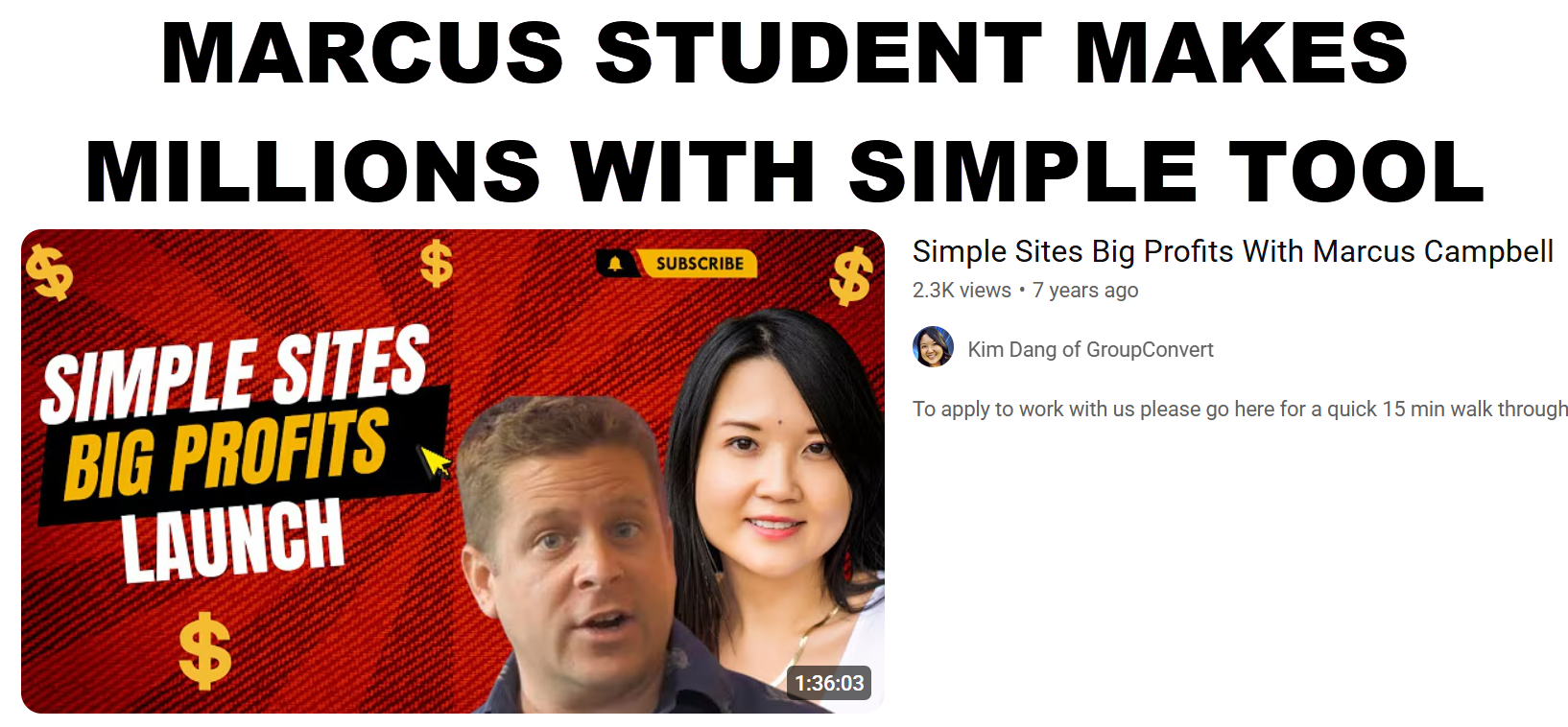
CLICK HERE TO JOIN TODAYS CLASS AND MAKE TOOLS FOR PROFIT
How to Build a Useful Custom GPT and Connect It to a Relevant Offer
Custom GPTs can be a practical way to help people complete a specific task. The opportunity is not in publishing a generic tool and hoping for traffic. It is in finding a clear user job, making the first outcome useful, and then presenting an optional next step that genuinely helps the person continue their work.
Think of a custom GPT as a focused skill or workflow. It can organize a process, produce a first draft, create a checklist, plan a project, or help a user evaluate options. The more clearly it solves one job, the easier it is for a visitor to understand why they should use it.
The working principle: study the problem, build the utility, and earn trust before presenting an offer.
Start With the Job, Not the Niche
“Business,” “marketing,” and “AI” are broad niches. A useful GPT starts with a job that a person can describe in one sentence. For example: “Turn this client brief into a proposal outline,” “Help me prepare a website launch checklist,” or “Turn licensed content into a product plan.”
The job should have a real decision behind it. A person using the tool should receive a draft, plan, audit, or recommendation that saves time or makes the next action clearer. This is more valuable than a tool that produces generic ideas without helping the user move forward.
Give Away the First Useful Outcome
The GPT should do useful work before it recommends anything. Let the visitor enter information, review the result, and decide whether it helped. If the tool is valuable only after someone clicks an offer, the value is backwards.
A good test is simple: would this GPT still help the user if they never purchased anything? If the answer is yes, the tool has a stronger foundation. The offer can then become a relevant continuation instead of a distraction.
Connect the Next Step Clearly
The offer should extend the outcome the GPT has just created. A website-planning GPT could recommend a relevant hosting platform, a no-code builder, or a website template. A product-outline GPT could point to a template pack. A research GPT could point to a workflow or software tool that helps organize the findings.
Keep the recommendation optional and specific. Do not connect an unrelated offer just because it pays a commission. A landing-page GPT followed by a random credit-card link is not a useful continuation. A landing-page GPT followed by a relevant design, hosting, or publishing resource can be.
Example Blueprint: A Licensed-Content Product Planner
One practical example is a GPT that helps users turn content they are allowed to use into a product plan. The GPT can ask for the content topic, intended audience, format, and rights information. It can then produce a product angle, outline, title options, launch checklist, and keyword ideas to validate.
Important: users must check the license or rights page for every item they upload or repurpose. The GPT should not claim that a person has rights they do not have. It should prompt users to confirm their rights and follow the applicable license terms before publishing or selling anything.
A relevant next step could be a clearly disclosed link to a library of properly licensed templates, a design tool, or a publishing workflow. The GPT remains useful even if the visitor does not take that next step.
Example Blueprint: A Website Launch Brief GPT
A website launch brief is another focused job. The user enters their business type, audience, offer, and goals. The GPT returns a simple site map, page outline, call-to-action suggestions, basic content prompts, and a launch checklist.
If the user wants to build the result, a relevant next step may be a hosting provider, site builder, design template, or implementation service. The recommendation should be disclosed if it is compensated and should match the user’s actual stage of work.
Existing GPTs and Sites to Study
The following examples are useful for studying how focused tools are positioned. They are not endorsements, performance rankings, or guarantees. Review each tool’s current content, policies, and recommendations independently.
| Example | What to Study | Related Site |
|---|---|---|
| Scholar GPT | A clearly defined research workflow. | awesomegpts.ai |
| Consensus | Evidence-oriented questions and research support. | consensus.app |
| Presentation | A concrete business deliverable: a presentation. | slidedecksai.com |
| Diagrams: UML, Flowcharts by ShowMe | A visual-planning task with an immediate result. | helpful.dev |
| Software Architect GPT | Technical planning for a specific audience. | sammuti.com |
| Code Copilot | A focused developer-support use case. | promptspellsmith.com |
| ChatPRD | Product-management documentation. | chatprd.ai |
| Best Website, App & Mobile App Builder | Turning a service task into a guided workflow. | writer-gpt.com |
Custom GPT Ideas That Can Lead to Helpful Offers
CLICK HERE TO MAKE TOOLS FOR PROFIT
Use the patterns below as starting points. Validate demand, build a useful output, and choose a next step that fits the completed task.
- Proposal Outline GPT: turns a client brief into a proposal structure; the next step may be a proposal template or CRM workflow.
- Website Launch Checklist GPT: produces a site map, page list, and launch tasks; the next step may be a hosting or site-builder resource.
- Content Repurposing Planner: turns an approved article into a platform-specific content plan; the next step may be a scheduling or design tool.
- Course Outline GPT: turns an expertise topic into a module plan; the next step may be a course template or recording workflow.
- Research Brief GPT: organizes a question into sources to review and a decision brief; the next step may be a research or note-taking tool.
- Service Packaging GPT: helps a freelancer package an offer into outcomes, scope, and onboarding steps; the next step may be a contract template or client portal.
- Product Description Improver: rewrites a product page around buyer questions; the next step may be an ecommerce template or testing workflow.
- Resume Improvement GPT: helps a job seeker tailor their resume to a role; the next step may be a relevant resume template. Do not make hiring guarantees.
- Business Name and Domain Brief GPT: produces naming directions and a domain checklist; the next step may be a domain registrar or brand-kit tool.
- Simple HTML Starter GPT: creates a basic page outline and starter markup; the next step may be a hosting, no-code, or developer resource.
How to Promote the Tool Without Spamming
Start with a useful demonstration. A forum post should answer a question or show a real example. Follow the forum rules and link only when the link genuinely helps readers continue the task. Do not post the same pitch repeatedly across communities.
On social platforms, show a before-and-after workflow, a sample output, or a short lesson. A how-to video can explain the user problem, show the GPT producing an output, and describe the optional next step. The content should stand on its own even if a viewer never clicks a link.
Use a press release only when there is legitimate news, such as a real launch, meaningful update, original data point, or partnership. A release should explain what changed and who it helps. It should not be used to fabricate attention, create fake authority, or promise rankings.
The Affiliate Link Test
Before adding any compensated recommendation, check that it passes all three tests:
- The relationship is plainly disclosed near the recommendation.
- The recommendation is directly related to the job the user just completed.
- The GPT remains helpful even if the user never clicks or buys.
What to Measure
Focus on useful outputs, repeat use, qualified clicks on disclosed recommendations, and direct feedback. A click is not proof that a tool solved a problem. Look for evidence that people finished their task, returned to the tool, or found the next resource appropriate.
25 Exact Digital Product & Custom GPT Opportunities
CLICK HERE TO MAKE TOOLS FOR PROFIT
A family-safe, data-forward shortlist built from the supplied US organic-keyword export for chatgpt.com/g. Every opportunity uses a stated, exact set of source keywords. All figures are calculated only from the keyword rows displayed beneath the relevant idea.
Dataset snapshot and interpretation
| Dataset measure | Value | Meaning |
|---|---|---|
| Keyword rows supplied | 12,840 | US, English rows in the supplied export. |
| Reported combined monthly volume | 739,850 | Total across the raw export; it is not the total of this shortlist. |
| Estimated organic traffic | 76,129 | Total for the supplied destination across the raw export. |
| Positions 1–3 | 6,841 keywords | Indicates existing visibility of the exported destination, not a guarantee for a new product. |
| Page-one positions | 12,605 keywords | Same limitation: it is a demand and discovery signal, not inherited ranking equity. |
Source: supplied file chatgpt.com-g-organic-keywords-path-us--ac_2026-08-22_11-28-26.csv. Export timestamps vary by row. “Exact keyword-set volume” and “exact keyword-set traffic” in the idea sections are sums of only the visible rows for that idea; they should not be interpreted as purchase volume or market size.
25 opportunities: exact comparison table
| # | Opportunity | Exact keywords included | Volume | Traffic | Mean KD | Mean CPC | Best position |
|---|---|---|---|---|---|---|---|
| 1 | Teacher lesson builder Custom GPT + grade-band resource pack |
chatgpt for teachers, teachergpt, chat gpt lesson plans | 5,200 | 315 | 13.7 | $1.13 | 1.0 |
| 2 | Resume tailoring kit Custom GPT + ATS-ready document bundle |
chat gpt resume, chatgpt for resume, chatgpt resume writer, chatgpt resume free | 3,850 | 184 | 26.5 | $2.10 | 1.0 |
| 3 | Professional resignation-letter kit Custom GPT + editable document templates |
chatgpt resignation letter | 700 | 272 | 0.0 | $0.04 | 1.0 |
| 4 | Professional email copilot Custom GPT + reply template library |
chat gpt email, chatgpt email writer | 1,400 | 71 | 3.5 | $0.13 | 3.0 |
| 5 | Sentence rewriting assistant Custom GPT + clarity-editing checklist |
improve this, chatgpt sentence rewriter, chatgpt writing assistant | 950 | 225 | 23.7 | $0.15 | 1.0 |
| 6 | Copywriting brief builder Custom GPT + conversion-copy brief template |
chatgpt copywriting | 150 | 66 | 1.0 | $3.23 | 2.0 |
| 7 | One-page business-plan builder Custom GPT + business-plan canvas/spreadsheet |
chat gpt business plan, can chatgpt write a business plan, how to use chatgpt to write a business plan | 1,030 | 33 | 11.7 | $2.75 | 7.0 |
| 8 | Niche opportunity scout Custom GPT + research database template |
niche finder, niche research, niche finder tool, niche finder software, niche finder free | 890 | 262 | 5.6 | $1.79 | 1.0 |
| 9 | SEO audit action planner Custom GPT + client-ready audit deliverable |
seo audit tool, seo tools for content writing | 3,650 | 0 | 56.5 | $6.60 | 4.0 |
| 10 | Keyword-research workflow GPT Custom GPT + keyword brief template |
keyword research chatgpt, chatgpt for keyword research, using chatgpt for keyword research | 210 | 70 | 4.3 | $1.99 | 1.0 |
| 11 | Code explanation tutor Custom GPT + language-specific study pack |
explain this code, chat gpt code, chatgpt for programming | 750 | 221 | 9.0 | $8.93 | 1.0 |
| 12 | Code-correction and testing helper Custom GPT + debugging checklist bundle |
code corrector, code interpreter chatgpt, ai code assistants | 450 | 88 | 26.0 | $4.95 | 1.0 |
| 13 | Math concept coach Custom GPT + worked-example practice pack |
chatgpt math, math chatgpt, math solver chatgpt | 10,500 | 14 | 64.0 | $0.08 | 23.0 |
| 14 | Statistics study coach Custom GPT + applied-problem workbook |
statistics homework helper, stats homework help, accounting homework solver | 510 | 62 | 12.3 | $2.60 | 1.0 |
| 15 | Contextual translation coach Custom GPT + situational phrasebook bundle |
translate gpt, chat gpt translate to spanish, chatgpt spanish | 1,900 | 232 | 21.0 | $0.03 | 1.0 |
| 16 | English-to-ASL gloss practice helper Custom GPT + practice worksheet pack |
english to asl gloss | 100 | 52 | 0.0 | $0.10 | 1.0 |
| 17 | Citation and research organizer Custom GPT + source-matrix template |
scholar gpt, chatgpt citation, research paper generator, how to create an annotated bibliography | 2,150 | 170 | 11.8 | $0.43 | 2.0 |
| 18 | Short-form video planner Custom GPT + creator calendar/template pack |
gpt video generator, chatgpt video editor, chatgpt create video, chatgpt video maker | 420 | 222 | 30.0 | $1.14 | 1.0 |
| 19 | Photo animation prompt planner Custom GPT + motion-prompt pack |
picture animator, gif maker ai, ai gif maker free, ai animated gif maker | 1,080 | 606 | 55.2 | $0.69 | 1.0 |
| 20 | Photo-editing direction studio Custom GPT + portrait/prompt template pack |
chat gpt edit photo, chatgpt ai photo editor, chatgpt headshot, chatgpt caricature | 2,600 | 308 | 20.2 | $0.67 | 1.0 |
| 21 | Font matching and pairing brief Image-upload assistant + typography worksheet |
font matcher, font finder by text, online font identifier, font finder ai | 5,800 | 194 | 73.5 | $0.32 | 2.0 |
| 22 | Logo asset preparation brief Custom GPT + logo-launch checklist |
chatgpt logo generator, gpt logo, chatgpt logo transparent | 2,800 | 364 | 16.0 | $0.67 | 1.0 |
| 23 | Business and project name generator Custom GPT + naming workbook |
chatgpt business name generator, nonprofit name generator, name pun generator, pun name generator | 1,590 | 297 | 10.8 | $0.30 | 1.0 |
| 24 | Signature style and email branding kit Custom GPT + personal-brand styling bundle |
ai handwritten signature generator, calligraphy signature generator ai, handwritten signature generator ai, creative signature generator | 1,350 | 392 | 54.8 | $0.83 | 1.0 |
| 25 | Poetry-form workshop Custom GPT + poetry-form workbook |
iambic pentameter generator, limerick poem generator, shape poem maker, poetry translator | 800 | 217 | 7.5 | $1.41 | 1.0 |
Detailed product concepts, exact evidence, and launch process
Use the entries below as a build queue. A strong first version is a single guided intake, a reliable generated result, and a durable paid asset—such as a template pack, workbook, tracker, or resource bundle—that makes the result reusable.
1. Teacher lesson builder
| Product format | Custom GPT + grade-band resource pack | Buyer | Teachers and tutors |
|---|---|---|---|
| Exact keyword-set volume | 5,200 | Exact keyword-set traffic | 315 |
| Mean KD | 13.7 | Mean CPC | $1.13 |
What to make: A guided intake for grade, subject, objective, time, materials, and learner needs. Produce a lesson sequence, formative check, rubric, and parent-ready summary.
Paid digital asset: A standards-planning worksheet, editable rubric pack, and subject-specific prompt cards.
What works / launch process: Offer one free lesson outline. Deliver the downloadable resource as the email follow-up. Sell grade-band packs and team licenses after teachers validate usefulness.
Exact evidence rows used for this idea
| Keyword | US volume | KD | CPC | Organic traffic | Position | Intent |
|---|---|---|---|---|---|---|
chatgpt for teachers |
5,100 | 38.0 | $1.23 | 305 | 6.0 | informational |
teachergpt |
90 | 1.0 | — | 5 | 2.0 | informational |
chat gpt lesson plans |
10 | 2.0 | $1.03 | 5 | 1.0 | informational |
2. Resume tailoring kit
| Product format | Custom GPT + ATS-ready document bundle | Buyer | Job seekers and career coaches |
|---|---|---|---|
| Exact keyword-set volume | 3,850 | Exact keyword-set traffic | 184 |
| Mean KD | 26.5 | Mean CPC | $2.10 |
What to make: Compare a truthful resume against one role description, identify evidence gaps, and draft editable achievement bullets, a summary, and interview practice questions.
Paid digital asset: Role-specific resume templates, achievement-story worksheet, and interview-prep tracker.
What works / launch process: Use a free “improve one bullet” result as the entry point. Convert with job-family bundles and a concise resume-review checklist. Require users to verify every claim.
Exact evidence rows used for this idea
| Keyword | US volume | KD | CPC | Organic traffic | Position | Intent |
|---|---|---|---|---|---|---|
chat gpt resume |
2,800 | 2.0 | $2.72 | 22 | 16.0 | informational |
chatgpt for resume |
300 | 13.0 | $1.96 | 117 | 1.0 | informational |
chatgpt resume writer |
450 | 48.0 | $1.98 | 2 | 18.0 | informational, commercial |
chatgpt resume free |
300 | 43.0 | $1.72 | 43 | 3.0 | informational, commercial |
3. Professional resignation-letter kit
| Product format | Custom GPT + editable document templates | Buyer | Professionals changing jobs |
|---|---|---|---|
| Exact keyword-set volume | 700 | Exact keyword-set traffic | 272 |
| Mean KD | 0.0 | Mean CPC | $0.04 |
What to make: Ask for notice period, role, relationship tone, and handover context; produce a concise resignation letter plus handover checklist and manager conversation notes.
Paid digital asset: Notice-letter template set, transition plan, and personal files checklist.
What works / launch process: Use a free first draft for email capture. Sell a downloadable transition pack rather than attempting broad career coaching.
Exact evidence rows used for this idea
| Keyword | US volume | KD | CPC | Organic traffic | Position | Intent |
|---|---|---|---|---|---|---|
chatgpt resignation letter |
700 | 0.0 | $0.04 | 272 | 1.0 | informational |
4. Professional email copilot
| Product format | Custom GPT + reply template library | Buyer | Managers, consultants, freelancers, and support teams |
|---|---|---|---|
| Exact keyword-set volume | 1,400 | Exact keyword-set traffic | 71 |
| Mean KD | 3.5 | Mean CPC | $0.13 |
What to make: Turn a situation and recipient context into concise, warm, firm, or executive email options, with factual points marked for review.
Paid digital asset: Client-boundary library, meeting follow-up templates, and manager-feedback scripts.
What works / launch process: Own one high-friction moment—such as overdue invoices or scope-change replies. Offer one free rewrite, then sell a reusable niche template bundle.
Exact evidence rows used for this idea
| Keyword | US volume | KD | CPC | Organic traffic | Position | Intent |
|---|---|---|---|---|---|---|
chat gpt email |
1,000 | 6.0 | $0.03 | 1 | 24.0 | informational |
chatgpt email writer |
400 | 1.0 | $0.23 | 70 | 3.0 | informational, commercial |
5. Sentence rewriting assistant
| Product format | Custom GPT + clarity-editing checklist | Buyer | Professionals and non-native English writers |
|---|---|---|---|
| Exact keyword-set volume | 950 | Exact keyword-set traffic | 225 |
| Mean KD | 23.7 | Mean CPC | $0.15 |
What to make: Rewrite user-supplied sentences for clarity, brevity, and requested tone while showing the key edits and preserving the underlying meaning.
Paid digital asset: Plain-language checklist, tone matrix, and before/after rewrite workbook.
What works / launch process: Acquire users with a free one-paragraph rewrite. Sell specialist tone packs for executives, service providers, and academic communication.
Exact evidence rows used for this idea
| Keyword | US volume | KD | CPC | Organic traffic | Position | Intent |
|---|---|---|---|---|---|---|
improve this |
400 | 33.0 | $0.24 | 144 | 1.0 | informational |
chatgpt sentence rewriter |
450 | 33.0 | $0.02 | 21 | 8.0 | informational, commercial |
chatgpt writing assistant |
100 | 5.0 | $0.19 | 60 | 1.0 | informational |
6. Copywriting brief builder
| Product format | Custom GPT + conversion-copy brief template | Buyer | Freelance copywriters and small-business owners |
|---|---|---|---|
| Exact keyword-set volume | 150 | Exact keyword-set traffic | 66 |
| Mean KD | 1.0 | Mean CPC | $3.23 |
What to make: Turn an offer, audience, proof points, and channel into a structured copy brief with message hierarchy, objections, angles, and review questions.
Paid digital asset: Landing-page brief, case-study interview guide, and offer-message worksheet.
What works / launch process: Avoid generic copy generation. Lead with a free brief scorecard and sell the editable planning template plus a niche-configured GPT.
Exact evidence rows used for this idea
| Keyword | US volume | KD | CPC | Organic traffic | Position | Intent |
|---|---|---|---|---|---|---|
chatgpt copywriting |
150 | 1.0 | $3.23 | 66 | 2.0 | informational, commercial |
7. One-page business-plan builder
| Product format | Custom GPT + business-plan canvas/spreadsheet | Buyer | Early-stage founders and local business starters |
|---|---|---|---|
| Exact keyword-set volume | 1,030 | Exact keyword-set traffic | 33 |
| Mean KD | 11.7 | Mean CPC | $2.75 |
What to make: Convert an idea into assumptions, target customer, problem, offer, pricing hypothesis, channels, milestones, and interview questions.
Paid digital asset: One-page canvas, customer-interview tracker, and 14-day validation worksheet.
What works / launch process: Provide a free one-page plan. The paid offer is the editable validation system and a niche-specific implementation pack.
Exact evidence rows used for this idea
| Keyword | US volume | KD | CPC | Organic traffic | Position | Intent |
|---|---|---|---|---|---|---|
chat gpt business plan |
900 | 34.0 | $5.33 | 27 | 10.0 | informational, commercial |
can chatgpt write a business plan |
100 | 0.0 | $1.41 | 4 | 8.0 | informational, commercial |
how to use chatgpt to write a business plan |
30 | 1.0 | $1.50 | 2 | 7.0 | informational |
8. Niche opportunity scout
| Product format | Custom GPT + research database template | Buyer | Digital-product builders, agencies, and creators |
|---|---|---|---|
| Exact keyword-set volume | 890 | Exact keyword-set traffic | 262 |
| Mean KD | 5.6 | Mean CPC | $1.79 |
What to make: Map an initial niche into customer jobs, offer angles, competitor questions, content pillars, validation interviews, and a 7-day experiment.
Paid digital asset: Opportunity-scoring spreadsheet, research database, and audience-interview script.
What works / launch process: Offer a free niche scorecard. Sell the repeatable research dashboard and focused variants for creators, local services, or B2B consultants.
Exact evidence rows used for this idea
| Keyword | US volume | KD | CPC | Organic traffic | Position | Intent |
|---|---|---|---|---|---|---|
niche finder |
400 | 8.0 | $1.91 | 173 | 1.0 | informational, commercial |
niche research |
200 | 2.0 | $1.94 | 12 | 6.0 | informational, commercial |
niche finder tool |
100 | 7.0 | $2.18 | 38 | 1.0 | informational, commercial |
niche finder software |
100 | 5.0 | $1.54 | 8 | 5.0 | informational, commercial |
niche finder free |
90 | 6.0 | $1.37 | 31 | 1.0 | informational, commercial |
9. SEO audit action planner
| Product format | Custom GPT + client-ready audit deliverable | Buyer | Freelance marketers, web designers, and small businesses |
|---|---|---|---|
| Exact keyword-set volume | 3,650 | Exact keyword-set traffic | 0 |
| Mean KD | 56.5 | Mean CPC | $6.60 |
What to make: Turn an audit export into a prioritized impact-versus-effort backlog, practical copy edits, owner assignments, and a 30-day implementation plan.
Paid digital asset: Audit presentation template, implementation tracker, and recurring-review checklist.
What works / launch process: Do not attempt to replace generic audit software. Offer a free ten-point action plan and monetize an interpretation template that consultants can use with clients.
Exact evidence rows used for this idea
| Keyword | US volume | KD | CPC | Organic traffic | Position | Intent |
|---|---|---|---|---|---|---|
seo audit tool |
3,200 | 82.0 | $5.14 | 0 | 4.0 | informational, commercial |
seo tools for content writing |
450 | 31.0 | $8.05 | 0 | 6.0 | informational, commercial |
10. Keyword-research workflow GPT
| Product format | Custom GPT + keyword brief template | Buyer | Content marketers and small-business owners |
|---|---|---|---|
| Exact keyword-set volume | 210 | Exact keyword-set traffic | 70 |
| Mean KD | 4.3 | Mean CPC | $1.99 |
What to make: Turn a seed topic and buyer context into topic clusters, search-intent hypotheses, content brief sections, FAQ ideas, and a review checklist.
Paid digital asset: Keyword-brief template, content-cluster planner, and editorial calendar.
What works / launch process: Publish a free seed-to-brief tool. Sell a full planning workspace configured for one business category or service niche.
Exact evidence rows used for this idea
| Keyword | US volume | KD | CPC | Organic traffic | Position | Intent |
|---|---|---|---|---|---|---|
keyword research chatgpt |
90 | 5.0 | — | 46 | 1.0 | informational, commercial |
chatgpt for keyword research |
80 | 3.0 | $1.99 | 19 | 2.0 | informational, commercial |
using chatgpt for keyword research |
40 | 5.0 | — | 5 | 2.0 | informational, commercial |
11. Code explanation tutor
| Product format | Custom GPT + language-specific study pack | Buyer | Beginning developers and technical learners |
|---|---|---|---|
| Exact keyword-set volume | 750 | Exact keyword-set traffic | 221 |
| Mean KD | 9.0 | Mean CPC | $8.93 |
What to make: Explain user-provided code line by line, clarify concepts, locate likely failure points, and assign a next learning exercise.
Paid digital asset: Python, JavaScript, SQL, or API-debugging prompt packs and practice worksheets.
What works / launch process: Start with one language and one learner profile. Offer a free code explanation, then sell a structured practice pack. Encourage testing and human review.
Exact evidence rows used for this idea
| Keyword | US volume | KD | CPC | Organic traffic | Position | Intent |
|---|---|---|---|---|---|---|
explain this code |
350 | 4.0 | $4.63 | 34 | 5.0 | informational |
chat gpt code |
300 | 14.0 | $20.91 | 142 | 1.0 | informational |
chatgpt for programming |
100 | 9.0 | $1.24 | 45 | 1.0 | informational |
12. Code-correction and testing helper
| Product format | Custom GPT + debugging checklist bundle | Buyer | Developers and bootcamp students |
|---|---|---|---|
| Exact keyword-set volume | 450 | Exact keyword-set traffic | 88 |
| Mean KD | 26.0 | Mean CPC | $4.95 |
What to make: Collect error text, intended behavior, constraints, and attempted fix. Return a minimal proposed patch, test cases, and a clear explanation.
Paid digital asset: Debugging decision tree, unit-test starter templates, and error-log worksheet.
What works / launch process: Lead with a “paste an error” workflow. Monetize via language-specific test templates and team onboarding versions, not assurances of production correctness.
Exact evidence rows used for this idea
| Keyword | US volume | KD | CPC | Organic traffic | Position | Intent |
|---|---|---|---|---|---|---|
code corrector |
150 | 38.0 | $2.16 | 52 | 1.0 | informational, commercial |
code interpreter chatgpt |
100 | 7.0 | $8.75 | 36 | 2.0 | informational |
ai code assistants |
200 | 33.0 | $3.93 | 0 | 8.0 | informational, commercial |
13. Math concept coach
| Product format | Custom GPT + worked-example practice pack | Buyer | Students, tutors, and parents |
|---|---|---|---|
| Exact keyword-set volume | 10,500 | Exact keyword-set traffic | 14 |
| Mean KD | 64.0 | Mean CPC | $0.08 |
What to make: Use hints first, then an explained worked example, error analysis, and a small set of comparable practice questions.
Paid digital asset: Topic worksheets, mistake-log template, and spaced-practice planner.
What works / launch process: Position the product around learning and checking work. Provide one free explanation, then sell subject-specific practice bundles.
Exact evidence rows used for this idea
| Keyword | US volume | KD | CPC | Organic traffic | Position | Intent |
|---|---|---|---|---|---|---|
chatgpt math |
5,200 | 62.0 | $0.08 | 9 | 23.0 | informational |
math chatgpt |
3,500 | 71.0 | $0.10 | 2 | 26.0 | informational, commercial |
math solver chatgpt |
1,800 | 59.0 | $0.07 | 3 | 23.0 | informational |
14. Statistics study coach
| Product format | Custom GPT + applied-problem workbook | Buyer | Statistics, accounting, and economics learners |
|---|---|---|---|
| Exact keyword-set volume | 510 | Exact keyword-set traffic | 62 |
| Mean KD | 12.3 | Mean CPC | $2.60 |
What to make: Explain the concept, identify the information needed, show the method, and create a practice sequence based on the learner’s attempt.
Paid digital asset: Formula-reference sheets, problem-solving checklist, and course-topic study planner.
What works / launch process: Target a specific course topic in each landing page. Sell a companion worksheet rather than a generic homework-completion tool.
Exact evidence rows used for this idea
| Keyword | US volume | KD | CPC | Organic traffic | Position | Intent |
|---|---|---|---|---|---|---|
statistics homework helper |
200 | 1.0 | $2.82 | 22 | 3.0 | informational, commercial |
stats homework help |
60 | 4.0 | $2.09 | 21 | 1.0 | informational, commercial, transactional |
accounting homework solver |
250 | 32.0 | $2.90 | 19 | 5.0 | informational, commercial |
15. Contextual translation coach
| Product format | Custom GPT + situational phrasebook bundle | Buyer | Language learners, travelers, and customer-facing teams |
|---|---|---|---|
| Exact keyword-set volume | 1,900 | Exact keyword-set traffic | 232 |
| Mean KD | 21.0 | Mean CPC | $0.03 |
What to make: Create literal and natural translations tuned for audience, formality, channel, and cultural context, then add a back-translation and practice prompts.
Paid digital asset: Travel phrasebook, workplace language templates, and conversation-practice cards.
What works / launch process: Start with a high-context use case such as client communication or travel. Offer one free context rewrite and sell a reusable phrasebook bundle.
Exact evidence rows used for this idea
| Keyword | US volume | KD | CPC | Organic traffic | Position | Intent |
|---|---|---|---|---|---|---|
translate gpt |
600 | 43.0 | $0.02 | 224 | 1.0 | informational, commercial |
chat gpt translate to spanish |
900 | 20.0 | $0.03 | 2 | 21.0 | informational |
chatgpt spanish |
400 | 0.0 | $0.04 | 6 | 16.0 | informational |
16. English-to-ASL gloss practice helper
| Product format | Custom GPT + practice worksheet pack | Buyer | ASL learners and educators |
|---|---|---|---|
| Exact keyword-set volume | 100 | Exact keyword-set traffic | 52 |
| Mean KD | 0.0 | Mean CPC | $0.10 |
What to make: Convert short, user-created English sentences into an ASL gloss practice format while explaining word-order choices and inviting instructor review.
Paid digital asset: Gloss-practice worksheets, sentence-order drills, and learning reflection log.
What works / launch process: Keep the scope to education and user-created text. Offer a free short practice activity, then sell a structured practice workbook.
Exact evidence rows used for this idea
| Keyword | US volume | KD | CPC | Organic traffic | Position | Intent |
|---|---|---|---|---|---|---|
english to asl gloss |
100 | 0.0 | $0.10 | 52 | 1.0 | informational |
17. Citation and research organizer
| Product format | Custom GPT + source-matrix template | Buyer | Students, educators, researchers, and content teams |
|---|---|---|---|
| Exact keyword-set volume | 2,150 | Exact keyword-set traffic | 170 |
| Mean KD | 11.8 | Mean CPC | $0.43 |
What to make: Organize user-supplied source details into an evidence table, annotated-outline draft, citation-format checklist, and verification steps.
Paid digital asset: Literature-review matrix, annotated-bibliography template, and research-question worksheet.
What works / launch process: Require source links or metadata. Give away a simple source organizer and sell an editable research dashboard. Never invent sources or citations.
Exact evidence rows used for this idea
| Keyword | US volume | KD | CPC | Organic traffic | Position | Intent |
|---|---|---|---|---|---|---|
scholar gpt |
1,500 | 6.0 | $0.03 | 2 | 24.0 | informational, commercial |
chatgpt citation |
300 | 0.0 | $0.04 | 149 | 2.0 | informational |
research paper generator |
150 | 35.0 | $1.54 | 19 | 4.0 | informational, commercial |
how to create an annotated bibliography |
200 | 6.0 | $0.10 | 0 | 3.0 | informational |
18. Short-form video planner
| Product format | Custom GPT + creator calendar/template pack | Buyer | Creators, coaches, local businesses, and UGC freelancers |
|---|---|---|---|
| Exact keyword-set volume | 420 | Exact keyword-set traffic | 222 |
| Mean KD | 30.0 | Mean CPC | $1.14 |
What to make: Turn a topic into platform-specific hooks, a concise script, shot list, B-roll plan, caption, call to action, and repurposing sequence.
Paid digital asset: 30-day calendar, hook bank, B-roll sheet, and review dashboard.
What works / launch process: Sell the calendar as the practical asset. Use a free three-hook result to start the workflow and offer a niche-specific GPT for daily planning.
Exact evidence rows used for this idea
| Keyword | US volume | KD | CPC | Organic traffic | Position | Intent |
|---|---|---|---|---|---|---|
gpt video generator |
150 | 60.0 | $1.21 | 58 | 1.0 | informational, commercial |
chatgpt video editor |
100 | 0.0 | $1.26 | 57 | 1.0 | informational |
chatgpt create video |
80 | 28.0 | $1.10 | 56 | 1.0 | informational, commercial |
chatgpt video maker |
90 | 32.0 | $0.99 | 51 | 1.0 | informational, commercial |
19. Photo animation prompt planner
| Product format | Custom GPT + motion-prompt pack | Buyer | Content creators, families, and small brands |
|---|---|---|---|
| Exact keyword-set volume | 1,080 | Exact keyword-set traffic | 606 |
| Mean KD | 55.2 | Mean CPC | $0.69 |
What to make: Turn a single image and intended platform into safe animation concepts, tool-ready prompt language, motion notes, caption options, and export settings.
Paid digital asset: Seasonal motion prompts, product-reveal prompts, and publishing checklist.
What works / launch process: Use visual before/after demonstrations. Give away one motion concept; sell a thematic prompt pack and the planning GPT without needing to build a rendering service.
Exact evidence rows used for this idea
| Keyword | US volume | KD | CPC | Organic traffic | Position | Intent |
|---|---|---|---|---|---|---|
picture animator |
450 | 56.0 | $0.64 | 410 | 1.0 | informational, commercial |
gif maker ai |
450 | 55.0 | $0.77 | 164 | 1.0 | informational, commercial |
ai gif maker free |
150 | 59.0 | $0.69 | 21 | 2.0 | informational |
ai animated gif maker |
30 | 51.0 | $0.67 | 11 | 1.0 | informational, commercial |
20. Photo-editing direction studio
| Product format | Custom GPT + portrait/prompt template pack | Buyer | Creators, job seekers, and small-business owners |
|---|---|---|---|
| Exact keyword-set volume | 2,600 | Exact keyword-set traffic | 308 |
| Mean KD | 20.2 | Mean CPC | $0.67 |
What to make: Translate a desired legitimate photo outcome into a shoot/edit brief: background, lighting, crop, neutral presentation, and platform-specific dimensions.
Paid digital asset: Profile-photo brief, product-image checklist, and image-prompt library.
What works / launch process: Offer one free edit brief. Sell a set of outcome-specific templates. Do not promise identity verification or create misleading professional credentials.
Exact evidence rows used for this idea
| Keyword | US volume | KD | CPC | Organic traffic | Position | Intent |
|---|---|---|---|---|---|---|
chat gpt edit photo |
350 | 27.0 | — | 145 | 1.0 | informational |
chatgpt ai photo editor |
300 | 43.0 | — | 107 | 1.0 | informational, commercial |
chatgpt headshot |
150 | 0.0 | $1.23 | 56 | 1.0 | informational |
chatgpt caricature |
1,800 | 11.0 | $0.10 | 0 | 2.0 | informational |
21. Font matching and pairing brief
| Product format | Image-upload assistant + typography worksheet | Buyer | Designers, creators, small agencies, and template sellers |
|---|---|---|---|
| Exact keyword-set volume | 5,800 | Exact keyword-set traffic | 194 |
| Mean KD | 73.5 | Mean CPC | $0.32 |
What to make: Analyze a reference image at a high level and return candidate font categories, alternatives, pairing directions, licensing reminders, and a simple type scale.
Paid digital asset: Font-pairing swipe file, typography-spec worksheet, and Canva setup guide.
What works / launch process: The main phrase has high competition. Narrow the offer to a buyer segment such as coaches, educators, or presentation designers, then sell a practical typography board.
Exact evidence rows used for this idea
| Keyword | US volume | KD | CPC | Organic traffic | Position | Intent |
|---|---|---|---|---|---|---|
font matcher |
5,000 | 81.0 | $0.04 | 87 | 8.0 | informational, commercial |
font finder by text |
450 | 75.0 | $0.22 | 68 | 2.0 | informational, commercial |
online font identifier |
250 | 76.0 | $0.01 | 21 | 6.0 | informational |
font finder ai |
100 | 62.0 | $0.99 | 18 | 2.0 | informational, commercial |
22. Logo asset preparation brief
| Product format | Custom GPT + logo-launch checklist | Buyer | Founders, community organizers, and small businesses |
|---|---|---|---|
| Exact keyword-set volume | 2,800 | Exact keyword-set traffic | 364 |
| Mean KD | 16.0 | Mean CPC | $0.67 |
What to make: Turn a brand concept into a logo brief, visual direction, image-generation prompt set, color notes, export requirements, and trademark-screening checklist.
Paid digital asset: Logo handoff checklist, social-profile asset guide, and brand-brief worksheet.
What works / launch process: Use an audience-specific brand brief as the free lead magnet. Sell the editable launch kit. Target generic brand needs, not third-party marks or official assets.
Exact evidence rows used for this idea
| Keyword | US volume | KD | CPC | Organic traffic | Position | Intent |
|---|---|---|---|---|---|---|
chatgpt logo generator |
300 | 16.0 | $0.83 | 171 | 1.0 | informational, commercial |
gpt logo |
1,300 | 25.0 | $0.51 | 0 | 9.0 | informational |
chatgpt logo transparent |
1,200 | 7.0 | — | 193 | 3.0 | informational |
23. Business and project name generator
| Product format | Custom GPT + naming workbook | Buyer | Founders, nonprofits, team leads, and community organizers |
|---|---|---|---|
| Exact keyword-set volume | 1,590 | Exact keyword-set traffic | 297 |
| Mean KD | 10.8 | Mean CPC | $0.30 |
What to make: Generate categorized name directions from an audience, constraints, tone, and category; provide short-list scoring and screening steps.
Paid digital asset: Naming scorecard, tag-line worksheet, and availability-check process.
What works / launch process: Start with a free 20-name sampler. Sell a niche-specific naming workbook. Do not claim name legality or availability without live verification.
Exact evidence rows used for this idea
| Keyword | US volume | KD | CPC | Organic traffic | Position | Intent |
|---|---|---|---|---|---|---|
chatgpt business name generator |
1,300 | 43.0 | $0.52 | 0 | 3.0 | informational, commercial |
nonprofit name generator |
100 | 0.0 | $0.34 | 54 | 1.0 | informational, commercial |
name pun generator |
100 | 0.0 | $0.16 | 122 | 1.0 | informational |
pun name generator |
90 | 0.0 | $0.16 | 121 | 1.0 | informational |
24. Signature style and email branding kit
| Product format | Custom GPT + personal-brand styling bundle | Buyer | Freelancers, creators, and small-business owners |
|---|---|---|---|
| Exact keyword-set volume | 1,350 | Exact keyword-set traffic | 392 |
| Mean KD | 54.8 | Mean CPC | $0.83 |
What to make: Develop original handwritten-style wordmark concepts and usage directions for email banners, packaging, and personal branding.
Paid digital asset: Email-signature setup guide, usage checklist, and lettering prompt pack.
What works / launch process: Use a free style quiz as the lead magnet. Sell the visual-direction bundle and editable brand assets. Do not use the product for signing documents or identity verification.
Exact evidence rows used for this idea
| Keyword | US volume | KD | CPC | Organic traffic | Position | Intent |
|---|---|---|---|---|---|---|
ai handwritten signature generator |
800 | 55.0 | $1.44 | 301 | 1.0 | informational, commercial |
calligraphy signature generator ai |
300 | 55.0 | $0.77 | 37 | 3.0 | informational, commercial, transactional |
handwritten signature generator ai |
100 | 52.0 | $0.72 | 42 | 1.0 | informational, commercial, transactional |
creative signature generator |
150 | 57.0 | $0.40 | 12 | 4.0 | informational, commercial |
25. Poetry-form workshop
| Product format | Custom GPT + poetry-form workbook | Buyer | Students, teachers, poets, and writing groups |
|---|---|---|---|
| Exact keyword-set volume | 800 | Exact keyword-set traffic | 217 |
| Mean KD | 7.5 | Mean CPC | $1.41 |
What to make: Teach a form’s constraints—such as meter, rhyme, or structure—by checking a user draft, offering revision paths, and issuing practice prompts.
Paid digital asset: Poetry-form workbook, classroom handouts, and creative-writing prompt cards.
What works / launch process: Create one free form checker. Sell themed workbooks and classroom versions. Focus on revision and learning, rather than reproducing protected text.
Exact evidence rows used for this idea
| Keyword | US volume | KD | CPC | Organic traffic | Position | Intent |
|---|---|---|---|---|---|---|
iambic pentameter generator |
100 | 0.0 | $3.02 | 130 | 1.0 | informational |
limerick poem generator |
350 | 0.0 | $0.36 | 40 | 3.0 | informational |
shape poem maker |
200 | 0.0 | $1.45 | 1 | 8.0 | informational |
poetry translator |
150 | 30.0 | $0.79 | 46 | 1.0 | informational, commercial |
One operating process for the first launch
| Step | Execution | Decision metric |
|---|---|---|
| 1. Select one outcome | Choose one idea and one buyer. Name the landing page after the concrete before/after result, not the technology. | Visitors can state the expected output without being shown a product demo. |
| 2. Build the narrow intake | Ask only for the inputs necessary to produce a quality result; include a review step for factual or user-sensitive outputs. | Most users finish the workflow rather than abandoning the form. |
| 3. Deliver a free micro-result | Give one useful output, then offer the comprehensive editable asset as the paid upgrade. | Email capture and product-page clicks demonstrate fit. |
| 4. Sell a reusable asset | Package templates, worksheets, and checklists around the GPT. The asset should reduce repeated work for the buyer. | Buyers pay for reuse, saving, editing, or sharing—not just a single response. |
| 5. Expand only after conversion | Duplicate the proven workflow for another role, grade band, platform, or business category. | Paid conversion and repeat use remain stable as variants are added. |
Use limitation: Verify product claims, rights, data handling, pricing, and platform requirements before launch. In education, research, coding, and career contexts, users should review outputs rather than treating them as authoritative decisions.
CLICK HERE TO MAKE TOOLS FOR PROFIT
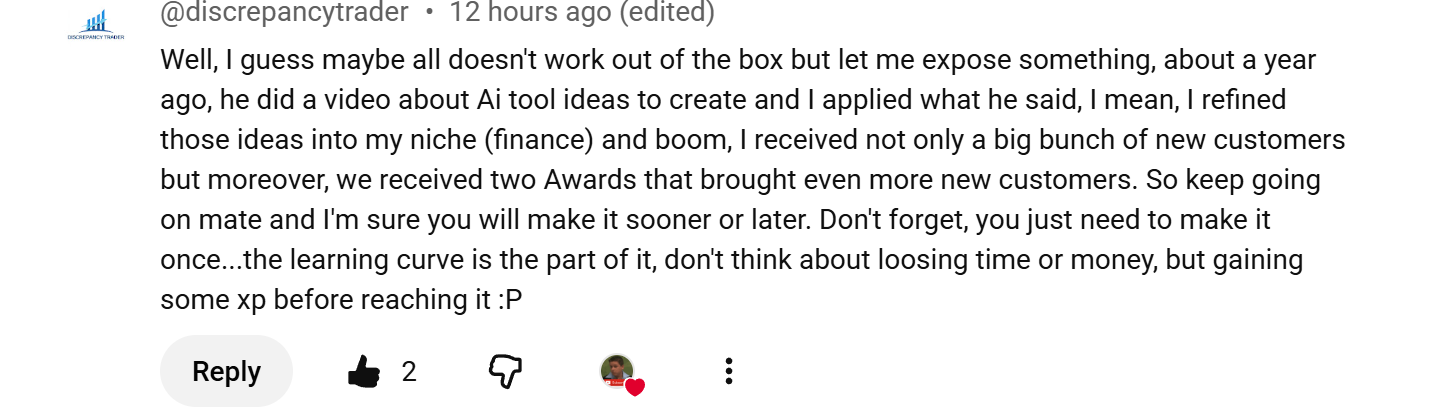
Vibe Coding In Public – Make Money With Claude
Join Fridays Live Product Workshop:
BUILD A PROFITABLE PRODUCT THIS WEEK
Vibe-code a project today. Take it to market this week.
You do not need to build a giant app to create something useful. Start with one painful job people already want finished. Map the decisions, turn one repeated block into a simple tool, get it working, and put it in front of real people while the project is still small.
Vibe coding is not “press a button and let AI build a business.” It is a faster way to turn clear decisions into working software. The better the process you hand to the AI, the faster you can produce a useful first version.
Want to watch the full workflow from data to live tool?
BUILD A PROFITABLE PRODUCT THIS WEEK
Start With One Useful Outcome
The best same-day projects solve one focused problem. They do not need a login, a database, a settings page, billing, or a long feature list. They need one clear result.
This tool takes ________ and gives you ________ in under 30 seconds.
For example, a tool might take a job description and existing experience, then produce a tailored application checklist. Or it might take a business offer and target audience, then produce a sales-page outline.
Turn a Process Into Profit
A process is raw material for a tool, service, lead magnet, or paid product. Look for outcomes people already work toward, then map the slow sequence they currently follow. Your first version does not need to automate the whole process. It only needs to make one valuable block faster, clearer, or easier to finish.
- Find the finish line. Pick a result people already want, such as landing an interview, publishing content, launching an offer, planning a trip, or organizing a home project.
- Expose the manual sequence. Write the stages in order. This reveals the inputs, decision rules, and outputs.
- Collapse one useful block. Choose a step with repeatable inputs and rules. Make that one step the first tool.
- Show the result. Let users see a valuable output before asking for an email, paid upgrade, implementation service, or related offer.
Do not sell “AI help.” Sell the finished result: a tailored application pack, a content calendar, a priced service menu, a launch checklist, or a useful action plan.
Featured Project: A Human-Guided AI Article Content Engine
One strong project idea comes directly from this process:
Write an article → topic → angle → research → outline → intro → sections → conclusion.
The product is not a button that sprays generic words. It is a guided workflow that starts with a clear topic, a defensible angle, and source material the user has the right to use. The output is an original, accurate, editable article package that a human can review and publish.
The One-Job Sentence
This tool takes a topic, target reader, angle, voice, and rights-cleared source material.
It gives you a structured, original, human-reviewed article package ready to edit and publish.
The Workflow
- Start with source rights. Accept the user’s notes, interviews, original research, public-domain material, or PLR that the user is licensed to adapt. Ask the user to confirm they have the right to use the material.
- Choose the angle. Turn the topic into a reader-specific promise, question, comparison, how-to, or evidence-backed opinion.
- Build the article before drafting it. Create a brief, research plan, and section-by-section outline. Flag missing support for factual claims.
- Draft, then make it human. Generate an editable first draft. The human adds lived experience, checks facts and citations, removes weak claims, and approves the final copy.
- Deliver a publish-ready package. Include title options, article copy, meta description, excerpt, internal-link prompts, image brief, CTA options, and a final review checklist.
A Simple Offer Path
- Free tool: Give users an article brief, a five-part outline, and one editable introduction.
- Paid upgrade: Offer full drafts, brand-voice profiles, source libraries, multiple angles, content calendars, export formats, team review, or done-with-you editorial support.
- Transform—do not duplicate: Verify the actual PLR license. Do not copy and paste PLR, competitor pages, or other source material. Create a genuinely new structure and wording, cite factual sources where appropriate, and keep a human responsible for accuracy and publication.
Validate Before You Build
Before building, look for all three of these signals:
- People search for the problem. Look for the phrases people use when they are stuck, including “how to,” “calculator,” “template,” and “what is a good…”
- Someone is already paid to solve it. Look for software, courses, services, coaches, paid products, or ads connected to the same problem.
- People complain about the current solution. Read low-star reviews, community posts, and forum threads. The words people use often become your feature ideas and landing-page copy.
Build It in Three Passes
- Pass one: ugly and working. The only question is whether the correct output appears. Do not polish before it works.
- Pass two: fix what is actually broken. Give one precise instruction at a time. Save a working copy before every change so you can roll back.
- Pass three: make it launch-ready. Add a result-led headline, a clear button, a loading state, easy-to-copy output, and a simple brand link.
Use specific feedback. Do not say, “It looks bad.” Say, “Add spacing to the output box, place each result in its own card, and add a copy button.”
Take It to Market This Week
- Name the tool after the search phrase or desired outcome.
- Write a headline that promises the result, not the technology.
- Let people see real value before asking for an email.
- Put the paid upgrade on a useful limit, such as more runs, saved history, exports, team access, or implementation help.
- Share the build process, the problem research, the early version, and the result in public.
- Send the first version to three real users. Their first recurring request is stronger evidence than your private feature list.
Project-Idea Library: 101 Processes You Can Turn Into a Tool, Offer, or Profitable Project
Every line below is a sequence of decisions. Pick one process, choose a valuable block to collapse, then build the smallest useful output first.
Career and Professional Identity
- Resume creation: experience → skills → accomplishments → summary → formatting → final review
- Cover letter creation: job → company → relevant experience → proof → closing
- Job application: find job → tailor resume → cover letter → apply → follow up → interview
- Interview preparation: company research → likely questions → STAR stories → questions to ask → practice
- Career change: assess skills → choose direction → identify gaps → retrain → resume → applications
- LinkedIn profile makeover: headline → photo → about → experience → skills → recommendations
- Portfolio creation: choose work → write case studies → organize → design → publish
Writing and Communication
- Write a book: idea → audience → premise → outline → chapters → first draft → edit → title → publish
- Write a novel: premise → characters → world → conflict → plot → scenes → draft → revise
- Write a short story: concept → character → goal → obstacle → climax → ending
- Write a screenplay: logline → characters → acts → beats → scenes → dialogue → revision
- Write a children’s book: age group → lesson → character → story beats → page plan → illustrations
- Write a memoir: important events → themes → timeline → stories → chapters → editing
- Write an article: topic → angle → research → outline → intro → sections → conclusion
- Write a blog post: keyword → intent → title → outline → content → examples → CTA
- Write an email sequence: goal → audience → offer → email 1 → email 2 → email 3 → CTA
- Write a sales page: audience → pain → promise → mechanism → proof → offer → objections → CTA
- Write an advertorial: hook → problem → story → discovery → solution → proof → bridge
- Write a press release: news angle → headline → lead → details → quote → boilerplate
- Write a speech: audience → objective → opening → points → stories → close
- Write wedding vows: memories → qualities → stories → promises → final wording
- Write an obituary: facts → family → life story → achievements → service details
- Write a complaint letter: problem → dates → evidence → desired resolution → final letter
Media and Education
- Create a YouTube video: topic → keyword → angle → title → thumbnail → hook → outline → script → visuals → publish
- Create a TikTok or Reel: idea → hook → payoff → script → shots → caption → post
- Create a podcast episode: topic → research → talking points → intro → recording → editing → publishing
- Create an online course: outcome → modules → lessons → exercises → videos → downloads → launch
- Create a webinar: promise → outline → slides → teaching → transition → offer → follow-up
- Create a presentation: audience → objective → outline → slides → visuals → talking points → final review
- Create an infographic: statistic → message → hierarchy → chart → copy → design → publish
- Create a newsletter: topic → stories → opening → sections → links → CTA → send
Business, Brand, and Marketing
- Start a business: idea → customer → offer → name → entity → bank account → website → marketing
- Validate a business idea: problem → target customer → competitors → interviews → pricing → test offer
- Create a business plan: concept → market → competitors → offer → marketing → operations → financials
- Launch a product: idea → validation → prototype → pricing → sales page → launch → feedback
- Create a digital product: audience → problem → format → content → packaging → checkout → launch
- Start an Etsy shop: niche → products → shop name → listings → photos → pricing → promotion
- Start an affiliate site: niche → keywords → offers → site → content → traffic → optimization
- Build a niche website: topic → domain → categories → keyword map → pages → monetization → promotion
- Create a lead magnet: audience → problem → promise → outline → create → landing page → follow-up
- Create an offer: customer → problem → outcome → deliverables → bonuses → price → guarantee
- Price a service: costs → time → competitors → value → packages → final price
- Name a business: positioning → keywords → name ideas → domain check → trademark check → shortlist
- Brand creation: audience → promise → personality → colors → fonts → logo → messaging
- Customer avatar creation: demographics → problem → desires → objections → triggers → messaging
- SEO content creation: keyword → intent → competitors → outline → content → internal links → optimization
- Keyword research: seed → expansion → intent → competition → commercial value → grouping
- Content calendar: goals → topics → formats → dates → channels → assignments
- Website audit: crawl → technical → content → SEO → UX → conversions → action list
- Landing page creation: traffic source → audience → promise → proof → CTA → test
- Email campaign: goal → segment → subject → message → CTA → schedule → analyze
- Ad campaign: goal → audience → creative → copy → landing page → budget → launch → optimize
- Social campaign: objective → theme → posts → visuals → calendar → publish → measure
Planning, Money, and Administration
- Plan a wedding: budget → guest list → venue → vendors → invitations → timeline → final checklist
- Plan a vacation: destination → dates → budget → flights → hotel → activities → packing
- Plan a road trip: route → stops → hotels → fuel → activities → packing
- Move to a new house: timeline → declutter → movers → utilities → packing → address changes
- Buy a house: budget → credit → preapproval → search → offer → inspection → closing
- Sell a house: valuation → repairs → staging → listing → showings → offers → closing
- Rent an apartment: budget → areas → listings → tours → application → lease → move-in
- Buy a car: budget → model → financing → listings → test drive → negotiation → paperwork
- Sell a car: value → clean → photos → listing → inquiries → negotiation → title transfer
- Plan retirement: expenses → income → Social Security → savings → withdrawal plan → estate
- Create a household budget: income → expenses → debt → savings → categories → monthly plan
- Pay off debt: balances → rates → strategy → payments → milestones → payoff tracking
- Improve credit: reports → errors → utilization → late payments → plan → monitoring
- Apply for a mortgage: finances → documents → preapproval → property → underwriting → closing
- File taxes: income → deductions → forms → review → submit → track refund
- Prepare an estate plan: assets → beneficiaries → will → power of attorney → documents
- Create an emergency fund: expenses → target → monthly amount → account → milestones
Food, Wellness, and Learning
- Meal planning: goals → dietary restrictions → meals → ingredients → shopping list → prep
- Recipe creation: ingredients → serving size → method → timing → substitutions → instructions
- Weekly food prep: meals → quantities → grocery list → prep order → storage
- Host a dinner party: guests → menu → shopping → prep → cooking timeline → serving
- Plan Thanksgiving dinner: guests → dishes → ingredients → cooking schedule → oven timing
- Workout plan: goal → experience → equipment → exercises → schedule → progression
- Running program: current ability → target distance → weekly mileage → workouts → progression
- Weight-training routine: goal → split → exercises → sets → reps → tracking
- Habit building: goal → trigger → action → frequency → tracking → review
- Morning routine: wake time → priorities → sequence → timing → checklist
- Sleep routine: target bedtime → environment → wind-down → habits → tracking
- Learn a language: level → vocabulary → grammar → listening → speaking → review
- Study for an exam: test date → topics → weaknesses → study schedule → practice → review
- Learn a skill: goal → prerequisites → lessons → practice → projects → assessment
- Research a topic: question → sources → notes → organize → conclusions → output
- Write a research paper: question → sources → thesis → outline → draft → citations → edit
- Choose a college: priorities → schools → cost → requirements → applications → comparison
- Apply for college: schools → requirements → essays → recommendations → applications → financial aid
- Scholarship application: eligibility → documents → essay → references → submission → tracking
Home, Garden, and Pets
- Declutter a house: rooms → categories → keep/donate/trash → organize → maintain
- Clean a house: rooms → tasks → order → supplies → schedule → completion
- Home renovation: goal → budget → design → contractors → permits → materials → timeline
- Kitchen remodel: needs → layout → budget → cabinets → appliances → contractor → schedule
- DIY project: materials → tools → prep → build → finish → inspect
- Home maintenance: house details → monthly → seasonal → annual → reminders
- Plan a garden: climate → space → plants → layout → planting dates → watering → harvest
- Grow tomatoes: variety → soil → planting → feeding → pruning → pest control → harvesting
- Landscape a yard: measure → sun → goals → plants → layout → materials → installation
- Get a puppy: breed → breeder/rescue → supplies → home prep → feeding → training → vet
- Train a dog: behavior → trigger → command → practice → reinforcement → progress
- Introduce a new pet: preparation → first meeting → separation → gradual exposure → monitoring
Final Checklist
- Choose one process with a clear outcome.
- Confirm there is demand, money, and public frustration around the problem.
- Write the one-job sentence.
- Map the input, decision rules, output, and what to automate, assist, or drop.
- Build the smallest version that returns a useful result.
- Test it with three real users.
- Use their feedback to guide the next version.
- Launch the outcome, not the AI.
Ready to watch the workflow in action?
BUILD A PROFITABLE PRODUCT THIS WEEK
Fastest Way To Make Money With Claude Ai
Watch Me Build Live at AI Profit Scoop Elite
Vibe Coding and Keyword Reports: Full Notes
These notes combine the simple-tool framework, worked examples, build checklist, keyword research workbook, and full keyword-to-offer directory into one plain WordPress-ready post. The markup is intentionally simple: headings, paragraphs, lists, tables, and links only.
Expanded Video Notes: What the Training Adds
The following expanded notes are based on the additional video transcript. They explain the reasoning behind the simple-tool approach, highlight the risks the video calls out, and turn the framework into a more practical launch workbook.
The Video’s Main Reframe
Coding is presented as the easy part. The transcript argues that AI can reduce the cost and time of making a first version, but it does not create demand, distribution, or a useful offer. A finished app without a search intent or a reason for someone to buy remains a project, not a business.
The “why” comes before the “how.” Before writing a prompt or choosing a feature, define who has the problem, what they are trying to avoid or achieve, why they want an answer now, and what legitimate next step the result should support.
Do not treat cloning as a shortcut. The transcript warns that copying apps, tools, or content can create legal and ethical issues. Use the market as research, then build an original, narrowly scoped utility around a real user problem and your own implementation.
A More Detailed View of the Tool, Traffic, and Offer
The training treats the tool as the entry point rather than the complete business. A useful free result draws an already interested visitor. Traffic comes from the real problem and the language people use to search for it. The offer gives the visitor a legitimate way to get more help, more capacity, more convenience, or a more complete workflow.
- The tool: Answers one narrow question well enough to create trust.
- The traffic: Comes from an existing need, a search phrase, a topical conversation, a relevant directory, or an honest story attached to the result.
- The offer: Adds quantity, speed, scheduling, saved work, exports, monitoring, expert support, or another clearly explained next step.
- The bridge: Connects the free result to the next action without hiding the limitation or making the free result deliberately poor.
The First-Use Experience: Give a Real Win Before the Gate
The transcript uses the example of a conversion utility: a single successful conversion proves the product works; the larger paid workflow becomes relevant only after that proof. The same pattern applies to calculators, checkers, classifiers, and generators. The visitor should understand the value from one real result before being asked for an email address or payment.
- Keep the input small. One text box, one upload, or a few fields is usually enough for version one.
- Return a specific result. Avoid vague AI prose. Use a number, score, comparison, flag, recommendation framework, or short draft that the visitor can understand quickly.
- Protect quality, not quantity. Do not cripple the first answer. Limit run count, batch size, history, export, automation, or monitoring if you need a paid boundary.
- Explain the next step. The post-result offer should tell the visitor exactly what becomes easier, faster, or more complete after they upgrade or ask for help.
Quality Standard: Better Than Doing It by Hand
The video makes an important distinction: fast does not mean incomplete or unreliable. A short tool can still be carefully tested. A generic answer that does not solve the problem is not a lead magnet; it can undermine trust in every later offer.
- Use messy inputs. Try real pasted text, unclear values, missing fields, awkward file names, and edge cases before launch.
- Name the assumptions. If a result depends on an estimate, public data, a date, a formula, or a source, disclose it plainly.
- Build error states. Tell the visitor what the tool needs when an input cannot produce a credible result.
- Avoid overclaiming. A tool can help someone understand a problem without guaranteeing savings, rankings, approval, medical outcomes, legal outcomes, or income.
Find a Story Before You Build
The training says that a tool needs a reason to be discussed beyond “I made this.” The most durable story comes from a clear and honest pattern: a number, a comparison, a visible fee, a documented practice, a counterintuitive result, or a simple utility that makes a recurring question easier to answer.
- The data story: Run the tool on a documented data set and report a useful pattern without inventing results.
- The comparison story: Show what changes when a fee, term, rate, or assumption is made visible.
- The consumer clarity story: Help people understand a confusing practice without making unverified allegations about a specific business or person.
- The “free version of paid work” story: Make one valuable task accessible, then explain what the larger workflow adds.
- The simple generator story: Make a common task faster and demonstrate it with one concrete output.
Ethical Distribution and Press Outreach
News is not guaranteed traffic. The transcript describes press releases, directory placements, and news searches as possible distribution paths, not automatic results. A thoughtful outreach angle must be accurate, timely, and useful to the audience it is trying to reach.
Describe the practice, not unsupported accusations. If the tool concerns fees, pricing, or a controversial category, explain the practice the tool helps a visitor evaluate. Do not manufacture news, copy other people’s claims, or state that a company did something unless the claim is supported and appropriate to publish.
- Start with a real question people ask. Use search language and user questions to define the landing page and result.
- Find the evidence angle. A number or comparison should be traceable to a documented dataset, disclosed inputs, or a clear calculation.
- Make the release useful without the pitch. A reader should gain insight from the story even if they never click the tool.
- Test several channels. Search content, relevant communities, software directories, and outreach can perform differently; treat each as a test rather than a promise.
Expanded Examples from the Video
The transcript gives several examples of the same underlying model. The point is not to copy a finished app; it is to identify the small, useful first result and then decide what a larger product or service can reasonably add.
- Tax or notice helper
- A narrow utility can translate or organize information around a confusing notice. The free result should be informational and clear about limits; the next step can be professional assistance or a fuller workflow. Because tax and legal subjects are sensitive, avoid individualized advice and use qualified review where necessary.
- One-file conversion utility
- A single successful conversion can prove value immediately. The paid gap can be batch conversion, recurring processing, saved history, higher limits, or a more complete workflow.
- Domain scout
- A single-domain lookup can present transparent factors such as extension, length, comparable sales, public signals, and risk flags. A paid version can add bulk checks, monitoring, portfolio reporting, and saved comparisons. Factor data-provider costs into the economics before promising limits.
- Newsletter angle miner
- A free input can surface a few content angles from one email or feed. A larger workflow can organize multiple sources, filter noise, retain ideas, and create a recurring market scan. Handle email access and any uploads with clear privacy and security practices.
- Dealer-fee or out-the-door calculator
- A focused comparison can help a buyer see how inputs affect a total. Keep calculations transparent, avoid making unsupported claims about individual dealers, and connect the result only to a relevant next step.
- Content-quality or subject-line checker
- A small score or checklist can support an email, content, or search workflow. Explain what the score measures and does not measure; a score should not be framed as a guaranteed deliverability, ranking, or revenue outcome.
A Stronger Seven-Day Execution Checklist
The original seven-day plan becomes more useful when each day has a concrete artifact and a decision point. The goal is not to complete a feature-rich product in a week. The goal is to validate one result, one audience, and one bridge.
- Day 1 — Choose the problem and sentence. Write the target search phrase, the user situation, the one-sentence result, the offer bridge, and the headline. If any one is weak, revise the idea before building.
- Day 2 — Design the result screen. Mock the successful output, its assumptions, the error state, and the action underneath it. The screen should make sense without a product tour.
- Day 3 — Add the smallest input. Use one field, a short form, or a carefully handled upload. Define what input is accepted, what is rejected, and what data is retained.
- Day 4 — Test for credibility. Use messy and representative inputs. Check calculations, edge cases, wording, privacy handling, and source dates. Improve the result before adding features.
- Day 5 — Add the gate and offer. Keep the first result useful. Gate only the expanded capability, such as more runs, bulk mode, history, exports, monitoring, or expert help.
- Day 6 — Publish one focused page. Use the target phrase in the title and explain the tool’s purpose, assumptions, limits, and next step in plain language.
- Day 7 — Publish the honest story. Document a real finding, a transparent comparison, or a user problem the tool clarifies. Share it through relevant channels and measure what actually happens.
Worksheet: Choose the Next Tool Before You Build It
Complete these prompts for one keyword from the directory. If you cannot answer them clearly, continue researching the problem instead of adding features.
- Target search phrase: What exact phrase or question is the landing page designed to answer?
- Mass need: Who has the problem, how often does it occur, and what makes the answer valuable now?
- One input: What is the minimum information the tool needs from the visitor?
- One-sentence result: What exact answer, score, comparison, or draft will the visitor receive?
- Quality proof: What makes the result better than doing the task by hand?
- Free boundary: What remains free and useful on the first run?
- Paid gap: What can the visitor buy for more volume, speed, saved work, monitoring, exports, data, or assistance?
- Offer bridge: What legitimate product, service, or referral fits directly after the result?
- Story angle: What honest number, comparison, practice, or pattern makes the tool worth discussing?
- Risk and compliance check: What privacy, data-source, regulated-industry, copyright, or claim-risk issues must be resolved before launch?
Part One: Vibe Coding Notes
Vibe Coding Notes: Build Simple Tools People Already Search For
A practical WordPress-ready workbook on choosing a useful tool idea, getting to the first result fast, connecting it to a credible offer, and giving the launch a story.
The tool is not the business. The angle is.
The job of a simple tool is to answer one costly, confusing, or urgent question quickly. The business model sits behind that answer: a paid upgrade, a service, a referral, or an offer that helps the visitor act on the result.
Results disclaimer: The examples and outcomes in these notes are educational examples, not typical or guaranteed outcomes. Most people who attempt to build tools or online businesses make little or no money. Results depend on skills, effort, market, offer, timing, execution, and other factors.
Quick-Start Summary
- Choose a mass need. Start with a question people already search for and already spend money around.
- Deliver one useful result. Ask for the fewest inputs possible and return a clear answer in under a minute.
- Keep the first run open. The visitor should see value before a signup, sales call, or account request.
- Leave a useful gap. The paid step adds scale, automation, saved history, monitoring, exports, support, or done-for-you help.
- Build an angle into the product. Make the output useful enough to become a number, comparison, study, or story people want to discuss.
The Four-Part Formula
- Find a mass need. Do not start with a cool feature. Start with a repeating search and a category where people spend money.
- Build a free thing with one job. No product tour or complicated onboarding. Paste something in, choose an option, or enter a few values; then return an answer.
- Leave a gap on purpose. The free version can be complete for one use. The paid version earns its place through quantity, convenience, persistence, or support.
- Sell the gap. Use the result screen to show the next logical action: bulk runs, saved reports, comparisons, alerts, exports, expert guidance, or a relevant offer.
Go / No-Go Checklist
- The user receives a result in under 60 seconds without creating an account.
- The result creates useful clarity: a cost, risk, comparison, missed opportunity, or next action.
- The result naturally points to a product, service, referral, or paid workflow.
- A credible version one can be built in a focused sitting.
- A real search phrase is attached to the tool concept, such as “free ___ checker” or “___ calculator.”
- The output is good enough to build trust and useful enough to support a story.
Make the Tool Good and Newsworthy
A fast build does not have to be a low-quality build. Keep the scope small, then test it with messy real input before sharing it. The strongest launch angles are not “I made a tool.” They are a useful number, a transparent comparison, a surprising pattern, or a problem the output reveals.
| Angle type | How to use it |
|---|---|
| A number | Run the tool across a meaningful pile of data and publish what you found. The data point can become a blog post, video, and promotion hook. |
| A free version of a paid thing | Frame a useful first version around a cost or friction people already resent. The comparison gives people a reason to share it. |
| A callout | Point the tool at something recognizable and let the output reveal a useful pattern or problem. |
| A ripoff exposed | Create an output that makes a confusing cost, fee, or trade-off easier to see. Transparency is the story. |
| A contrarian result | Use the tool to test a belief the market repeats and report the result responsibly. |
| The simple calculator / generator | Build the exact calculator or generator people already seek: one clear input, one useful number or draft, and a natural next step. |
Headline test: If you cannot write the headline about the tool before building it, the angle is probably not sharp enough yet. Adjust the question, the output, or the comparison until the headline becomes clear.
Design the One-Sentence Result
The most useful tools do not begin as general platforms. They start with one specific question whose answer can fit into a sentence and help someone near a decision.
| Simple tool | First input | One-sentence result | Offer bridge |
|---|---|---|---|
| Car Payment Truth Tool | Monthly payment and term | “This $399-a-month car costs you $33,528.” | Auto loans, warranty offers, car-buying help |
| Credit Card Payoff Date | Balance, APR, and minimum payment | “You will be done paying in March 2041.” | Balance-transfer cards, debt relief, credit repair |
| Trade-In Lowball Checker | Dealer offer and market value | “The dealer offer is $3,100 below market.” | Instant-offer services and car-buying leads |
| Subject Line Tester | One email subject line | “Scores 41 of 100. Two spam triggers found.” | Email platforms, deliverability tools, copy training |
| Airbnb True Nightly Cost | Nightly rate, cleaning fee, and nights | “This $99 stay is really $187 a night.” | Travel booking, travel cards, and insurance |
Put Utility in Front of an Expensive Offer
Useful tools tend to work best near a purchase decision. The visitor has already signaled that a decision, a cost, or a risk matters. The first result should be helpful on its own and should also make the next step obvious.
| Free utility | Likely search phrase | What it can lead into |
|---|---|---|
| Subject line tester | email subject line score | Email platforms, deliverability, copy courses |
| Spam word checker | spam trigger words checker | Deliverability tools, email software |
| SEO ROI calculator | seo roi calculator | SEO software, agencies, your own training |
| AI search visibility checker | ai search visibility checker | AI SEO tools and services |
| Website value calculator | website valuation calculator | Brokers, site-flipping training |
| Digital product profit calculator | digital product profit calculator | Course platforms, checkout tools |
| Roof quote checker | roof replacement cost calculator | Roofing leads, financing |
| Life insurance gap calculator | how much life insurance do I need | Life-insurance lead offers |
| Credit utilization calculator | credit utilization calculator | Credit repair, debt relief |
| Pet insurance break-even tool | is pet insurance worth it | Pet-insurance quotes |
Worked Example: Newsletter Angle Miner
Free Tool: Newsletter Angle Miner
- The input
- Paste any newsletter, email, or RSS URL. The first run does not require signup.
- The one-sentence result
- Five content angles, one hook line, a keyword guess, and a promo score.
- The gate
- Offer the full angle report or more than three daily runs in exchange for an email address.
- The paid step
- A connected inbox workflow that filters, mines, saves, and organizes recurring content opportunities.
- Keywords to explore
- newsletter idea generator; content angle generator; RSS to blog post ideas.
- The newsworthy hook
- Aggregate an informed sample of newsletters, document the patterns responsibly, and publish a study that the tool can substantiate.
- One-line pitch
- You already get 40 newsletters a week. Stop reading them. Mine them.
Worked Example: Domain Value Lookup
Free Tool: Domain Value Lookup
- The input
- Paste one domain name. The first lookup is available without a login.
- The one-sentence result
- Estimated resale range: $1,200–$2,000. Strong .com, two clean words, no hyphen, and three comparable public sales.
- What it checks
- Extension, length, word count, hyphens and numbers, registration and expiration signals, public comparable sales, indexed pages, backlinks, and obvious trademark-risk flags.
- The gate
- Use email capture for full comparable lists, report exports, or additional daily checks.
- The paid step
- A portfolio workspace for bulk comparisons, value monitoring, expiration tracking, buyer signals, and shareable reports.
- Keywords to explore
- domain value calculator; domain appraisal; how much is my domain worth; domain price checker; website and domain valuation.
- The newsworthy hook
- Analyze a documented set of listed or expired names and publish transparent patterns around extensions, hyphens, word structures, or comparable sales.
- One-line pitch
- Before you buy, list, or renew a domain, see what the name is actually worth.
Seven-Day Build Plan
- Day 1 — Pick the sentence. Write the result the tool must produce and the headline you would use to share it.
- Day 2 — Build the result screen. Work backward from the answer. Make the successful state clear before adding complexity.
- Day 3 — Add the smallest input. Use one box or a few fields, then connect the calculation or AI instruction that produces the answer.
- Day 4 — Test real, messy input. Try incomplete, awkward, and real-world examples. Fix broken states and unclear wording.
- Day 5 — Add the gate and offer. Put the relevant next step beneath the useful result. The button copy should answer the concern the result raised.
- Day 6 — Ship the landing page. Match the title and copy to the target search phrase. Add only the supporting explanation necessary to earn trust.
- Day 7 — Tell the story. Use an honest data point, pattern, comparison, or result to give the tool a reason to be discussed.
What Kills These Projects
- Building the dashboard before proving that one result is valuable.
- Requiring login before the visitor sees a useful answer.
- Giving away the entire scalable workflow before there is a paid next step.
- Launching without a search phrase or distribution angle.
- Adding nine features instead of improving one core output.
- Treating “fast” as permission to publish unreliable work.
- Launching without a story, research angle, or useful comparison.
- Choosing a category without a credible buyer, service, or offer on the other side.
Part Two: Keyword Reports + Prompts
Keyword Reports + Prompts: 92 Simple Tool Opportunities
A WordPress-ready research workbook that pairs each supplied utility keyword with an offer category. Use it to identify a narrow first tool, define its free result, and create a credible next step.
How to Use This Workbook
- Pick one search phrase. Start with a single row, not an entire category.
- Define the free outcome. The first version should calculate, check, compare, translate, score, or generate one useful output.
- Write the bridge before you build. Decide what the answer naturally leads into: saved reports, bulk work, software, a service, a referral, or professional help.
- Validate source data and claims. Do not imply an estimate is a guarantee. Explain assumptions, use appropriate sources, and disclose limits.
- Publish the smallest credible page. Pair the tool with one clear search intent, a short explanation, and a transparent next action.
Provided Demand Snapshot
The supplied U.S. search-volume history is context for the opportunity list. It is an aggregate series and does not allocate volume to each individual tool idea.
| Metric | Provided value |
|---|---|
| Monthly observations | 24 |
| Coverage period | September 2024–August 2026 |
| Latest total volume | 1,292,225 |
| Average monthly volume | 1,354,842 |
| Highest monthly volume | 1,540,234 |
Reusable tool brief: Build a single-purpose “free [keyword]” utility. Ask only for the inputs required to return a clear first result. Show that result before signup. Then offer a transparent next step for visitors who need more volume, ongoing tracking, exports, comparisons, expert assistance, or a complementary product or service.
Responsible-use note: Several rows touch financial, legal, tax, health, insurance, or other regulated decisions. Tools in those categories should clearly state their limits, use reliable sources, avoid individualized professional advice, and direct users to qualified professionals where appropriate.
Launch Checklist for Any Row
- State the purpose of the tool in one plain-language sentence.
- Collect only the inputs needed for the first answer.
- Show the calculation logic, data date, or source assumptions when relevant.
- Put the key result above the fold and keep the next step directly beneath it.
- Test with representative edge cases before publishing.
- Make the upgrade about volume, automation, saved work, monitoring, or help—not a weaker free result.
- Create a useful content angle around a documented finding, comparison, or recurring question.
Complete Keyword-to-Offer Directory
All 92 supplied ideas appear below, organized into 8 clusters for easier browsing. The offer bridge describes the monetization category that accompanied the idea in the source list; it is a planning reference, not an endorsement or performance claim.
01. Credit Cards & Personal Finance
7 tool concepts. Build the smallest credible answer for the query, make the assumptions clear, and connect the outcome to the relevant offer category without promising results the tool cannot support.
| Free utility / keyword | Offer bridge |
|---|---|
| tip calculator | dining rewards credit cards |
| restaurant bill splitter | dining rewards credit cards |
| cash back calculator | cash-back credit cards |
| credit card interest calculator | balance-transfer cards |
| minimum payment calculator | debt-relief offers |
| credit utilization checker | credit repair |
| late payment cost calculator | credit monitoring / debt help |
02. Autos & Auto Insurance
9 tool concepts. Build the smallest credible answer for the query, make the assumptions clear, and connect the outcome to the relevant offer category without promising results the tool cannot support.
| Free utility / keyword | Offer bridge |
|---|---|
| car payment calculator | auto loans |
| out-the-door price calculator | car-buying services |
| dealer fee checker | car-buying services |
| trade-in gap calculator | instant car buyers / auto loans |
| lease payment calculator | lease and auto-finance offers |
| lease buyout checker | auto financing |
| car insurance deductible calculator | auto-insurance quotes |
| how much car insurance calculator | auto-insurance quotes |
| car accident cost calculator | injury-lawyer leads |
03. Homes, Property & Local Services
20 tool concepts. Build the smallest credible answer for the query, make the assumptions clear, and connect the outcome to the relevant offer category without promising results the tool cannot support.
| Free utility / keyword | Offer bridge |
|---|---|
| mortgage payment calculator | mortgage lenders |
| rent vs buy calculator | mortgage leads / Realtors |
| refinance savings calculator | refinance leads |
| home sale proceeds calculator | Realtor leads |
| down payment calculator | mortgage offers |
| home insurance cost calculator | home-insurance quotes |
| roof quote checker | roofing leads |
| HVAC replacement calculator | HVAC leads |
| solar savings calculator | solar leads |
| window replacement calculator | window-company leads |
| foundation repair cost calculator | foundation-repair leads |
| water damage cost calculator | restoration-company leads |
| plumbing repair cost calculator | plumber leads |
| moving quote calculator | moving-company leads |
| storage unit size calculator | storage offers |
| electricity bill calculator | solar / energy providers |
| generator size calculator | generators / electrician leads |
| paint calculator | home-improvement affiliates |
| lawn care cost calculator | lawn-service leads |
| pest control cost calculator | pest-control leads |
04. Healthcare, Insurance & Wellness
24 tool concepts. Build the smallest credible answer for the query, make the assumptions clear, and connect the outcome to the relevant offer category without promising results the tool cannot support.
| Free utility / keyword | Offer bridge |
|---|---|
| hospital bill checker | medical billing advocates |
| medical billing code translator | medical-bill negotiation services |
| hospital financial-assistance checker | charity-care / bill-advocate services |
| ER visit cost calculator | health-insurance offers |
| dental implant cost calculator | dental lead-gen |
| Invisalign cost calculator | dental lead-gen |
| LASIK payment calculator | LASIK lead-gen |
| therapy cost calculator | online-therapy offers |
| health insurance subsidy calculator | health-insurance leads |
| COBRA vs marketplace calculator | health-insurance leads |
| life insurance needs calculator | life-insurance quotes |
| term life price calculator | life-insurance quotes |
| Medicare enrollment checker | Medicare lead offers |
| Medicare late-penalty calculator | Medicare offers |
| pet insurance calculator | pet-insurance quotes |
| vet bill estimator | pet-insurance offers |
| dog food calculator | pet-food subscriptions |
| puppy cost calculator | pet insurance / dog training |
| weight-loss calorie calculator | meal plans / fitness apps |
| protein calculator | supplement offers |
| body-fat calculator | fitness apps / coaching |
| sleep calculator | mattress / sleep-product offers |
| hair-loss quiz | hair-loss treatment offers |
| skin type quiz | skincare offers |
05. Education, Careers, Income & Tax
10 tool concepts. Build the smallest credible answer for the query, make the assumptions clear, and connect the outcome to the relevant offer category without promising results the tool cannot support.
| Free utility / keyword | Offer bridge |
|---|---|
| college cost calculator | student-loan / education offers |
| student loan payoff calculator | refinance and debt offers |
| scholarship eligibility checker | test-prep / scholarship services |
| SAT score converter | test-prep courses |
| resume score checker | resume-writing services |
| salary calculator | career coaching |
| freelance rate calculator | invoicing/accounting software |
| tax refund calculator | tax software |
| self-employment tax calculator | tax software / accounting offers |
| paycheck calculator | banking / budgeting products |
06. Legal, Estate & Family
7 tool concepts. Build the smallest credible answer for the query, make the assumptions clear, and connect the outcome to the relevant offer category without promising results the tool cannot support.
| Free utility / keyword | Offer bridge |
|---|---|
| will vs trust quiz | estate-planning services |
| inheritance tax calculator | estate-planning attorneys |
| divorce cost calculator | family-law leads |
| child support calculator | family-law leads |
| bankruptcy eligibility checker | bankruptcy attorneys |
| traffic ticket cost calculator | traffic-ticket attorneys |
| DUI cost calculator | DUI-lawyer leads |
07. Travel, Events & Rewards
10 tool concepts. Build the smallest credible answer for the query, make the assumptions clear, and connect the outcome to the relevant offer category without promising results the tool cannot support.
| Free utility / keyword | Offer bridge |
|---|---|
| hotel fee calculator | travel credit cards |
| travel rewards calculator | travel credit cards |
| points value calculator | travel credit cards / award-booking services |
| airline baggage fee calculator | travel cards |
| travel insurance checker | travel-insurance offers |
| vacation budget calculator | travel booking offers |
| cruise cost calculator | cruise booking offers |
| wedding cost calculator | wedding financing / vendors |
| engagement ring budget calculator | jewelry affiliates |
| funeral cost calculator | life insurance / funeral planning |
08. Technology & Consumer Products
5 tool concepts. Build the smallest credible answer for the query, make the assumptions clear, and connect the outcome to the relevant offer category without promising results the tool cannot support.
| Free utility / keyword | Offer bridge |
|---|---|
| cell phone bill checker | mobile-carrier offers |
| internet speed checker | internet-provider offers |
| phone repair vs replace calculator | device insurance / phone offers |
| TV size calculator | consumer-electronics affiliates |
| mattress replacement quiz | mattress affiliates |
AI Profit Scoop Elite
Want to see the workflow built live? AI Profit Scoop Elite follows the process from the keyword and tool idea through the result, offer, and launch angle.
how to validate SAAS ideas…
How to Find and Validate SaaS Ideas
Use this as a simple SaaS research checklist. Start with one buyer problem, collect the words real people use, inspect their current workflow, and test a small paid outcome before you build the complete product.
Important: Funding announcements, traffic estimates, reviews, pricing pages, and revenue claims are clues. They do not prove demand for your specific offer. Validate with real conversations, a focused offer, and a measurable test.
Join the FULL SaaS Lovable AI Class — Live Friday
Use coupon code LOVEABLE to save.
1. Find Public Signals
Look for problems that are active, costly, repetitive, and attached to a specific buyer. Do not copy a company. Find a narrower workflow, customer type, integration, or task that is poorly served.
Google searches to use
"raised" "seed round" "software" "press release"site:news.crunchbase.com SaaS funding"annual recurring revenue" SaaS "case study""MRR" "bootstrapped SaaS" "built""we switched from" software because"I hate" spreadsheet workflow"software for" "industry" pricingsite:reddit.com "looking for" tool automation
For every good result, note the buyer, their job, current workaround, price language, tools they compare, and exact phrases they repeat.
2. Use Keyword Triggers
Combine these words with a job title, industry, workflow, or existing product. Then research the phrase using your keyword tool, search results, reviews, and community conversations.
High-value trigger words: alternatives, vs, replacement, pricing, integration, template, migration, compliance, calculator, dashboard, reporting, audit, checklist, portal, scheduling, intake, approval, reconciliation, renewal, and workflow.
Examples: Canva alternatives for real estate agents, property manager accounting software, AI integration for recruiters, construction change order workflow, and freelance invoice follow-up template.
Build smarter: take the FULL SaaS Lovable AI Class this Friday
Use coupon code LOVEABLE to save.
3. Software Sites and Directories to Research
Use these platforms to find category language, review complaints, public comparisons, integrations, customer types, launch strategies, and operating patterns. They are research sources, not proof that an idea will sell.
Review and software-directory sites
G2, Capterra, GetApp, Software Advice, TrustRadius, SaaSworthy, SoftwareSuggest, SourceForge, Slashdot Software, FinancesOnline, Gartner Peer Insights, PeerSpot, Serchen, Crozdesk, GoodFirms, Trustpilot, PCMag, and TechRadar Pro.
Launch, founder, and product-discovery sites
Product Hunt, AppSumo, BetaList, Uneed, Indie Hackers, Hacker News Show HN, Startup Stash, Startup Buffer, Launching Next, StartupBase, F6S, Startups.com, BetaPage, The Startup Pill, Futurepedia, There’s An AI For That, Toolify, FutureTools, AI Tool Hunt, and TopAI.tools.
Alternative and stack-research sites
AlternativeTo, SaaSHub, Alternative.me, StackShare, LibHunt, OpenAlternative, Open Source Alternative, Productivity Directory, SaaSFrame, and OpenAlternative List.
App marketplaces and integration ecosystems
Zapier Apps, HubSpot App Marketplace, Shopify App Store, Atlassian Marketplace, Salesforce AppExchange, Slack Marketplace, Notion Templates, Webflow Apps, WordPress Plugins, Chrome Web Store, Microsoft AppSource, Google Workspace Marketplace, GitHub Marketplace, Monday Marketplace, ClickUp Integrations, Wix App Market, Zoom App Marketplace, Miro Marketplace, Canva Apps, QuickBooks App Store, Xero App Store, and ServiceNow Store.
Acquisition-marketplace and deal sources
Acquire.com, Flippa, Microns, Empire Flippers, FE International, Quiet Light, SideProjectors, Motion Invest, BizBuySell, and MicroAcquire Archive.
Funding, startup, and community sources
Crunchbase News, TechCrunch Startups, VentureBeat, SaaStr, PitchBook News, Dealroom, Y Combinator Companies, Wellfound, Techstars Portfolio, 500 Global Companies, Indie Hackers Products, Reddit r/SaaS, Reddit r/Entrepreneur, Reddit r/SmallBusiness, Makerlog, WIP, MicroConf, No Code Founders, SaaS Mag, and Stack Overflow.
Simple process: Copy a category name, product label, review phrase, comparison phrase, and workflow verb into your notes. Look for specific buyer intent, not only high search volume.
4. More Research Sources
- GetLatka: SaaS company data, founder interviews, revenue and growth discussions.
- Baremetrics Open Startups: Voluntarily shared SaaS operating metrics.
- Indie Hackers Products: Founder products, discussions, milestones, and launch stories.
- Acquire.com, Flippa, Microns, TrustMRR, and Empire Flippers: Study listings for recurring-revenue language, customer types, churn, channels, and operating complexity.
- Crunchbase, Dealroom, PitchBook, CB Insights, Tracxn, and Harmonic: Company, category, funding, and market-discovery research.
- Wellfound, F6S, and OpenVC: Startup, hiring, accelerator, and investor ecosystem research.
- TechCrunch Startups, VentureBeat, and Sifted: Launch, funding, product, and operator stories.
Research habit: Keep a small spreadsheet with company name, buyer, category, pricing, competitor, workflow problem, customer language, evidence, and your possible wedge. Patterns are easier to see in one place.
Get the FULL SaaS Lovable AI Class — happening Friday
Enter coupon code LOVEABLE to save.
YouTube channels to study SaaS models
MicroConf, Y Combinator, Nathan Latka / GetLatka, Startups for the Rest of Us, Indie Hackers, SaaStr, Lenny’s Podcast, and Starter Story.
When watching a case study, write down the buyer, offer, acquisition channel, price, retention issue, and constraint. Ask whether the model would work for your specific buyer and workflow.
5. Validate Before You Build
- Name the buyer and trigger moment. Write: “When [specific role] has to [recurring job], they currently use [workaround], which creates [cost or risk].”
- Check frequency and urgency. Weekly, monthly, deadline-driven, revenue-linked, compliance-linked, and client-facing problems tend to be easier to test.
- Collect real evidence. Talk to people who do the work. Ask them to show their spreadsheet, inbox, form, or existing tool.
- Study the workaround. Competition can be a spreadsheet, employee, agency, shared inbox, larger product feature, or doing nothing.
- Look for demand clues. Read reviews, product pages, comparison pages, job posts, RFPs, marketplace listings, and communities.
- Test pricing. Ask about time spent, mistakes, lost revenue, delayed payments, refunds, compliance exposure, and the buying process.
- Define a narrow wedge. Start with one vertical, buyer role, workflow step, integration, data source, or compliance need.
- Run basic name and risk checks. Search name conflicts and identify privacy, security, regulatory, and data-access needs early.
- Run a small test first. Use a landing page, one-page offer, clickable demo, concierge service, workflow audit, or spreadsheet-based service.
- Set a continue-or-stop rule. Decide what counts as real evidence before you launch the test.
Quick scorecard: Score each item from 0–2: clear buyer, recurring pain, costly workaround, reachable audience, visible alternatives, credible price, narrow wedge, and testable first outcome. Low scores mean research more before building.
Turn your validated idea into a product in the FULL SaaS Lovable AI Class — Friday
Use coupon code LOVEABLE to save.
6. 100 SaaS Ideas to Research
These are research prompts, not proof of demand and not product names. Pick one, then validate it before building.
- Trade Quote Follow-up — home services
- Crew Credential Vault — construction
- Change-Order Explainer — construction
- Rental Turnboard — property
- Maintenance Triage Inbox — property
- Lease Renewal Pulse — property
- Dental Lab Case Tracker — healthcare
- Prior-Auth Checklist — healthcare
- Clinical Referral Loop — healthcare
- Patient No-show Recovery — healthcare
- Fleet Defect Log — transportation
- Proof-of-Delivery Resolver — transportation
- Carrier Onboarding Kit — transportation
- Dispatch Margin Watch — transportation
- Freight Claim Evidence — transportation
- Restaurant Vendor Price Watch — hospitality
- Catering Order Confirmer — hospitality
- Kitchen Close Auditor — hospitality
- Guest Recovery Queue — hospitality
- Shift Swap Guardrail — hospitality
- Invoice Chaser for Agencies — professional services
- Scope Creep Ledger — professional services
- Proposal Reuse Library — professional services
- Client Approval Desk — professional services
- Retainer Health Monitor — professional services
- Board Packet Builder — operations
- Policy Attestation Hub — operations
- Meeting Decision Register — operations
- Cross-team Handoff Map — operations
- Vendor Renewal Radar — operations
- Permit Status Board — local government
- Grant Evidence Folder — nonprofits
- Volunteer Compliance Log — nonprofits
- Donor Thank-you Queue — nonprofits
- Program Outcome Collector — nonprofits
- Course Cohort Risk Signal — education
- Tutoring Intake Router — education
- Campus Event Approval — education
- School Vendor Register — education
- Credential Completion Nudge — education
- Audit Evidence Collector — compliance
- Incident Follow-up Clock — compliance
- Privacy Request Coordinator — compliance
- Contract Obligation Extractor — legal ops
- Trademark Watchlist Brief — legal ops
- Insurance Renewal Mapper — insurance
- Certificate-of-Insurance Chaser — insurance
- Claims Document Timeline — insurance
- Broker Follow-up Workspace — insurance
- Policy Comparison Explainer — insurance
- Recruiting Debrief Synthesizer — HR
- Onboarding Dependency Map — HR
- Offboarding Evidence Checklist — HR
- Employee Certification Radar — HR
- Shift Coverage Predictor — HR
- Payroll Exception Inbox — finance
- Close Checklist Coordinator — finance
- Expense Policy Explainer — finance
- Renewal Spend Inspector — finance
- Cash Collection Board — finance
- Plant Inspection Trail — manufacturing
- Supplier Deviation Desk — manufacturing
- Work Instruction Acknowledgment — manufacturing
- Spare Parts Reorder Signal — manufacturing
- Packaging Spec Library — manufacturing
- Farm Field Task Board — agriculture
- Produce Traceability Lite — agriculture
- Equipment Service Diary — agriculture
- Crop Trial Notebook — agriculture
- Labor Compliance Folder — agriculture
- Boutique Inventory Transfer — retail
- Wholesale Line Sheet Portal — retail
- Return Reason Analyzer — retail
- Pop-up Event Planner — retail
- Store Opening Audit — retail
- Community Job Matchboard — local services
- Inspection Reminder Service — local services
- Service Area Pricing Map — local services
- Review Response Approvals — local services
- Before-and-After Vault — local services
- Podcast Guest Ops — media
- Sponsor Deliverable Tracker — media
- Editorial Approval Chain — media
- Creator Brief Collector — media
- Clip Rights Register — media
- Event Speaker Inbox — events
- Exhibitor Deadline Board — events
- Venue Run Sheet — events
- Attendee Issue Queue — events
- Post-event Lead Router — events
- Customer Onboarding Checklist — B2B SaaS
- Usage Drop-off Alert — B2B SaaS
- Security Questionnaire Library — B2B SaaS
- Integration Error Digest — B2B SaaS
- Feature Request Evidence Board — B2B SaaS
- Invoice Line-item Explainer — B2B SaaS
- Account Handoff Summary — B2B SaaS
- Customer Evidence Portal — B2B SaaS
- Renewal Risk Checklist — B2B SaaS
- Support Escalation Brief — B2B SaaS
7. Simple Traffic Tests
Choose the channel where your buyer already pays attention. Track qualified visitors, replies, email subscribers, booked calls, demos, pilot requests, and sales—not vanity metrics.
- Press releases and industry news: Use a genuine launch, customer result you can share, survey, partnership, data report, or integration.
- Directories and launch sites: Use clear positioning, screenshots, pricing, and the correct category.
- Short videos and demos: Show a workflow fix, comparison, checklist, before-and-after process, or screen demo for the buyer’s job.
- Affiliates and referral partners: Work with consultants, agencies, educators, communities, newsletter owners, and adjacent tools serving your buyer.
- Email list building: Offer a useful checklist, calculator, template, mini-course, benchmark, teardown, or workflow guide.
- Search content and comparisons: Create useful pages around alternatives, pricing, templates, checklists, integrations, and common workflow problems.
- Direct outreach: Send a short personal note based on a specific observation or question. Learn first; do not mass pitch.
- Communities, events, and webinars: Answer questions, demonstrate a workflow, or hold a small topic-specific session.
Simple 30-day channel test
- Choose one buyer segment and one offer.
- Choose one primary channel and one supporting channel.
- Create one useful asset, one landing page, and one clear call to action.
- Track source, qualified leads, booked calls, email opt-ins, pilot requests, and revenue.
- Keep the channel that creates qualified conversations; improve or stop the channel that does not.
Ready to go from idea research to a real build? Join the FULL SaaS Lovable AI Class this Friday.
Use coupon code LOVEABLE to save.
8. 100 More Software Ideas to Research
Use these as a second idea bank. Each one is deliberately narrow. Validate the buyer, workflow, urgency, price, and current workaround before you build anything.
- Roofing Supplement Tracker — contractors
- HVAC Maintenance Agreement Renewer — home services
- Electrician Permit Photo Log — contractors
- Plumber Parts Warranty Register — home services
- Landscaping Route Change Notifier — field services
- Window Installer Measure-Sheet Portal — construction
- Solar Site Survey Checklist — renewable energy
- Pool Service Chemical Log — local services
- Pest Control Revisit Scheduler — local services
- Cleaning Team Supply Reorder Board — facilities
- Subcontractor Insurance Expiry Watch — construction
- Jobsite Daily Report Summarizer — construction
- Equipment Rental Damage Intake — construction
- Construction Punch-List Escalator — construction
- Bid Invitation Follow-up Tool — construction
- Architectural Submittal Reminder — construction
- Material Delivery Exception Log — construction
- Safety Meeting Sign-off Hub — construction
- Inspection Rework Tracker — construction
- Project Closeout Document Vault — construction
- HOA Violation Response Portal — property management
- Tenant Move-in Utility Checklist — property management
- Vendor Work-Order Bid Comparison — property management
- Security Deposit Evidence Packager — property management
- Property Owner Statement Explainer — property management
- Commercial Lease Critical-Date Tracker — real estate
- Showing Feedback Digest — real estate
- Real Estate Listing Compliance Checker — real estate
- Broker Open House Lead Router — real estate
- Inspection Repair Negotiation Board — real estate
- Lab Specimen Pickup Handoff — healthcare
- Medical Credentialing Packet Tracker — healthcare
- Therapy Treatment-Plan Reminder — healthcare
- Home Health Visit Documentation Queue — healthcare
- Medical Equipment Return Tracker — healthcare
- Veterinary Vaccine Reminder Manager — veterinary
- Vet Surgery Consent Follow-up — veterinary
- Pharmacy Inventory Expiry Alert — pharmacy
- Caregiver Shift Note Handoff — senior care
- Clinic Referral Status Board — healthcare
- Driver Document Renewal Tracker — logistics
- Fuel Receipt Reconciliation Tool — transportation
- Warehouse Dock Appointment Board — logistics
- Shipment Temperature Exception Log — cold chain
- Delivery Route Proof Checker — logistics
- Freight Detention Claim Builder — transportation
- Trailer Maintenance Calendar — trucking
- Customs Document Checklist — logistics
- Carrier Rate Quote Organizer — freight brokerage
- Last-Mile Failed Delivery Resolver — delivery
- Supplier Certificate Collection Tool — manufacturing
- Quality-Control Photo Review Queue — manufacturing
- Machine Downtime Reason Dashboard — manufacturing
- Factory Shift Handoff Note Tool — manufacturing
- Production Changeover Checklist — manufacturing
- Packaging Artwork Approval Hub — manufacturing
- Purchase Order Acknowledgment Chaser — procurement
- Supplier Price Increase Tracker — procurement
- Warranty Claim Evidence Collector — manufacturing
- Batch Record Review Assistant — manufacturing
- Restaurant Recipe Cost Variance Board — hospitality
- Restaurant Health Inspection Prep Tool — hospitality
- Food Truck Event Permit Tracker — hospitality
- Hotel Lost-and-Found Register — hospitality
- Hotel Group Booking Task Board — hospitality
- Salon Client Consultation Form Hub — beauty
- Gym Membership Freeze Tracker — fitness
- Fitness Trainer Client Check-in Portal — fitness
- Event Catering Allergy Matrix — events
- Venue Vendor Certificate Tracker — events
- Agency Client Testimonial Collector — marketing
- Marketing Campaign Approval Board — marketing
- Content Revision Request Portal — creative services
- Brand Asset Usage Tracker — marketing
- Creator Sponsorship Deliverable Checker — creator economy
- Podcast Ad Read Approval Tracker — media
- Newsletter Sponsorship Calendar — media
- Video Production Shot-List Portal — media
- Photography Proofing Revision Tracker — creative services
- Digital Asset License Expiry Alert — media
- Law Firm Client Intake Completeness Checker — legal
- Legal Matter Deadline Handoff Tool — legal
- Contract Signature Chase Board — legal ops
- Discovery Document Collection Portal — legal
- Accountant Client Missing-Document Tracker — accounting
- Bookkeeping Month-End Checklist — accounting
- Tax Organizer Progress Dashboard — accounting
- CPA Engagement Letter Reminder — accounting
- Fractional CFO Cash-Flow Request Hub — finance
- Invoice Approval Bottleneck Tracker — finance
- Recruiter Candidate Reference Check Board — recruiting
- Staffing Agency Timesheet Exception Tool — staffing
- Employee Policy Acknowledgment Tracker — HR
- Learning Compliance Course Reminder — HR
- Interview Panel Scheduling Assistant — HR
- Volunteer Onboarding Packet Tracker — nonprofit
- Grant Reporting Deadline Calendar — nonprofit
- Board Member Action Tracker — nonprofit
- School Parent Form Completion Tool — education
- Tutor Progress Report Generator — education
Ready to go from idea research to a real build? Join the FULL SaaS Lovable AI Class this Friday.
Use coupon code LOVEABLE to save.
Faceless Ai Channels – Still A Good Business?
FACELESS AI CONTENT WORKSHOP
FACELESS AI CONTENT WORKSHOP
FACELESS AI CONTENT WORKSHOP
Faceless AI Videos: The Real Way to Build an Audience and a Legitimate Business
Faceless videos and AI content are everywhere. The common promise is simple: pick a niche, use AI, post videos, and make money quickly.
There is some truth inside that idea. AI can make planning, writing, editing, captions, and visuals faster. A faceless format can work. Small niches can become real businesses.
But the real opportunity is not automated content. The real opportunity is audience building.
A successful channel or content brand helps a specific group of people solve a repeated problem. It earns trust by making useful content. Then it gives people a relevant next step, such as a tool, checklist, template, product, or workshop.
www.JoinMarcus.com
Join Fridays AI Video Profit Workshop
What People Are Saying About Faceless AI Content
FACELESS AI CONTENT WORKSHOP
When you look at public content about faceless channels, you will often see big revenue screenshots, promises of fast growth, “no competition” niche ideas, sleep-channel income claims, and tutorials about making a full channel quickly with AI.
These examples can be useful for studying formats, topics, packaging, and tools. But they are not the whole business model.
| Common message | What is true | What is missing |
|---|---|---|
| “Start a faceless channel and make money fast.” | Faceless formats can work. | A production workflow alone is not a business. You still need an audience, value, and a reason for people to come back. |
| “This niche has no competition.” | Small, underserved audiences can be valuable. | No competition can also mean no real demand. Look for a real problem and real search interest. |
| “Use AI and automate everything.” | AI can save time. | AI does not create original judgment, proof, taste, research, or trust. |
| “This channel made a large amount of money.” | Attention can have economic value. | A screenshot does not show expenses, failed attempts, other income, refunds, or how durable the business is. |
| “Just copy this system.” | Studying a proven structure can help you learn faster. | Copying the surface-level format creates generic content. You need your own audience promise. |
The Real Model: Build a Relevant Audience
You do not need a massive audience to build something valuable. A small audience can be powerful if the people share a problem, trust your content, return for related videos, and need a relevant next step.
The target is not random views. The target is a relevant audience.
One audience + one recurring problem + useful videos + visible proof + trust + one relevant offer = a real content business.
For example, “I help small-apartment renters organize a tiny kitchen” is a stronger audience promise than “I make organization videos.” “I help beginners use AI to simplify work admin” is stronger than “I make AI tips.”
How to Make Valuable Content
Good content helps a viewer make a decision, get a result, avoid a mistake, or take a clearer next step.
- Start with a real situation. Explain who the video is for and what problem they have.
- Show the result early. Let the viewer see the clean setup, working workflow, finished recipe, better routine, or saved time.
- Teach the criteria. Explain why the method works, who it is for, and what trade-offs matter.
- Show proof. Use a screen recording, a hands-on demonstration, a test, a before-and-after, or a real example.
- Give the next useful step. Link to the next video, a checklist, or one relevant resource.
The best faceless content feels authored because viewers can see your thinking, proof, and standards. It does not feel like a generic script read over random footage.
Simple Tool Stack for Faceless AI Content
| Job | Simple tools | Use them for |
|---|---|---|
| Topic research | Search suggestions, trends tools, community forums, video-platform analytics | Find recurring questions and language your audience uses. |
| Planning and scripts | Google Docs, Notion, ChatGPT, Claude | Organize research, create outlines, build shot lists, and improve clarity. |
| Screen recordings | OBS Studio, Screen Studio, Loom | Show computer how-tos, AI workflows, app lessons, and comparisons. |
| Hands-on video | Phone camera, tripod, overhead arm, basic microphone | Show products, organization systems, cooking, crafts, and real demonstrations. |
| Editing | CapCut, DaVinci Resolve, Descript, Final Cut Pro, Premiere Pro | Remove filler, add captions, and make the proof easier to follow. |
| Thumbnails | Canva, Figma, Photoshop | Make one clear promise with an accurate visual. |
Use AI to make the work faster. Do not use AI as a substitute for checking facts, testing products, researching sources, or taking responsibility for the final content.
How to Get Traction and Views
FACELESS AI CONTENT WORKSHOP
Views are not magic. Traction comes from a good topic, a clear promise, a strong opening, useful delivery, and a clear next step.
Choose topics with existing demand
Start with questions people already ask. Good starting phrases often include: how to, best, versus, review, setup, fix, beginner, checklist, and comparison.
Make one clear promise
Do not make a title or thumbnail promise five things. Be specific. “How to Organize a Tiny Rental Kitchen Without Drilling” is clearer than “10 Organization Hacks You Need.”
Show the outcome quickly
Do not spend the first minute on a long introduction. Show the result, the problem, or the decision right away. Then explain how the viewer will get there.
Build a series
One useful video should lead to another. A video about organizing a tiny kitchen can lead to an under-sink setup, pantry system, move-in checklist, and weekly reset. This is how you build return viewers.
Pay attention to the right signals
- Low clicks can mean the topic, title, or thumbnail is unclear.
- Early drop-off can mean the opening did not deliver the promised value fast enough.
- Comments, saves, and repeat questions can show that the topic helped the right audience.
- Return viewers can show that the audience understands your channel promise.
- Qualified clicks can show that your resource or offer matches the content.
Industry News: The AI Content Quality Shift
The industry shift is not “AI is banned.” The shift is toward quality, originality, transparency, and trust.
Platforms are putting more attention on generic, repetitive, template-based, and manipulative content. The issue is not that a creator uses AI. The issue is content farming: high-volume uploads with little variation, little proof, little narrative, and little value for the viewer.
This means the best long-term strategy is simple: use AI to make higher-quality work faster, not lower-quality work at scale.
Keep your content original. Show real examples. Use sources. Explain limitations. Avoid fake authority. Disclose realistic AI-generated or meaningfully altered content when required by the platform you use.
Useful references: industry reporting on AI-content enforcement, monetization guidance, and AI disclosure guidance.
Faceless Channel Example: Helping People Buy New and Used Cars
A strong faceless channel could help new- and used-car shoppers research vehicles, compare deals, understand documents, spot common red flags, and avoid expensive surprises.
The goal is not to promise the best deal or tell someone which car or loan to choose. The goal is to teach a better buying process.
Channel promise: “I help car shoppers understand the deal before they sign, so they can compare clearly, ask better questions, and avoid expensive surprises.”
Why this audience works
Buying a car creates a long list of connected questions. People need help before shopping, while reviewing listings, when comparing quotes, before inspection, while reviewing finance terms, and before signing. That gives the channel many useful videos for the same audience.
Simple video ideas
- How to request an out-the-door price in writing before you visit.
- How to compare three similar used-car listings.
- Vehicle history report versus independent inspection: what each check can and cannot tell you.
- How to check a VIN for open safety recalls.
- How to compare the total cost of two payment offers instead of looking only at the monthly payment.
- Dealer add-ons explained: what to ask, what to get in writing, and how to compare.
- What to review before signing a used-car deal.
How to make the content faceless
Use screen recordings, spreadsheets, checklists, official resources, document markup, simple graphics, licensed B-roll, and fictional or anonymized examples. The value comes from explaining the process clearly and showing the tools on screen.
Simple resource hub
Each video can point to a simple “Car Buyer Toolkit” page. That page can include a listing comparison sheet, out-the-door price request template, used-car question checklist, recall-lookup link, inspection checklist, and total-cost worksheet.
This is audience building. A person may find one video about an out-the-door quote, then come back for an inspection checklist, recall search, comparison sheet, add-on breakdown, and signing-day guide. The business asset is the trusted content library and resource hub—not one viral video.
Use first-party consumer information from the FTC, NHTSA, and the CFPB. Keep the content educational. Do not promise savings, guarantee a good deal, or present a history report or recall lookup as a complete inspection.
Simple 90-Day Plan
Days 1–14
Choose one audience, one recurring problem, one proof style, and one offer category. Write 30 questions that the same viewer would ask. Plan your first 10 videos.
Days 15–45
Publish useful, proof-led videos. Make how-tos, comparisons, setups, checklists, and troubleshooting content. Build a repeatable workflow before trying to post at high volume.
Days 46–90
Study the questions, comments, return viewers, saves, and clicks. Build more videos around the strongest repeated problem. Create a simple resource hub that matches what your audience already needs.