Setting Up My Wedding Invitation Site 7a
Quick Rank Domain Training Replay
7 Day Ai Business Setup
CHALLENGE STARTS MONDAY
GET YOUR QUICK START DOMAIN HERE
WATCH THE BIG OVERVIEW TRAINING HERE
GET WEB HOSTING HERE
Profitable Ai Business In 7 Days – Full Breakdown
Starting a business can feel overwhelming—especially in the fast-moving world of AI. But what if you had a simple, clear plan to go from zero to running an online business in just one week?
That’s the promise of the 7-Day AI Business Breakdown. Instead of chasing hype, overcomplicating things, or spending thousands on tools you don’t need, this approach focuses on what works: keeping it simple, using data, and building step by step.
“Far too many people are teaching complicated things that involve all kinds of tech and money to get started. What we’re doing here is keeping it stupidly simple so you can actually build something and get results.”
Let’s walk through the plan—day by day.
Day 1: Find Your Niche and Foundation
The first step is choosing the foundation of your business: your niche. Without a clear focus, you’ll waste time chasing ideas that don’t go anywhere.
Instead of starting with products or trends, the strategy here is to let data and domains guide your decision.
Step 1: Look for Niche Opportunities
- Use tools like Ahrefs to discover keyword opportunities.
- Browse GoDaddy Auctions or Spamzilla for expired or auctioned domains that already have some search rankings.
- Evaluate domains that give you a “head start” by carrying history in Google.
“When I buy domains, I’m not guessing. I’m letting the data show me what’s already working. That way, I’m not starting from scratch.”
Step 2: Pick a Specific Angle
Generic niches (like “fitness” or “money”) are too broad. Look for something tighter and more defined:
- Economics terms (educational niche).
- Inflatable pubs (quirky but profitable micro-niche).
- WordPress plugins (tech/software niche).
- Healthcare in a specific region (local informational niche).
Step 3: Make Sure the Math Works
It’s not enough to find an idea—you need to check if it can make money.
- How much do products or services in this space pay?
- Are there affiliate programs available?
- How many sales would you need to hit $1,000/month?
Quick Profit Check
| Niche | Affiliate Potential | Earning Potential |
| Economics education | Courses, credit cards, financial products | $100–$300 commissions possible |
| WordPress plugins | Hosting, SaaS tools, design themes | Recurring commissions on subscriptions |
| Inflatable pubs | Amazon or dropshipping | Lower %, requires high-ticket items |
| Healthcare resources | Insurance leads, affiliate programs, local ads | High-paying leads if targeted right |
“Before I even buy a domain, I want to know if the math is mathing. Can I realistically hit $1,000 a month? If not, I don’t waste my time.”
Day 2: Build and Structure Your Website
Once you’ve picked your niche and secured a domain, it’s time to set up your digital home base: your website. This isn’t about building something flashy—it’s about getting a functional, fast, and focused site online that can start ranking and making money.
“Don’t overcomplicate this. You don’t need a $5,000 custom design. You need something simple that works and gets your content in front of people.”
Step 1: Set Up Hosting and WordPress
- Choose a reliable hosting provider (SiteGround, Bluehost, WPX, etc.).
- Install WordPress (most hosts make this a one-click setup).
- Connect your domain to your hosting so your site is live.
Step 2: Pick a Clean Theme
Forget about heavy, bloated themes that slow down your site. The goal here is speed and clarity.
- Use lightweight themes like GeneratePress or Astra.
- Keep design minimal—black text on white background still works.
- Add your logo and basic branding, but don’t obsess over “looking fancy.”
Step 3: Structure the Website
Your site needs a clear layout that Google can understand and users can navigate easily.
- Homepage: Brief intro, clear links to main categories.
- Categories: Organize content into 3–5 focused topics.
- Posts/Articles: Each targeting specific keywords.
- About/Contact: Builds trust and authority.
Step 4: Add Core Plugins
These are optional, but they make your life easier:
- Yoast SEO or Rank Math (optimize on-page SEO).
- WP Rocket or W3 Total Cache (speed optimization).
- UpdraftPlus (backup your site).
- Pretty Links (manage affiliate links).
Step 5: Publish a Starter Page
Even if you don’t have full content yet, get at least one page live.
- A simple “Coming Soon” or “Welcome” page is fine.
- This shows Google your site is active and signals indexing.
Simple 3-Page Starter Site
| Page | Purpose |
| Home | Explain what the site is about, link to categories |
| Blog/Articles | Placeholder or first article to start indexing |
| About/Contact | Establishes credibility and trust |
“The key is momentum. Don’t wait until everything is perfect—get something live so you can start building traffic and authority.”
Day 3: Content Creation and AI Tools
With your website live, it’s time to start filling it with content that attracts traffic and earns money. This is where AI becomes your biggest advantage—helping you create faster while still keeping quality in check.
“Content is the engine that drives your site. Without content, you don’t get traffic. Without traffic, you don’t get money.”
Step 1: Keyword Research
- Use tools like Ahrefs, SEMrush, or Ubersuggest to find search terms.
- Look for long-tail keywords (3–5 words) with lower competition.
- Focus on keywords with clear intent—are people looking to buy, learn, or compare?
Example:
- Broad: “credit cards” (too competitive).
- Long-tail: “best student credit card with no fees” (specific, monetizable).
Step 2: Create an Article Outline
Before you let AI write, structure your post manually:
- Title: Use the keyword.
- Headings: Break into logical sections (H2s and H3s).
- Bullets and tables: Make info skimmable.
- Call-to-action: Where your affiliate link fits in.
Step 3: Use AI to Draft Content
AI tools like ChatGPT can create drafts quickly, but they need guidance.
- Feed your outline into the AI.
- Ask it to expand sections in a conversational tone.
- Edit heavily—add your own examples, stories, and opinions.
“AI gives you speed, but you have to add the human touch. The best sites mix AI efficiency with personal credibility.”
Step 4: Add Visuals and Extras
- Use AI image tools (like MidJourney or Nano Banana) for custom graphics.
- Insert charts, tables, or infographics for better engagement.
- Embed relevant YouTube videos (your own or others) to keep people on page longer.
Step 5: Publish Consistently
- Aim for at least 1–2 articles per day in the beginning.
- Focus on quality and volume balance—don’t publish junk, but don’t overthink every post either.
- Consistency signals Google your site is active and growing.
Blog Post Workflow
| Step | Action |
| Keyword Research | Find “best free AI logo makers” |
| Outline | Intro, Top 5 tools, Pros/Cons, Conclusion |
| AI Draft | Use ChatGPT to expand each section |
| Human Edit | Add real opinions and insights |
| Publish | Include affiliate links for recommended tools |
“If you just rely on AI, you’ll sound like everyone else. Add your voice, your twist, and that’s when you stand out.”
Day 4: Building Traffic Channels
Now that your site has its foundation and some content, the next step is to drive traffic. Without visitors, even the best-written articles won’t make you money. The key is building multiple traffic streams so you’re not relying on just one source.
“You don’t just want traffic—you want the right kind of traffic. Buyers, not just browsers.”
Step 1: SEO (Search Engine Optimization)
This is your long-term traffic engine.
- Target keywords with low competition.
- Optimize your titles, headers, and meta descriptions.
- Use internal linking to keep visitors exploring your site.
- Build backlinks naturally (guest posts, HARO, or partnerships).
SEO takes time, but once it kicks in, it can deliver free, consistent traffic.
Step 2: Social Media Platforms
Use social channels as amplifiers for your content.
- YouTube: Make short reviews, tutorials, or comparisons that link back to your site.
- TikTok/Reels: Quick tips, product showcases, or behind-the-scenes videos.
- Pinterest: Great for niches like lifestyle, food, travel, and DIY.
- Twitter/X & LinkedIn: Ideal for professional/tech or finance niches.
Step 3: Email Marketing
Don’t just rely on random traffic—own your audience.
- Offer a freebie (ebook, checklist, cheat sheet) to collect emails.
- Use an email service like ConvertKit, MailerLite, or ActiveCampaign.
- Send weekly updates, recommendations, and offers to keep readers engaged.
Step 4: Paid Traffic (Optional)
If you have some budget, you can accelerate growth:
- Run Google Ads for high-converting keywords.
- Use Facebook/Instagram ads to push lead magnets.
- Retarget visitors who didn’t buy the first time.
But be cautious—paid ads can eat budgets fast if you’re not strategic.
Step 5: Community Engagement
- Join Facebook groups, Reddit threads, and forums in your niche.
- Share helpful tips, not just links. Build authority first.
- Answer questions on Quora or niche-specific communities, linking to your articles when relevant.
Multi-Channel Traffic Plan
| Channel | Purpose | Example |
| SEO | Long-term, free, compounding traffic | Blog ranks for “best budget AI tools” |
| YouTube | Trust-building, visual product reviews | Video: “Top 5 AI tools for beginners” |
| Visual discovery + referral traffic | Pin linking to “10 AI tools for bloggers” | |
| Email List | Retention + repeat sales | Weekly newsletter with affiliate links |
“Don’t build your house on rented land. Use platforms to bring people in—but always try to capture them on your own site or email list.”
Day 5: Monetization – Turning Traffic Into Money
Traffic alone doesn’t pay the bills. The goal of affiliate marketing and online business is to turn that traffic into consistent revenue. Day 5 is all about setting up income streams so your site starts working for you.
“Too many people get stuck chasing traffic and forget the end game—turning clicks into cash. You need a monetization plan from day one.”
Step 1: Affiliate Programs
- Amazon Associates – Easy to join, huge product variety, but lower commissions.
- ClickBank & Digistore24 – Digital products with higher commissions (30–70%).
- SaaS affiliate programs – Recurring commissions for software subscriptions (email tools, hosting, etc.).
- Niche-specific programs – Many industries (finance, fitness, travel) have specialized offers.
Step 2: Display Ads
- Google AdSense – Beginner-friendly but low payouts.
- Mediavine or AdThrive – Higher-paying ad networks, but require traffic thresholds.
- Works best for content-heavy sites with thousands of visitors monthly.
Step 3: Selling Your Own Products
Over time, you can create:
- Digital products – Ebooks, guides, online courses.
- Templates/tools – Checklists, calculators, design packs.
- Merchandise – Print-on-demand or niche-specific items.
This puts you in control of pricing and profits.
Step 4: Email Monetization
- Promote affiliate products directly through your list.
- Create automated sequences that pitch relevant offers.
- Segment your list (newbies vs. advanced users) to maximize conversions.
Step 5: Sponsored Content
Brands in your niche may pay for:
- Sponsored blog posts.
- Newsletter mentions.
- Product reviews.
This works well once your traffic and authority grow.
Monetization Mix by Niche
| Niche | Main Affiliate Offers | Extra Monetization |
| Finance | Credit cards, stock apps, budgeting tools | Sponsored fintech reviews, digital courses |
| Health & Fitness | Supplements, programs, gear | Ebook meal plans, workout challenges |
| Tech & Software | Hosting, SaaS, courses | Paid templates, membership site |
| Travel | Booking sites, luggage, insurance | Sponsored blogs, travel guides |
“The sweet spot is combining multiple income streams. That way, if one slows down, you still have cash coming in from others.”
Day 6: Scaling and Automation
By Day 6, you’ve got your foundation: niche, site, content, traffic, and monetization. Now the challenge is scaling. This means getting more done without burning out and putting systems in place so the business grows even when you’re not glued to your laptop.
“The difference between a side hustle and a real business is systems. If everything depends on you, you don’t have a business—you have a job.”
Step 1: Outsource Content
- Hire freelance writers to help produce articles (Upwork, Fiverr, ProBlogger Jobs).
- Use AI tools to generate drafts, then have humans polish and fact-check.
- Set up a style guide so all writers keep your brand’s tone consistent.
Step 2: Repurpose Content
- Turn blog posts into YouTube videos or TikToks.
- Convert a series of posts into an ebook or free guide.
- Use snippets of content for social media posts.
Step 3: Automate Traffic Systems
- Use tools like Buffer or Hootsuite to schedule social posts.
- Automate email sequences so new subscribers instantly receive a welcome series.
- Set up evergreen YouTube videos and Pinterest pins that keep sending traffic.
Step 4: Build a Team (Optional)
- Content manager: Oversees articles and publishing schedule.
- Virtual assistant (VA): Handles emails, posting, and admin tasks.
- SEO specialist: Helps with keyword research and backlinks.
You don’t need to hire full-time—start small with freelancers.
Step 5: Track and Optimize
Scaling isn’t just about doing more—it’s about doing better.
- Check Google Analytics for traffic trends.
- See which affiliate links convert the most (use Pretty Links or ThirstyAffiliates).
- Double down on what’s working and cut what isn’t.
Scaling Workflow
| Task | Who/What Handles It |
| Blog article drafts | AI + freelance writer |
| Social media posts | Scheduled |
| Email automation | ai sequence |
| Tracking performance | Google Analytics + affiliate dashboards |
“Automation doesn’t mean set it and forget it—it means you set up systems that multiply your effort. You still need to monitor and tweak.”
Day 7: Long-Term Growth and Future-Proofing
By Day 7, you’ve gone from idea to a functioning AI-powered business. But the real success comes from sticking with it and preparing for the future. Online businesses thrive when they adapt, grow, and build stability.
“Anyone can make quick money once. The real challenge is building something that keeps paying you month after month, year after year.”
Step 1: Keep Publishing Content
- Set a long-term goal: 100+ articles for SEO growth.
- Update old posts with new data and fresh links.
- Use content calendars to stay consistent.
Step 2: Strengthen Your Brand
- Build a unique style—logos, colors, voice.
- Be active on at least one social media platform.
- Position yourself as an expert, not just an affiliate site.
Step 3: Expand Your Income Streams
- Launch digital products like online courses or premium guides.
- Build a membership site for recurring income.
- Test consulting, coaching, or done-for-you services in your niche.
Step 4: Adapt to AI Shifts
AI tools evolve fast, and what works today may change tomorrow.
- Stay updated on new tools and features.
- Test emerging platforms (like ChatGPT checkout, AI search engines, or new affiliate networks).
- Diversify so you’re not dependent on one system.
Step 5: Track, Review, Improve
- Review monthly revenue and traffic reports.
- Identify “winning” content and replicate it.
- Test new offers to keep conversions strong.
Long-Term Growth Checklist
| Area | Action |
| Content | Publish consistently, update older posts |
| Brand | Strengthen identity, grow authority |
| Monetization | Add products, memberships, consulting |
| AI & Tech | Stay current, adopt tools early |
| Analytics | Monitor results and double down on winners |
“Success isn’t about what you do for seven days—it’s about what you keep doing for the next seven months and seven years.”
Conclusion: From Zero to AI Business in 7 Days
In just one week, you can lay the foundation for a profitable AI-driven business. From picking a niche and setting up your site, to creating content, driving traffic, monetizing, scaling, and preparing for long-term growth, the path is clear.
The magic isn’t in complexity—it’s in simplicity and execution.
- Day 1: Pick your niche and domain.
- Day 2: Set up your website.
- Day 3: Create content with AI help.
- Day 4: Build traffic channels.
- Day 5: Monetize your site.
- Day 6: Scale with automation.
- Day 7: Future-proof for long-term growth.
If you follow this roadmap, you won’t just build a website—you’ll build an asset that can keep generating income long after the first week.
“Keep it simple, stay consistent, and the results will come.”
Sora 2 Open Ai Social Video Network

What Sora 2 is
-
AI-only social video network (TikTok-style feed).
-
Generates up to ~10s videos with AI voiceover, visuals, and on-screen text from a single prompt.
-
No manual editing (you can “remix,” but not upload your own VO or splice footage).
-
Cameos: verified creators can allow their likeness/voice to appear in others’ AI videos (big virality lever + big ethics risk).
-
Early rollout, traffic growing fast; discoverability via on-platform feed and early Google indexing.
Why it matters (business lens)
-
Platform play aimed at on-platform monetization (MOP) similar to YouTube Partner / FB Reels.
-
AI video market accelerating (generation, editing, analytics). Expect Sora 2 to capture share as the AI-first social network.
-
Built-in distribution > faster testing loops than classic SEO/YouTube.
Current constraints & quirks
-
~10s cap makes messaging density critical (tight scripting/prompting).
-
50 videos/day (current limit mentioned).
-
Text rendering can still struggle; timing sometimes cuts VO abruptly.
-
Strictly AI—no user VO uploads (exceptions via Cameo).
-
Can’t upload a still and “animate” it (unlike some competitors).
Ethical posture (creator stance)
-
Stay ethical + decent: avoid scams, misrepresentation, or manipulative “AI slop.”
-
Expect deepfake/consent issues around Cameos. Don’t enable/abuse likeness without clear permission.
-
Use Sora to clarify and help (education, real utility), not just dopamine hits.
Monetization paths
-
On-platform monetization (future/likely): revenue share for views within Sora 2.
-
Pros: frictionless; payout native to views.
-
Cons: RPMs uncertain, often need massive views.
-
-
Off-platform capture (recommended now):
-
CTA in video → blog/landing page, newsletter, lead magnet, store, affiliate links.
-
Works best with topic authority series (e.g., “Mortgage 101” or “Survival Gardening Tips”).
-
-
Commerce tie-ins (today):
-
Short “product features” (not full reviews) for cookware, tools, beauty, home goods, etc.
-
Use transactional keywords (TikTok ranks for many; Sora likely to mirror) to ride Google short-video carousels.
-
-
Lead gen & high-ticket: finance (HELOC/cash-out refi explainer), real estate (local stats), SaaS demos → capture email, book calls.
Traffic strategy (dual path)
-
On-platform: feed signals → watch time, rewatches, likes, comments, remixes, follows.
-
Off-platform: plan for Google short-video visibility (titles/descriptions that align with search demand). The “TikTok effect” shows short-form social pages can rank for transactional terms; Sora 2 likely follows.
Algorithm insights (applicable to Sora 2)
-
The feed optimizes for attention, not truth. Whatever gets consumed gets boosted.
-
Personalization inputs may include in-Sora behavior + broader chat activity → hyper-targeted feeds.
-
Boosters help jumpstart: press releases, embeds on site, newsletter pushes, cross-posting.
Use cases that worked in tests/demos
-
Product features: stainless hand juicer; copper pan non-stick showcase.
-
Local market snapshots: “Orlando housing — Oct 2025 quick stat.”
-
Finance nuggets: “Cash-out refinance explained in 10s.”
-
Glossary clips: mortgage terms; short definitions with a clean CTA.
Competitive landscape highlights
-
TikTok: 1.5B+ users; massive Google ranking footprint for transactional terms; shops driving commerce.
-
Sora 2: nascent but AI-only identity is a differentiator and may segregate “AI content” from mixed platforms.
Practical Playbook (do this)
1) Pick lanes (money first)
-
Product-led: kitchen, cleaning, beauty, gadgets, home improvement.
-
Info-led: mortgage/real estate, insurance, finance tips, local stats.
-
Evergreen micro-series: “10s Tips” for a single niche (be the X person).
2) Prompting structure (10s format)
-
Goal: 28–42 words VO (≈ 10s), 1 visual scene, 1 lower-third, 1 end-card.
-
Template:
-
Instruction: “Generate a 10-second vertical video with clear VO. One scene. Add simple on-screen labels matching VO. End-card: ‘More tips at {domain}’.”
-
Facts/Hook: “Lead with the benefit or stat.”
-
CTA: short and typed.
-
-
Example prompts:
-
Product feature:
“10-second vertical video. VO: ‘One squeeze, fresh vitamin-rich juice—no heat, no motor. Stainless hand juicer is simple, quiet, easy to clean.’ Show close-up press + pour. Label: ‘Fresh in 10s’. End-card ‘Juicer picks → {domain}’.” -
Local stat:
“10-second vertical. VO: ‘Orlando median sale price ~$428K in Oct 2025—down 6% YoY and 12% from 2022 peak. Price cuts rising.’ Show map + subtle price tag markers. End-card: ‘Free buyer guide → {domain}’.” -
Finance glossary:
“10-second vertical. VO: ‘Cash-out refi: replace your mortgage with a larger one and take the difference in cash—home is collateral.’ Show house → cash arrows. End-card: ‘Calculator → {domain}’.”
-
3) Series blueprint (1 week sprint)
-
Day 1: Pick 1 money lane + 20 transactional micro-topics (from TikTok ranking analogs or your Ahrefs/SEMrush).
-
Day 2–3: Script 20 VO lines (≤ 40 words each). Batch prompts.
-
Day 3–4: Publish 20 clips; pin the best; A/B two hooks per topic.
-
Day 5: Create companion posts (blog short, calculator, or offer page) for top 5 clips.
-
Day 6: Boosters: press release round-up, embed on site, newsletter, republish to Shorts/Reels.
-
Day 7: Analyze → double down on top 3 patterns.
4) Creative anatomy (per clip)
-
Hook (0–1s): stat/benefit, big text (2–4 words).
-
Core (2–8s): one idea; one visual action; one label.
-
CTA (last 1–2s): URL or QR + plain ask (“Free guide → …”).
5) Measurement (minimum viable analytics)
-
On-platform: views, 3-second retention, rewatches, likes/comment rate, follows/clip.
-
Off-platform: clicks to site, email signups, add-to-carts, leads, EPC/RPM.
-
Keepers rule: any clip with CTR to site ≥ 1% or view-to-lead ≥ 0.2% → expand into a 5-part micro-series.
Guardrails & Risk
-
Disclosure/Compliance: #ad/#affiliate where applicable; avoid unverifiable claims (“I made $X…”).
-
Cameos: use only with explicit opt-in; avoid reputational/brand risk.
-
Accuracy: avoid hallucinated stats; if quoting numbers, source in your landing page (not necessary in the 10s clip).
-
Brand over churn: build an asset (site/email) so you’re not hostage to RPM swings.
Repeatable Topic Mining (quick)
-
Start with TikTok SERP wins for products/terms (e.g., “french tip nails,” “cast iron juicer,” “portable steamer,” “HELOC vs refi”).
-
Map to Sora micro-clips: feature/benefit, micro how-to, quick stat, glossary term, “before/after” outcome.
-
Prioritize intent: commercial/transactional > curiosity.
Swipe: 10 ready-to-use micro-ideas
-
“Solar panels: Homes sold for ~6.9% more — here’s why (10s).”
-
“HELOC vs Cash-Out: 1-line difference + when to use.”
-
“Hard-water towels: microfiber test → absorbency demo.”
-
“Non-stick copper pan: egg slide + 5-sec wipe.”
-
“GFCI outlet test: press, plug, reset (home safety).”
-
“HEPA vac vs standard: particle count quick compare.”
-
“Refi glossary: DTI explained in one sentence.”
-
“Survival gardening: 3 crops that thrive in heat.”
-
“Pressure washer tip sizes: which one for decks?”
-
“Credit utilization: keep under 30% — simple visual.”
Minimal Funnel (for each series)
-
Clip → landing page (fast, mobile) with:
-
3-bullet value + 1 lead magnet (“1-page cheat sheet” or calculator).
-
Product box (affiliate or your offer).
-
Email capture above the fold.
-
-
Email day-0: send expanded guide + 3 best clips + tool links.
-
Email day-3: “Top questions answered” + comparison chart.
-
Retargeting: static image + 6-second cutdowns.
Affiliate Marketing Domain Names That Rank
GET YOUR QUICK RANK DOMAIN HERE
do all three of these steps to get the most out
of the 7 day blog challenge… starting 10.14.25
1. GET YOUR HOSTING HERE
2. GET A QUICK RANK DOMAIN HERE
3. JOIN THE FACEBOOK GROUP HERE
Ready To Work With Marcus – Choose Your Option Below
Ai Profit Scoop – $17 Per Month
- Unlock the Future of Income: Stay ahead of the curve with weekly, cutting-edge AI strategies that you can use to create new revenue streams. For less than the price of a few coffees, you get the inside scoop on the AI gold rush.
- Click Here to Subscribe & Profit!
Blog Profit Network – $127
- Build a Lasting Digital Asset: This one-time investment gives you lifetime access to a proven framework for turning your passion into a profitable blog. Join a network of successful creators and learn the exact steps to generate consistent traffic and income for years to come.
- Click Here to Build Your Profitable Blog!
Simple Sites Course – $297
- Your A-to-Z Blueprint for Online Income: Stop the guesswork and information overload. This complete course provides a step-by-step video guide to building simple, profitable websites from the ground up—no technical experience required. It’s the most direct path to your first online paycheck.
- Click Here to Start Building Today!
High Ticket Niches – $1297
- Maximize Your Earnings, Minimize Your Effort: Why chase small commissions when you can land high-paying clients? This premium training reveals the exclusive secrets to finding and dominating lucrative niches. This is where marcus and his team give you a valuable ranking domain, niche offers, and set everything up FOR YOU!
- Click Here for Elite Access!
SMGB Business Academy COURSE – legit or scam…
SMGB stands for Self-Made Global Business (originally “Self-Made Girl Boss”).
post your experience with this course… we are investigating it as part of our stan store video coming up soon.
It is marketed as a UK-based digital marketing / business training program with a twist: it includes Master Resell Rights (MRR), meaning purchasers are (or are promised they are) allowed to resell the course and keep 100% of profits.
this reminds me of the original frank kern resell rights issue he dealt with and other products like legendary marketer, MOBE, and other buy to resell or buy to recruit programs.
so far this looks like a PLR resell racket… buy the course to sell the course for people to buy the course to sell the course… classic ponzi? your thoughts below.
Can a Blog Really Pay You $7,982/Month
>>> REGISTER FOR SATURDAYS LIVE CLASS HERE
Ready To Work With Marcus – Choose Your Option Below
Ai Profit Scoop – $17 Per Month
- Unlock the Future of Income: Stay ahead of the curve with weekly, cutting-edge AI strategies that you can use to create new revenue streams. For less than the price of a few coffees, you get the inside scoop on the AI gold rush.
- Click Here to Subscribe & Profit!
High Ticket Niches – $1297
- Maximize Your Earnings, Minimize Your Effort: Why chase small commissions when you can land high-paying clients? This premium training reveals the exclusive secrets to finding and dominating lucrative niches. This is where marcus and his team give you a valuable ranking domain, niche offers, and set everything up FOR YOU!
- Click Here for Elite Access!
>>> REGISTER FOR SATURDAYS LIVE CLASS HERE
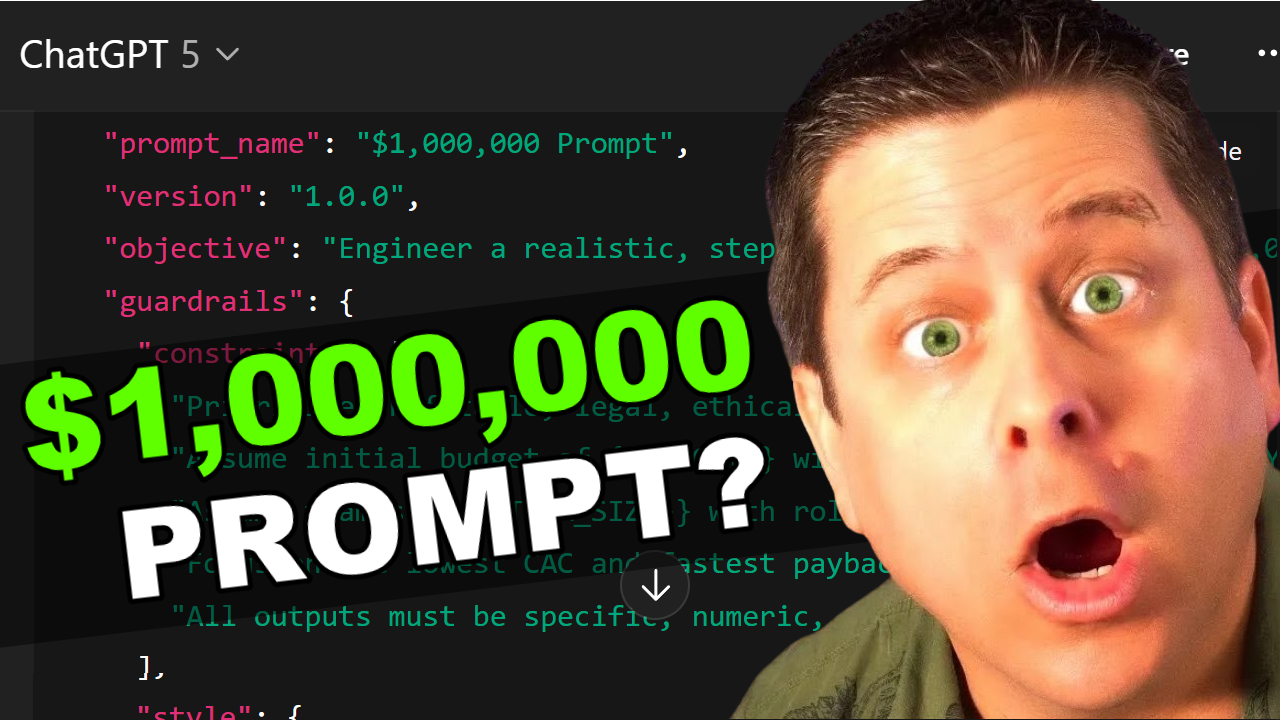
$1,000,000 Ai Prompt???
7 Day Ai Blog Profit Challenge
START YOUR HUB SITE HERE
GET A QUICK RANK DOMAIN HERE
JOIN THE FACEBOOK GROUP HERE
Ready To Work With Marcus – Choose Your Option Below
Ai Profit Scoop – $17 Per Month
- Unlock the Future of Income: Stay ahead of the curve with weekly, cutting-edge AI strategies that you can use to create new revenue streams. For less than the price of a few coffees, you get the inside scoop on the AI gold rush.
- Click Here to Subscribe & Profit!
Blog Profit Network – $127
- Build a Lasting Digital Asset: This one-time investment gives you lifetime access to a proven framework for turning your passion into a profitable blog. Join a network of successful creators and learn the exact steps to generate consistent traffic and income for years to come.
- Click Here to Build Your Profitable Blog!
Simple Sites Course – $297
- Your A-to-Z Blueprint for Online Income: Stop the guesswork and information overload. This complete course provides a step-by-step video guide to building simple, profitable websites from the ground up—no technical experience required. It’s the most direct path to your first online paycheck.
- Click Here to Start Building Today!
High Ticket Niches – $1297
- Maximize Your Earnings, Minimize Your Effort: Why chase small commissions when you can land high-paying clients? This premium training reveals the exclusive secrets to finding and dominating lucrative niches. This is where marcus and his team give you a valuable ranking domain, niche offers, and set everything up FOR YOU!
- Click Here for Elite Access!
COMMENT BELOW AND ON THE GROUP
Notebook LM As A Keyword Tool?
Notebook LM V.S. Expensive Keyword Tools
If you’ve spent any time in SEO or affiliate marketing, you know how important keyword tools are. Platforms like Ahrefs, SEMrush, and Google Keyword Planner promise to unlock profitable keywords, analyze competitors, and hand you the roadmap to traffic. But here’s the catch—they’re expensive. Some cost $100 to $300 a month, and unless you’re running a large operation, that price tag can eat into your profits fast.
Now imagine getting similar insights without the heavy subscription fees. That’s where Notebook LM comes in. On the surface, it’s not a keyword tool at all. It’s designed as an AI-powered research and note-taking assistant. But with the right approach, it can do more than just hold your ideas—it can process massive keyword lists, organize them into strategies, and even help you decide which ones are worth targeting.
“It’s not about having the fanciest tool. It’s about how you use the tools you already have.”
The real breakthrough here is turning Notebook LM into a keyword strategy machine. Instead of relying on expensive platforms to spit out keyword data, you can paste in your own lists—whether from free tools, competitor analysis, or even Google autocomplete—and let Notebook LM analyze and structure them for you.
This changes the game. Because keyword success isn’t just about finding search terms—it’s about knowing how to group them, how to spot intent, and how to build content around them. Notebook LM takes the grunt work out of that process and gives you clarity without the $300/month bill.
Why Keywords Still Matter
In the world of online business, strategies change, platforms rise and fall, but one thing has stayed constant: keywords drive traffic. Whether you’re building a niche blog, running an affiliate site, or creating a YouTube channel, the words people type into Google determine whether they find you or someone else.
But here’s the problem: most people approach keyword research the wrong way. They get stuck chasing high-volume terms without understanding intent, or they drown themselves in data from tools without ever turning it into a real strategy.
“A keyword list isn’t money. It’s what you do with that list that turns into money.”
The Three Layers of Keyword Power
- Traffic – Keywords show you what people are already searching for. Instead of guessing, you know exactly where the demand is.
- Intent – Behind every keyword is a goal. Some people want quick answers, others are ready to buy. Knowing the difference is where the profit lies.
- Strategy – Keywords don’t work in isolation. They need to be grouped, mapped, and turned into content that captures attention and funnels it toward an offer.
Why Expensive Tools Don’t Always Solve the Problem
Expensive keyword tools give you numbers: search volume, CPC, difficulty scores. That’s useful, but it’s not the whole story. Having 1,000 keywords in a spreadsheet doesn’t automatically tell you which ones to target first, or how to build them into a content plan.
That’s where many marketers get stuck. They pay for the data, but they don’t have the system.
The Real Opportunity
The opportunity isn’t in collecting keywords—it’s in organizing them into buckets of intent and turning those into a roadmap for content. That’s exactly where Notebook LM comes in. With AI, you can skip past the endless sorting and let it do the heavy lifting of grouping, analyzing, and suggesting directions.
“The tool doesn’t win the game for you—it’s the way you use the tool that makes all the difference.”
Turning Notebook LM into a Keyword Tool
At first glance, Notebook LM doesn’t look like a keyword tool at all. It’s marketed as a way to organize notes, feed in documents, and generate summaries. But with the right approach, it can become one of the most powerful free keyword strategy tools you’ll ever use.
“Notebook LM isn’t built as an SEO tool, but when you paste in a keyword list, it becomes smarter than most paid ones.”
How It Works
- Gather Your Keywords
- Use free methods like Google Autocomplete, “People Also Ask,” or even free keyword scrapers.
- Export keyword lists from trial versions of paid tools if you have them.
- Paste Into Notebook LM
- Instead of looking at a flat spreadsheet, drop your entire keyword list into Notebook LM.
- The AI will start to recognize patterns, overlaps, and categories.
- Ask the Right Prompts
- Example: “Group these keywords by intent (informational, commercial, transactional).”
- Example: “Which of these keywords could make the best blog series?”
- Example: “What subtopics can I create from these clusters?”
- Turn Output Into Strategy
- From the grouped list, you can design content buckets, prioritize easy wins, and map out a publishing calendar.
Why This Beats Expensive Tools
Paid tools are good at giving you raw numbers, but they rarely tell you what to actually do. Notebook LM fills that gap by acting like a strategist. It doesn’t just hand you data—it helps you think about it.
- Expensive Tool: “This keyword gets 2,400 searches/month.”
- Notebook LM: “This keyword belongs in your ‘beginner’s guide’ cluster, and here’s how to build related content around it.”
That’s a huge difference.
Example Workflow
| Step | With Traditional Tools | With Notebook LM |
| Collect keywords | Export CSVs of thousands of terms | Same process (any free/paid tool works) |
| Organize | Manually sort in Excel/Sheets | AI groups by topic/intent instantly |
| Identify opportunities | Guess based on search volume | AI highlights easy wins & content clusters |
| Build strategy | Requires separate planning sessions | Strategy is generated alongside the analysis |
The Secret Ingredient: Prompts
The real power comes from how you ask. Notebook LM responds best when you give clear instructions. Instead of asking “What keywords should I target?” try:
- “Build a 10-part blog series using these keywords, grouped by buyer’s journey.”
- “Cluster these keywords into informational vs. buyer-intent.”
- “Highlight keywords with commercial intent that can be monetized with affiliate products.”
With this approach, Notebook LM turns into more than a storage app—it becomes a keyword strategist that doesn’t cost $300/month.
“The data is free. The strategy is where the money is.”
Mind Maps, Buckets, and Content Blueprints
Keyword research isn’t just about collecting terms—it’s about organizing them into a structure that drives content creation. That’s where Notebook LM shines. Instead of leaving you with a pile of keywords, it helps you arrange them into categories (buckets), outlines, and even mind maps that serve as ready-made blueprints for your site or channel.
From Keywords to Buckets
The first step is clustering. When you paste a keyword list into Notebook LM and prompt it correctly, it can:
- Sort keywords into informational, commercial, and transactional groups.
- Group similar phrases together (e.g., “best budget laptops,” “cheap laptops,” “affordable laptops”).
- Suggest content categories that naturally fit those clusters.
Turning Buckets Into Mind Maps
Once the keywords are grouped, Notebook LM can visualize how they connect. By asking it to map out subtopics and related angles, you create a mind map of content opportunities.
For example:
- Main Topic: “Home Coffee Makers”
- Informational Bucket: how to use, cleaning guides, troubleshooting
- Commercial Bucket: best brands, reviews, comparisons
- Transactional Bucket: buy online, discount codes, accessories
This structure makes it easy to plan out not just one article, but a full content ecosystem around the niche.
Building Content Blueprints
The final step is turning these clusters into actionable content plans. Notebook LM can:
- Draft outlines for blog posts or videos based on each cluster.
- Suggest series ideas (e.g., “10 posts every beginner should read”).
- Show how each piece of content links together to funnel readers toward a purchase.
From Raw Keywords to Blueprint
| Stage | Input | Output in Notebook LM |
| Raw list | “best coffee maker,” “cheap espresso machine” | Hundreds of scattered keywords |
| Buckets | Informational, Commercial, Transactional | Grouped into intent-based categories |
| Mind map | Ask for subtopic mapping | Visual map showing relationships between keywords |
| Content blueprint | “Create a 10-post plan from this map” | Ready-to-publish article outlines |
Monetization Opportunities
Finding and organizing keywords is powerful, but the real question is: how does it make money? That’s where monetization comes in. With Notebook LM, you’re not just building keyword lists—you’re creating pathways that lead directly to offers, products, and revenue streams.
- Affiliate Offers
Keywords with commercial intent are the bread and butter of affiliate marketing. When Notebook LM groups keywords like “best budget laptops” or “top 10 coffee makers,” you instantly see where affiliate reviews and product roundups fit in.
- Informational content pulls in visitors.
- Commercial content points them toward affiliate products.
- Transactional keywords convert readers into buyers.
- Auction & Expired Domains
Notebook LM can also highlight keywords tied to brandable or keyword-rich domains. With the right prompt, you can ask it to suggest potential domain names or check if related expired domains are available. These can be monetized through:
- Flipping domains for profit.
- Building micro-niche sites around them.
- Content Strategy for Ad Revenue
Not every keyword is about selling directly. Informational buckets can drive massive traffic, which can then be monetized with ads (Google AdSense, Mediavine, Ezoic).
- Example: A site about “home gardening tips” may not sell many direct products but could pull in thousands of visitors monthly, generating ad revenue.
- Building Lead Magnets
Some keywords naturally tie into lead generation. For example, Notebook LM might cluster “email marketing templates” or “affiliate tracking spreadsheets.” Those buckets can easily be turned into free lead magnets that grow your email list—leading to long-term sales.
- Creating Digital Products
Notebook LM doesn’t just organize keywords—it can suggest product opportunities hidden inside them. If you see clusters like “how to start a YouTube channel,” that could become a course, ebook, or toolkit you sell directly.
Prompts & Practical Use Cases
Notebook LM becomes powerful when you ask the right questions. Instead of staring at a spreadsheet full of terms, you feed them into Notebook LM and guide it with prompts that organize, cluster, and monetize.
“The magic isn’t in the keywords—it’s in how you tell AI to shape them into a plan.”
Here are some practical prompts you can use right away:
Keyword Clustering Prompts
- “Group these keywords into categories based on user intent: informational, commercial, transactional.”
- “Cluster these keywords into 5–7 content buckets that could each become a blog series.”
- “Organize these keywords by beginner, intermediate, and advanced audience levels.”
Content Blueprint Prompts
- “Create a 10-article content calendar from this keyword list, with titles and subheadings.”
- “Suggest pillar page topics and supporting articles using these keywords.”
- “Turn these keywords into a mind map showing how articles should link together.”
Monetization Prompts
- “Identify which keywords from this list can be monetized with affiliate offers.”
- “Suggest affiliate products or categories that match these keyword clusters.”
- “Show which keywords are better suited for ad-driven content vs. product reviews.”
Expansion & Long-Tail Prompts
- “Generate long-tail versions of these keywords that could rank with less competition.”
- “List questions users might ask related to these keywords for a FAQ section.”
- “Suggest schema markup ideas for these keyword clusters.”
Tips for Making It Work
Notebook LM can make keyword research faster, cheaper, and more strategic. But like any tool, it’s only as good as the person using it. You don’t build a business by collecting keywords—you build it by turning them into content, offers, and systems that run consistently.
“The tool won’t make you money. The effort you put into it will.”
Here are some practical tips to make sure Notebook LM actually drives results:
- Don’t Chase Every Keyword
It’s tempting to go after every cluster, but spreading yourself too thin kills momentum. Start with one or two clusters and build authority there before expanding.
- Focus on Intent, Not Just Volume
High search volume doesn’t always mean high profit. A keyword with 200 searches but strong buying intent often beats a 10,000-search keyword with vague interest.
- Use AI as an Assistant, Not a Crutch
Notebook LM can organize, cluster, and suggest strategies. But your human judgment—understanding your audience, adding personality, and connecting real offers—is what makes it work.
- Commit to Consistency
Even with AI, content and SEO take time. Publishing once and hoping for traffic won’t cut it. Create a weekly routine:
- Monday: research with Notebook LM
- Tuesday–Thursday: write and publish content
- Friday: review traffic and refine the plan
- Measure, Test, Repeat
AI gives you a starting strategy. But the real winners test what works, track performance, and double down on what converts. Use Notebook LM as the map, but let your analytics be the compass.
Conclusion: Notebook LM vs. Expensive Tools – The Smarter Play
Keyword tools like Ahrefs and SEMrush are powerful, but they’re also pricey. For solo entrepreneurs and affiliate marketers, paying $100–$300 a month just to access keyword data can be overkill—especially when most of that data ends up sitting in spreadsheets.
Notebook LM flips the script. It’s not marketed as a keyword tool, yet with the right prompts, it organizes raw keyword lists into buckets, blueprints, and monetization strategies. Instead of drowning in numbers, you walk away with clarity—what content to create, how to structure it, and where the money-making opportunities are.
“The future of SEO isn’t about who has the fanciest tools—it’s about who can turn keywords into strategy the fastest.”
If you’ve been stuck paying for tools that don’t give you a real plan, try this approach:
- Gather keywords from free or low-cost sources.
- Paste them into Notebook LM.
- Use the prompts in this guide to cluster, plan, and monetize.
- Turn that strategy into consistent content.
The choice is simple: you can keep paying for expensive keyword tools that flood you with data, or you can use Notebook LM to turn free keywords into profit-generating strategies.
The next move is yours. Take your keyword lists, feed them into Notebook LM, and start building a system that brings in traffic—and turns that traffic into income.